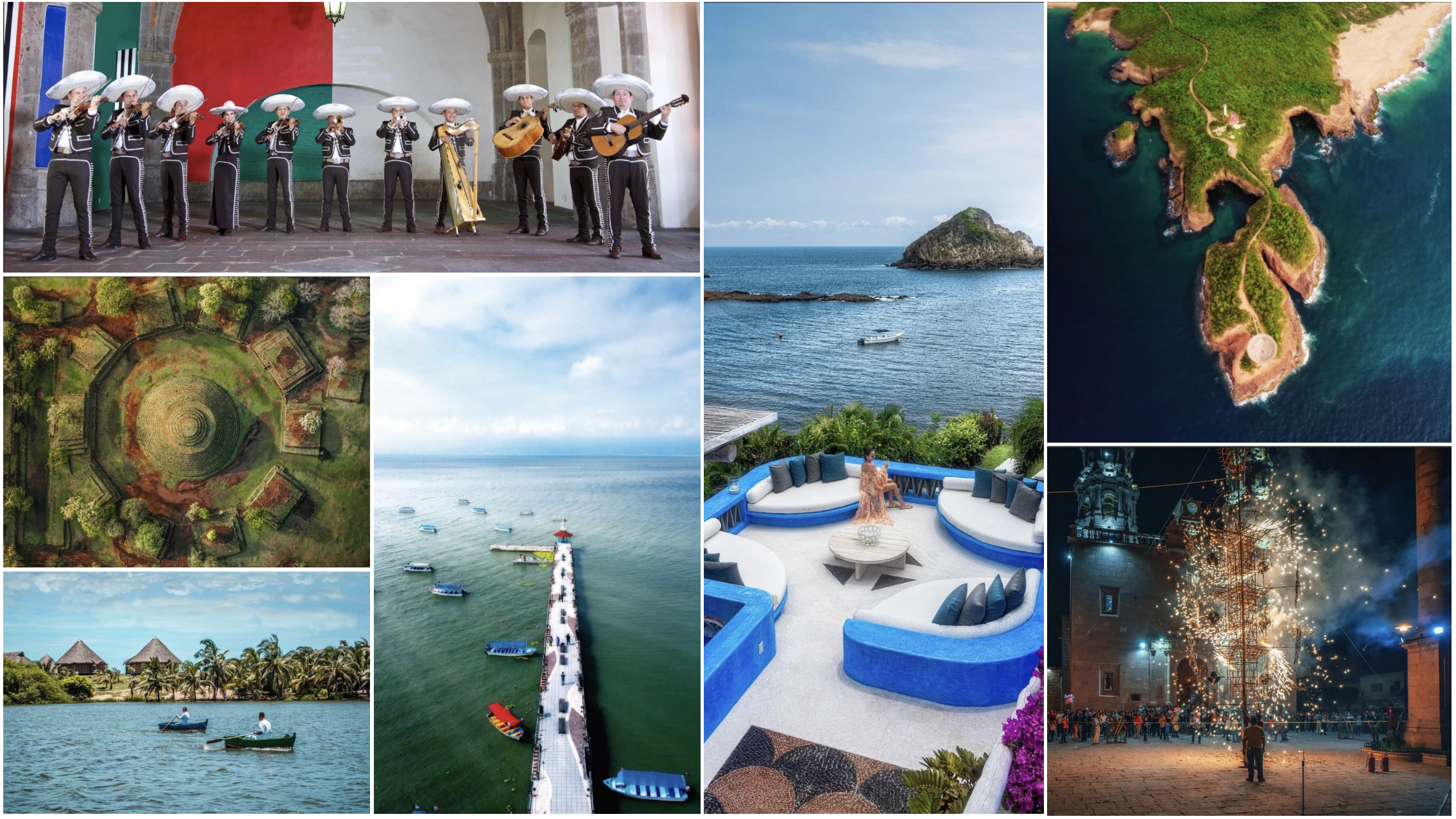
Mexico is a country of extraordinary contrasts, where ancient ruins sit alongside some of the world’s most recognisable beach destinations. Yet beyond the Caribbean’s idyllic shallows, on Mexico’s western edge along the Pacific Ocean, is an understated region that offers a deeper understanding of the country’s cultural soul. Check out our Jalisco guide, the birthplace of tequila, mariachi, and birria, and find out why it is widely regarded as the heart of Mexican culture and identity.

Guadalajara
The capital of Jalisco is Guadalajara, Mexico’s second biggest city, which bustles with lively nightlife and embodies centuries of Mexican history in its streets. Here, colonial architecture can still be seen alongside dazzling cathedrals and plazas where mariachis gather in the evenings to serenade. Neighbourhoods such as Americana and Lafayette have evolved to become a contemporary reflection of Mexico while maintaining Latin charm. Mansions have been restored and converted into local boutiques, community spaces, and speciality coffee shops for visitors to enjoy. Not only is Guadalajara a prominent cultural hub of the country, it will soon also be one of the host cities for the 2026 FIFA World Cup.
Experience Tequila at its Fullest
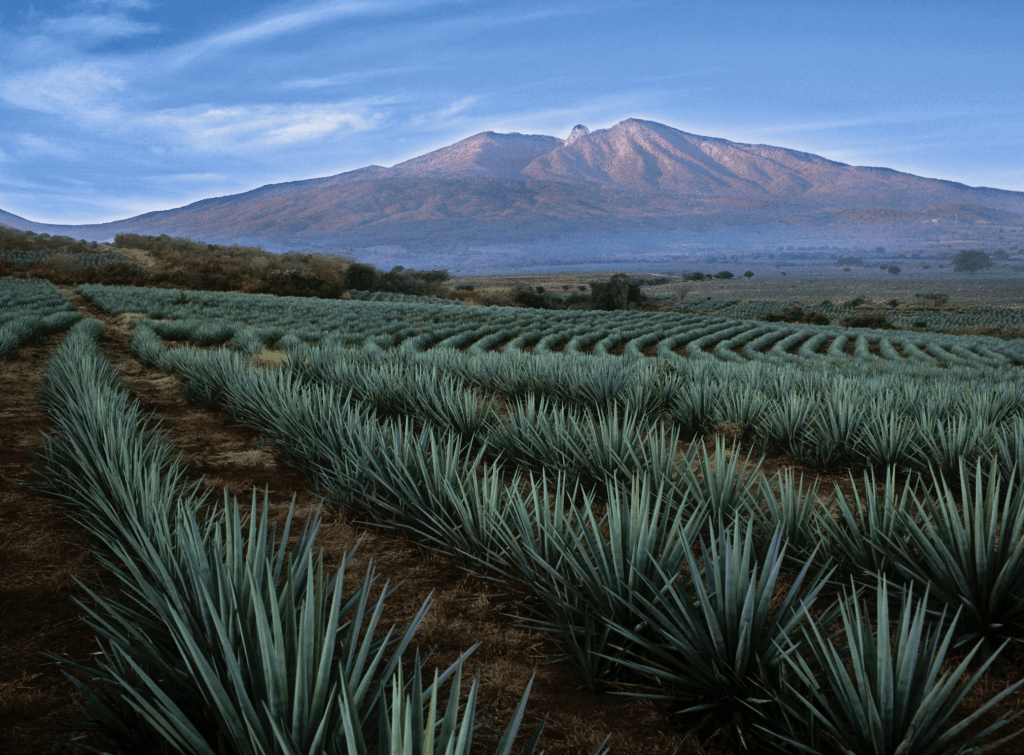
An hour outside of Guadalajara, the landscape begins to change to endless fields of blue agave. This is the tequila-producing capital of the world, a UNESCO-listed region that is utterly awe-inspiring. The quiet town of Tequila itself is home to various manufacturers of the spirit, including both family-owned businesses and esteemed historic brands, which produce and export their spirit worldwide. Taking a tour of one of these distilleries allows you to truly understand the importance of the craft and its relevance here; these artisans aren’t creating just a party drink, but are practicing a refined art form that stretches back centuries.
Tequilas are categorised into blancos, reposados, and añejos depending on the amount of time they have aged. Añejos have the richest flavour profile, given their minimum one-year ageing process.
Puerto Vallarta
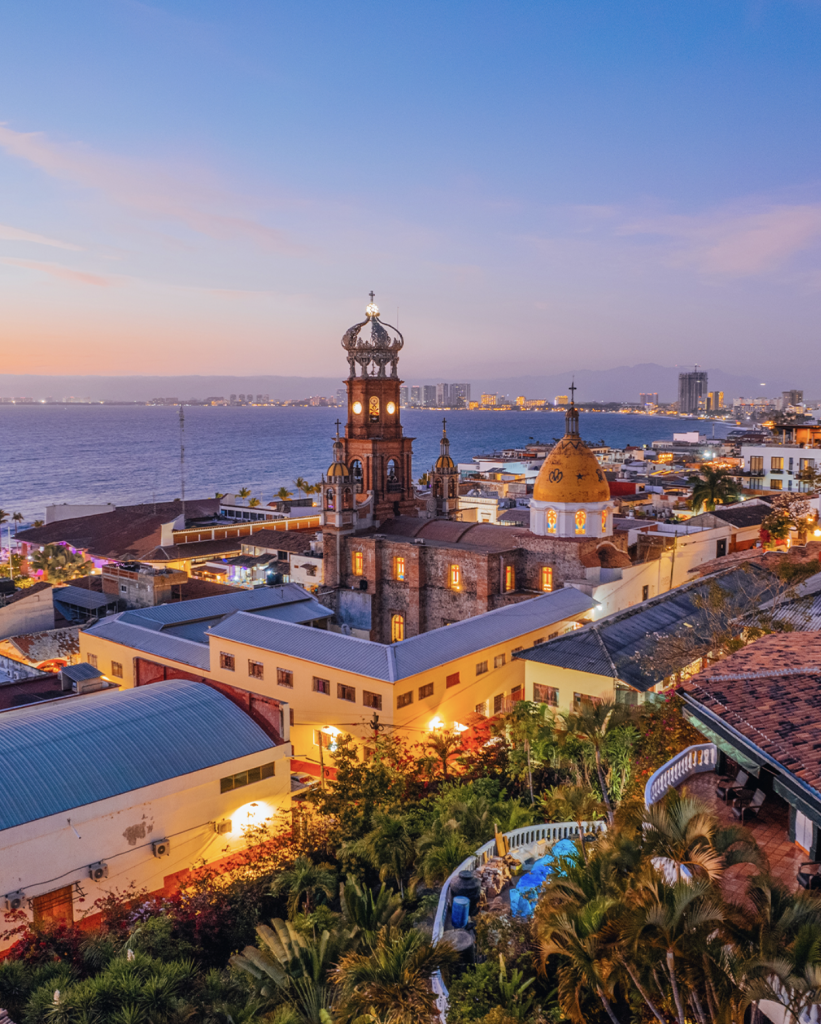
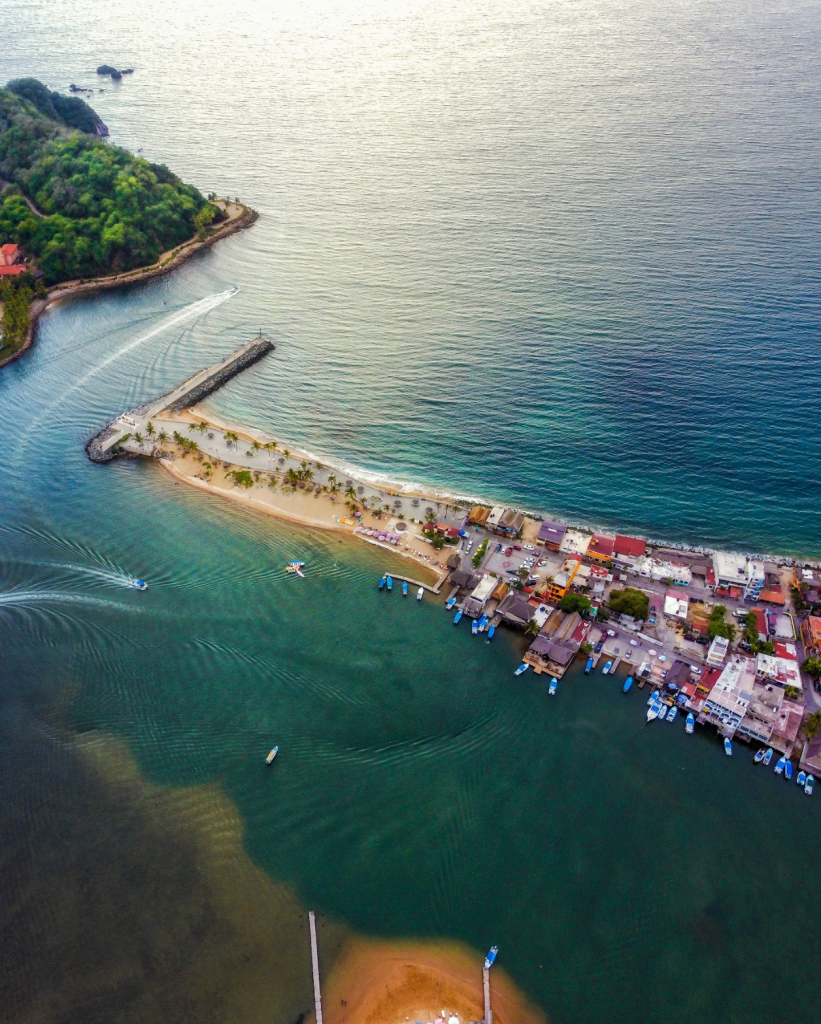
Puerto Vallarta, located on the west coast, touches the Pacific Ocean and features golden beaches lined with palm trees, immersed within a jungle biosphere. Playa Los Muertos and Playa de Oro are popular for snorkelling, and a trip to the Marietas Islands offers the chance to spot dolphins. Once a fishing village, the city has evolved into one of the most sought-after tropical destinations. In the Zona Romántica, colourful tiled roofs and narrow streets cut through the centre of the city, while on its edges sit a plethora of luxury resorts and the Malecón promenade, which comes alive at dusk with street performers and sculptors displaying their art. The iconic Our Lady of Guadalupe Parish Church, known for its crown-shaped tower, also stands proudly among bougainvillaea-lined rooftops.
Aside from the teeming nightlife, which peaks during the high season, Puerto Vallarta offers outdoor experiences such as jungle zip-lining, whale watching, and boat tours to Los Arcos Marine Park.

Costalegre
Costalegre remains one of Jalisco’s least developed coastal regions, and is deliberately resistant to mass tourism. South of Puerto Vallarta and stretching for 284 kilometres along the Pacific Ocean, this jungle oasis is defined by low-density settlements and protected ecosystems. Here, native wildlife cohabitates with locals, and there is an emphasis on eco-luxury and sustainability, a contrast to the busier resort towns further north.
The coastline spans four municipalities: Cabo Corrientes, Tomatlán, La Huerta, and Cihuatlán, and environmental preservation shapes everything from urban community development to ethical sourcing of food. For wildlife enthusiasts, there is a Sea Turtle Conservation Center in Careyes, and beaches like Playa Perula, Chamela Bay, and Majahuitas offer breathtaking views and host a massive number of marine species.
Lake Chapala
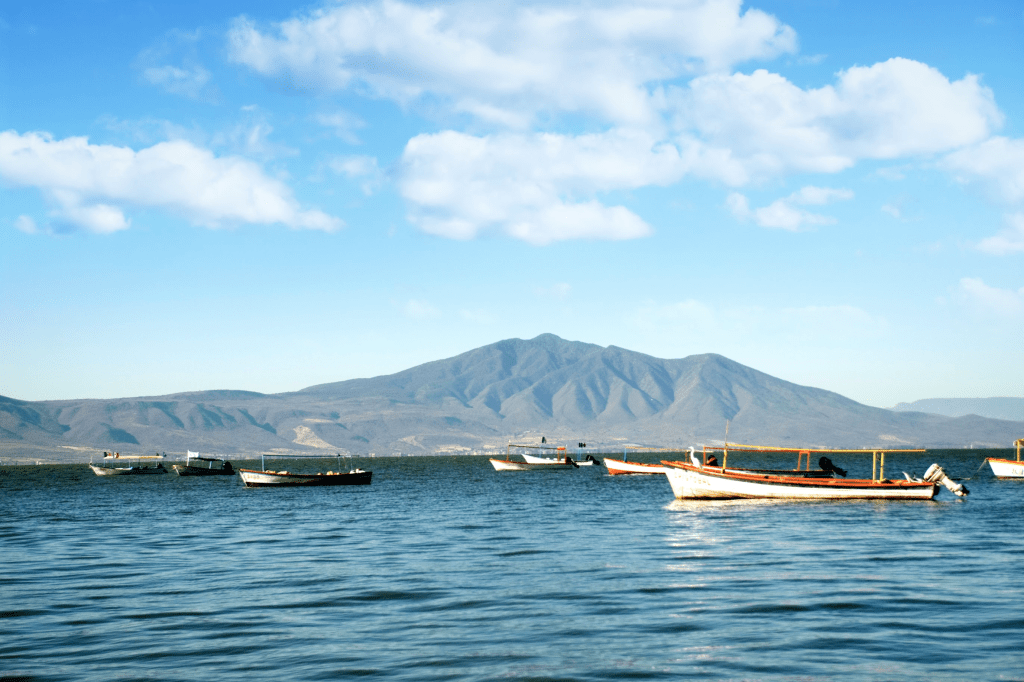
Further inland, Lake Chapala is Mexico’s largest freshwater lake, well known for its warm waters and scenic views of the Sierra de San Juan Cosala mountain. The area benefits from a volcanic crater that offers geothermal activity, supplying natural hot pools and spa facilities along the shoreline, particularly its public balnearios (thermal pools). Kayaking, hiking, and other outdoor activities attract visitors seeking a retreat with a scenic backdrop of mountains and water. Around Lake Chapala sit the towns of Chapala and Ajijic, which attract tourists for their cobblestone streets, affordability, and remarkably stable climate.
Ajijic, with its colourful houses and vibrant markets, is listed as one of Mexico’s Magic Towns, a title given to places of particular beauty and historical significance. Inside this town is the Parroquia de San Andrés, a 16th-century church deeply relevant to Mexican heritage. Year-round pleasant temperatures, plenty of sunshine, and little rainfall are enjoyed by locals here and are the main factors contributing to its enduring appeal.
Cuisine
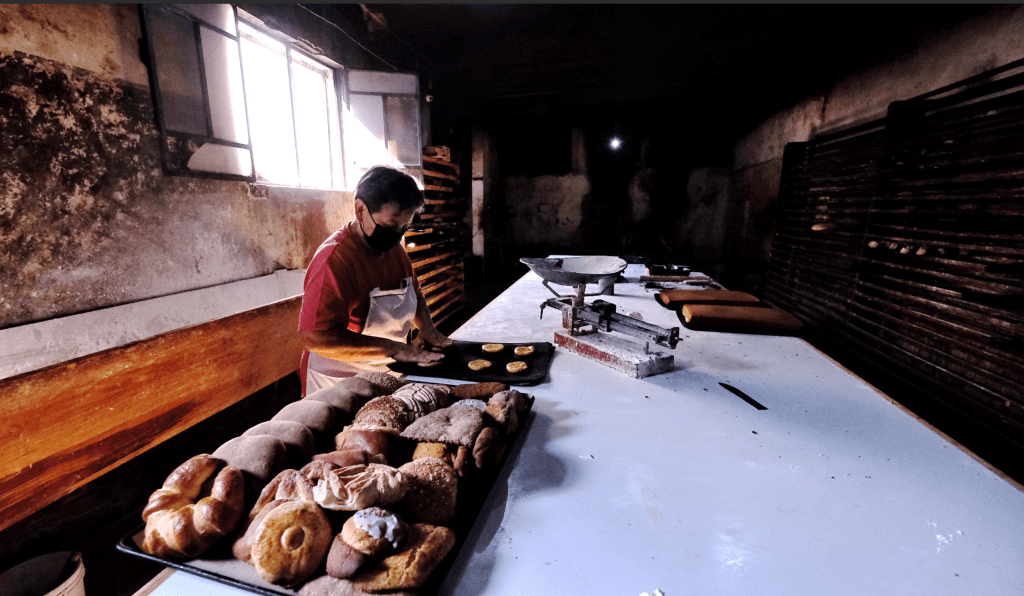
What unites all of these regions is the importance of food. Jalisco cuisine has a long history characterised by spicy flavours, slow cooking, and a deep-rooted connection to the region. The area is the origin of the torta ahogada, a spicy sandwich that is still a mainstay of Guadalajara daily life, and birria, a richly spiced, slow-braised meat dish. Street food and market kitchens are scattered alongside more contemporary restaurants, where chefs refine classic recipes without losing their identity. Towards the shore in Puerto Vallarta, fresh fruit and simply cooked seafood mirror the laid-back, coastal rhythm of the area.

Upcoming Events
This month, municipalities across Jalisco will come alive once again as carnival celebrations return to the region. Concerts, parades, and a rich programme of artistic and cultural events will take centre stage in Jalostotitlán and Autlán de Navarro to honour local communities and their heritage.
In Puerto Vallarta, hundreds of runners will also return in early March to take on a formidable two-day challenge through the Sierra Madre Occidental mountains. This gruelling and gratifying race will take participants through the beautiful landscapes of Jalisco´s mountains, finishing by the shorefront. Simultaneously, Guadalajara will host the 2026 Diving World Cup in the CODE Metropolitano Aquatic Center throughout March until its finals in May.
Looking ahead, April 2026 will see both Colours Volvo Fashion Week and the Guadalajara International Film Festival bring international attention to the state, before Jalisco steps onto the global stage once more as a host region for the FIFA World Cup in June. Later in the year, Guadalajara will celebrate the 40th edition of its International Book Fair, the largest publishing event in Ibero-America.
Final Thoughts
To travel through Jalisco is to experience Mexico in its most raw form. Here, beyond stunning sandy beaches and colourfully adorned streets, is also some of the richest culture and the birthplace of exports of worldwide significance. Discover the intricacies of tequila production, the origins of mariachi music, or simply give yourself some rest in one of the many luxury options available.
For more information, please visit: visitjalisco.mx
View this post on Instagram
All Images Courtesy of Jalisco is Mexico.