Arriving in South Tyrol feels like entering a region where nature, culture, and culinary heritage are in perfect balance. Set between Italy and Austria, this northern province brings together Alpine peaks, Mediterranean valleys, and a long tradition of hospitality. The contrast between mountain life and southern warmth defines everything here, and nowhere is this harmony more visible than in its cuisine.
South Tyrol’s food tells a story of connection. People have always cooked with what the mountain provides, adapting to the seasons and the terrain. The influence of nearby Italy adds brightness and depth, creating a cuisine that feels both hearty and elegant. Every dish carries a sense of place, shaped by history and by the land itself.
The Culinary Landscape
South Tyrolean cooking follows the rhythm of the year. Spring brings mountain herbs, asparagus, and the first soft cheeses. Summer is full of fruit, berries, and vegetables from the valleys. Autumn celebrates chestnuts, mushrooms, and game, while winter is for comfort food: soups, dumplings, and smoked meats. This seasonal approach is not a trend but a way of life that has existed for generations.
The region’s best-known products reflect its pride in quality and origin. Speck Alto Adige PGI, South Tyrol Apple PGI, and Alto Adige DOC wines all carry protected designations that guarantee authenticity. Small farms and family producers keep these traditions alive, while younger chefs and artisans bring new ideas to an ancient table. Together, they form a food culture that values both craftsmanship and sustainability.
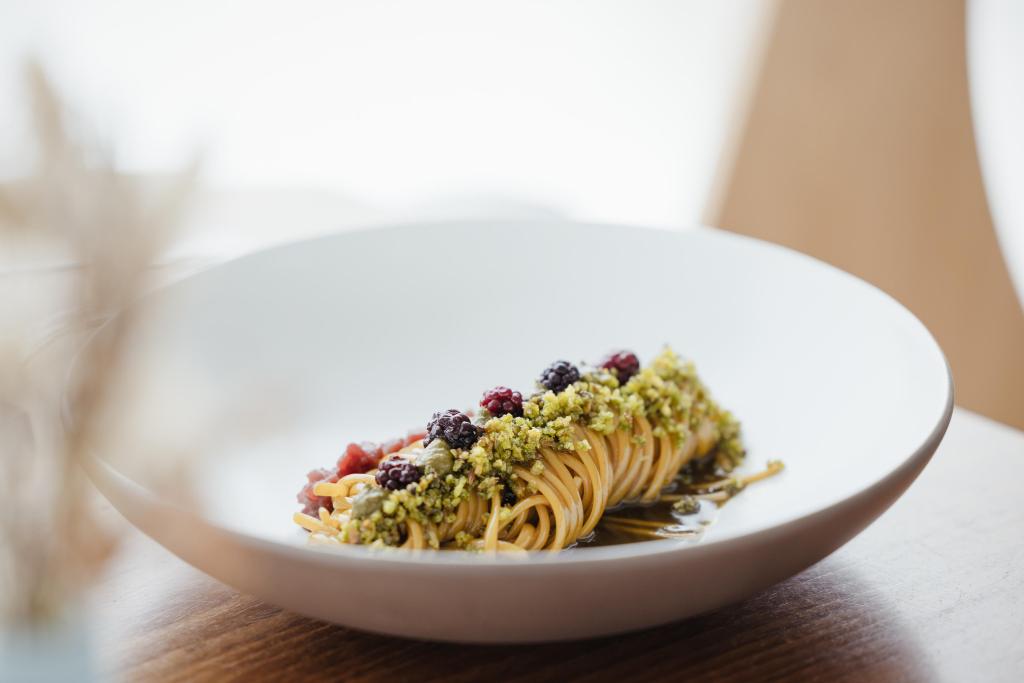
Dishes such as Schlutzkrapfen, delicate pasta filled with spinach and ricotta, or Canederli, soft bread dumplings served in broth or with stew, show the blend of Italian and Tyrolean influence. Graukäse, a tangy mountain cheese, and apple strudel are household staples. Speck, the region’s signature smoked ham, is still prepared using techniques passed down through families. These simple ingredients form the backbone of a cuisine that is honest and rooted in its landscape.

Norbert Niederkofler and Ethical Cuisine – Cook The Mountain
No figure represents modern South Tyrolean gastronomy more than Norbert Niederkofler. Born in the Dolomites, he spent years abroad in some of the world’s leading kitchens before returning home. His philosophy, called Cook the Mountain, redefines what fine dining means in an Alpine context.
Cook the Mountain focuses on three principles: seasonality, locality, and respect for nature. Everything used in his kitchen comes from nearby valleys and mountains, and every recipe follows the natural rhythm of the seasons. The goal is to work with the land, not against it, showing that responsibility and refinement belong together.
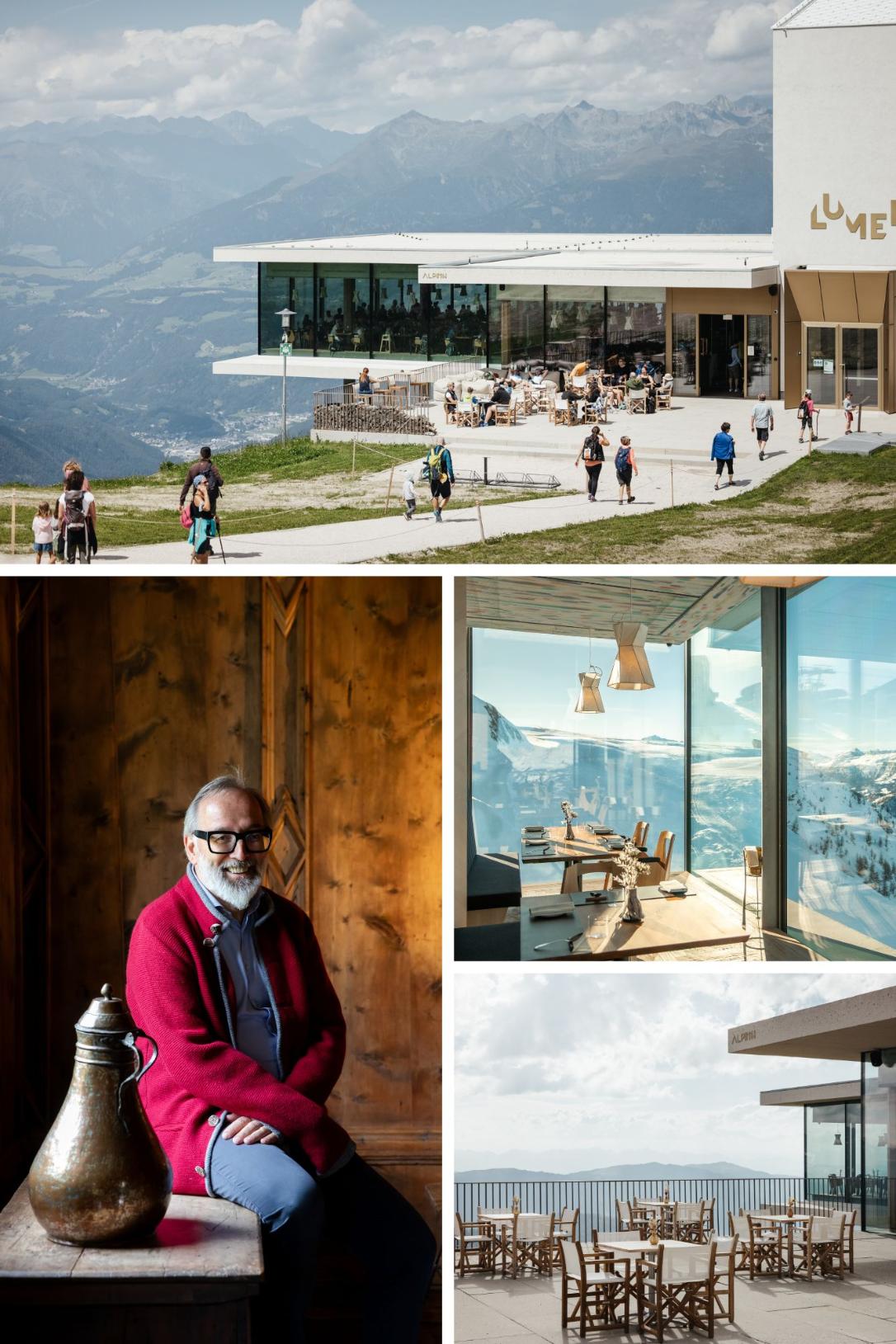
At AlpiNN – Food Space & Restaurant, located 2,235 metres above sea level on Plan de Corones, this vision becomes reality. The restaurant overlooks the Dolomites through glass walls that open onto the horizon. The menu features dishes such as Graukäse risotto and salt-crusted hay fillet, prepared by executive chef Fabio Curreli. Each course demonstrates how simple mountain ingredients can become extraordinary when treated with precision and care.
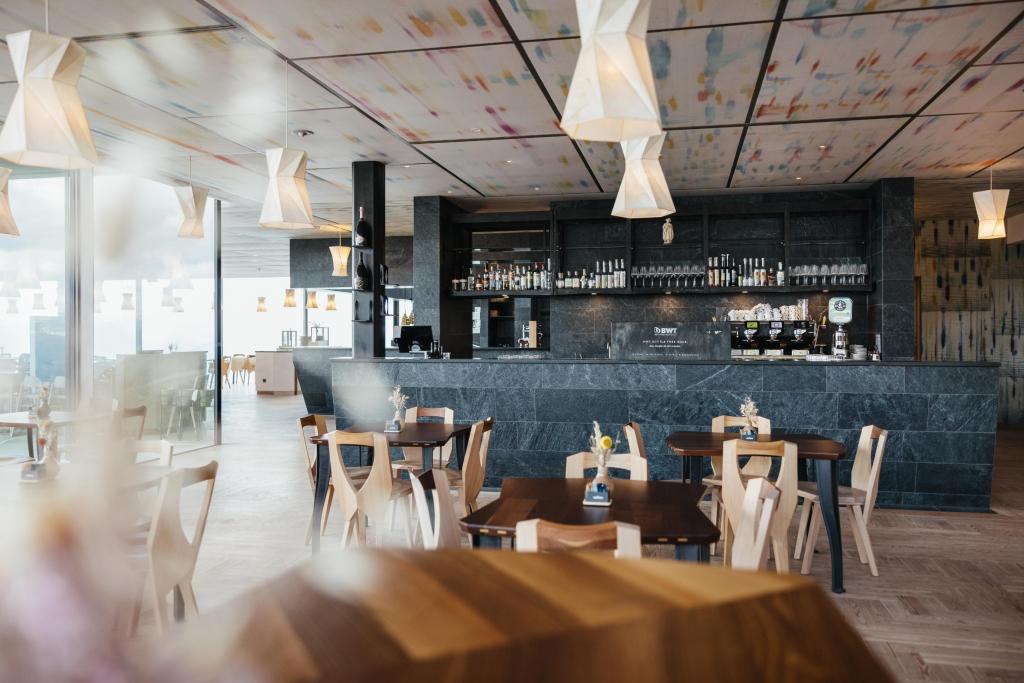
The space itself reflects the same principles. Designed by South Tyrolean designer Martino Gamper, AlpiNN uses larch wood, Tyrolean fabrics, and handmade furniture to create an atmosphere that feels part of the landscape. It shares its building with the LUMEN Museum of Mountain Photography, linking cuisine with art and nature.
Niederkofler’s influence extends far beyond his kitchen. Through his company, Mo-Food, and his project CARE’s – The Ethical Chef Days, he promotes sustainability and education across the hospitality industry. His three Michelin Stars and Green Star recognise not only his culinary skill but also his leadership in environmental awareness.
The Wines of the Mountains
South Tyrol’s wine culture mirrors its geography. Vineyards rise between 200 and 1,000 metres above sea level, climbing the hillsides and catching both the Alpine breezes and Mediterranean sun. This combination produces wines that are balanced, fresh, and full of character.
White wines make up most of the region’s production. Pinot Grigio, Sauvignon Blanc, and Gewürztraminer show brightness and minerality, while reds such as Lagrein and Pinot Noir bring depth without heaviness. Nearly all carry the Alto Adige DOC label, a mark of strict quality control. The wines are made by small family estates and cooperatives that blend modern technique with deep respect for tradition.
Tasting these wines is a journey through the region itself. Each glass reflects the landscape and the culture of those who cultivate it. Vineyards can be visited along the South Tyrol Wine Road, where cellars open onto terraces overlooking the Dolomites. The experience connects visitors directly to the land and its rhythm.

Five South Tyrolean Dishes to Try
South Tyrol’s cuisine is a reflection of its people — simple, generous, and shaped by its geography. The region’s ingredients are born from extremes: crisp mountain air, fertile valleys, and a climate that mixes Alpine freshness with Mediterranean sun. This dual identity creates a wide variety of flavours, but also clear limits on what grows here naturally.
The mountains provide wild herbs, mushrooms, berries, and game, while the valleys produce apples, grapes, and vegetables such as cabbage, potatoes, and carrots. Alpine dairy farms make butter, cream, and cheese from small herds grazing on mountain pastures. Olive oil, citrus, and seafood are not native to the region and are rarely used in traditional cooking. Instead, cooks rely on butter, lard, and local fats for flavour and preservation. These limitations have shaped a cuisine that values creativity and resourcefulness.
Schlutzkrapfen
Thin pasta pockets filled with spinach and ricotta, often topped with brown butter and parmesan. This dish captures the balance between northern and southern influences. The filling is delicate and fresh, while the butter adds richness that suits the mountain climate.
Speck Alto Adige PGI
Cured and lightly smoked, this ham defines South Tyrol’s taste. Seasoned with juniper, bay leaf, and mountain herbs, it carries the aroma of the forests. Speck is eaten sliced thinly with rye bread and cheese, or cooked into soups and dumplings.
Canederli
Soft bread dumplings made with speck, cheese, or spinach. Served in clear broth or with melted butter, they reflect the Alpine tradition of using every ingredient fully. Once a way to avoid waste, they have become a symbol of comfort and hospitality.
Graukäse
A tangy, low-fat cheese produced in small mountain dairies from skimmed milk. It has a strong aroma and crumbly texture, the result of centuries-old techniques. Once considered a poor man’s food, it is now prized for its authenticity and depth of flavour.
Apple Strudel
A classic dessert that speaks to the region’s cross-cultural heritage. Made with South Tyrol’s famous apples, cinnamon, and flaky pastry, it represents the warmth and simplicity of mountain home cooking. Served with whipped cream or vanilla sauce, it ends a meal on a sweet, nostalgic note.
Each of these dishes demonstrates the strength of South Tyrol’s ingredients and its adaptability. Chefs and home cooks alike rely on what the region offers in abundance — dairy, grains, apples, and game — while finding inventive ways to make up for what it does not provide. That resourcefulness is the essence of South Tyrolean cuisine.
From Farmhouse to Fine Dining
While South Tyrol now holds the highest number of Michelin stars per capita in Italy, its true culinary character lies in its connection between farmhouse and fine dining. Across the region, you can taste the same respect for ingredients, whether seated in a rustic mountain hut or at a table overlooking the Dolomites.
In the farmhouses that dot the valleys, meals follow a slow rhythm. Bread is baked in wood-fired ovens, milk comes directly from the morning’s milking, and herbs are picked from kitchen gardens just outside the door. Visitors who stop for lunch in a mountain hut might find a family-run kitchen serving dumplings in broth, cured meats, and homemade apple cake, all prepared from local ingredients. These meals are simple, nourishing, and deeply personal — recipes passed down through generations, made with ingredients grown or foraged nearby.
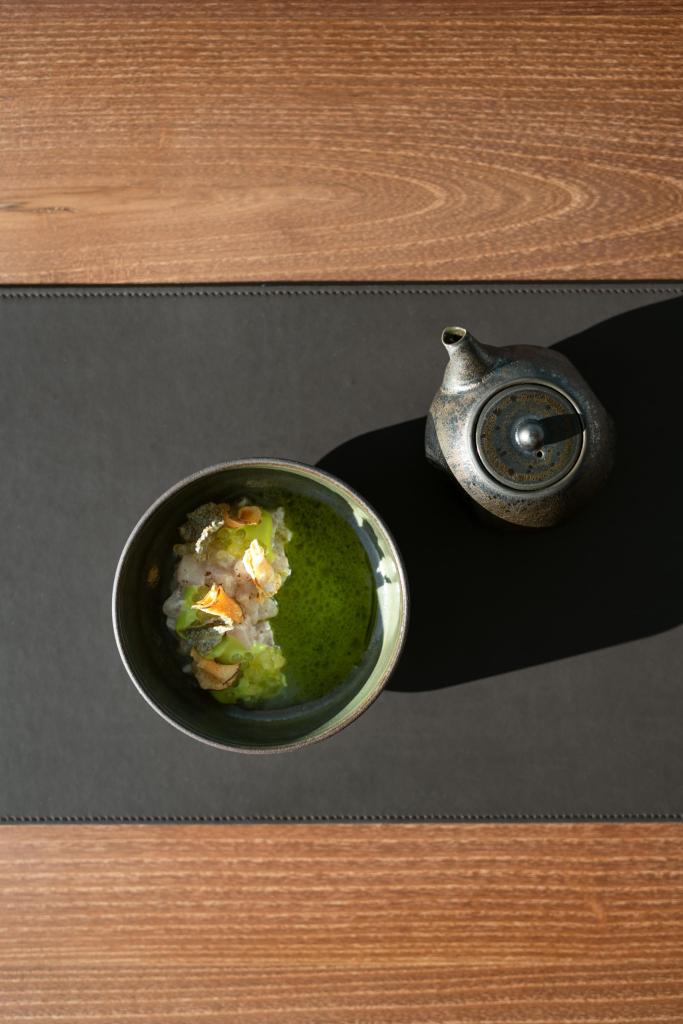
This spirit of authenticity has carried into the region’s most refined restaurants. Chefs such as Norbert Niederkofler and other rising talents see themselves not as innovators breaking from tradition, but as custodians of it. Fine dining here is not about excess but about precision — taking the same milk, grains, and herbs that sustain the valleys and transforming them into artful expressions of place. At AlpiNN, ingredients that might once have been overlooked are turned into highlights of the meal. A carrot harvested in winter or a piece of cured meat aged through summer can inspire a dish that is both elegant and rooted in necessity.
Throughout South Tyrol, this connection between farmhouse and restaurant is seamless. Farmers supply chefs directly; chefs, in turn, highlight these producers on their menus. It is a closed circle of collaboration and respect that defines the region’s food identity. Sustainability is not a fashionable term here — it is simply the way people have always lived.
Visitors experience this ethos everywhere. A glass of local Lagrein wine beside a plate of speck in a vineyard bistro, or an evening spent tasting a multi-course menu built entirely from nearby produce, both tell the same story. Food here is not just something to eat but a way of understanding the land and its people.
South Tyrol on the World Stage
The world is beginning to notice what South Tyrol has long understood. In London, the South Tyrol Culinary Peaks Lunch introduced international guests to the region’s gastronomy. Hosted at Brooklands by Claude Bosi, the event featured a collaborative menu by Bosi and Niederkofler. Each course celebrated the purity and creativity of South Tyrolean cuisine, showing how mountain ingredients can speak a universal language.
Events like these highlight South Tyrol’s evolution into a global culinary destination. Yet even as it gains recognition, the region remains true to its values. The focus is always on integrity, on knowing where food comes from, and on maintaining the bond between people and place.

A Living Culinary Culture
Gastronomy in South Tyrol is not an isolated craft; it is a reflection of daily life. The mountains shape everything, from what grows to how people cook. Chefs, farmers, and winemakers work within these limits, turning them into opportunities for creativity.
This approach defines South Tyrol today. It is a region that has learned to look forward without losing sight of its roots. From Norbert Niederkofler’s AlpiNN to a farmhouse table in a small valley, the message remains the same: food is a dialogue between people and their environment.
South Tyrol invites visitors to slow down and taste this connection. Each meal is an expression of respect for nature, for craftsmanship, and for the generations who built this culture. The result is a culinary experience that feels both timeless and contemporary, grounded in the mountains yet open to the world.
For more information, visit Südtirol
View this post on Instagram
All images courtesy of South Tyrol Tourism.