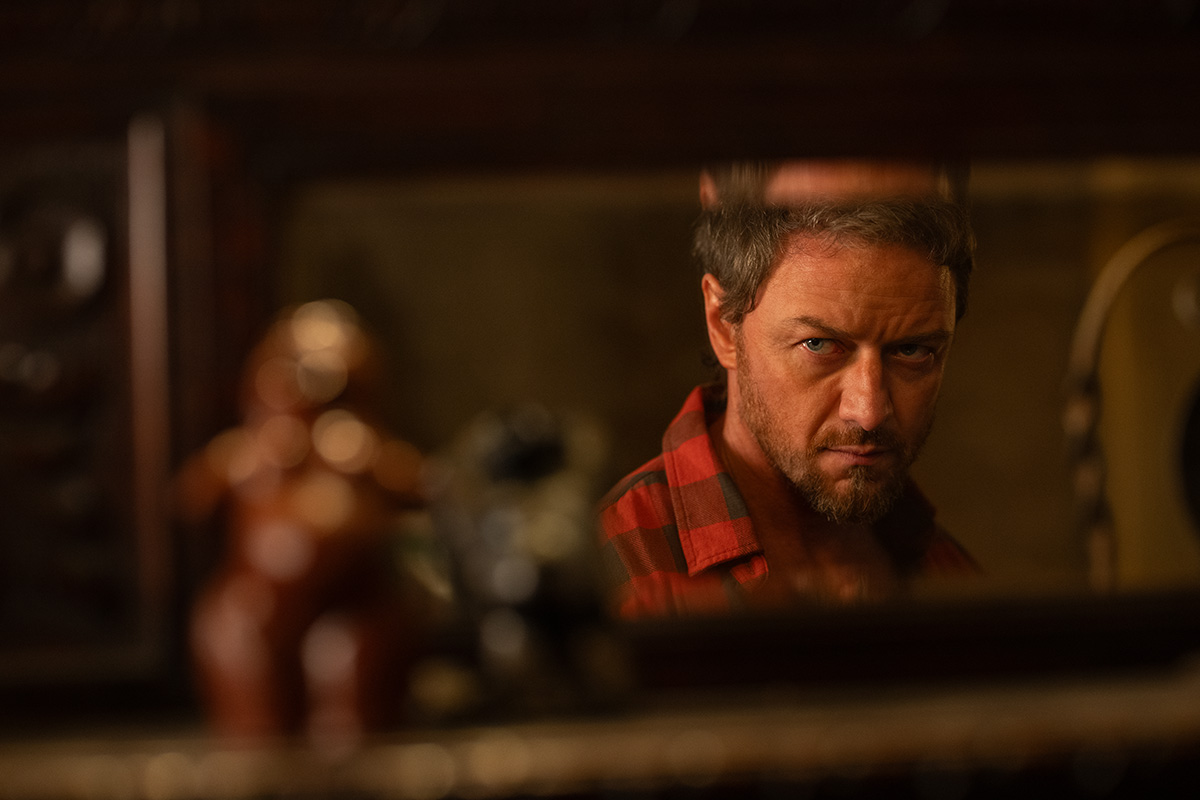
Speak No Evil (2024), directed by James Watkins, is the latest attempt to remake a European horror film for an American audience. This adaptation of the 2022 Danish film of the same name struggles to capture the unsettling essence of its predecessor, leaving viewers questioning whether it was necessary in the first place. While the original was lauded for its psychological depth and tension, the 2024 remake falls short, presenting a film that is uneven and, at times, disappointingly conventional.

The narrative revolves around the Dalton family—Ben (Scoot McNairy), Louise (Mackenzie Davis), and their young daughter Agnes—who, while on vacation in Italy, meet the eccentric Paddy (James McAvoy) and his partner Ciara (Aisling Franciosi). After a charming initial encounter, the Daltons accept an invitation to Paddy and Ciara’s remote countryside home in England. What begins as a seemingly innocuous social visit quickly spirals into a disturbing experience, as the host family’s behaviour becomes increasingly erratic and invasive.
One of the film’s most significant issues is its uneven tone. The original Speak No Evil was celebrated for its slow-building dread and unflinching approach to psychological horror. In contrast, the 2024 version tries to strike a balance between dark humour and horror, but this attempt often feels disjointed. The first half of the film is littered with awkward comedic moments that undermine the mounting tension. For instance, Paddy and Ciara’s over-the-top enthusiasm is played for laughs, creating a tonal clash that distracts from the more sinister undercurrents of the story. This blending of humour and horror often leads to confusion, leaving audiences unsure of whether they should laugh or feel uneasy.
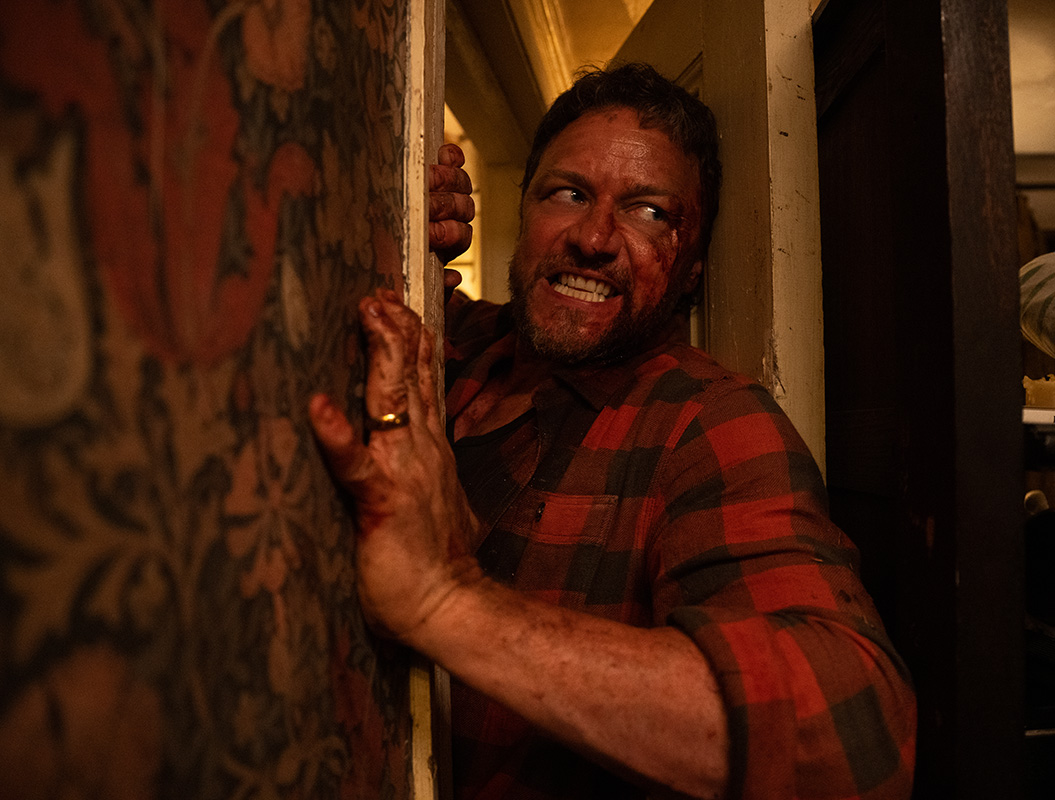
James McAvoy’s performance as Paddy is a bright spot, but even his talents are not enough to salvage the film. McAvoy is undeniably charismatic, embodying the duality of charm and menace with skill. However, the screenplay often undercuts his performance with poorly developed dialogue and plot points that lack the subtlety of the original. As Paddy’s true nature is revealed, the stakes never feel as high or as impactful as they should, which dilutes the film’s psychological tension. The character’s descent into malevolence, while intended to be chilling, comes across as formulaic and predictable, reducing the overall impact.
The film’s pacing also suffers from a lack of focus. The first act drags on longer than necessary, establishing character dynamics that feel superficial and contrived. When the plot finally begins to escalate, the abrupt shifts in tone and the lack of coherent development leave viewers feeling unmoored. The gradual buildup that characterised the original is replaced with a more hurried and disjointed narrative that fails to create a lasting sense of dread.
As the Daltons find themselves ensnared in Paddy and Ciara’s increasingly bizarre world, the suspense is often undermined by an overreliance on tropes common in psychological thrillers.

Perhaps the most significant misstep of Speak No Evil (2024) is its climax. The original film’s ending is brutal and uncompromising, leaving viewers with an indelible sense of unease. In contrast, the remake opts for a less impactful conclusion that feels like a retreat from the horror it had built up. The filmmakers appear hesitant to fully embrace the darker themes present in the source material, which results in an unsatisfying resolution that lacks emotional weight. This choice to tone down the original’s harrowing finale is a disservice to the story and ultimately leaves the audience wanting more.
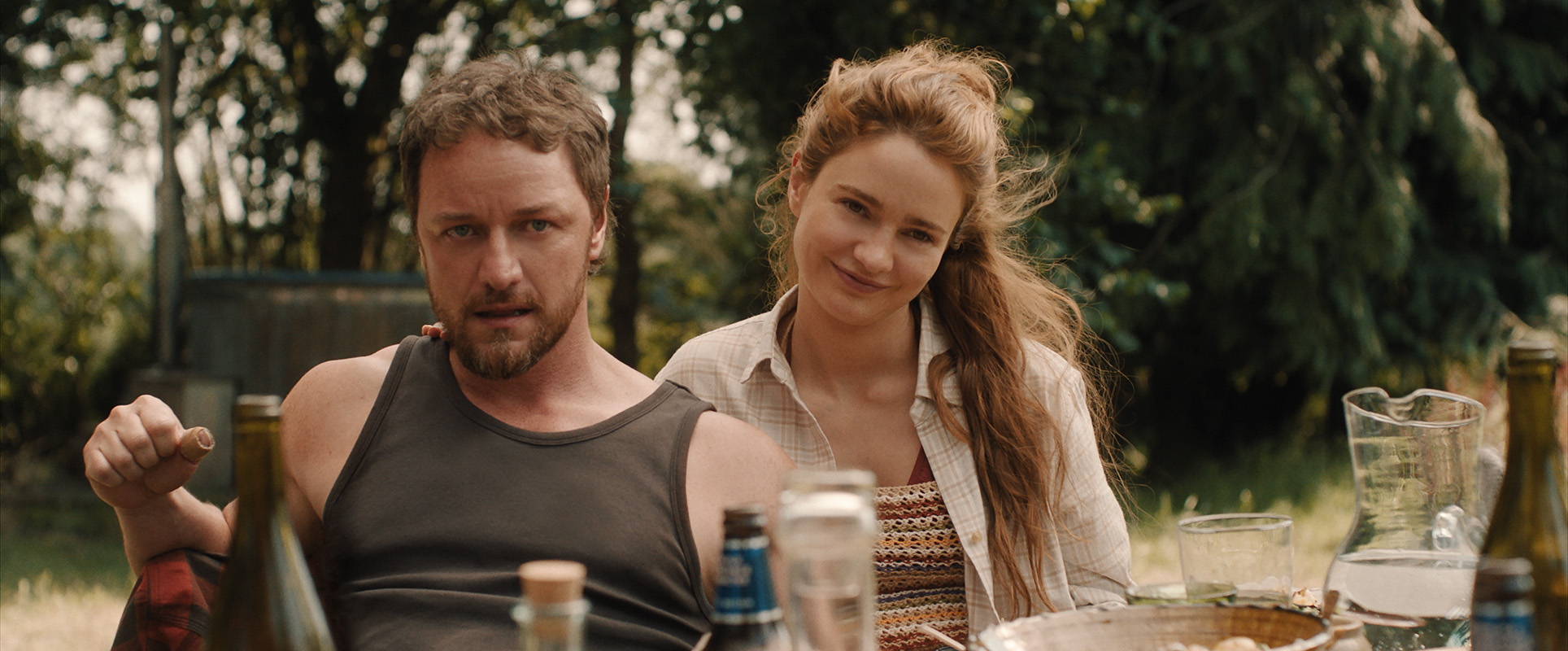
Visually, the film does possess some striking moments. Watkins creates a visually rich atmosphere, with the idyllic countryside setting initially appearing welcoming before transforming into a suffocating trap. However, stunning visuals cannot compensate for a weak narrative. The film’s cinematography, while commendable, fails to elevate the story, which is ultimately undermined by its shallow character development and lack of coherent themes.

Moreover, the exploration of social dynamics—specifically the ways in which individuals often ignore their instincts to avoid conflict—could have been a compelling thread throughout the film. Instead, this theme is left underexplored, resulting in missed opportunities to delve deeper into the psychological horror that the original so effectively portrayed. The film touches on the dangers of politeness and societal expectation, but it never fully engages with these ideas, rendering them as mere background noise rather than integral to the plot.

In conclusion, Speak No Evil (2024) is a lacklustre remake that struggles to find its footing. While it features strong performances, particularly from McAvoy, and attempts to introduce a blend of dark humour and psychological tension, the execution falls flat. The film fails to capture the raw intensity and psychological depth that made the original so memorable. For those familiar with the 2022 version, this remake may feel like a missed opportunity—an adaptation that does not honour the original’s brilliance but rather dilutes it. In the end, Speak No Evil serves as a reminder that not all stories need to be retold, especially when the heart of the original is lost in translation.
View this post on Instagram
All imagery courtesy of Universal Pictures.