
Honoured as ‘China’s fifth invention,’ a 6,000-year-old spirit called Fenjiu Baijiu, or ‘white liquor’ in English, is recognised as one of China’s most important symbols of culture and heritage. Together with London bar legend Leo Surovecs from China Tang, Cheng International has been working on educating and bringing this wonderful liquid beyond China.
To promote Baijiu across the UK, Cheng International has been partnering with numerous companies, organising competitions, masterclasses, and other engaging events. In 2019, they launched the Fenjiu Inaugural Competition in London, inviting top UK bartenders to create their own Baijiu-based cocktails. Since then, the spirit has gained increasing popularity, becoming a feature in several five-star hotels and Michelin-star restaurants. That same year, Cheng International won the prestigious Gold Medal at the International Wine and Spirit Competition (IWSC), solidifying Fenjiu’s growing reputation.
What is Baijiu?
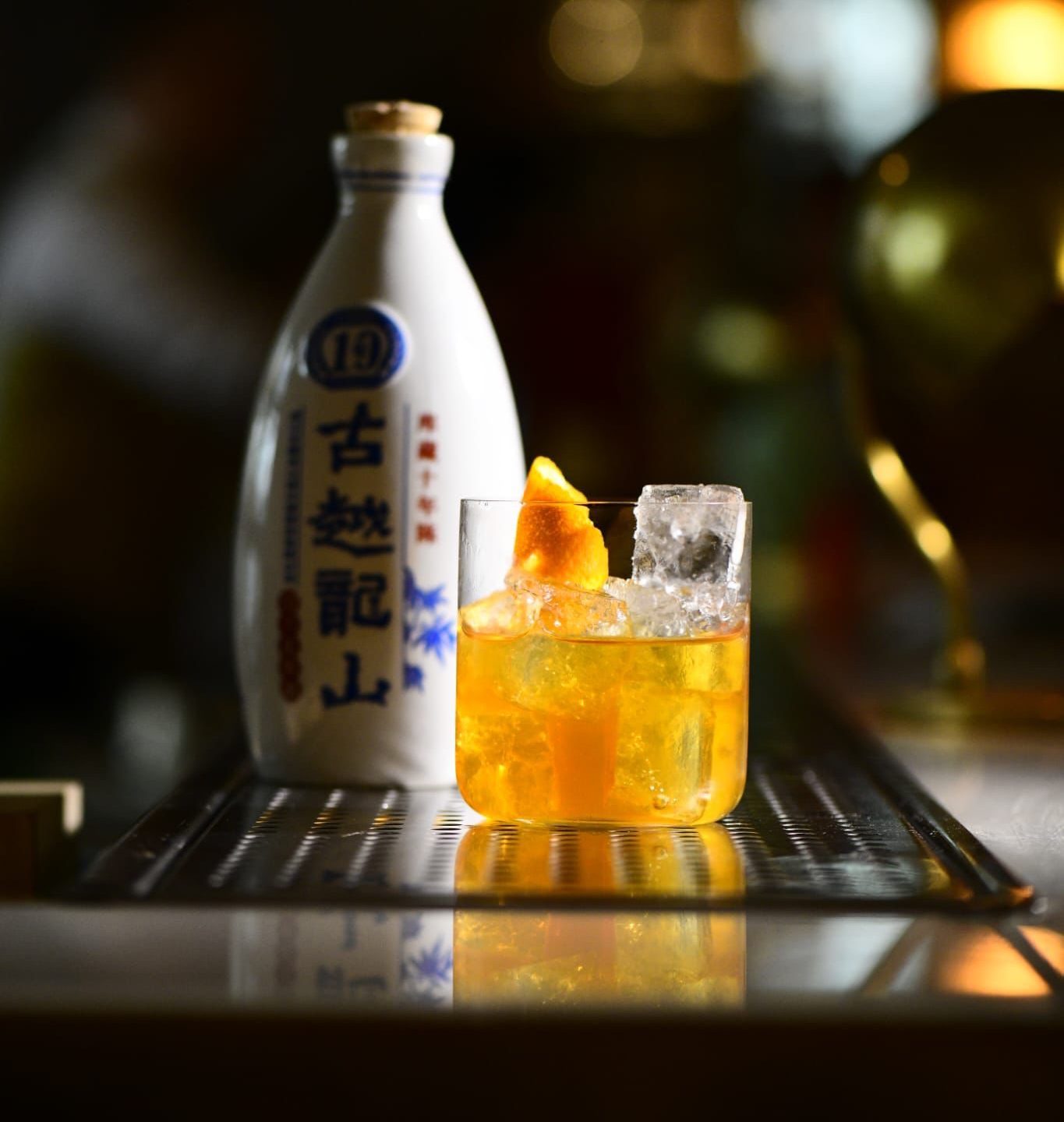
Made with grains, and sometimes other carbohydrates, Baijiu requires a special starter culture called “Qu” to break down the starch molecules into simple sugars, marking the initial phase of fermentation. A bit like a good sourdough! Uniquely, it’s the solids, not the liquids that are distilled before ageing and blending the Baijiu. Fenjiu Baijiu is the light aroma style, known for its crisp, clean profile with delicate floral and fruity notes. Other Baijiu types include the strong aroma with bold, sweet, and fermented undertones, as well as the sauce aroma, renowned for its rich, savoury, umami flavours.
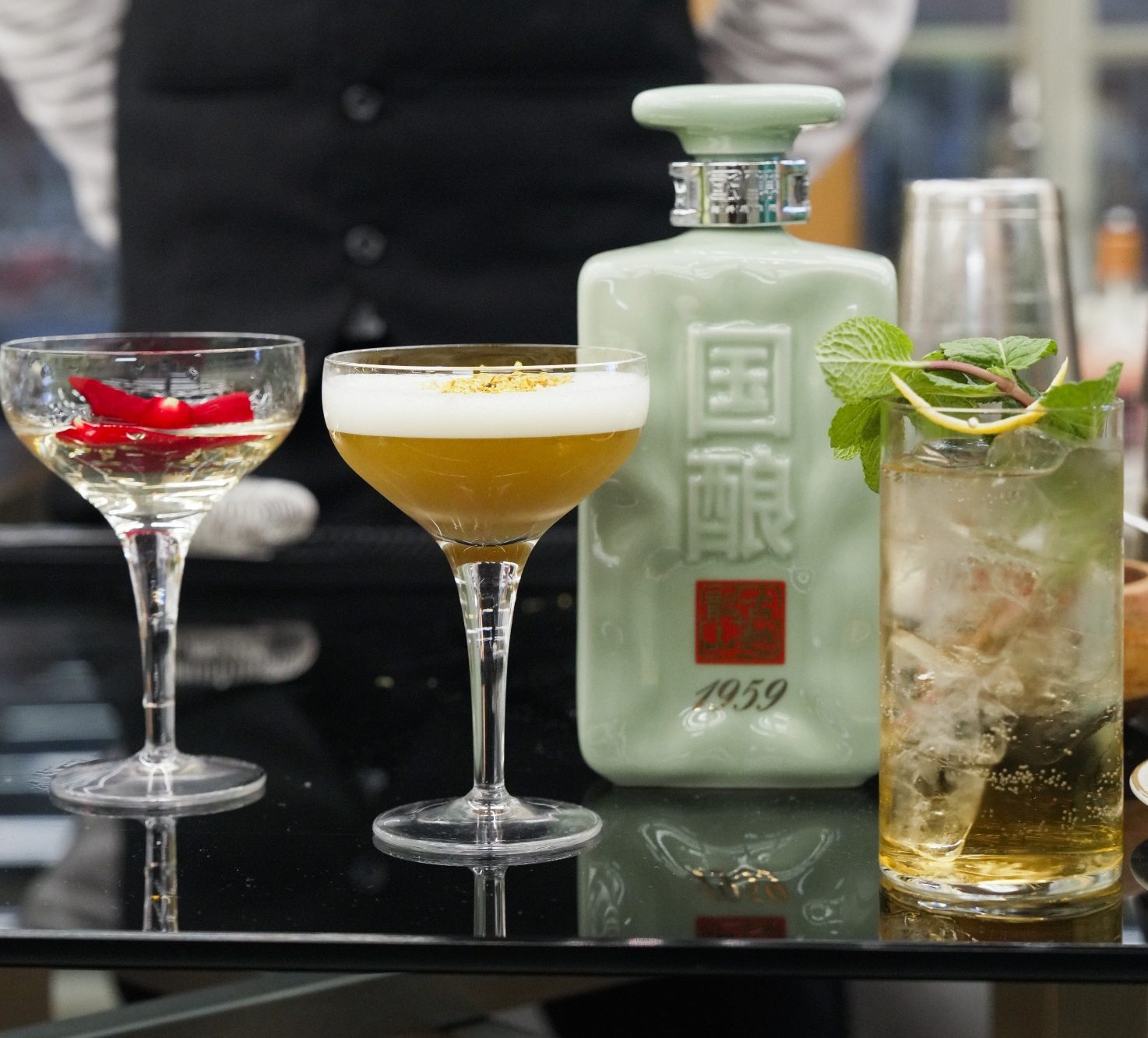
While Baijiu is traditionally enjoyed neat throughout a meal, more people have started consuming it in cocktails or long drinks. What makes the spirit special is the unique and complex layers of fragrance and flavour it adds to cocktails, thanks to its diverse range of profiles—from floral and fruity to earthy and umami. This versatility allows bartenders to create innovative mixes that highlight Baijiu’s distinct characteristics, enriching the overall drinking experience.
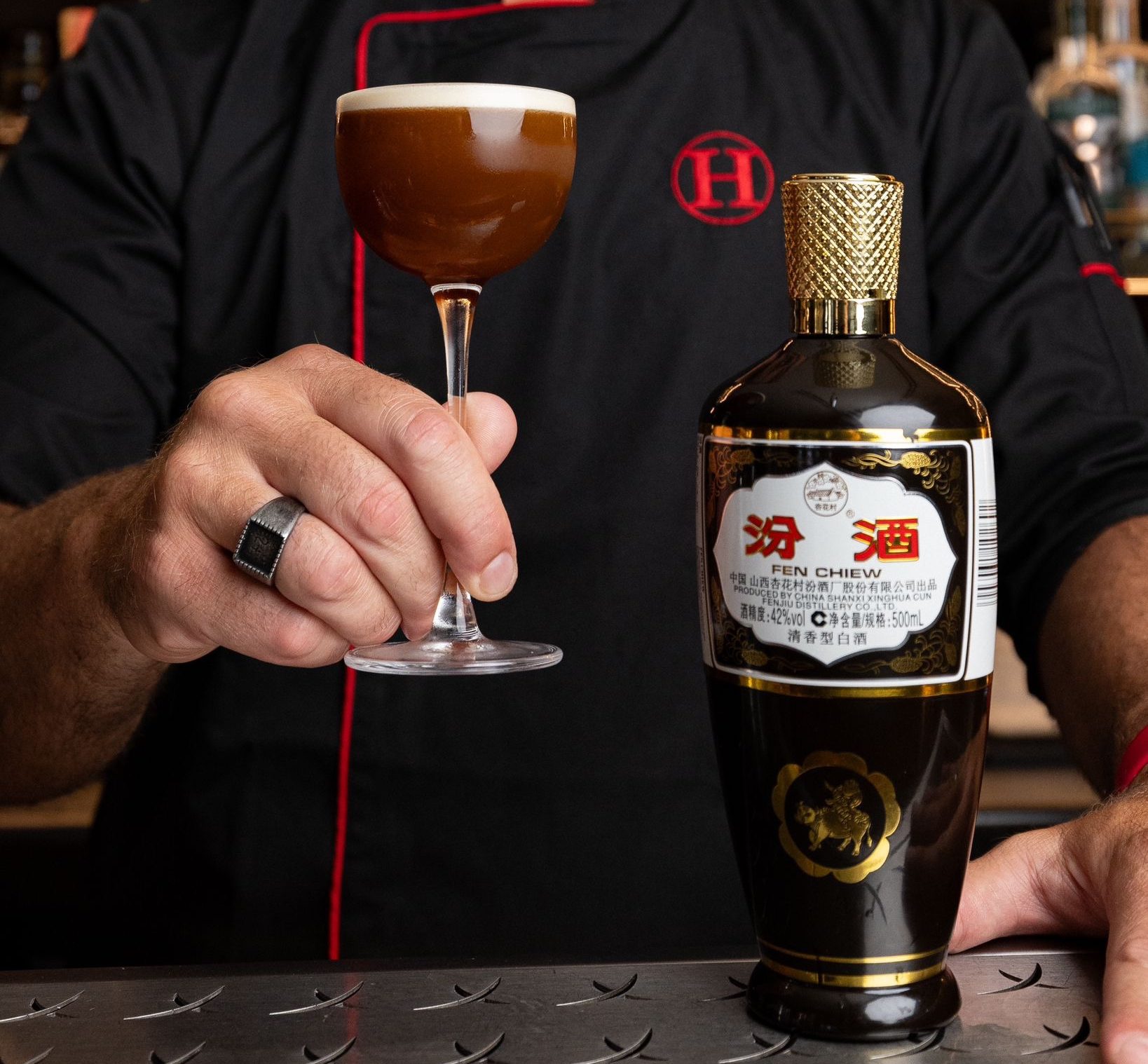
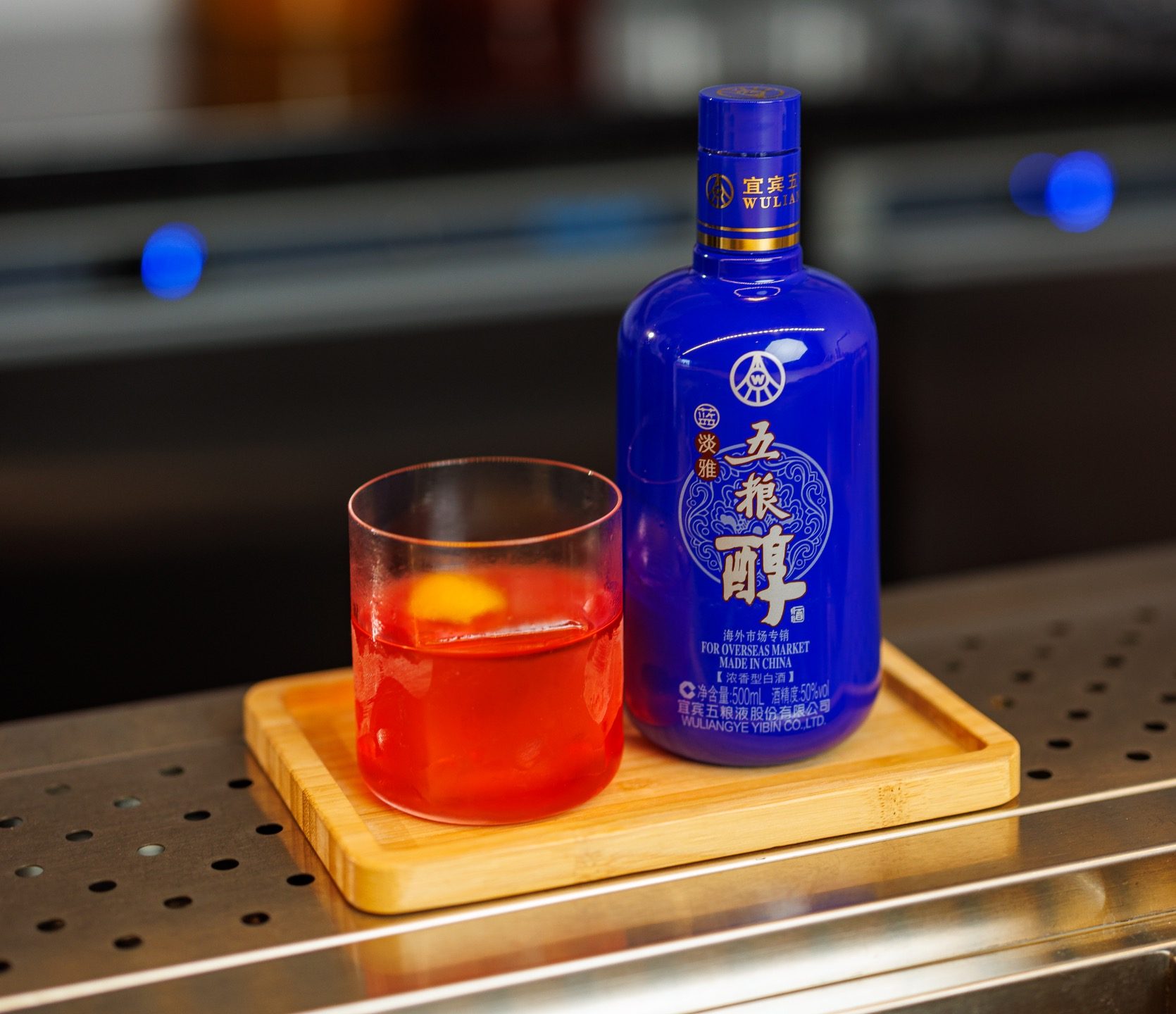
Mixologists are starting to take notice of Baijiu. Leo Surovecs at China Tang has created some exciting mixes such as a Negroni with Baijiu—a bold twist featuring Campari infused with Szechuan pepper & goji, sweet vermouth, cranberry & hops cordial, as well as Wuliangye Baijiu. Additionally, as part of the collaboration with Cheng International, Henson’s Bar presented two limited edition Baijiu cocktails in early September: Coffee Time and Sweet Chilly Love. The former combines Fen Chew Brown, Amber Averna, Coffee Liquefy, and Orgeat, mixed with lemon and orange juice. As for Chilly Love, the drink includes Fen Chiew 10 Years, Mango & Chilly Syrup, Calvados as well as fresh lemon—all the flavours simply meld together. Despite its modernisation and global reach, Baijiu remains to be a cornerstone in Chinese business occasions, family gatherings, and any festive celebration.

The Oldest Baijiu in China: Fenjiu
As Baijiu’s lightest version, Fenjiu Baijiu dates back 6,000 years to Xinghua Village in Fenyang City, Shanxi province. Out of respect to ancient wisdom, producers have to meticulously follow a time-consuming and labour-intensive process to make Fenjiu using organic sorghum and water sourced from 840 metres underground natural forests. Given that the spirit uses only the purest and simplest ingredients, it actually utilises advanced quality testing and control systems that exceed international standards.
Fenjiu Baijiu has a cultural significance is so deep-rooted that every Chinese student learns a classic poem by Du Mu, a Tang Dynasty poet, about it. In the poem, the writer describes his longing for refreshment as he travels, and is then guided by a shepherd boy to Xinghua Village, where he finds a tavern to drink, eat, and rest. In fact, this story has inspired Fenjiu’s branding as you’ll see it on many bottles, featuring the image of the shepherd boy on his ox.

What Do Different Types of Fenjiu Taste Like?
There are many different types of Feniju, each with a unique flavour profile. Among them is Fenjiu Qing Hua 30 Year Old 53%, which stands out with its smooth, strong body and long finish, featuring multiple fruit and smoky notes intertwined with umami. Having aged for 30 years in the earthen ceramic vessels, you’ll taste the essence of umami, marmalade, blood orange, candied peel, and spicy stewed fruit left to infuse with allspice, nutmeg, almond, and coconut. This premium spirit pairs beautifully with refined dishes like fresh oysters and dark chocolate mousse.
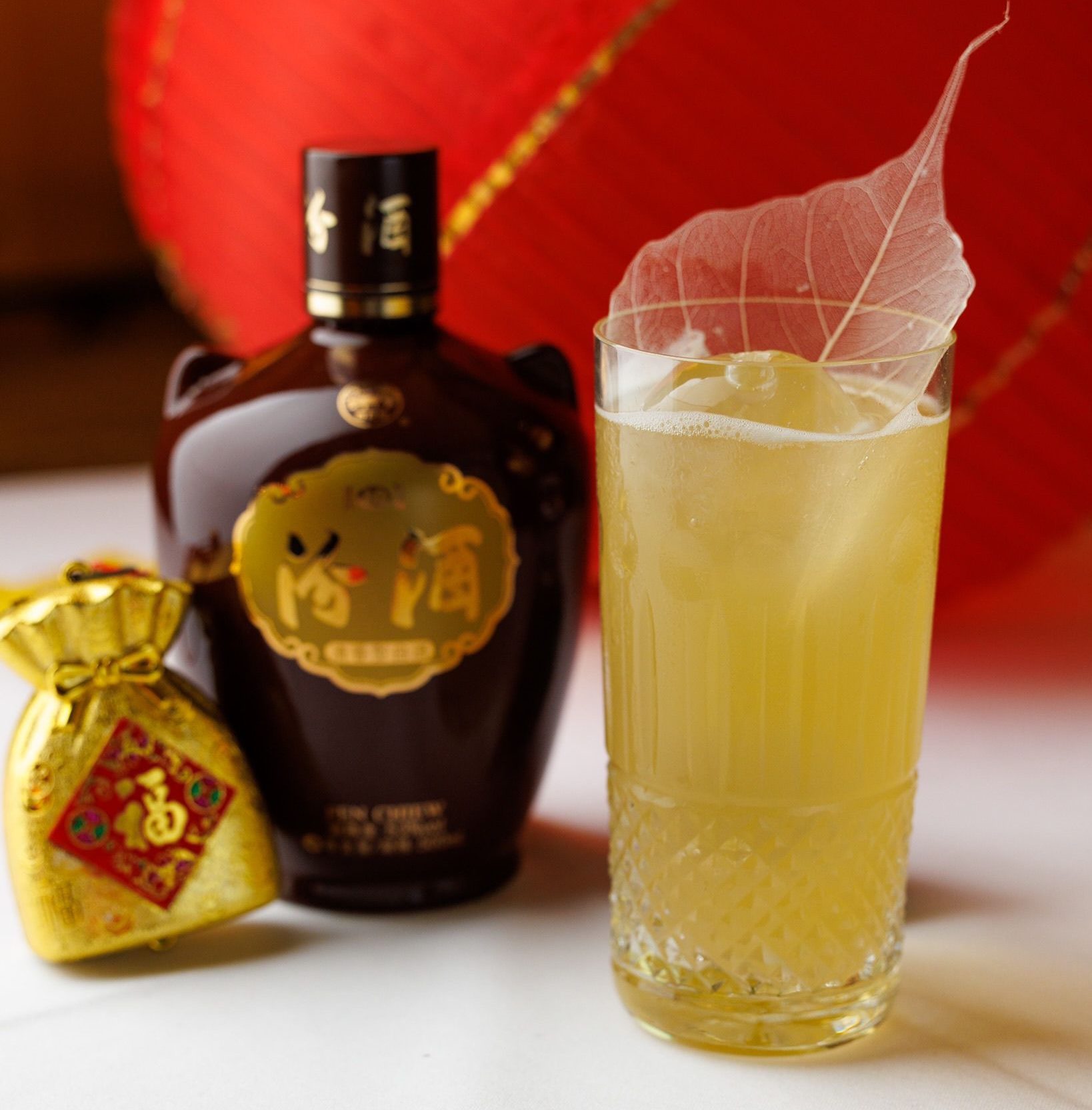
In contrast, the Fenjiu (Fen Chiew) 10-Year-Old 45% has a softer palate, combining spicy herbal tones of thyme, eucalyptus and white pepper with the sweet, and pleasant oiliness of honey. Its versatile flavour profile makes it an ideal match for seared scallops and duck parfait, enhancing your meal. Also aged over a decade, Fenjiu (Fen Chiew) 10-Year-Old 53% is bolder and has more savoury notes from soy and black bean sauce, balanced by subtle sweetness from honey—you should have it with a hearty meal like steak. Other top aged expressions of Fenjiu include the Fenjiu Zhu Ye Qing Jiu 30-Year-Old 45% 500ml. As one of the most appreciated infused Baijius in China, it boasts a special sweet-herbal taste from honey, fern-like herbs, and caramel, followed by a spicy kick and fresh acidity at the end.
While the aged variations of Fenjiu are more complex and refined, the non-aged expressions also stand out. Fresh and vibrant, Fenjiu Xin Li He Fen non-aged 48% bursts with green notes of cut grass, menthol, aniseed, and lime, followed by the warmth of ginger, nutmeg, and chipotle. Best enjoyed in mixed drinks, save this one for desserts like pecan frangipane tart or spiced apple martinis.
Fenjiu’s Table Culture and Production
Symbolising growth, good wishes, and long life, Fenjiu gets traditionally served in a special porcelain bamboo cup either at room temperature or warmed in a pot to 40-45 degrees celsius. Introduced in the 1970s, the bamboo cup comes with two ends—the smaller top holds a modest serving, with seven shots equating to a traditional liang (5cl), while the larger reverse holds three times as much, offering a more generous pour and reflecting the saying “draw inferences about other cases from one instance.” To truly savour the drink, you must first observe its colour—transparent and crystal clear with no sediment. Then, hold the glass close to your nose and take a deep breath to smell its aroma before taking a small sip, letting it slowly move through your tongue and palate with its warm and mellow sweetness. On your second sip, take a moment to discover its new layers and flavours, as it takes time to unveil its full complexity.
To create this magic spirit, producers first prepare Daqu, a starter made from barley, peas, and water, followed by fermenting and distilling sorghum grains in earthen cylinders. The spirit is then aged in ceramic jars for up to 50 years, allowing all the flavours to naturally fuse for Feniju’s distinctive taste to appear.
The future of Baijiu
Founded in 2018, Cheng International’s operations mainly encompass importing and distributing high-end Chinese Baijiu across the UK. So far, the company has been partnering with Cartier, Harrods, Bulgari, China Tang and many others to promote the rapid expansion of high-end Baijiu.
As the spirit holds special traditions and deep roots in China’s history, culture, and heritage, Cheng International doesn’t just deliver the alcohol to the UK; their efforts include educating the market and newcomers on its significance and cultural importance, which is set to increase exponentially. The versatility, provenance and quality of Baijiu make it a spirit that is very much the future of world-class liquid excellence.
Learn more about Baijiu by visiting chengintl.co.uk
View this post on Instagram
All imagery courtesy of Cheng International.