It begins with a whisper. A whisper of limestone beneath your feet, a trace of flint in the air, the faint hum of bees weaving through lavender fields, and the unmistakable pop of a cork echoing through an ancient cellar. This is how the Loire Valley speaks. Not with spectacle or excess, but with poetry. With time. With taste.
For centuries, France’s Loire Valley has been the playground of kings, the muse of poets, and the cradle of architectural masterpieces that still take the breath away. But for those in the know, it is the spirit of the vine that flows through this region most powerfully, a lifeblood that has nourished not only the soil but the very soul of this place.
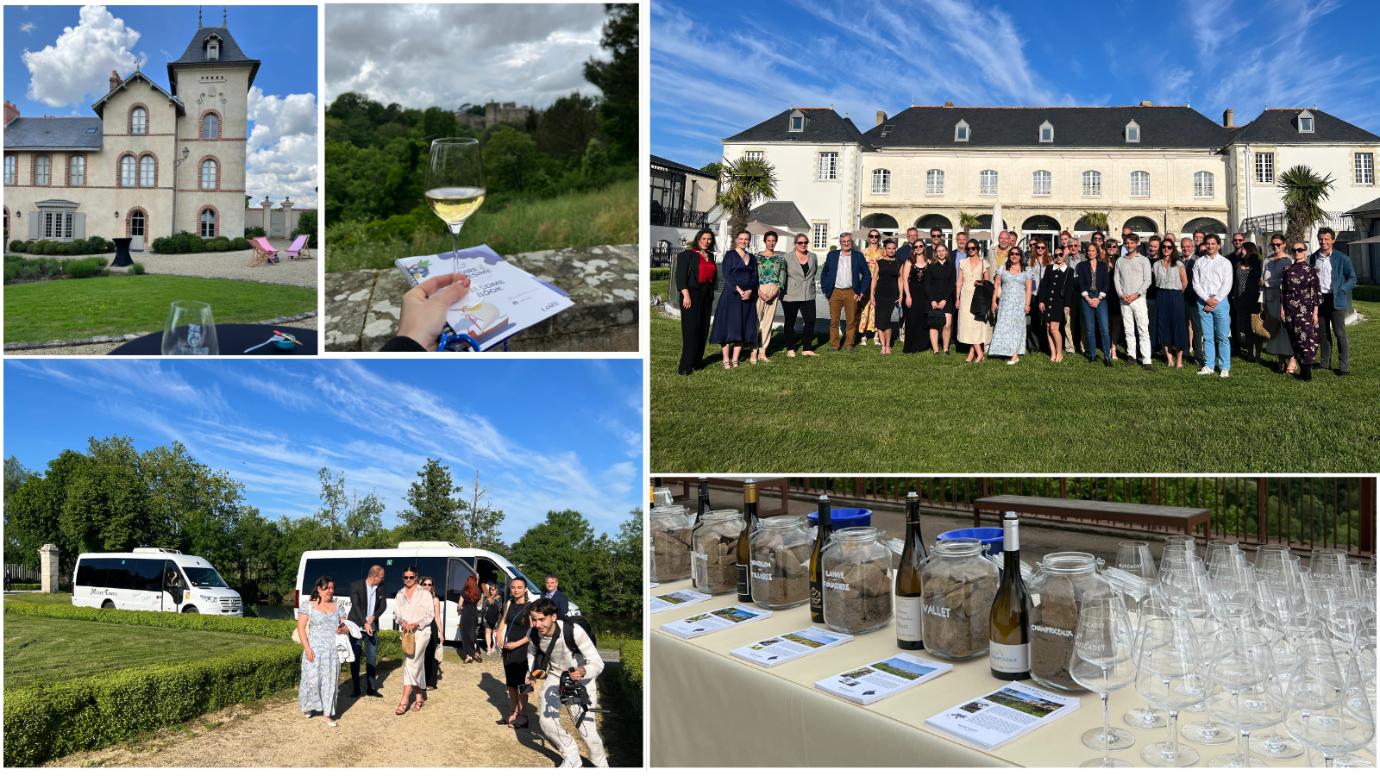
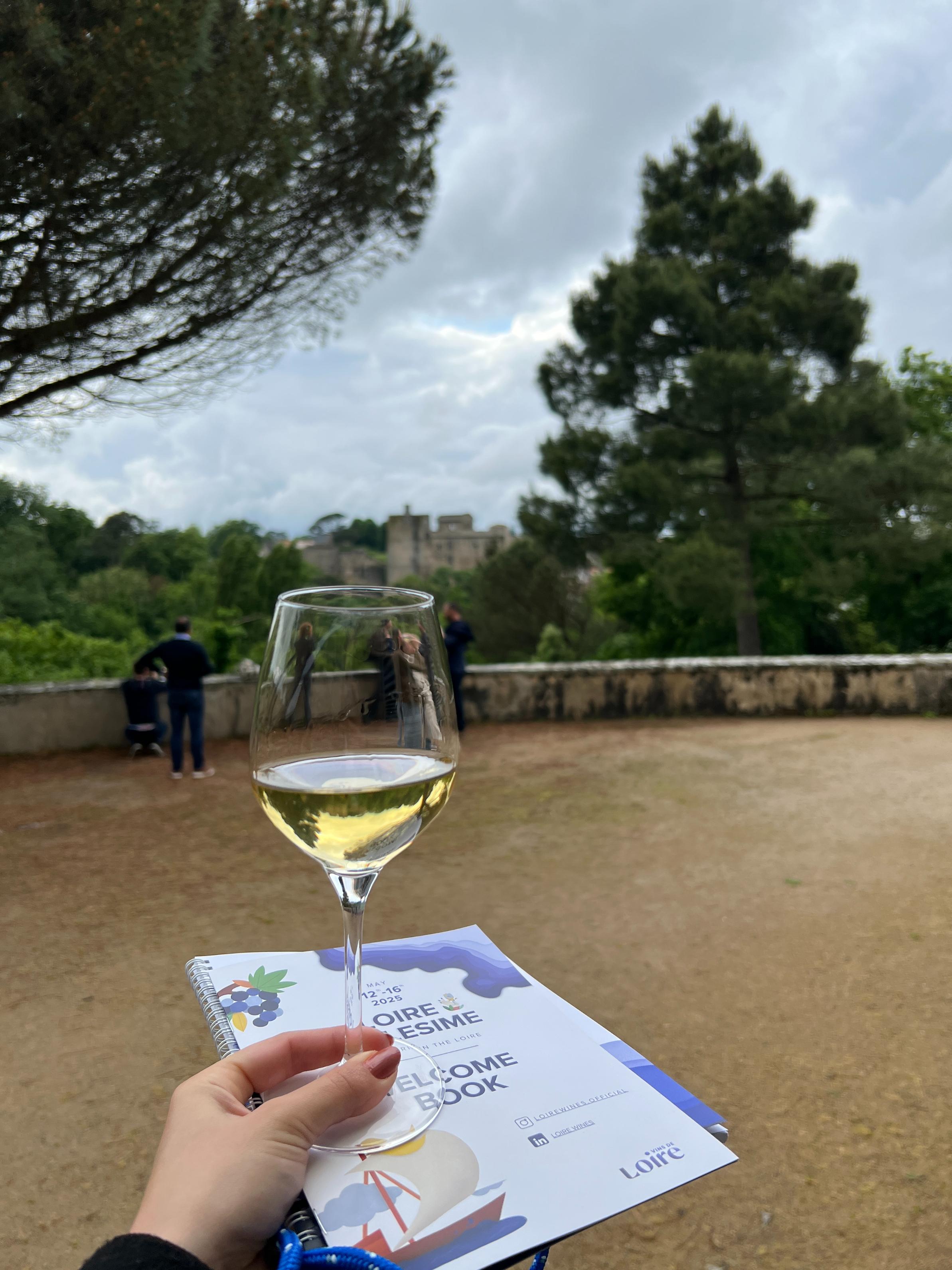
Thanks to the gracious invitation from Loire Wines Official, I had the rare opportunity to delve deep into this enchanting world – to walk its vineyards, meet its winemakers, sip its history. What I discovered was not just a wine region, but a way of life. One that offers, in every glass and every gaze across the vines, a reminder of what it means to live well.

A Land Where Beauty Breathes
The Loire Valley unfolds like a dream between the Atlantic and the heart of France, its 1,000-kilometre stretch of river winding lazily through landscapes that shift subtly from maritime breezes to continental warmth. It is this diversity in climate and the rich patchwork of soils, from tufa to schist, flint to clay, that gives Loire wines their astonishing range and complexity.
From the crystalline Sauvignon Blancs of Sancerre, singing with citrus and crushed stone, to the voluptuous, honeyed Chenin Blancs of Vouvray and the ethereal Cabernet Francs of Chinon, this region does not just specialise in one style; it masters them all. The Loire is a viticultural chameleon, shapeshifting not to please trends, but to honour the individuality of place. And then there are the Crémants; sparkling wines that rival their Champagne cousins, made with just as much care and often with more character. Bright, fresh, and delicately layered, they feel celebratory without being showy, much like the Loire itself.
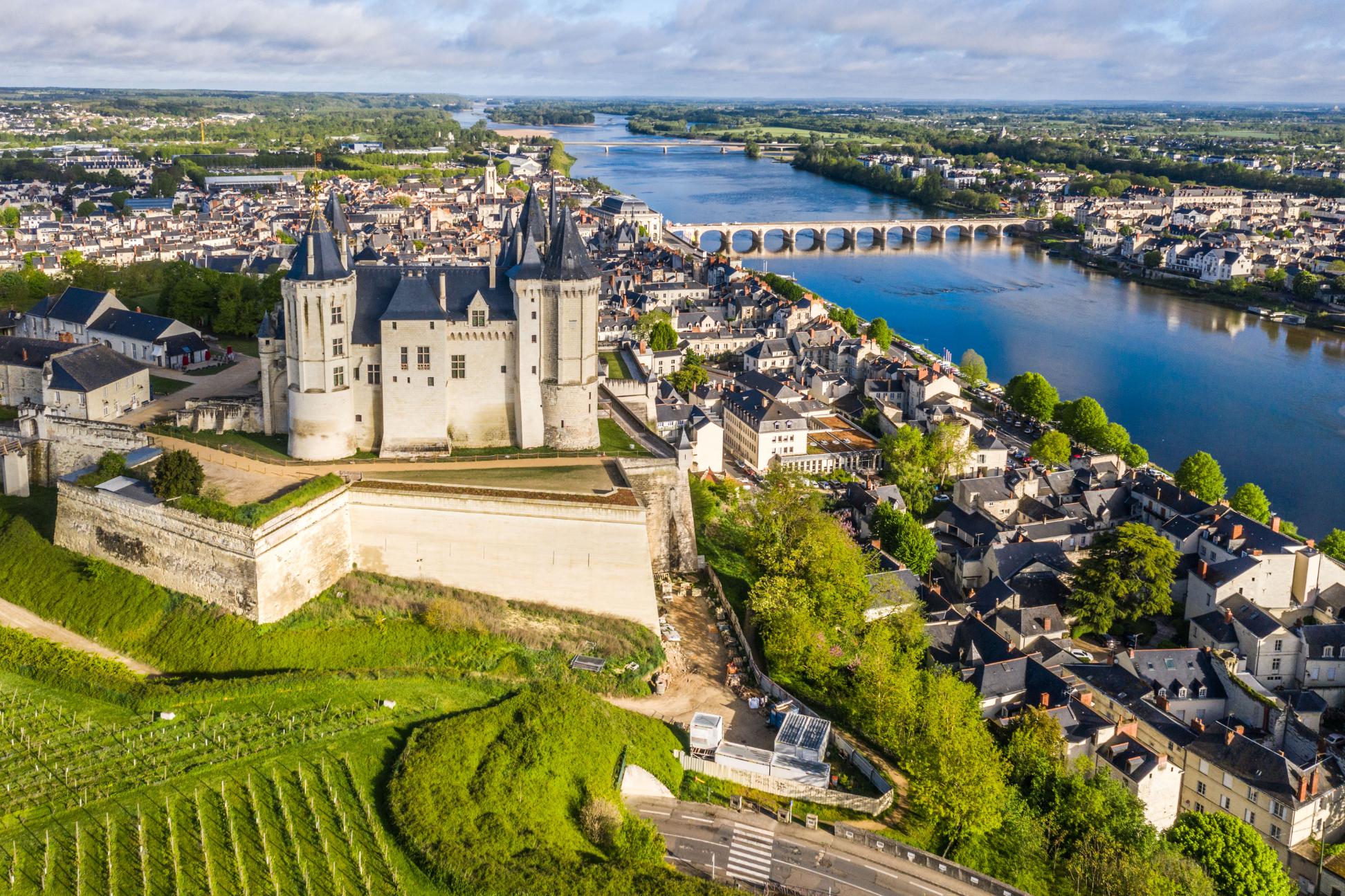
Image courtesy of ©InterLoire
Clisson: the perfect base to explore
No journey through the Loire is complete without a stay in Clisson, a town so picturesque, so atmospherically distinct, that one might be forgiven for thinking they had stumbled into a daydream. Located in the far western reaches of the Loire Valley, not far from Nantes, Clisson is often referred to as “la petite Toscane” – a nickname that becomes instantly self-evident the moment you arrive.
Red-tiled rooftops, Romanesque arches, palm trees swaying by stone bridges; it feels transported straight from Umbria or Chianti. And yet, it is unmistakably French in spirit. This rare aesthetic blend owes itself to 19th-century artist François-Frédéric Lemot, who, inspired by his travels in Italy, reimagined Clisson with a romantic Tuscan flair after much of the town had been destroyed during the French Revolution.
What exists today is a visual sonnet of stucco facades, loggias, and medieval remnants perched over the Sèvre Nantaise river. It is almost too beautiful, cinematic, peaceful, and utterly unique within the Loire Valley.
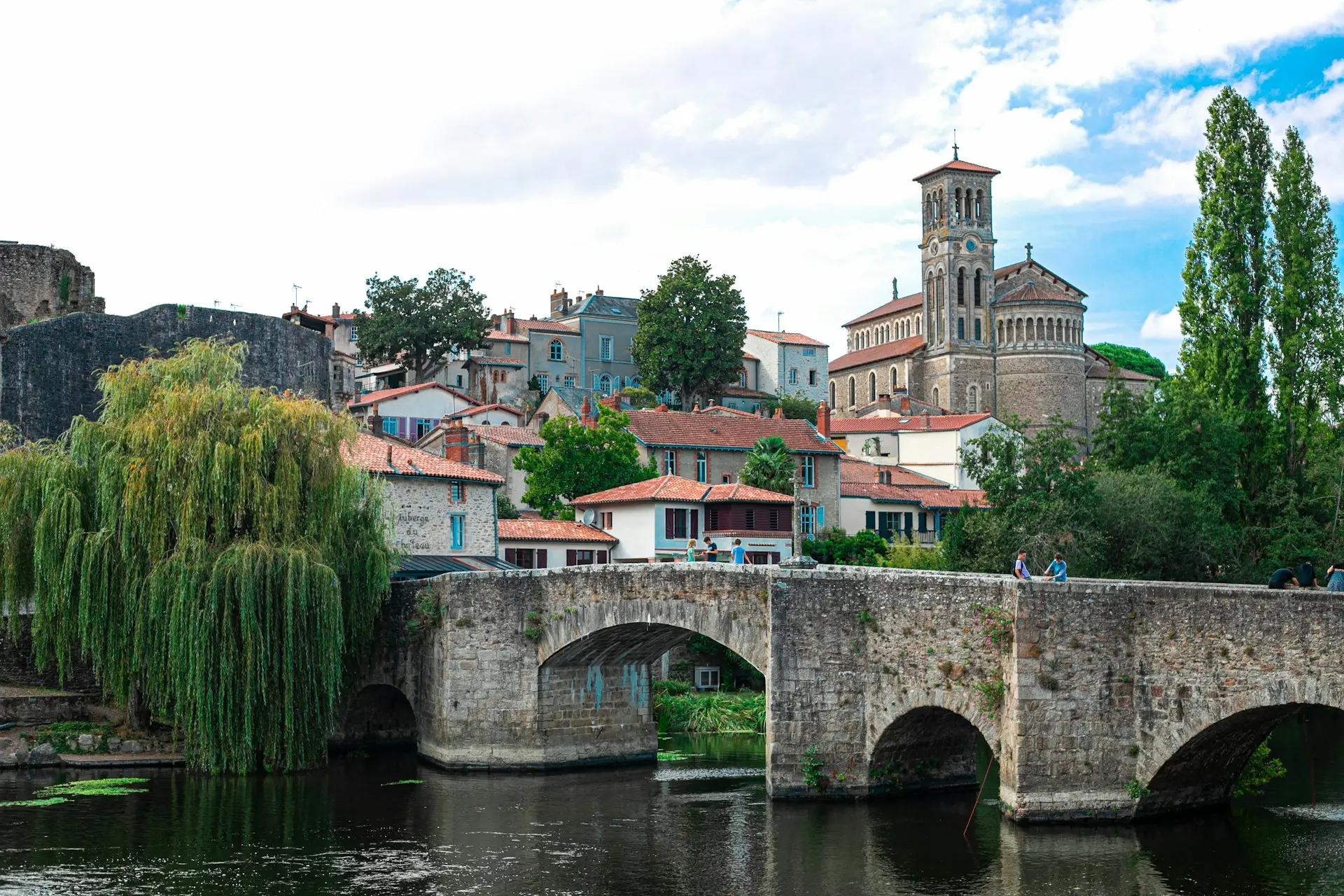
Image courtesy of Hotel Villa Saint-Antoine
A Stay at the Best Western Hotel Villa Saint-Antoine
Set directly across from the dramatic ruins of the Château de Clisson, the Best Western Hotel Villa Saint-Antoine proved an unexpectedly stylish and restful base from which to explore this charming town. While “Best Western” might evoke practicality over polish in other contexts, here it is anything but ordinary. This property blends contemporary comfort with boutique sensibility, and the location is simply unbeatable.
My room overlooked the river and castle ruins, with a private terrace where I could sip a glass of local Muscadet as the sun dipped behind centuries-old stone. The interiors are modern and unfussy, with nods to the region’s history and natural beauty – neutral tones, clean lines, and expansive windows that bring the outdoors in.
But the highlight was undoubtedly the spa and riverside pool, a rare luxury in this kind of historic setting. After a day of tastings and strolls through vine-covered hillsides, a soak with a château view was exactly the kind of restorative indulgence that defines a perfect Loire itinerary.
The hotel restaurant, Auberge Saint-Antoine, serves sophisticated regional fare that showcases the bounty of the western Loire: Loire-Atlantiques seafood, garden-fresh vegetables, and creamy cheeses, all beautifully paired with expressive Muscadets and Gros Plant from nearby vineyards.
In short, the Villa Saint-Antoine is a lesson in how thoughtful design, authentic hospitality, and a sense of place can elevate even a modest hotel chain into a truly memorable experience. It’s a hidden gem in a town that feels like a secret.
A Home Among the Vines: Domaine de la Soucherie
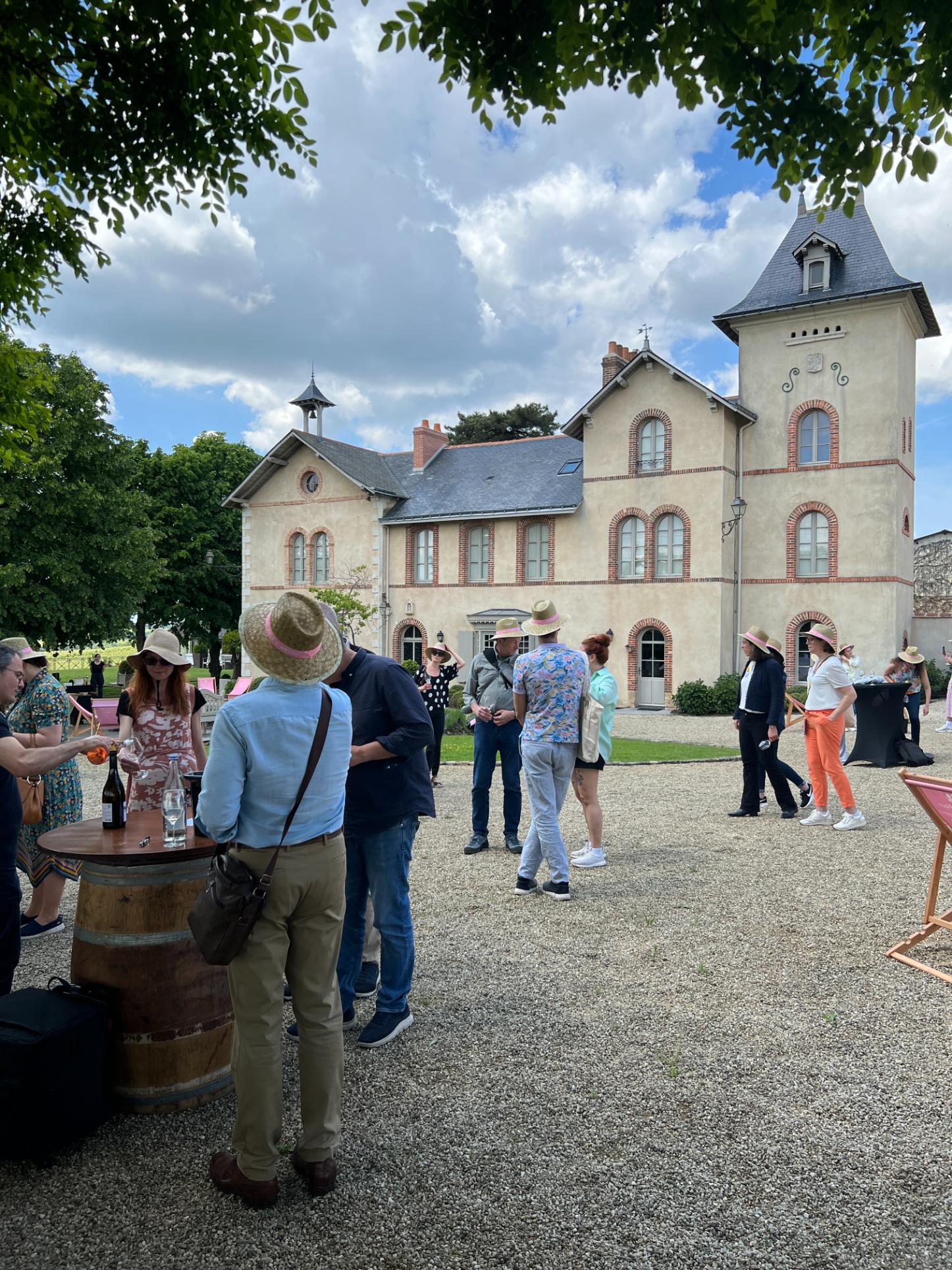
There are wineries, and then there are places like Domaine de la Soucherie, where the vineyard is not merely a business, but a philosophy. Here, tucked above the peaceful flow of the Layon River, the land breathes with elegance. The 28-hectare estate is stitched with rows of Chenin Blanc and Cabernet Franc that glow golden in the sun, and the stately manor, framed by manicured gardens and aged stone, feels less like a tasting room and more like a dream you’re reluctant to wake from.
The wines here are an education in refinement. The Savennières is flinty and cerebral, drawing from schist soils and slow fermentation to produce a wine that whispers rather than shouts; layered with quince, almond blossom, and a backbone of quiet strength. The Rosé de Loire is delicate and dry, full of redcurrant and the scent of early summer. And the Crémant de Loire, effervescent, mineral, celebratory, seems made for toasts that matter.
As I stood in the golden hour light, sipping under a pergola with a view that stretched beyond imagination, I understood that this was not just a winery. It was a state of grace.

Image courtesy of ©InterLoire
Where Nature Becomes Art: Domaine de la Garenne Lemot
Not far from Clisson, Domaine de la Garenne Lemot unspools like a fever dream of Italy; built in homage by sculptor François-Frédéric Lemot, who fell in love with this wild, dramatic bend of the Sèvre Nantaise river. He carved his fantasy into the hills, creating a park of neoclassical temples, terraced gardens, and statues that peer pensively through the trees.
Wandering here feels like slipping between worlds. The vineyard hills surrounding the estate roll gently, hiding Muscadet vines that yield wines as crystalline and bracing as a sea breeze. This is Melon de Bourgogne country, less known internationally than it deserves to be, yet all the more exciting for it. The wines are taut and linear, with citrus and salinity woven like threads through silk.
To sip a glass beneath the dome of Lemot’s Italianate villa, with the music of birds and distant bells, is to taste a land that honours both order and chaos, structure and wildness, art and instinct. The wines, much like the gardens, find their magic in contrast.
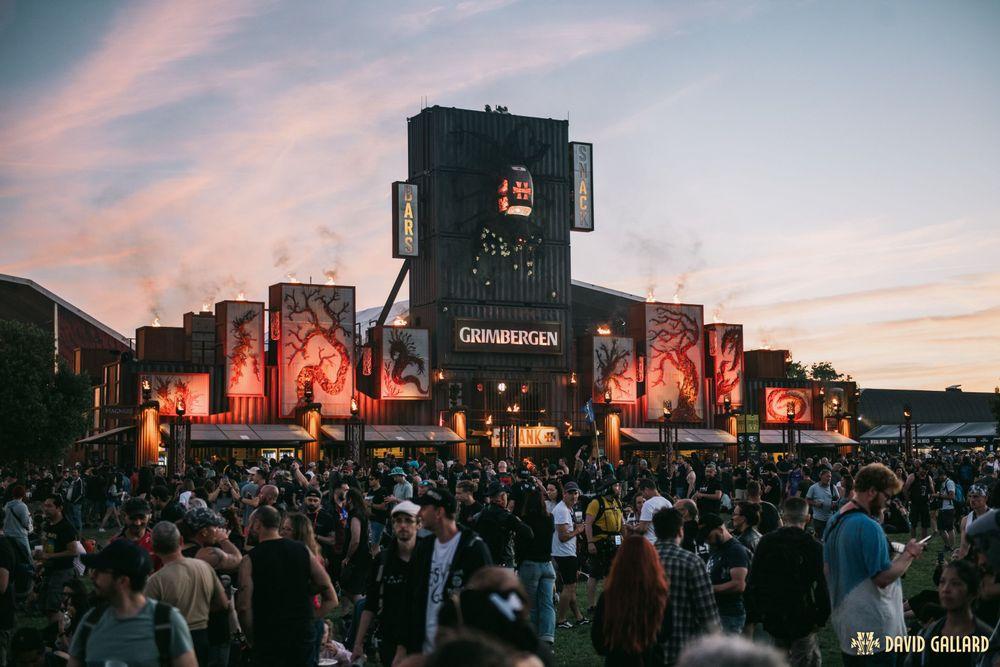
Image courtesy of Hellfest
The Pulse of Rebellion: Hellfest in Clisson
Then came the wild card: Hellfest, the legendary heavy metal festival that rises like a gothic cathedral from the vineyards of Clisson. At first, it seems an unlikely companion to the refined world of Loire wine. But the Loire Valley, ever surprising, teaches you quickly: contrast is the lifeblood of culture.
Hellfest is a sensory riot; molten guitars, flame-lit sculptures, and a tribe of thousands clad in leather and joy. And somehow, impossibly, it works. The festival’s architecture is nothing short of theatrical – metallic spires, engraved facades, flame-licked towers, and between the chaos, wine flows freely. You’ll find local bottles being poured with as much pride as the beer: Muscadets chilled in coolers, red blends sold by winemakers in Slayer shirts.
It’s irreverent. It’s glorious. And it underscores a vital truth: wine doesn’t have to whisper. Sometimes, it roars.
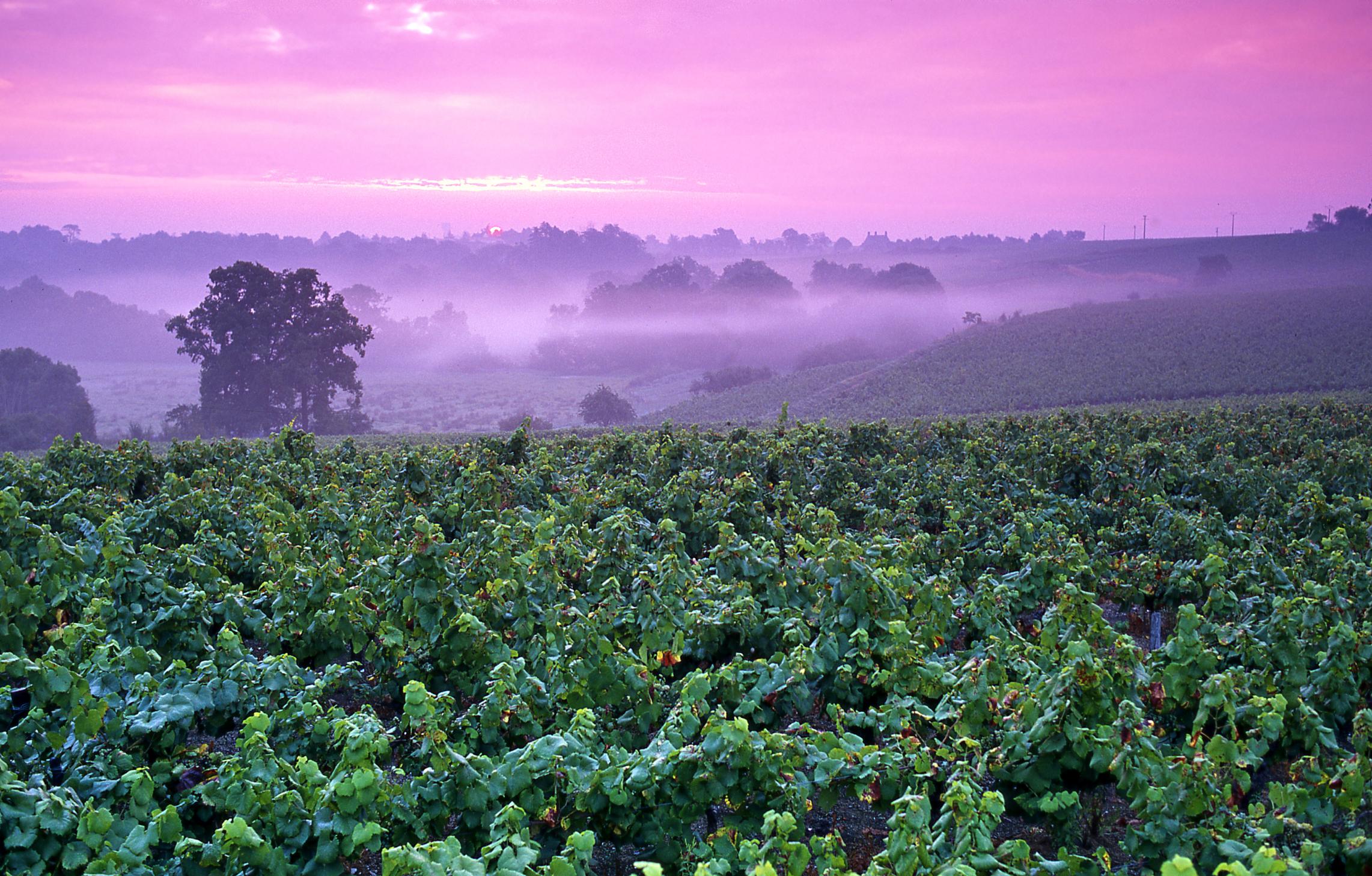
Image courtesy of ©InterLoire
Above the Forest, Toward the Light: Le Porte-Vue
High in the forests of Château-Thébaud, Le Porte-Vue emerges like a hallucination of steel and silence. A suspended architectural lookout designed by Emmanuel Ritz and Christophe Berdaguer, it juts into the sky like a winged prayer, inviting you to walk out above the treetops, beyond the edge.
From here, the world rearranges itself. Vineyards stretch in tessellated symmetry below, and the air holds the chill of altitude and possibility. It’s a place for pause, for wonder. I brought a glass of Muscadet up with me – light, racy, bone-dry, and bright with lime and seashell and drank it slowly, suspended between soil and sky.
Le Porte-Vue is more than a lookout. It’s a metaphor for the Loire itself: a place that dares to be different, to elevate, to look forward while rooted in the past.
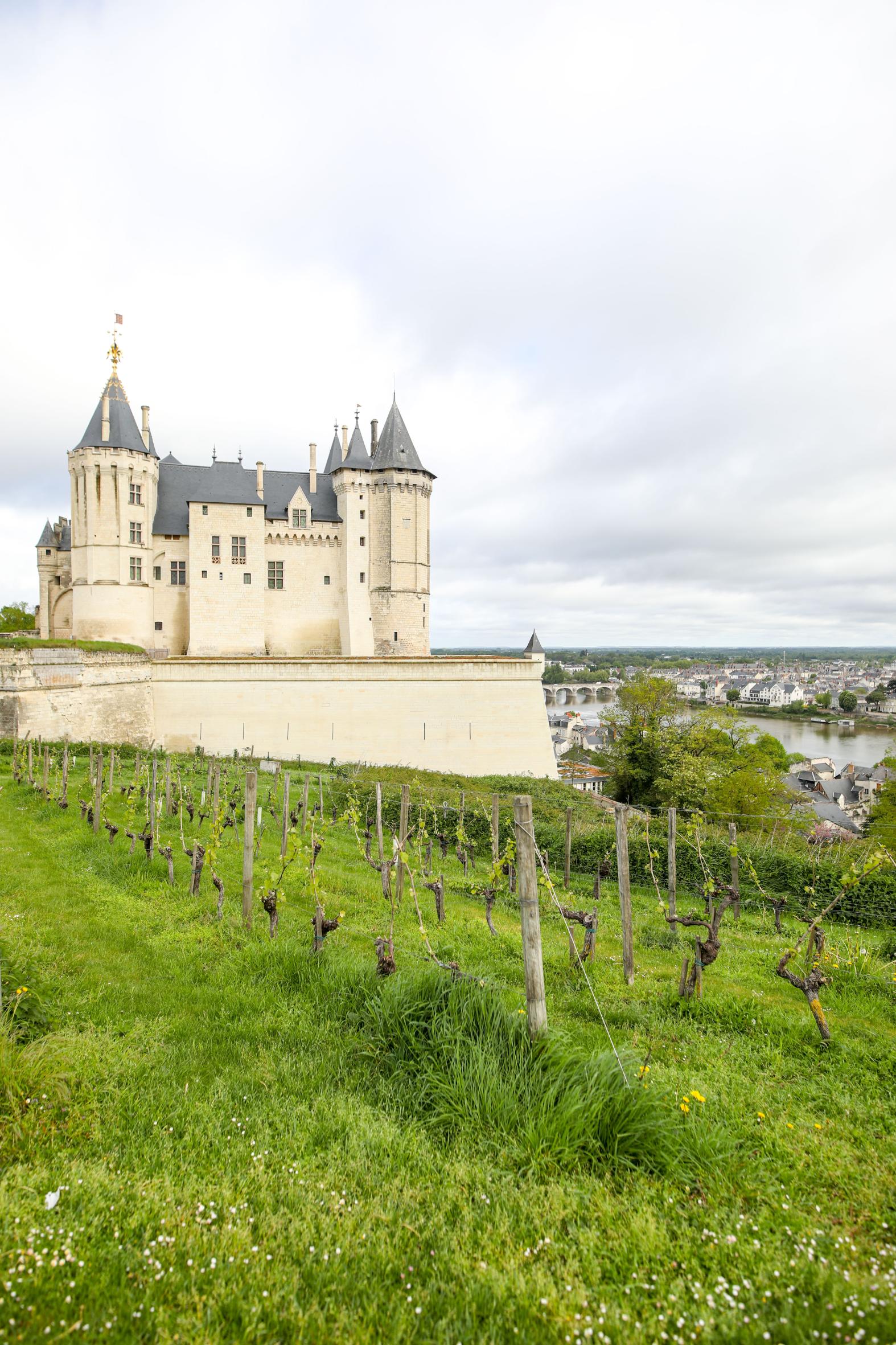
Image courtesy of ©InterLoire
Art, Wine, and the Alchemy of Place: Château de la Frémoire
Château de la Frémoire is where the Loire’s past and future meet over a bottle. A handsome 17th-century estate turned bastion of creativity, it now houses Le Voyage dans le Vignoble, a contemporary celebration of the region’s winemaking spirit, equal parts tasting room, sculpture park, and innovation lab.
Inside the tasting pavilion, sleek lines meet rustic stone, and local wines are poured beside conceptual art and culinary pairings designed to provoke and delight. Outside, sculpture and nature conspire. There’s a surreal energy here like the vines themselves are dreaming. And maybe they are. At Château de la Frémoire, the vine is more than a plant. It’s a storyteller.
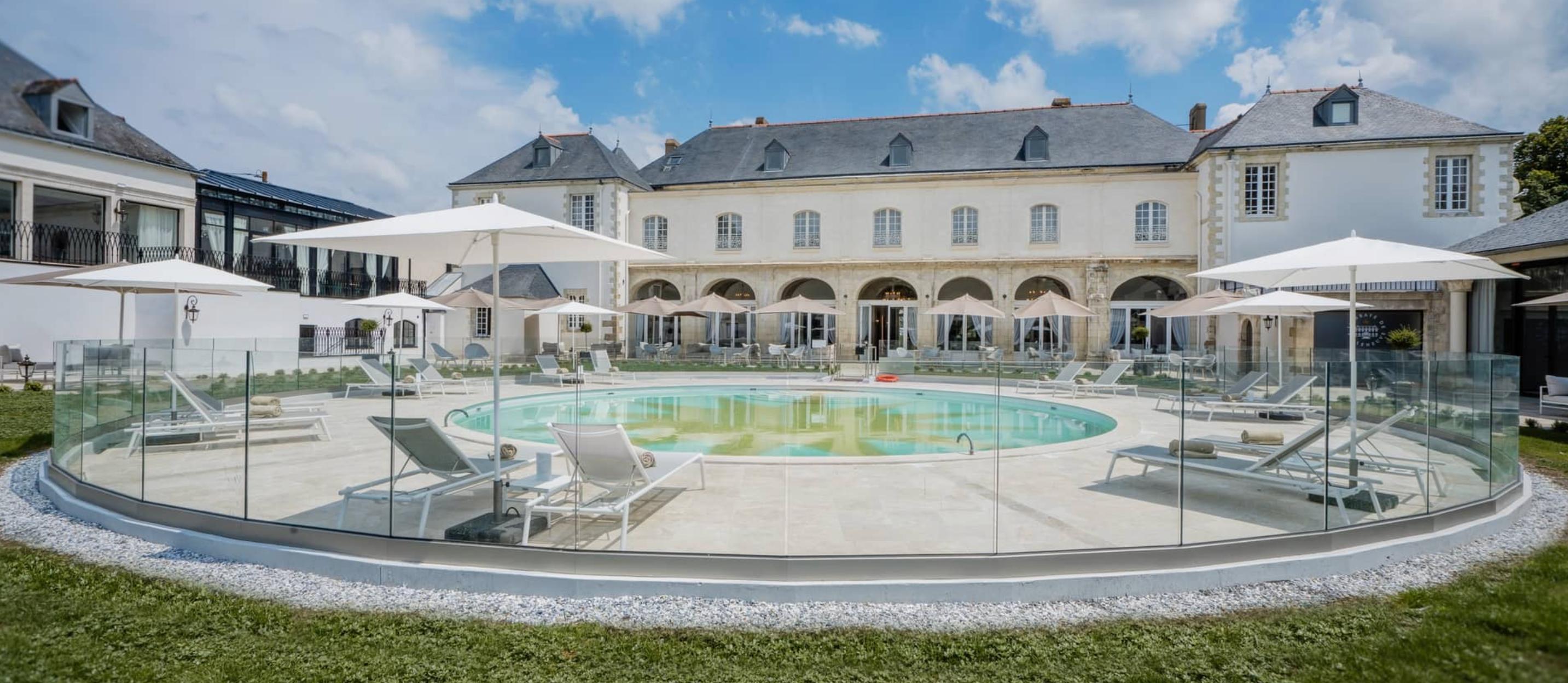
Image courtesy of Hôtel L’Abbaye de Villeneuve
Sanctuary and Stillness: Hôtel L’Abbaye de Villeneuve
After the stimulus of art, music, and wine, I craved stillness. I found it at Hôtel L’Abbaye de Villeneuve, a four-star retreat nestled in a former Cistercian abbey just outside Nantes. The hotel retains the soul of its sacred origins: vaulted ceilings, candlelit corridors, a hush that wraps around you like a linen shawl.
Evenings are best spent in the garden, perhaps with a final glass of wine, watching the light fade into blue. The abbey doesn’t ask for anything. It simply holds you softly, silently until you are ready to re-enter the world.
Final Pour: The Luxury of Meaning
As I packed my suitcase, slightly heavier, thanks to a few cherished bottles tucked carefully between scarves, I realised that the Loire Valley had offered me something more than a travel experience. It had offered a perspective. A philosophy of pleasure grounded not in extravagance, but in meaning.
And it was in Clisson, with its sun-washed Tuscan façades and slow-moving river, that this lesson came into full focus. Here, in a humble glass of Muscadet, with the scent of wisteria in the air and the ruins of a castle silhouetted at sunset, I found the essence of the Loire: quiet, beautiful, and unforgettable.
So if you’re searching for a holiday that offers not only exceptional wine and scenery but also serenity, character, and deep connection, let the Loire Valley and its quietly magnificent corners like Clisson guide you.
Because here, every sip tells a story.
And some stories, once savoured, stay with you forever.
For more information, visit: Loire Wines
And for you wine buffs.. Our top 5 wines to sample
1. Muscadet Sèvre et Maine sur Lie – Domaine des Grandes Égards
A wine that speaks in whispers of the sea, the Muscadet Sèvre et Maine sur Lie from Domaine des Grandes Égards is the epitome of Atlantic purity. Pale straw in the glass, it gleams like sunlight caught on water. On the nose, there’s crushed oyster shell, lemon zest, and a breath of salt air – the unmistakable fingerprint of the Muscadet terroir.
2. Coteaux d’Ancenis Malvoisie – Domaine de la Cambuse
There’s something rare and almost secretive about the Malvoisie from Domaine de la Cambuse, made from the Pinot Gris grape under its regional alias in Coteaux d’Ancenis. Pale gold, with glints of coppery pink, it surprises from the first sip—round, aromatic, and gently opulent without ever tipping into excess.
3. Crémant de Loire – Langlois-Chateau
The Crémant de Loire from Langlois-Chateau, owned by the Bollinger family, is as refined and celebratory as one might expect from such a lineage. Crafted in the traditional method, it blends Chenin Blanc, Chardonnay, and Cabernet Franc into a sparkling symphony of freshness and finesse.
4. Vouvray – Caves Cathelineau
From the historic tufa caves of Caves Cathelineau, this Vouvray is a masterclass in Chenin Blanc’s versatility and grace. Whether demi-sec or sec (both styles are crafted here), it captures the essence of the Loire in crystalline form.
5. Chinon – Domaine Pierre Sourdais
If the Loire Valley had a red wine heartbeat, it would be Chinon, and Domaine Pierre Sourdais gives it rhythm and soul. Made from 100% Cabernet Franc, this Chinon is earthy, expressive, and resolutely rooted in place.

All Images Courtesy of Loire Millésime unless stated otherwise.