
Humo London opened at the beginning of 2023 to great fanfare on a quiet unassuming street in Mayfair. With a unique menu focusing on sustainable and seasonal produce, there needed to be a wine list to match. Up for the challenge was renowned sommelier Merlin Ramos, 9th in Harper’s Top 25 Sommeliers in 2023, and formerly of Club Gascon, Pollen Street Social and Ikoyi, among others.
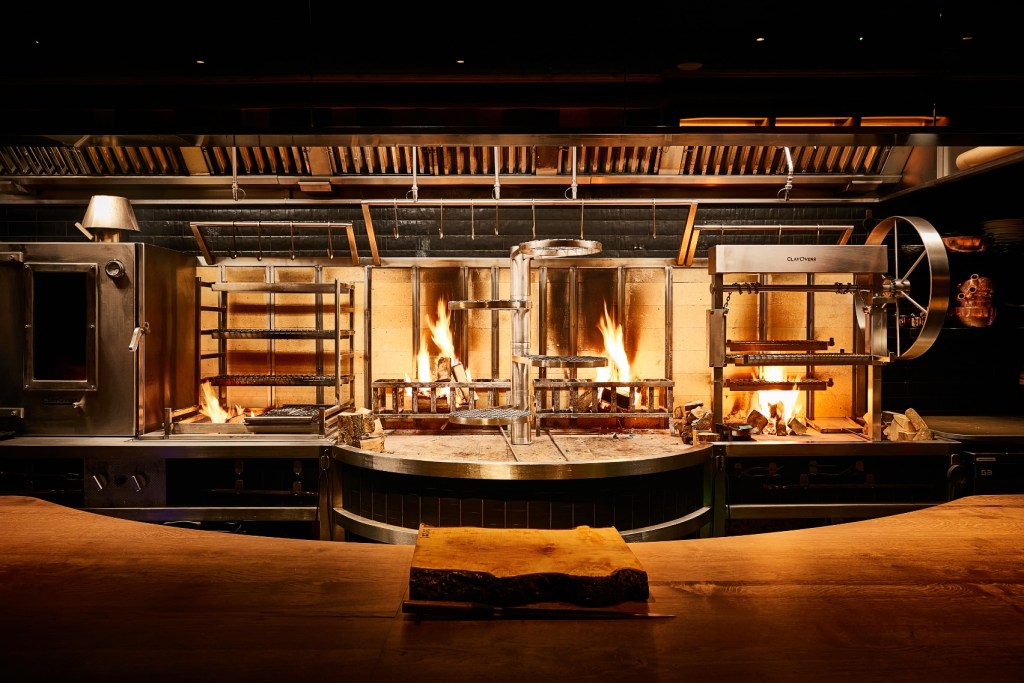
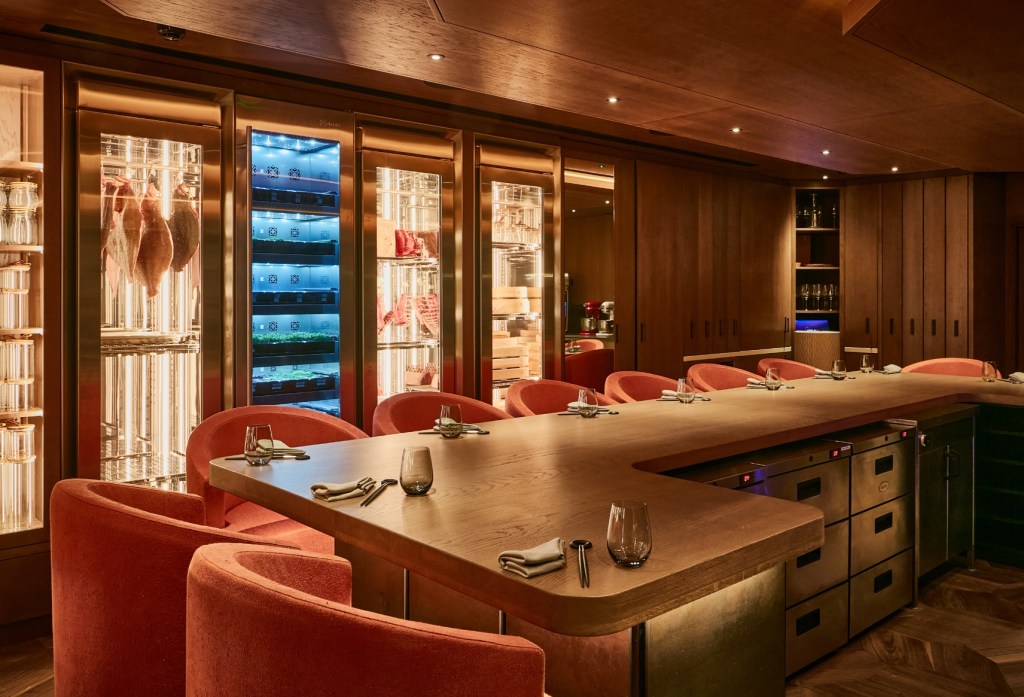
The concept of the 34-seat restaurant is quality ingredients cooked on a four-metre-long grill, with no electricity or gas used as fuel. Humo means smoke in Spanish and the executive chef, Bogota-born Miller Prada was mentored by none other than Endo Kazutoshi, the famed third-generation sushi master. Combining Japanese flair with live-fire cooking make this place one of the most exciting London restaurant openings in years. The restaurant also has Abajo, a basement counter table concept restaurant with a tasting menu run by Giacomo Tranquilli.
We spoke to Merlin Ramos to get the lowdown on his career so far, what makes Humo so special, and all things wine.
How did it all start?
My grandfather was Spanish, from Seville, and loved his wine. He used to run some fantastic dinners and choose the wines himself. Similarly, my dad is Spanish and English and is also very keen on wine. I guess you could say it’s in our blood! My dad always sends me photos of what he’s drinking and we share our thoughts with each other… It’s something we both really care about.
Because of that, I tend to replicate these kinds of wine conversations with restaurant guests. It makes it a lot more natural and easy-going. I think any of those countries across the Mediterranean…France, Spain, Portugal, Italy, it’s so ingrained in their culture, it’s almost a necessity to have a connection between food and wine. So I’m fortunate to have had the upbringing I’ve had combined with my working experiences, and you can definitely get a sense of that connectivity in the wine list here at Humo.
Tell us more about your previous sommelier experiences and what learnings you brought to your current role?
I studied fine art in London and as much as I enjoyed it, I didn’t feel like it was my true calling in life. My first wine job was at Borough Wines, and from there I went to Bar Gascon in Clerkenwell. After a few months, the sommelier position opened up at Club Gascon next door and I spent a few years there really honing my craft. I think that’s where I realised that this was what I really wanted to do with my career. Pascal Aussignac, chef-patron at Club Gascon, was a fantastic mentor to me during my time there. He’s incredibly passionate about wine and it was a truly invaluable experience.
Stints at Pollen Street Social, the now closed Flat Three, Ikoyi, Elystan Street and others followed, as I wanted more experience with world wines and not just classic French. Laure Patry and Fred Marti were and are big mentors and role models of mine too… the wine world is quite small which is nice. We all keep in touch regularly and were all working together at Pollen Street which was such a formative experience for me.
But Humo is by far one of the most stimulating, interesting jobs I’ve had to date. It’s only been a few months but I’ve enjoyed every minute. I feel very privileged to have this job here.
Congrats on all your various awards. How do you curate and source Humo’s excellent wine list? What do you think makes it special?
When I was thinking about how to curate this list, I did want to make it accessible. It’s a misnomer that wine has to be expensive, especially in high-end restaurants. The average price per bottle at Humo is £100.
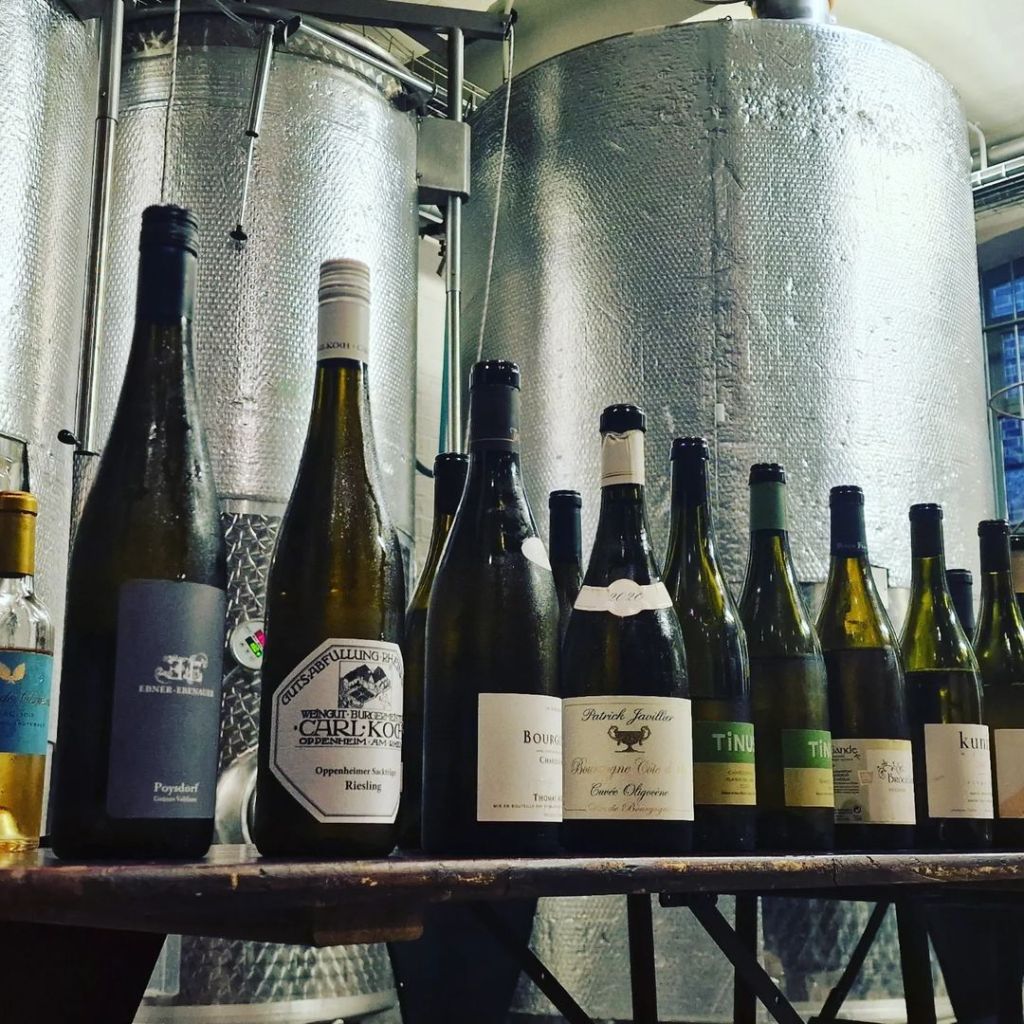
The concept of the wine list goes from light to rich, which I think has worked really well with our guests as they’re not looking at regions, and are more focused on the way that the wine is interacting with the food. Most restaurants that put together a wine list, they go for comfort. In order to change that and make it a bit punchier, I started with grape variety, so our guests can have a point of view of flavour rather than appellation and are more likely to look through that section properly.
One of the main successes for me is that our guests are more likely to explore different grape varieties this way, and try things that they’ve never tried before. I will also always have options beyond the wine list available too, just in case.
Humo is not a traditional restaurant, so I didn’t think people would like a traditional wine list. And that’s where I started. As the menu changes quite often, I have to constantly refresh and update the wine list accordingly. It’s a challenge, but it’s what really excites me about my job. We also serve a lot of wine by the glass; the Coravin has been a gamechanger for us as it allows us to provide our guests with taster glasses, or an opportunity to perhaps try a little bit of a bottle before buying the whole thing. It means we can retain as much flexibility as possible with our guests, which can only be a good thing.
Above all though, the wines need to work with the food. It’s not heavy BBQ-style food, not overly rich and decadent, so I had to have a lot of wines which are delicate, subtle and suggestive. I hope people with all tastes can come and enjoy the wines at Humo.

Favourite dish at Humo?
The scallop. It’s a hand-dived Orkney scallop served with its roe, and nectarine, cooked on a whisky barrel with a Speyside sabayon. If there was one dish on the menu that represented the restaurant in its entirety, it’s this one.
Tell us about the increasing importance of sustainability in wine and what it means to you?
It’s definitely a big consideration for me when I’m buying wines. Not to keep going on about the brilliance of a Coravin, but it’s been great at stopping us from throwing out flat champagnes. We also reuse the wines that are past their service date in the restaurant for cooking or a vermouth for the bar, or even for a nice beurre blanc with champagne at Abajo for example.
What would make your job easier?
To be frank, I like the challenge of my job. If pushed, I would say better availability of Burgundy; the prices have really shot up. On the flipside, this allows you to be more creative with your wine choices. So I’ve been looking at Burgundy alternatives from Tasmania, South Africa and New Zealand.
I noticed that the wine list also has a few sakes. What are your thoughts on sake and how do you match with food?
I always planned to include sake on the drinks list at Humo due to the Japanese influence on Miller’s menu. I think it’s such a versatile liquid that can pair very nicely with food. I also have an interesting Yuzushu on the menu, which is an 8% fermented alcohol yuzu. It’s got this delicate, tart freshness that works well with a lot of the food at Humo. I’m always keen to try new and exciting sakes and see how they pair with the food here.
What most excites you at the moment in the world of wine?
Right now it has to be Portuguese wines, both white and red. Literally, everything about Portuguese wine producers is exciting. I recently went on a trip to Ramos Pinto wines in Porto, an incredible city, and it just blew me away. The quality combined with the incredible heritage and constant innovation was a pleasure to see.
Aside from Portugal, I am also into South African wines. It’s incredible in that it’s like three countries in one and that’s reflected in its comprehensive wines. Spanish wines too, which is natural as my Dad is Spanish. Austrian wines, like a good Grüner Veltliner for example, will always be a big tick in my book. It’s a very underrated grape and it features heavily in the wine list at Humo.

If you could only choose one wine to drink, what would it be and why?
At the moment, it does change every hour, but it’s a wine from both Spain and Portugal. It’s called Mixtura, it’s Treixadura with Albariño, and it’s worth saying that Albariño is not necessarily my favourite grape. Made by highly regarded winemaker Gutier Seijo Otero, ex-technical director of Dominio do Bibei, he set up on his own and produced this wine in both Galicia, Spain and Melgaço in Northern Portugal.
What makes it so good? It has the creaminess of an oak chardonnay without being too buttery, and it has a beautiful acidity and citric element. It’s also unfiltered so it has a nice texture which works perfectly with our food. It’s been put into Austrian oak barrels and then concrete. With our food I always try and choose wines that have a good mouthfeel as it makes it more interesting. If you are putting a pairing together and you’ve got 6 wines to organise, by varying the acidity, mouthfeel texture and finish, you can influence what the guest is experiencing with different types of food in a totally different way.
How would you advise someone who’s looking to be a sommelier?
Become a student of wine, for sure. Completely immerse yourself in everything wine. I am constantly reading and researching, on the way to work and on the way home at 1am.
Study it, taste it, obviously. But you’d be surprised at the amount you learn once you throw yourself into it completely. The great thing about wine and working in wine is that you are constantly a student. Seasons change so vintages change and things that you once thought you knew have adapted and changed shape. It’s not a static subject and you can never know absolutely everything about it. And that’s fantastic.
I also try and travel as much as possible, but acknowledge that’s not possible for everyone. But where you can, try and visit the wine producers. It takes your knowledge to another level. I’ve got trips to Georgia, Piedmont and Sicily coming up, which I’m really looking forward to.

What is the most fun part of your job?
Talking to people and telling stories. Also the challenge of finding new wines all the time keeps it interesting. The ability to be creative is also important to me. As you know, I have a background in fine arts so I needed to find a way to translate that knowledge to my job, and Humo allows me to do that. I was looking for the right opportunity to be able to do this and when Humo came along, it was like all my wishes had been answered.
What’s next for you?
As you can tell, I am very happy here at Humo but at some point in the future I’d love to make my own wine. Regarding where, that’s the million-dollar question. Potentially Portugal, South of France, or even Romania could be very interesting.
To discover more about Humo and Abajo, visit humolondon.com
View this post on Instagram
All imagery courtesy of Humo London / Merlin Ramos.