Vialattea
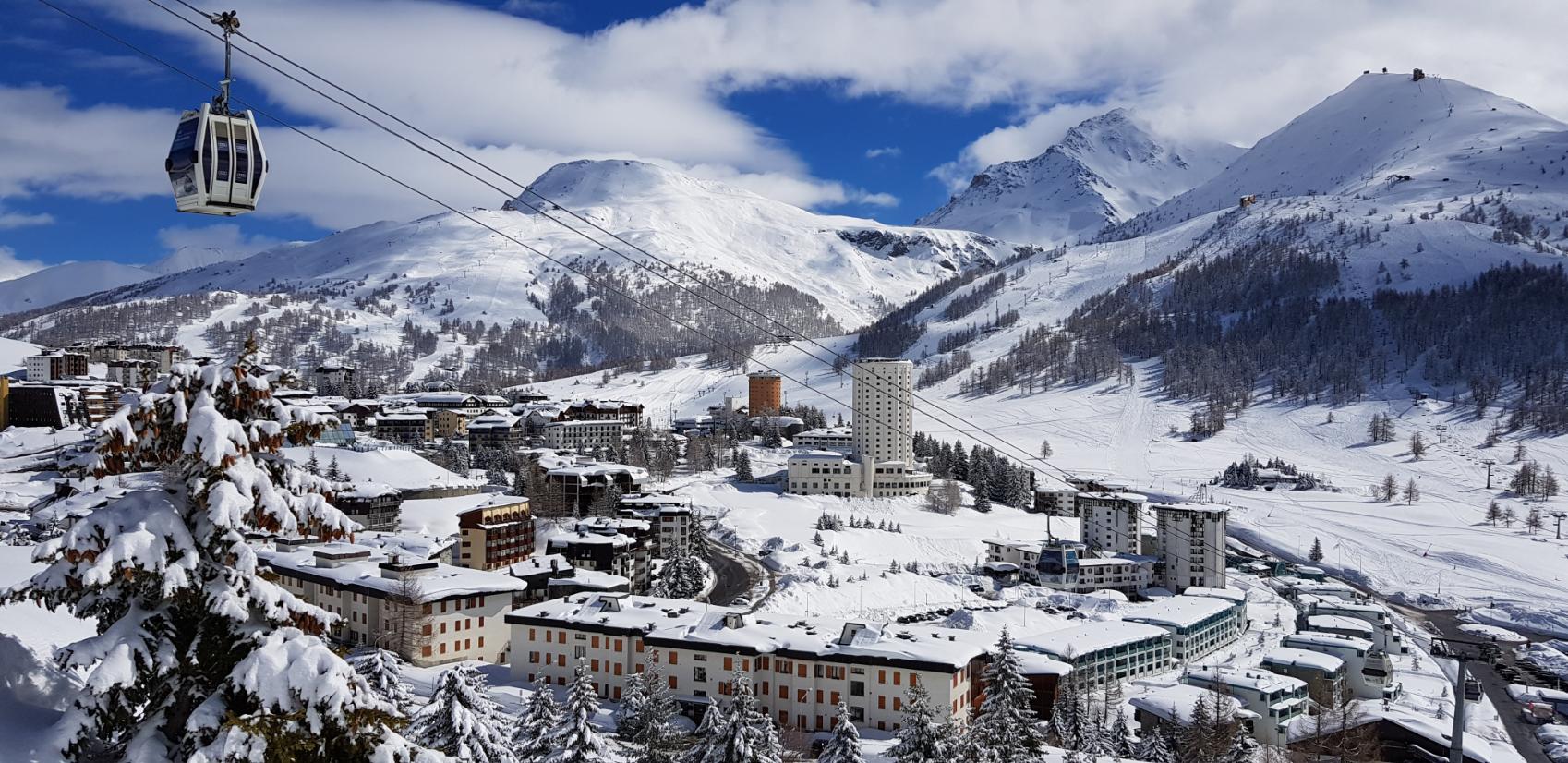
Embarking on the Vialattea adventure, also known as the Milk Way, I found myself in an extraordinary Italian ski paradise – one of the largest in Europe, spanning 8 distinct locations in the Piedmont region: Sestriere, Sauze d’Oulx, Sansicario, Cesana, Claviere, Pragelato, Oulx, and the French Alps ski resort of Montgenevre – all connected with ‘skis on feet’.
Ascending to its highest point at 2,800m, Vialattea is a vast skiable expanse of 400km and 250 slopes. The resort’s modernity was evident in its ski facilities, which included cutting-edge snow generators, renewed ski slopes, and state-of-the-art ‘smart point’ ticket stations. The introduction of new-generation ski lift smart gates enhanced the overall skiing experience.
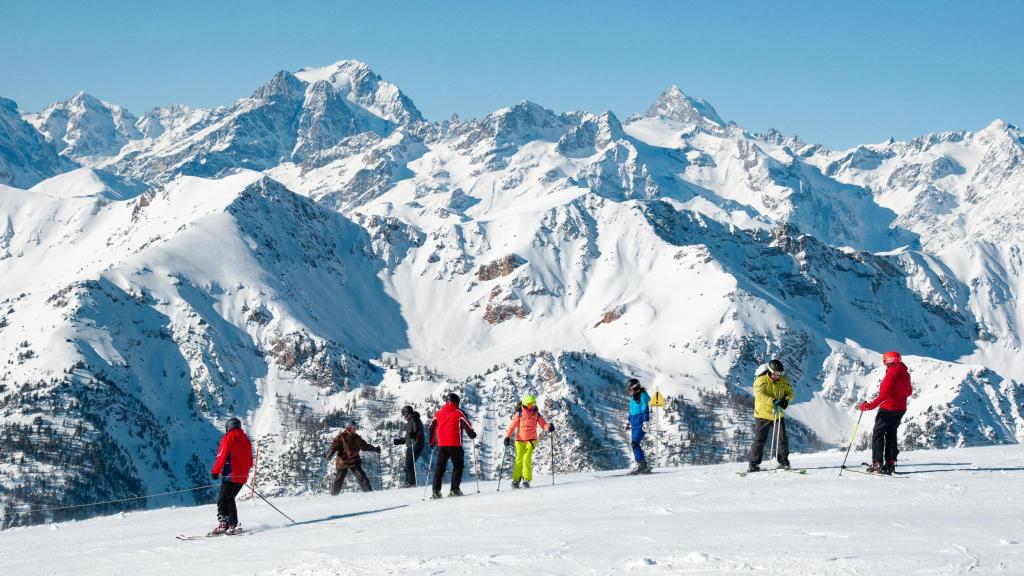
There are diverse slopes for all skill levels – 9 green, 94 blue, 153 red, and 37 black runs all accessible through a single ski pass and a well-connected network of 70 ski lifts. This hidden gem is an attractive and often overlooked tourist destination, drawing both thrill-seeking individuals and families who revel in mountainous retreats.
Imagery Courtesy of Vialattea
A brief history
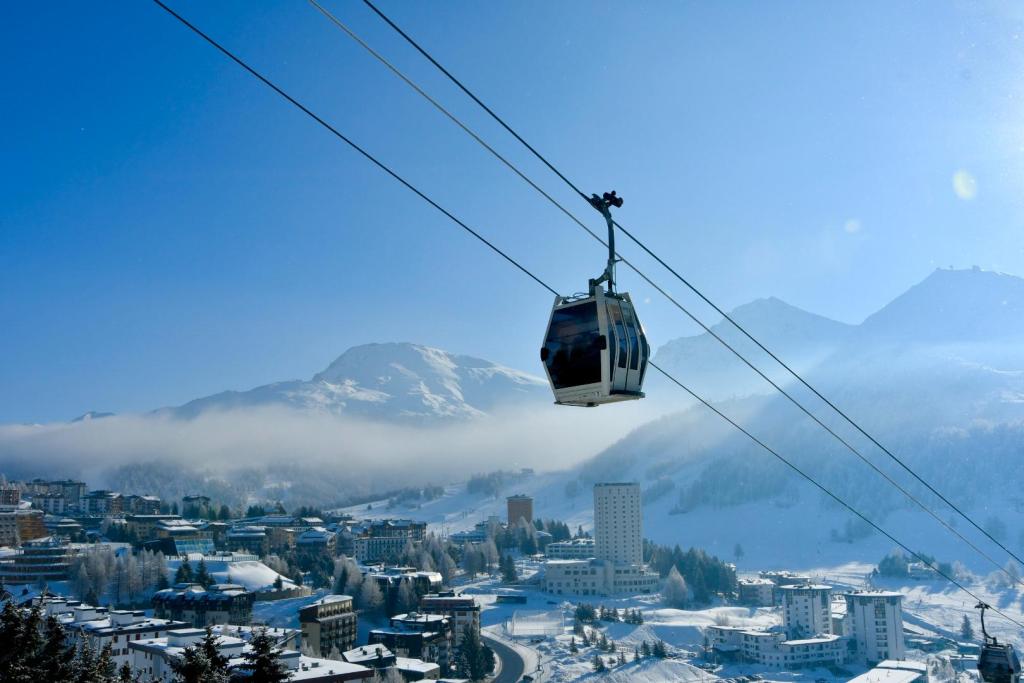
Vialattea stands proud with its sporting tradition, having played host to a myriad of prestigious events throughout the years such as the Alpine Ski World Cup, the 1997 Alpine Ski World Championships, and the 2006 Turin Winter Olympics. As I delved into the history of this remarkable destination, the echoes of these monumental sporting events echo through the slopes, adding a layer of charm to my experience.
Imagery Courtesy of Vialattea
The journey to Vialattea
Our 2-day ski adventure to Vialattea began with a 90-minute flight from London Stansted to Turin Caselle and upon landing, we were warmly greeted by our friendly driver, Carlo. Accessing the Vialattea area proved to be convenient with various transportation options. The region is linked to a network of roads and highways, making it just over an hour away from Turin. For those opting for the train, the Oulx train station is well-connected with regional and high-speed trains from Italy and France. The resort is accessible not only through Turin Caselle, its nearest airport, but also routes to Milan Malpensa, Milan Linate, and Genoa City Airport.
Sauze d’Oulx
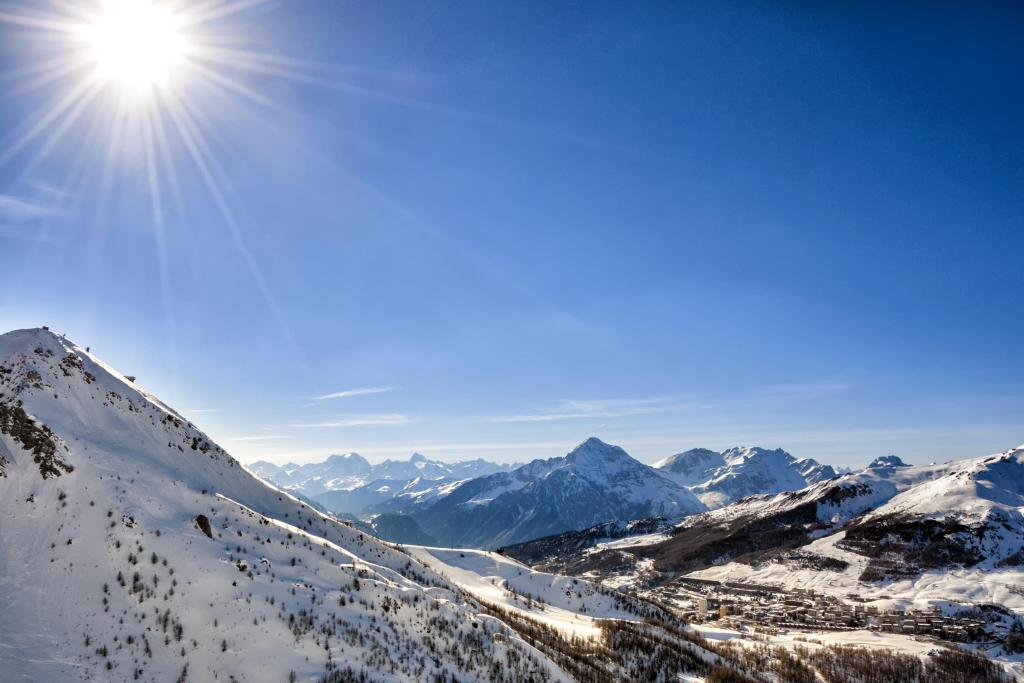
Sauze d’Oulx, situated 80km from Turin, is a charming and tranquil town that welcomed me with open arms during my Vialattea adventure. Nestled amidst a coniferous tree forest, I explored the picturesque streets and discovered a hidden gem with a rich history that often goes unnoticed by many visitors. It once hosted the freestyle skiing events of the 2006 Olympic Winter Games and the first hotel opened its doors in 1919, marking the town’s early significance as a stopover on the pilgrimage from Canterbury to Jerusalem. Initially, part of France, Sauze d’Oulx retains a unique blend of Italian and French influences, with many residents bearing French surnames.
The town is now home to excellent restaurants, vibrant bars, pharmacies, and charming souvenir shops. As I strolled through its narrow, characterful streets, with cobbled pathways and aged stone buildings, the excitement of exploration set in. Sauze d’Oulx is considered the ‘gateway’ to Vialattea’s expansive pistes and serves as the perfect base for exploration.
Imagery Courtesy of Vialattea
Where to ski: Sauze d’Oulx vs Sestriere
Over the two days, we explored Sauze d’Oulx and Sestriere within the Vialattea. Sauze d’Oulx offers narrower slopes enveloped by coniferous trees, ideal for intermediate skiers. With 400km of interconnected slopes in the Milky Way, it caters to a variety of preferences, from scene tree-lined trails to expansive pistes. A unique feature is the ability to ski across countries by visiting the linked resort of Montgenevre in France.
On the second day, we ventured to Sestriere, reachable by skiing from Sauze d’Oulx. This picturesque location, sitting at 2,035m, boasts Olympic-standard runs and hosts frequent World Cup races. Besides the stunning scenery, the highlight of my trip was The Husky Experience at the base of Sestriere’s slopes. This unique adventure involved us driving a sled pulled by Siberian Huskies through the Alps, navigating wooded areas to panoramic snowy mountain views. It was a memorable and fun-filled experience.
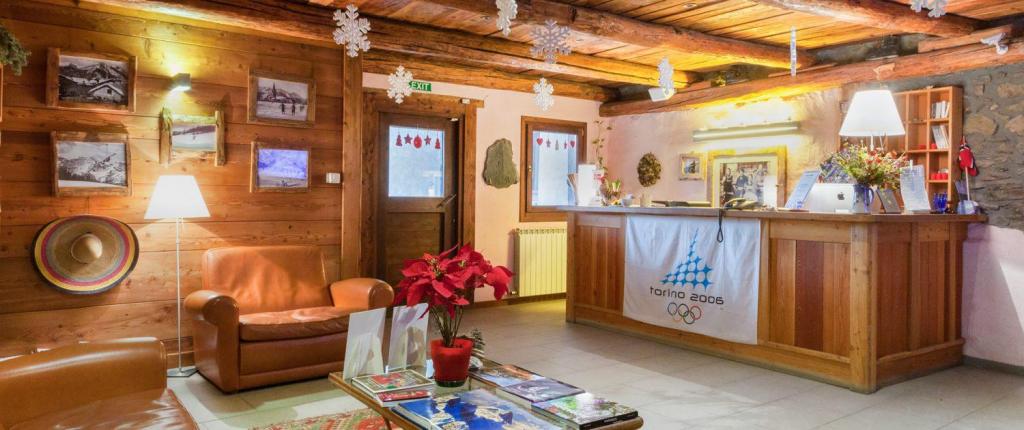
Image Courtesy of Chalet Faure
Chalet Faure
Nestled in the enchanting streets of Sauze d’Oulx’s old town, Chalet Faure emerged as my cosy refuge. This family-run gem, surrounded by restaurants, bars, and shops, immediately felt like a home away from home.
Stepping into the renovated alpine mountain hotel, I discovered a warm haven boasting 11 comfortable rooms. My personal retreat was a snug double bedroom, designed in a comforting mountain style with rustic touches of wood and stone. The room exuded a timeless charm, preserving the original craftsmanship of artisans.
Each morning became a ritual as we kicked off our ski adventures in the Chalet Faure breakfast area. The spread included fresh bread, cereals, brioches, fruits, eggs, cheese, and meats, accompanied by excellent Italian coffee. The staff created a welcoming atmosphere, ensuring our mornings were filled with warmth and genuine care. Chalet Faure became an integral part of my personal Vialattea narrative, and I always looked forward to ending the day in my warm bedroom.
And then there was the food…
As a lover of Italian cuisine, I was eager to discover the distinctive regional dishes that would fuel our ski days. The beauty of Italy lies in its diverse culinary offerings, each with rich history and meaning. Here’s a glimpse of the charming places where we savoured Italian lunches and dinners.
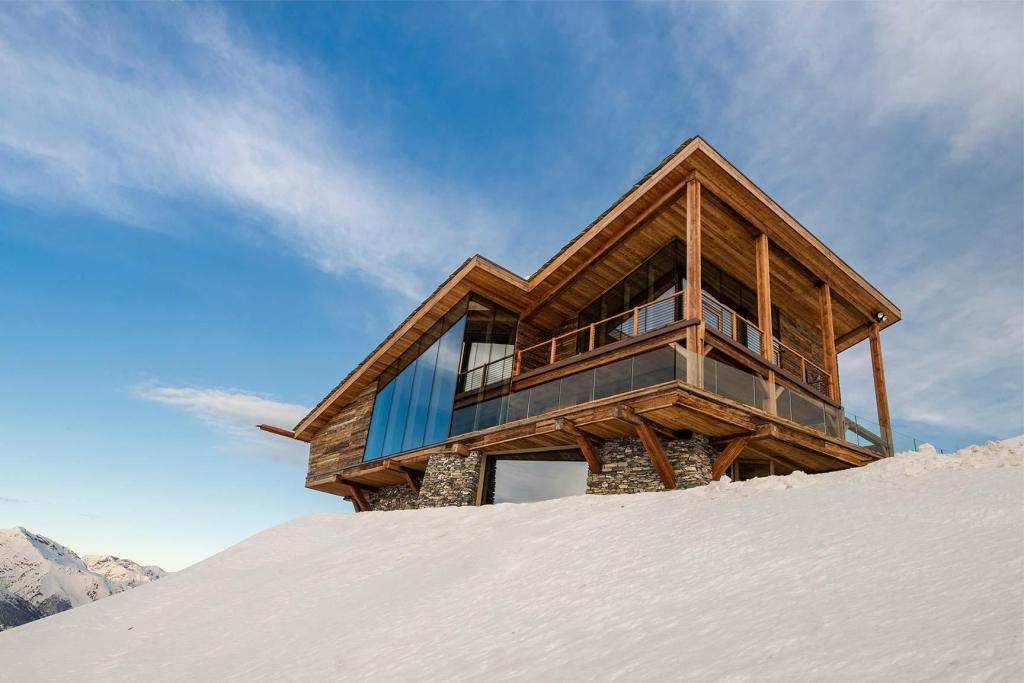
Imagery Courtesy of La Marmotta
Lunch – La Marmotta – Sauze d’Oulx
At the mountain’s summit, reachable by ski lift, our first lunch spot was La Marmotta (Ground Hog), a modern wooden building covered with mirrors, creating a futuristic charm. This secluded gem, reminiscent of a scene from a James Bond film, boasts wide glass windows, offering spectacular views of the mountaintop. I opted for Beef Cheek with Polenta, a traditional and popular post-skiing meal in Italy. The dish, deeply rooted in the region, was tender, flavourful, and satisfying. For dessert, I indulged in the Apple Strudel with Cream, accompanied by a perfect macchiato.
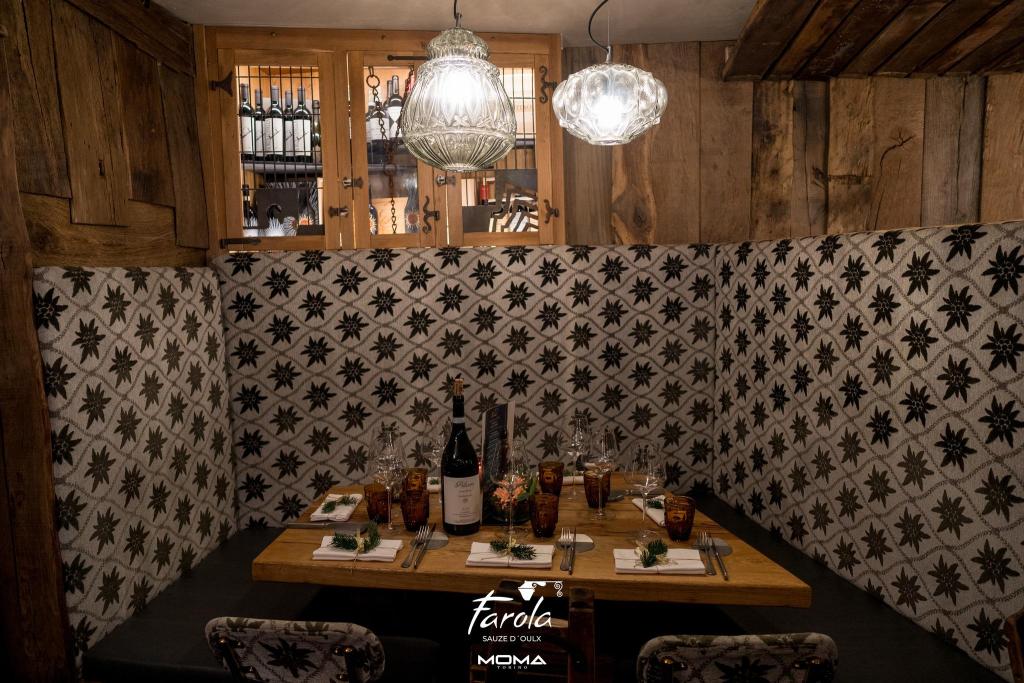
Imagery Courtesy of Farola
Lunch – Farola – Sauze d’Oulx
On our last day in Sauze d’Oulx, we enjoyed brunch at a charming Spanish tapas spot, Farola. The bohemian ambiance, adorned with dried flowers, created a pretty setting. Despite our over-ordering, the spread included cured meats, Jerusalem artichokes, croquetas, and pan con tomate. This laid-back restaurant has an easy-going vibe with delicious food.
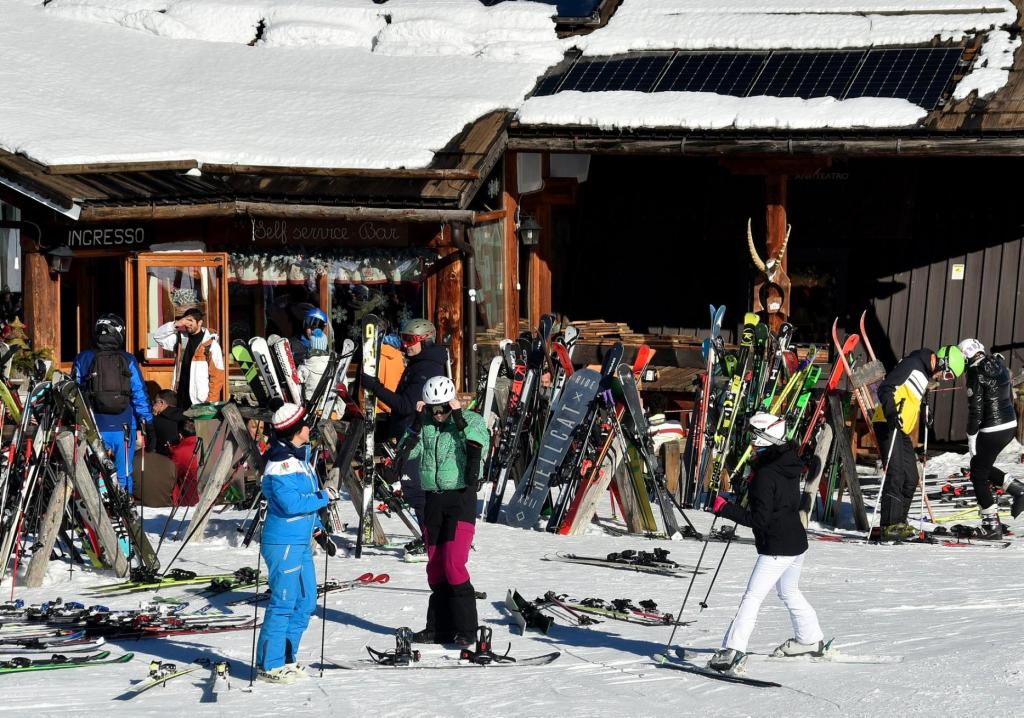
Imagery Courtesy of Vialattea
Lunch – Chalet Raggio di Sole – Sestriere
Situated between slopes, Chalet Raggio di Sole is an open-air restaurant with a lively atmosphere, brimming with skiers seeking a bite. The sense of togetherness was palpable, especially with the sun beaming down, creating one of my favourite cold-weather sensations. Opting for ‘pasta of the day’, spaghetti with olives and capers in tomato sauce – was an absolute delight. The overall ambiance was filled with French, Italian, and English skiers, which felt like a shared celebration of the slopes.
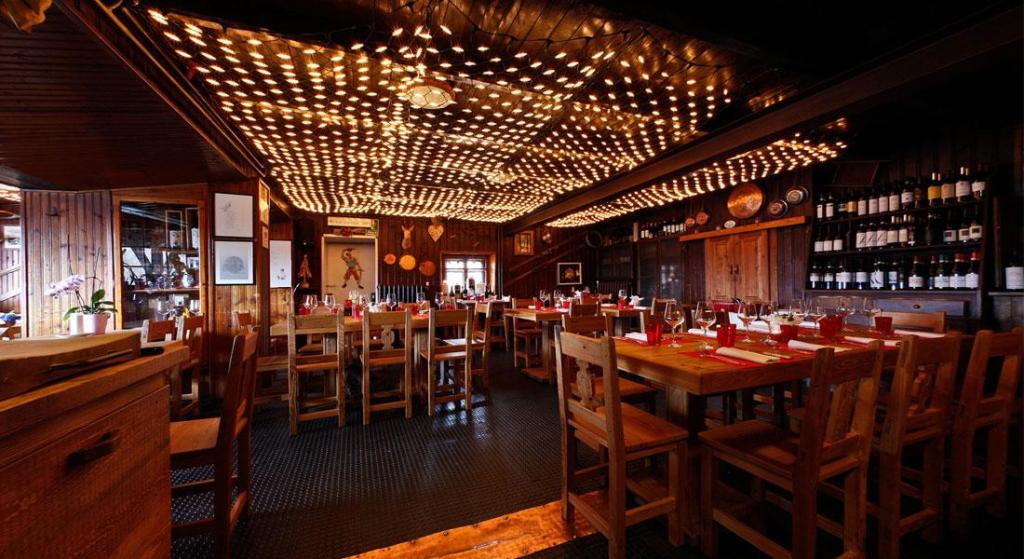
Imagery Courtesy of Ciao Pais
Dinner – Ciao Pais – Sauze d’Oulx
Ciao Pais, translating to ‘Bye Country’, has welcomed travellers since 1931. Its name holds a deeper significance, rooted in the restaurant’s role during WW2. As soldiers prepared to cross the border into France, Ciao Pais served as their final farewell to Italy.
I discovered Ciao Pais to be a warm, simple, and authentic gem halfway up the ski slope, accessible only by snowmobile – a thrilling start to the evening. Our starters featured hot and cold appetisers, including cold cuts, game and cured meats, pepper stuffed with cheese, and anchovies. The presence of anchovies in mountain cuisine might seem unusual, however, a historical tale dating back to the Middle Ages, unfolds the origins of anchovies in the Piedmont region.
The ancient Salt Road, known as Via del Sale, played a role in introducing anchovies to the mountainous terrain. Smugglers engaged in clandestine salt trade, transporting the fish along with salt to avoid penalties and they concealed the salt in crates and barrels, layered with anchovies. This historical practice has turned anchovies into a delicacy in the Piedmont region, representing the first fish of the mountains.
My main course, Tagliolini with black truffle, was simple yet divine, and the evening concluded with Chestnut Crème Brulee. The entire dining experience was a flavourful journey through history and the region’s rich culinary heritage.
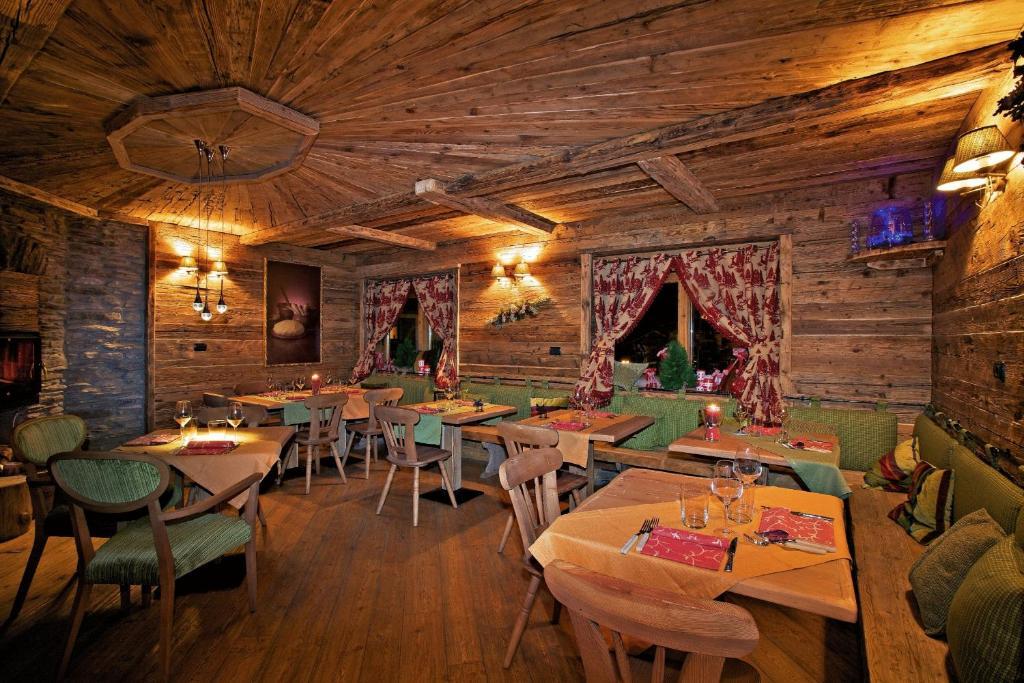
Imagery Courtesy of L’Assiette
Dinner – L’Assiette – Sauze d’Oulx
In the heart of Sauze d’Oulx’s old town, L’Assiette’s speciality is perfect after a day of skiing. We indulged in melted raclette cheese paired with focaccia, roasted vegetables, Sauze purple potato, boiled eggs, poached onions, and a selection of cold cuts, including Mortadella, all complemented by the finest Piemonte wines. I highly recommend trying this place for a cosy and satisfying meal.
My return to Vialattea
In conclusion, my time in Vialattea was a fun and fulfilling adventure – one I hope to repeat and explore further. Whether with friends, a partner, or family, it’s an excellent and underrated skiing destination. It’s a magical place that I intend to revisit, and the idea of returning during the summer, with its wealth of activities, is truly enticing.
Discover More at vialattea.it
View this post on Instagram