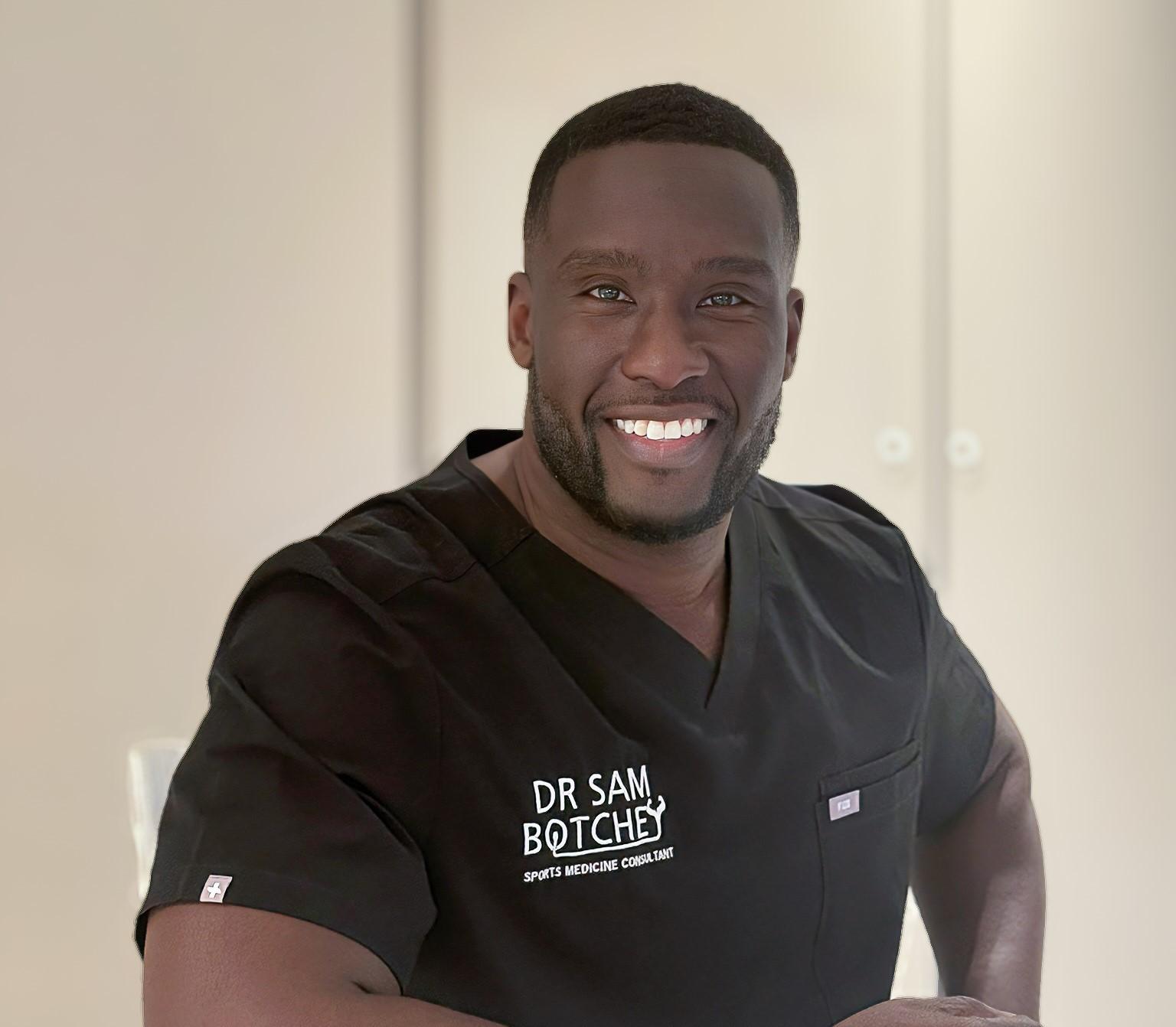
Dr. Sam Botchey is a leading consultant in Musculoskeletal, Sport and Exercise Medicine, pioneering a new era of performance-led health optimisation. As the Performance Lead at an elite wellness clinic in Mayfair and with experience spanning elite sports, military medicine and private longevity clinics, Dr. Botchey’s expertise is in integrating sports
science, regenerative medicine and cutting-edge diagnostics to enhance longevity, physical resilience and overall well-being.
We sat down with Dr. Botchey to explore the future of health optimisation, the science behind longevity, and how individuals can take control of their health.
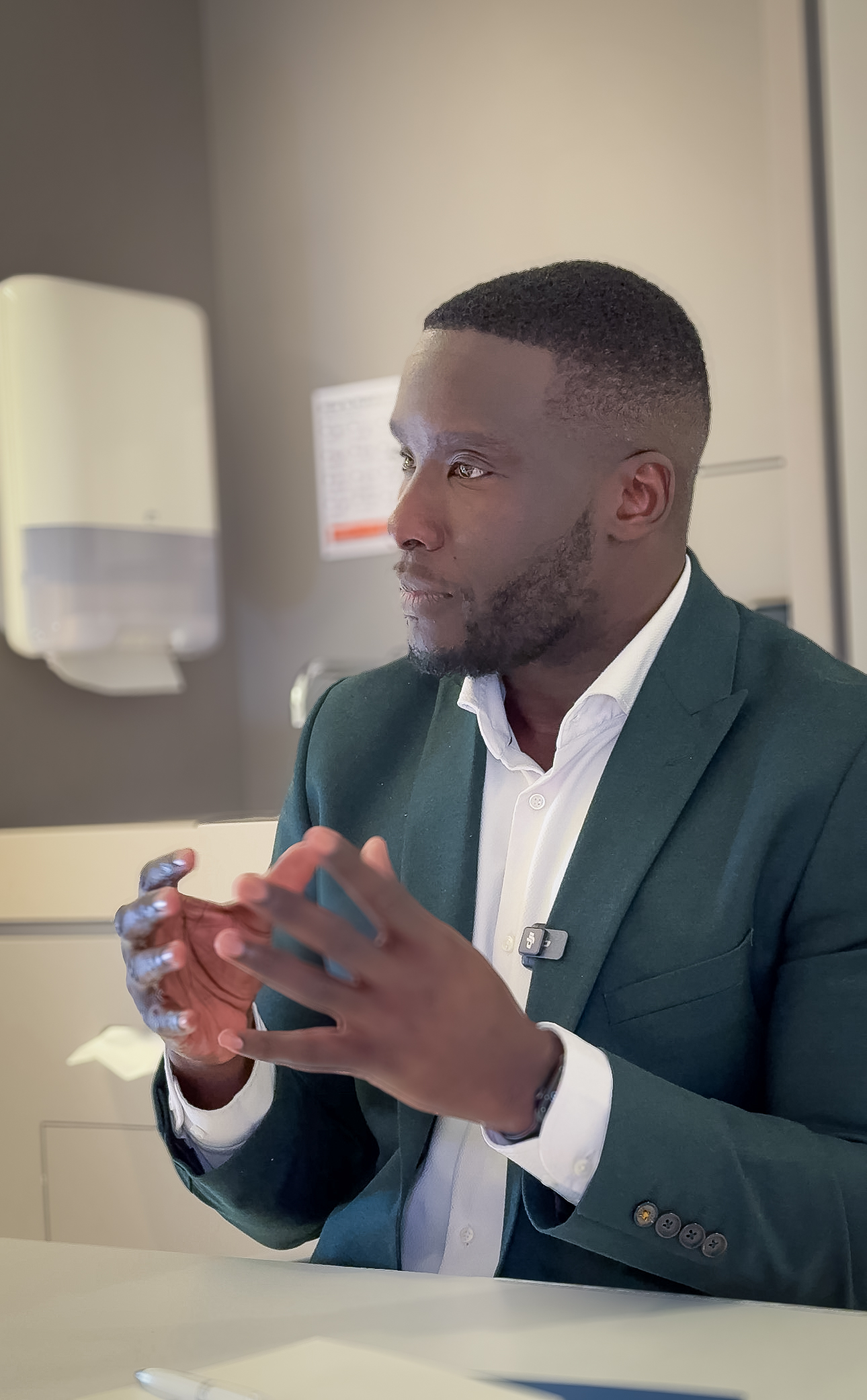
Imagery courtesy of Dr Sam Botchey.
How did it all start?
My journey into health optimisation began with a deep passion for movement, performance, and longevity. Whilst training to become a doctor, I earned a First-Class Honours degree in Sport and Exercise Science, which gave me a strong foundation in biomechanics, physiology, and sports performance. This academic background shaped my approach to medicine, leading me to specialise in Sport and Exercise Medicine.
Early on in my consultant training, I realised that traditional medicine was reactive—treating injuries and disease after they had already developed. I wanted to take a more proactive approach. I aimed to bridge the gap between sports science, musculoskeletal health and preventative medicine, ensuring that people of all levels—whether professional athletes or busy executives—could optimise their physical health and performance.
Throughout my career, I’ve worked in elite sport, with the NHS, in the military and at private longevity clinics. I’ve seen firsthand the difference between simply treating patients and optimising their health to not only get the best results from any intervention but to even prevent issues before they arise. This led me to develop a more holistic and science-driven approach, combining metabolic testing, biomechanics, regenerative therapies and personalised exercise protocols to enhance both lifespan and healthspan.
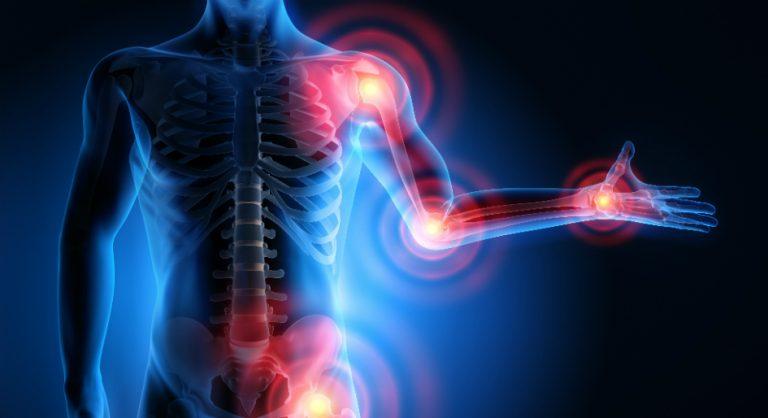
Image Courtesy of University Hospitals Sussex
You are passionate about raising the standard of health optimisation with real results. What are some of the methods used to create these results?
Health optimisation has to be measurable—we need objective data to track progress and refine interventions. That’s why I integrate:
- Metabolic and cardiovascular testing – VO2 max, lactate threshold and metabolic rate assessments to tailor exercise and nutrition to an individual’s physiology.
- Biomechanical and musculoskeletal assessments – Strength, flexibility and movement screening to predict and prevent injury before it happens.
- Advanced blood biomarker analysis – Hormonal profiling, inflammation markers and micronutrient testing to personalise health interventions.
Regenerative therapies
-
- PRP (Platelet-Rich Plasma) – A non-surgical therapy that accelerates healing, supports tissue regeneration and enhances recovery from injuries or joint degeneration.
- Hyaluronic Acid Injections – A treatment to restore joint lubrication, reduce stiffness and support movement longevity.
Future Therapies
-
- Exosome Therapy – A next-generation regenerative approach that may enhance tissue repair and reduce inflammation.
- Peptide Therapies – Specific peptides that support muscle growth, tendon repair, and overall recovery optimisation.
- Precision supplementation protocols – Targeted use of peptides, adaptogens and evidence-based supplements to support recovery, immunity and longevity.
The key is integration. It’s not just about doing a VO2 max test or prescribing supplements—it’s about layering these strategies into a cohesive plan that works for the individual.
A focus on metabolism and biomechanics can predict illness and injury in people. How can others find out more about this?
I’ve pioneered an approach that integrates orthopaedic metabolism —a concept that looks at metabolism and biomechanics as key predictors of musculoskeletal health and longevity. Most chronic injuries and joint issues don’t happen overnight. They develop due to inefficiencies in movement, metabolic dysfunction, and a failure to adapt to training loads.
By analysing factors like:
- Metabolic efficiency – How well someone utilises fuel sources (fat vs. carbohydrates).
- Oxygen utilisation and VO2 max – A powerful predictor of long-term health and resilience.
- Strength and movement quality – Key indicators of injury risk and physical capacity.
We can create highly personalised prevention strategies. If people want to explore this, they can undergo performance and metabolic testing at specialist clinics or work with practitioners trained in sports science and longevity medicine.
Longevity is a real buzzword. What does it mean to you?
Longevity isn’t just about living longer—it’s about maintaining physical capability for as long as possible.
Too often, longevity is discussed in terms of lifespan rather than healthspan. It’s not just about extending life but ensuring that the additional years are spent feeling strong, mobile and pain-free.
To me, longevity means freedom—freedom to move, to engage in the activities you love, to live independently, and to avoid the physical decline that limits so many people as they age. That’s why my approach is rooted in keeping people physically robust, whether they’re professional athletes or busy executives who want to stay at their peak for longer.

Image courtesy of Emma Simpson
How do you personalise longevity to individuals both mentally and physically?
Personalisation is the key to true longevity. What works for one person may be completely ineffective for another, which is why data-driven health optimisation is so important.
- Physically, I use objective performance testing—VO2 max, muscle strength assessments,
body composition analysis, and mobility screening—to understand where a person currently
is and where they need to improve. - Mentally, longevity is about mindset and lifestyle adaptation. Some people want to run
marathons, while others just want to stay strong enough to lift their kids or avoid back pain
at work. Tailoring health strategies to individual goals ensures sustainability.
The most important factor is consistency—small, evidence-based changes that compound over time. Longevity is about daily habits, not short-term hacks.
What advice would you give to people to optimise their health and performance?
1. Prioritise strength training – Muscle mass is a critical determinant of healthspan. Strength training isn’t just for athletes—it’s the best way to prevent injury, improve metabolic health, and maintain mobility into old age.
2. Train your cardiovascular system – VO2 max is one of the strongest predictors of longevity. Regular aerobic exercise zone 2 training and high-intensity intervals—enhances mitochondrial function and metabolic flexibility.
3. Optimise sleep and recovery – Sleep is the most underutilised recovery tool. Prioritising deep sleep improves everything from immune function to hormonal health.
4. Eat for longevity, not restriction – Rather than extreme diets, focus on whole foods, protein intake and metabolic efficiency.
5. Stay consistent – The best health optimisation strategy is the one you can sustain. Small, repeatable habits over time yield the biggest results.
What emerging trends are happening in health optimisation and longevity?
1. Orthopaedic Metabolism – The integration of musculoskeletal health, metabolic testing and longevity strategies to not only treat but predict and prevent injuries.
2. Regenerative Medicine – The shift from steroids to PRP, hyaluronic acid and in the future exosomes, stem-cell-derived therapies for joint and soft tissue health.
3. Wearable Technology & AI – The use of continuous glucose monitoring, HRV tracking and AI-driven health coaching to provide real-time feedback.
4. Hormonal Optimisation – More refined approaches to testosterone, DHEA and other hormonal therapies to support ageing and performance.
5. Individualised Longevity Protocols – Moving away from generic longevity advice toward precision medicine that is fully tailored to each person’s physiology based on genetics, nutrigenomics, metabolic and inflammatory markers.
6. Peptides – This probably deserves a whole article, but will be a game changer in the performance medicine space.
What are the misconceptions behind health optimisation and longevity?
One of the biggest misconceptions is that longevity is just about supplements, biohacking or elite testing. People think they must spend thousands on whole-body MRIs or take 50 different pills a day. I love data, so testing can be very helpful and some supplements are essential.
True longevity however is built on fundamentals—movement, strength, sleep, nutrition and most importantly, happiness. You can have all the cutting-edge interventions, but if you don’t move enough or eat well, you won’t see results. If you haven’t defined what longevity means for you, it will be difficult to feel fulfilled in the long run.
Another misconception is that health optimisation is just for athletes. In reality, everyone can benefit from strength training, cardiovascular conditioning, and personalised nutrition, whether they’re 25 or 75.
What is the future of health optimisation?
We’re moving towards a fully personalised model of health, where individuals will have access to real-time data on their metabolism, cardiovascular health and recovery status. AI-driven health coaching, predictive analytics and regenerative therapies will make prevention the new standard.
Rather than treating diseases after they appear, we’ll be preventing them decades earlier through biomarker tracking, movement screening and metabolic interventions.
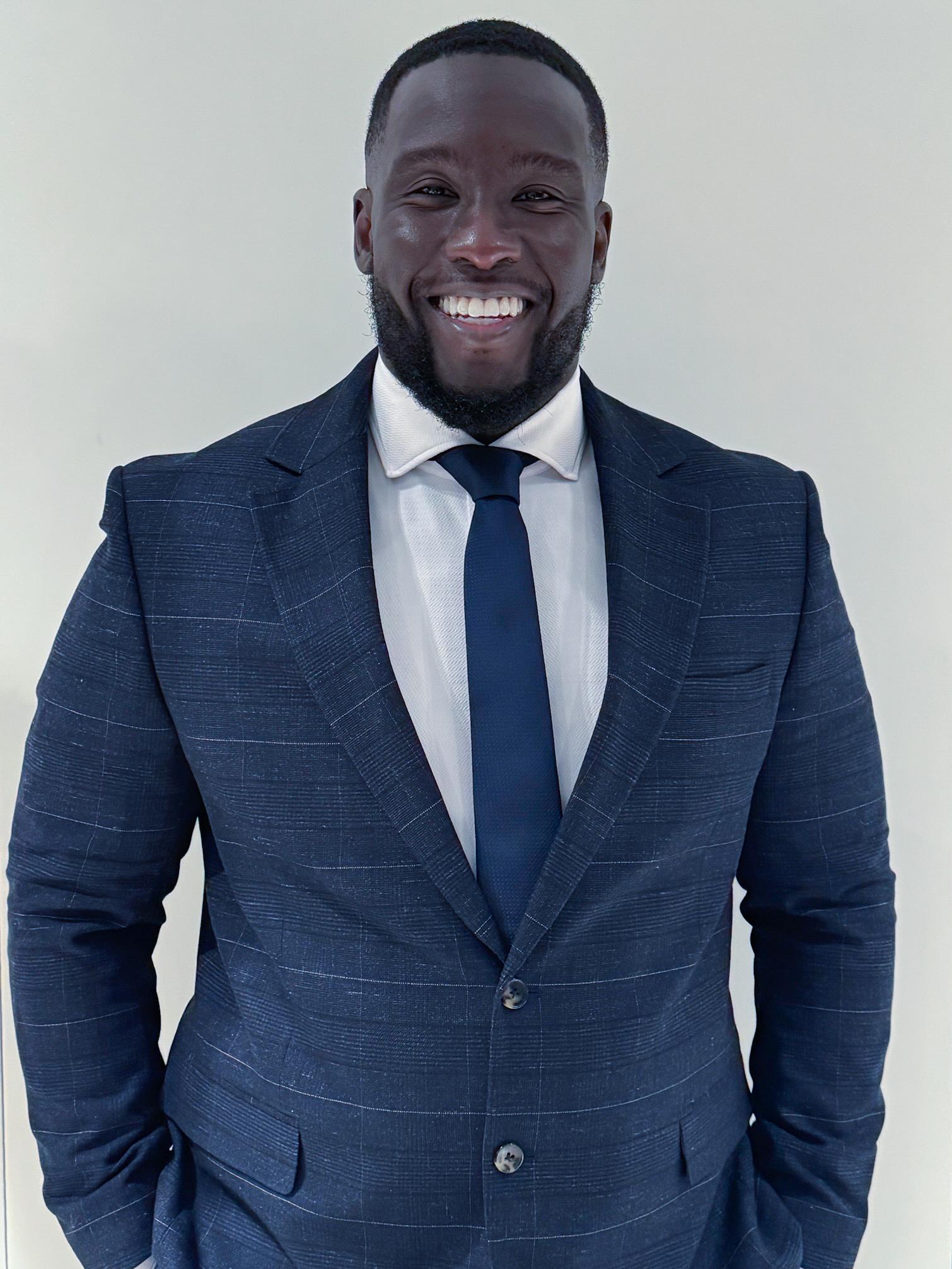
Imagery courtesy of Dr Sam Botchey.
What is next for you?
I’m focused on expanding the reach of performance-led health optimisation. This includes:
- Developing bespoke health protocols for high-net-worth individuals and corporate clients in Harley Street and beyond.
- Working with elite athletes and individuals to truly optimise their health and performance.
- Further integrating sports medicine with regenerative and metabolic therapies to redefine how we approach treating musculoskeletal disease and improving healthspan.
- Growing performance medicine services at Lanserhof at The Arts Club, London Bridge Hospitals and creating new performance and longevity ventures.
- Launching a YouTube channel and expanding social media output to educate more people on real longevity strategies.
To learn more about Dr. Sam Botchey’s work in health optimisation and regenerative sport and musculoskeletal medicine, visit drbotchey.com
View this post on Instagram
Imagery courtesy of Dr. Sam Botchey unless otherwise stated.