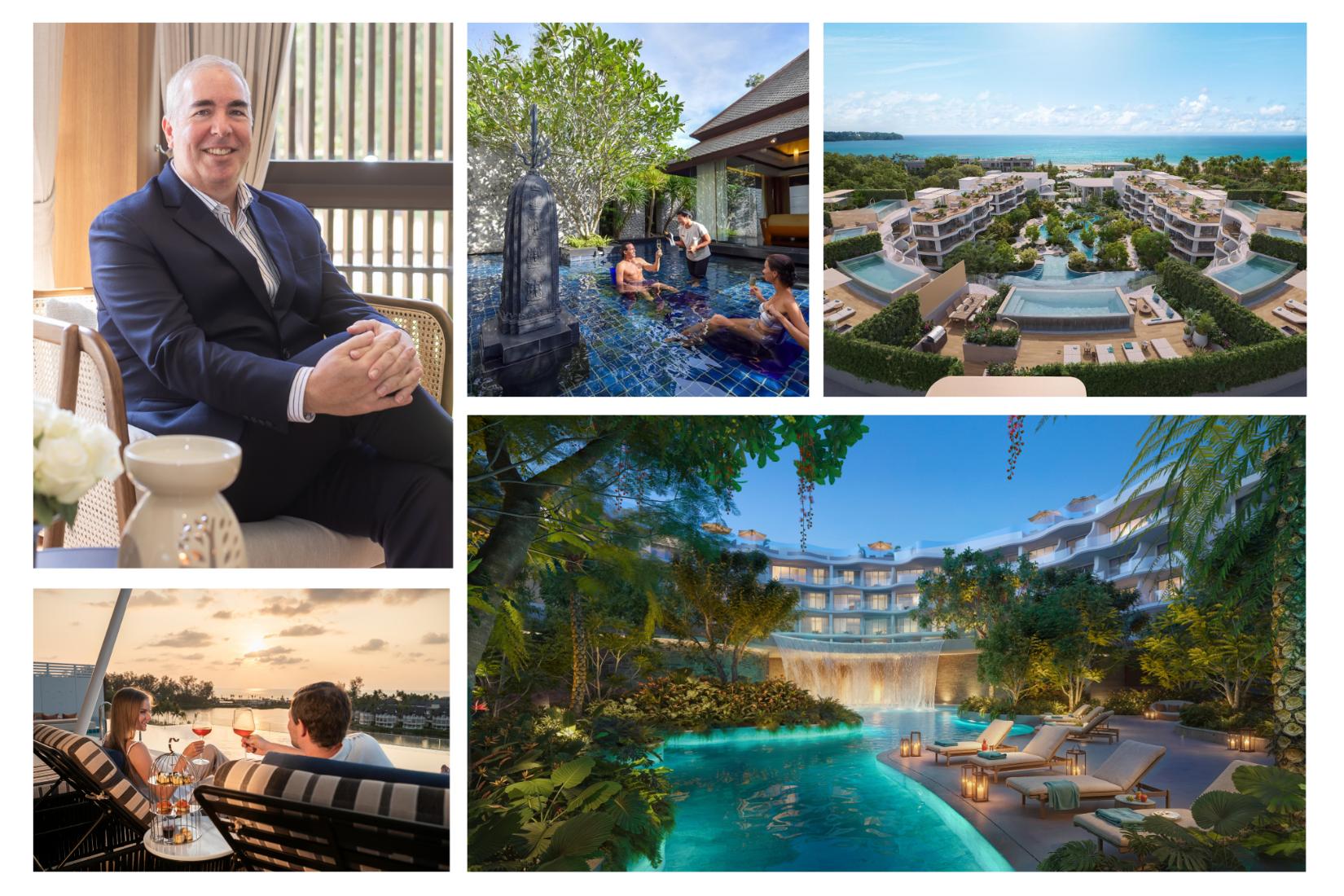
Luxury has always seemed easy to recognise. Private pools, marble-floored lobbies, and stunning seaside views tend to serve as the visual shorthand to what we consider luxury to be. Yet today, defining it isn’t as straightforward. Increasingly, luxury is becoming less and less tangible which is where Banyan Group Residences come in.
We are no longer searching for mere beauty; they are looking for a feeling: flexibility, belonging and the comforting ease of arriving somewhere that already feels like home. As branded residences continue to evolve beyond simply placing apartments beside hotels, we spoke with Stuart Reading, Managing Director of Banyan Group Residences, about what the next chapter of luxury living looks like.
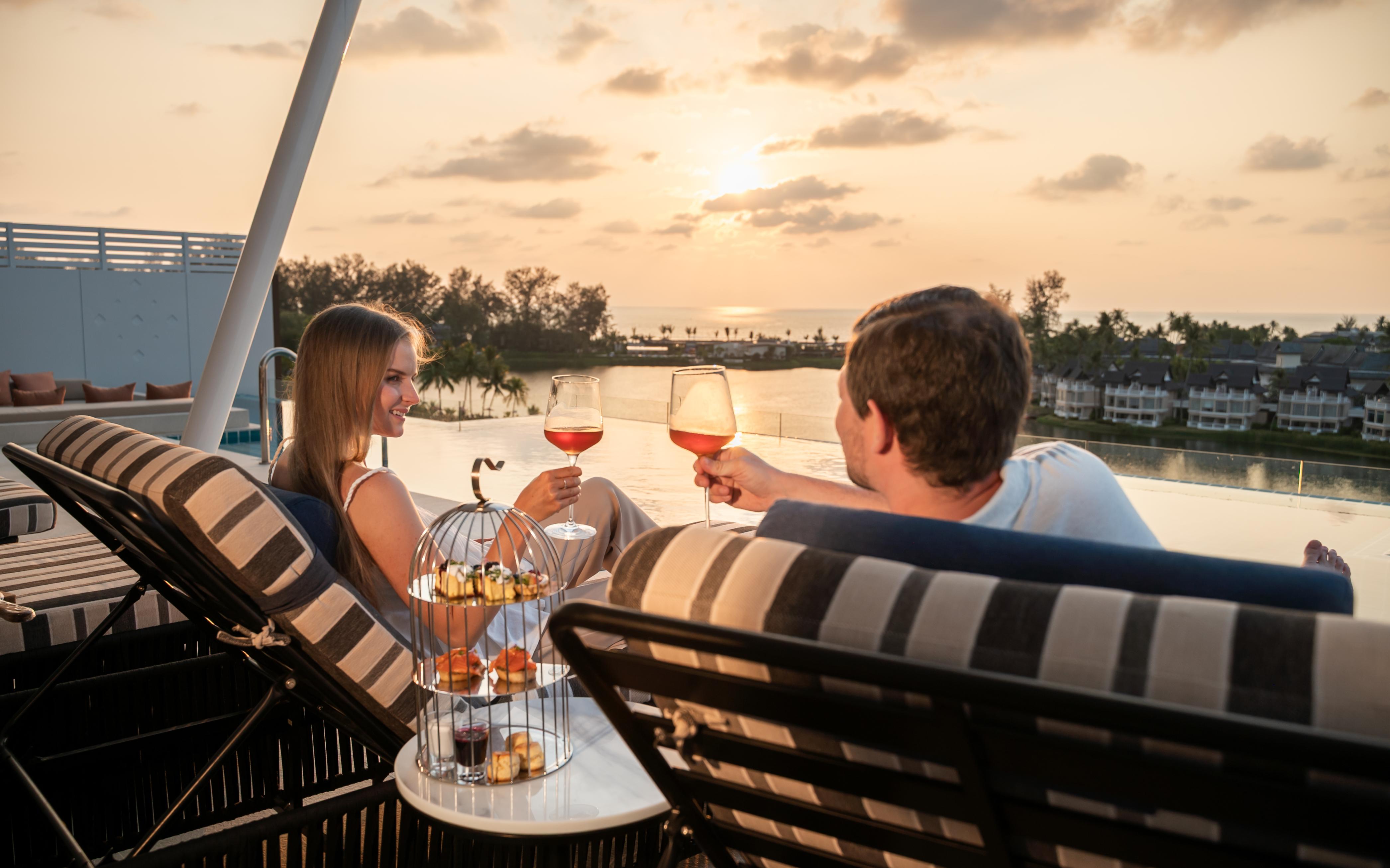
Banyan Group began as a hospitality brand with a very strong emotional identity. How do you translate that sense of place, service, and sanctuary into residential real estate without simply creating branded apartments?
What Banyan Group has always stood for, from the very first Banyan Tree resort, is a deep respect for the place: the landscape, the culture, the pace of life. Our purpose has never been to sell square metres. It is meant to give people a sense of sanctuary, the same feeling you have on the second morning of a resort stay when you finally exhale and stop checking your phone. Translating that into a home means asking a different question: not ‘how do we make this feel like a Banyan Group hotel’, but ‘how do we make someone feel, every single day, the way they feel on their best holiday’.
That feeling is not something you can easily specify on a drawing. It comes from how a place is cared for and the spirit behind it: a team that genuinely looks after people, so owners can arrive and settle in without having to think about anything. It comes from the landscape being treated as the point, not the backdrop. And over time, it comes from community – people from different countries and backgrounds who share a sensibility about how they want to live.
Phuket has long been seen as a holiday destination. What has changed in recent years to make it a serious long-term residential market for globally mobile families and investors?
Several things have converged at once. The most fundamental shift is in infrastructure. Phuket today has world-class hospitals and international schools offering British, American and IB curricula, direct air connectivity to over 80 cities worldwide, and a retail and dining environment that rivals any global city. Ten years ago, some of that was present. Today, all of it is.
The second shift is in buyer psychology. Post-pandemic, globally mobile families began to think very differently about where to base themselves. Geographic diversification – a safe, stable, high-quality base with good weather, excellent healthcare and genuine community – moved from a nice idea to an active strategy. Phuket ticks every one of those boxes, and at a price point that is extraordinary by comparison. What USD 1 million buys in Phuket – 213 square metres of genuinely luxurious space – would get you 33 square metres in London or 34 in New York.
The third factor is the visa framework. Thailand’s Long-Term Resident Visa and the Thailand Privilege Visa now offer genuine multi-year residency pathways for investors, entrepreneurs and remote working professionals. That legal clarity matters enormously to serious buyers.
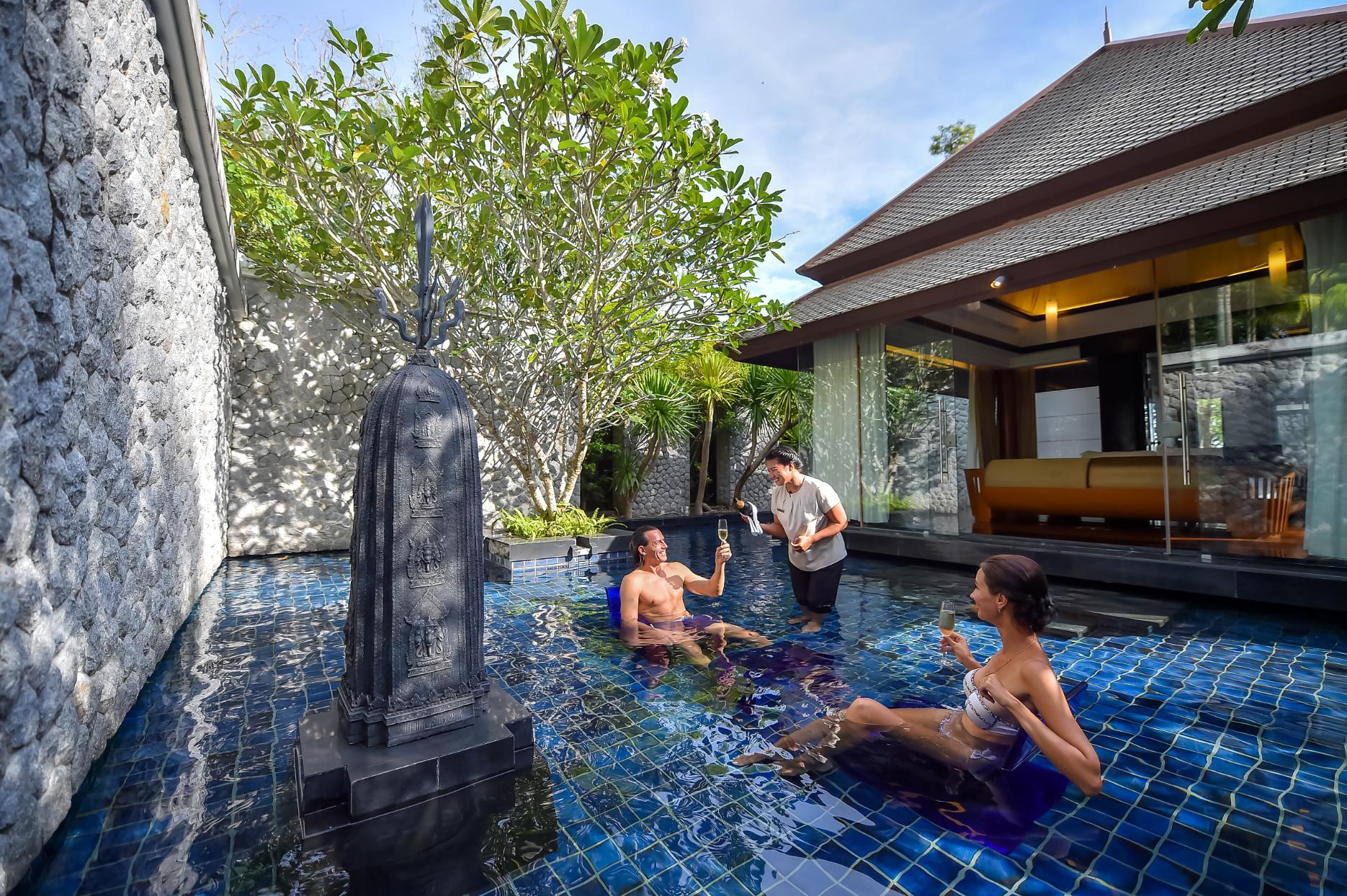
With Laguna Phuket and now Laguna Lakelands, Banyan Group is not just building homes but entire communities. What are the most important ingredients in making a master-planned destination feel genuinely lived-in rather than manufactured?
Time is the most important ingredient, and it cannot be manufactured. Laguna Phuket has been growing since 1987. The trees are old. The staff knows the owners by name. There are families now on their second generation of ownership. That depth is what makes the difference between a resort development and a place people actually call home.
Beyond longevity, what makes a community feel real rather than staged is the diversity of activity and the mix of people within it. Laguna Phuket today has over 4,000 owners from more than 80 nationalities. Families with young children, retirees who have been here for decades, entrepreneurs running global businesses from their villas, remote professionals who arrived during the pandemic and never left. That mix creates organic social life – it cannot be designed, only enabled.
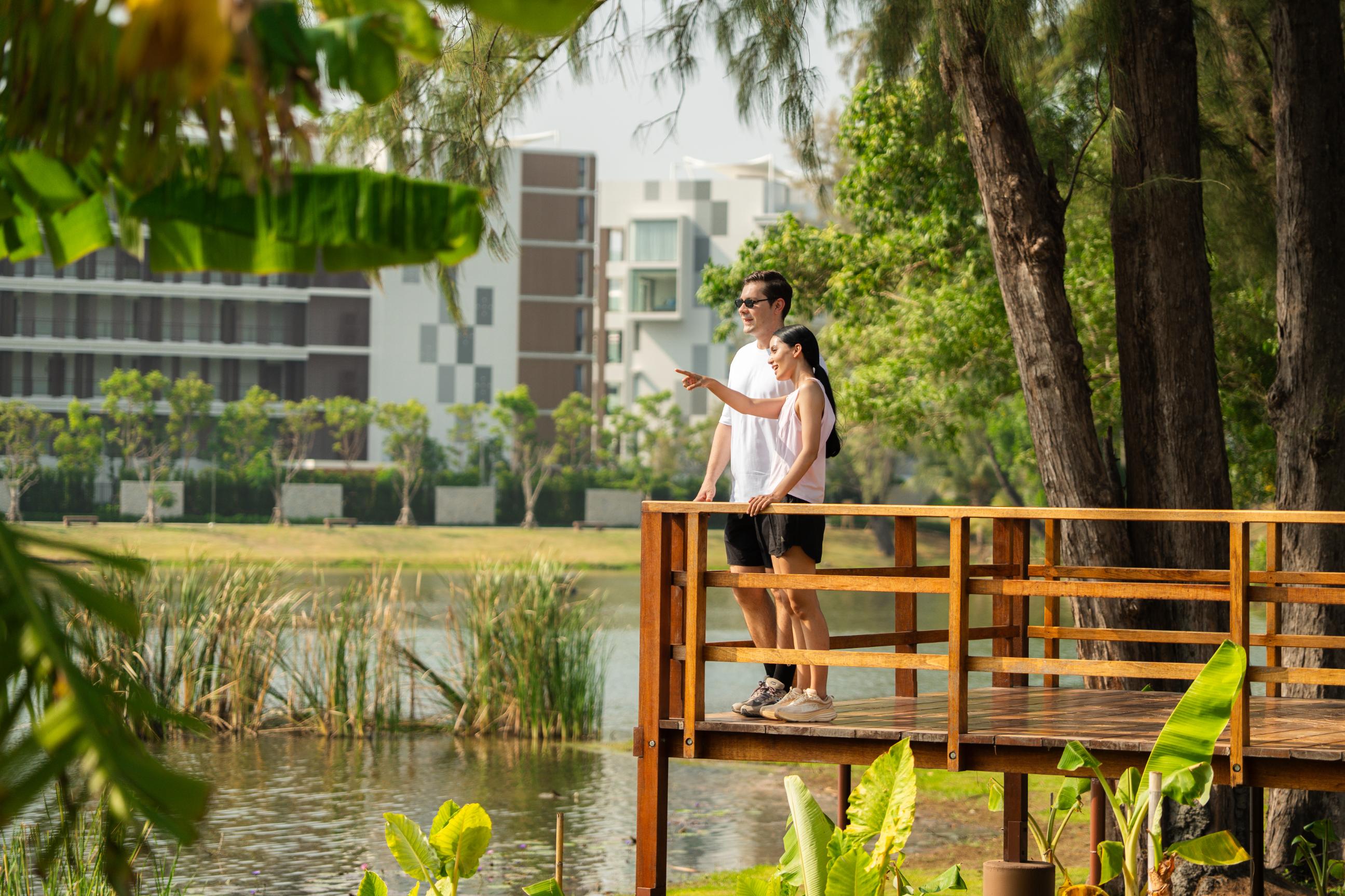
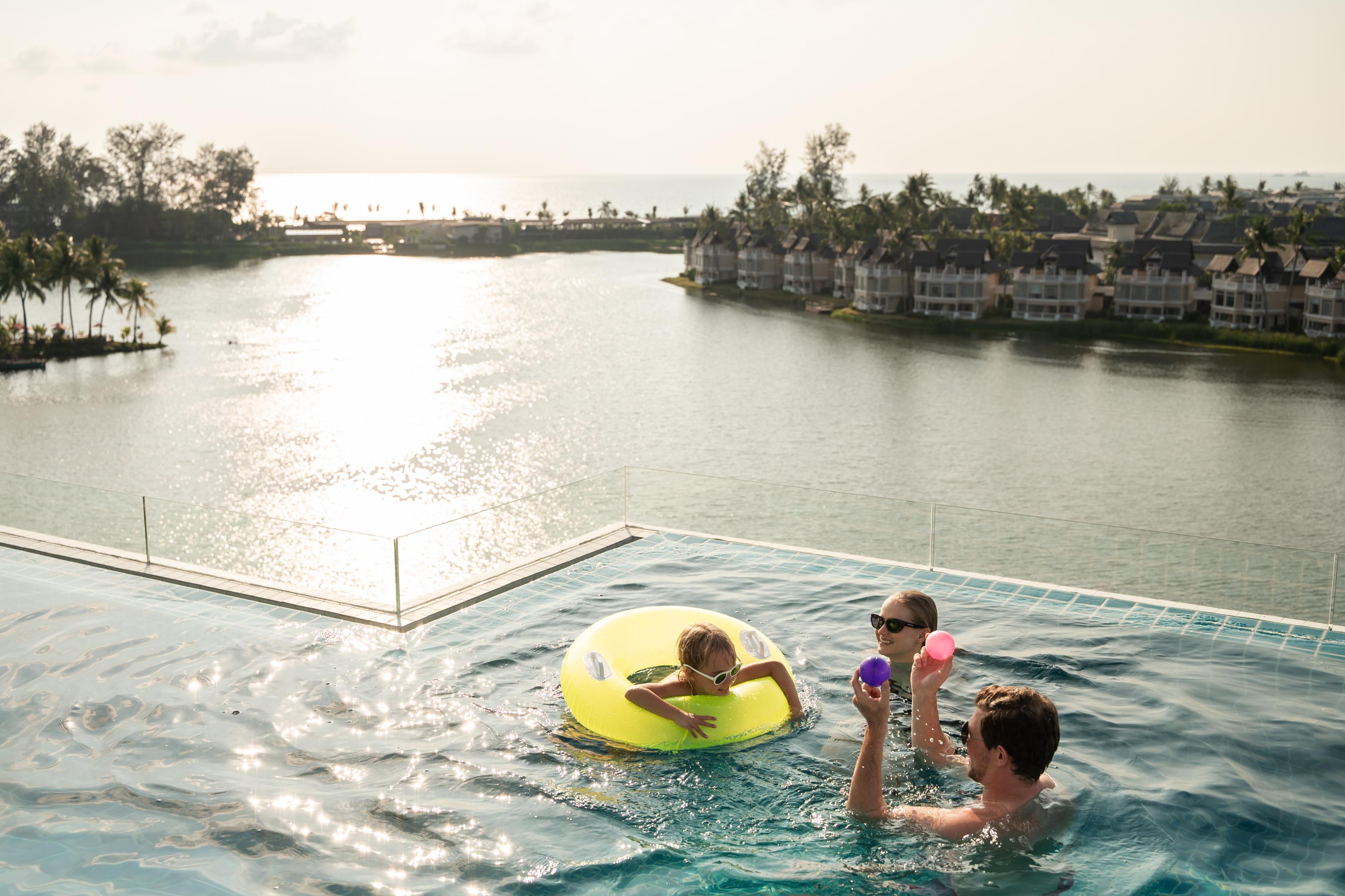
At Laguna Lakelands – spanning over one million square metres across five distinct precincts – Hillside, Orchard, Forest, Lakeside, Lagoon as well as the Town Centre – we have thought carefully about this. The 15 kilometres of walking and cycling trails through forest, lagoons and botanical gardens are not just decorative; they are the connective tissue of daily life. The private beachfront club on Bang Tao Beach gives every Lakelands resident access to one of Southeast Asia’s great stretches of sand. The sports and aquatic complex, wellness facilities, and connectivity to Laguna Phuket’s six hotels, golf course, and dining – all of it is designed to create reasons for people to be outside, to encounter each other, to feel part of something special.
Luxury buyers are becoming more sophisticated and less impressed by surface-level design. What are today’s Banyan Group Residences buyers asking for that they were not asking for five or ten years ago?
The single biggest change is the demand for genuine flexibility. Ten years ago, buyers tended to fall into two camps: those who wanted a holiday home and those who wanted a pure investment. Today, the most sophisticated buyers want both simultaneously – a proper home but one that also generates income when they are not in residence, with the ability to move in and out easily. Our Banyan Living rental platform addresses exactly that.
The second shift is around independence. Our new Bellaguna brand was created specifically in response to buyers who want all the benefits of the Banyan Group branded residence ecosystem – the service, the management, the lifestyle infrastructure, the global brand recognition – but without their home being part of standardised hotel inventory. They want a private residence, not a resort unit. Bellaguna residences sit entirely outside hotel operations, managed by Banyan Group to the same service standards but with the full privacy and flexibility of a genuinely private home.
And then there is the lifestyle shift itself. Buyers today want the freedom to choose where they live, and to move around frequently. The ability to arrive, find everything in order, live well, and leave again without administrative burden is what they are paying for. Our management model is built precisely around that: seamless, professionally run, with none of the friction that typically comes with owning property abroad.

Laguna Lakelands is described as one of Phuket’s most ambitious residential communities. What makes it ambitious beyond scale? Is it the planning, sustainability, lifestyle infrastructure, or the long-term vision?
All of those – but if I had to identify what is truly distinctive, it is the relationship between nature and architecture. Over 155,000 square metres of the Lakelands site have been preserved as forest and botanical garden landscape. We have five distinct precincts because different residents want fundamentally different relationships with their environment – a hillside villa with panoramic views, a lakeside setting, a forest outlook.
What I think is genuinely innovative about Lakelands is that it is not a fully gated enclave. The nature trails and cycling paths are deliberately open to the wider Phuket community. That is a conscious choice – we want the development to give something back, to be socially sustainable as well as environmentally so. A community that walls itself off from its surroundings is not, in our view, a truly successful one in the long term.
The ambition is also generational. Laguna Lakelands is designed to evolve over decades, not to be sold out and handed over. Banyan Group will remain the operator, the steward of the environment, and the service provider. That long-term commitment is what gives buyers confidence that the community they are buying into today will be even better in ten years than it is now.
And the sustainability credentials are genuine. The preserved natural landscape, the botanical diversity, the approach to water management – these are commitments that have real cost and real long-term benefit for residents and for the island.
What lessons from Banyan Group’s hotel operations have most directly influenced the way you design, sell and manage residences?
The most important lesson is that the physical product is secondary to the experience of living in it. We have operated luxury hotels for 35 years, and the insight that runs through all of it is this: guests – and by extension, residents – remember how they felt, not the specification of what surrounded them. When an owner arrives at their Laguna Phuket residence after being away for six months, the house should be perfectly prepared, the welcome should feel personal, and any issue should be resolved before they have to ask twice. That is not a residential management standard – that is a hotel standard applied to residential life.
The second lesson is the sense of belonging and recognition. Our owners are not just buying access to one property – they are buying access to the Sanctuary Club, which provides benefits and privileges across the entire Banyan Group global hotel and resort network of 100 resorts in over 20 countries. For internationally mobile families, that is a genuinely valuable asset that no purely residential developer can match.
And the third lesson is rental optimisation. Our hospitality teams understand how to maximise occupancy and revenue in ways that most residential developers simply do not even engage in. The Banyan Living platform is the direct product of that knowledge – professional, yield-optimised rental management that generates meaningful returns for owners when they are not in residence.

Many branded residences rely heavily on the brand name. How do you ensure the product itself lives up to the promise of Banyan Group?
This is not theoretical for us. Banyan Group Residences has delivered and manages more than 5,000 privately owned residences – real, lived-in homes that owners judge us by every day. Our reputation is not built on promises; it is built on delivery. And that track record is one of the most powerful things we can offer a prospective buyer.
In practical terms, maintaining product quality means never compromising on specification to improve margin. It means the same international design and construction standards whether a unit is priced at USD 200,000 or USD 10 million. It means our property management teams are trained to the same standards as our hotel teams. And our stock exchange listing in Singapore – with all the financial disclosure and corporate governance that entails – creates a level of accountability that private developers do not have.
The external validation is gratifying: we recently won a record 16 honours at the International Property Awards 2026–27. But the more meaningful measure is whether owners recommend Laguna Phuket to their friends and family. They do, consistently.
How do you protect the character of Phuket while also responding to rising international demand for high-quality residences?
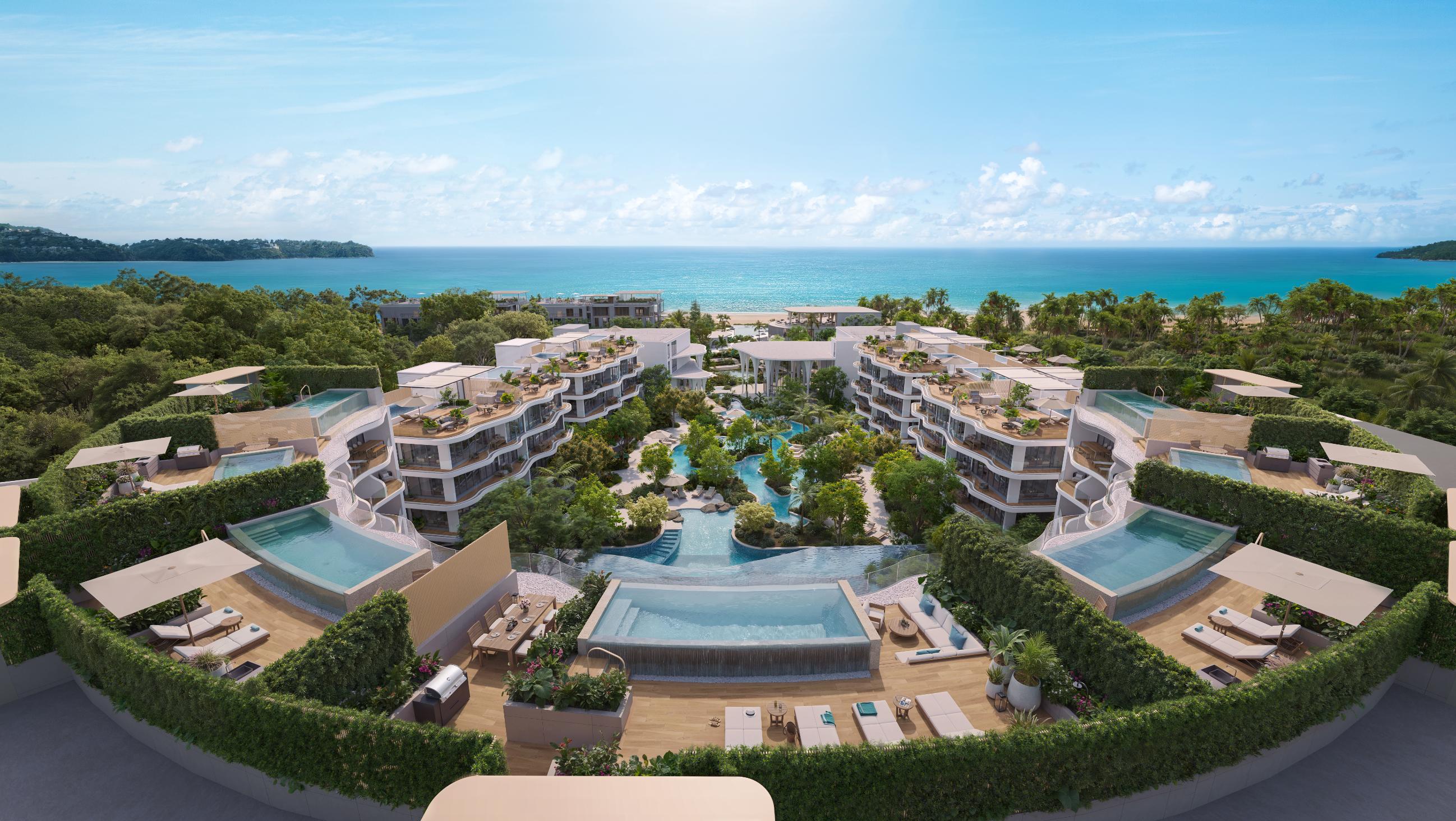
It is a genuine tension. The answer, for us, lies in density and integration. Every development we build is low-density and conceived around the natural environment rather than imposed upon it. Laguna Phuket covers over 1,000 acres, but only a proportion of that is built environment – the lagoons, the golf course, the landscaped parklands are all part of the estate. At Laguna Lakelands, over 155,000 square metres is preserved as forest and botanical garden. This is not a concession to sustainability; it is the philosophy from which everything else follows.
We would be dishonest if we did not acknowledge that not every development on the island takes the same approach. Parts of Phuket have suffered from overdevelopment, and the pressure on roads and infrastructure in some areas is real. But significant investment is under way – a second international airport, a sky rail network, major road improvements – and we believe that will meaningfully improve the situation over the coming years. Phuket is not a finished city; it is still growing, and growing with greater intention than it did a decade ago.
More broadly, we believe the best way to protect Phuket’s character is to support the kind of international residential community that has a genuine, long-term stake in the island’s wellbeing. Owners who live here, whose children attend school here, who use the hospitals and support the local economy – they care about the island in a way that transient visitors do not. Attracting that kind of resident is good for Phuket.

In a competitive branded-residences market, what gives Banyan Group a distinctive advantage compared with hotel groups that are newer to residential development?
Several things, and they are genuinely difficult to replicate. The first is longevity. We have been developing in Phuket for more than 35 years – longer than almost any other developer on the island. We have seen the market through multiple cycles: the Asian financial crisis, the 2004 tsunami, the global financial crisis, the pandemic. We delivered on our commitments through all of them. That track record is not a marketing point; it is the foundation on which buyer trust is built.
The second is scale and genuine community. Laguna Phuket alone is over 1,000 acres – six hotels, a championship golf course, the RAVA Beach Club, world-class spas, diverse dining, an international kindergarten, 24-hour security. But scale alone is not the point. What newer entrants cannot replicate is the community that has grown up within it: over 4,000 owners from more than 80 nationalities, many on their second generation of ownership, with deep roots in the place. A flag on a building does not create that.
The third is the hospitality connection. We are not a real estate company that has decided to add a hotel brand. We are a hospitality group – 35 years of operating luxury hotels and resorts – that applies that knowledge directly to how we design, manage, and service our residences. The standards, the people, the systems: all of it comes from that heritage. And finally, integrity: we operate what we develop. We do not build, sell and walk away. Our interests remain permanently aligned with those of our owners, and in this market, that is rarer than it should be.

What does “luxury” mean in Banyan Group Residences today? Is it still about space, views and finishes, or increasingly about ease, wellbeing, security and belonging?
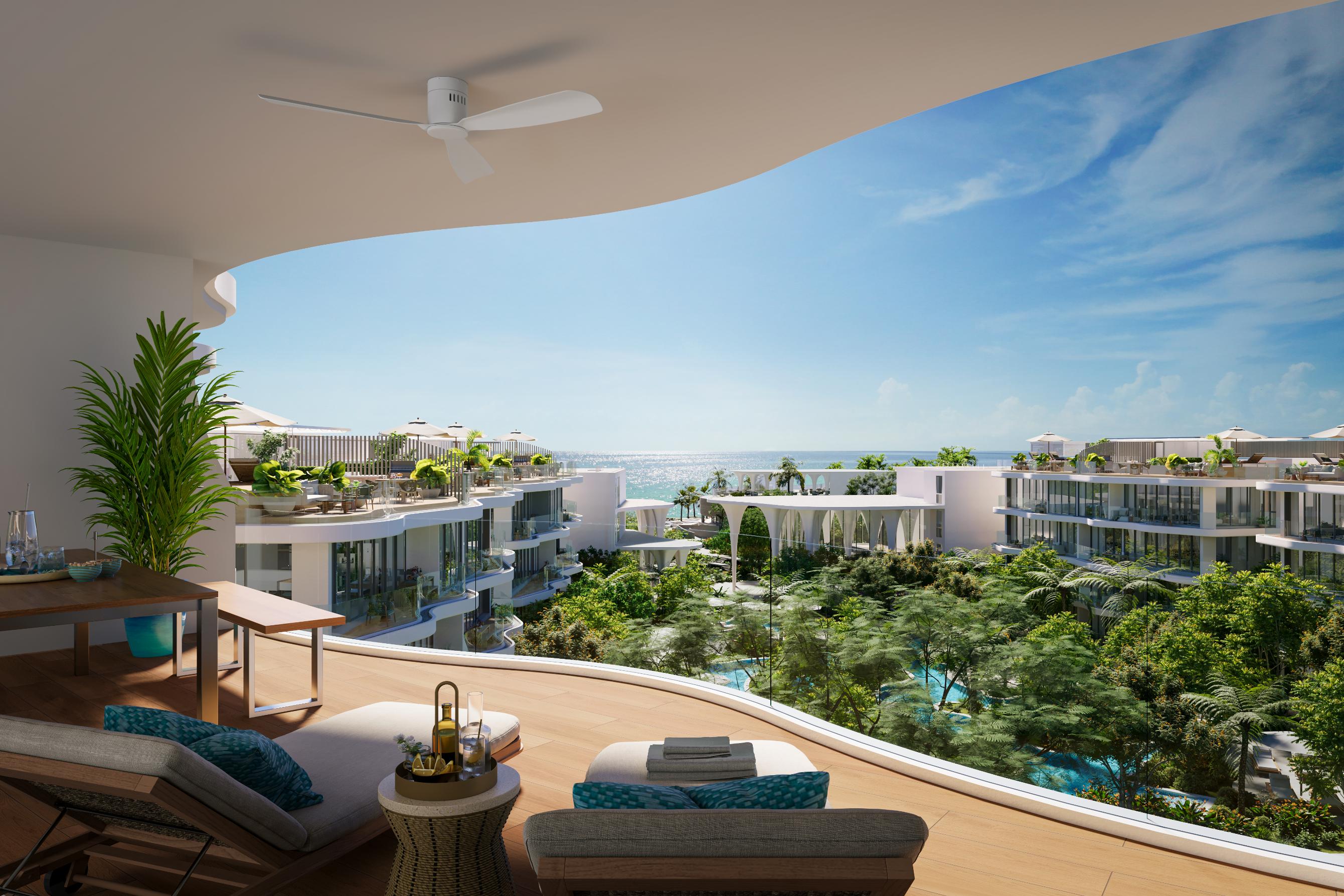
Both – and the tension between them is what makes this an interesting moment in the market. Space, views and finishes remain important, not as ends in themselves, but because they are the physical expressions of quality that discerning buyers can see and feel immediately. An absolute beachfront penthouse on Bang Tao Beach, with a private pool and uninterrupted sea views, is genuinely extraordinary, but it is no longer sufficient on its own.
What the most sophisticated buyers are increasingly paying for is the elimination of friction. The ability to lock the door, fly to London or Geneva or Mumbai, and return six months later to a home that is perfectly maintained and has been earning income in your absence – that is a form of luxury that has nothing to do with square footage or stone finishes. It is the luxury of ease, of trust, of certainty.
Belonging is the most interesting dimension because it is the hardest to deliver. Laguna Phuket has owners from over 80 nationalities, and what they share is not a passport or a social background – it is an orientation towards quality of life, towards openness, towards the idea that where you live should be a genuine source of joy, not just an address. That shared sensibility is what creates belonging. We enable it; we cannot manufacture it.
Looking ahead, what do you believe Phuket will represent on the global property map and what role does Banyan Group want to play in shaping that future?
Phuket is already in the top tier of global branded residence markets – ranked seventh worldwide and first in Asia-Pacific by leading research houses. But I believe the next decade will see it rise significantly further. Connectivity is about to improve materially: Virgin Atlantic’s direct Heathrow–Phuket service launches in October 2026, the first scheduled non-stop service between London and Phuket, and that will drive a significant new wave of British awareness and demand. Phuket already connects to over 80 cities worldwide, and that network continues to expand. There are also major infrastructure projects in the pipeline – a second airport, a sky rail network, new roads across the island. Phuket in 2030 will be materially more accessible than today.
The demand for geographic diversification among internationally mobile families is a structural, not cyclical, trend. Phuket offers something increasingly rare: a mature, stable, internationally connected residential destination with world-class infrastructure, year-round sunshine, genuine natural beauty, and price points that remain extraordinary against other premium markets.
Banyan Group’s role is to continue to be the developer and operator that raises the bar. Our planned USD 1 billion residential expansion in Phuket is the clearest statement of our long-term conviction. We want to be the developer that, in twenty years, people point to as the reason Phuket became what it became – not a destination spoiled by overdevelopment, but one that grew with intelligence, integrity and genuine respect for the island and its community.
For more information, please visit Banyan Group Residences Phuket
View this post on Instagram
All Images Courtesy of Banyan Group Residences