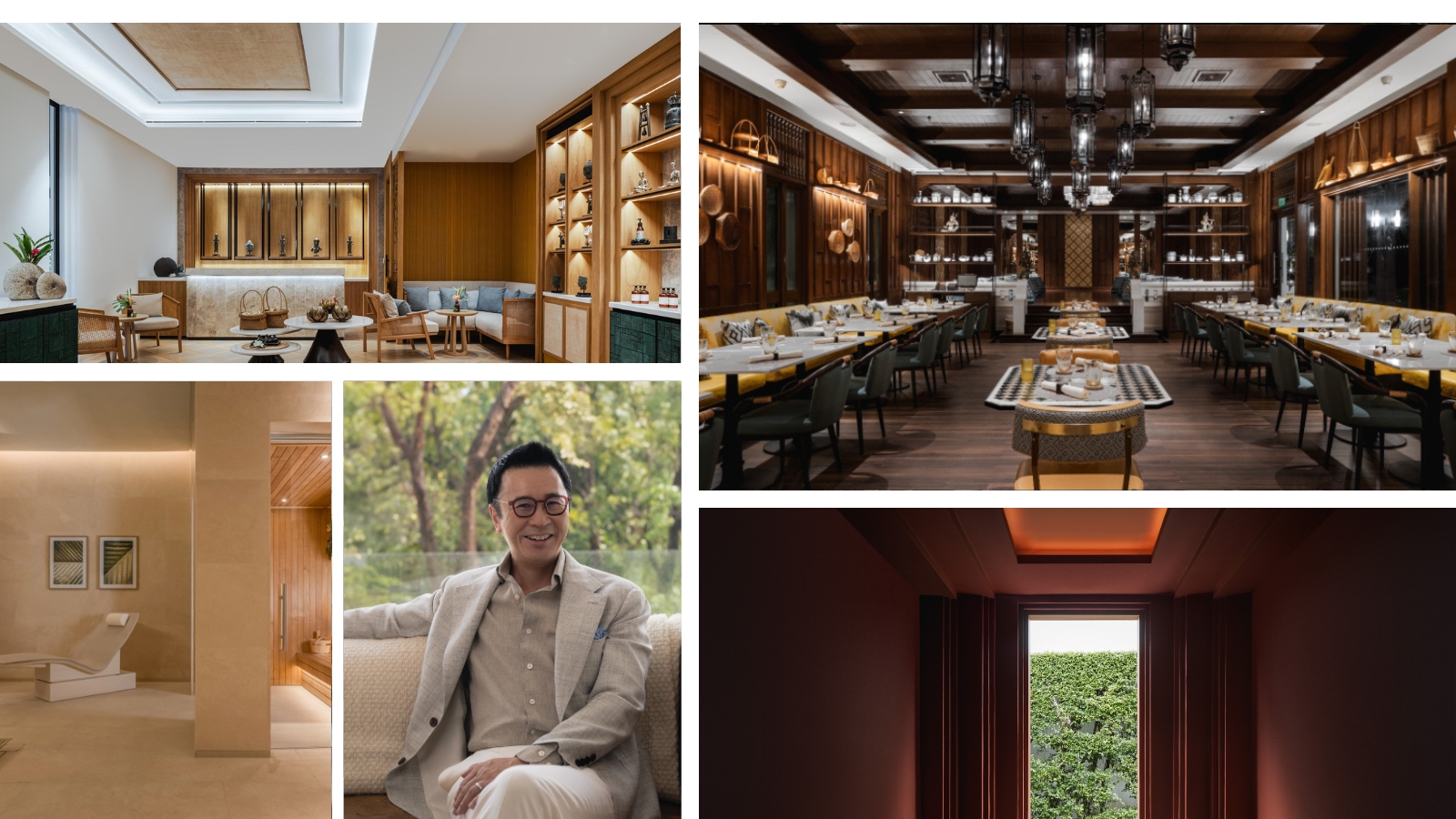
Over the last two decades, Clint Nagata and BLINK Design Group have shaped the language of contemporary luxury hospitality and cultural sensitivity with forward-thinking design. With a team of 120 designers and multiple studios in Bangkok, Singapore, Dubai, and now London, BLINK is evolving with a creative vision and is changing traditional interior design.
The founder and creative partner, Clint Nagata, has been the visionary behind designs such as Six Senses Kyoto and The Spa at One&Only Le Saint Géran.
Recently named Interior Designer of the Year at the ‘Sustainability In Design Awards’, we sit down with Clint to talk about what it means to lead a studio and how creative thinking is communicated through design.
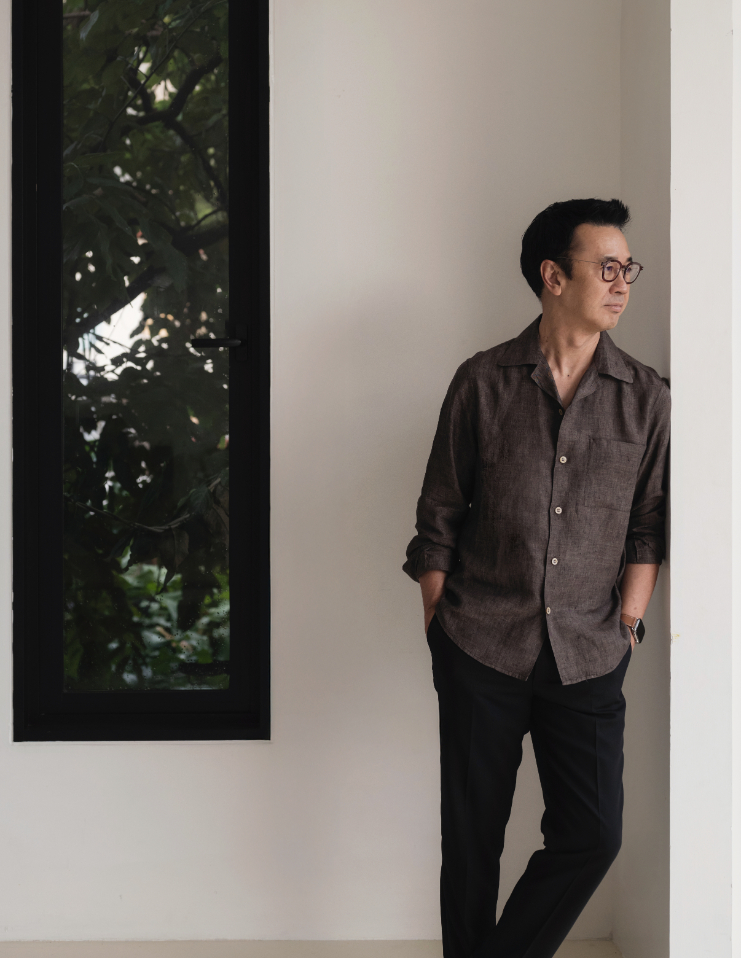
Just how different was the hospitality market in 2006 compared to now – and what moments do you feel define BLINK’s identity/evolution?
In 2006, hospitality was largely about delivering a brand-standard experience. Today, it’s about creating immersive, culturally resonant environments that feel personal and memorable. Moments that define BLINK’s evolution often come from those challenges: finding a balance between storytelling, architecture, and guest experience while pushing creative boundaries.
Our identity has always been about translating a client’s vision into spaces that resonate long after the visit.
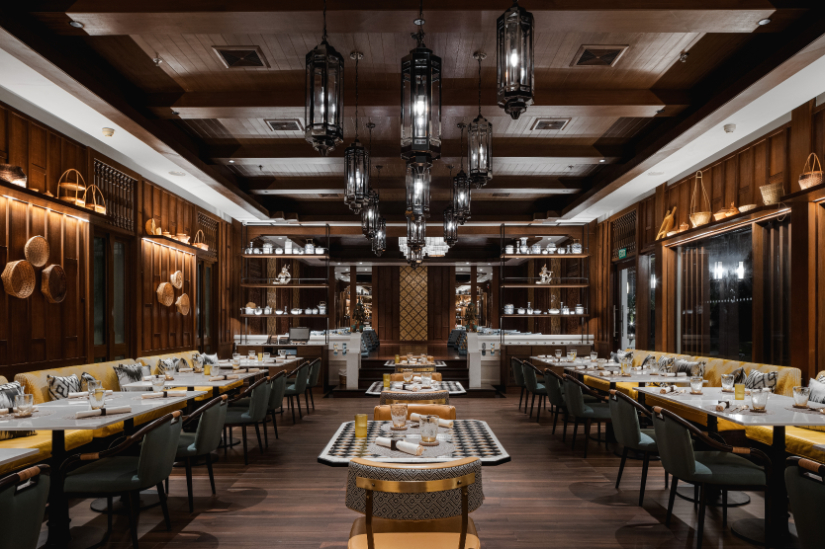
Image Courtesy of Ben Richards
If all your projects are different, how would a guest/operator/owner recognise a BLINK-designed space through its vibe?
Even though each project is unique, there’s a thoughtful layering of authenticity, attention to detail, and a sense of narrative that tends to stand out. People might not immediately say “this is BLINK,” but they feel it in the way spaces invite engagement, comfort, and discovery. It’s subtle, but that’s the signature we aim for.

Image Courtesy of Ben Richards
How does the idea of ‘Designing Legacies’ influence the day-to-day decisions you make on a project?
It informs everything – from material choices to spatial planning, and even the smallest touchpoints. We always ask: “Will this still feel relevant, beautiful and functional ten, twenty years from now?” It’s a filter that helps us avoid trends for trend’s sake and focus on creating something timeless and meaningful.
Also, both our initiatives – the Global Exchange Program and the Kayte McMillan A Wish To Remember initiative – actively immerse our team in new cultures and allow them to broaden their creative horizons. That exposure fuels fresh thinking. It sparks deeper research and brings renewed energy back into the business – and that alone creates a tangible, lasting impact across our company.
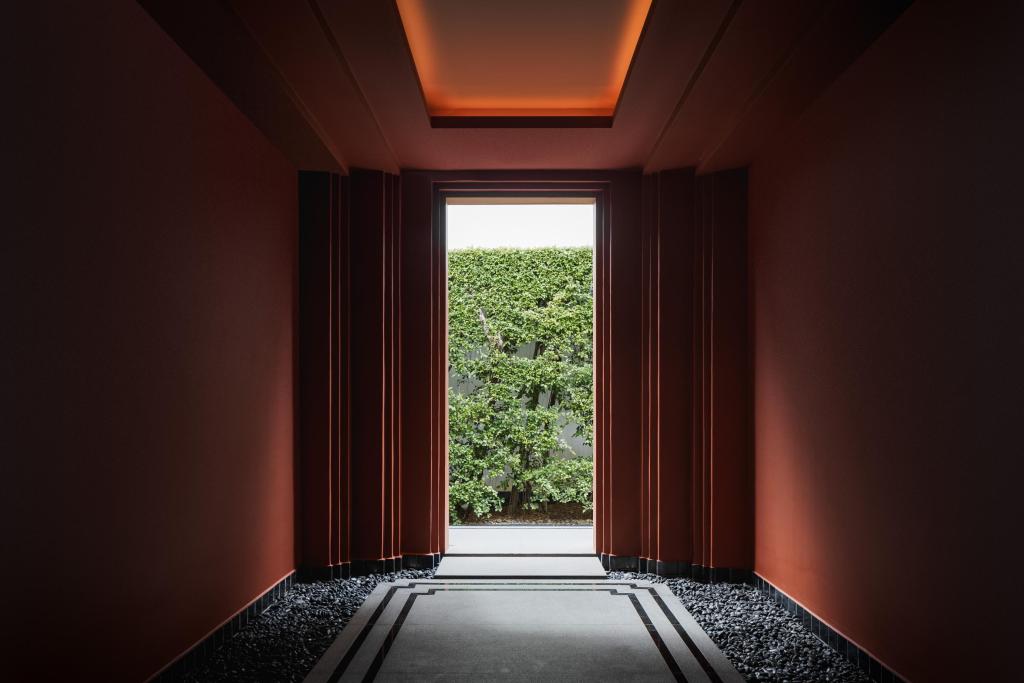
Image Courtesy of Ben Richards
What’s one lesson the past two decades of global hospitality design have taught you that you think the industry often overlooks?
That design is only as successful as the emotional connection it fosters. Hotels are experiences first and foremost. Many projects fail when aesthetics are prioritised over human interaction, cultural context, or operational understanding. The industry sometimes overlooks how critical that balance is.
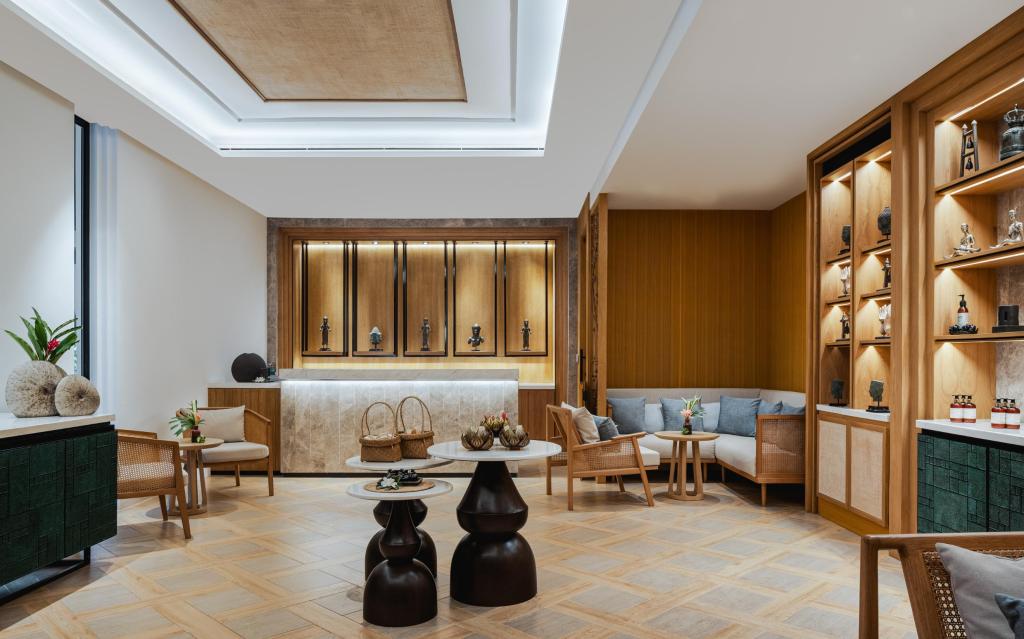
Image Courtesy of Ben Richards
How do you balance honouring cultural and local traditions with introducing bold, contemporary design ideas that stand the test of time?
It starts with listening to owners, operators, and locals. We immerse ourselves in the local context, understand traditions, materials, and stories, and then ask how these elements can be translated in a modern way. The goal is to celebrate the past within a forward-looking framework that respects the local identity while creating something entirely new.
How has working in diverse cultural contexts shaped your and the studio’s approach to hospitality design?
Exposure to different cultures has been transformative. It’s taught us humility, curiosity, and the value of collaboration. Every region brings a unique perspective, and we’ve learned to approach design as a dialogue between place, client, and guest. That mindset has become central to BLINK’s DNA.

Image Courtesy of Banyan Tree Spa Dubai
What advice would you give the next generation of designers who hope to make a meaningful, lasting impact in hospitality?
Focus on curiosity, empathy, and integrity. Study the world, ask questions, and never underestimate the impact of small details. Think about legacy from day one – how will your work be remembered, and how will it age? The spaces you create should be experiences that shape memories.
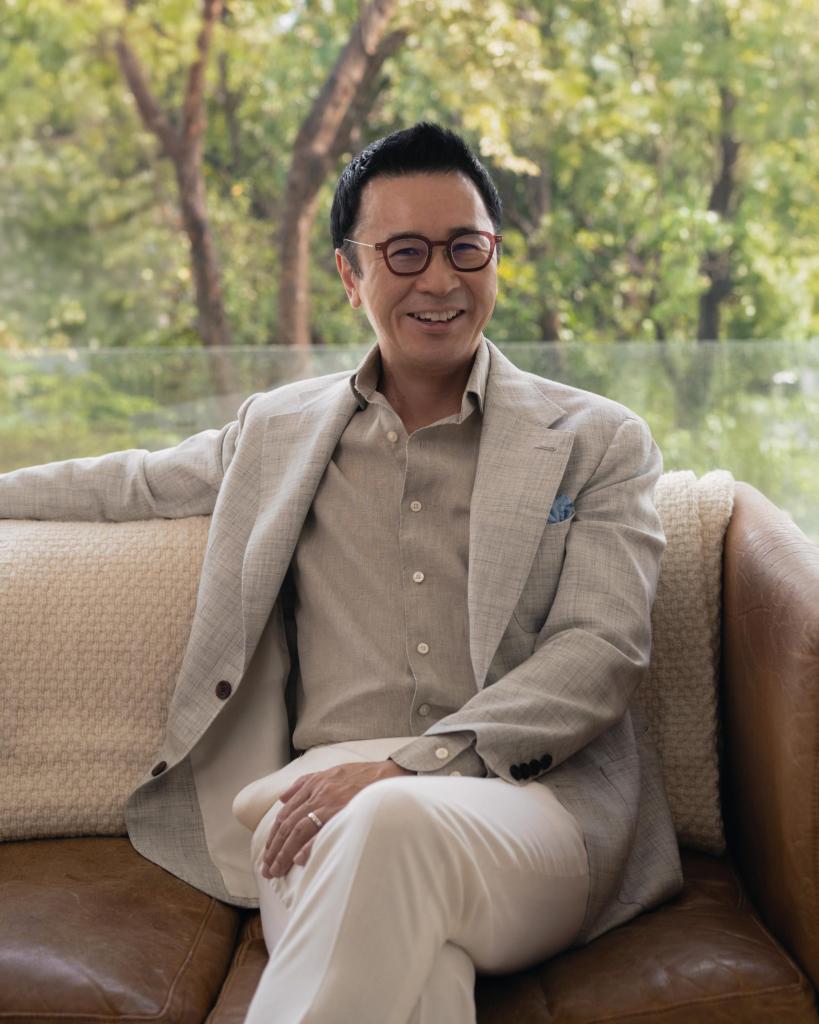
As you look ahead to the next 20 years, what changes or trends in hospitality excite you most – and how is BLINK preparing to embrace them?
We’re excited by immersive experiences, sustainability, and the integration of technology that enhances – not replaces – human interaction. BLINK is preparing by investing in research, nurturing diverse talent, and exploring how design can be both innovative and responsible. The future, for us, is about creating moments that are unforgettable and meaningful.
For more information, visit BLINK Design
Ver esta publicación en Instagram
All Images Courtesy of Clint Nagata / BLINK Design unless stated otherwise.