Some parts of Spain still feel wonderfully undiscovered. In these places, food, wine and centuries-old traditions remain closely connected to the land. Extremadura, in western Spain, is one of them.
I recently spent four days exploring this fascinating region on a study tour. During the trip, I met local producers, visited farms and wineries, and discovered traditional crafts. Naturally, I also had plenty of opportunities to taste the region’s celebrated produce.
From Pimentón de la Vera paprika to Iberian ham, Extremadura has an extraordinary culinary heritage. Its wines, olive oils, and honey also deserve recognition. Each visit offered a fascinating insight into the people and traditions behind these distinctive Spanish products.
Beyond the food, I discovered beautiful landscapes, impressive estates and unexpected cultural treasures. Above all, the trip revealed a different side of Spain, deeply rooted in agricultural heritage and local communities.
Day One: Discovering Extremadura’s Food Heritage
The Tradition Behind Pimentón de la Vera
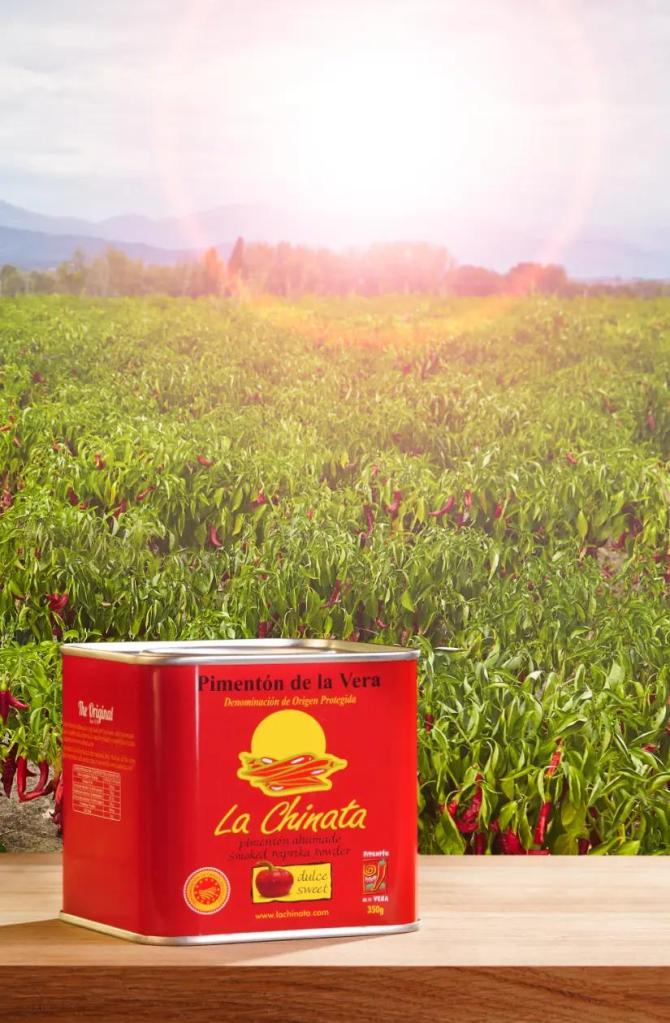
Our first day introduced us to one of Extremadura’s most distinctive products: Pimentón de la Vera paprika. We visited a pepper factory and a nearby farm to discover how producers make this regional speciality. During the visit, we followed the process from growing the peppers to creating the finished product.
It was particularly interesting to see everything first-hand. We also learnt about the traditions behind this essential ingredient in Spanish cooking. Pimentón de la Vera is famous for its distinctive smoky flavour. In fact, traditional drying methods give the paprika its characteristic aroma and depth.
Meeting the producers offered a new perspective on this familiar kitchen ingredient. Furthermore, it highlighted the skill and dedication behind its production. Afterwards, we enjoyed a tasting of products from La Chinata, a well-known local producer. Its collection extends far beyond paprika, showcasing the versatility of this regional ingredient. Overall, it was a wonderful introduction to Extremadura’s food culture.
Day Two: From the Jerte Valley to the World of Wine
Inside the Agrupación de Cooperativas del Valle del Jerte
Our second day began at the Agrupación de Cooperativas del Valle del Jerte. The cooperative sits in one of Spain’s most celebrated cherry-growing regions. However, we visited outside the cherry season. Instead, we focused on another local speciality: figs.
The team welcomed us inside the factory and explained how they transform fresh fruit into dried figs. First, we followed the production process through its different stages. Afterwards, we had the opportunity to taste the finished product.
The cleanliness and organisation of the facilities particularly impressed me. Everything appeared carefully managed, and the team encouraged us to explore the production environment. As a result, we gained a genuine understanding of the work involved.
I always enjoy discovering what happens before a product reaches the supermarket shelf. This visit offered exactly that opportunity. Moreover, it gave me a greater appreciation for the cooperative’s work. Behind every product lies a team dedicated to maintaining the region’s agricultural traditions.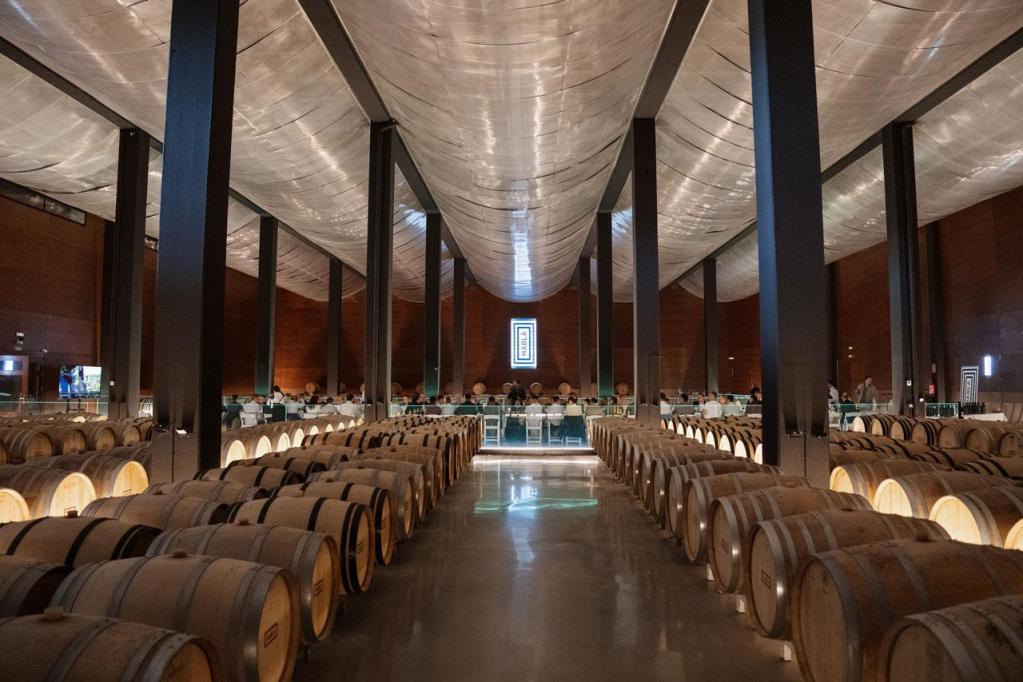
A Visit to Bodegas Habla
Next, we travelled to Bodegas Habla, just outside Trujillo. The winery immediately stood out for its contemporary architecture and sophisticated presentation. In particular, its striking cellar, oak barrels and beautifully designed bottles created a memorable first impression.
The team introduced us to the winery’s philosophy before guiding us through a tasting and lunch. During the experience, we sampled three wines, each with a distinct personality.
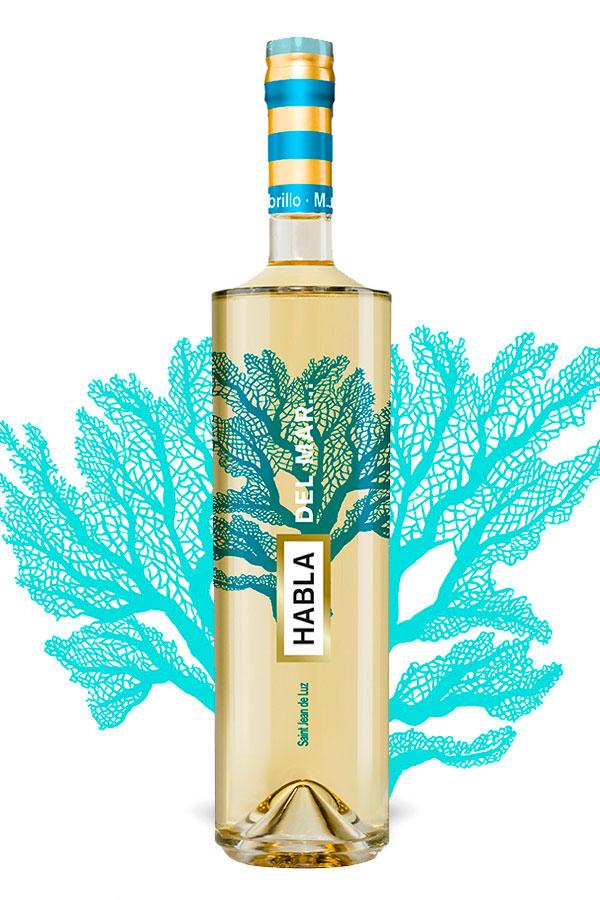
Our first wine was HABLA del Mar, an unusual white wine with a fascinating production story. The winery ferments this wine underwater, 15 metres beneath the Atlantic Ocean near San Juan de Luz, France. Consequently, its maritime character brings fresh, saline notes, alongside delicate hints of quince and chamomile.
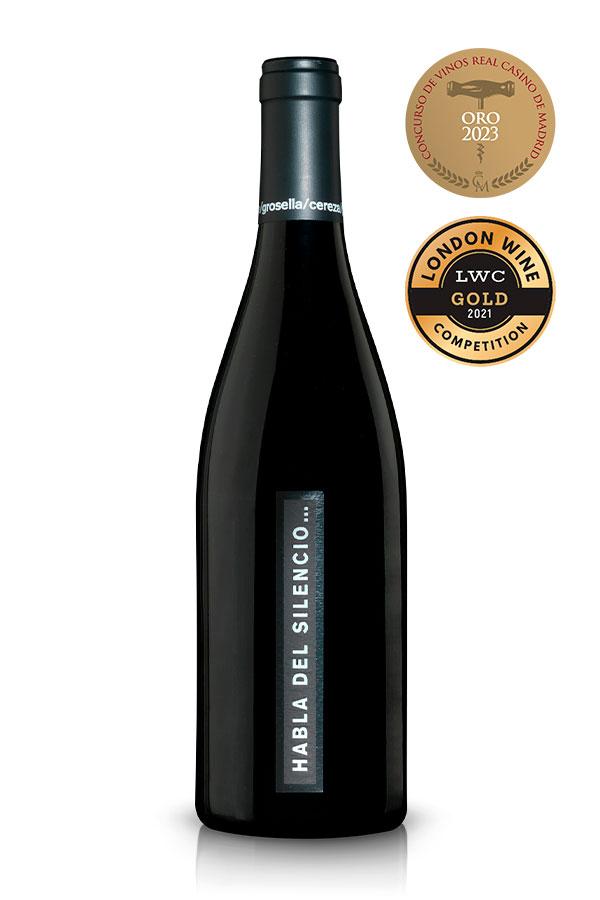
Next came HABLA del Silencio, a red blend of Syrah, Cabernet Sauvignon and Tempranillo. French oak ageing adds complexity to its fruit-forward character. As a result, cherry and blackberry notes combine with subtle hints of pepper and mocha.
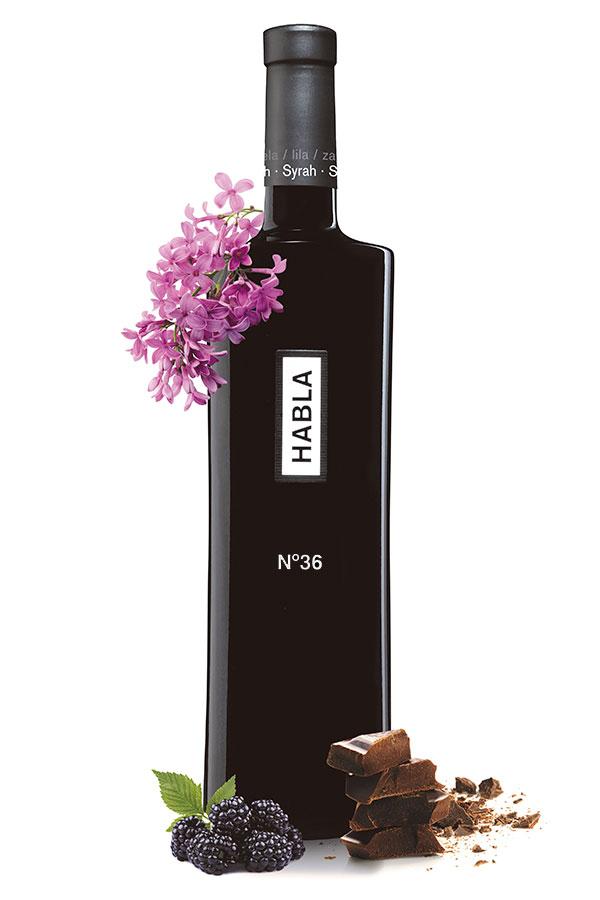
Finally, we tasted HABLA Nº36, a single-varietal Syrah. The wine spends 12 months ageing in French oak barrels. Rich and expressive, it offers notes of plum, blackberry, violet and chocolate.
The experience went beyond simply tasting excellent wines. I particularly enjoyed seeing how Bodegas Habla combines contemporary design with its approach to winemaking. Overall, the visit offered a fascinating insight into one of Extremadura’s distinctive wineries.
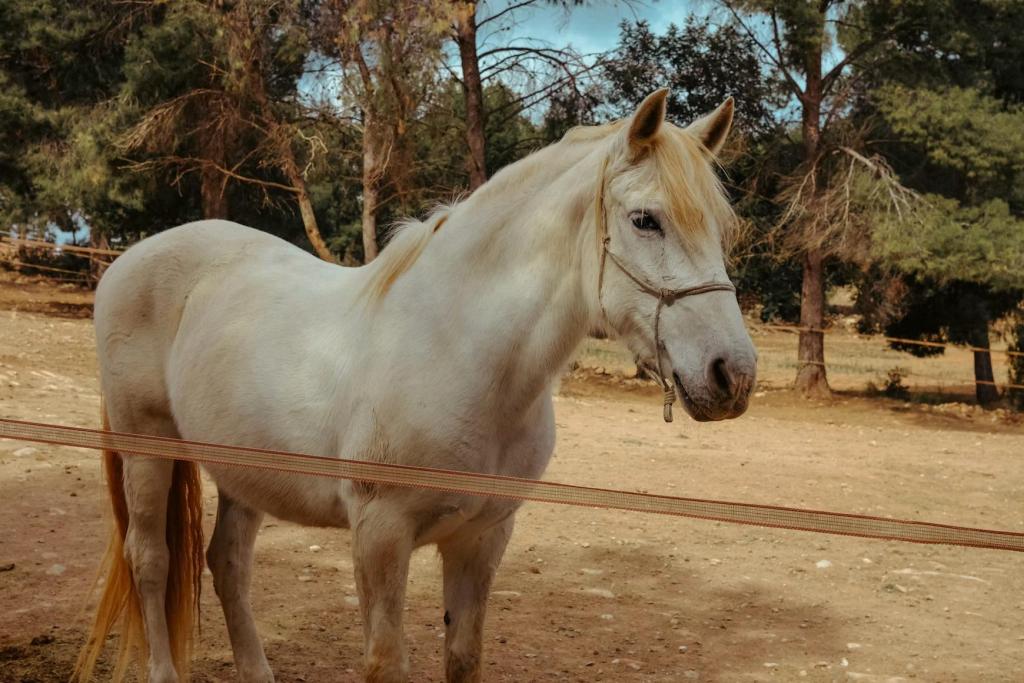
Image courtesy of
Konstantin Chemeris via Unsplash
La Yeguada Juan Tirado: An Equestrian Heritage
One of my favourite experiences was visiting La Yeguada, Juan Tirado. This beautiful breeding estate specialises in the Pure Spanish Horse, also known as Pura Raza Española. These magnificent animals represent an important part of Spain’s cultural heritage. Therefore, seeing them up close was a particularly memorable experience.
The estate covers approximately 200 hectares of Extremaduran countryside. Here, mares and foals grow up surrounded by the region’s distinctive rural landscape. During our visit, we learnt about the careful selection of stallions and the expertise involved in preserving the breed. Generations of knowledge continue to shape the estate’s approach to breeding.
However, the horses were only part of what made this visit memorable. I was equally captivated by the estate’s traditional architecture. Whitewashed façades, warm brick archways and terracotta roof tiles created a beautiful setting. Meanwhile, traditional cobbled courtyards added to its rustic charm.
Mature trees and climbing greenery softened the historic buildings. In addition, decorative tiles and a traditional horse-drawn carriage provided further reminders of the estate’s heritage. Everything looked beautifully maintained without losing its authentic character.
Throughout the property, I felt a strong connection between the horses, the landscape and the family’s traditions. For me, this was a particularly special introduction to another side of Extremadura’s cultural identity.
Dinner at El 7 de Sillería
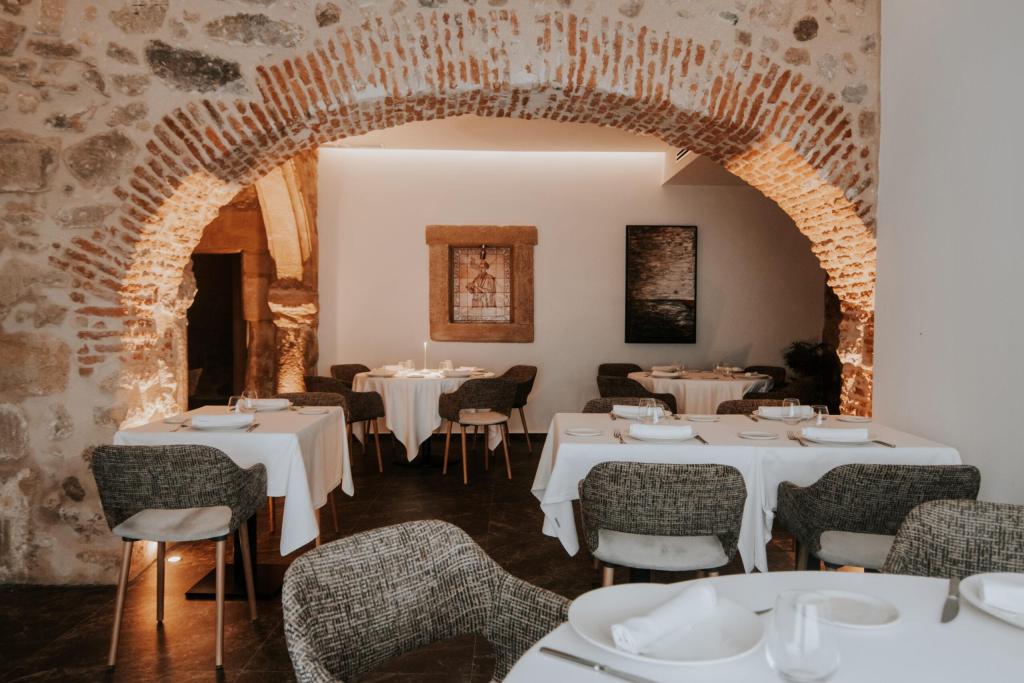
After a busy day exploring, we ended the evening with dinner at El 7 de Sillería. The restaurant offered another opportunity to experience Extremadura through its food. Our meal began with green olives and anchovies. Afterwards, a succession of beautifully presented dishes followed, each offering different flavours and textures.
The menu combined delicate creations with richer, slow-cooked meat dishes. Every course also showed careful attention to presentation. We accompanied dinner with Palacio Quemado Crianza 2023, a wine from the Ribera del Guadiana region.
It felt like a fitting choice after a day exploring Extremadura’s wine and culinary heritage. Overall, the relaxed atmosphere made it a lovely end to an eventful day.
Day Three: The Story Behind Iberian Ham
Understanding Iberian Ham at Jamón y Salud
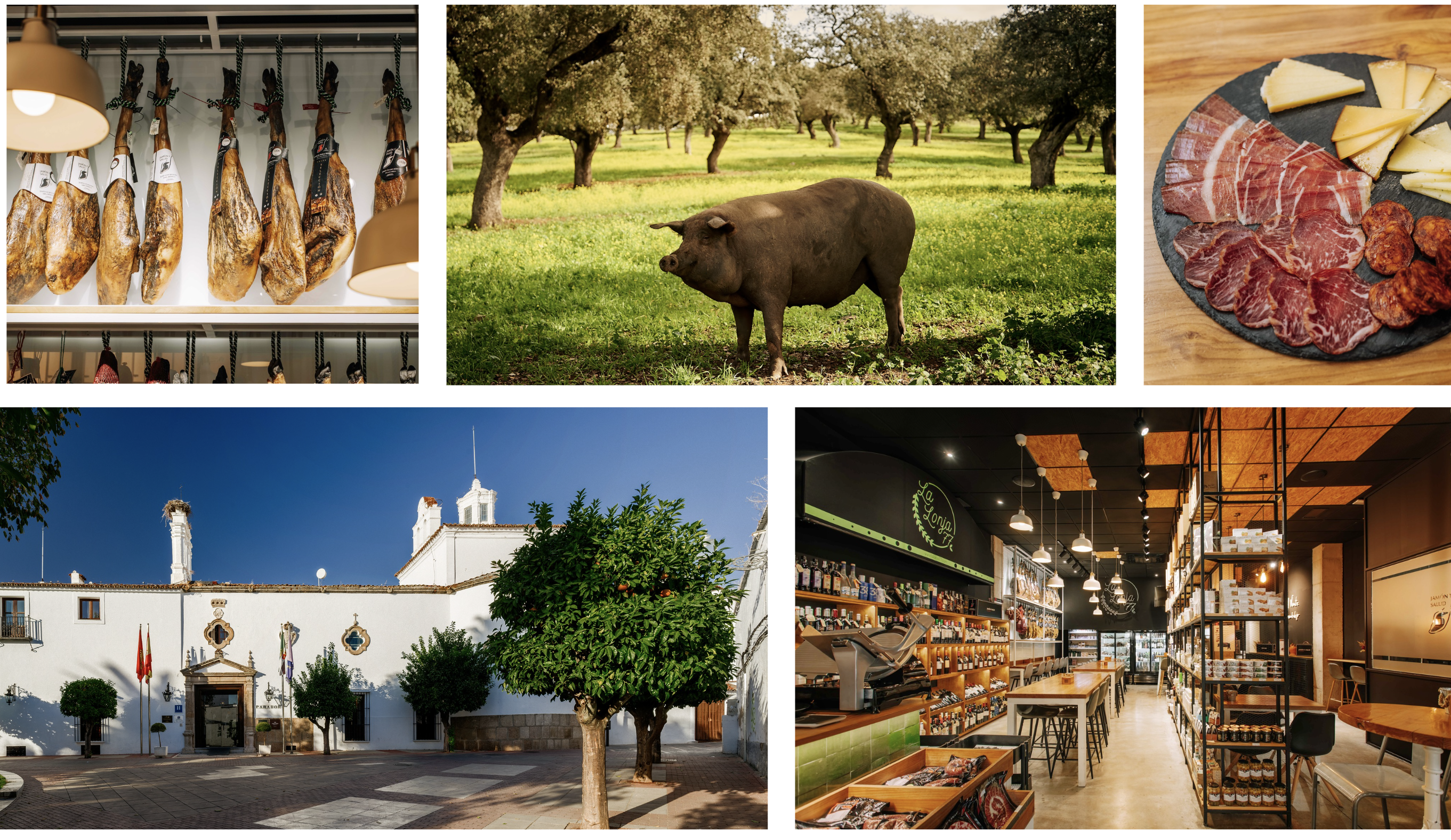
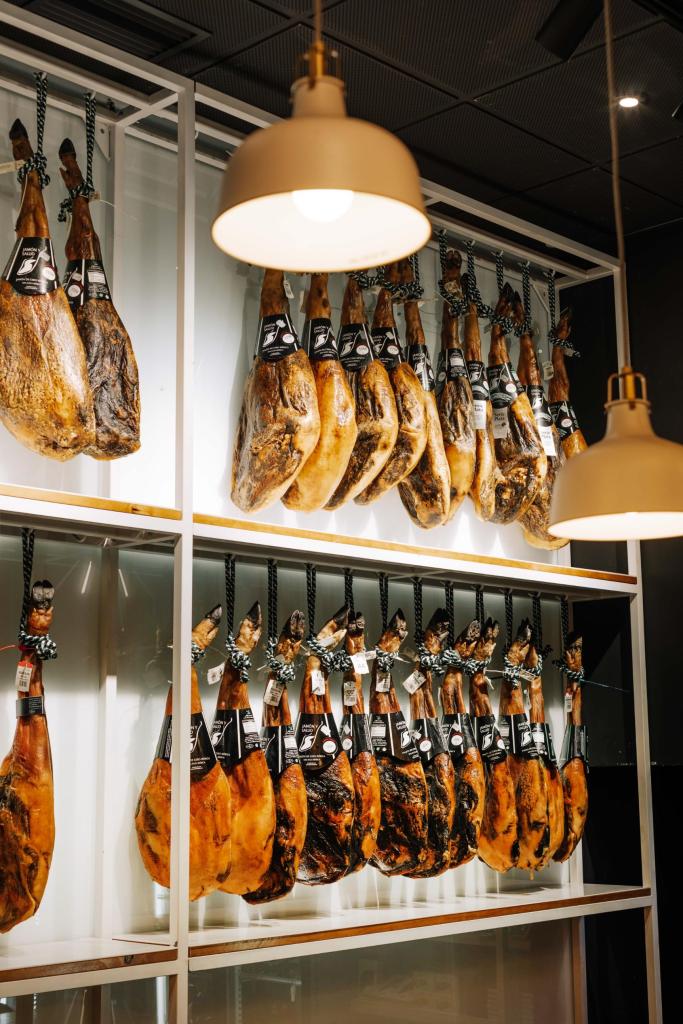
Our third day began with a visit to Jamón y Salud. Here, we discovered the fascinating story behind one of Extremadura’s most iconic products: Iberian ham. Rather than focusing solely on the finished product, we travelled to the farms to understand its origins.
During the visit, we met the pigs and learnt how breeding, diet and living conditions influence the ham’s quality. As a result, we gained a greater appreciation for the care behind this traditional product.
The Iberian Pig and the Dehesa Landscape
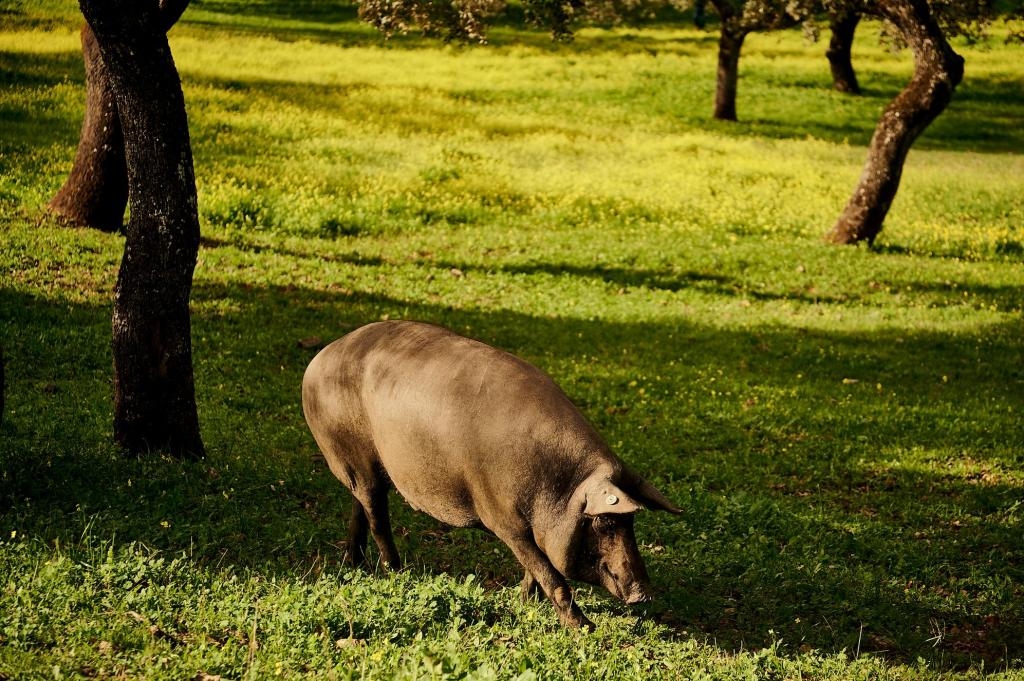
The Iberian pig is a native Spanish breed with a distinctive appearance. Its dark coat and characteristic build make it particularly recognisable. We saw the animals in outdoor enclosures, surrounded by open countryside and oak trees.
This traditional landscape is known as the dehesa. It plays an essential role in Extremadura’s Iberian ham production. In particular, the relationship between the animals and their environment is extremely important.
During the Montanera season, acorn-fed pigs roam freely through the dehesa. They feed on acorns, grass, and other natural resources. Consequently, their diet contributes to the distinctive flavour and marbling of the resulting ham.
Understanding the Different Iberian Ham Categories
One of the most interesting lessons involved the different classifications of Iberian ham. Not every Iberian pig has the same genetic background. Depending on its lineage, producers classify the animal as 100%, 75%, or 50% Iberian. Diet and rearing conditions also influence the final classification.
The most prestigious category is jamón ibérico de bellota. It comes from acorn-fed pigs raised under specific traditional conditions. During our visit, we also learnt about Spain’s four colour-coded Iberian ham labels.
- Black label: Acorn-fed ham from 100% Iberian pigs.
- Red label: Acorn-fed ham from 75% or 50% Iberian pigs.
- Green label: Field-fed Iberian ham.
- White label: Farm-fed Iberian ham.
This system helps consumers understand the differences between products. It also shows why breed, feeding, and rearing conditions matter when choosing Iberian ham.
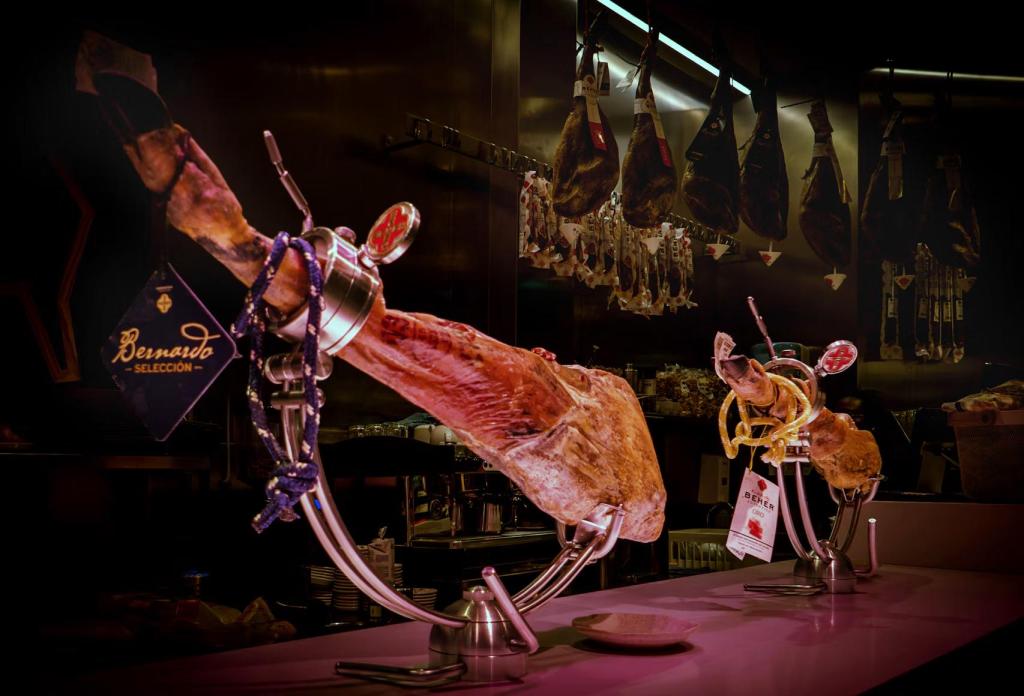
Image courtesy of kt Leung via Unsplash
From Farm to Finished Ham
The production process begins long before curing. First, breeders carefully consider genetics, feeding, and animal welfare. These decisions influence the final product.
After preparation and salting, the ham undergoes an extended curing and maturation process. During this time, its flavour and texture gradually develop.
Seeing the entire journey gave me a much greater appreciation for this Spanish delicacy. Iberian ham represents far more than a traditional food product. Instead, it reflects the relationship between animals, landscape and generations of agricultural expertise.
After visiting the farms, tasting the finished ham felt especially meaningful.

Lunch at La Lonja 77
Following our morning visit, we continued our culinary exploration at La Lonja 77. This gourmet shop and tapas bar celebrates the flavours of Extremadura.
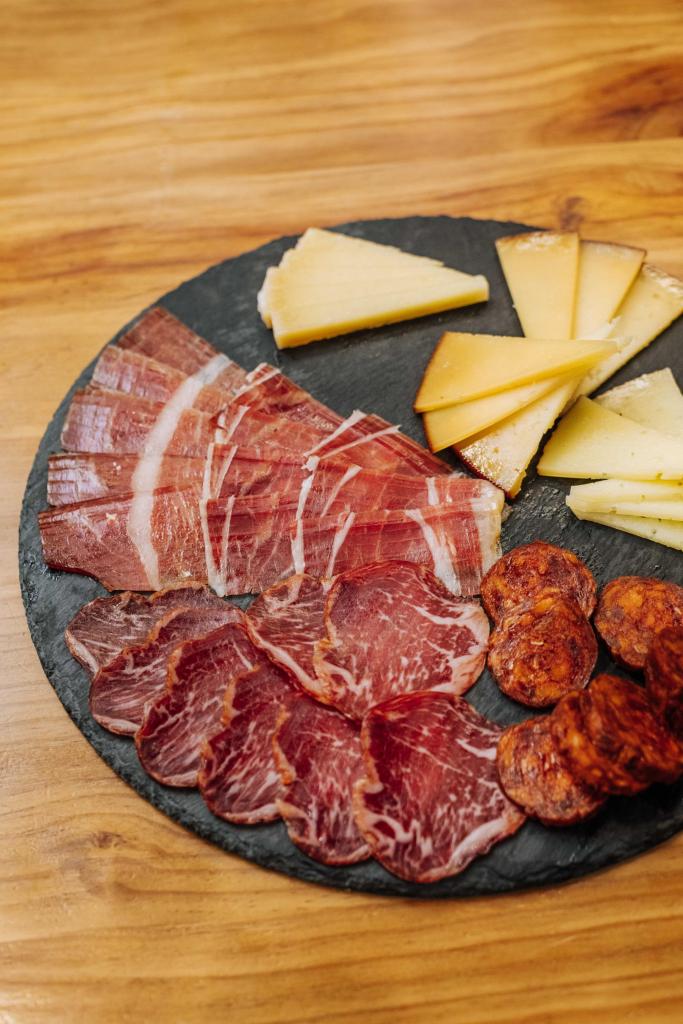
Lunch began with a generous tasting board of regional cured meats and cheeses. The selection included several Iberian specialities, accompanied by grapes and a sweet preserve. It was the perfect opportunity to enjoy some of the products we had just learnt about.
Next came a comforting slow-cooked meat dish served over a creamy potato base. Finally, we finished with a delicious slice of cheesecake topped with pistachio.
La Lonja 77 also celebrates regional wines, making it an ideal setting for exploring local gastronomy. Moreover, the relaxed atmosphere and generous food made lunch particularly enjoyable. Above all, it connected our earlier visit to the finished products on our plates.
An Afternoon at Marqués de Valdueza
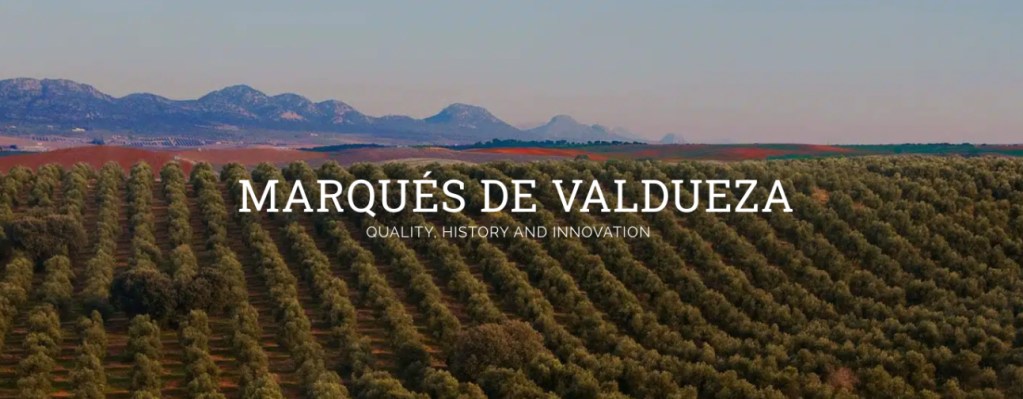
One of my favourite experiences of the entire trip came that afternoon. We visited Marqués de Valdueza, a remarkable family estate just outside Mérida.
The owner, Fadrique Álvarez de Toledo, welcomed us personally. During our visit, he introduced us to the estate’s history and his family’s long-standing relationship with the land.
A Family Heritage Dating Back Centuries
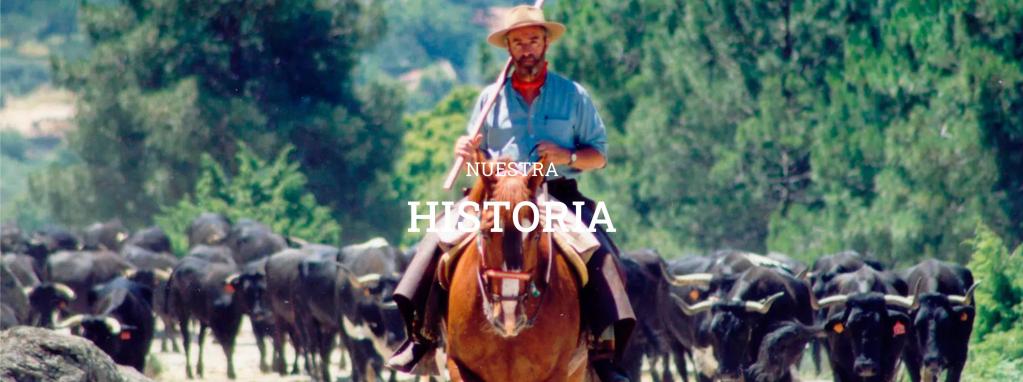
The Álvarez de Toledo name carries centuries of Spanish history. In fact, the title of Marqués de Valdueza dates back to 1624. King Philip IV granted it to one of Fadrique’s ancestors.
Today, this heritage remains central to the estate’s identity. The family’s distinctive emblem features a crowned V. It appears on the estate’s olive oils, wines, vinegars, and honey.
Interestingly, the design comes from the original mark used to identify the family’s cattle. I particularly loved this detail. We could see the same emblem on the products we tasted and throughout the estate itself. As a result, it created a tangible connection between the brand and its agricultural past.

Discovering the Estate’s Olive Oil, Wine and Honey
The Álvarez de Toledo family has produced olive oil and wine in Extremadura for generations. Today, the estate offers a collection of products that celebrate the surrounding countryside.
Its range includes extra virgin olive oil, wine, red wine vinegar and honey. These products are sold under the names Marqués de Valdueza and Merula.
Our visit included an extensive tasting. First, we sampled different olive oils and explored the honey collection. Afterwards, we discovered the estate’s vinegars and tasted its wines.
Each product had its own character. Throughout the experience, Fadrique guided us through the selection, explaining the ideas and traditions behind each one.
The tasting revealed the impressive variety within the estate’s range. For example, the olive oils offered richness and depth, while the vinegars brought complexity. Meanwhile, the honeys revealed different floral characteristics.
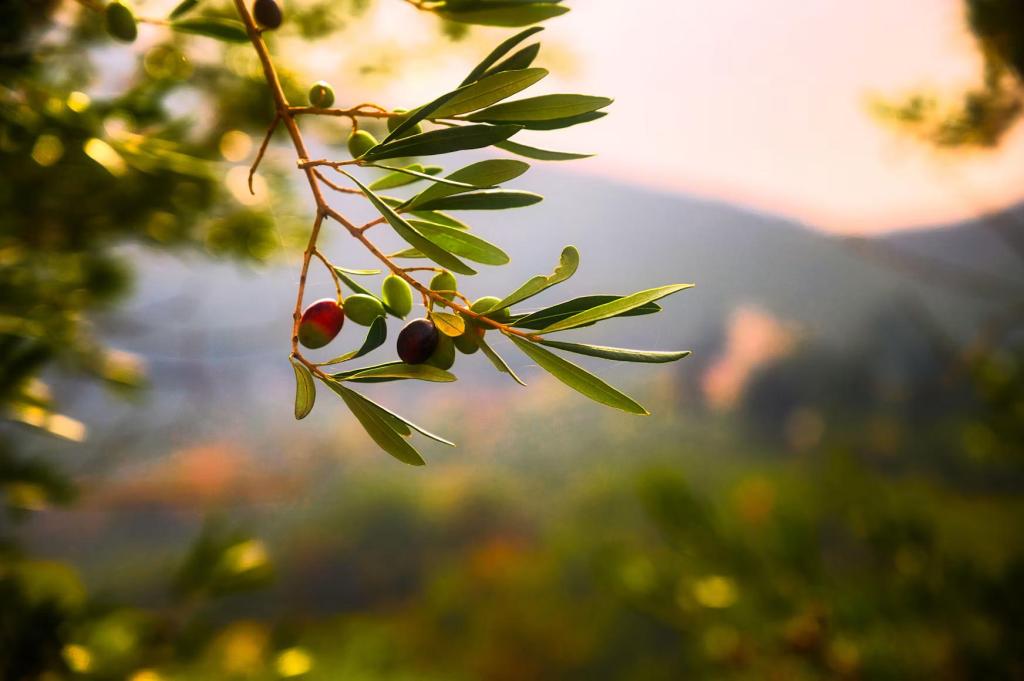
Image courtesy of Lucio Patone via Unsplash
A Memorable Tasting Experience
The setting made the tasting even more special. We gathered in a traditional room filled with dark wooden furniture and beautiful tiled details. In addition, the family’s distinctive emblem was featured prominently.
Bottles and tasting glasses covered the table, creating a welcoming and intimate atmosphere. Rather than a formal presentation, the experience felt like visiting someone’s home.
It was also interesting to learn about the estate’s international following—for example, Fortnum & Mason in London stocks Marqués de Valdueza olive oil.
This reminded me that memorable travel discoveries do not always involve unfamiliar products. Sometimes, the real discovery lies in meeting the people behind them.
I left with a genuine appreciation for the family’s history and dedication. Above all, meeting Fadrique and hearing his stories made this visit particularly memorable. It was easily one of my favourite stops in Extremadura.
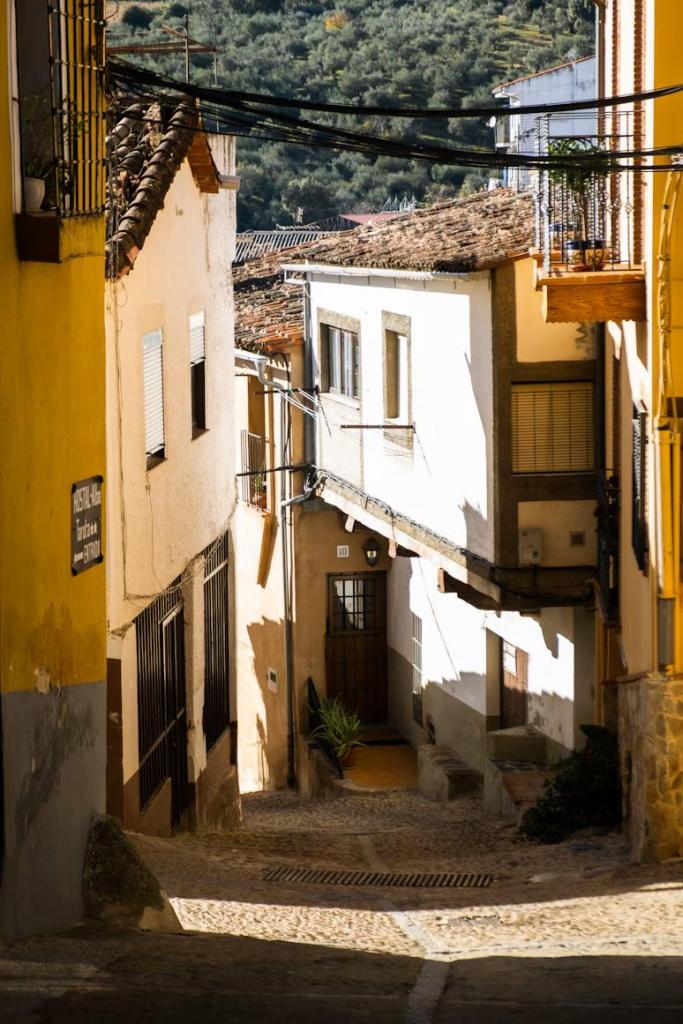
Image courtesy of Alexandra Salvado via Unsplash
An Evening in Mérida: A Walk Through History
After visiting Marqués de Valdueza, we headed into Mérida for dinner and an evening walk. The city turned out to be another highlight of the trip.
As darkness fell, we explored its remarkable Roman landmarks. The beauty of the historic surroundings immediately struck me.
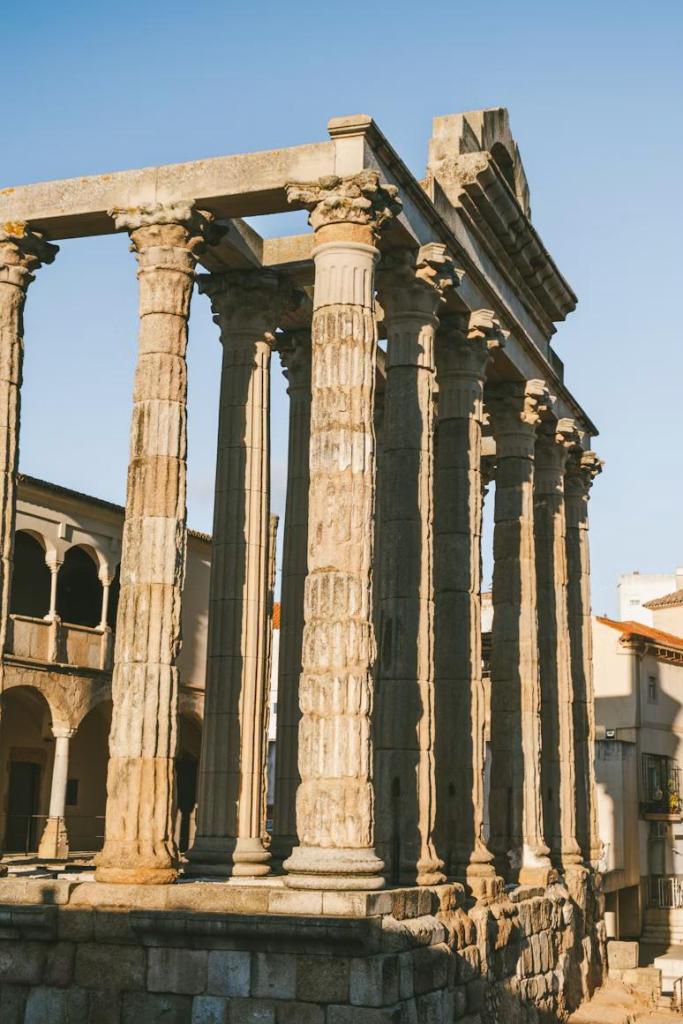
Image courtesy of Alexandra Salvado via Unsplash
Exploring Mérida’s Roman Heritage
Mérida has an extraordinary history. The Romans founded the city in 25 BC under Emperor Augustus. They originally called it Augusta Emerita. Later, it became the capital of the Roman province of Lusitania.
During the Roman period, Mérida developed into an important administrative and cultural centre. Today, visitors can still admire many of its remarkably well-preserved monuments.
UNESCO recognised the city’s Archaeological Ensemble as a World Heritage Site in 1993. Its most impressive landmarks include the Roman Theatre and Amphitheatre, the Temple of Diana and the Arch of Trajan.
The enormous Roman bridge crossing the Guadiana River is another remarkable reminder of the city’s past. Together, these monuments offer a fascinating glimpse into Roman life on the Iberian Peninsula.

Image courtesy of Alexandra Salvado via Unsplash
The Magic of Mérida After Dark
Walking through Mérida in the evening was magical. Ancient structures glowed against the night sky, while modern city life continued around them. The contrast between past and present was extraordinary.
As we explored, I found myself imagining the people who had walked these streets centuries earlier. Standing beside monuments that have survived for so long felt almost surreal. It genuinely felt like travelling back in time.
I hadn’t expected Mérida to leave such a strong impression. Nevertheless, it quickly became one of my favourite discoveries. The city encourages you to slow down, look around and appreciate its remarkable surroundings.
Ultimately, it was a beautiful end to another memorable day in Extremadura.

Image courtesy of David Gil de la Canal via Unsplash
A Taste of Extremadura: Food, Wine and Lasting Memories
Looking back, what made this journey special was the opportunity to experience Extremadura beyond its familiar landmarks. Throughout the trip, we discovered the people, traditions and landscapes that shape the region’s identity.
From pepper farms to Iberian ham producers, every visit offered a different perspective on local food culture. We explored impressive wineries, tasted exceptional wines and met passionate producers. Family-run estates also revealed traditions passed down from one generation to the next.
However, the journey also extended beyond gastronomy. Meeting the Pure Spanish Horses at La Yeguada Juan Tirado was unforgettable. Similarly, wandering through Mérida’s ancient Roman streets offered another memorable experience.
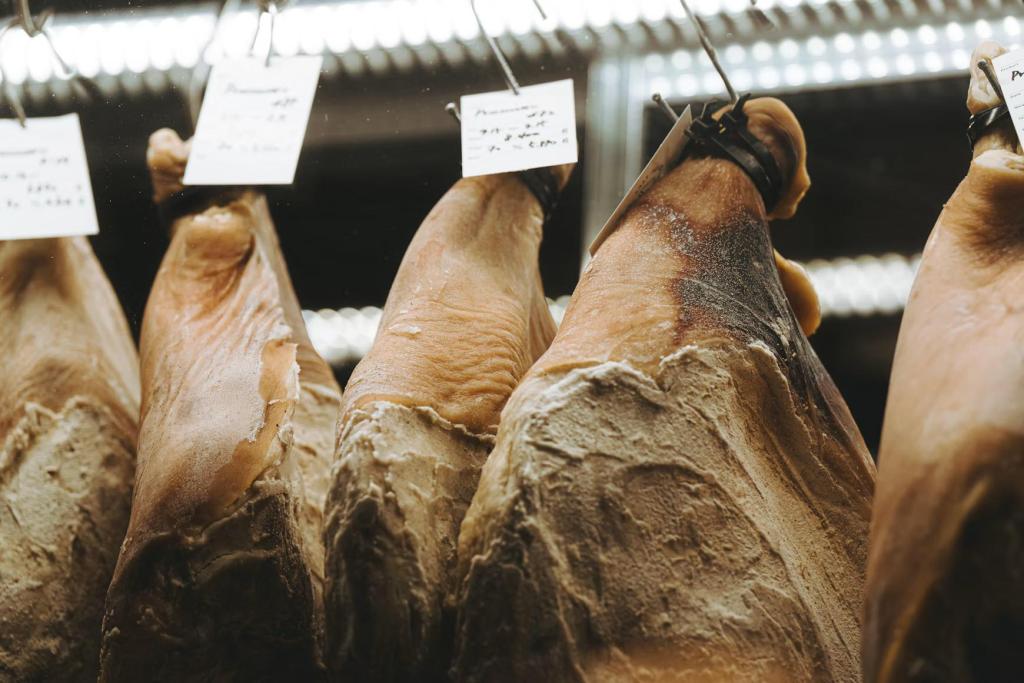
Image courtesy of Ben Kim via Unsplash
The People Behind Extremadura’s Traditions
What stayed with me most was the genuine pride people take in their work. Throughout the journey, I noticed a strong connection between local producers and the land.
Whether discussing olive oil, Iberian ham, or winemaking, everyone had a story to share. In particular, I remember hearing Fadrique describe his family’s history at Marqués de Valdueza.
Learning about the dedication behind Iberian ham production was equally fascinating. As a result, these personal encounters made every tasting and visit more meaningful.
Above all, they revealed how deeply Extremadura’s traditions remain connected to everyday life.

Image courtesy of Alexandra Salvado via Unsplash
Why Extremadura Deserves a Place on Your Travel List
Extremadura might not be the first Spanish destination that comes to mind. However, perhaps that is part of its appeal.
The region offers an extraordinary combination of history, gastronomy and rural heritage. Its landscapes are beautiful, its culinary traditions are fascinating, and its people are welcoming. Furthermore, there is still so much more to discover.
I returned home with a greater appreciation for Extremadura, a camera roll full of memories and several new favourite Spanish products.
Ultimately, four days offered just enough time to experience a taste of this remarkable region. More importantly, it left me wanting to return.
Discover more at Extremadura Avante
View this post on Instagram
All images courtesy of the corresponding companies unless stated otherwise.