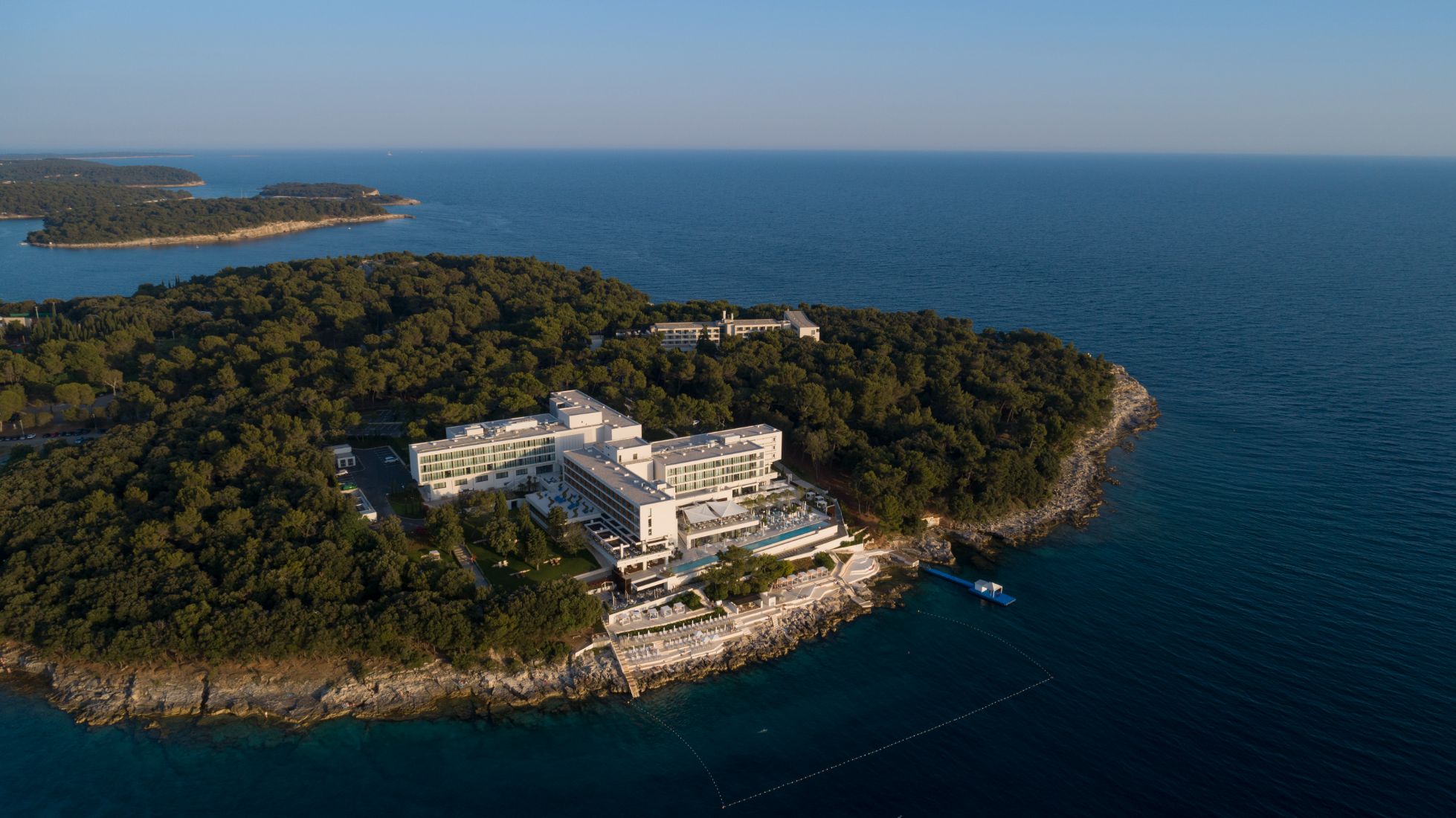
How can we categorise the makings of a perfect European summer? Is it by the average temperature, colour and clarity of the surrounding waters, the number of beach club collaborations with household designers or just simply the mystique of the location itself?
I went to experience the revival of one of Croatia’s finest properties and a famed getaway for the stars: The Grand Brioni Hotel Pula. With the annual resurgence of the ‘Euro Summer’ well and truly upon us, both novice and seasoned travellers will flock to one of the world’s most coveted and varied continents for what they hope will be a summer to remember. We know your obvious choices of France, Italy, Spain and Greece will soon be inundated with tourists looking for ‘that one place I saw on this girl’s TikTok’ because our concept of travelling is rapidly involving and so are our standards of what we deem to be interesting in the world of travel. Whilst Croatia has steadily grown in popularity as a holiday destination, it still carries a mysterious air with a long and complex history with the rest of the world that has shaped its structure to date.

Location
Istria, an Adriatic peninsula shared by Croatia, Italy and Slovenia, epitomises this and boasts an enviable Mediterranean climate paired with rustic sensibilities. Steeped in a rich and expansive history, the region has been shared by various influences over the past centuries and allows this to characterise its present day.
One of the most significant influences on Istria’s history was arguably the Venetian Republic, which ruled over the region for several centuries. During this time, Istria flourished as a prosperous trading centre and experienced a period of cultural and artistic progression and as a result many towns and cities in Istria still bear the architectural imprint of Venetian rule, with elegant palaces, narrow streets and picturesque squares. Another notable influence is that of Italy, which Istria became a part of under the Treaty of Rapallo at the end of World War I.
The twenty years that followed would see the Italianisation of the region alongside an overhaul of their language, culture and identity. On a walking tour, I learn from my spirited and native-Istrian guide that despite historical sensitivity around this period in Istria’s past – there is a concerted effort to honour the heritage of Istrian-Italians through language, acknowledgment of the community and preservation of the historic and cultural artefacts that tell their unique stories.
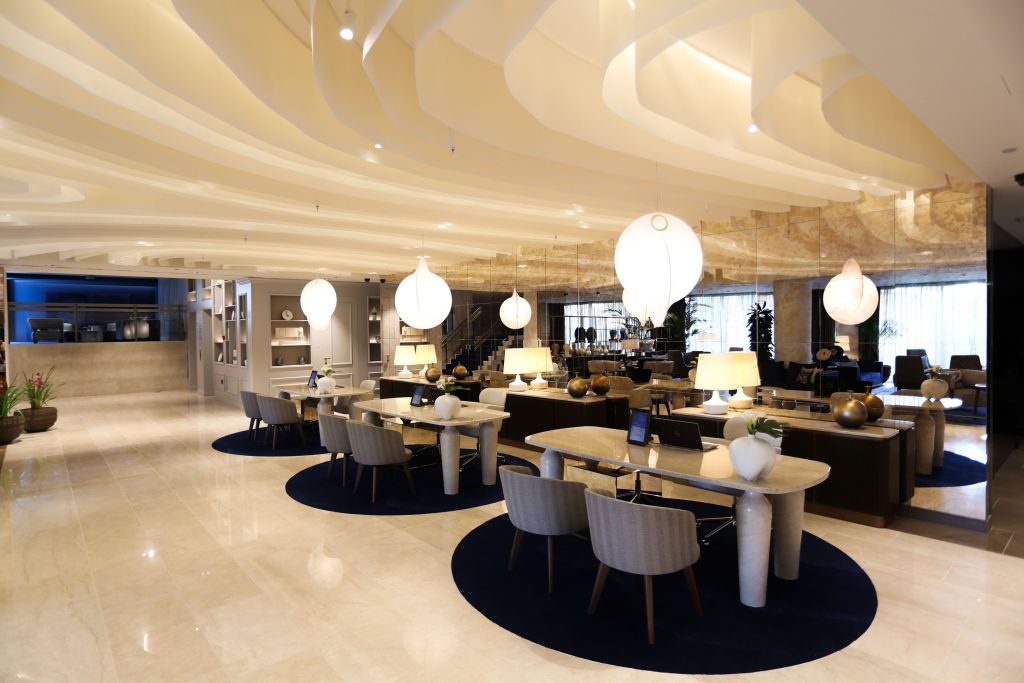
Where to stay – Grand Hotel Brioni
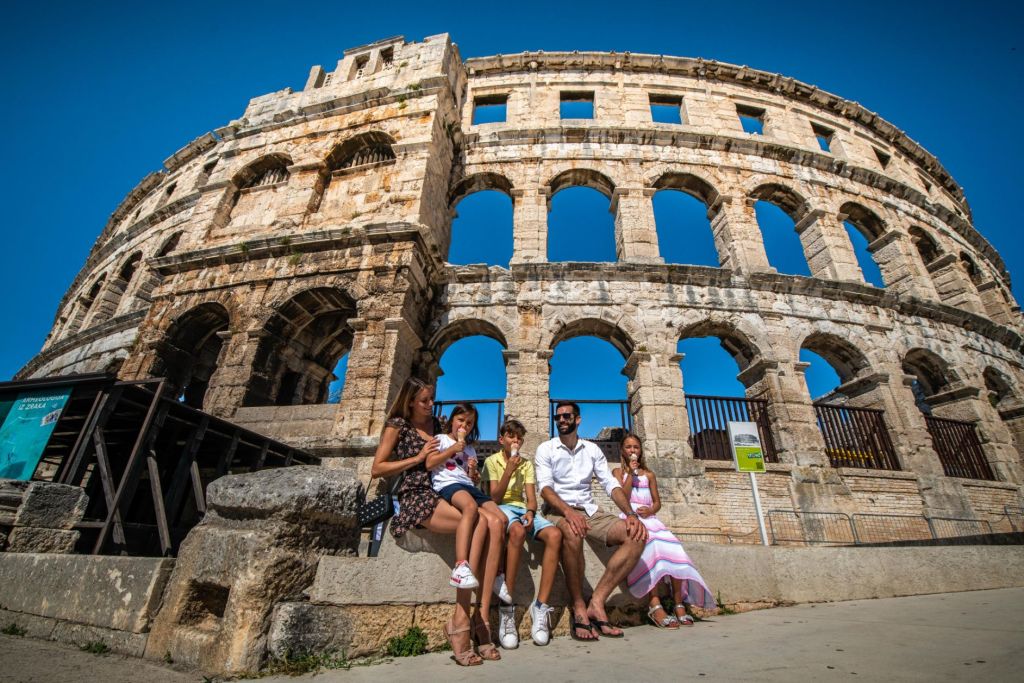
Istria’s largest city, Pula or Pola in Italian is famed for its beach-lined coasts, Roman architecture and impressive views of the Adriatic Sea. It is also home to the newly-renovated Grand Hotel Brioni Pula, a modern reimagination of the Grande Dame which originally opened its doors in 1972 as Hotel Brioni under the backdrop of a socialist federal republic formerly known as Yugoslavia.
Lovers of hotels with fascinating histories will revel in the fact that in its heyday, Hotel Brioni served as an idyllic getaway for politicians and celebrities having hosted the likes of ABBA, Boney M and Sophia Loren – after whom their signature restaurant SOPHIA is named. In its post-transformation era, now forming a part of the Radisson Collection, the hotel works to reclaim its position as a symbol of luxury and one of the destination’s finest properties through a thoughtful offering across the entirety of its services.
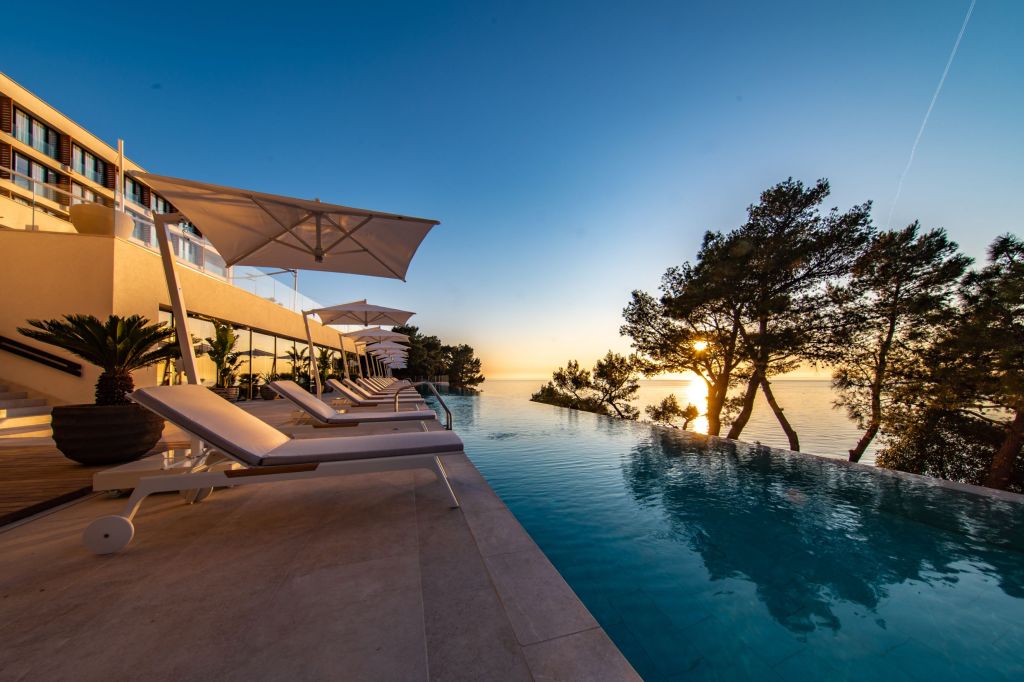
Guests of the Grand Hotel Brioni can enjoy the property’s curated selection of local art, a first-class wellness centre, three waterside restaurants, direct beach access and a seawater-filled infinity pool which feels as though you could be looking at the edge of the world.
Accommodation
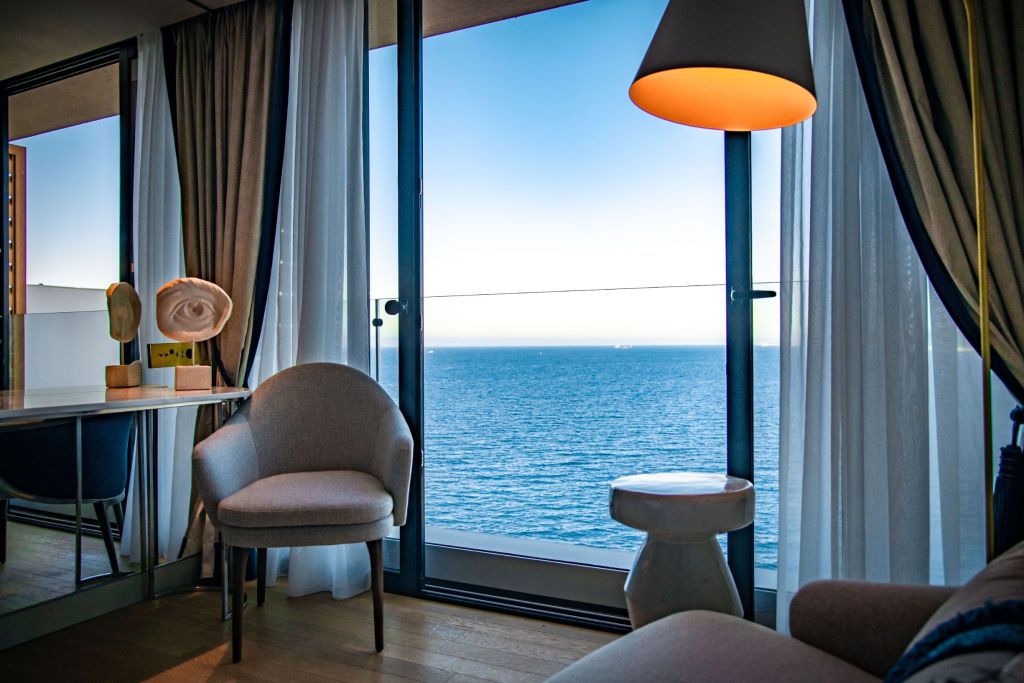
Rooms feature a sleek and considerate design featuring nautical colour schemes reminiscent of some of our beloved coastal Italian vacay spots and are all equipped with embroidered robes, slippers, beach totes, flip-flops, ILLY espresso machines and mini-fridges while suites come with separate living and sleeping quarters and private balconies.
The sleeping experience can be further customised as Grand Hotel Brioni offers a nightly turndown service alongside a generous pillow menu for those with more particular tastes. Bathrooms are stocked with beautifully-scented Acqua Di Parma (ADP) toiletries in the bathrooms to be enjoyed under modern rainfall showers and ADP amenities can be found throughout the property to continue the luxurious experience anywhere in the hotel.
Offering a new and improved take on the classic minibar, guests can also purchase a range of mini-bar favourites and local delicacies from the aptly-named and sleek Butlers Corner located on each floor which uses a modern cashless system to charge purchases straight to the room. Days at Grand Hotel Brioni both begin and end with unparalleled vistas of the coastline and the surrounding gardens to ensure that each aspect of their offering is met with intention and considers the guest experience from all viewpoints.
Gastronomy at Grand Hotel Brioni
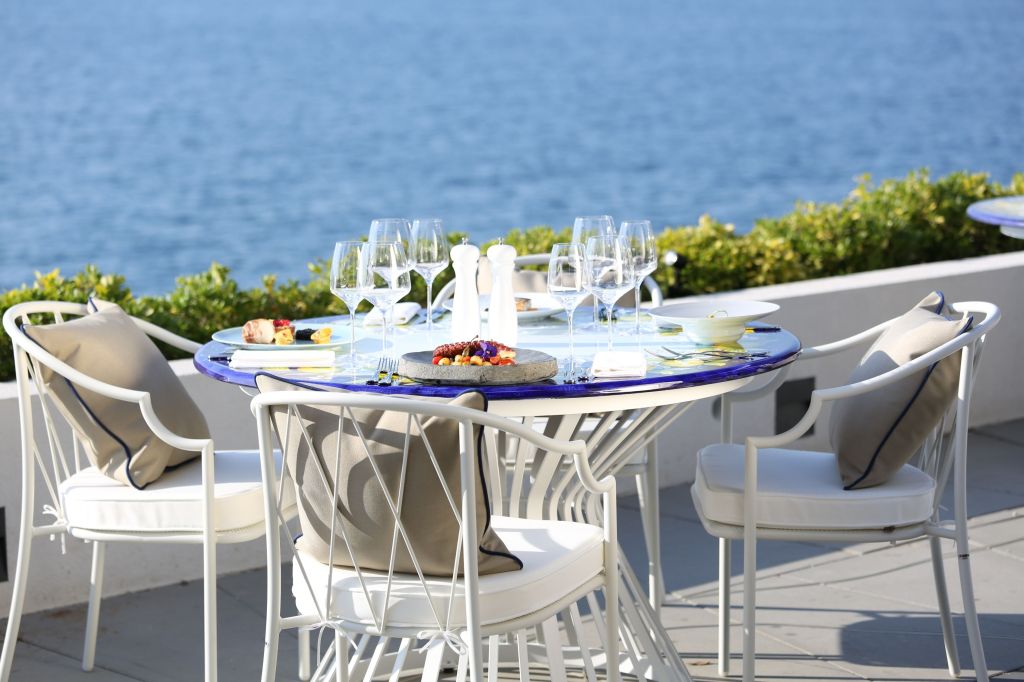
Serving a fare of local Italian and Mediterranean cuisine, Grand Hotel Brioni provides a generous gastronomic offering across its three main restaurants (Brioni Forum, Brioni Lungo Mare and Sophia).
For leisurely poolside lunches and breathtaking sea views, Brioni Lungo Mare is an obvious choice. Tables are adorned with delicate paintings of lemons and lush greenery whilst an attentive team presents a feast of the best on offer within the region. When seeking an evening of true indulgence, I recommend a reservation at the property’s signature restaurant – Sophia, which the hotel refers to as a premium meat specialist.
Here, diners are expertly guided through a carefully curated menu of premium cuts and equally dazzling accompaniments that could easily rival the main dishes themselves. A personal highlight – the ceremonious and theatrical selection of our preferred cutlery from a pristine set of Laguiole knives ahead of being served our main courses.
At the peak of the summer months, the final course is met with streaks and hues of reds, oranges and pinks across the skyline as the sun sets and seemingly disappears into the sea. Knowing this, the staff give a gentle reminder ahead of this to ensure guests are able to catch a glimpse and capture the moment.
Wellness
For visiting seekers of wellness and the restorative powers of the Adriatic, do ensure that your stay includes a few hours dedicated to visiting the property’s spa Gemma Di Brioni offering treatments using Gemology and Thalgo products, an extensive menu of facial and body treatments, three saunas, four baths, a Himalayan salt wall and a multi-sensory shower experience dubbed Water Paradise.
Treatments are conducted in serene private rooms, delicately scented with essential oils and designed to evoke a sense of stillness and calm. Upon arrival, I’m greeted by a knowledgeable and courteous therapist who confirms my reservation for an Ayurvedic massage and leads me to begin my treatment. It is a quiet treatment conducted with a noticeable focus and attention on the various parts of the body and less about showcasing or selling products. By the end of the hour, a difference is apparent and I continue my newfound state of serenity in the spa’s relaxation room under the stained-glass glow of the Himalayan salt wall.
What to do nearby
So you’ve enjoyed the spa, tasted some great food and now you’re ready to explore. The Istria region is well populated with vineyards and olive groves and with at least four types of soil (red, white, black and grey soil) making Istria more than ideal for wine growing. With quaint hilltop towns and fertile countryside, Istria is also renowned for its gastronomy, with a focus on fresh seafood, truffles, olive oil, and local wines.
We all love a trip where we feel like we return as more knowledgeable and cultured world-travellers with facts and stories to dazzle everyone back home. And what better way is there to do so than popping over to a local winery, located just a short drive from the property. Medea Winery located in Vodnjan offers the perfect tasting experience for those looking to sample Istria’s most coveted offerings and encourages guests to fall in love with the best in wine and olive oil that the region has to offer. The wine region is best known for its Malvazija Istarska grapes and a focus on fruity, dry white wines and bold, dry reds. A tip – when you visit, be sure to try local favourites such as Malvazija, Teran and the exceptional Punta Greca.
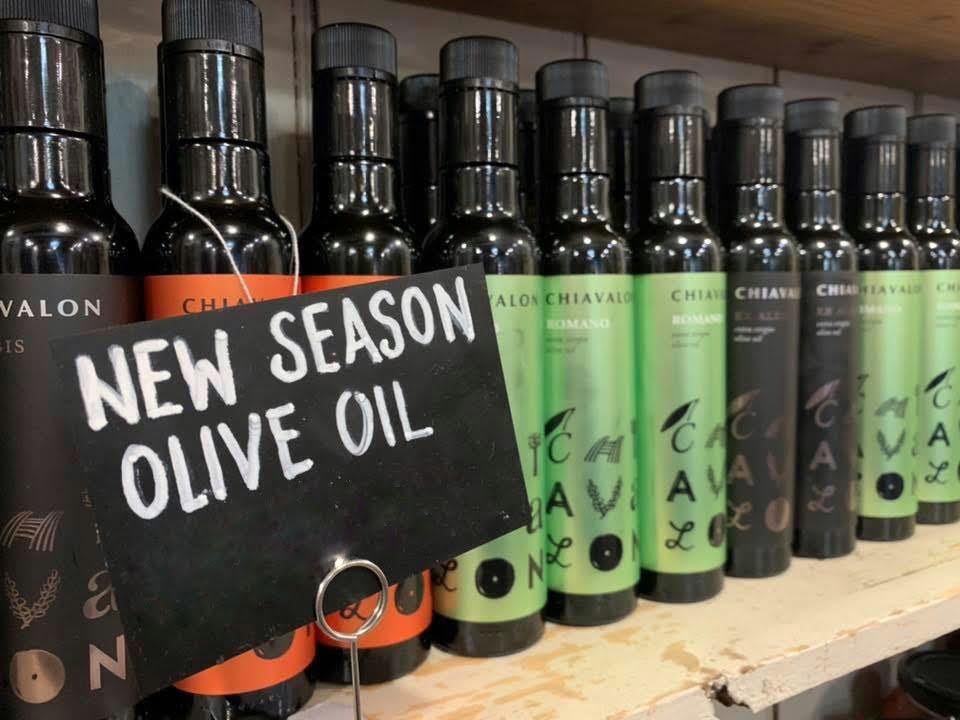
Your trip isn’t truly complete without a dedicated olive oil tasting session and now I don’t think I’ll be able to visit Istria without doing one or subject myself to using any olive oil without checking its quality. Chiavalon’s family farm in Vodnjan is the perfect entry point for anyone looking to gain a better understanding and palate for high-quality olive oil and bring that experience back home to share with others.
My visit involved learning exactly how the olives were grown, collected and prepared for pressing and extraction before I was presented with the golden liquid for careful sampling, including four of the farm’s signature blends: Romano, Atilio, Ex Albis and Istra. What makes Chiavalon a leading brand in the industry is its focus on educating guests on where their oil comes from, how to discern quality when shopping for it and most importantly, how to properly taste olive oil. Naturally, I went home with two bottles in my carry-on, an amazing story to tell my friends and family and a far greater desire to consume more mindfully and carefully when it comes to food.

Why would I return?
Some destinations will have that ‘one-hit’ wonder factor, you can see all you need to see in one trip and feel satiated with memories and the pictures you took. Others will leave you curious and captivated, searching for flights for your next visit before you’ve even returned home. Istria’s allure lies in its deceptively quiet and calm disposition. It doesn’t scream or shout about what makes it great but speaks clearly and quietly in a way that makes you listen and remember.
Visit for all the reasons that we travel anywhere – good food and wine, rich and layered culture, favourable weather and clear waters. But stay for the stories of how Istria came to be, walk through hundreds of years of history when you pass through the small towns where pieces of empires and ancient civilizations still remain. Istria is the future of luxurious summer travel – a living and breathing time capsule set upon sparkling blue-green waters connecting past, present and future.
To discover more, visit grandhotelbrioni.com
Посмотреть эту публикацию в Instagram
All imagery courtesy of Grand Hotel Brioni Pula.