
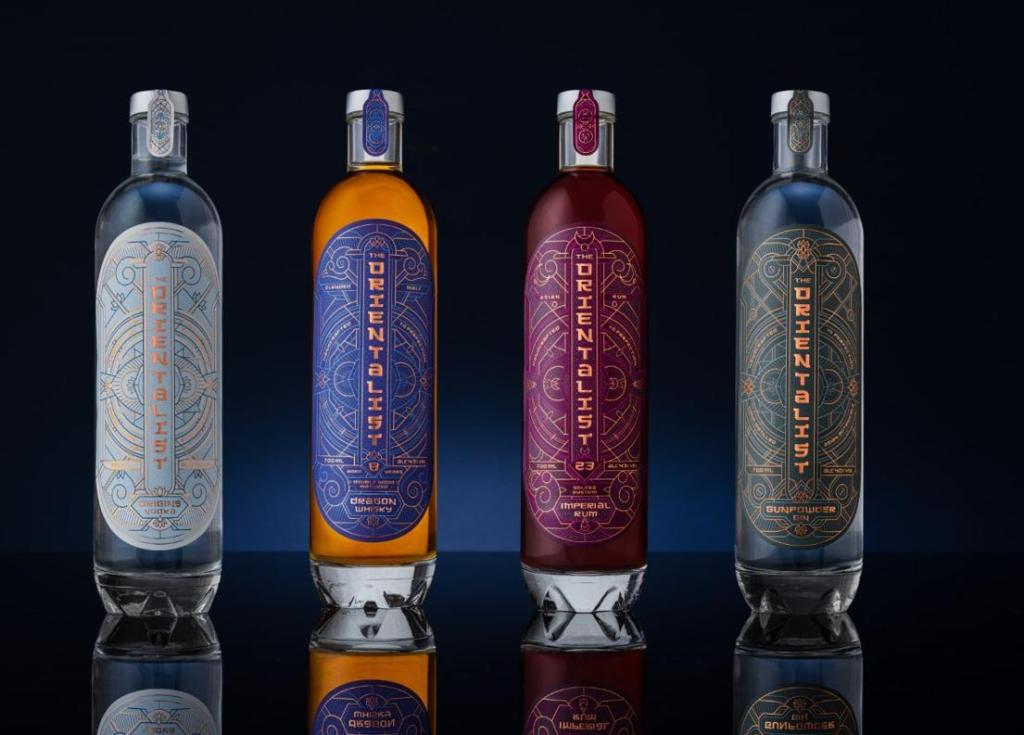
Orientalist Spirits is the world’s first all-Asian ultra-premium spirits brand, which can be found both across Asia and in Europe in restaurants, bars, and luxury hotels. The brand uses rare ingredients directly and ethically sourced from Asia to give unique flavour profiles to liquors that people already know and love. The Orientalist Spirits’ portfolio includes Origins Vodka, Gunpowder Gin, Dragon Whisky, and Imperial Rum.
Michel Lu is an entrepreneur who has been successful across a variety of sectors, including hospitality, luxury, fashion, and music. While The Orientalist Spirits is currently one of his most recent businesses, he has been an entrepreneur for over thirty years. Michel has a diverse portfolio of ventures that have connected him with very interesting people, from managing supermodels Naomi Campbell and Linda Evangelista through his involvement with Elite Model Management’s Asia expansion to forming Jungk, the first Asian girl band, in collaboration with Malcolm McLaren. One thing almost all of his ventures have in common is that they are connected to Asia in some way.
We sat down with Michel to talk about Asia and The Orientalist Spirits.

How did it all start?
The idea for The Orientalist Spirits had actually been in my mind for many years. But like many ideas, it sat somewhere at the edge of my consciousness. Life moves quickly when you are building businesses — there is always the momentum of projects, travel, and decisions — and the thought never quite had the space to fully take shape.
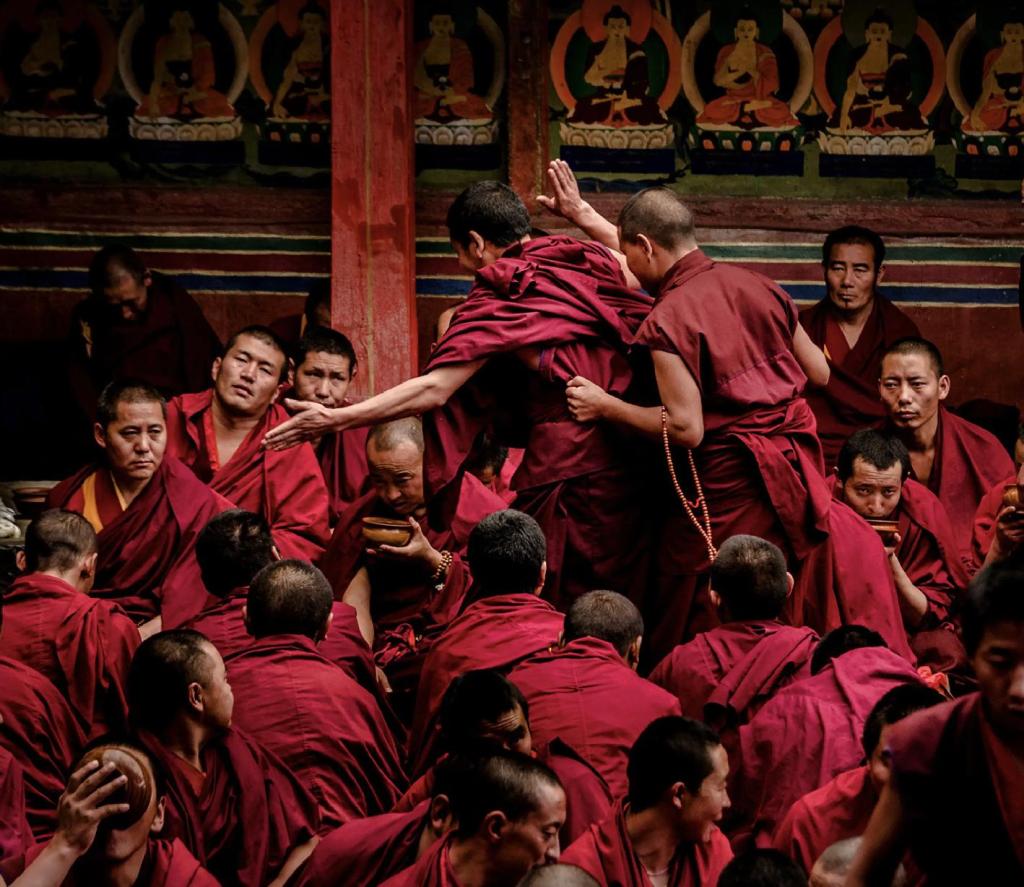
That changed when I found myself in Shangri-La, on the Tibetan Plateau, about 3,300 metres above sea level. Shangri-La has this almost mythical quality to it. There is something mystical and magical about the place, but also an incredible sense of stillness. When you are up there, away from the noise of everyday life, you suddenly have the luxury of headspace and mental clarity. Standing there, I found myself thinking about Asia, about legacy, and about the deeper questions of purpose — why we are here and what we do with the time we are given. My father had passed unexpectedly not too long before, so those thoughts about legacy and meaning were very much on my mind.
I also realised I was looking for something I could truly commit to — something that would bring together all the skills, experiences, and knowledge I had accumulated over the years. Standing there, I started asking myself a simple question: if Asia were to have its own modern spirits house, what would it look like?
What struck me very quickly was that Asia already has everything needed to create one. The continent has extraordinary ingredients and centuries of distilling traditions, yet there was no single spirits house trying to express the richness and diversity of Asia as a whole. That was when the concept really crystallised for me — an all-Asian ultra-premium spirits house that brings together ingredients, traditions, and craftsmanship from across the region in a contemporary way. Which is why I often describe Shangri-La as the spiritual birthplace of the brand.
Around the same time, I also found myself thinking about the word “Oriental”. In the West, it has often been used through a nostalgic lens and sometimes even in ways that were racist or derogatory. That made the idea of reclaiming the word important to me. Because, in my view, the word itself is not the problem — it is the context in which it has been used.
Historically, “Oriental” evokes a sense of discovery, beauty, craftsmanship, and imagination associated with the East. For me, The Orientalist Spirits is about reclaiming that idea and reframing it in a contemporary way — something confident, authentic, and rooted in the richness and complexity of Asian culture.
Tell us about your four spirits and what makes them special.
Once the idea for an all-Asian spirits house had taken shape, the next step was to translate that philosophy into liquid. Each expression is designed as a different entry point into Asia — exploring the continent through ingredients, flavour, and texture.
Origins Vodka was our first release and, in many ways, the most precise. It is a rare triple-blended vodka bringing together distillates made from longan honey from Taiwan, Tibetan highland barley — known as qingke — from the plateau where the brand first took shape, and nine varieties of potatoes. The spirit is then proofed with exceptionally soft water for the final flourish. What makes it special is the structure. The potatoes create a creamy, luxurious texture; the barley introduces a subtle herbaceous character and personality, while the longan honey brings a delicate natural sweetness together with aromatic lift.
Gunpowder Gin is our contemporary tea-forward Asian gin. Tea is one of the cultural threads that run across Asia, so it felt like the natural centre of gravity for the flavour profile. It uses both traditional and vacuum distillation and is built around twenty-three botanicals, including gunpowder tea, Kampot peppercorn, Siberian ginseng, Korean omija berries, dried tangerine peel, and osmanthus flower. The result is crisp and elegant but layered with citrus, spice, and subtle complexity.
Dragon Whisky is the world’s first all-Asian blended whisky. It brings together 12-year-old whiskies from Japan, Taiwan, and India — three of the most exciting whisky regions in Asia today — before being finished in Oloroso sherry wood. The result is generous and warming but still refined, with notes of dried fruit, red berries, dark chocolate, vanilla, and spice.
Imperial Solera 23 Rum is our newest expression and expands the story further south across Asia. It is a small-batch sipping rum made from rums from Thailand, the Philippines, and Indonesia aged between six and twenty-three years, matured at origin using the solera system in ex-bourbon and Pedro Ximénez barrels. Personally, I love the richness of rum, but I often find many rums too sweet to drink more than one glass. So this rum was designed to be slightly drier with a shorter finish. That balance also makes it very versatile behind the bar, because bartenders can work with syrups and modifiers without the drink becoming overly sweet. In the end, all four spirits share the same idea. They are different expressions of the same journey—exploring Asia through flavour, provenance, and craftsmanship.
Each expression is a love letter to the continent and a careful curation grounded in Asian flavour references. How did you choose the ingredients that go into each spirit?
From the beginning, I was very conscious of avoiding the temptation to simply add one exotic ingredient and call a spirit “Asian”. That approach always felt superficial to me. Instead, I approached the process almost like a curator. The question was never only about flavour but about identity. What ingredient gives a spirit its sense of place? What connects it meaningfully to the culture and landscape it draws from?
With the vodka, the intention was slightly different from most vodkas. Rather than focusing purely on flavour, the goal was to give the spirit personality and character through its structure and texture. Longan honey brings a gentle natural sweetness and aromatic lift; Tibetan highland barley introduces a crisp herbaceous quality that ties the spirit back to the plateau where the idea for the brand first took shape, while the potatoes give it the creamy structure and mouthfeel that define the liquid.
With the gin, tea naturally became the centre of gravity around which the other botanicals could sit. Tea is one of the few cultural threads that quietly runs across the immense and diverse continent of Asia. Despite the many languages, histories, and traditions that exist across the region, tea remains a constant presence — woven into daily life, hospitality, and ritual from China and Japan to Korea, India, and beyond. Using tea as the anchor allowed the gin to express that shared cultural connection in a very natural way.
The whisky and rum were approached slightly differently. Rather than focusing on a single defining ingredient, the idea was to bring together distillates from different Asian countries and shape them into harmonious blends. In many ways, those liquids reflect Asia itself — diverse, layered, and composed of many traditions that coexist and complement one another.
So the selection process was sensory, cultural, and emotional at the same time. Ultimately, the goal was not simply to build spirits around interesting ingredients but to express something about Asia itself — its diversity, its shared cultural threads, and the harmony that can emerge when those traditions come together.
What was the most difficult flavour to balance when developing the range?
Each of the spirits was approached quite differently, so the challenge was not always about balancing flavour in the conventional sense. In many cases, it was more about finding the right structure and character for the liquid. If I had to single one out, the vodka was probably the most deceptively difficult.
Vodka is in many ways one of the simplest spirits, and that simplicity is exactly what makes it so challenging. For a long time, vodka was even legally defined in places like the United States as colourless, odourless, and flavourless. As a result, many brands tried to differentiate themselves by distilling more times, filtering more times, filtering through different materials, or simply presenting the liquid in a more distinctive bottle.
I felt there was an opportunity to think about vodka differently. Rather than chasing neutrality, I wanted to create a vodka with personality and character — something that could genuinely be enjoyed on its own. A vodka you could drink frozen, neat, or on the rocks in the same way you might enjoy a fine whisky.
When vodka is served frozen, the colder temperature tightens the liquid and intensifies the mouthfeel, allowing the texture and structure of the spirit to really come through. That meant working very carefully with ingredients that contribute structure and subtle character rather than overt flavour. The potatoes bring the creamy texture and body; the longan honey adds a gentle natural sweetness and aromatic lift, while the Tibetan barley introduces a crisp herbaceous note that gives the spirit its personality. Because vodka is such a restrained spirit, even the smallest imbalance becomes obvious. Achieving that sense of quiet harmony required a great deal of discipline and many iterations.
Gunpowder Gin presented a different kind of challenge. Tea can easily dominate a spirit, and spices like pepper can quickly become aggressive if they are not carefully controlled. The goal was to keep the gin crisp and elegant while still allowing the tea and botanicals to express themselves naturally.
With the whisky and rum, the process was less about balancing individual ingredients and more about blending — bringing together distillates from different Asian regions and shaping them into something harmonious. So in many ways, the challenge across the range was not simply about flavour but about finding the right character and balance for each spirit.
How have bartenders influenced the evolution of your spirits?
When I was developing the spirits, it was largely a one-man endeavour in terms of vision and direction, although I worked closely with a small technical team who helped keep the process organised and ensured the blends were calibrated with precision. At that stage, the work was driven mainly by the philosophy of the brand and the ingredients and traditions I wanted to explore across Asia.
That said, I have spent more than two decades in hospitality, working closely with both chefs and bartenders across many different projects. In most of the restaurants and bars I have created, I have been deeply involved in developing the menus myself — both on the kitchen side and behind the bar — shaping concepts, flavour profiles and the overall guest experience.
So even though bartenders were not directly influencing the liquids during the development stage, their perspective was very much on my mind. After years of working alongside them, you develop a strong instinct for how bartenders think about structure, balance, dilution, and versatility behind the bar.
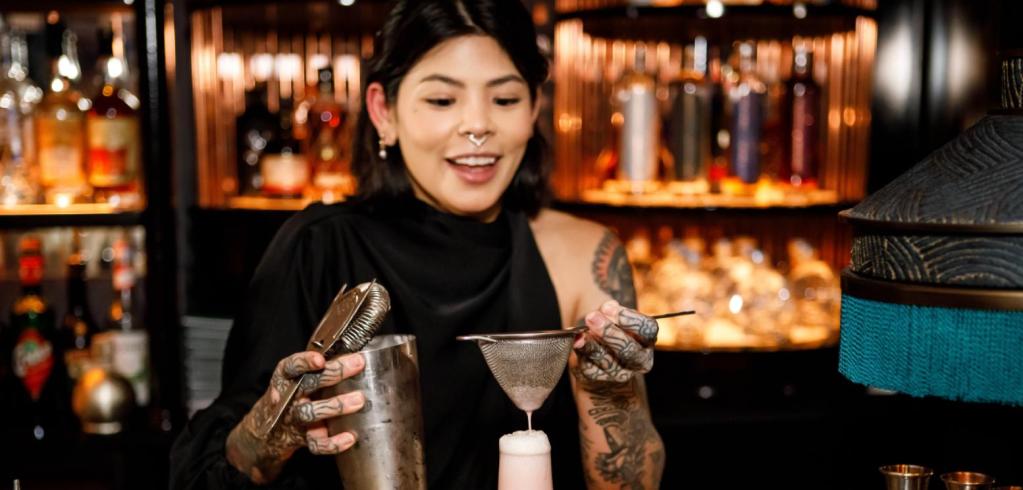
Once the spirits were produced, the dialogue with bartenders became much more active. Seeing how they interpret the liquids and how they express them through their own cocktails has been one of the most rewarding parts of the journey. In many ways, bartenders are the ones who ultimately bring the spirits to life because they translate the liquid into experiences that guests can enjoy.

Which cocktails do you think best express the DNA of The Orientalist Spirits?
In general, I find the best cocktails for expressing the DNA of a spirit are often the simplest ones. Classics tend to reveal the character of the liquid most clearly because there is very little to hide behind. With Origins Vodka, I always come back to a very cold, bone-dry martini or a Vesper. Those drinks allow the structure and texture of the vodka to reveal itself without distraction.
Gunpowder Gin works beautifully in cocktails that keep the botanicals elegant and defined. A martini or a very clean gin and tonic works particularly well, but it can also hold its own in something like a Negroni, where the tea, citrus, and spice elements add another layer of complexity.
Dragon Whisky is wonderful neat, but it also performs very well in simple classics. Even a well-made highball works beautifully because the spirit has enough depth and backbone to carry through the dilution while still remaining elegant and refreshing.
Imperial Solera 23 Rum was intentionally designed to be less sweet than many rums, so it works naturally in classic rum cocktails such as a Daiquiri or a Rum Old Fashioned, where the character of the spirit can really shine. Personally, I also enjoy it in an espresso martini. Rum works remarkably well with coffee because the richness and depth of the spirit complement the coffee flavours beautifully. Compared to a traditional vodka-based espresso martini, the rum brings an additional layer of character rather than simply acting as the alcohol base.
And then there is a cocktail we created called the Singapore Fling, which is our contemporary response to the classic Singapore Sling. The idea was to reflect modern Singapore and modern Asian mixology — using Asian ingredients but expressed in a more refined and balanced way. In many ways, that drink captures the philosophy of the brand quite well: rooted in Asia but interpreted through a modern lens.
If you could award a Michelin star in mixology right now, who would it be to and why?
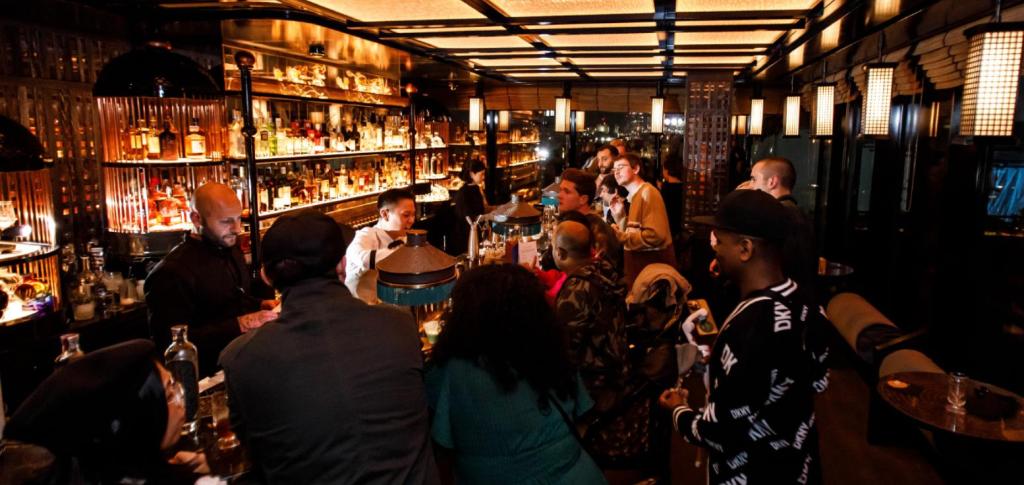
Strictly speaking, Michelin stars are awarded to venues rather than individuals, so if we apply the same philosophy to mixology, I would probably look at bars that consistently deliver both technical excellence and genuine hospitality. For me, the highest level of bartending has never been only about creativity or precision in the glass. Those things are important, of course, but what truly defines a great bar is the complete experience.
It is the atmosphere in the room. The confidence and rhythm of the team behind the bar. The generosity of the welcome when a guest walks through the door. The feeling that every detail — from the music to the lighting to the pacing of the service — has been carefully considered.
The truly exceptional bars are the ones where the drinks are outstanding, but the guest also feels completely at ease. There is a sense of warmth, ease, and quiet confidence that allows people to relax and enjoy the moment. In the end, great bars are not only about cocktails. They are about hospitality. If mixology ever had its equivalent of a Michelin star, that is the standard I would look for — places where craftsmanship and hospitality come together to create something memorable for the guest.
If you could collaborate with any bartender or bar in the world, who would it be and why?
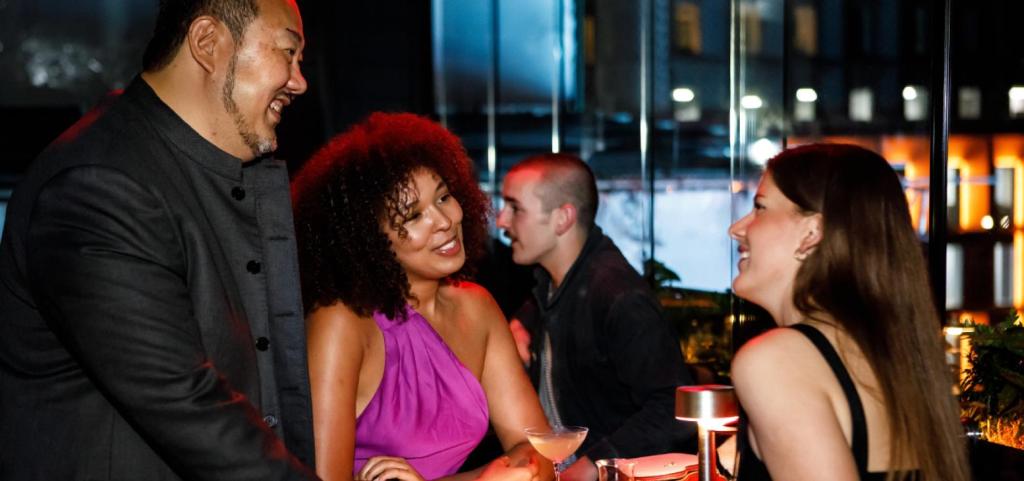
For me, it is less about a specific person or venue and more about the spirit of collaboration itself. Some of the most exciting moments in hospitality happen when people from different cultures, backgrounds, and disciplines come together around a shared idea. That exchange of perspectives often creates something far more interesting than any one individual could produce alone.
What excites me most are collaborations that allow stories to travel — where a bartender from one part of the world interprets ingredients, traditions, or techniques from another culture and expresses them in their own voice. Hospitality has always been a universal language, and the bar is one of the rare places where cultures meet, ideas travel, and new stories are created in real time. In many ways, that philosophy sits at the heart of The Orientalist Spirits. The brand itself is built on the idea of bringing together ingredients, traditions, and craftsmanship from across Asia and presenting them through a contemporary lens.
That same spirit of exchange inspired the BARSTARS platform, which we first launched in October 2023 to showcase some of the most exciting bartending talent from across Asia. Since then, we have been touring BARSTARS around the world, bringing the best of Asian bartending to cities such as Berlin, Milan, Madrid, Paris, London, Hong Kong, and others. The idea has always been to create opportunities for dialogue and exchange between different bar communities.
The upcoming BARSTARS GLOBAL event in Amsterdam on 28 June is the next evolution of that platform. This time we are bringing together twenty of the world’s leading bartenders from across Asia, Europe, the Americas, and the Middle East for one explosive evening of collaboration and creative exchange, just ahead of the inaugural Europe’s 50 Best Bars awards. For me, those moments of exchange are what collaboration is really about — when different cultures, flavours and perspectives meet behind the bar, and something entirely new emerges.
What is next for The Orientalist Spirits?
The next chapter is really about deepening both our reach and our meaning. Over the past few years, the brand has quietly built credibility through hospitality. Our spirits are now appearing in respected bars, restaurants, and luxury hotels across cities such as London, Singapore, Hong Kong, and Tokyo. That has always been important to me because great bars are where spirits truly come alive.
At the same time, we have been building a broader cultural platform around the brand. Through initiatives like BARSTARS, we have been bringing together bartenders from different parts of the world and creating opportunities for dialogue and exchange across the global bar community.
Looking ahead, the opportunity is to bring that world more fully to consumers. Working with CASK Liquid Marketing in the UK and launching the brand at The Aubrey in London is part of that journey. It is not just about distribution — it is about introducing people to the philosophy behind the brand in a way that feels immersive and alive.
More broadly, I want The Orientalist Spirits to continue growing as a modern Asian luxury spirits house. One that sits comfortably in the world’s great bars but also becomes part of people’s homes, rituals, and celebrations. At the heart of it all, the mission remains the same as when the idea first came to me on the Tibetan Plateau. To celebrate Asia — its ingredients, its craftsmanship, its cultures, and its stories — and to share that richness with the rest of the world.
For more information, visit The Orientalist Spirits
View this post on Instagram
All Images Courtesy of The Orientalist Spirits.