For years, matcha occupied a narrow space within modern culture. Outside specialist tea communities, it remained relatively contained. Its mainstream journey was gradual, built step by step across cafés, bakeries and, later, broader lifestyle categories.
“Matcha’s mainstream adoption began in cafés and bakeries before it was reframed years later through wellness culture.” That sequence matters because it defines how long ingredients typically take to move from niche to mainstream.
Matcha first became visible through independent cafés and speciality drinks. It then expanded into bakery formats and desserts, before eventually being absorbed into wider wellness positioning years later. In the UK and the US, that full arc took close to a decade.
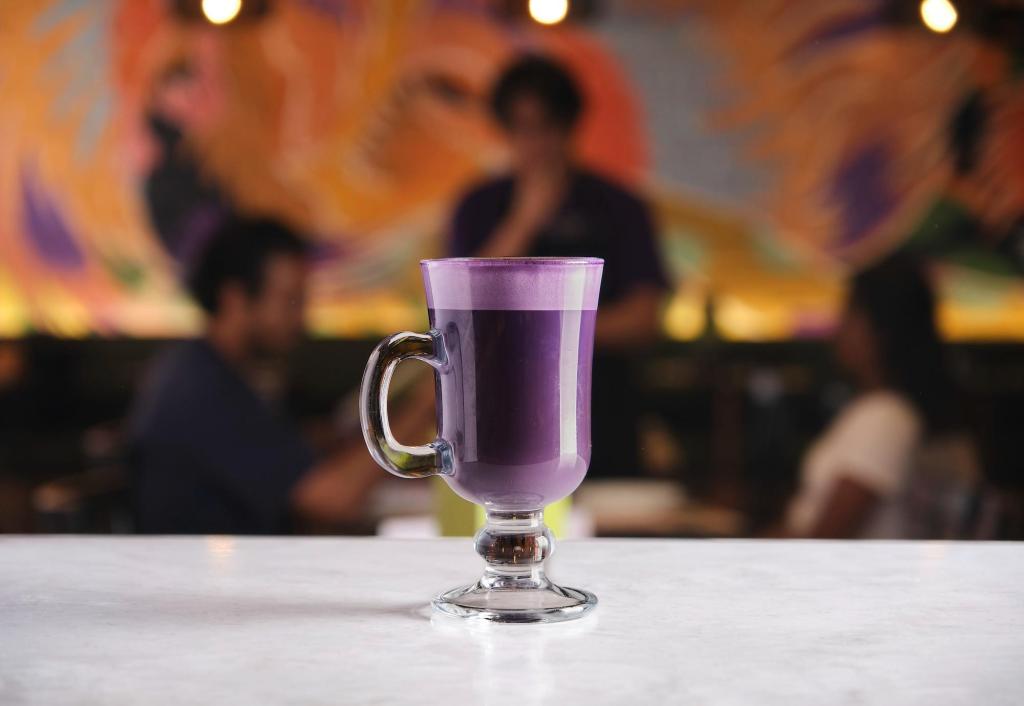
Ube appears to be moving through a compressed version of that same trajectory.
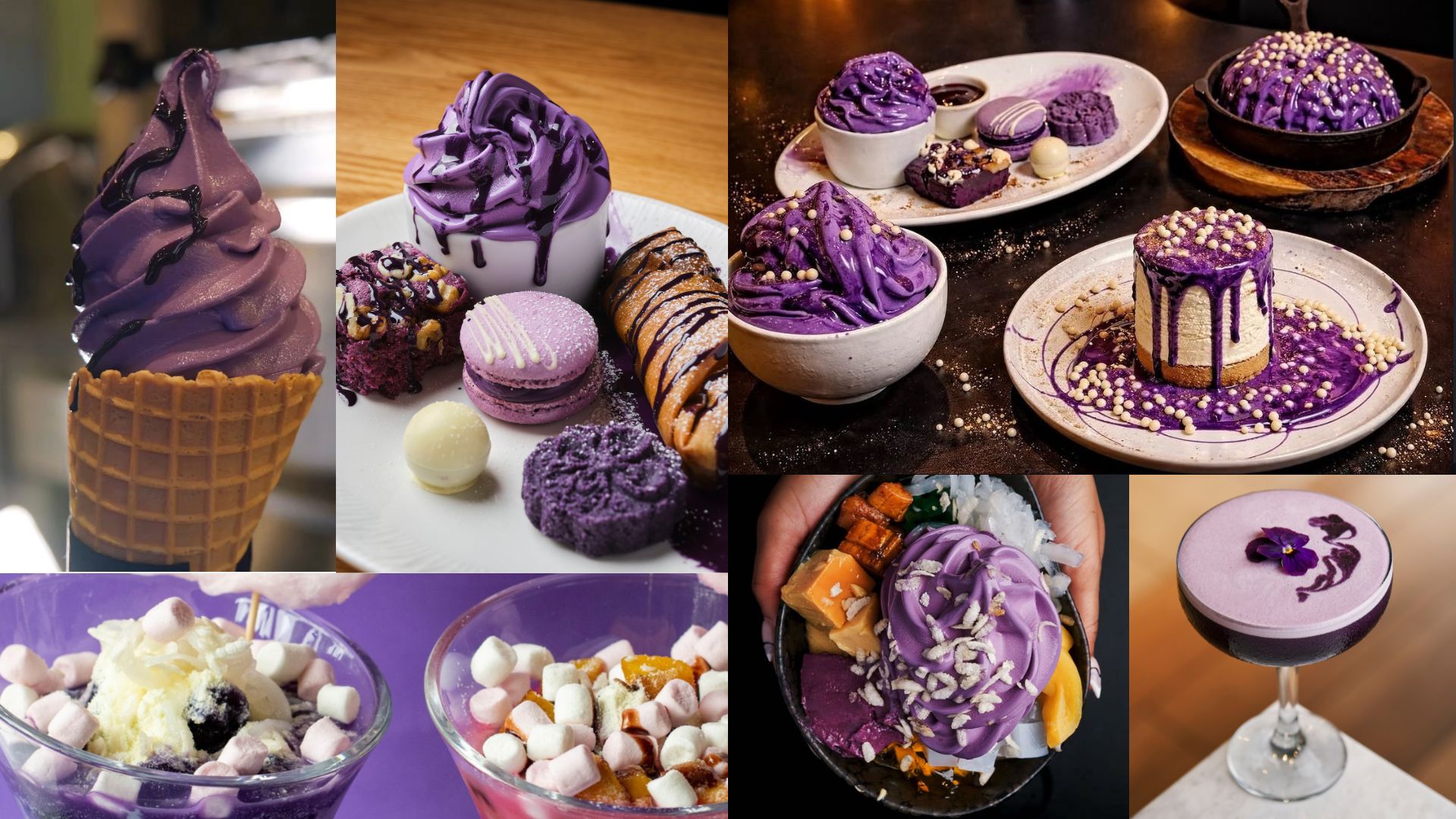
The vivid purple yam, long central to Filipino and other Asian desserts, has shifted rapidly from specialist Asian bakeries into broader café culture across the UK, North America and parts of Europe. Large chains, including Starbucks, have already introduced ube-based drinks, alongside continued offerings in independent bakeries and dessert shops.
The comparison with matcha is inevitable, but the pathway is structurally different.
“Matcha became aspirational through habit and repetition over time,” says Chris Joseph, co-founder of Kasa & Kin in Soho. “Ube is being discovered through visibility first. Colour, flavour and social media are doing the early work that cafés and structured category adoption did for matcha.”
That difference reflects a wider shift in how food trends now form.
Discovery is no longer sequential. It is visual, accelerated and algorithm-driven. Consumers encounter ingredients through screens before they encounter them in physical spaces. Ube is particularly well suited to that environment.
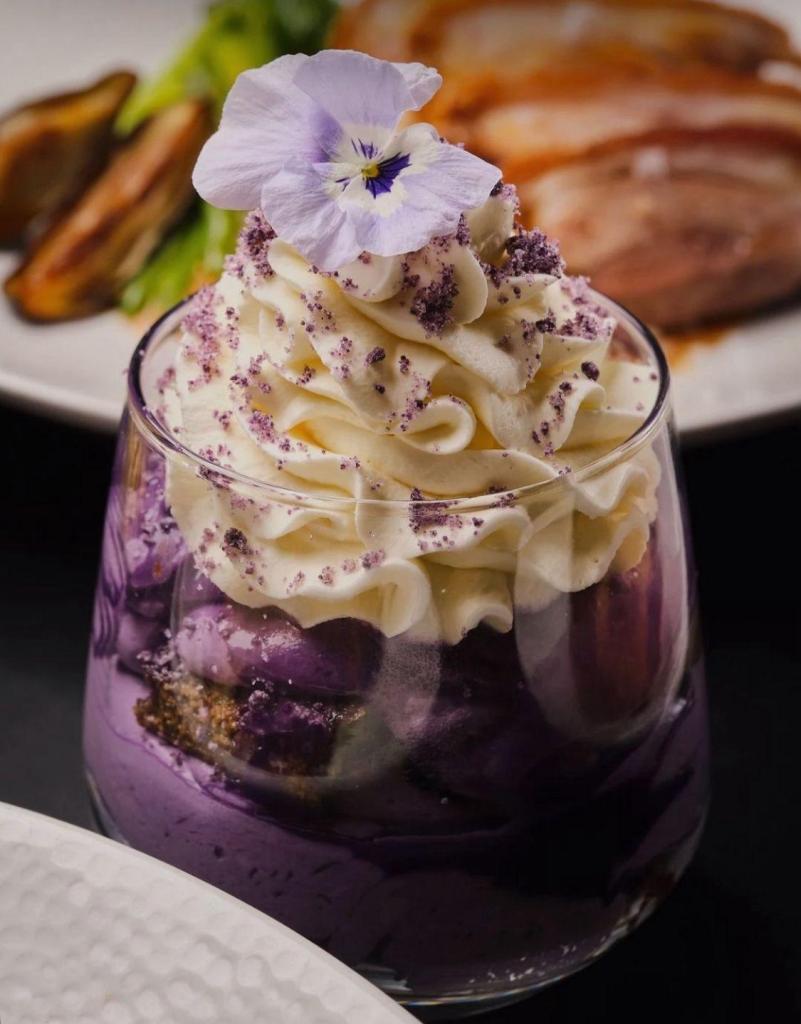
Its deep violet colour creates instant recognition in digital feeds, while its flavour profile — often described as vanilla-like with notes of coconut and sweet cream — remains accessible to first-time consumers. It feels familiar enough to adopt quickly, but distinctive enough to feel new.
Recent reporting highlights strong growth in ube-related engagement across café and dessert culture, particularly within social-driven food discovery channels.
This acceleration also reflects a broader change in consumer behaviour. Food culture is moving away from purely functional or restrained narratives and towards experience-led consumption. Colour, texture and emotional familiarity now play a larger role in adoption than provenance alone.
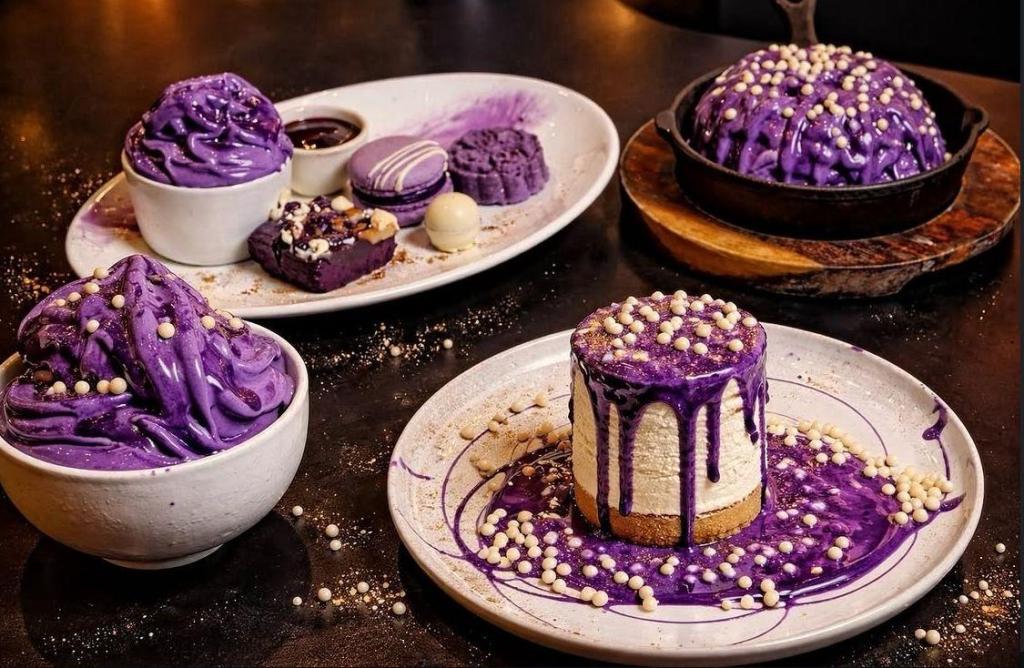
At Kasa & Kin, ube has long appeared across desserts and bakeries, positioned not as a trend-led addition but as part of a wider Filipino culinary narrative. Kasa & Kin offers a complete ube experience, from an ube martini through to a full ube dessert menu and pastries — the largest selection of ube in the UK. At Kasa & Kin, ube desserts are less a trend and more a statement of identity: bold in colour, delicate in flavour, and quietly addictive. The deep violet hue of ube sets the tone before the first bite even lands: earthy, subtly nutty, with a gentle sweetness that avoids the cloying clichés of more familiar dessert profiles. Here, it is handled with a lightness that feels both contemporary and rooted in tradition, whether folded into silky soft-serve, layered through airy cakes, or paired with textures that bring contrast and lift. A favourite is the hot ube brownie with ube ice cream.
“For many Filipinos, ube is already part of everyday celebration and memory,” says Rowena Romulo, co-founder of the restaurant. “What is interesting now is seeing that same emotional connection translate to a wider audience for the first time.”
That emotional dimension may be what determines whether ube becomes a lasting category or remains a highly visible trend cycle.
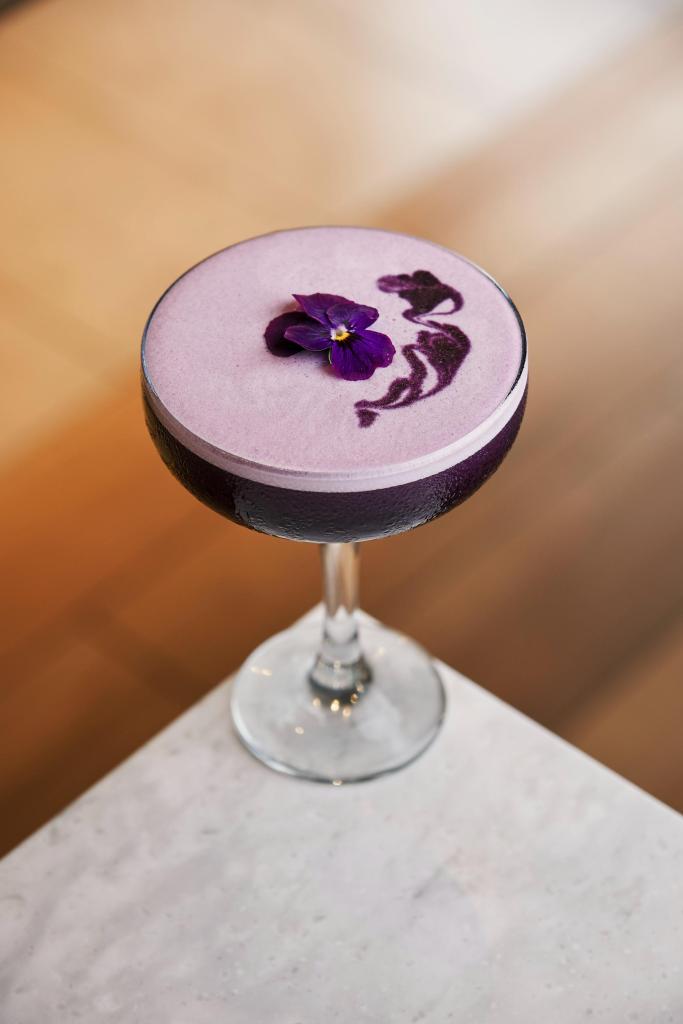
Unlike viral food formats built purely on novelty, ube has functional versatility. It adapts naturally across pastries, cakes, ice cream, coffee and selected cocktail programmes without requiring reinvention at each stage. That flexibility gives it more structural resilience than many recent social-media-led food movements.
There are early signs that ube could continue to broaden its reach beyond its current role in desserts and café formats, following a familiar pattern seen with matcha as it scaled from speciality drinks into wider lifestyle positioning over time.
What is more important, however, is how that expansion typically happens. Ingredients rarely shift category because of reframing alone. They scale when they become repeated, recognisable and easy to deploy across everyday consumption.
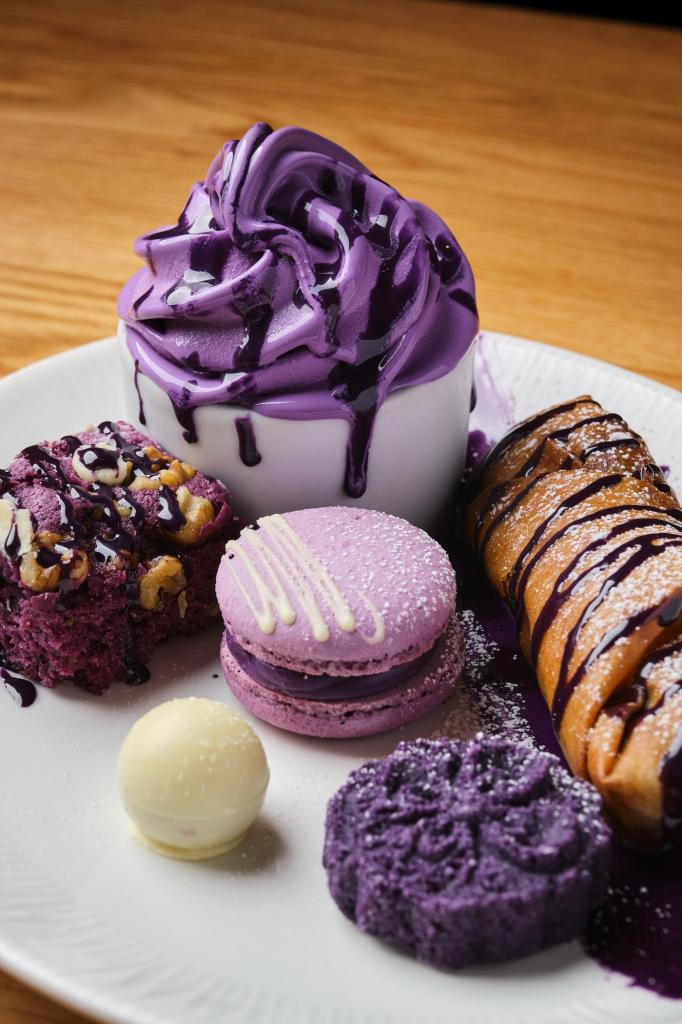
Ube is currently building that familiarity quickly. It is appearing across café menus, bakery counters and highly visual social media formats at the same time, which compresses the usual distance between first exposure and repeat purchase. That speed of recognition is what tends to accelerate mainstream adoption.
If the category continues to grow, the more likely path is not repositioning but repetition — deeper penetration into coffee, bakery, ice cream and retail desserts, where consumers encounter it often enough for it to become normalised rather than novel.
For now, its momentum is being driven less by how it is later defined and more by how frequently it is being seen, ordered and shared.
To discover more, visit Kasa & Kin
Ver esta publicación en Instagram
All images courtesy of Kasa & Kin.