
In today’s interconnected world, luxury travel is no longer solely about exquisite experiences, exclusive destinations, and first-class comfort—it also requires careful attention to digital security. For globe-trotters indulging in lavish adventures across the world, protecting personal and financial data is essential to ensure their journeys remain seamless and stress-free.
The Importance of Data Security for Luxury Travellers
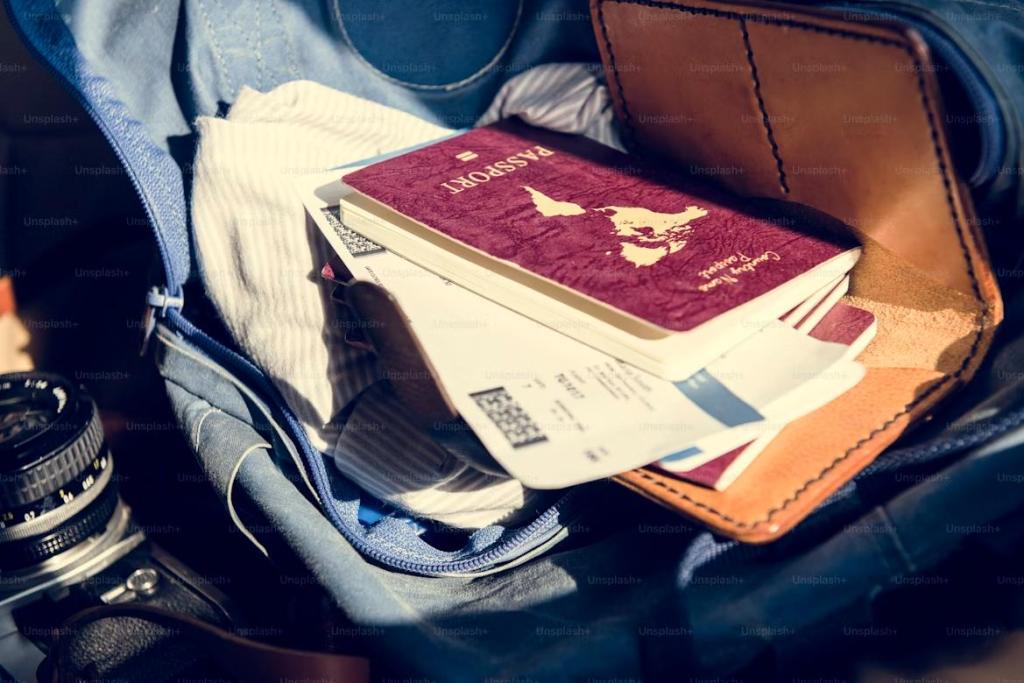
Luxury travellers often carry a wealth of sensitive information—from passport details and credit card numbers to personal contacts and travel itineraries—all of which can become targets for cybercriminals. While on the move, the temptation to use public Wi-Fi networks, access online banking, or shop via apps increases vulnerability. Cyber threats such as identity theft, phishing attacks, and data breaches can ruin even the most well-planned luxury trip.
Moreover, many luxury travellers prefer to keep their whereabouts private to avoid unwanted attention. Maintaining data security is, therefore, not only about preventing financial loss but also about preserving personal privacy and peace of mind.
Privacy-Focused Online Behaviours
Luxury travellers are aware that even seemingly harmless online habits can compromise their privacy and security. Whether they’re unwinding in a five-star resort or exploring remote corners of the world, they often engage in a variety of digital activities that require careful consideration of how their data is handled.
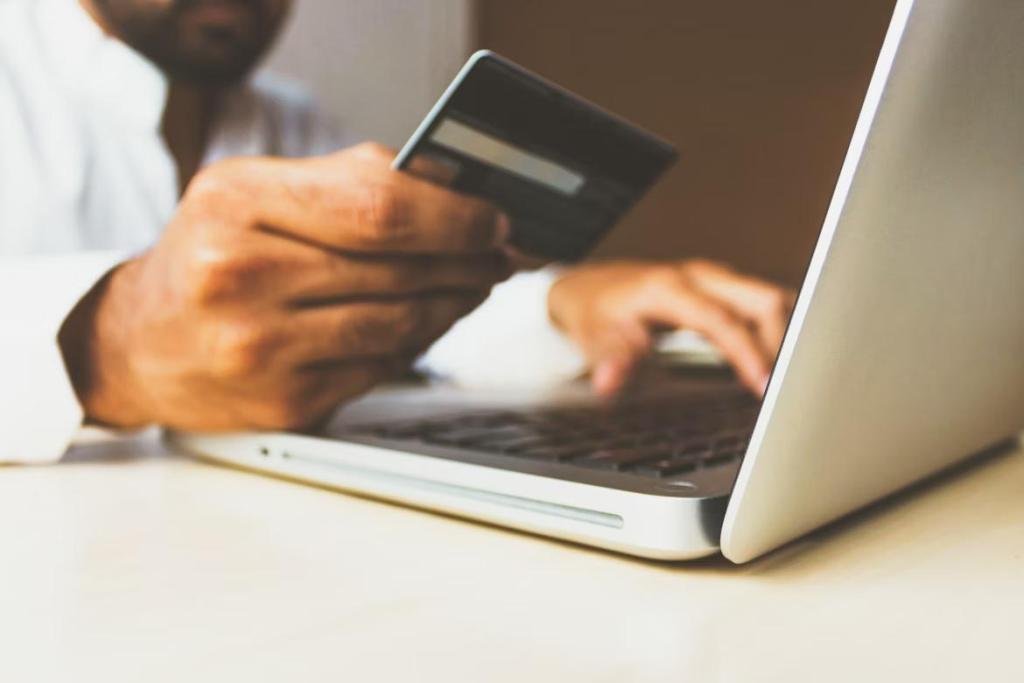
For example, many enjoy shopping online for designer fashion or exclusive local items. When doing so, it is vital to use only reputable websites with secure payment gateways—look for “https” in the URL and opt for payment platforms that offer fraud protection. Using a virtual card or digital wallet can add an extra layer of security, keeping actual card numbers out of reach.
Others might spend part of their downtime streaming films, booking spa treatments through resort apps, or arranging private experiences. In these cases, luxury travellers tend to use apps and services from well-established brands with strong privacy policies. It is also wise to keep location-sharing features turned off unless absolutely necessary, and to avoid logging into sensitive accounts over public or shared networks.
A growing number of luxury globe-trotters also enjoy playing at online casinos during their leisure time. To protect their privacy, many opt for online casinos that bypass KYC (Know Your Customer) rules and allow users to wager without submitting identity documents. No-KYC options have surged in popularity in recent years due to the security and privacy benefits they offer. These platforms provide a more discreet gaming experience while still maintaining security through encryption and fair play mechanisms.
By staying mindful of the digital footprint they leave behind during these activities, luxury travellers can enjoy their favourite pastimes while keeping their personal information secure and private.
Securing Devices with Advanced Tools and Practices
Luxury travellers often carry multiple gadgets such as smartphones, tablets, laptops, and smartwatches, all of which can be entry points for cyberattacks. To protect their data, they adopt comprehensive device security measures.
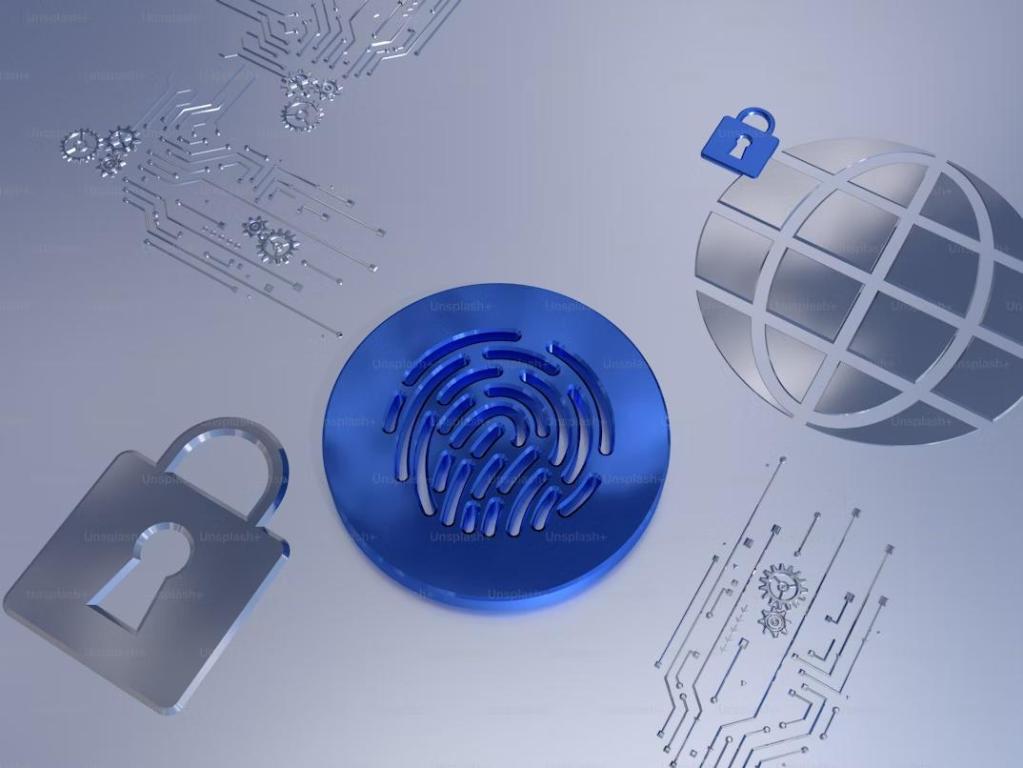
Strong passwords and biometric locks like fingerprint or facial recognition are standard. Many globe-trotters use password managers to generate and store complex passwords securely, avoiding the risk of reused or easily guessable credentials. Two-factor authentication (2FA) is another vital layer, requiring a second form of verification before granting access to accounts, significantly reducing the chance of unauthorised entry.
Keeping software and operating systems updated is crucial, as patches often fix vulnerabilities exploited by hackers. Luxury travellers regularly check for updates on all devices, ensuring they have the latest security improvements.
Moreover, enabling remote tracking and wiping capabilities offers peace of mind in case of device loss or theft. These features allow users to locate their gadgets or erase sensitive data remotely to prevent misuse.

Choosing Secure Connectivity on the Go
One of the primary challenges for globe-trotters is maintaining a secure internet connection when travelling abroad. Public Wi-Fi networks found in airports, hotels, cafés, or lounges are notoriously vulnerable to hacking. Luxury travellers understand that connecting to these networks without proper protection can expose their devices and data to cyber threats.
To counteract this, many luxury travellers invest in Virtual Private Network (VPN) services. A VPN encrypts internet traffic, masks the user’s IP address, and secures data exchanges. This means that even if a hacker intercepts the connection, the information remains unreadable. VPNs also allow access to region-restricted content, enabling travellers to enjoy their favourite streaming services or apps while overseas.
In addition to VPNs, some luxury globe-trotters prefer to use personal mobile hotspots or portable Wi-Fi devices with secure connections. These provide a private and encrypted network, eliminating reliance on potentially unsafe public Wi-Fi. Opting for international data plans with trusted providers further reduces risk.

Physical Security Measures in the Digital Age
Data protection is not solely about online precautions; physical security also plays a vital role. Luxury travellers often use RFID-blocking wallets and passport holders to prevent electronic pickpocketing of contactless cards or identity documents.
When staying at hotels or resorts, many use portable safes or lockboxes to store devices and sensitive documents. Some even carry privacy screens for laptops and phones, reducing the risk of “shoulder surfing” in public spaces.
Moreover, they are mindful of device use in public areas, avoiding accessing sensitive accounts in crowded or unsecured locations. This awareness helps prevent data theft and maintains confidentiality.

The Role of Cyber Insurance and Expert Support
As the risks of cyberattacks rise, some luxury travellers invest in cyber insurance policies that offer coverage for identity theft, financial fraud, and data breaches. These policies provide a safety net, including assistance in recovery and mitigating damages.
Professional cybersecurity consultants or personal tech assistants are becoming more common among affluent travellers. These experts help set up secure networks, manage device security, and provide advice on best practices tailored to individual travel habits.

Final Thoughts
Luxury travel is synonymous with exclusivity, comfort, and unforgettable experiences. However, the digital aspect of modern journeys requires equal attention to security. Globe-trotters protect their data through a combination of secure connectivity, device safeguards, cautious online behaviour, and trusted service providers.
By prioritising data security, luxury travellers ensure that their adventures remain a source of joy and discovery, free from the stress and complications of cyber threats. This mindful approach to digital privacy allows them to fully embrace the wonders of the world with confidence and peace of mind.