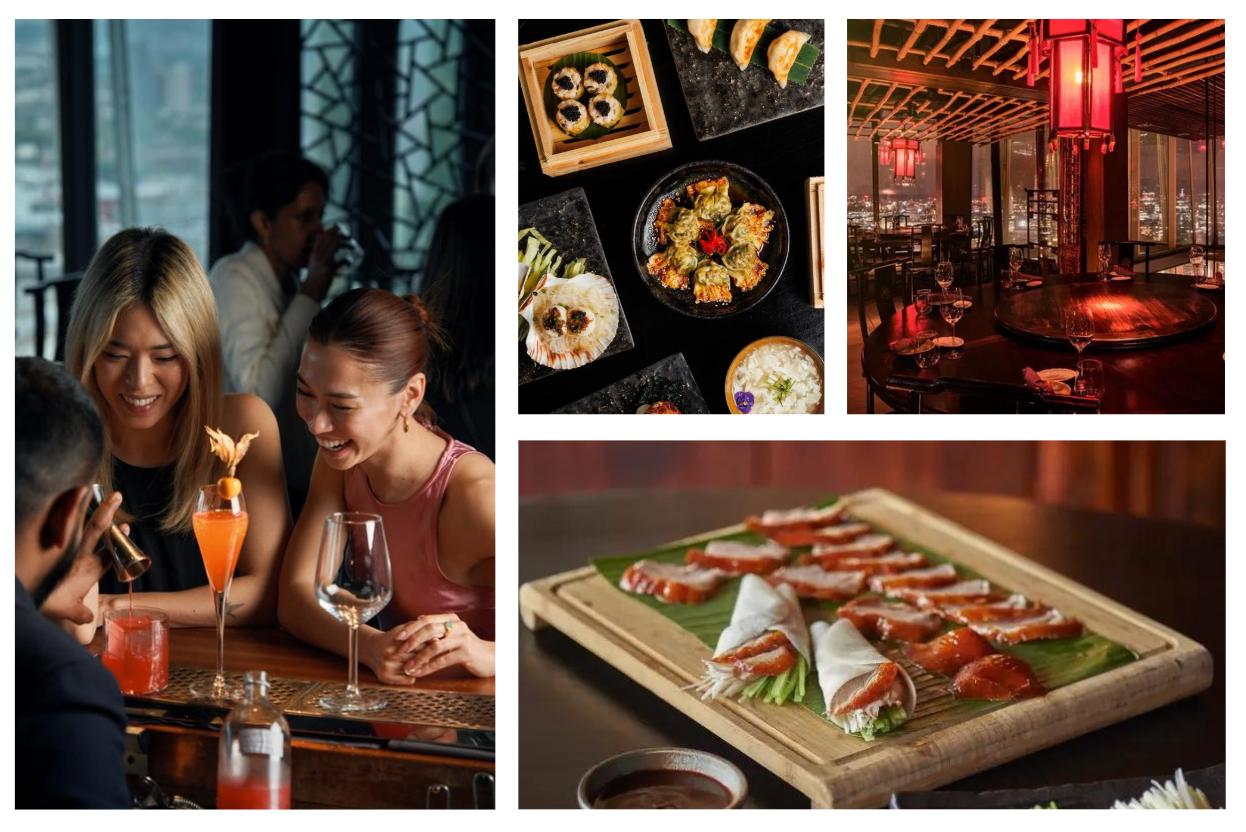
There’s something ironic about bringing the culinary traditions of Beijing’s ancient alleyways to the 33rd floor of a corporate glass tower. It’s not uncommon for traditions to lose a little of their identity the further they travel. Yet Hutong eschews any of the overly polished, slightly soulless veneer you might expect from a restaurant suspended high above London’s skyline and so far removed from the city that created its cuisine.
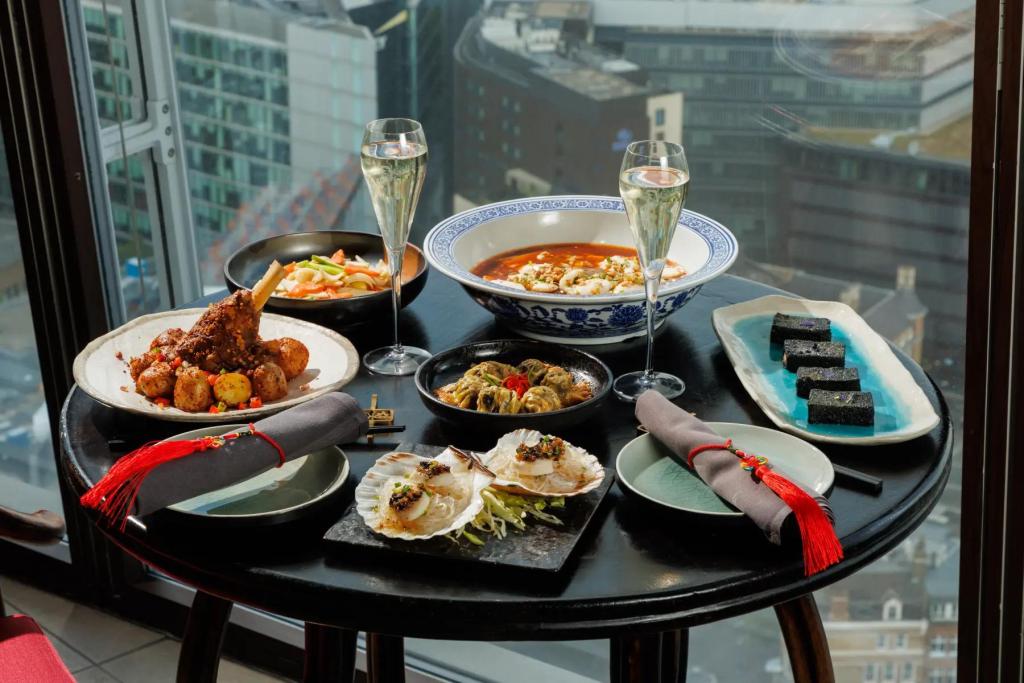
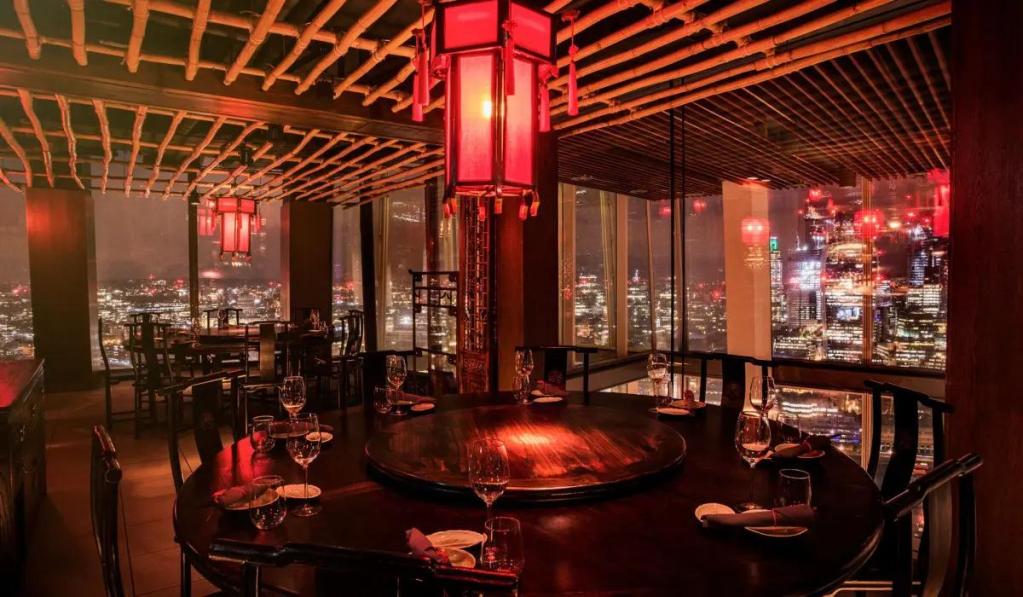
The moment you step out of the express lift, before you can even register the Thames looking back at you through the floor-to-ceiling windows, you are hit first with the smell of wok smoke, toasted sesame and Sichuan. Quickly, the modern shell of the restaurant becomes irrelevant, and you are drawn into a room of dark wooden tables surrounded by red silk lanterns, carved stone ornaments and intricate lattice screens. And then, immediately behind all of it, a shimmering urban expanse blazes through the glass.
Behind the View
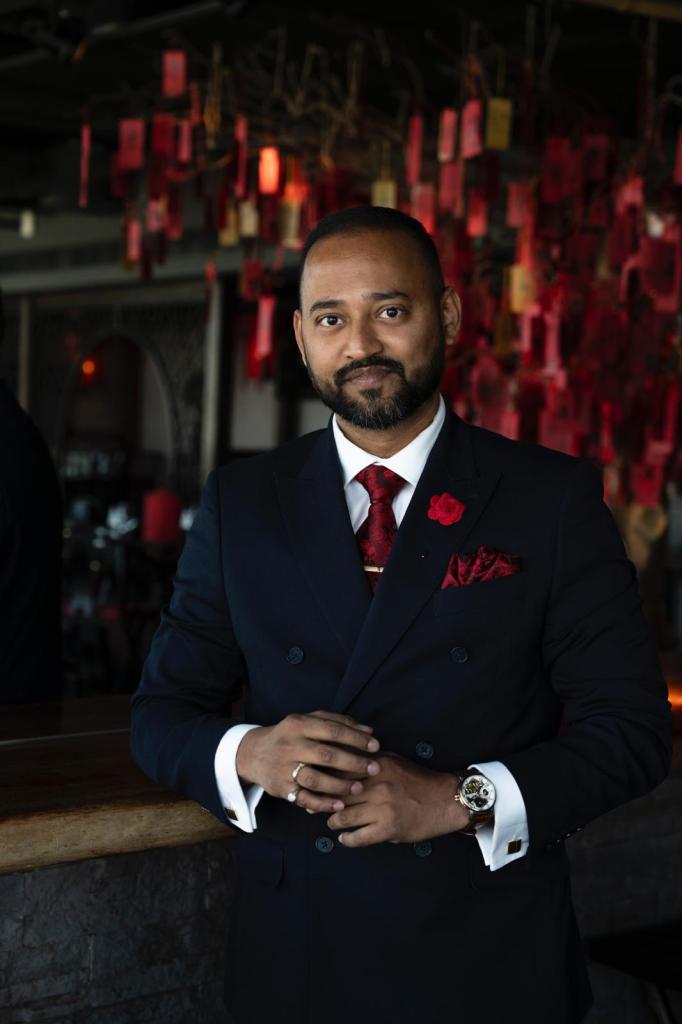
To run restaurants perched 33 floors above London, and ensure the experience lives up to the view, requires dealing with some unusual practicalities. Much of that responsibility lies in the hands of Operations Manager Vijay Sanas. For Vijay, keeping the restaurant’s momentum flowing could look like anything from soothing your fear of heights on the lift ride up to figuring out how fresh ingredients can get from street level to the kitchen.
Much of that competence stems from his humble beginnings in the kitchen. Back in 2011, he began his career as a commis chef for Gordon Ramsay before rising to restaurant management just four years later–a progression that would typically take closer to fifteen years for even the sharpest culinary talent. Since then, he has managed renowned dining rooms all across London, from Gaucho Piccadilly and Hakkasan Mayfair to Aqua Shard. That unconventional route to management means Vijay knows the restaurant from the kitchen outwards. While the skyline may draw you through the door, his focus remains entirely on the experience waiting inside. Behind the view, you will also find legend David Kyle Boyd. Hutong was one of the places the late Richard Vines used to frequent, and we can see why.
A Communal Meal
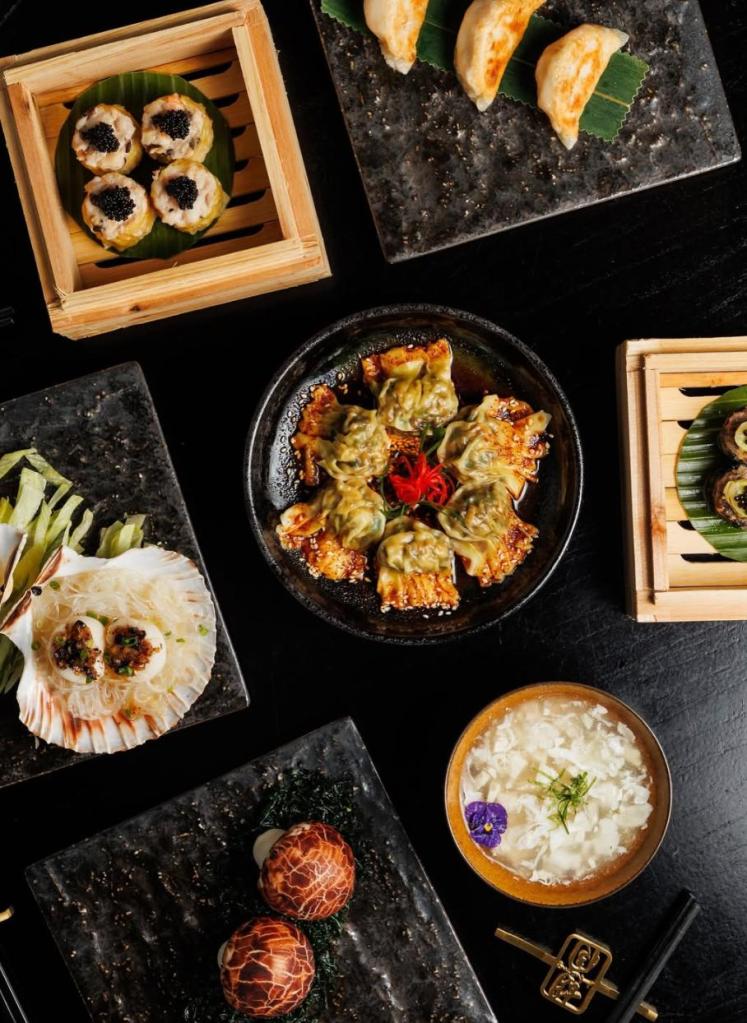
As 8 pm approaches and dusk spreads across St Paul’s and Tower Bridge, the amber glow of red silk lanterns cuts through the shadows as the kitchen springs into motion for a sunset service. Their Golden Sky menu is built around one of the most sacred Chinese dining traditions, where dishes belong in the middle of the table, each course designed to be shared, with plates constantly moving around the table as you search for one more dumpling or an extra spoonful of sauce. There is no room for polite picking at plates; everyone is expected to lean in and savour the meal together.
It opens with a simple crowd-pleaser: crisp, golden spring rolls, which are shortly followed by Sichuan-spiced siu mai dumplings packed with chicken and prawn. Head Chef Sifu Fei Wang hails from Chengdu, a culinary heritage that immediately makes itself known. Taking the opportunity to foreshadow the heat to come, these dumplings are laced with just enough Sichuan peppercorn to trigger ma la: the strange numbing sensation on the tongue that awakens the salivary glands, priming your mouth for the fire.
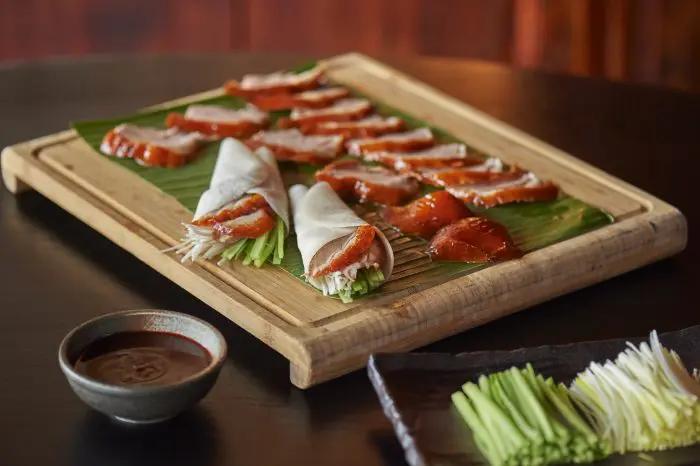
All eyes, however, shortly turn towards the arrival of the Peking duck. Marinated for twenty-four hours, the entire bird is wheeled over and carved directly in front of you to recreate some of this dish’s tableside theatre you’d find in Beijing. Watching the chef work methodically across the bird, slicing through the lacquered, crispy skin to reveal tender, succulent meat melting with rich fat is the ultimate appetiser. Each piece is arranged at your table before everyone begins building their own: a steamed pancake, a slice of duck, thin matchsticks of cucumber and spring onion, and a slick of hoisin. It is a dish that’s been refined over centuries, blending cool crunch, sweet sauce, and rich duck into each bite, made all the better by everyone reaching and wrapping from the same shared spread.
Then comes the eagerly expected wave of wok-driven heat. Ma La chilli prawns arrive glistening in Hutong’s house-made chilli oil, a fiery blend of heritage chillies, aromatic spices and Sichuan peppercorns that delivers that highly-anticipated fire. Alongside it is the tangy sweet and sour chicken and Kai Lan stems tossed in ginger. Between them, fragrant truffle noodles and wok-fried rice are passed around the table. Each dish carries the unmistakable wok hei, or “breath of the wok,” which is a charred aroma which only derives from ingredients hitting a steel wok at scorching temperatures, adding a distinctive depth of flavour celebrated across Chinese cooking.

By dessert, the tingle of the spice is still lingering in your mouth, but this is quickly remedied with the tableside Hong Kong Milk Tea-ramisu. The cream cools your tongue instantly, coating it with the rich, slightly bitter sweetness of Hong Kong milk tea.
Drinking by the Zodiac
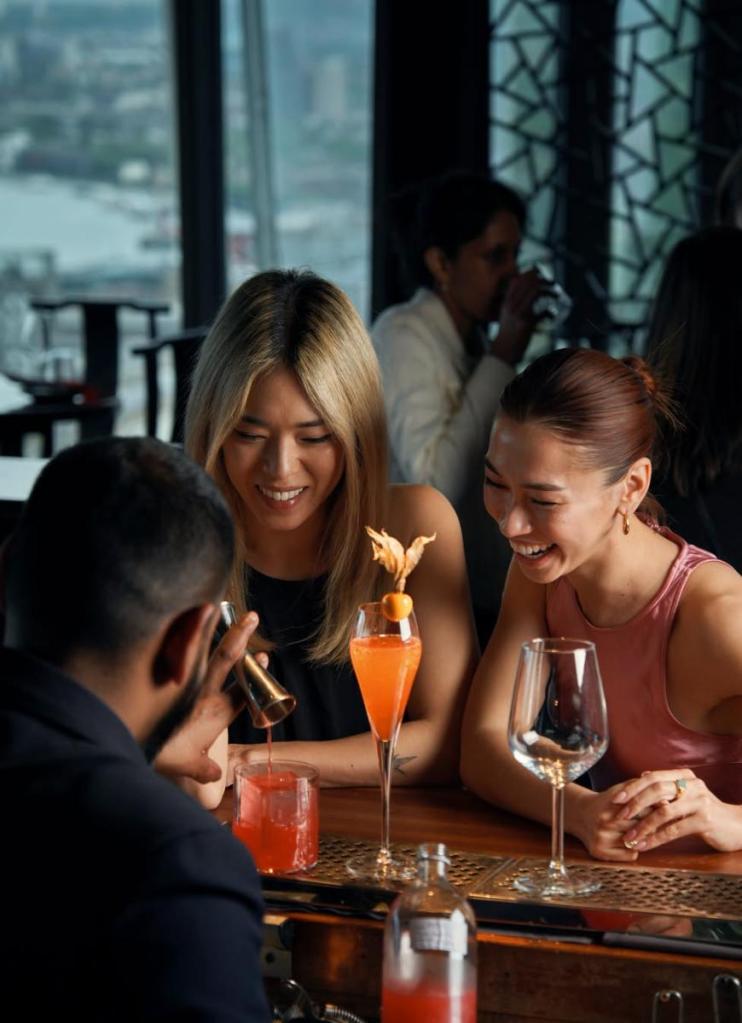
At Hutong, the year you were born may matter more to your cocktail order than whether you prefer gin, whisky or tequila. Assistant Bar Manager Saldrin Mascarenhas has structured the cocktail list around Wu Xing, the ancient Chinese philosophy of five elements: wood, fire, earth, metal and water. Each element corresponds to a Chinese zodiac sign, turning an ancient philosophy into something you can quite literally drink. For Saldrin, though, the cocktails always begin in the kitchen. Before thinking about zodiac signs or symbolism, he tastes the dishes, then builds each drink to either echo or temper the spice and numbing heat coming from the wok through techniques such as infusion and fat-washing.
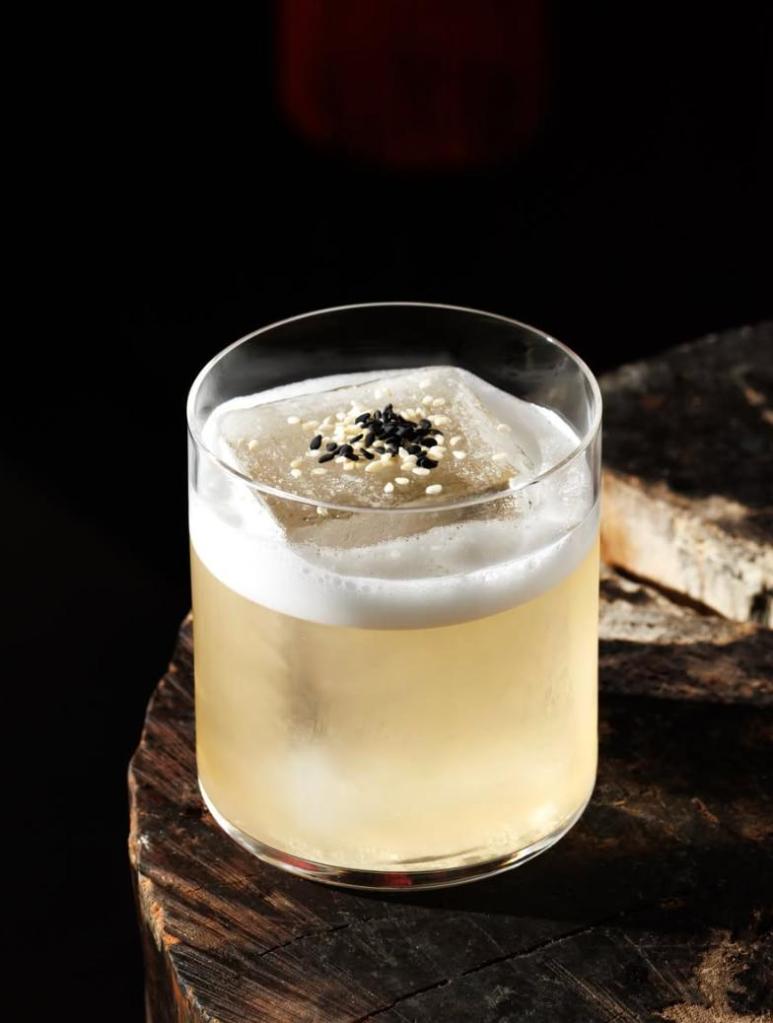
Representing fire, The Firecracker Negroni, uses Sichuan pepper-infused Santoni and lemon balm oil to recreate the prickling ma la sensation of the dumplings, leaving your lips tingling between sips. The Dan Dan Old Fashioned takes a richer turn with bourbon fat-washed with peanut butter, a technique that draws its flavour and texture into the spirit before the fat itself is removed. Toasted sesame, dark maple and chilli push it even further into savoury territory. Turning towards fresher flavours, the water-inspired Pagoda Gimlet leans on the aromatic notes of pandan and Thai basil.

Overall
By the time the last glasses are emptied, the London skyline has vanished into a grid of city lights, and Hutong is deep into a full dinner service. Thirty-three floors above the street, the tables are crowded with empty plates, streaks of chilli oil and the remains of duck pancakes; proof of a culinary legacy that has lost none of its vitality. Some traditions never survive beyond their geography. Others, it seems, simply need the right people to carry them across it. And for all the distance and altitude, the traditions of Beijing’s ancient alleyways have travelled remarkably well.
Discover more at Hutong
View this post on Instagram
All images courtesy of Hutong.