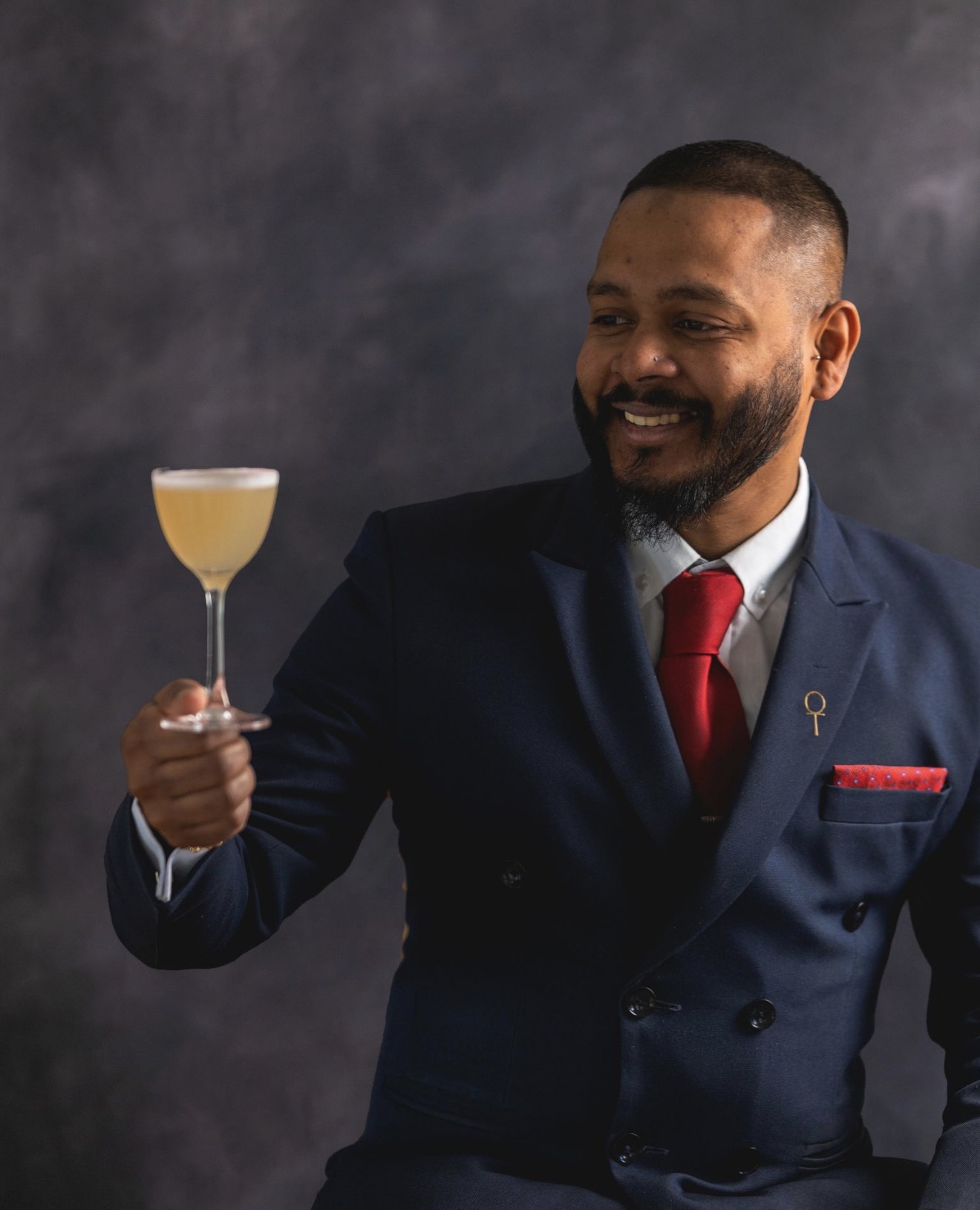
In this unique and exclusive interview, we talk to Saldrin Mascarenhas, the man behind the concept of the bar at Hutong—London’s high-altitude restaurant serving Northern Chinese food. From bringing the ancient principles of the five elements to life in a cocktail to matching cocktails with the burning heat and tingling sensation offered by Sichuan pepper, Saldrin reveals how it is through respect, balance, and the power of storytelling that one turns a refreshing beverage into a full-on experience.
Beyond the glass, we also talk about mixology at home, the importance of mentoring, and faith and family values that drive success.
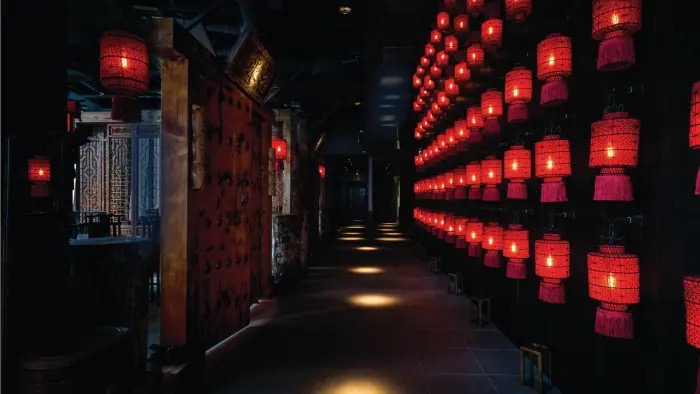
How do you ensure those Chinese influences feel authentic rather than merely decorative?
For me, authenticity comes from respect, understanding and purpose. When working with Chinese ingredients and concepts, it is important that they are not used only because they appear interesting or unique. Every element should have a reason behind it and contribute something meaningful to the guest experience.
At Hutong, we focus on understanding the character of each ingredient—its flavour, aroma and how it can work within a cocktail. We look at how traditional Chinese flavours can be interpreted through modern mixology while still respecting their origins.
The connection between our drinks and cuisine is also very important. Our cocktails are created to complement the bold flavours of Hutong’s dishes, creating a complete dining journey rather than just serving standalone drinks.
For me, storytelling is a key part of hospitality. When a guest enjoys a cocktail, I want them to discover something new while still feeling that the drink has a clear identity and purpose.
The menu connects the five Chinese elements—wood, fire, earth, metal and water—with different flavour profiles. How do you translate an abstract idea like “metal” or “water” into something a guest can actually taste?
The five Chinese elements provide a beautiful creative framework because each element represents different characteristics, emotions and sensations.
When translating these ideas into cocktails, we focus on the flavours, textures and feelings that each element represents. Water can inspire thoughts of freshness, clarity and elegance, which can be expressed through lighter, refreshing flavours. Fire represents energy, warmth and intensity, which can come through spices, richer flavours and bolder ingredients.
Earth connects with depth, balance and natural flavours, with wood represents growth, freshness and botanical elements. Metal reflects precision, refinement and structure, inspiring cocktails with clean flavours and elegant finishes.
The most important thing is that guests do not need to understand the concept before enjoying the drink. The idea should come through naturally through taste, aroma and experience.
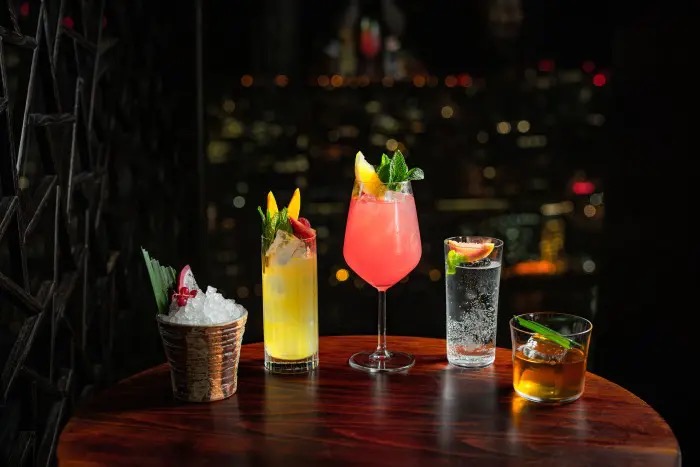
Hutong’s food is known for bold flavours, including chilli and Sichuan pepper. What makes a cocktail work alongside heat and the numbing quality of málà?
Pairing cocktails with Sichuan cuisine is a fascinating challenge because the flavours are powerful and complex. The aim is not to compete with the food but to create harmony between the drink and the dish.
Balance is essential. Fresh acidity can refresh the palate, while carefully considered sweetness can soften the intensity of spice. Aromatic ingredients and thoughtful textures can also complement the unique sensation created by Sichuan pepper.
A successful pairing should allow both the food and the cocktail to shine. The drink should enhance the dining experience, bringing out different layers of flavour while preparing the palate for the next bite.
At Hutong, we always consider how our cocktails interact with our cuisine, ensuring they become part of the complete experience rather than an addition on the side.
Which Chinese ingredient do you believe remains underused in British bars?
Sichuan pepper is one ingredient that I believe has incredible potential in modern cocktails. Many people know it for its unique tingling sensation, but it also brings beautiful citrus and aromatic qualities that can add complexity when used correctly.
I also really appreciate Chinese five-spice because it offers warmth, depth and character. When balanced carefully, it can create fascinating flavour profiles without overpowering the drink.
I think there is still so much opportunity for bartenders to explore Chinese ingredients in a respectful and creative way. They offer a huge range of flavours that can inspire new approaches to cocktail creation.
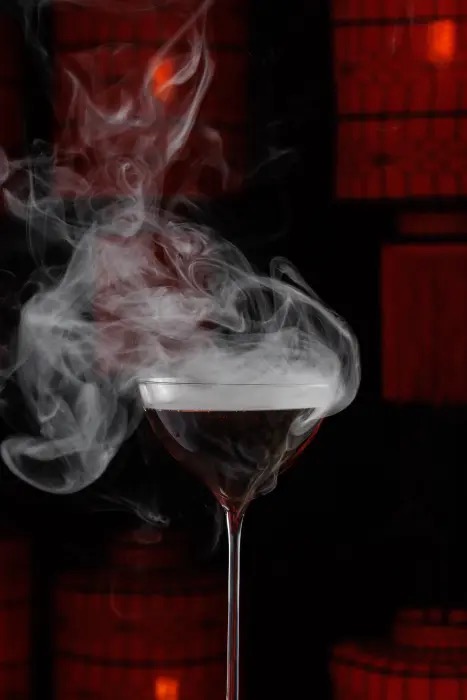
What are your top three tips for home mixologists?
First, focus on balance. A great cocktail is not about having the most ingredients—it is about ensuring every element works together. Sweetness, acidity, strength and dilution all need to be considered.
Second, invest in quality basics. Fresh ingredients, good ice and a well-made spirit can completely transform a drink.
Third, enjoy the learning process. Experiment, taste and do not be afraid to make mistakes. Some of the best discoveries come from curiosity and practice.
Most importantly, remember that cocktails are about creating experiences. Whether making a drink for yourself or for others, the passion behind it is what makes it special.
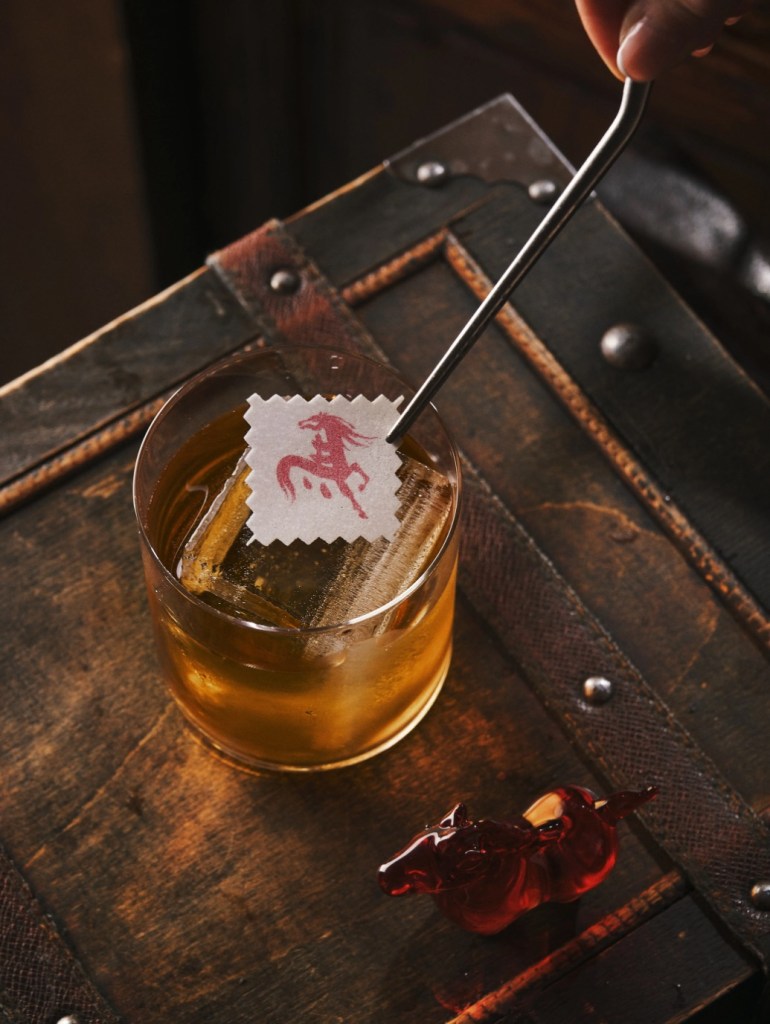
If you could change one thing about the London bar scene, what would it be and why?
London has one of the strongest bar scenes in the world, with incredibly talented bartenders and creative venues. One thing I would love to see even more of is investment in education, mentorship and career development.
Hospitality is built on people, and supporting young bartenders is essential for the future of our industry. Throughout my own career, I have been fortunate to learn from experienced professionals who shared their knowledge and encouraged me to grow.
Creating more opportunities for training, learning and progression will help the next generation build successful and sustainable careers in hospitality.
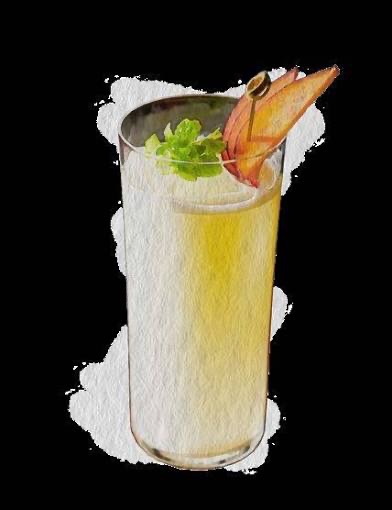
If you could award a Michelin star for mixology right now, who would it be to and why?
There are many talented professionals who deserve recognition, but if I could personally recognise someone who has had a meaningful influence on my journey, it would be my mentor Eddie Edvinas Rudzinskas.
His passion for cocktails, creativity and dedication to the craft have always inspired me. Beyond technical skills, he represents the qualities that define a great hospitality professional—curiosity, discipline, generosity and the desire to keep improving.
A Michelin-style recognition for mixology would celebrate not only the drink itself but the passion, creativity and commitment behind it.
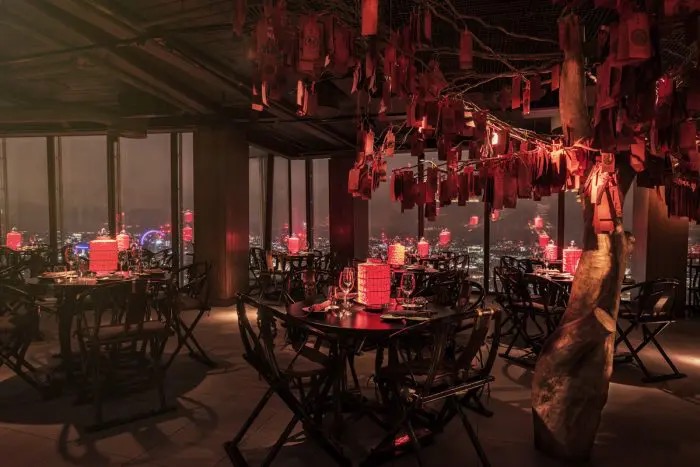
What is next for you?
The journey continues. I believe there is always more to learn, discover and achieve in this industry.
My next goals are to continue developing myself through cocktail competitions, travelling and experiencing different cultures and hospitality scenes around the world. Every place, every ingredient and every person you meet can teach you something new.
I also want to continue growing as a leader and share my knowledge with the next generation of bartenders, just as others have supported me throughout my career.
Above all, I thank Almighty God for every opportunity and blessing throughout my journey. My wife has been my greatest support and strength, always standing beside me through every challenge and achievement. I am deeply grateful to my parents for teaching me the values of hard work and humility, my sisters for their constant encouragement, and my grandmother for her love, wisdom and prayers.
Their support has been the foundation behind everything I have achieved, and it continues to inspire me as I look towards the future.
To discover more about Hutong London, visit: hutong.co.uk
View this post on Instagram
Images Courtesy of Hutong London / Saldrin Mascarenhas.