
MYNE, a co-ownership platform for premium holiday homes across Europe, was founded in 2021 by Fabian Loehmer and Nikolaus Thomale. The company aims to improve the accessibility, flexibility, and hassle of holiday home ownership. It offers real ownership through equity, removing the full financial burden and administrative complexities that are often associated with owning a second home. MYNE manages the entire process, from day-to-day operations to ongoing maintenance. All properties are held to the highest standards, guaranteeing high-end, fully furnished homes in Europe’s most desirable destinations.
MYNE is built around a recent shift in travel and lifestyle, where modern travellers are prioritising deeper, long-term connections with destinations over one-off, bucket list trips. People want to spend their holidays in a place that feels like a second home, somewhere familiar they can return to. Nikolaus Thomale, co-founder and Managing Director of MYNE, entered the holiday home ownership space with a strong background in property and entrepreneurship. His vision for MYNE was simple: reimagining holiday home ownership to satisfy modern lifestyles, prioritising flexibility, community awareness, and seamless service. He wants holiday homes to feel like places people return to and connect with, rather than just passive assets.
We caught up with Nikolaus to talk about all things MYNE.

How did it all start?
MYNE started with a very personal observation.
Growing up, my family owned a holiday home, and some of my fondest memories were there. I remember waking up to the morning sun on the terrace, the smell of coffee brewing, and the quiet of a town just waking up. But even back then, I noticed something striking. Despite all the care, the house spent most of the year empty. Weeks and months would pass without anyone using it. That feeling of a beautiful home lying idle planted the seed for a completely new way to think about holiday home ownership.
When my co-founder Fabian and I started MYNE in 2021, our goal was simple: make holiday home ownership enjoyable, accessible, and truly rewarding.
Traditional second homes are often expensive, complicated, and mostly unused. We wanted to design a model where ownership was real, tangible, and flexible, allowing people to enjoy the lifestyle benefits without the administrative headaches or financial burden.
By focusing on co-ownership, we can match like-minded people to share a premium property, manage it seamlessly, and ensure that it is used and cared for throughout the year.
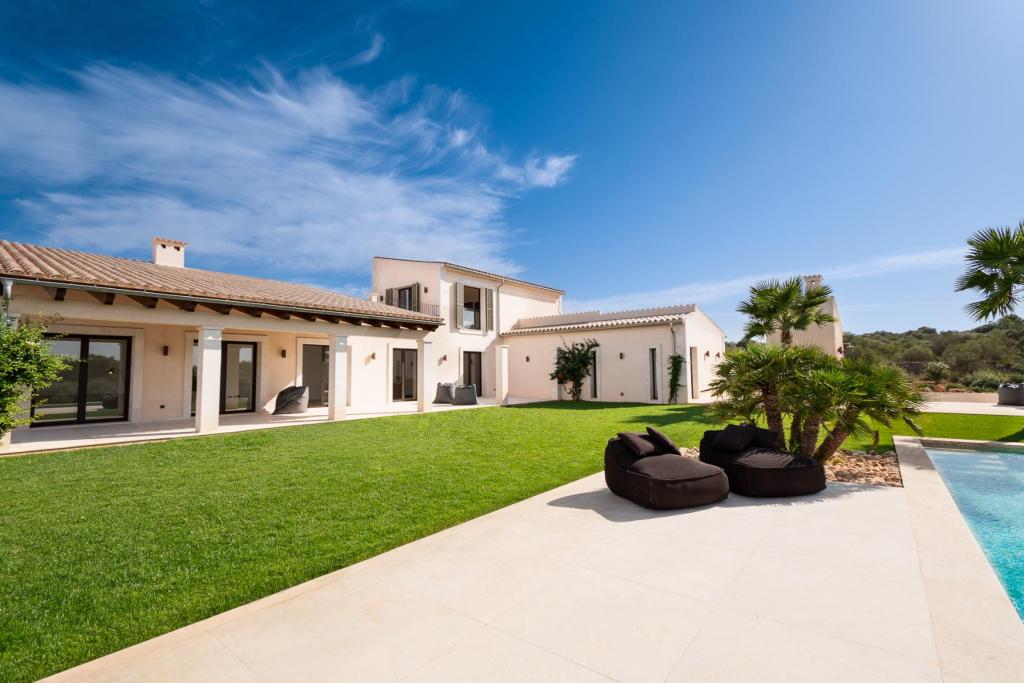
You’ve described MYNE as “real ownership rather than a right to use.” Why is that distinction so important in convincing buyers to embrace the model?
This distinction is central. At MYNE, co-owners hold actual equity in their property rather than simply buying a time slot. It’s real ownership, with all the benefits of long-term value, investment potential, and emotional attachment. It reassures buyers that they are not renting or subscribing to a property but owning an asset that grows with them.
In today’s market, people crave flexibility, but they also want security. They want to feel that the home belongs to them, that it is theirs to shape, personalise, and return to whenever they want. By combining true ownership with professional management, co-owners can enjoy the property without worrying about day-to-day management and admin, ensuring the dream of owning a holiday home is a rewarding, seamless experience.
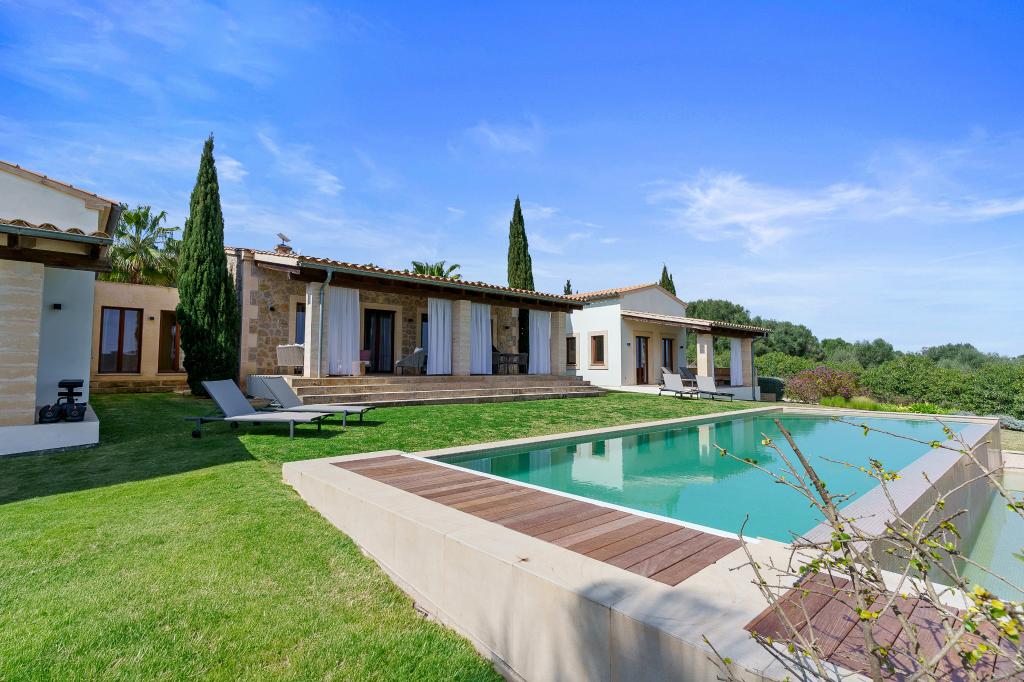
Your latest report highlights significant demand for vacation property despite rising costs and interest rates. What were the most surprising findings for you personally?
There were several interesting findings from the report, but the one that struck me most was how the concept of luxury is changing. Holiday Home Ownership: A Changing Landscape, released in collaboration with Globetrender, shows that 59% of Brits now consider streamlined, hassle-free experiences to be the true marker of luxury. Nearly all respondents, 98%, say that hassle-free holidays are important, and two-thirds specifically highlight fully serviced homes as appealing.
We also saw a clear behavioural shift within travel. 61% of Brits want to return to the same destinations rather than constantly exploring new places, and 47% like the idea of having a regular base abroad. Over half (55%) prefer accommodation that encourages longer stays and repeat visits, and 57% say year-round active use of holiday homes is appealing.
This tells us that people are moving away from novelty and bucket-list trips. They want continuity, comfort, and a sense of belonging. They want to return to destinations where they feel at home, and they want a property that supports their lifestyle, whether for family holidays, hosting friends, or even remote working.
The report suggests a generational shift in how people think about property ownership. What are younger investors looking for that traditional property models fail to deliver?
Younger buyers, particularly millennials, are very different from previous generations. Over half (56%) find the idea of co-ownership appealing. They are looking for affordability, flexibility, and sustainability, something that traditional single-owner holiday homes do not offer. Many are priced out of full ownership, and they value models that reduce upfront costs and financial risk. The report shows that 23% of Brits are attracted to co-ownership for this reason, while 20% appreciate the reduced financial risks.
For them, luxury is not about status or extravagance. It’s about convenience, efficiency, and well-managed experiences. They want a home they can use seamlessly without worrying about administration, maintenance, or management. They want to make a meaningful contribution to local communities while enjoying a property that feels like theirs.
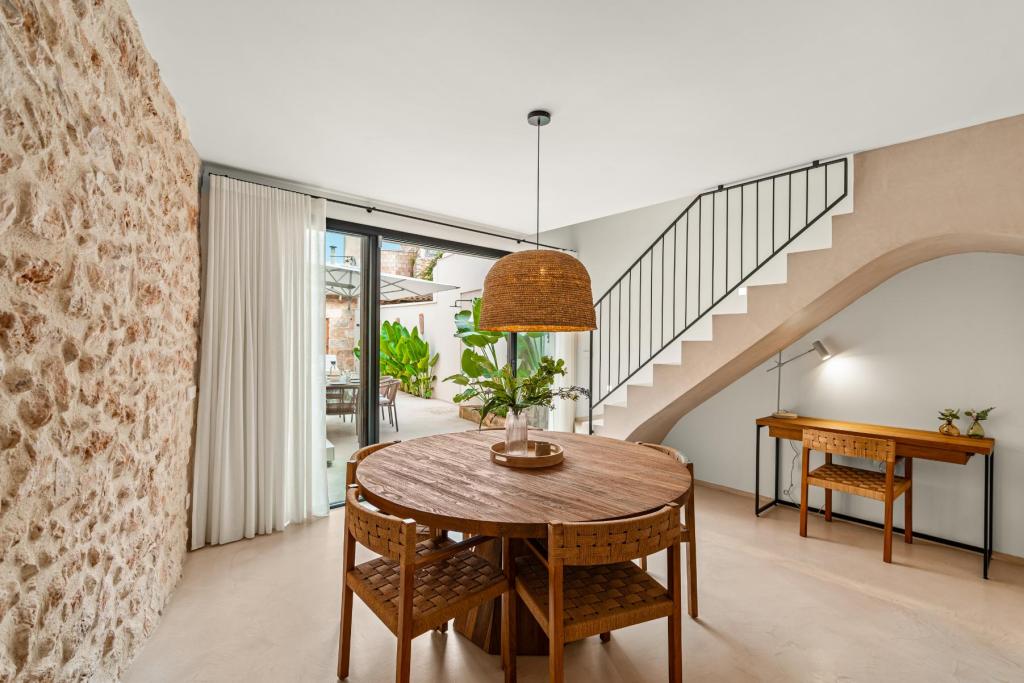
What does the data tell us about how often second homes are actually used—and how does MYNE address the inefficiency of underused properties?
Underuse is one of the biggest structural challenges in the market. Many second homes remain empty for most of the year, creating inefficiencies for owners and contributing to social pressure on local communities. 35% of consumers are concerned about properties sitting empty for much of the year, and 56% support government action to reduce empty homes in popular destinations.
MYNE addresses this by ensuring properties are actively used 85% of the year, with off-season occupancy reaching 60-70%. This is achieved by pairing co-owners whose lifestyles complement each other – whether families, couples, or individuals -making shared use of the property effortless and organic.
This approach aligns directly with emerging consumer trends. 57% of people find year-round active use of properties appealing, with 55% preferring accommodation that encourages longer stays and repeat visits. The idea of a regular “home away from home” is increasingly popular, shifting away from seasonal getaways to meaningful, ongoing engagement with destinations.
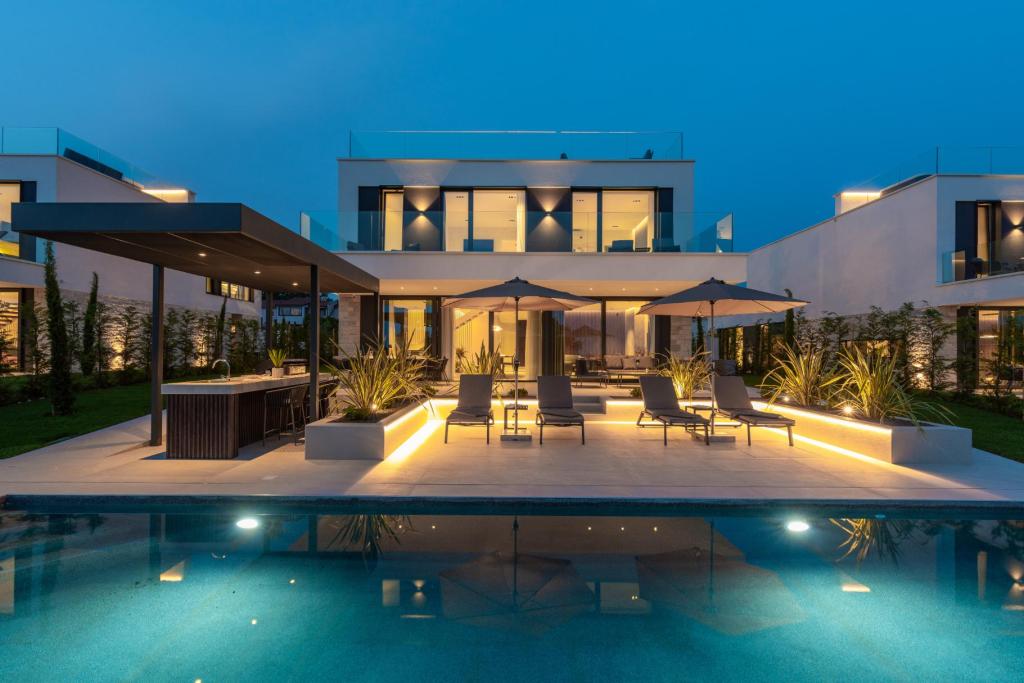
MYNE recently raised €40 million in Series A funding, one of the largest proptech rounds in Europe in 2024. What does that capital allow you to do that wasn’t possible before?
It gives us the firepower to scale what was already working – expand into new markets, accelerate product and tech development, and build the team needed to make co-ownership truly seamless across Europe.
How do you decide which destinations become part of the MYNE portfolio?
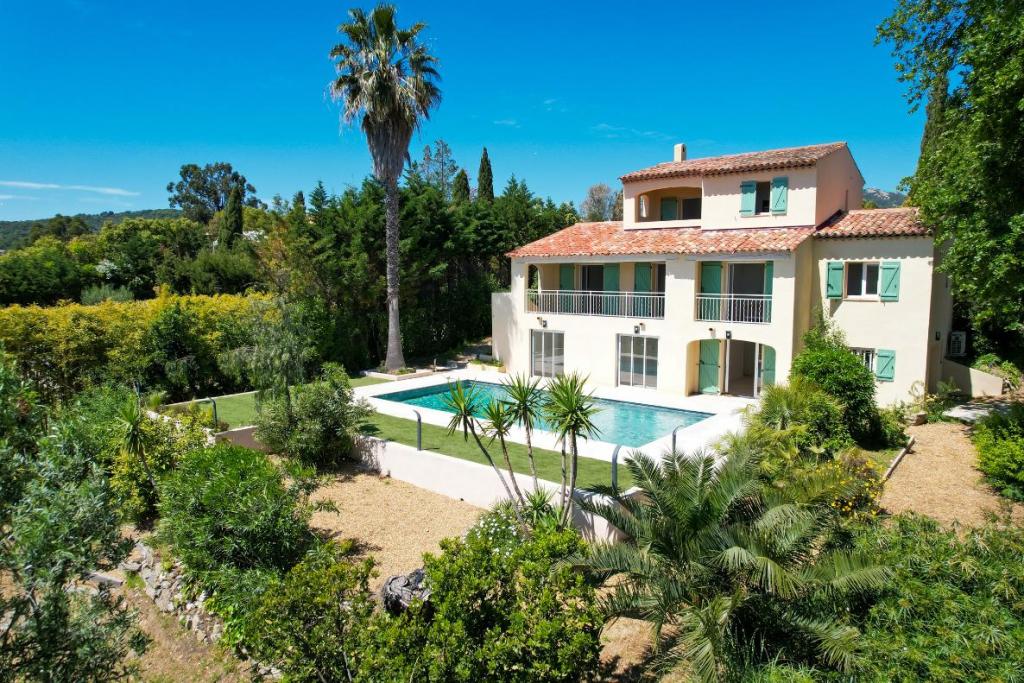
We choose locations based on a combination of lifestyle appeal, long-term property growth, and sustainability. The Mediterranean continues to be hugely popular with UK buyers, particularly in Portugal, where co-ownership demand has grown 104% year-on-year. The Algarve is especially strong, with British demand up 114%. These regions offer the right climate, infrastructure, and lifestyle to encourage repeated use and long-term enjoyment.
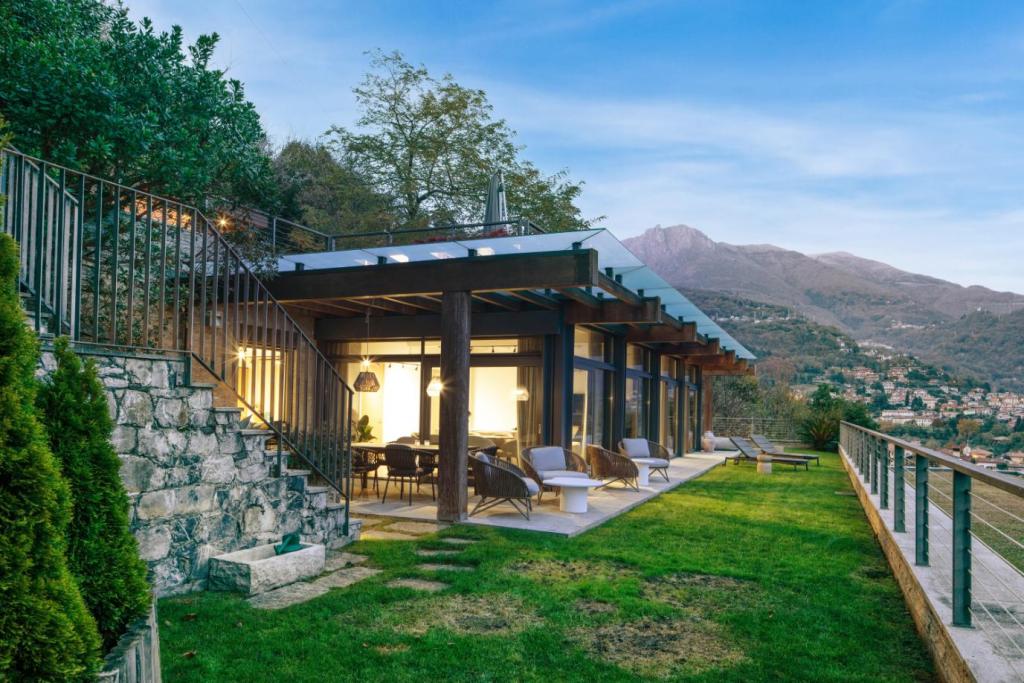
In France and Italy, we focus on areas that combine architectural charm with modern convenience. The French Alps remain resilient markets because of prestige and limited supply. At the same time, buyers on the Italian Riviera are drawn to heritage villas with modern interiors, terraces, and smart-home features. Across all locations, sea views, outdoor space, good Wi-Fi, proximity to beaches, and turnkey delivery remain top priorities for buyers.
 Do you see MYNE primarily as a property company, a technology platform, or more of a lifestyle brand?
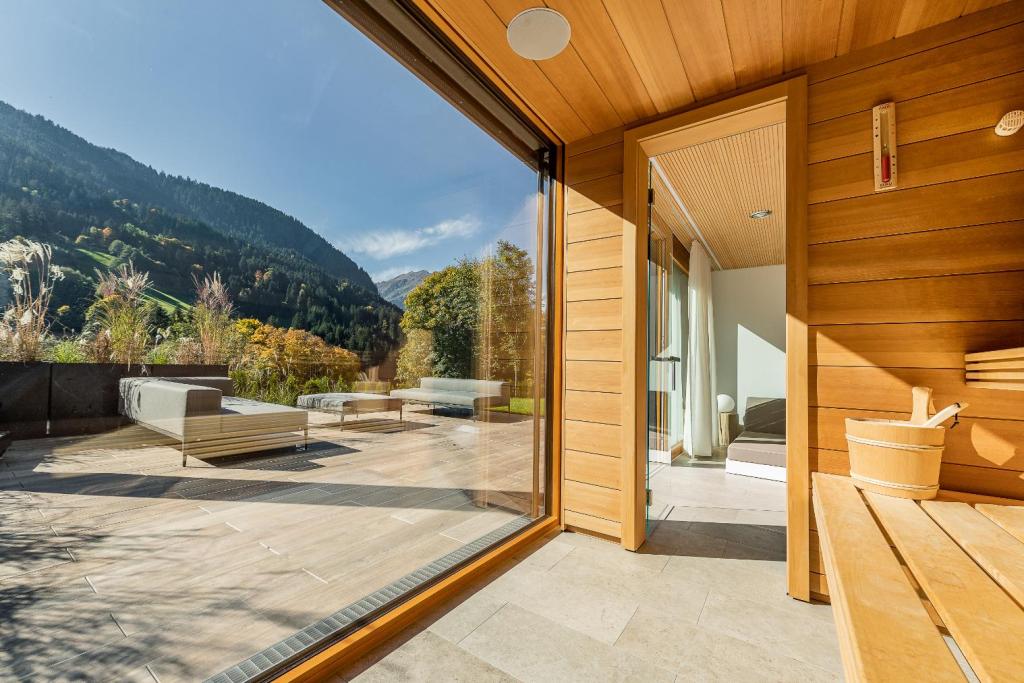
MYNE sits at the intersection of all three. We are a property company because we source and manage high-quality homes in prime locations. We are a technology platform because our app seamlessly coordinates owner schedules, service requests, and property exchanges. And we are a lifestyle brand because we enable people to live more flexibly, enjoyably, and sustainably. Our homes are not just investments; they are hubs for memory-making, community engagement, and hassle-free living.

Sustainability is increasingly important in real estate. How does the MYNE model change the environmental footprint of holiday homes?
Sustainability is central to our approach. By ensuring that homes are used consistently throughout the year, MYNE reduces the environmental and social impact of empty properties. Over half of Brits (57%) want their travel to impact local communities positively, and 56% value supporting local businesses, with 36% willing to go out of their way to do so.
Our model addresses overtourism by spreading visits across the year, ensuring local infrastructure is not overwhelmed during peak periods. We also carefully select co-owners whose lifestyles integrate harmoniously with local communities.
What is next for MYNE?
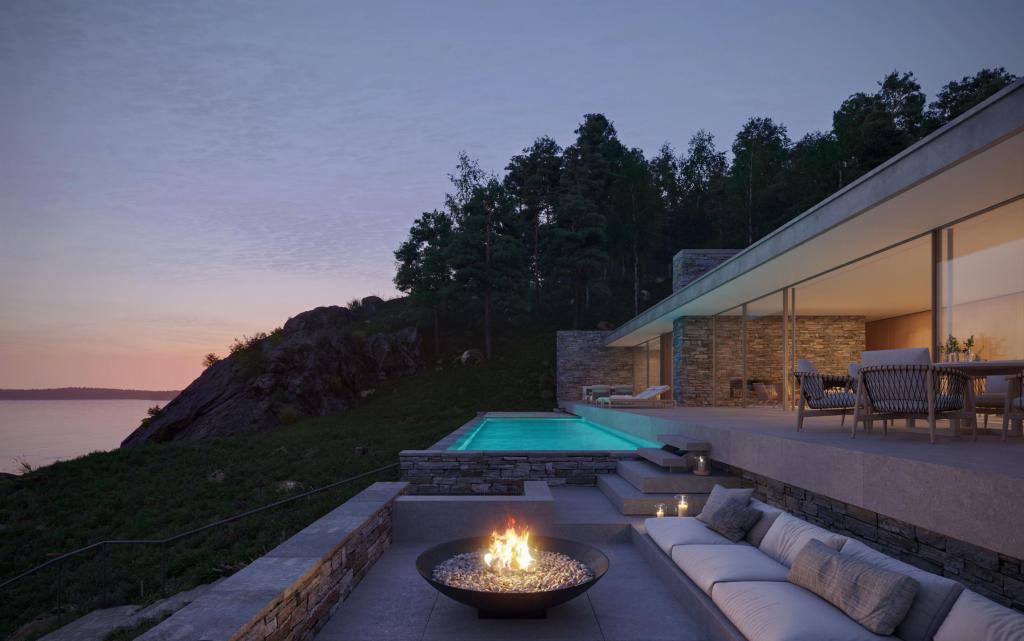
Well, we’re unlocking even more value for our owners through features like holiday exchange – giving co-owners the flexibility to experience different destinations within the MYNE network, not just their own home.
To discover more, visit MYNE
View this post on Instagram
All images courtesy of MYNE.