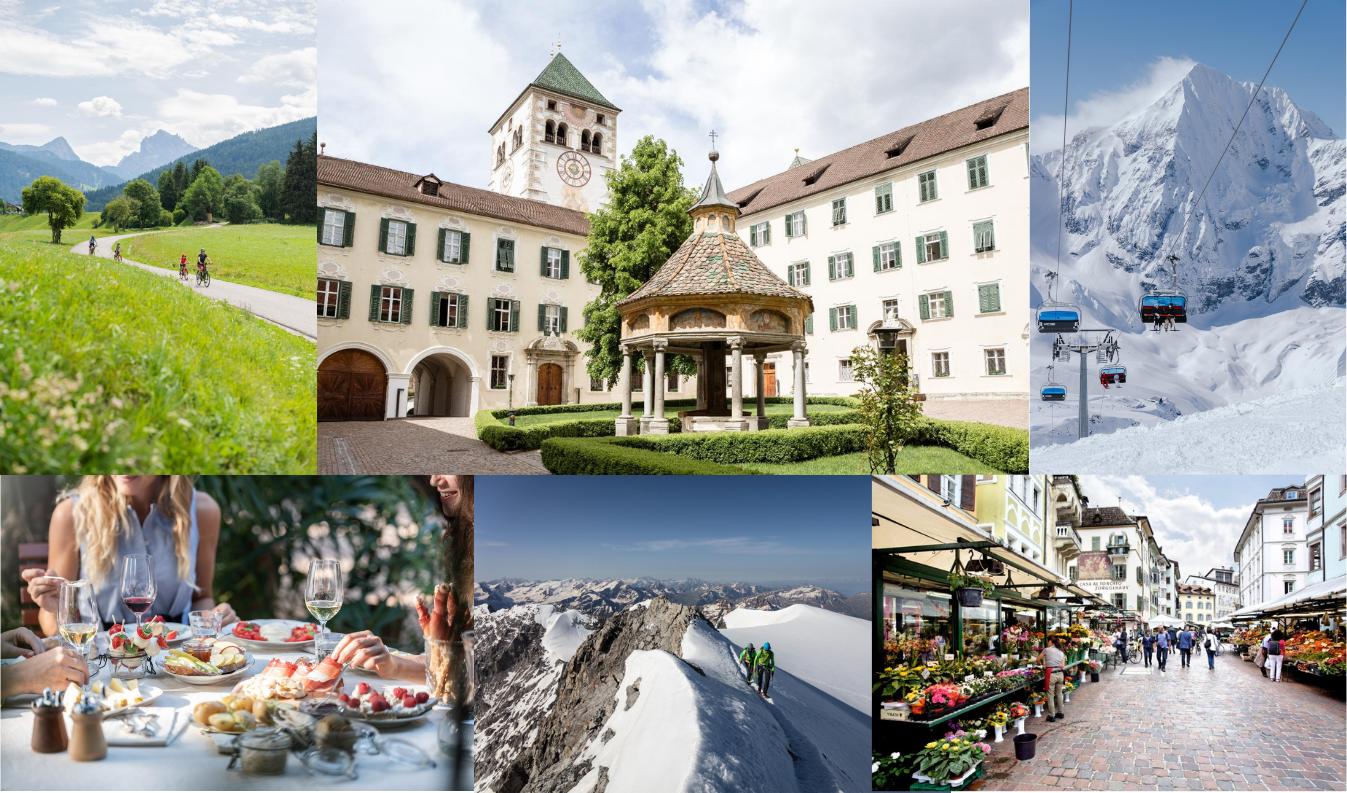
South Tyrol is a place I had heard of, but never quite knew where it was, and yet the name itself doesn’t necessarily give much away. After a bit of research, I discovered that South Tyrol is in the northernmost part of Italy, bordering Austria and Switzerland, and is often referred to as the Apple Basket of Europe.
The closest airport to reach South Tyrol is Bolzano, and there are direct flights from London Gatwick with SkyAlps, operating up to four times a week with fares from around €150 each way. The flight takes approximately 2 hours and 20 minutes, making it a surprisingly quick journey into the heart of the Dolomites. We departed from Gatwick on Sunday at noon and flew with SkyAlps. As a nervous flyer, I was initially intimidated by the plane propellers, which reminded me of something rather vintage. But I couldn’t have been more wrong.
The type of aircraft used to fly to Bolzano is well-suited to the terrain we pass over, making it one of the few planes suitable for the journey. It’s small, seats around 70 passengers, and has a slightly “boutique” and private feel. Not only that, but the airline also serves local South Tyrolean wine and Schüttelbrot snacks on board, which is a big plus. The journey itself is spectacular. We flew over the snow-covered peaks of the Dolomites, then descended into the valley and landed smoothly at Bolzano airport. The flight experience was so pleasant that, in the end, I had absolutely nothing to worry about.

A Warm Welcome in the Antholz Valley
From Bolzano, our driver Alessandro picked us up from the small airport and drove us about 60 minutes through scenic landscapes and the most beautiful pastel sunset to our first hotel of the trip: Hotel Autentis, located in the Antholz Valley close to the Kronplatz ski area in the Dolomites, where rooms start from €120 per night. There is always a sense of excitement when arriving at the first hotel of a trip, and immediately, the place felt warm and welcoming, with smiling faces at the reception desk.
When I swiped my key card and entered my room, I noticed it was an Arolla pine room, which apparently has health-enhancing benefits thanks to the wood’s aroma. My room was equipped with a double bed, couch, TV, a balcony overlooking the green space outside, and even a bus stop that takes you straight to the ski lift. Yes, it really is that convenient. Beyond that were views of the mountains in the distance. It was comfortable, calm, and exactly what you want after travelling.

Before dinner, I had a bit of free time, so naturally I headed to check out the spa. The South Tyroleans take their spa culture very seriously, and I was looking forward to experiencing the same wellness routine as the locals. The Autentis spa offers an indoor and outdoor pool, Tyrolean sauna, bio sauna, tepidarium, steam bath, herbal steam bath, and a Kneipp water basin. The spa rooms are beautiful, with mosaic walls, soft lighting, and subtle scents filling the air.
But what exactly makes a Tyrolean sauna Tyrolean? Well, the temperature sits around 85-90 degrees, designed to strengthen the body, encourage sweating, and revitalise the system. It was hot. Very hot. The idea is that afterwards you take a cold shower and step outside into the fresh air to get the circulation going again. The cold part… I politely skipped.
Dining with Mountain Flavours
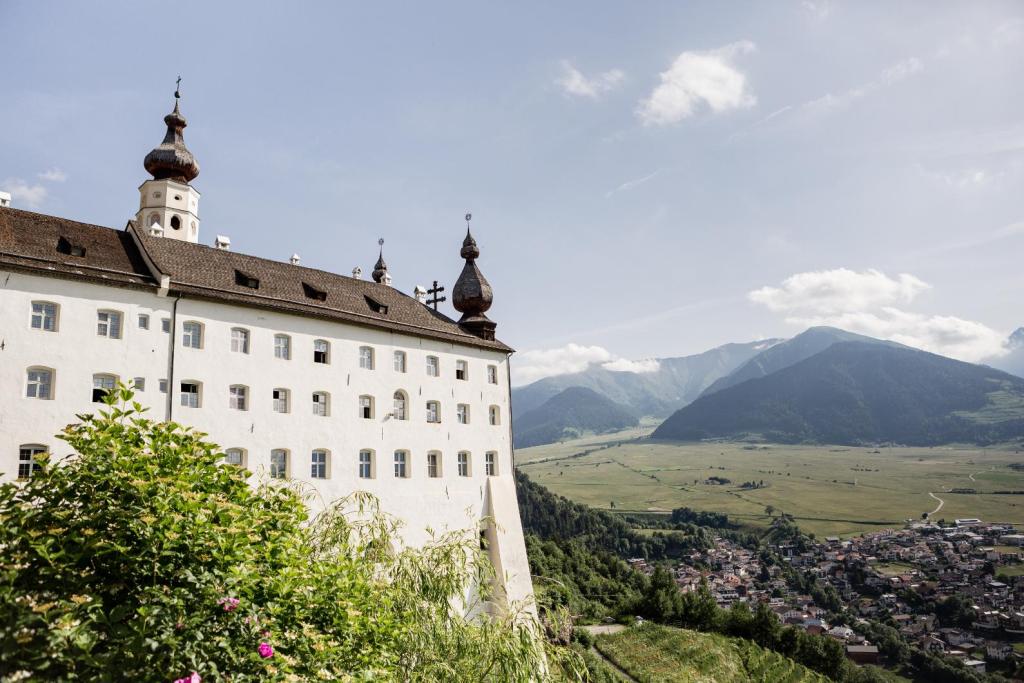
After a quick refresh at the spa, we headed to dinner by car. Just a 10-minute drive from the hotel is Ansitz Heufler by Norbert Niederkofler. As we arrived, I was immediately awed by the building itself. I learned it dates back to 1580, originally built as the residence of the Hohenbühel zu Heufler family. It’s one of those places where time seems to stand still, and history fills the Renaissance walls.
Inside this charming historic building sits both a hotel and restaurant by Michelin-star chef Norbert Niederkofler, and we were very much in for a treat. We first arrived in their lounge bar, which preserves the charm of an old smoke kitchen. Here we tasted our first wine of the region: Brut Rosé Arunda. It was cold, crisp, and floral, with delicate berry notes and a refreshing acidity that kept it lively rather than sweet. Alongside it, we were served two types of deep-fried dumplings with different fillings. One filled with ricotta and potato, the other with fermented cabbage. Despite being fried, they weren’t heavy at all. Light, crisp, and surprisingly refreshing, pairing beautifully with the rosé.

A Tapestry of Distinctly Alpine Dishes
We then moved into the dining room, where every dish is rooted in Alpine tradition. I was about to experience real mountain food for the first time. Different from the richer styles you might find in France or Switzerland, this was Alpine cuisine with its own distinct identity.
We were introduced to Chef Niederkofler’s “Cook the Mountain” philosophy, which honours the surrounding landscape and changes with the seasons. Ingredients are sourced locally from the valley, and many recipes are inspired by generations of Alpine cooking. The food is designed for sharing, which is exactly how we began.
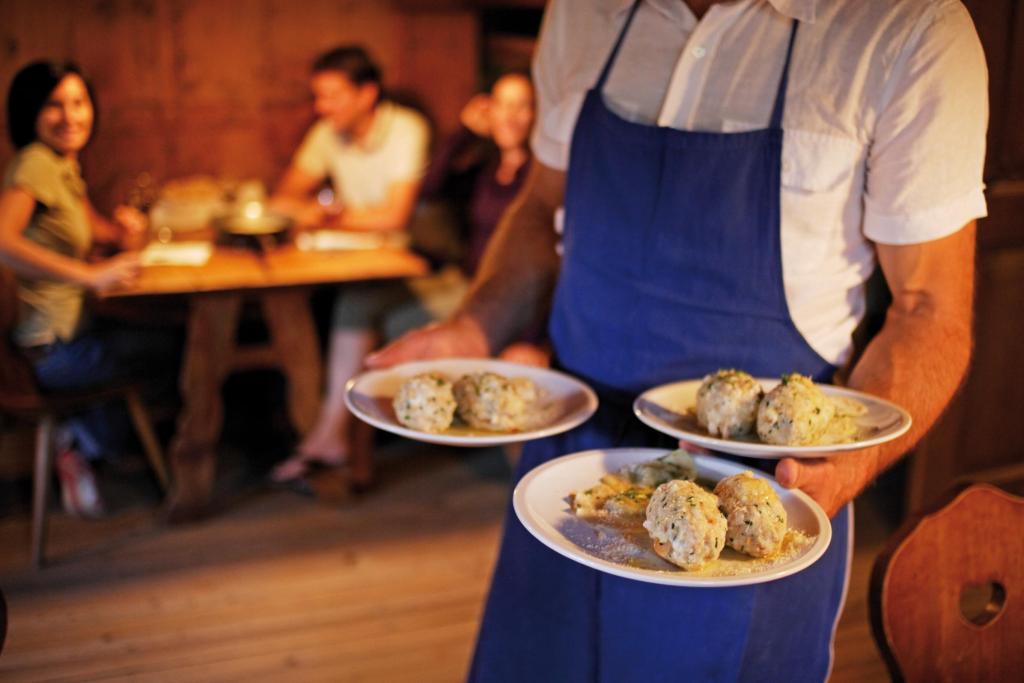
First came thinly sliced calf’s head with vibrant salsa verde and celery, alongside a traditional fried bun topped with game ragout and Genussbunker Pecorino cheese. These were paired with a Pinot Bianco Alto Adige Terlano Riserva, which was elegant and beautifully balanced. Wow, wow, wow. I didn’t know where to start. The calf’s head was surprisingly delicate, slightly salty with a silky texture, while the salsa verde lifted it with fresh herbal notes. The game ragout on the fried bun was deeply flavourful and comforting, with the cheese adding a nutty richness.
Next came Ricotta and Spinach Ravioli and Graukäse cheese risotto, paired with Peter Wachtler Taschlerhof 2024. The ravioli were soft and delicate, and the Graukäse risotto had a slightly sharper Alpine character. The wine was fresh and lively, keeping the dishes feeling light rather than heavy.
For the main course, we had the delicate Char fish with a creamy Bolzano-style egg sauce and stuffed savoy cabbage with Berggenuss cheese, paired with Weingut Michael Puff Pinot Noir 2023, which worked effortlessly with both dishes.
Dessert featured soft, slightly caramelised Tyrolean pancakes with raisins, rum, and lingonberries, and a sweet brioche bun with gelato. The dessert was paired with Pasithea Rosa 2023 sweet wine, which had notes of ripe berries, honey, and rose petals.
By the end of the evening, I was both full and utterly content, impressed by the flavours and creativity of the menu. Every dish was beautifully plated, colourful, and incredibly photogenic. The first dinner of the trip certainly did not disappoint.

The First Run on Kronplatz’s Slopes
After a restful night’s sleep, I fuelled up at the Hotel Autentis breakfast buffet, which was plentiful and had everything you could want to start the day. Just a two-minute walk away was the bus stop Niederrasen Rathaus, which, as I mentioned earlier, sits directly opposite my hotel window. From there, we took the 431 bus straight to the slopes of Kronplatz, a journey of around 15 minutes.
Situated in the beautiful Pustertal Valley, Kronplatz is widely considered one of the best ski areas in South Tyrol. A day skiing here feels incredibly well organised and easy to navigate, with modern lifts and a wide choice of runs for every level. The Dolomiti Superski Pass, starting from around £67 per day, gives access to this area and multiple ski regions across the Dolomites, making it incredibly convenient for exploring. Whether you’re a beginner easing into gentle blues or someone chasing longer red runs, there’s plenty of space to explore. We rented our skis, helmets, and boots and were quickly on our way.
Skiing felt invigorating. The snow was perfectly soft and powdery. I started cautiously on the blue runs before braving a few reds. I was definitely rusty at first, but muscle memory slowly kicked in, and things started to feel familiar again.
At the summit of Kronplatz, surrounded by the dramatic backdrop of the Dolomites, nature and culture come together uniquely. Two museums sit at the top. The Messner Mountain Museum Corones, designed by Zaha Hadid, explores the history and philosophy of mountaineering, and the Lumen Museum focuses on alpine photography.

An Elevated Après-Ski at AlpiNN
For an après-ski lunch, we headed to another of Norbert Niederkofler’s restaurants located directly on the mountain: AlpiNN. The space felt more like a stylish living room than a traditional restaurant, designed as a place where people gather around the table to share food and conversation.
To start, we shared a platter of cold cuts, cheeses, pickled cucumbers, horseradish, and Schüttelbrot, along with Berggenuss cheese fondue, winter vegetables, and crispy bread. Someone at the table ordered sour cream with red onion in saor, cauliflower al josper, and burnt leek, which turned out to be absolutely delicious and quickly became my personal favourite.
For the main course, I had braised beef cheek, polenta, and fried onion, which was so tender that it practically melted with each bite. Of course, this was paired with a glass of rich and beautifully balanced South Tyrolean Pinot Nero Riserva.
Changing Scenery at Hotel Engel
After skiing, we journeyed about 90 minutes to our next hotel in South Tyrol: Hotel Engel Gourmet & Spa. Located in the charming mountain village of Nova Levante in the Eggen Valley, the hotel sits within the dramatic landscape of the Dolomites and close to the Carezza ski area, where we would be skiing the following day. Rooms here start from €148 per night.
Upon first impression, it was clear that this hotel wasn’t simply designed for skiers looking for somewhere convenient to stay. There was something far more elegant about it. From the moment I walked in, the décor, the artwork, and even the scent in the air created a sense of understated luxury, yet at the same time, it still felt cosy and welcoming. The hotel’s charm is reflected throughout the rooms and suites. Warm tones, soft fabrics, and thoughtful details create a calm atmosphere, with wooden furniture, large windows, and sweeping views of the surrounding mountains. It felt very zen.
I checked into my spacious Deluxe Sonnensuite, which had a large balcony overlooking a snow-covered mountain and dense forests stretching out in front of the window. The view alone looked like something straight out of a postcard.
Inside, the room was bright and airy with wooden furnishings and a deep bathtub, which I immediately made use of after the journey. A long soak later, I got ready for what would be one of the most exciting meals of the trip at the hotel’s Michelin-starred restaurant.

Dining in Lightness and Authenticity
Inside Hotel Engel is Johannes Stube, a restaurant holding one Michelin star. At the helm is the talented young chef Philip Lochmann, a passionate advocate for sustainability and local produce.
The dining room itself is beautiful. Small and intimate, where wood, stone, and other local materials blend to give an Alpine warmth. We began the evening at the chef’s table, where we were served a refreshing aperitif and a selection of appetisers presented by the chef himself. It was a wonderful introduction to the experience that awaited us.
Chef Lochmann’s cuisine is light, elegant, and full of flavour, showcasing precise technique and meticulous presentation. Local ingredients, especially seasonal vegetables, take centre stage and are transformed with creativity while still respecting their origins. At the chef’s table, we were presented with wooden boards of cold cuts, vegetables, and butter. The cold cuts are aged in the cellar for around a year and a half, and during the ageing process, the mould is carefully removed before the meat is preserved with salt and spices.
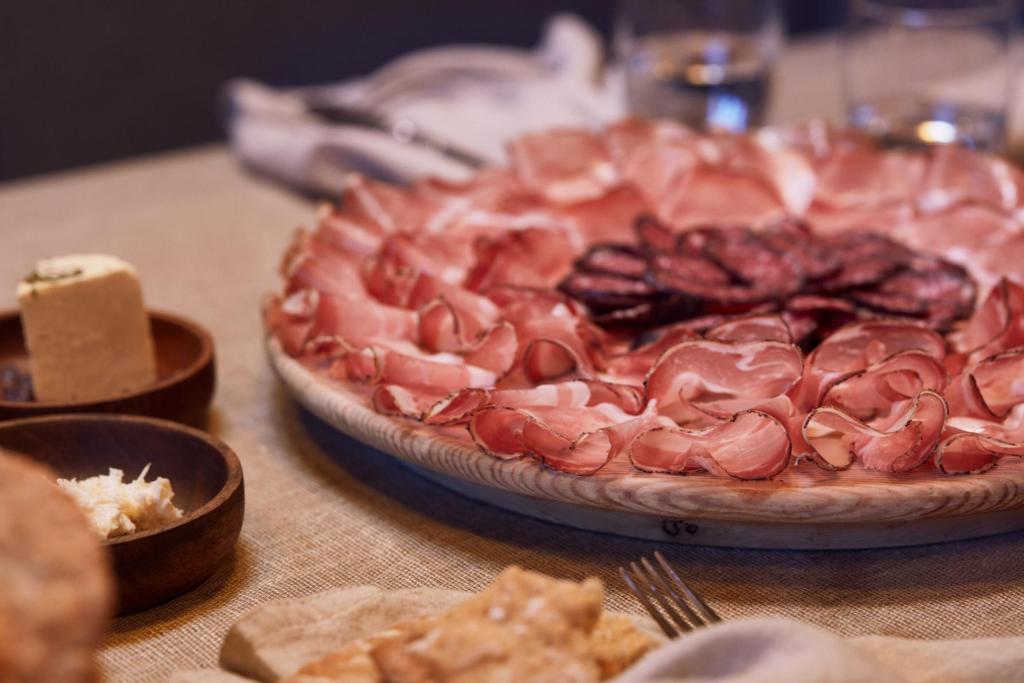
The sausage is smoked and dried for around three weeks using a mix of beef and pork sourced from local farmers in the valley. What makes the process particularly special is the scale. Only a handful of pigs are raised each year in natural surroundings by the river, where they live freely and feed locally. Alongside this, we were served traditional South Tyrolean bread and locally made cottage cheese.
Our first aperitif was Tonic Tyrol with elderflower and lemon, which was fresh and lightly sparkling, with delicate floral notes from the elderflower. Behind the chef’s table were shelves filled with glass jars containing herbs, flowers, and clovers, all foraged locally and used in the dishes. As each course arrived, we were encouraged to smell some of these ingredients, adding another sensory layer to the experience.
The amuse-bouche was a soft homemade sourdough croissant, which the chef ferments over two days. The dough is infused with aromatic herbs from local farmers and filled with a light goat’s cheese foam.
A Taste of the Alpine Winter
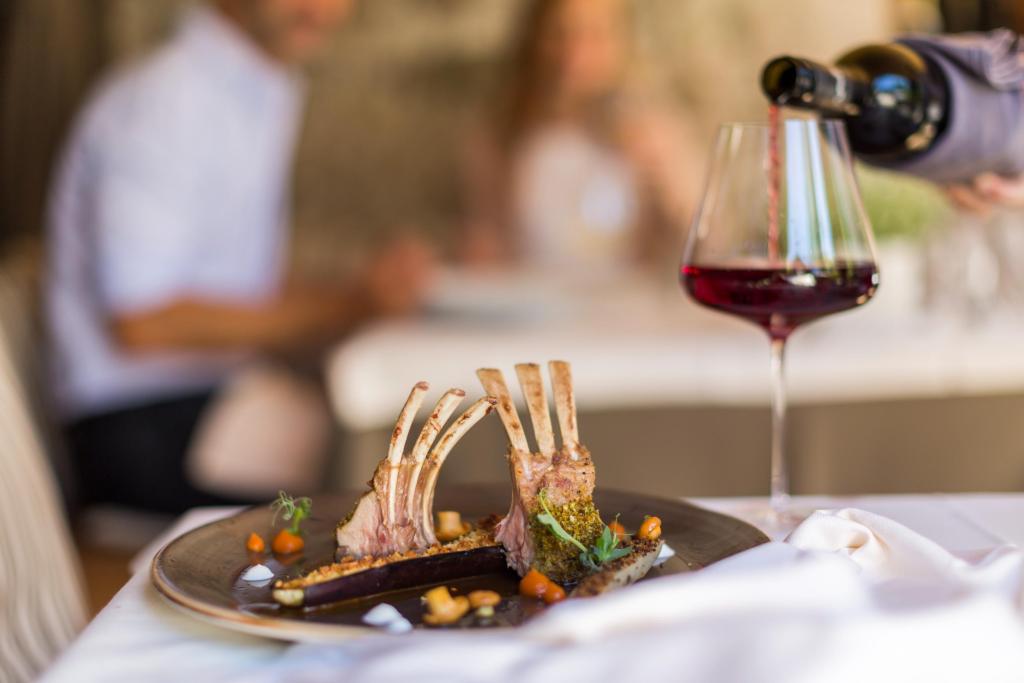
We opted for a four-course tasting menu with wine pairing. The Prologue was a vibrant plate of winter vegetables, including wild asparagus and yellow carrots, fermented in koji flour, which released a subtle spicy note. The dish was served with a very light beetroot broth and a caper made from dandelion blossom seasoned with mustard seeds. It was paired with Metodo Classico “Pfitscher”, which brought bright acidity and fine bubbles.
Alongside this, we were served warm bread with one of the most creative butter presentations I’ve ever seen, served in a glass bowl topped with dried flowers and spices. Then there was a small candle made of cow fat and lit at the top. As it slowly melted, you spread it over the warm bread.
Next came a carpaccio of fermented vegetables with vegetable jus and herb oil, fermented in apple juice before being delicately arranged on the plate and finished with olive oil and vegetable jus. This was paired with Von Payr Chardonnay Riserva DOC, which added notes of ripe apple, citrus, and a touch of creaminess, complementing the dish’s acidity.
For the starter, we had beetroot essence with yoghurt and woodruff, which was poured from a jug at the table. The beetroot essence was delicate yet intensely flavoured, earthy and slightly sweet. The wine pairing was Sauvignon Quarz 2021, which was vibrant and aromatic, lifting the entire dish.
For the main course, I chose Alpine char poached in mountain herbal tea, served with spruce shoots, a nettle taco, and wild herb salad. The char was beautifully tender with a clean flavour enhanced by the herbal tea. The Dolomytos Weisswein, Vino Bianco 2015, was complex with herbal and mineral notes that echoed the mountain flavours on the plate.
The pre-dessert was an elderflower and berry sorbet with crumble at the bottom and a thin chamomile gel wrapped over the top. It was served with homemade ginger beer. This was so light and refreshing, and the crumble added texture. The ginger beer added a lively spice that made the whole combination feel cleansing.
For dessert, I had “A Walk Through the Winter Forest,” a dish designed to resemble a miniature woodland landscape with edible soil, stones, and moss. It looked almost too beautiful to eat. Despite its playful appearance, the dessert was so refined. The “soil” had a rich chocolate depth, the moss was light and airy, and the forest elements added subtle herbal flavours. This was paired with Franz Gojer Glogglhof fortified wine, which had deep notes of dried fruit and caramel.
After nearly five hours of dining, we were invited back to the chef’s stone table, where we finished the evening with petit fours and traditional South Tyrolean sweets.
Reflecting on Hotel Engel
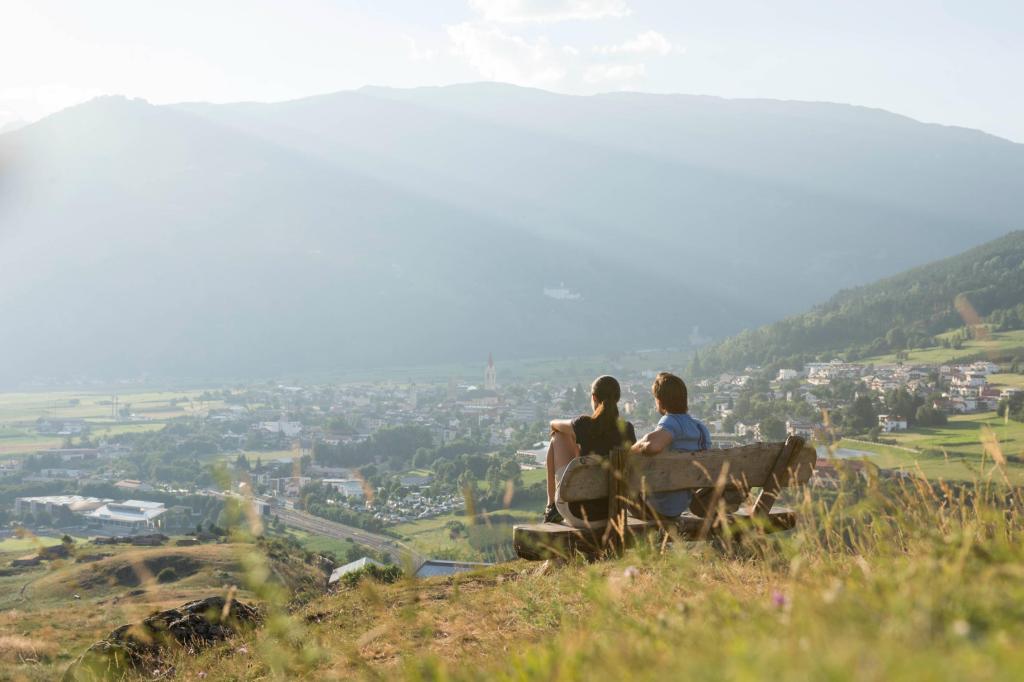
Overall, the experience was absolutely exceptional. Every detail felt intentional, from the storytelling behind the ingredients to the presentation on the plate. What stood out most was the team’s passion for working in the restaurant. Every member of staff was incredibly knowledgeable and genuinely enthusiastic about the food, the region, and the philosophy behind it. It was a dining experience that felt deeply connected to the mountains surrounding it. It was a very memorable way to end the second day of the trip.

Day Three: A Fairytale Encounter with the Myths of Carezza
After a solid night’s sleep (I genuinely slept like a baby), I was up and ready for day two of skiing. I was still so full from the night before that breakfast felt slightly ambitious, although there was another day ahead to experience the hotel’s breakfast buffet. Instead, I had an excellent cup of coffee and joined the rest of the group. From the hotel, we drove just two minutes down the road to the ski rental shop, then another five minutes up to the ski lift to begin the day. What made it even more special was that we were accompanied by former world champion skier Karoline Pichler. What a treat and an honour. We were in for a very good day.
Carezza sits beneath the dramatic peaks of the Catinaccio and feels like a place where adventure and folklore blend. Legend has it that this is the realm of King Laurin, a mythical dwarf king from Alpine legend, and nearby lies the enchanting Lago di Carezza, said to be home to a water mermaid in local stories.
But mythology aside, Carezza is also a paradise for outdoor lovers. Skiers, hikers, mountain bikers, and sledgers all come here for the spectacular landscape and pristine mountain air. The scenery feels wonderfully untouched, with sweeping views of the Dolomites that can quite easily stop you mid-sentence. We split into smaller groups, and I ended up skiing with Karoline alongside another person from our group. We started with a series of blue runs, easing into the day, but before long, we had progressed onto reds.
By day two, I felt much more confident on my skis, and it made such a difference. Instead of cautiously focusing on every turn, I could start enjoying the surroundings, and they were incredible.
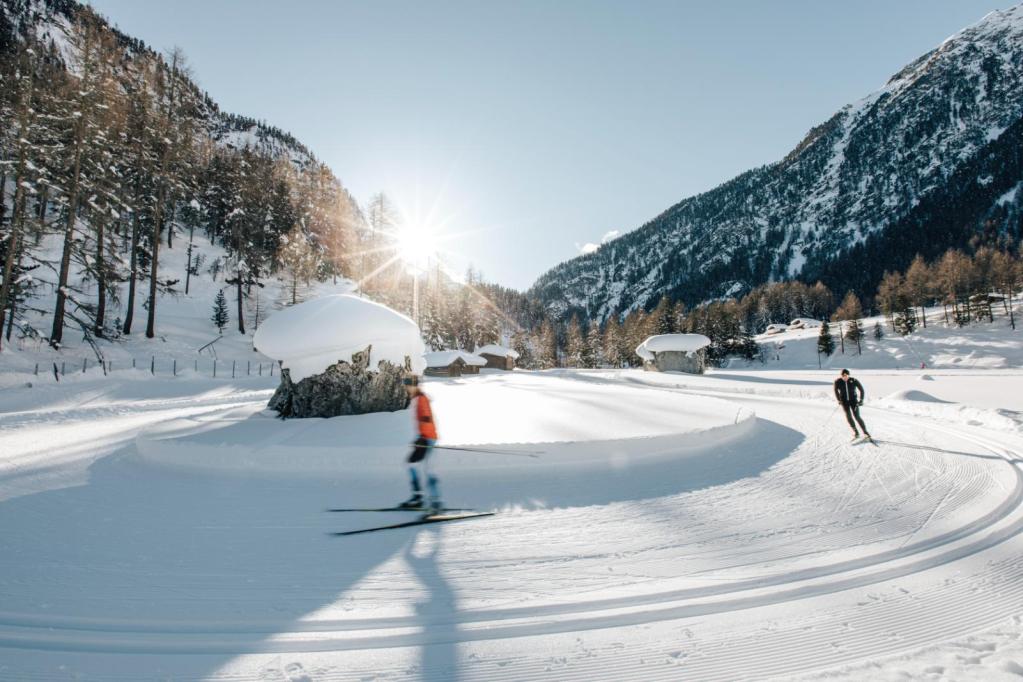
We skied along trails winding through tall pine forests with the dramatic peaks of the Dolomites rising all around us. It felt peaceful and exhilarating all at once, the only real sounds being the crunch of snow beneath our skis and the occasional burst of laughter from our group. Karoline was also kind enough to stop and take videos of us skiing, which was both encouraging and slightly nerve-wracking, knowing a world-class skier was watching.
Another great bonus was that the ski pass we had used at Kronplatz also worked here in Carezza, making it easy to explore multiple ski areas in the region under the Dolomiti Superski network. The more we skied, the more confident I became. My turns felt smoother, my speed slightly faster, and the nerves I had felt on the first day had mostly disappeared. It was one of those moments on a ski trip when everything suddenly clicks.
Aperol at 2,334 Metres
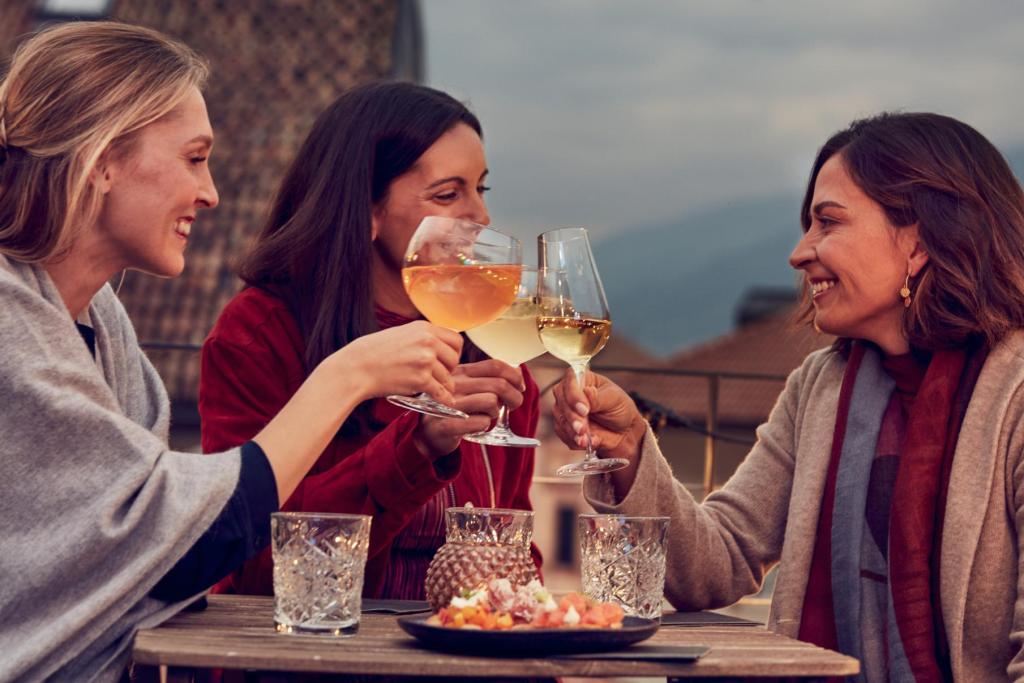
For lunch, we headed to Laurins Lounge, South Tyrol’s highest panorama lounge, sitting at 2,334 metres above sea level. The views alone are worth the visit. I started, naturally, with an Aperol Spritz (as you do when skiing in Italy). Bright orange against the snowy mountain backdrop felt like a very appropriate colour palette. For food, I ordered tagliatelle with ragù, finished with a generous snowfall of Parmesan cheese. After taking far too many photos of the mountains and the view, we headed back out for more skiing.
Facing The Black Run
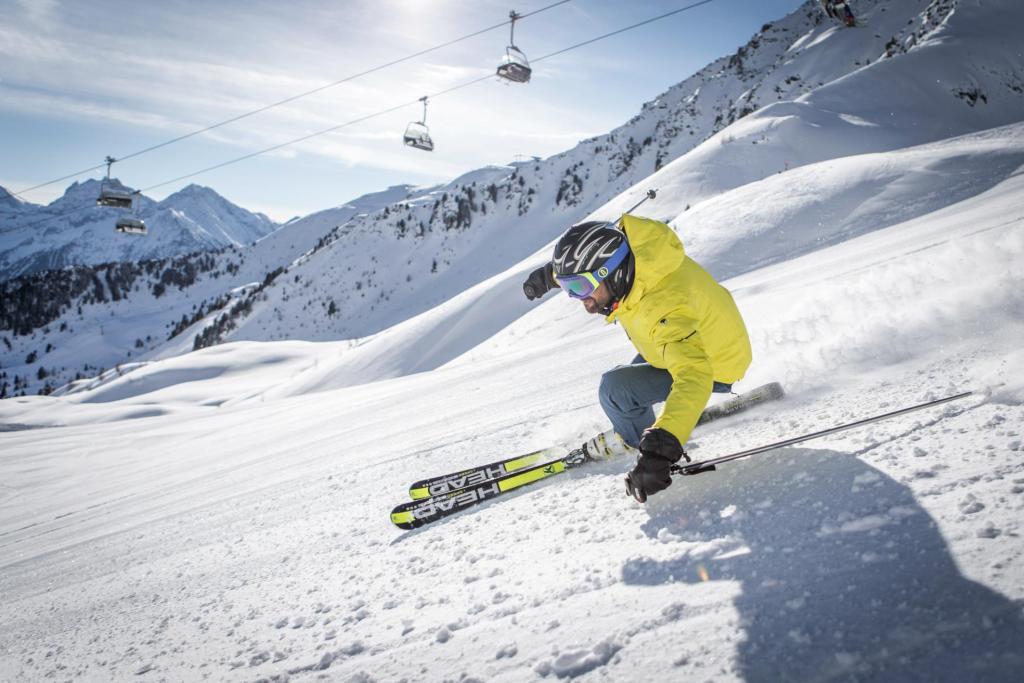
Then something slightly unexpected happened. I did my first-ever black run. Yes. Really. And unbelievably, it was straight after lunch, which in hindsight is slightly mad considering I had been joking earlier that morning about gently easing myself into the blue runs. But no. Instead, I found myself standing at the top of the steepest slope I had ever attempted. With a lot of encouragement from Karoline, I pushed off. The first few turns were… intense. But slowly I found my rhythm, focusing on each turn and trying not to look too far down the slope.
And then suddenly, I was at the bottom. The feeling of achievement was incredible. It wasn’t just physical, it was mental too. That small moment of pushing through the nerves made all the red runs afterwards feel almost easy by comparison.
Hands-on Tyrolean Cooking: The Knödel Workshop
One of the most memorable experiences of the trip was visiting Kronlechnerhof Farm for a traditional Knödel workshop. Our host, Anna-Maria, is a farmer with a real passion for what she does. On her farm in Nova Levante, she cares for a variety of animals, and in the summer months her garden bursts with colourful vegetables, herbs, and fruits that she grows herself. After a short tour around the farm, it was time to get hands-on in the kitchen.
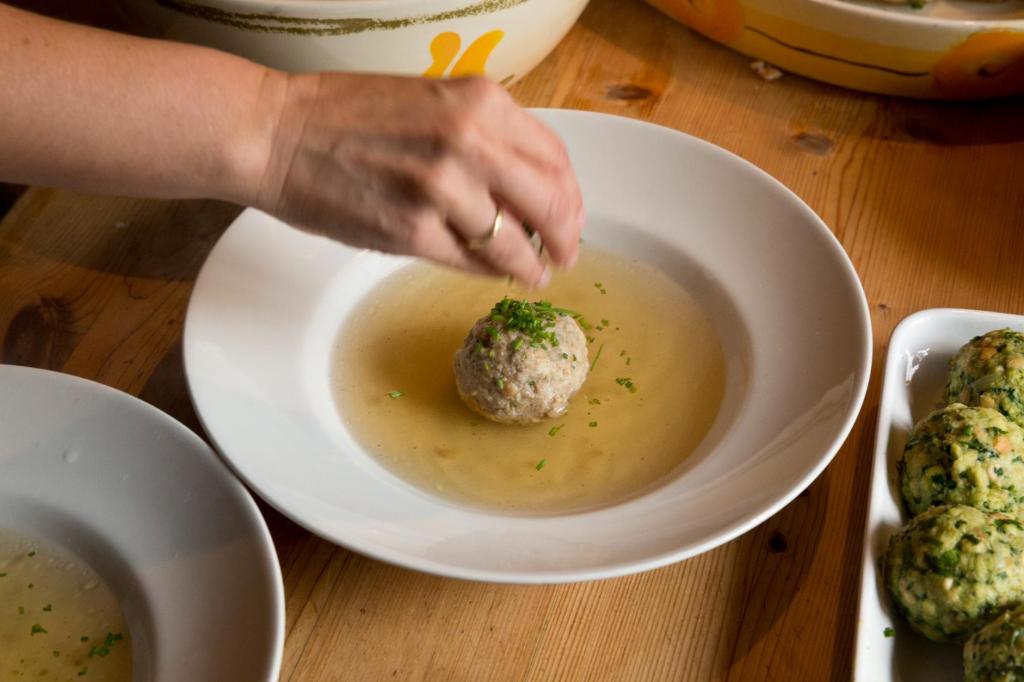
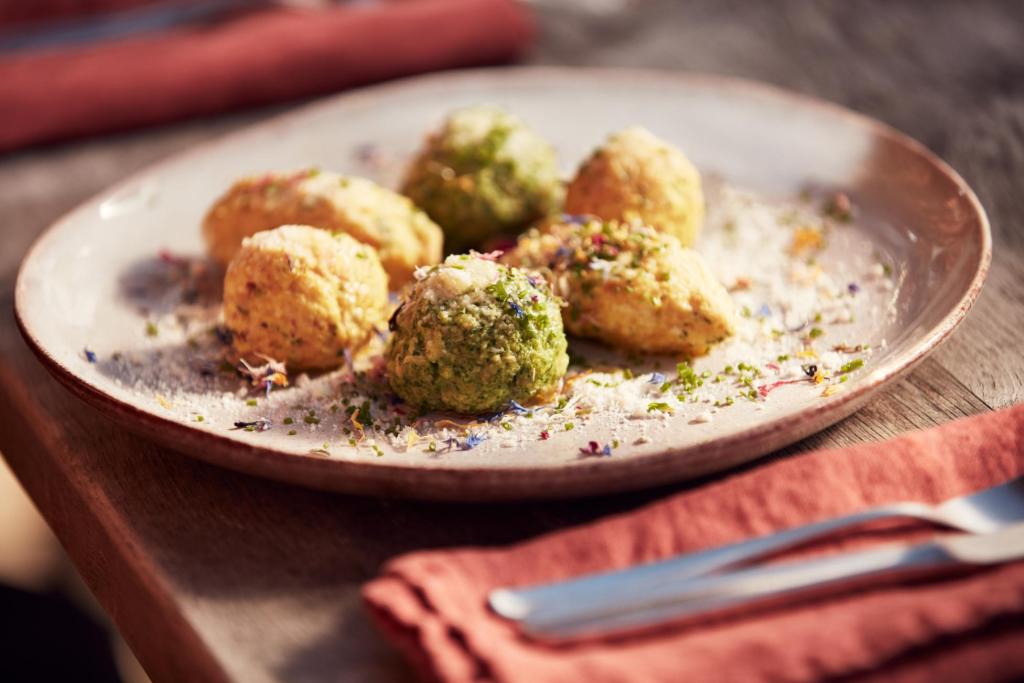
Under Anna-Maria’s guidance, we learned to prepare different types of South Tyrolean dumplings, using ingredients sourced directly from the farm. It felt like stepping into a true piece of South Tyrolean culinary tradition, one that has clearly been passed down through generations. Soon we were all gathered in her kitchen, rolling and shaping dumplings together. We made several varieties: one filled with cheese and pancetta, another with spinach, and a vibrant beetroot version.
Once everything was cooked, we sat together at a long wooden table, beautifully handmade by her family, to enjoy what we had prepared. The dumplings were simple, hearty, and incredibly satisfying, and of course, the best part was that we could take the recipes home with us.

A Farewell Meal on the Slopes
After our Knödel workshop, we jumped back in the car and drove just ten minutes to Hotel Sonnalp, perched right on the ski slopes. The hotel has a luxurious yet cosy charm, with a lounge fireplace that immediately makes you want to curl up. I have to say, the swivel chairs were some of the comfiest I have ever sat in.
We started the evening with an aperitif in the lounge before being escorted to the hotel’s Gault&Millau-awarded restaurant, run by head chef Martin Kohl. Everything on the menu comes from the region or northern Italy and from local farmers, producers, and the hotel’s own herb garden. Chef Kohl cleverly combines regional and Italian cuisine with a subtle Alpine touch.
We were first served a selection of amuse-bouche to whet the appetite, and the highlight was the silky and rich chestnut soup with salami. For the main course, I had a beautifully grilled freshwater fish accompanied by a buttery potato purée. We shared a bottle of Sudtiroler Blauburgunder 2021 at the table, a Pinot Noir which had a velvety finish and paired nicely with the fish without overpowering it. We finished lightly with a lemon and vodka sorbet, which was refreshing and cleansing, a perfect way to end the meal.
A Slow Morning in South Tyrolean Style
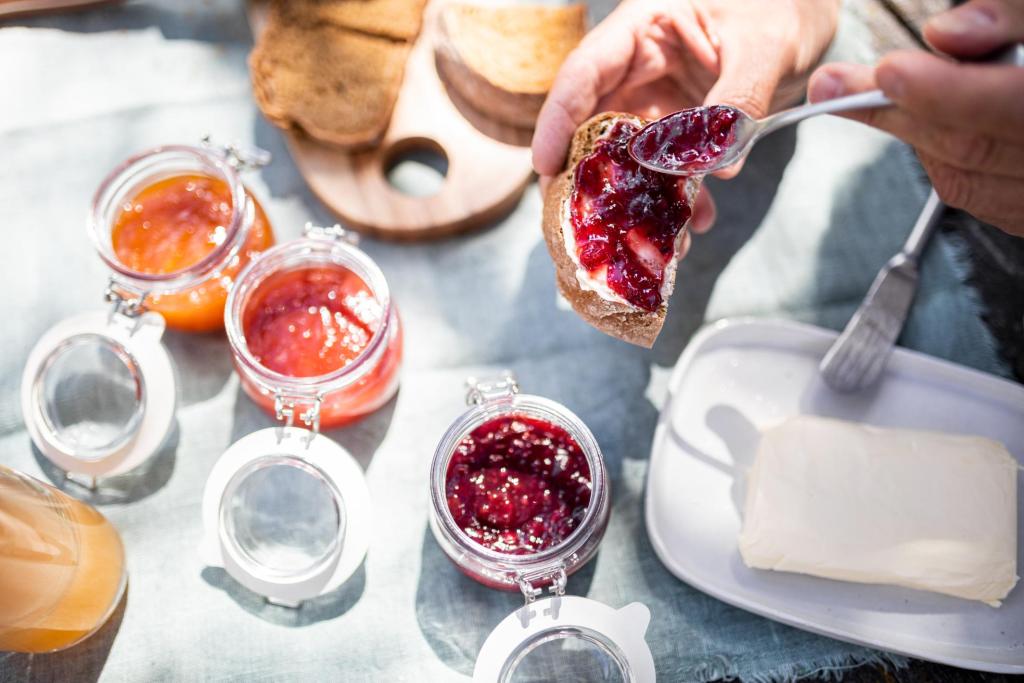
The next morning, I finally indulged in the hotel’s breakfast buffet as promised. It was an impressive spread with a live cooking station for omelettes and eggs your way, a bakery section filled with both Italian and South Tyrolean pastries, and a colourful display of salami and cheeses. And yes, the coffee, which is hands down the best I had in South Tyrol… was excellent.
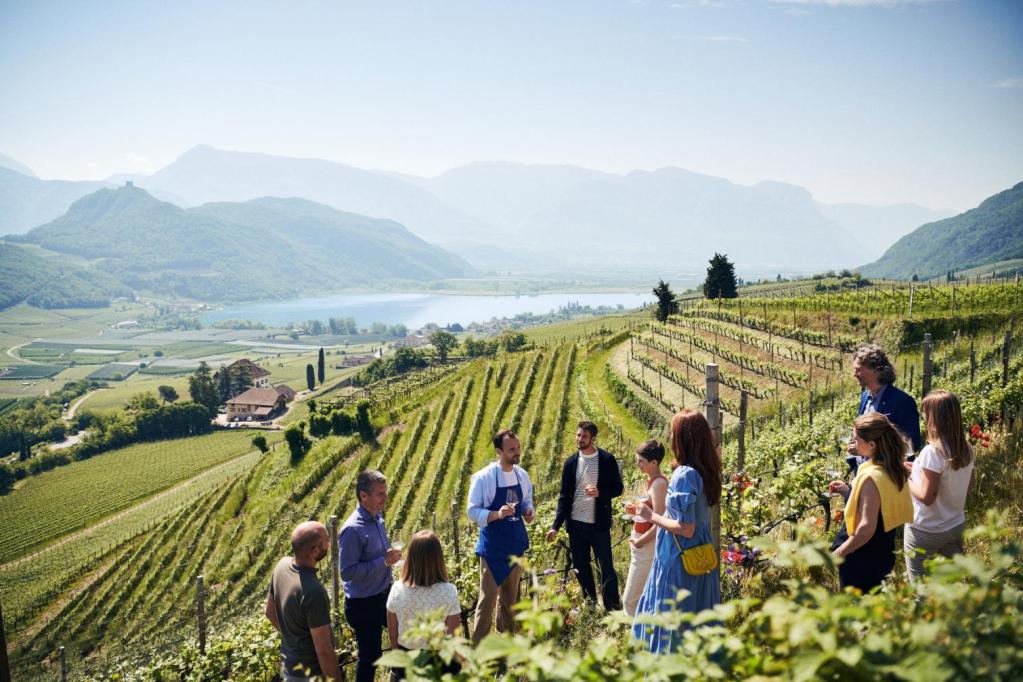
After breakfast, we made a stop at Pitzner Winery and Suites, perched on the hilltops of the valley just below Castel Cornedo. The Pitzner brothers manage nine individual vineyards across nine hectares of land. We were lucky enough to be given a private tour of one of their vineyards, followed by a tasting of one of their beautiful rosé wines.
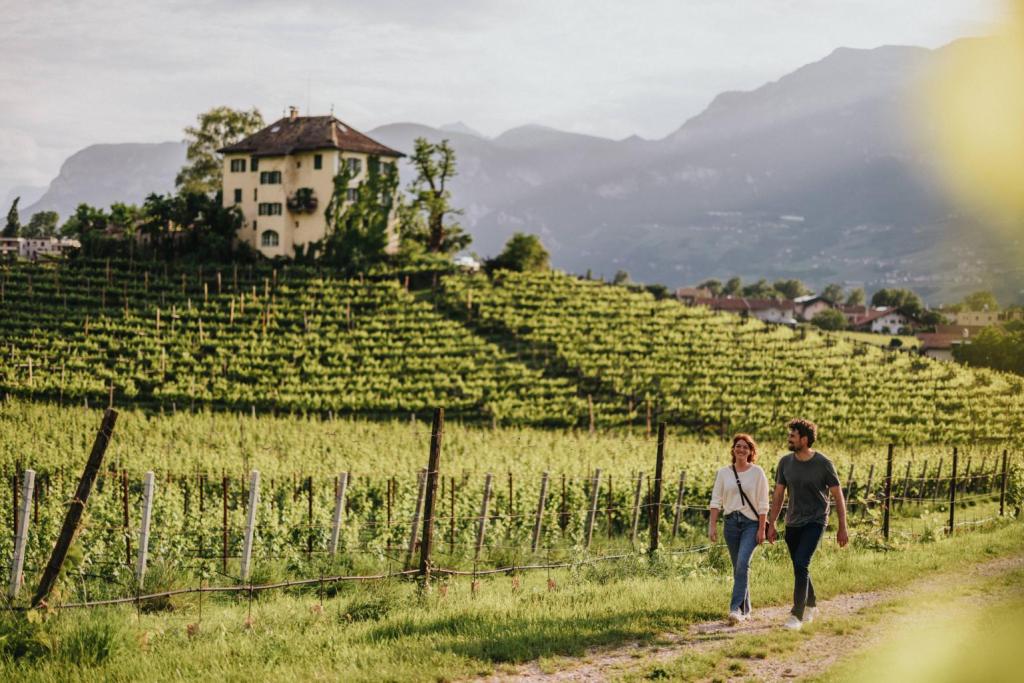
The morning sun lit up the vineyard perfectly as we learned about the soils, the healthy medium-aged vines, and the special microclimate that makes these wines so distinctive. Next, we explored the ancient underground wine cellar, with walls over 700 years old. It was a treasure trove of bottles from around the world, all collecting dust but preserving stories of wine-making history. Fascinating doesn’t even begin to cover it.
Finally, we sat at a long wooden table in their enoteca for a tasting of eight Pitzner wines, paired with traditional South Tyrolean Schüttelbrot. The wine that stood out to me was “The Flatterer” Lagrein Riserva LG22, which had an intense aroma of ripe berries and subtle tobacco notes. I happily purchased it to bring back to London.

With South Tyrol in Our Hearts, We Depart
By the time we arrived at the airport, we were jolly, light-headed, and ready for the flight home. More wine was served at the airport, and by the time we boarded, the plane’s take-off barely registered.
Overall, my trip to South Tyrol was unforgettable. I felt as though I had stepped into a world I had never known existed, yet one that felt immediately welcoming. South Tyrol is different. It’s authentic, premium, high-quality, with a charm all its own. There are no mainstream shops, no flashy trends, just genuine Alpine life and flavour.
One thing that makes travelling around the region particularly seamless is the South Tyrol Guest Pass, which, depending on where you stay, is often included. It offers free access to public transport and, in many cases, complimentary or discounted entry to museums and local activities, making it an incredibly valuable addition to any trip.
Would I go back? Absolutely, without a second thought.
To discover more, visit Südtirol
View this post on Instagram
All imagery courtesy of Südtirol.