There’s a certain kind of hush that rests over Rome just before the city fully wakes – when the cobblestones still hold the cool of the night, and the fountains speak louder than any traffic. It was in that in-between hour that I first arrived at Orient Express La Minerva, experiencing the moment I had been craving from the beginning. Tucked just behind the Pantheon, where centuries seem to fold in on themselves, time moves with a softer, more deliberate rhythm.
From the outside, the hotel doesn’t announce itself with grandeur so much as quiet confidence. It feels less like entering a place to stay and more like stepping into a continuation of Rome’s story – but with a uniquely luxurious hint. Inside, the air carries a blend of polished wood, lingering moments from La Dolce Vita Orient Express, and something indefinable Roman: a sense of history that isn’t preserved behind glass, but lived in.
The hotel is orchestrated by Maestro General Manager Filip Boyen. He brings to La Minerva the rare perspective of someone who began his career in hospitality from the heart of the kitchen. Having started as a chef, his understanding of luxury is rooted not only in service and structure, but in flavour, craft and the emotional power of a beautifully delivered moment. His deep affection for Italy has shaped this latest chapter, particularly through his work helping to launch the La Dolce Vita Orient Express, a project that celebrates Italian glamour, romance and slow travel at its most cinematic. Now at the helm of Orient Express La Minerva, Filip channels that same love of Italy into the hotel, blending Roman heritage with the brand’s legendary spirit of elegance and adventure.
The Experience of La Minerva
We were staying for one night before our two-night journey aboard La Dolce Vita Orient Express. It felt like the only right way to immerse myself in the experience. This palace was created in the 17th century, and it blessed Rome with a quiet embrace. Historically hosting a variety of aristocrats, writers, and significant cultural figures, I can attest that this hotel perfectly combines preserved history with modern refinement.
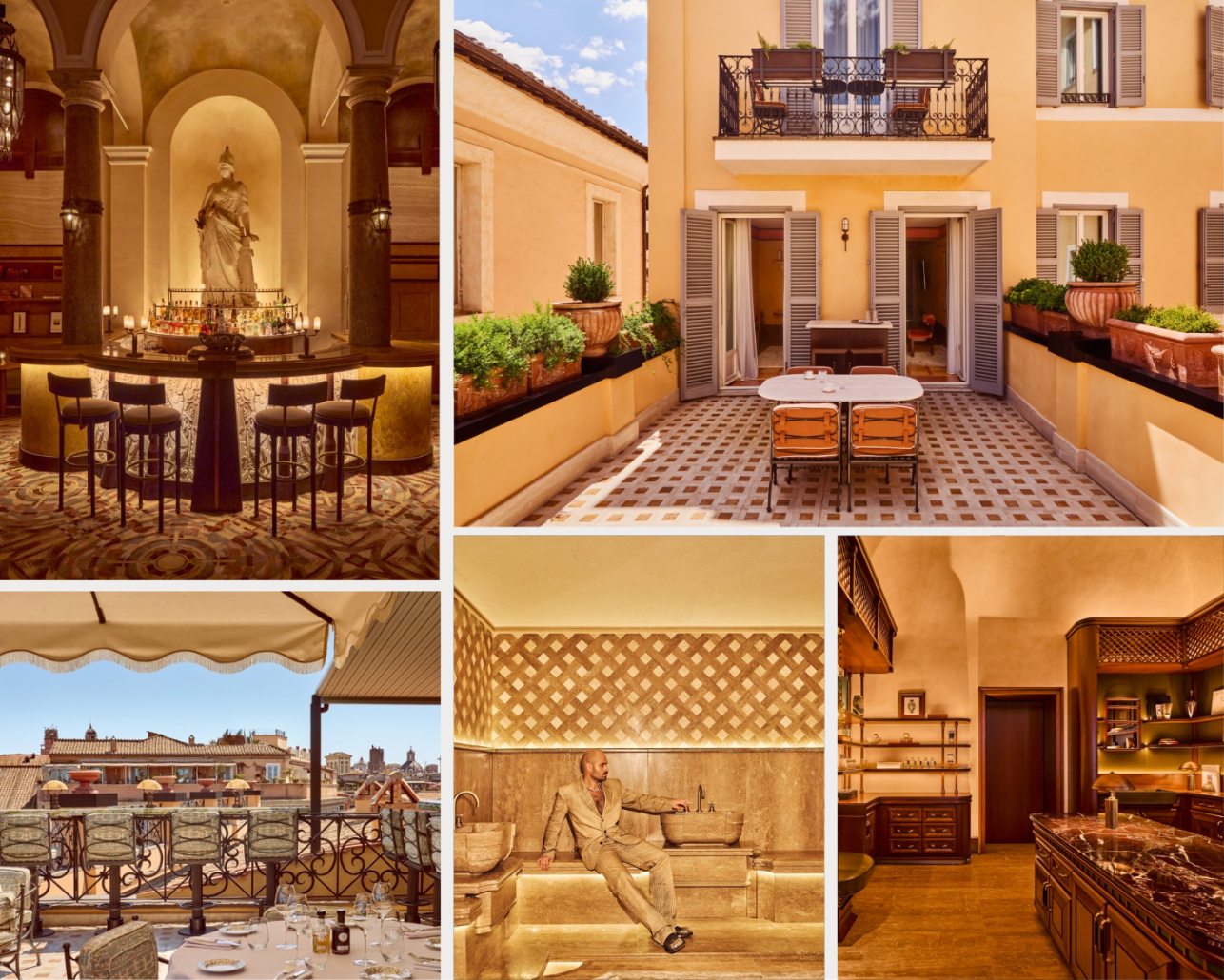
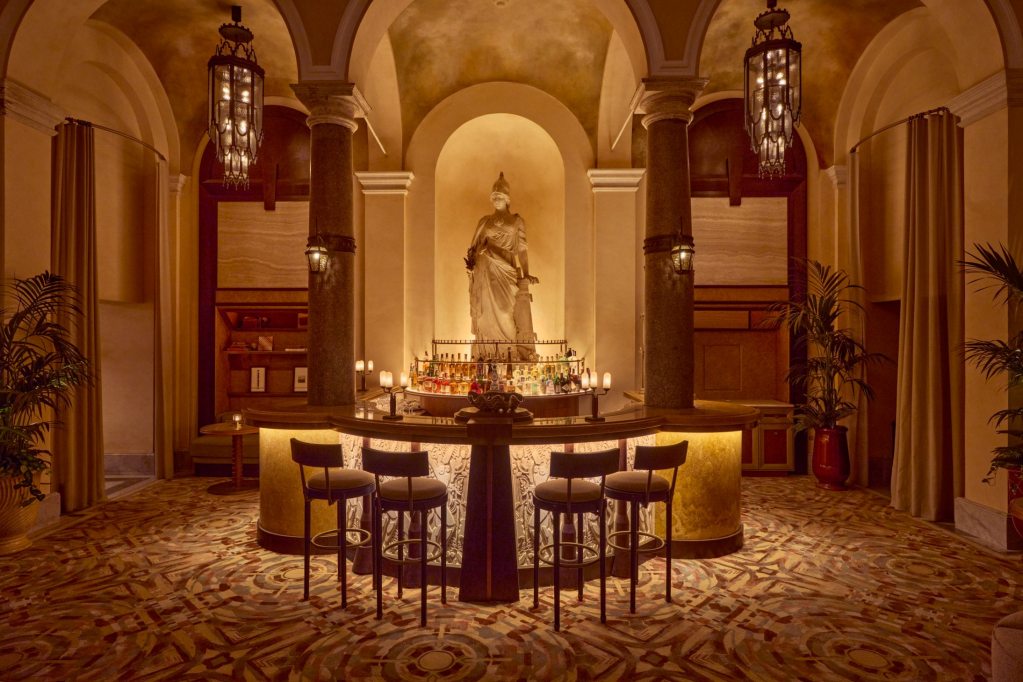
From the moment I entered the lobby, it was clear that Rome’s iconic past is blended with an exciting future right before my eyes—frescoed ceilings, rich materials, and a sense of timelessness reimagined with contemporary ease.
This is a place where the city feels immediate but never overwhelming. I found myself able to balance a quiet retreat with an exhilarating immersion into Roman culture. There’s an effortlessness to it—the hotel doesn’t separate you from Rome, it filters it, softens it, and lets you experience it on your own terms.
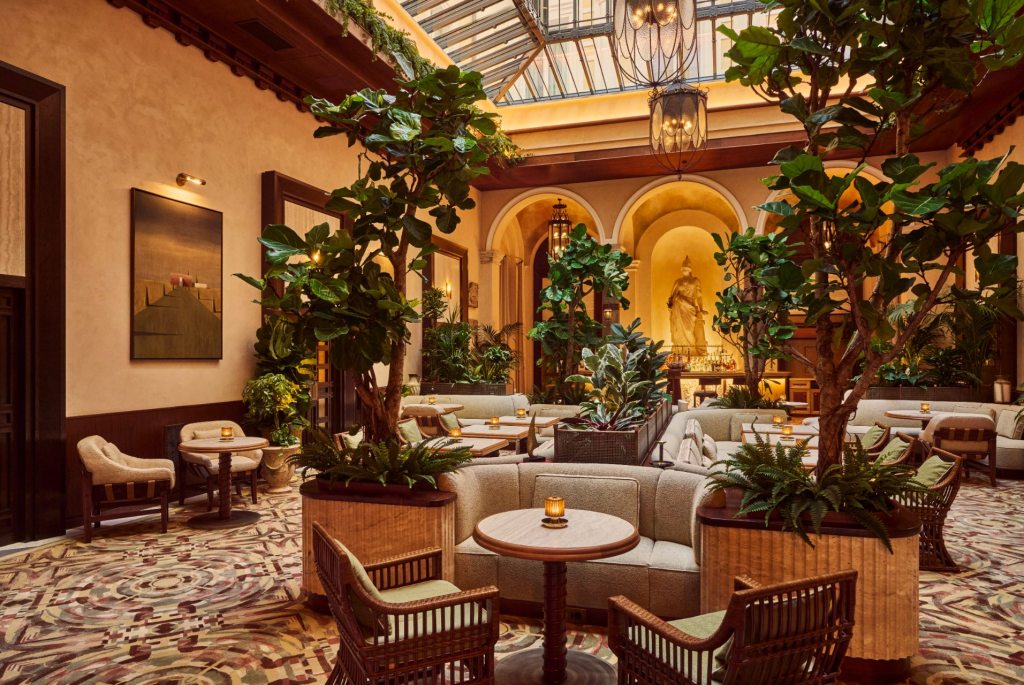
Signature experiences are something this hotel prides itself on, and I can confidently say they do them well. I began my evening with a pre-dinner drink at La Minerva Bar, the social hub tucked within the beautifully designed lobby. It was the perfect way to ease into the space’s rhythm. From there, I made my way up to Gigi Rigolatto, the rooftop restaurant, where panoramic views of Rome unfold in every direction.
The best part of this experience was that I could enjoy the authenticity of this Italian metropolis right from my hotel or venture outward with the utmost ease, thanks to its pristine location. The choice was mine, and, truthfully, not an easy one to make.
Where Rome Unfolds
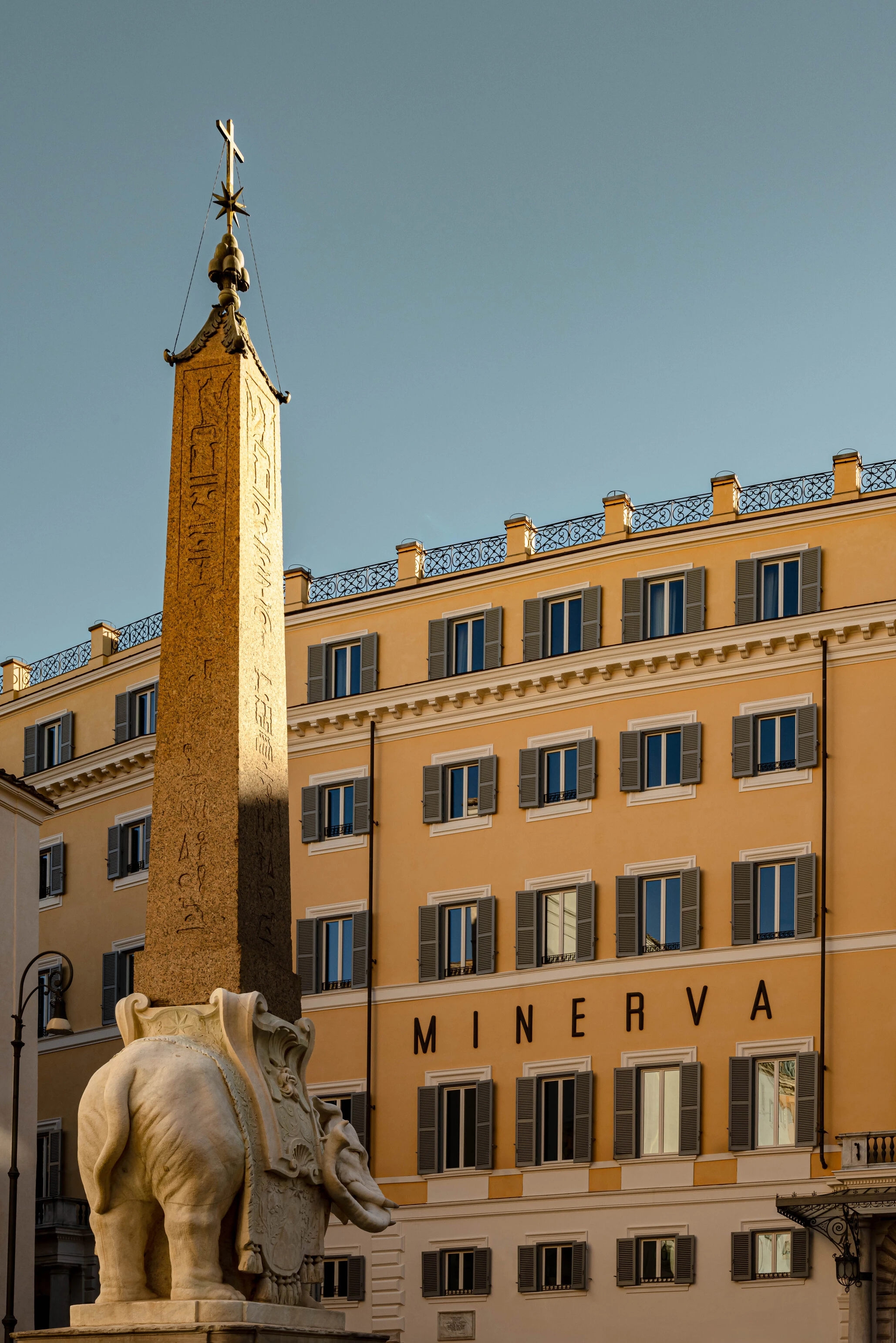
Stepping out of La Minerva each morning felt almost surreal, as though the city had arranged itself conveniently at my doorstep. Tucked into Piazza della Minerva, just behind the Pantheon, the hotel occupies a location that is not only central but quietly privileged. Within seconds, I could find myself standing beneath the Pantheon’s towering columns, and yet just as quickly retreat into the calm of the square, receiving a softer pace.
What makes this location feel different from so many other hotels in Rome is its sense of seclusion within proximity. You are undeniably in the heart of everything—Trevi Fountain, Piazza Navona, the Spanish Steps, all within easy reach. Yet, La Minerva feels slightly removed, as if it exists in its own pocket of the city. There’s no frantic energy at the doorstep, no overwhelming rush. Instead, a feeling that you’ve discovered a more private side of Rome.
I found that this changed the way I experienced the city entirely. Rather than planning my day around long routes or crowded crossings, I could move fluidly, stepping out for a morning espresso, wandering through winding streets, and returning effortlessly whenever I pleased. The hotel becomes less of a base and more of a natural extension of the city itself, blurring the line between inside and out.
It’s this balance that makes La Minerva’s location so exceptional. You’re not just near Rome’s landmarks; you’re woven into them while still holding on to a sense of calm that feels increasingly rare in a city so alive.
The Art of Staying
When you are privileged enough to take in the beauty of La Minerva, it is important to realise that the design of this place is not just a decorative detail – it is the central narrative of the hotel. Transforming the building from a historic palazzo into a fully immersive experience.
At its core, the design of La Minerva is about layering time – past, present, and imagined history – all within one space. It is an ongoing dialogue between history and modernity, preserving original frescoes, marble floors, and vaulted ceilings and columns. These historical elements are not frozen in time but activated by contemporary interventions.
Modern lighting, bespoke furniture, and a new spatial flow reframe the old architecture. It truly felt like an art canvas coming alive right before my eyes, and my initial reaction to it was speechlessness.
Another important element to note is a “cinematic” design philosophy by none other than Hugo Toro. This renowned architect approached the hotel almost like a film set. He describes the space as “theatrical” and narrative-driven, where rooms literally feel like scenes.
Each space is designed to evoke emotion and memory, not just for functional reasons. The hotel becomes a “living, inhabited setting”, rather than a static luxury interior. I felt I was being spoken to by each room, being taught different levels of history as I moved swiftly through.
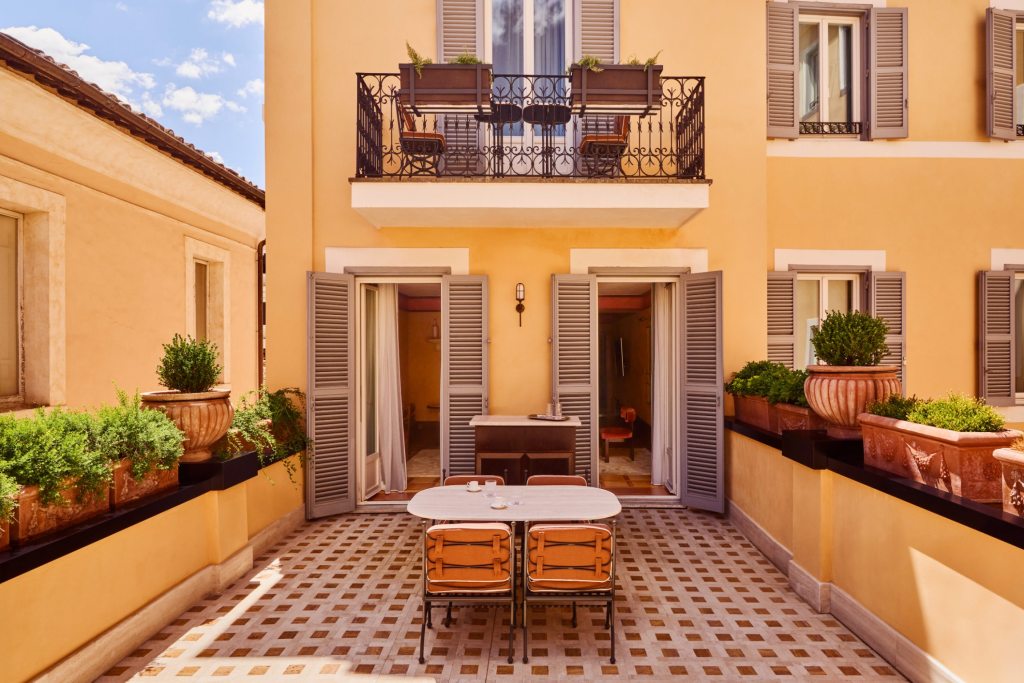
Overall, this space can be seen as a fusion of Roman identity and Art Deco glamour. A defining feature is blending two seemingly different worlds. We have colours and materials drawn deep from this city, like ochres, plaster, marble, and terracotta. Then, we have the polished wood and brass details brought from an influence of the Orient Express. All coming together in the most natural sense, leaving me feeling comfortably trapped between Rome and a train carriage in motion.
A Private Retreat
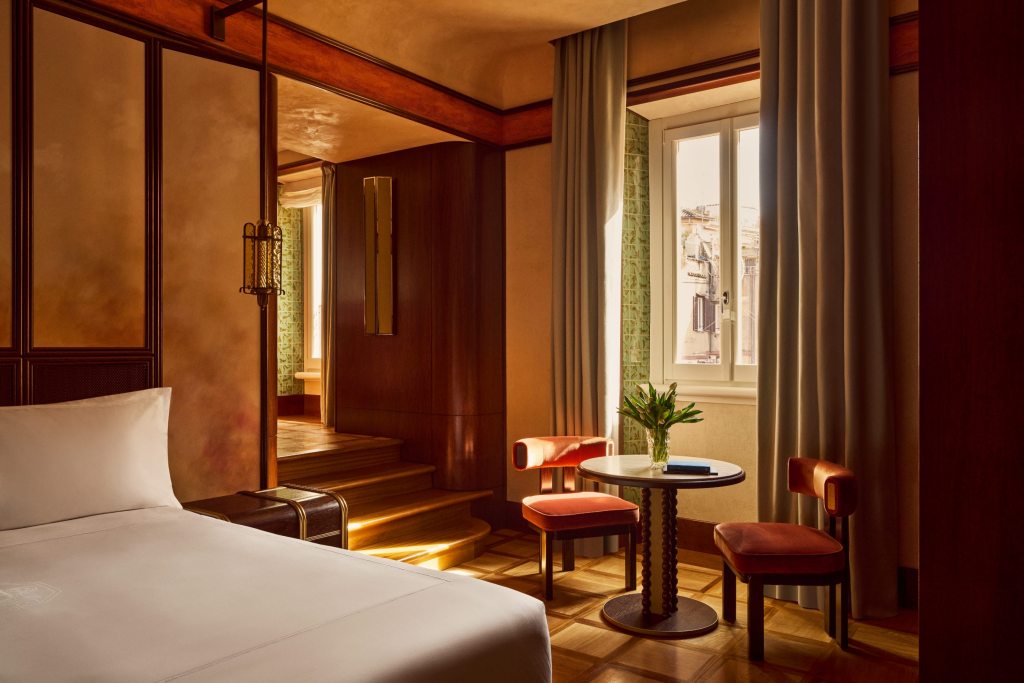
Entering the room felt less like retreating and more like slipping into a quieter continuation of the same story. As I stepped into my deluxe room, the atmosphere of the hotel followed—refined, intimate, and effortlessly composed.
The rooms simply carry on the masterpiece that was presented prior. I was met with a beautiful Art Deco design with a contemporary touch. Warm tones, polished wood, and subtle brass details created a space that felt both elegant and inviting, never overstated.
You can choose between two twin beds or one king bed, with plenty of space to unwind. Each bed includes speciality linens from Rivolta Carmignani, and settling into them brought an immediate sense of comfort. Quiet luxury at its best.
Moving into the bathroom, you are met with Rosso Verona marble throughout, alongside a sizeable bathtub or shower. Decked with bespoke bathroom amenities, again including Rivolta Carmignani linens, it felt like a private, spa-like retreat. The materials and textures made even the simplest routines feel considered.
What stayed with me most was the sense of balance in these rooms. I was offered a breath of calmness, without ever feeling disconnected from the city. In the heart of Rome, it becomes a space to pause, reset, and fully take in the experience.
Breakfast is a must, serenaded by a harpist. Breakfast is a classic affair with plenty of great choices.
A Table With A View
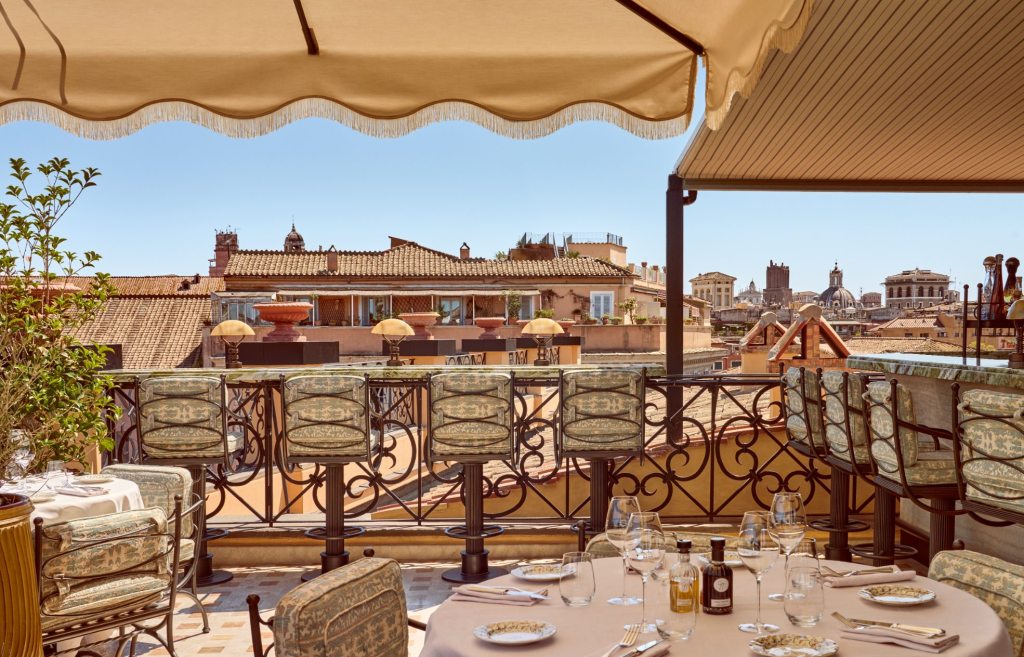
By the time I made my way up to the rooftop, Rome had begun its slow transformation into evening—gold turning to amber, the sky stretching wide above the domes and reaching every terrace.
Gigi Rigolatto Roma, the hotel’s rooftop restaurant, reveals itself almost gradually, as if it knows the importance of anticipation. To me, it was the most exciting rooftop restaurant and bar in the city—not just for its views, but for the feeling it creates the moment you step into it.
Terracotta tones, soft linens, and sculptural elements echo the city below, while the openness of the terrace allows Rome itself to become part of the design. The Pantheon’s presence lingers nearby, and the rooftops stretch endlessly outward, grounding you in place even as the atmosphere feels almost transportive.
It is not just an Italian restaurant, but a place that embraces all corners of Italian culture. There’s a rhythm to it—the clink of glasses, the low hum of conversation, the occasional burst of laughter—that feels distinctly Roman, yet slightly elevated, as though seen through a cinematic lens.
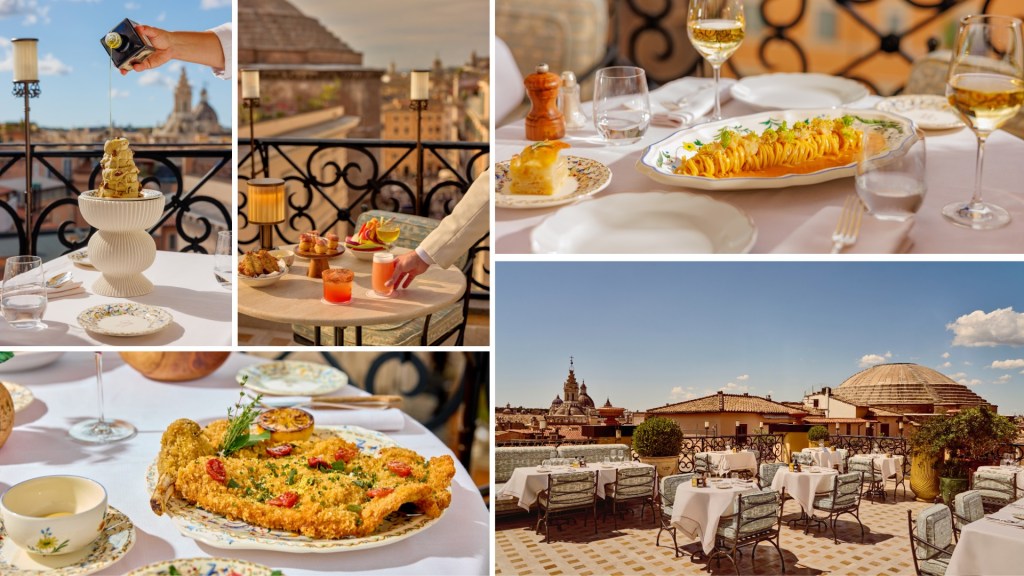
Tucked within the restaurant is the Bellini Bar, an intimate hideaway that serves only fourteen guests at a time. It feels almost secretive, a small world within the larger one. A place where the evening slows, where conversations soften, and where the act of having a drink becomes something more deliberate. Sitting there, I noticed the details more: the way the light moves, the texture of the glass in your hand, the subtle choreography of the space.
What made Gigi Rigolatto linger in my mind is not just the view or the food, but the feeling that you’ve stepped into a version of Rome that is both heightened and deeply authentic. It is Rome as it imagines itself—warm, generous, a little theatrical—and for a few hours, you’re entirely part of it.
We enjoyed an aperitivo on the terrace. If you time it well, gorgeous dishes arrive with your drinks, including moreish focaccia with an olive tapenade. Mixology at the hotel is masterminded by Matteo Fatica, and his creations are genius. Our pick of the menu was Maratea, somewhere we would be visiting the next day, about La Dolce Vita Orient Express! The Maratea is a beautifully poised fig-infused highball that captures the warmth of southern Italy without becoming heavy or sweet. Built tall and elegant, it lets the fig bring a mellow, sun-ripened richness before lifting it with the brightness and sparkle of a classic highball serve. The result feels both refreshing and quietly indulgent: a cocktail with Mediterranean softness, coastal energy and the kind of polished restraint with vodka, fig leaf and white tea cordial and a touch of Amaretto.
Wellness at La Minerva
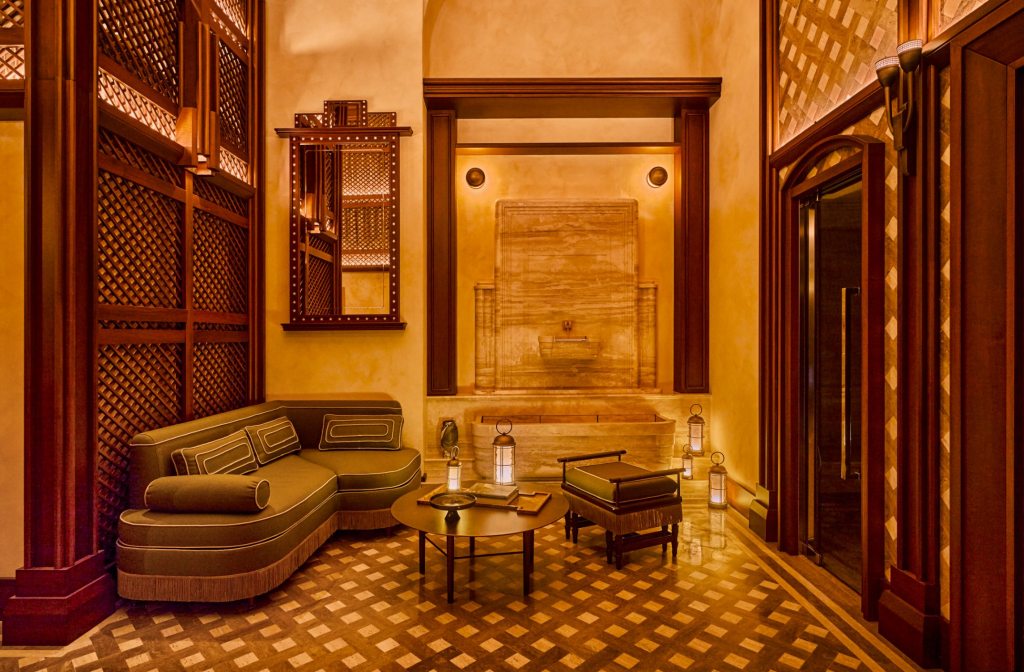
To treat myself to the last thing on my list, I made my way to the admirable spa that La Minerva offers, impressing me with all its different levels. A timeless philosophy projected: wellness is seen as a transformative journey, not just a point A to point B destination.
I was thoughtfully walked through traditions sourced from Ottoman hammams, and a sacred marriage of ancient wisdom and contemporary restoration. I was lucky enough to experience ceremonial purification rituals, beauty treatments of all kinds, and overall, a guided journey of personal restoration.
I truly felt invited to step outside of time and into a space where my body, mind, and spirit were replenished and connected in perfect harmony. I was gifted an eternal wellness experience in none other than the Eternal City.

La Dolce Vita Orient Express
One thing that struck me the most about this property is its link to something truly extraordinary – La Dolce Vita Orient Express. Embodying the timeless art of luxury travel, La Minerva is actively combining two different fountains of rich history with modern hospitality.
As part of this concept, La Minerva is being rebranded and relaunched as the first official hotel connected to the Orient Express experience in Rome. While travelling on the La Dolce Vita Orient Express, I was privileged enough to pass by a curated collection of historic Italian hotels, but most importantly, La Minerva, given its location steps from the Pantheon and its deep-rooted Roman heritage. It fits seamlessly into this narrative and makes the experience even more exciting.
So, this connection is less about historical operation, and more about a modern reimagining of luxury travel, where the train journey and the hotel stay form one seamless, cinematic experience – echoing the golden age when travel itself was as important as the destination.
Overall
La Minerva isn’t just a hotel; it’s a vantage point. From here, Rome doesn’t feel like a destination to be ticked off, but space to exist, breathe, and take in the presence that gently presses from every window and corridor.
Whether it be bells, light, or rhythms of passing conversations, it all seeps into the experience. I couldn’t help but wonder whether I was visiting a city or being wholly absorbed into it.
To find more information, please visit: orient-express.com
All Images Courtesy of Orient Express La Minerva.