
Luxury is a concept that can vary dramatically from one person to another. While some may associate it with designer brands, high-end vehicles, or extravagant travel experiences, others might view luxury as a quiet evening at home, a gourmet meal, or uninterrupted personal time. What defines luxury is inherently tied to individual tastes, values, and life experiences. Lifestyle plays a central role in shaping these perceptions, influencing what people prioritise and how they choose to indulge themselves.
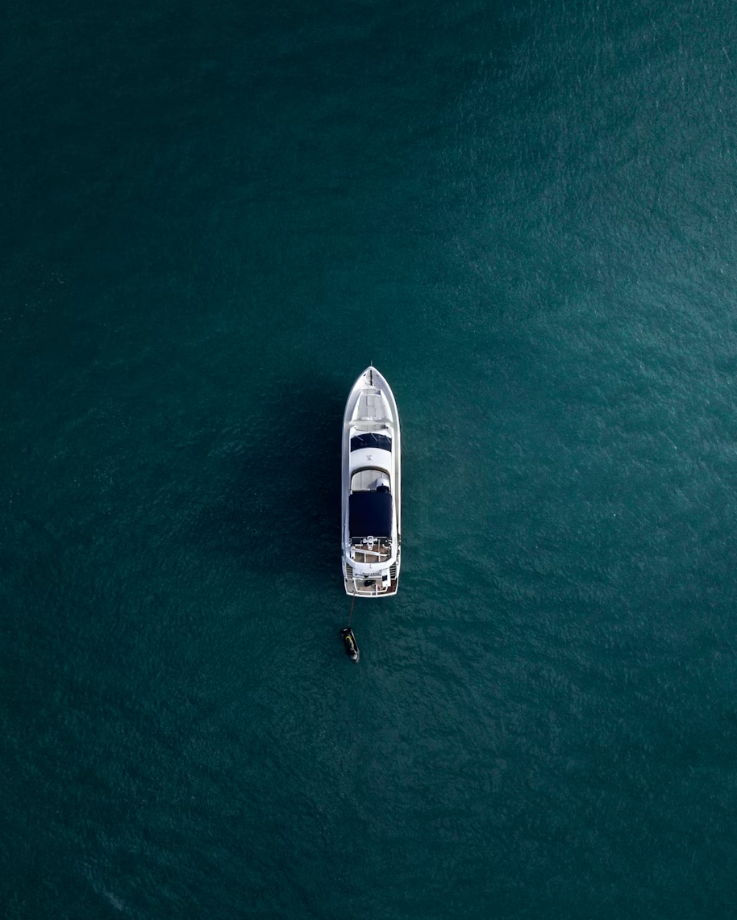
image courtsey of nikldn via unsplash
Material Luxury: Objects and Possessions
For many, luxury is synonymous with tangible possessions. High-end fashion, watches, jewellery, and luxury cars often represent status, craftsmanship, and exclusivity. These items can convey a sense of achievement and personal style, appealing to those who value aesthetics and tangible proof of success. Collecting rare items or investing in limited-edition goods may also be seen as a luxury, providing both pleasure and a long-term sense of value. However, even within material luxury, what one person considers essential may feel excessive or unnecessary to someone else, highlighting the subjective nature of indulgence.
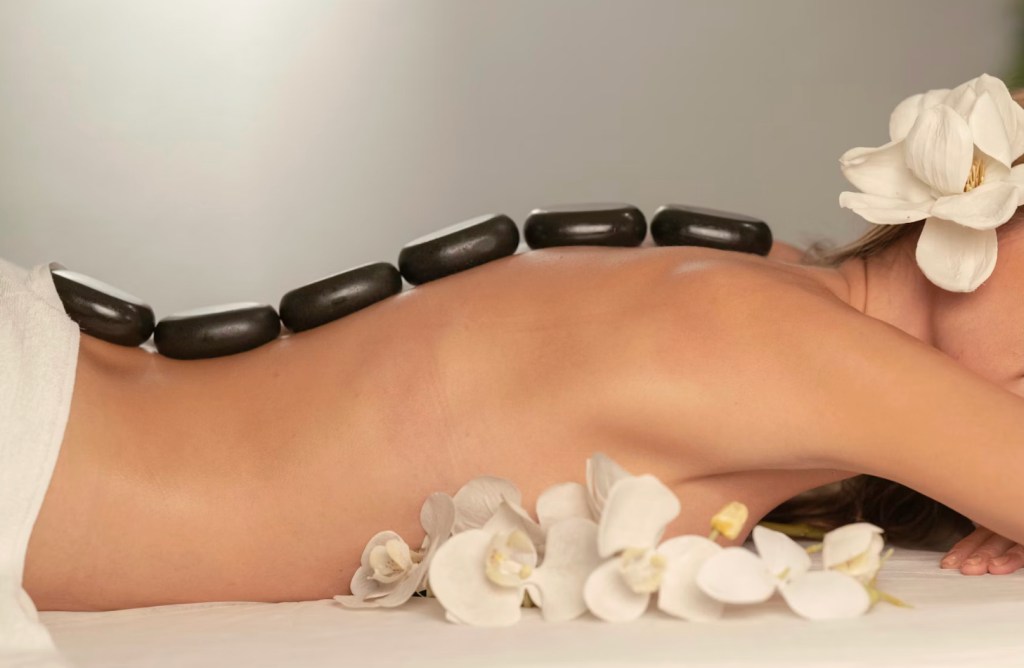
image courtsey of Engin Akyurt via unsplash
Personal Time as Luxury
In today’s fast-paced world, time has become one of the most valuable luxuries. For some, luxury is the ability to step away from work and commitments to spend a morning reading, practising a hobby, or simply relaxing without distraction.
For individuals with particularly busy schedules, even having time to do simple activities at a slow pace can feel indulgent. For example, a chef may relish an entire day to carefully prepare and cook a special meal, experimenting with new recipes or taking the time to perfect a favourite dish, turning the process itself into a form of enjoyment. Similarly, a sports fan might savour the luxury of watching a match on TV without interruptions, settling in with snacks, drinks, and a comfortable space to fully immerse themselves in every moment of the game. Some fans even place wagers on events, which can heighten the excitement and provide an added layer of engagement, turning a simple viewing experience into a more interactive and personalised form of leisure. When betting online, sports fans are increasingly choosing to wager at online betting exchange sites instead of traditional bookmakers, as these sites offer peer-to-peer betting options with lucrative odds. Similarly, an avid outdoors enthusiast could consider it a luxury to take a week off work for a multi-day hiking trip, and a stressed professional might find true indulgence in taking time off to simply unwind at home.
In this sense, luxury is not necessarily linked to money or objects but rather to freedom and the ability to invest in personal well-being. Lifestyle factors, such as work demands, responsibilities, and personal interests, influence how much value individuals place on time as a form of indulgence.

image courtsey of Christian Lambert via unsplash
Experiential Luxury: Travel and Leisure
Experiences often define luxury just as strongly as physical possessions. Many individuals consider travel to remote destinations, such as the Scottish Highlands, the Amalfi Coast, or the Maldives, staying in boutique hotels, or immersive cultural experiences like a private museum tour in Paris or a cooking class in Tuscany as the ultimate form of indulgence. Experiential luxury focuses on creating memories rather than accumulating goods. For some, a serene retreat in the countryside, a spa day, or a private concert might hold far more value than designer clothing or a sports car. Lifestyle preferences, such as whether a person is adventurous, culturally curious, or seeks relaxation, heavily influence the type of experiences they view as luxurious.
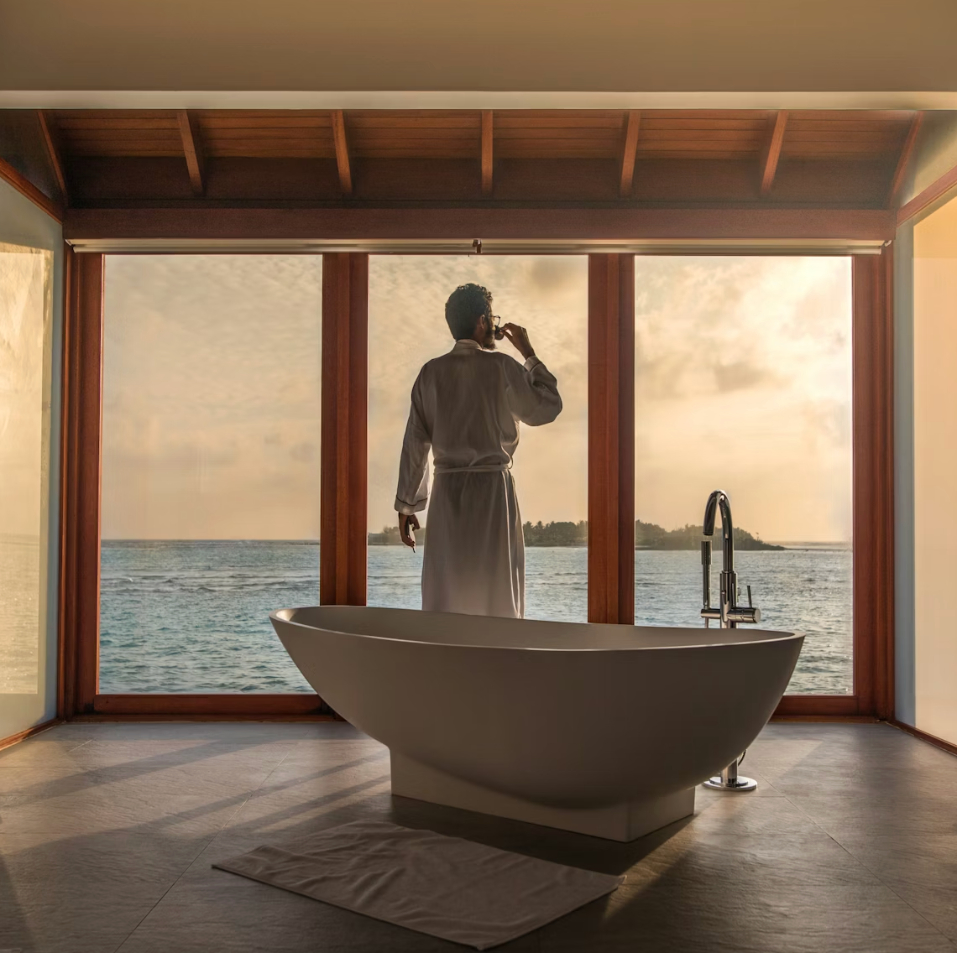
image courtsey of Ishan via unsplash
Health and Wellness as Lifestyle Luxury
Another increasingly recognised form of luxury is wellness. Access to high-quality healthcare, personal trainers, fitness classes, meditation, or organic and artisanal foods can all be considered luxurious. These experiences and services enhance quality of life and cater to those who value longevity, mental health, and physical well-being. In modern lifestyles, prioritising self-care and health is often seen as a status symbol in its own right. What constitutes wellness luxury varies widely; one person may splurge on a gym membership and massage sessions, while another finds luxury in a long walk in nature or a home-cooked gourmet meal.

image courtsey of Vlah Dumitru via unsplash
Social and Cultural Luxury
For some, luxury is closely tied to social experiences and cultural enrichment. Attending theatre productions, art exhibitions, exclusive events, or networking dinners can provide a sense of sophistication and prestige. Lifestyle choices, including professional environments, peer groups, and personal interests, influence how individuals engage with these forms of luxury. Cultural luxury may not require immense wealth but instead revolves around access to unique experiences and communities that elevate personal enjoyment or status.

image courtsey of Maximilien T’Scharner via unsplash
Understanding Individual Perspectives
Ultimately, luxury is highly personal because it reflects individual values and priorities. Wealth, taste, cultural background, and personal experiences all shape how people define and pursue indulgence. While some view luxury as a display of status and achievement, others seek comfort, creativity, or meaningful experiences. Lifestyle is the lens through which people interpret what is valuable, desirable, or worth splurging on, making luxury a deeply subjective concept.

image courtsey of Manuel Moreno via unsplash
Lead Image credit: Alex Bertha via Unsplash.