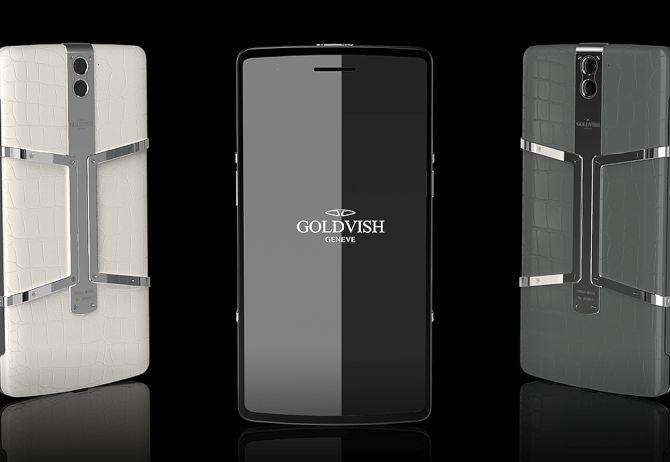
In early 2025, Samsung released its latest flagship S25 smartphone series, setting the stage for another year of high-end mobile technology. Later in the autumn, Apple is expected to follow suit with its iPhone 17 range. While these devices represent the pinnacle of mainstream smartphone innovation, their “Ultra” and “Pro Max” models, priced at around £1500, push the boundaries of what many consider luxury. However, despite their hefty price tags, these smartphones remain widely accessible, selling millions of units worldwide.
Yet, a true luxury smartphone market does exist, catering to those who seek exclusivity and extravagance. This niche industry often sparks debate, dividing opinions on whether such devices are necessary status symbols or overindulgent displays of wealth. Broadly speaking, luxury smartphones fall into two categories: standard devices accessorised with opulent materials and entirely bespoke, custom-built handsets tailored for elite buyers.
The Allure of Luxury: Gold, Diamonds, and Custom Designs
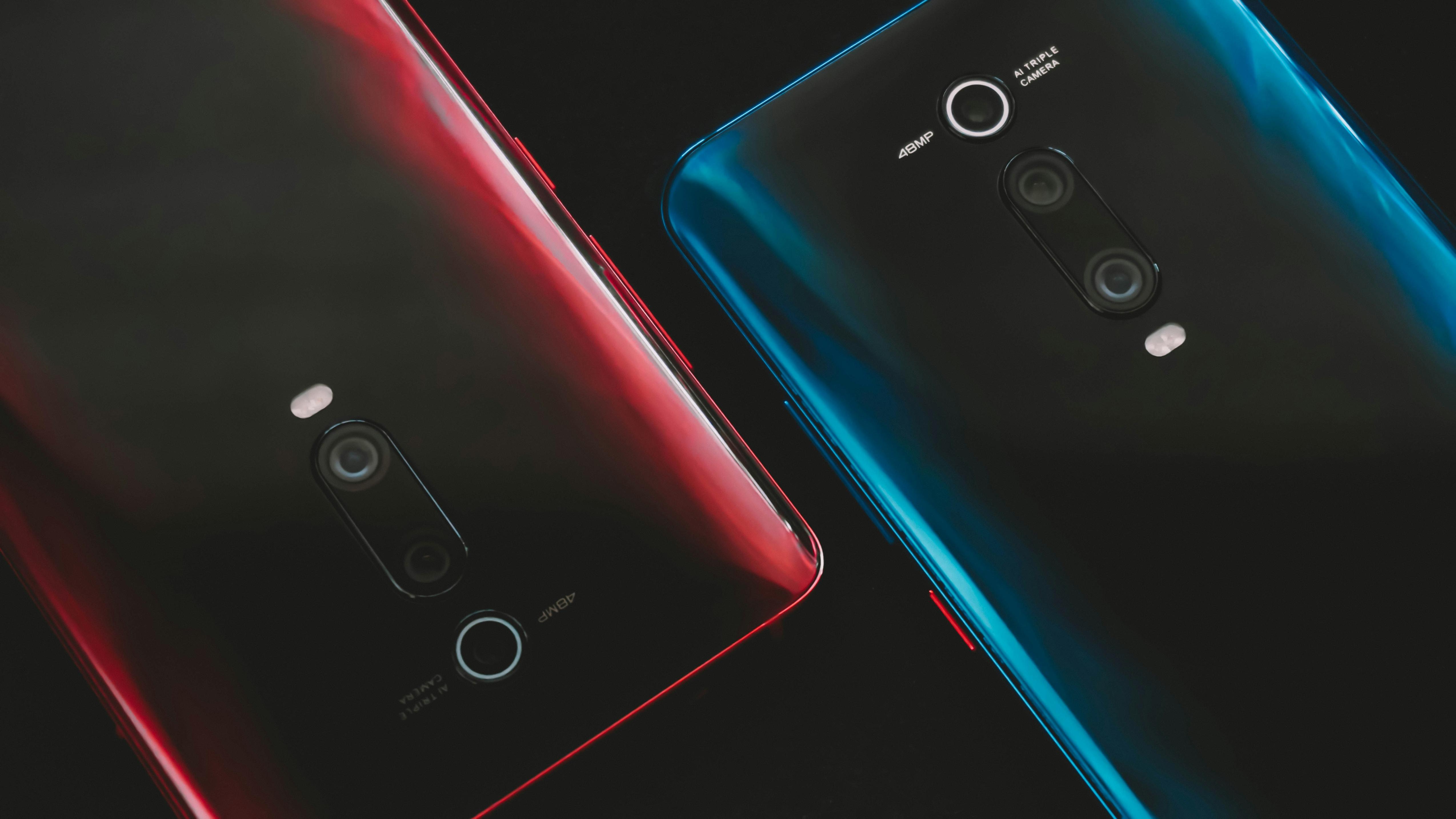
One of the most common approaches to luxury smartphones involves embellishing existing devices with precious metals and gems. Leading the charge in this space are brands like Caviar and GoldVish, both of which specialise in transforming smartphones into high-end fashion statements. Gold plating, diamond encrustations, and intricate artwork are common themes in their designs.
GoldVish, in particular, holds the record for the most expensive phone ever sold: an 18-carat white gold handset adorned with 1,800 diamonds. This extravagant device, sold in 2006 for €1 million (approximately £700,000 at the time), remains unmatched in price to this day. Prices for customised GoldVish and Caviar designs vary significantly, often reaching £100K or more.
Despite the appeal of such exclusivity, the luxury smartphone industry has had its fair share of struggles. Vertu, a pioneer in this market, emerged in the late 1990s as a subsidiary of Nokia. However, the brand faltered during the rise of the iPhone, changing hands multiple times before rebranding as a crypto-focused smartphone in recent years.

A Focus on Hardware, Not Software
One notable aspect of luxury smartphones is that their premium status is almost always reflected in their physical design rather than their operating systems. Developing an entirely new OS would be costly and pose compatibility issues with other devices. As a result, whether you’re scrolling through Instagram or playing online games like Coin Volcano, the experience on a jewel-encrusted smartphone remains virtually identical to that of a standard flagship device.
That said, there is a niche market for ultra-expensive smartphones with upgraded security features. These devices cater to high-net-worth individuals and those handling sensitive data, such as politicians and corporate executives. However, this segment of the market has struggled to gain traction. Vertu attempted to pivot towards secure smartphones in the mid-2010s before ultimately going defunct, while brands like Sirin Labs also failed to make a lasting impact.
The Challenge of Selling Ultra-Secure Phones
The primary issue with luxury smartphones boasting custom operating systems is that they often rely on modified Android technology. Apple maintains tight control over its ecosystem, making significant modifications to iOS unlikely. Moreover, despite marketing claims of “military-grade security,” many of these devices’ security enhancements can be replicated by a skilled software engineer with the right security subscriptions.
With prices reaching up to £35K for these secure smartphones, many consumers struggle to justify the cost. The perceived value of such devices remains questionable, as their key selling points—encryption and security—are often achievable through less expensive means.
The Future of Luxury Smartphones
As long as smartphones remain indispensable in daily life, the luxury segment will continue to exist. However, its popularity fluctuates, and while there is no outright backlash against extravagant designs, some view them as more ostentatious than fashionable. For nearly 20 years, GoldVish’s Le Million has held the record as the most expensive phone ever sold. The question remains: will another brand ever surpass it?

All Imagery courtesy of Unsplash.