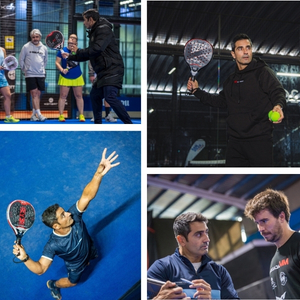
For those looking to take their padel beyond the weekly knockabout, this summer presents an opportunity rarely seen outside Spain’s professional training circuit. From 14-16 July 2026, Padel Travel X is offering the opportunity to train with one of the masters of this sport.

Manu Martín is a leading figure in modern padel. Former head coach of the Spanish national team and coach to multiple World Padel Tour champions, he is known for his strategic approach and ability to develop top-level players, including Coello and Tapia, Salazar and Triay, as well as former female number one Alejandra Salazar.
Few coaches have shaped the modern game quite like Manu Martín. In padel, elite coaches carry a status similar to that of celebrated football managers or renowned golf instructors. Their influence extends far beyond technical instruction; they shape the way the game is understood and played. Martín’s strategic approach has helped define the modern professional game, making his London appearance a rare opportunity for ambitious players.
Participants will experience the same training philosophy used to develop some of the sport’s most accomplished professionals. His methodology places equal emphasis on tactical intelligence, positioning and decision-making, recognising that padel is as much a game of strategy as it is of technique.

Each date features five 2-hour masterclass clinics, ensuring an intimate, high-quality experience, and you can book these here.
The masterclasses will take place across three London venues: PadelHub North London, Racketeer and Rocket Padel Battersea. This is not a casual clinic for beginners. It offers London players (intermediate and above) access to the same coaching principles used at the highest levels of the professional game.
Spaces are strictly limited, and the cost per person is £195. The masterclass consists of a 90-minute coaching session followed by a 30 minute Americano to perfect your game.
Why Elite Coaching Matters
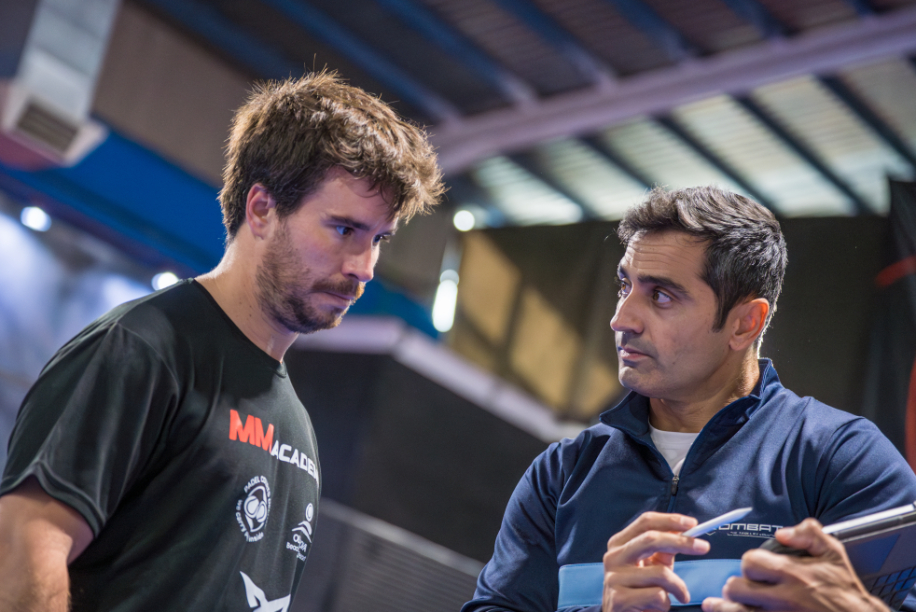
Many players assume that improvement in padel comes from training repetitively. But elite coaches often emphasise that the most important things to master to improve your skills at Padel are your positioning, anticipation, shot selection and tactical awareness. This is where Manu Martín’s approach stands out. The difference between recreational and advanced players often lies in what happens between shots rather than during them.
For London players, the arrival of Manu Martín through Padel Travel X represents more than a coaching clinic. It reflects Britain’s growing place within the international padel landscape and the evolution of a sport that has transcended its Mediterranean roots.

Need a new racket?
Y1 Padel is a community-first padel brand, backed by 10 years of experience in carbon fibre sports equipment. They epitomise what it means to be a true community brand. They also became the first carbon-neutral brand in the hockey and padel sports sectors, as well as one of the earliest in the teamwear market. That commitment started with a simple but powerful belief: sustainability is not just a trend. It’s a long-term journey.
You can find your perfect racket by taking their online racket quiz (The Lab) by answering just five important questions. The AX3 was developed by asking 4,000 UK players what they actually wanted from a racket – then putting prototypes into the hands of over 200 of them to test, feed back on, and refine before it was released. The professional rackets in the AX Range were developed in conjunction with GB top-ten player Ellie Tait. London-based, Y1 builds its products through huge amounts of real player feedback, runs regular community events up and down the country, and engineers its rackets using premium materials.

The Sport Beyond the Court
As interest grows, players are no longer simply booking courts; they are building holidays around the sport.
Today’s travellers increasingly seek meaningful experiences rather than passive luxury. Responding to this shift, Padel Travel X offers curated padel holidays that combine expert coaching, organised match play and time to unwind. Founded by Patricia Frost, who first discovered the sport in Spain more than two decades ago, Padel Travel X was created with a simple vision: to combine a love of travel with the energy and community that make padel so unique.
You can pick from weekend breaks and week-long camps, with options for solo travellers, couples, and groups. Padel Travel X handles every detail, from court bookings to match schedules, allowing guests to focus solely on the experience. Destinations include favourites like padel trips to Spain and Portugal, plus island escapes such as Mallorca, the Canary Islands, and Bali.
Each break is built around quality courts near your hotel, small groups for real feedback, and friendly socials after play.
The growing popularity of experiences like these reflects the wider rise of padel around the world. Padel has become the world’s fastest-growing racquet sport, not only as a discipline but also as a get-together opportunity. What began as a niche pastime in Latin America and Spain has evolved into a global lifestyle phenomenon.
The origins of padel can be traced back to 1969, when Mexican businessman Enrique Corcuera adapted a squash court at his home in Acapulco, enclosing the playing area with walls to prevent balls from disappearing into neighbouring gardens. What began as a practical solution soon evolved into an entirely new sport. The game was later introduced to Spain by Prince Alfonso of Hohenlohe, who built the first courts at the Marbella Club, helping padel gain popularity among Spain’s social and sporting elite before spreading throughout the country and beyond.
Now London is experiencing its own padel boom, with courts appearing across the city and waiting lists becoming commonplace. From InstantPadel at Canada Water to the heady heights of the AI camera on centre court at Canary Wharf Padium, the appeal lies in its accessibility. Unlike many racquet sports, padel welcomes players of all ages and abilities, offering an experience that is both immediately enjoyable and surprisingly addictive. Played exclusively in doubles, padel combines friendly competition with genuine social connection, transforming a simple match into a shared experience. Once you get the hang of it, you can’t stop.
Padel occupies a unique space in modern life: competitive without being intimidating, sociable without feeling forced, and athletic without demanding elite-level fitness. It has become a modern status symbol, all while remaining remarkably accessible. Luxury brands, private members’ clubs, high-end resorts and celebrities have all embraced the game.
The Secret Behind Padel’s Addictive Appeal
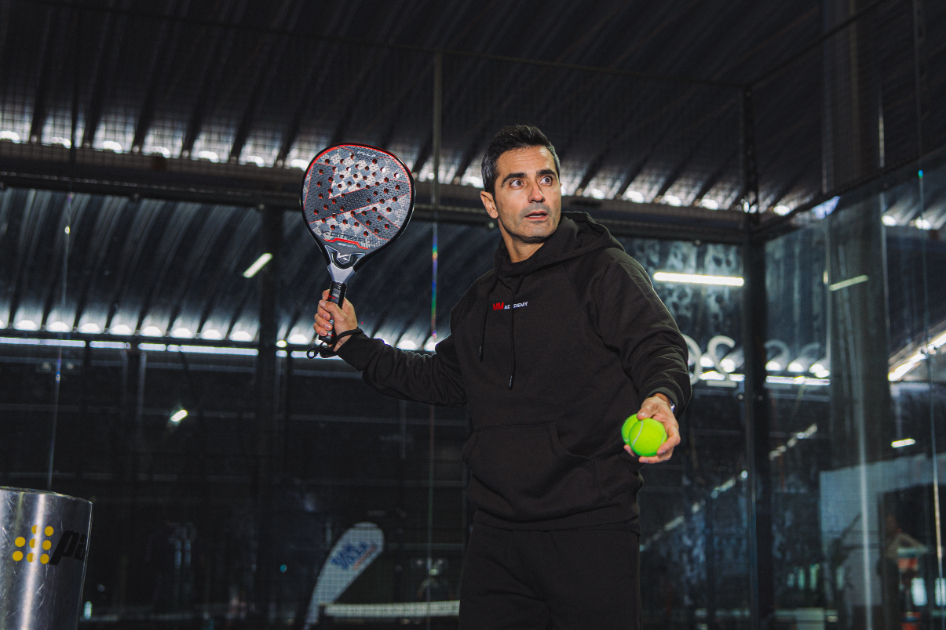
The enclosed glass walls keep rallies alive far longer than in traditional tennis, creating a dynamic rhythm that rewards creativity as much as athleticism. Unlike many racquet sports, padel offers almost instant gratification; even complete beginners can enjoy competitive exchanges within minutes of stepping onto the court, a rare quality in any sport.
Yet beneath its accessible surface lies a surprising level of complexity. Success in padel relies less on physical power and more on strategy, positioning and anticipation. Players must constantly read the game, think several shots ahead and use the walls to their advantage, transforming each rally into a tactical puzzle. It is this balance between accessibility and challenge that makes padel so compelling. Easy to learn but notoriously difficult to master, the sport continually rewards improvement, keeping players coming back for longer after their first match.

Britain’s Padel Boom
Britain has become one of Europe’s fastest-growing markets as participation has surged dramatically over recent years, with the LTA reporting over 400,000 players. New clubs continue opening across London and beyond.
Padel has become part of a new urban wellness culture. Early-morning matches have become a fixture, offering professionals the opportunity to begin the day with exercise, competition and social connection before stepping into the office. Others have replaced after-work drinks with a set, a new way to network outside the workplace. London’s embrace of padel feels almost inevitable. In a city where social calendars are constantly evolving, the sport offers a rare combination of exercise, community and competitiveness. Courts have become gathering places as much as sporting venues, attracting everyone from finance professionals to creatives seeking a more engaging way to connect.
What was once discovered on holidays to Spain is now shaping the way Londoners exercise, socialise and travel. As padel continues its ascent to global phenomenon, opportunities such as this offer a glimpse into the future of the sport. For London players, that future is arriving faster than ever—and, for a few fortunate participants this July it will arrive under the guidance of one of the game’s most respected minds.
Discover more HERE
View this post on Instagram
Photo credits: Padel Travel X.