
Red light therapy caps offer a simple way to support hair growth at home. However, safe use matters just as much as the device itself. You need clear steps to protect your scalp, your eyes, and your overall health.
You can use these caps safely for hair growth by choosing FDA-cleared devices, following time limits, protecting your eyes, and keeping the cap clean. This article explains how to build safe habits, use the right schedule, and avoid common mistakes so you can focus on steady, consistent results.
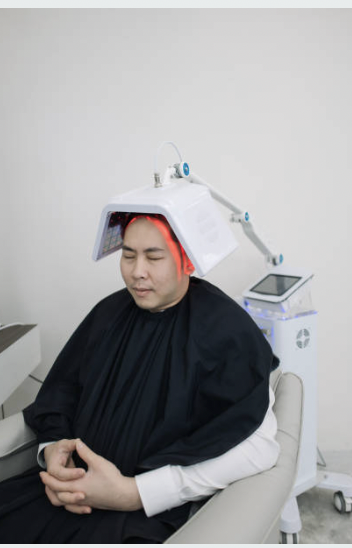
Use FDA-cleared red light therapy caps
Choose an FDA-cleared device before starting treatment. Clearance means the manufacturer met safety and performance standards for hair growth devices. This step lowers the risk of poor design or unsafe light output.
A hair regrowth cap with FDA clearance gives clear details about its intended use and light settings. It should list the type of light source, such as laser diodes or LEDs, and the approved purpose. As a result, users can compare devices based on facts instead of marketing claims.
FDA approval and FDA clearance are not the same. Most red light therapy caps receive clearance, not approval, because they fall under lower-risk medical devices. Therefore, buyers should look for proof of clearance for hair growth, not vague statements.
In addition, cleared devices often include guidance on session length and frequency. Instructions should be followed closely to reduce the risk of skin or eye strain.

Wear protective eyewear to prevent potential eye damage
Red light therapy caps sit close to the scalp, and light can reach the eyes. Although these devices use low-level light, direct exposure may cause discomfort or strain. Therefore, users should shield their eyes during each session.
Use protective goggles that block red and near-infrared light. Regular glasses or contact lenses do not provide enough protection. A snug fit helps block stray light from the sides.
Keep the goggles on for the full session. Do not lift them to check the device while it operates. In addition, store eyewear in a clean case to prevent scratches that reduce protection.
If eye pain, blurred vision, or headache occurs, stop the session and remove the cap. Seek advice from a qualified health professional before the next use. Safe eye habits lower risk and support steady, consistent treatment use.
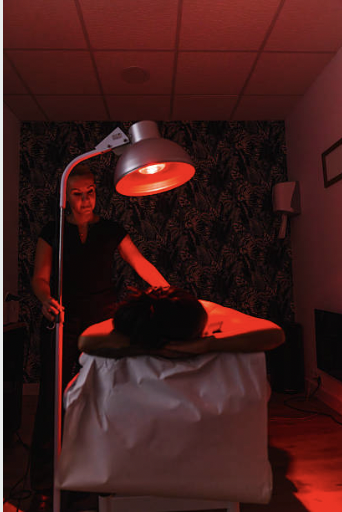
Follow manufacturer guidelines for session duration
Each red light therapy cap comes with clear time limits. Most brands advise sessions that last 15 to 30 minutes. This range reflects common research and typical device power.
The manual, to be read before the first session, explains how long each session should last and how often to repeat it each week. In addition, it may list limits based on light strength and cap design.
Longer sessions do not always lead to better results. In fact, too much exposure may irritate the scalp or cause dryness. Therefore, users should resist the urge to extend time beyond the stated limit.
If the cap allows time adjustments, they should start at the lower end of the range. After a few weeks, they can increase the time only if the manual permits it. This steady approach supports scalp safety and steady progress.
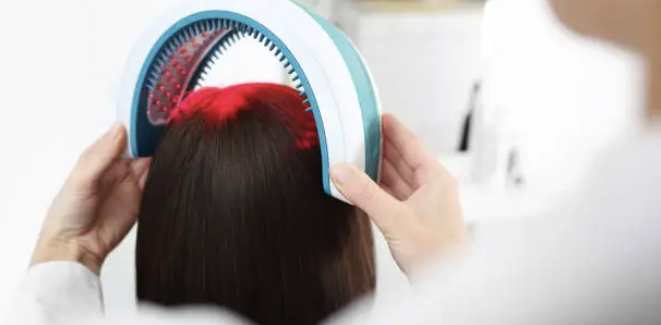
Keep the device clean to avoid scalp infections or irritation
A red light therapy cap sits directly on the scalp, so it collects sweat, oil, and skin cells. If a users skip cleaning, bacteria can build up on the inner surface. As a result, the scalp may feel itchy, red, or sore after sessions.
The inside of the cap needs to be wiped with a soft, slightly damp cloth after each use. In addition, mild soap can help remove oil, but harsh cleaners can damage the device or irritate the skin. The cap must dry fully before the next session.
Users should also check the manufacturer’s care guide for safe cleaning steps. Some devices include removable liners that need regular wash cycles. Therefore, regular care protects both the scalp and the device.
If the scalp shows redness or small bumps, users should stop treatment and clean the cap before the next use. Clean equipment supports safe and consistent therapy.
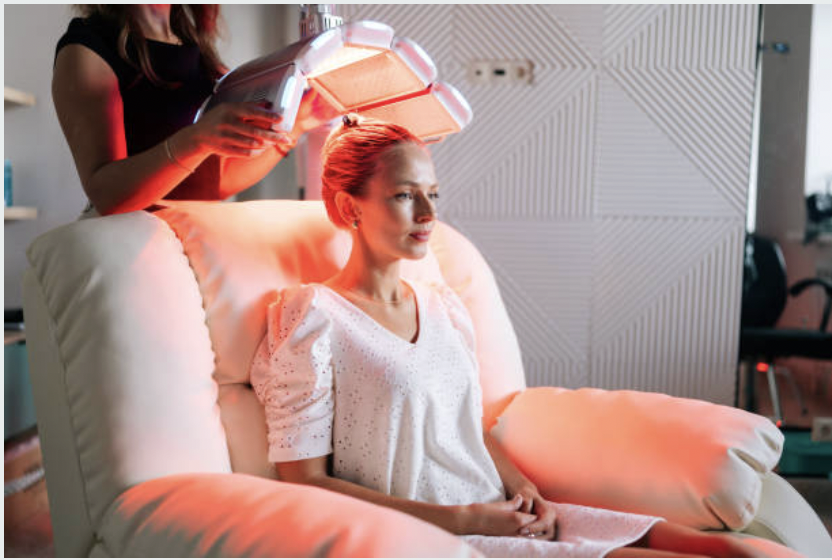
Maintain consistent use, ideally 3-4 times per week
Red light therapy caps work best with steady use. Most experts suggest using the cap three to four times per week. This schedule gives the scalp regular light exposure without overuse.
Hair growth takes time, so results do not appear overnight. Therefore, users should set a simple weekly plan and stick to it. For example, they can choose set days such as Monday, Wednesday, and Friday to build a routine.
Research on other health routines shows that steady habits lead to better long-term results. The same idea applies here. In addition, frequent sessions may support the hair growth cycle more effectively than random use.
However, more sessions do not always mean better results. Users should follow the device instructions and avoid daily use unless the manufacturer approves it. A balanced plan of three to four sessions per week offers a safe and practical approach.
Conclusion
Red light therapy caps can support hair growth if users follow the safety steps sticking to the device guidelines. They should use the correct session length, protect their eyes, and stop use if they notice pain or skin changes.
In addition, they need patience and steady use over several months to judge results. With proper care and realistic expectations, this method can serve as a safe, non-invasive option for people who want to address hair thinning.
All imagery courtesy of Pixabay.