
We live in a hyperconnected world oversaturated with information, and even though we thought this was a good thing, the rise of social media and the modern internet has led many to feel overwhelmed and exhausted. Combined with our highly stressful lives, digital fatigue is becoming increasingly common, leading more people to seek ways to disconnect. This is the primary reason for the rise of reset retreats.
What are Reset Retreats?
Many go on retreats and vacations to be in new, calm surroundings and spend quality time with their loved ones. For some, however, it’s all about creating fun content for social media and creating memories that last a lifetime online. As they travel, they constantly post stories or create GIFs from their videos and capture beautiful photographs to immortalise their travels online and keep their contacts updated on their lives.
This is where Reset retreats take a different approach. Instead, they emphasise intentional disconnection from (most of) the world and structured mental recovery. In the past, many of these retreats emphasised simple detoxes, but today the retreats have become a more comprehensive experience for those looking to address different emotional, mental, and physical fatigue they’ve built up from day to day.

What Makes Reset Retreats Different?
In a conventional retreat, you will find fundamental activities like journaling, breathwork, yoga, and meditation. Reset retreats include these steps to well-being in their program but also much more: they take a holistic approach to restoration, which research proves is much more beneficial.
One key element you will find in Reset retreats is digital minimalism. A lot of people suffer the negative consequences of always being connected to the world through their devices. Retreats ask participants to gradually reduce their usage of and dependence on different technologies. The method of going step-by-step allows even the most phone-addicted person to begin their mental healing, making it a much better approach than an abrupt cut-off.

A common difference between the typical retreat and reset retreats is the latter’s emphasis on a cognitive reset. These withdrawals from constant connection are designed to help participants identify and deal with harmful thought patterns, such as perfectionist tendencies, an inability to address a life-work balance, and difficulty managing stress– all things that can have significant negative impacts on one’s health and well-being. Once participants identify their negative tendencies, they can learn how to create lasting behavioural changes, an improved option to the temporary reprieve other types of retreats provide.
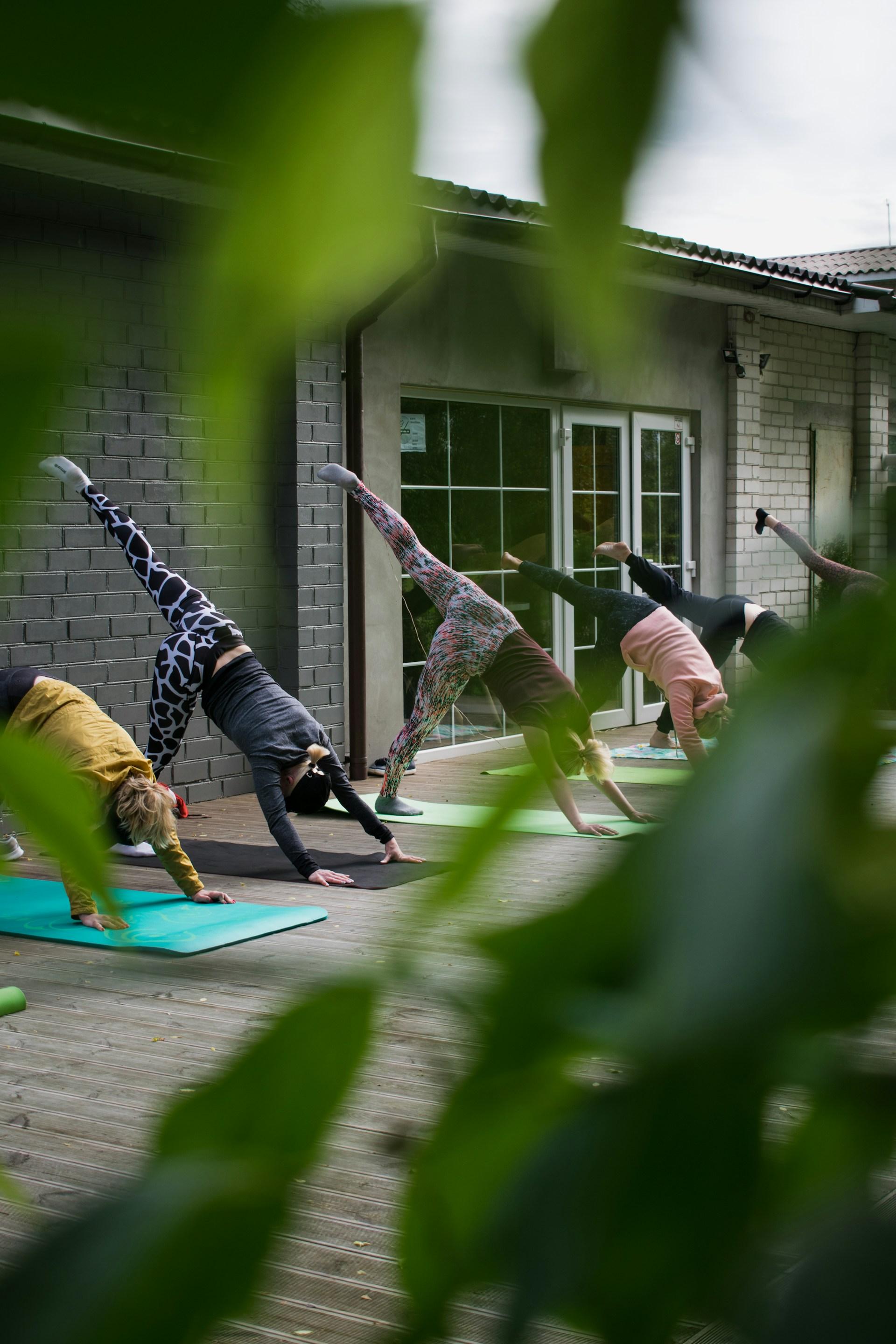
Another aspect of reset retreats that has proven to be very beneficial to participants is physical recalibration. This can include science-backed approaches to physical recovery, including movement and exercise designed to counter the effects of a sedentary lifestyle.

Why Reset Retreats Work As Well As They Do
A crucial part of developing an effective reset retreat is finding the right environment. The different locations chosen are included for their beauty and distance from typical modern stressors, which means participants have the separation required to make the changes they need to.
Additionally, many retreats, especially those that advertise themselves as embracing modern trends, incorporate biophilic design principles. This includes using architecture that aligns with natural surroundings to enhance the feeling of restoration and better disconnect from the modern world.

Personalised Experiences
One reason why reset retreats work as well as they do is personalization. It has become much easier to find retreats that cater to people with specific needs. For example, you may need a physical reset, but not have the mental or emotional stressors other people might have. You can find a retreat that caters exactly to your needs, which would make it a much more restorative experience for you and others going through the same struggles.
It’s often possible to customize your plan and what treatments you will receive while on the retreat. Many modern resorts and their staff understand that people have different needs and can change their minds at any time during the process. For this reason, they are typically ready to adapt and be dynamic to ensure everyone who visits gets the best experience possible.
A Sense of Community
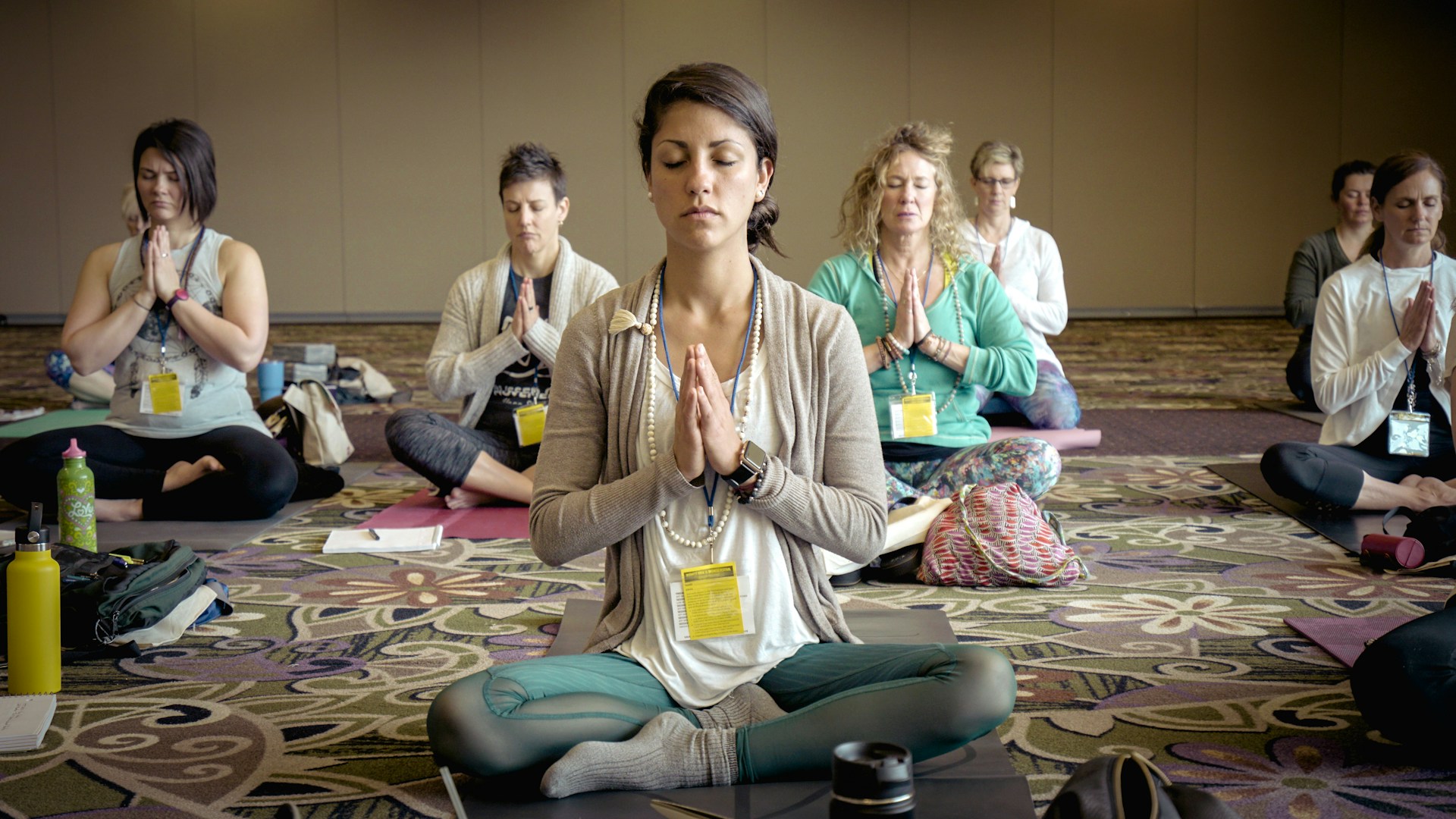
The efficacy of a reset retreat is also partly due to their sense of community. While some people enjoy and benefit from personal resets, psychological research recognises that communal experiences are also beneficial and have their place. As such, some resorts have shared activities where participants are encouraged to mingle so they feel less alone in their healing journey. This is particularly helpful for those who may feel that they are going through struggles other people may not understand or recognize.
These communal experiences can also lead to support networks that extend beyond the retreats. The rise and popularity of reset retreats show that people are starting to think differently about rest, recovery, and the importance of taking some time off for their well-being. These structured approaches to reset and renewal will continue to be important as the world and our lives become increasingly complex, demanding, and stressful with the continuous integration of technology. For now, reset resorts are a welcome option for many people who can benefit from a break from the mayhem of a busy lifestyle in the modern day.

All imagery courtesy of unsplash and pexels.