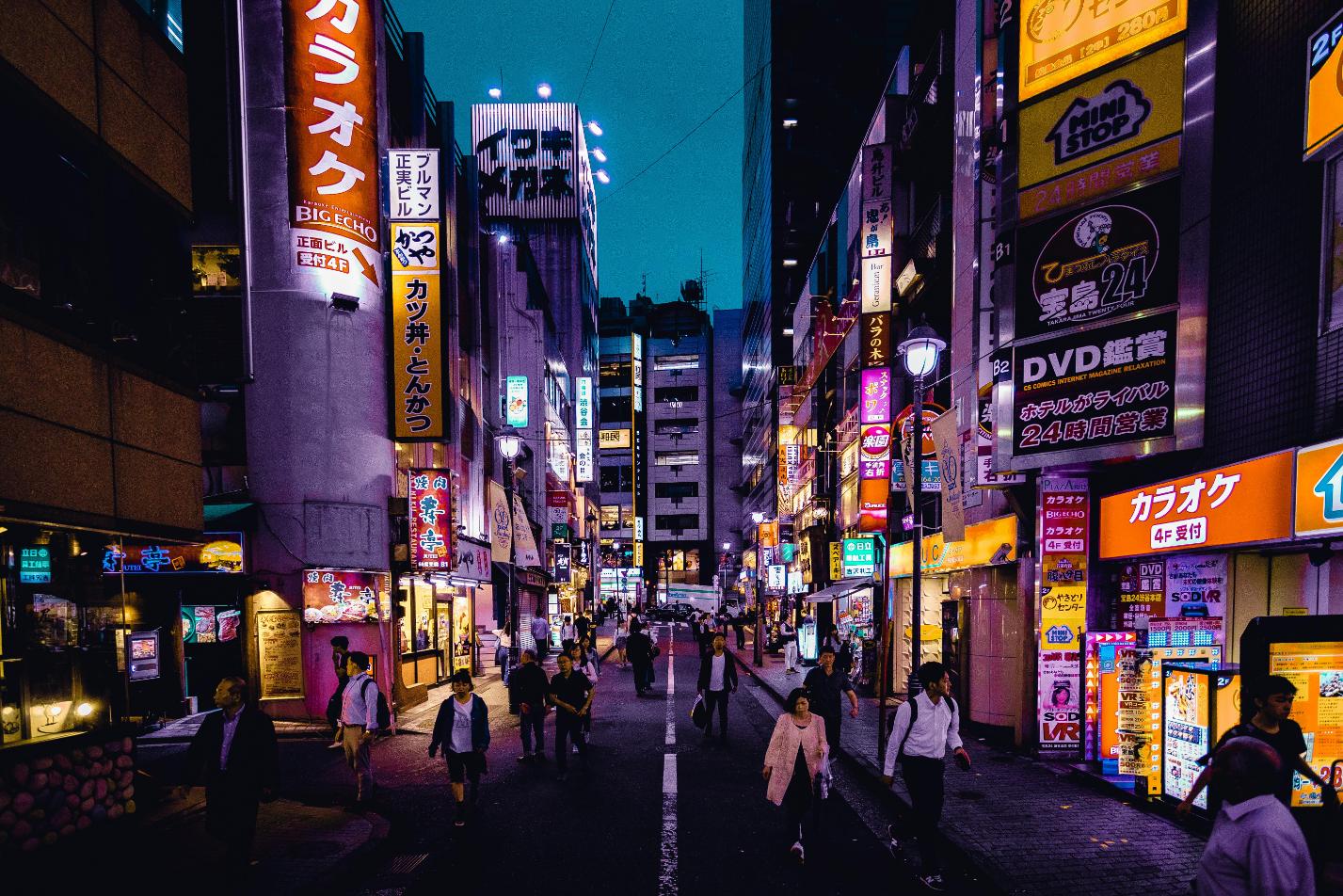
Gaming has outgrown bedrooms and basements. Today, it shows up in convention halls, private lounges, rooftop bars, and resort casinos. The appeal is no longer just competition or screens. It is the chance to travel well, stay somewhere memorable, and share space with people who speak the same language of pixels, patches, and releases.
Luxury destinations work best for gamers when they offer more than hardware. Strong internet matters, but atmosphere matters more. The best places blend high-end hotels, major gaming events, and nightlife that understands its audience. These cities do not force gaming into the background, but they also do not make it the whole story.

Photo credit: Pavel Danilyuk
Las Vegas and the rise of experiential gaming
Las Vegas remains the obvious starting point. The city understands spectacle better than most, and gaming fits neatly into that mindset. Esports arenas now sit alongside traditional casino floors. Pop-up tournaments, brand showcases, and invite-only events appear regularly during major releases or championship weekends.
Luxury resorts here know how to serve gamers without turning everything neon. High-speed connectivity, private suites, and late-night dining remove friction. During downtime, some travellers look for familiar online options while away from home. Regarding eSportsInsider coverage, players often use non-GamStop casino platforms when travelling, especially to countries with different gambling laws. Outside of the UK self-exclusion system, these platforms run under licences from other countries, provide transparent payment options, and operate. In the context of travel, it is optional, discreet, and seldom the main attraction, much like room service.
Las Vegas works because it never insists on one pace. A visitor can spend the afternoon at a pool, the evening at a tournament, and the night somewhere quieter without changing hotels.

Photo credit: Paul Bill
Seoul is the heartbeat of competitive play
Seoul approaches gaming with a different confidence. Esports is not treated as a novelty. It is part of daily culture. High-end districts combine boutique hotels with PC bangs that feel closer to lounges than internet cafes. Professional teams practice openly, and events draw crowds that understand the nuance of play.
Luxury here shows itself through precision. Clean design, excellent food, and transport systems that remove guesswork. Gaming conventions and league events often take place near shopping and dining hubs, which keeps days fluid rather than segmented.
South Korea’s importance to the gaming industry is not anecdotal. According to data on the global esports market, South Korea remains one of the most influential regions in competitive gaming, both in viewership and infrastructure. That influence shows on the ground, not just on screens.
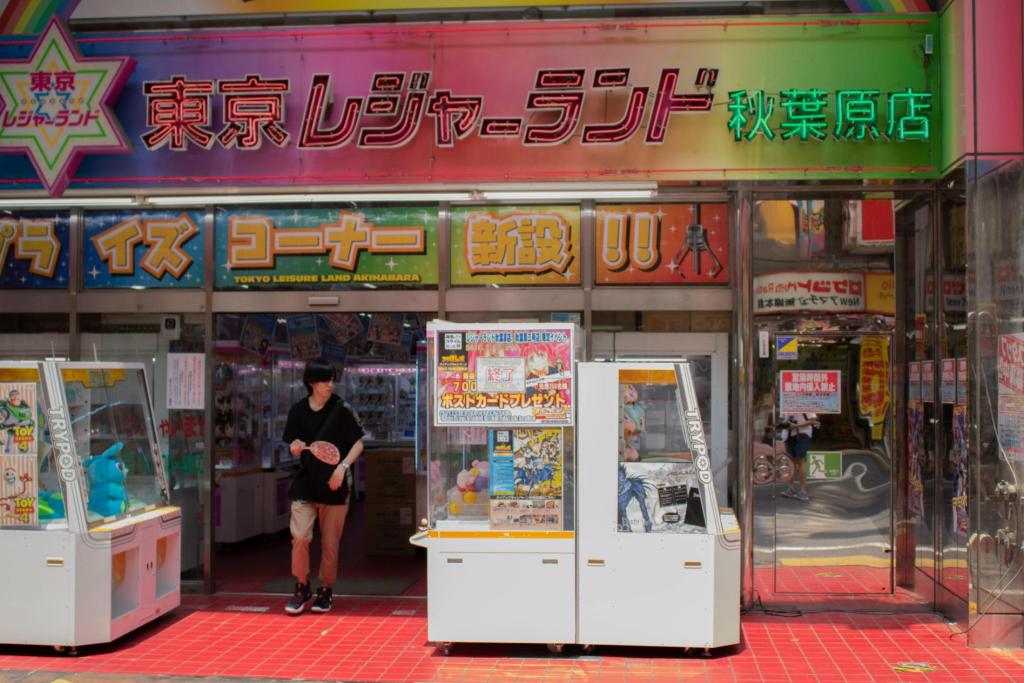
Photo credit: Imani Williams
Tokyo and curated chaos
Tokyo thrives on contrast. Arcade floors sit beneath Michelin-star restaurants. Capsule hotels exist alongside some of the world’s most refined luxury stays. For gamers, this mix creates endless choice without pressure.
Major gaming expos attract international crowds, while smaller meetups unfold quietly in bars and themed cafes. Luxury hotels understand the appeal of privacy here. Soundproof rooms, attentive service, and locations that allow quick escapes from crowds make long days manageable.
Japan’s tourism supports this layered appeal. Repeat visitors often cite pop culture experiences, including gaming and tech events, as reasons for returning. In Tokyo, gaming rarely demands attention. It waits until curiosity kicks in.

Photo credit: Anna Shvets
Monaco and understated exclusivity
Monaco might seem like an outlier, but it serves a specific segment of gamer travellers. This is not a destination for massive conventions. It is a place for private events, invite-only gatherings, and high-stakes leisure.
Luxury here means discretion. Casinos operate with formality. Hotels focus on service rather than spectacle. Gaming-themed meetups tend to be smaller, often tied to tech conferences or finance-adjacent events that overlap with gaming investment and development.
Monaco suits travellers who prefer conversation over crowds. It offers space to talk about the business of gaming as much as the play itself.
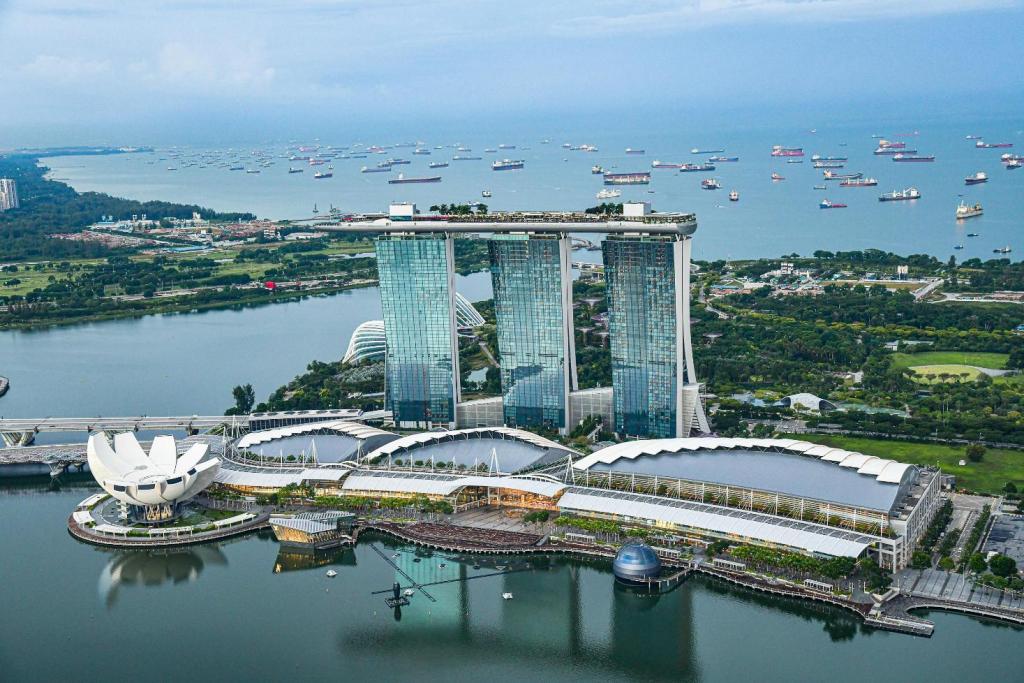
Photo credit: Ravish Maqsood
Singapore and the future-facing hub
Singapore sits at the intersection of regulation, innovation, and comfort. It hosts international tech events, regional gaming showcases, and conferences that blur lines between gaming, finance, and entertainment.
Luxury hotels cater to global visitors who expect efficiency. Reliable connectivity, thoughtful design, and easy access to venues keep schedules flexible. Casinos operate under strict frameworks, which appeals to travellers who value structure while still enjoying high-end leisure.
Urban destinations that combine business events with leisure experiences see higher visitor satisfaction and longer stays. Singapore fits that model perfectly, especially for gamers who travel with mixed priorities.
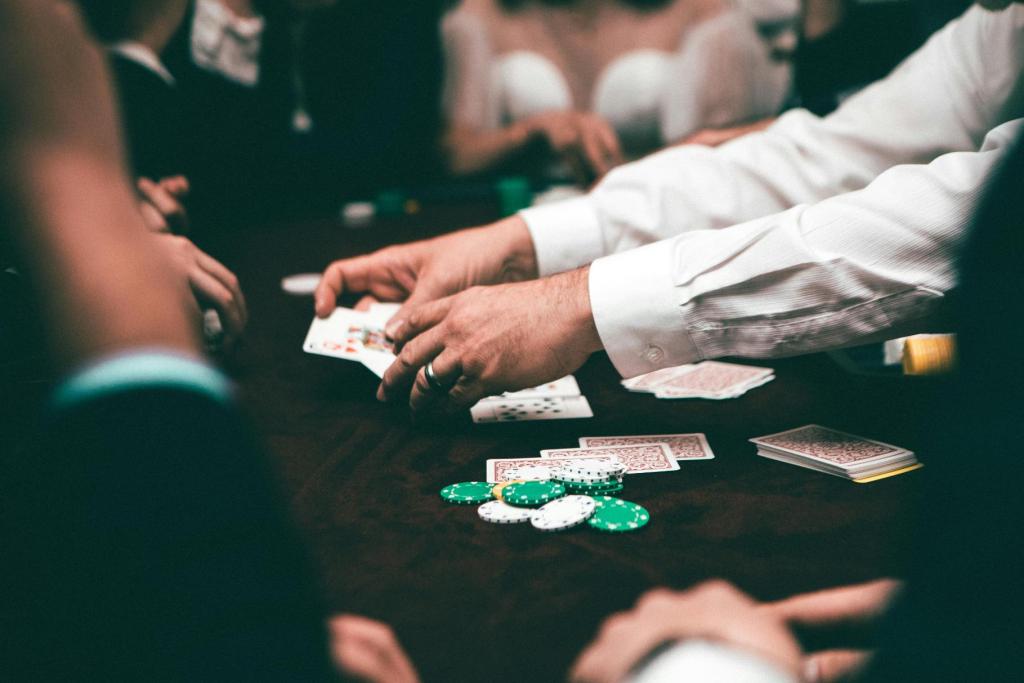
Photo credit: Javon Swaby
Choosing the right destination
Luxury gaming travel works best when expectations stay realistic. Not every destination needs to deliver everything. Some cities excel at competition. Others shine through atmosphere, privacy, or cultural depth.
The best choice depends on timing, interests, and tolerance for crowds. Gaming conventions bring energy but also noise. Casinos offer glamour but demand balance. Meetups create connections but stay informal.
What links all great destinations is respect for the traveller’s pace. Gaming fits into travel when it enhances the experience, not when it competes with it. Cities that understand this tend to make the strongest impression long after the console powers down.
Photo credits, including the featured image (Aleksandar Pasaric), are from Unsplash.