
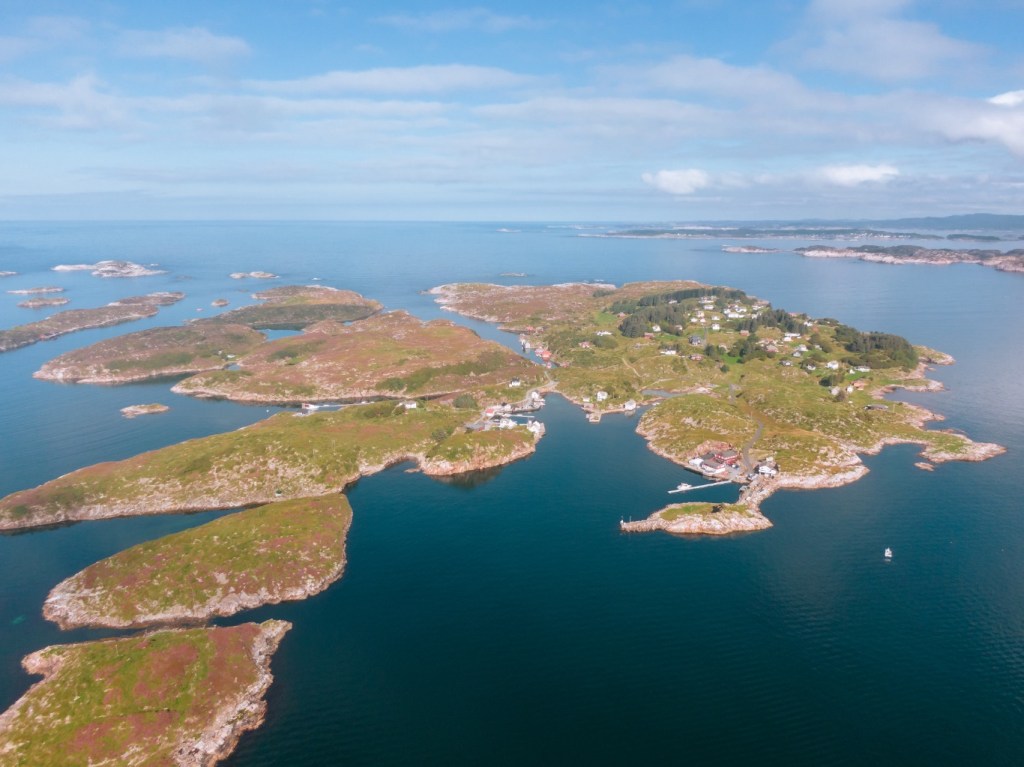
Luxury travel through the fjords of Norway reveals itself more quickly than expected. One moment I’m at the airport just outside Bergen, and within half an hour I’m on an express boat cutting through open water, heading away from the city.
The coastline breaks into smaller islands, buildings become less frequent, and the horizon opens out. The further we move, the more the landscape takes over. The sound of the engine fades into the background, replaced by water brushing against the hull and the occasional glimpse of houses placed with quiet intention along the edge of the land.
By the time we arrive in Bekkjarvik, the shift already feels complete.
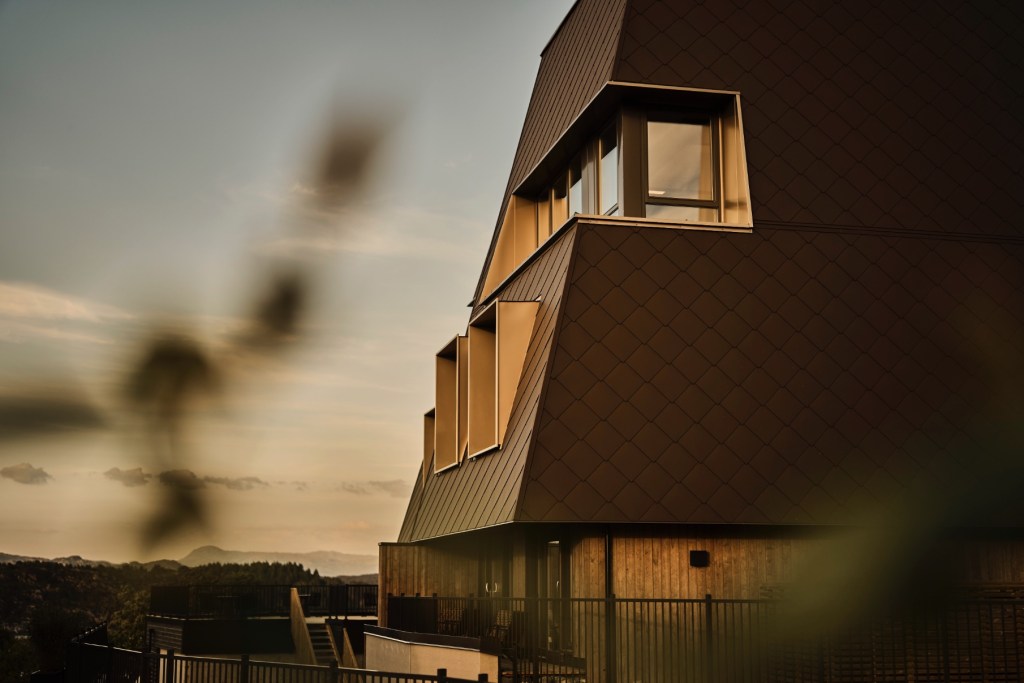
Image Courtesy of Beckerwyc House
A New Nordic Standard
There is a framework behind much of this luxury that becomes clear over the trip.
Across Norway, a quieter definition of luxury has been taking shape through De Historiske. The Historic Hotels and restaurants in Norway consist of a selection of independent hotels and restaurants. For travellers, it is a mark of quality and distinction. When visiting Norway, going to a De Historiske hotel or restaurant is a great way of showcasing the very best of luxury hospitality.
Their approach centres on what they describe as New Nordic Luxury, a curated collection of properties where heritage meets contemporary Nordic design, with a focus on comfort and personal service. It is not something that announces itself. Instead, it becomes clear over time, through places that feel authentic to their surroundings while maintaining a high level of refinement.
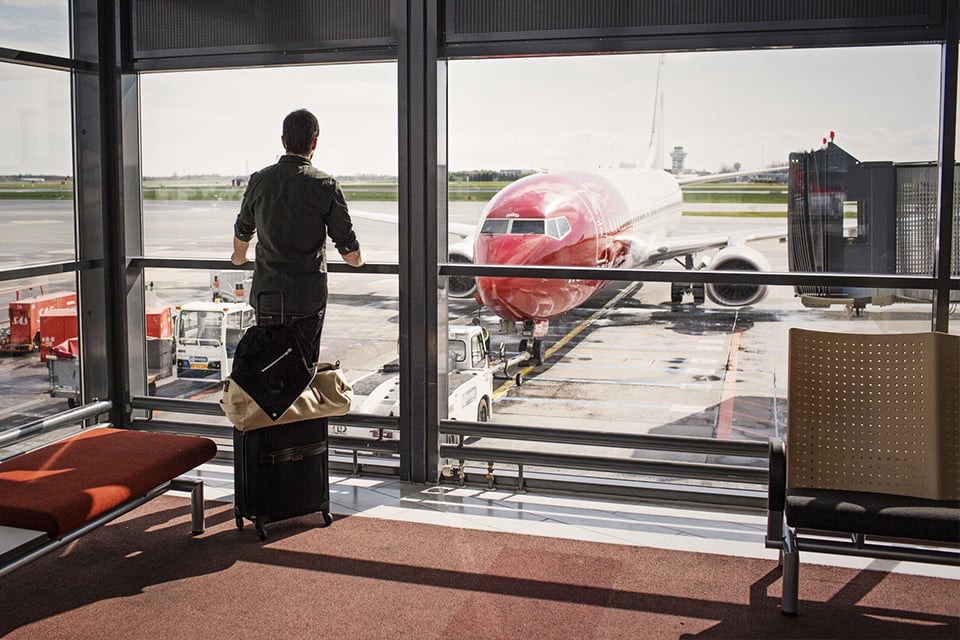
Image Courtesy of Norwegian Airlines
Arriving in Norway
Reaching western Norway is remarkably straightforward.
Flying with Norwegian Air Shuttle offers one of the most direct routes from London, with flight times just under two hours, placing the fjords within easy reach. The experience is efficient without feeling rushed. Self-service check-in allows you to print boarding passes, adjust seating, and move through the process without delay.
Onboard, the cabin is comfortable without excess. It is designed for ease rather than display. There is a quiet efficiency to it, which feels aligned with what comes next.
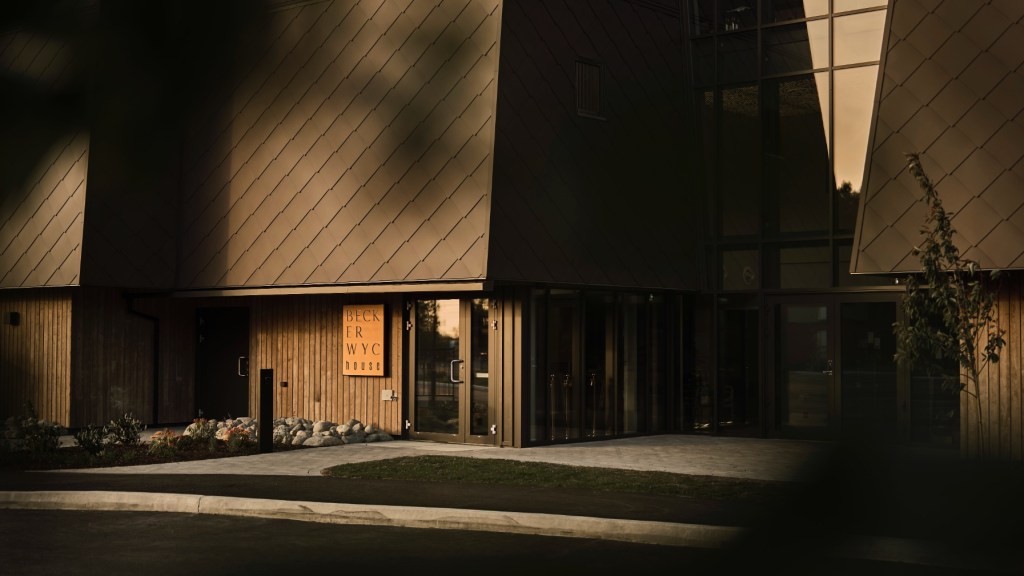
Image Courtesy of Beckerwyc House
A night at Beckerwyc House
Back in Bekkjarvik, from the harbour, it is a short walk to Beckerwyc House.
At first glance, it sits comfortably within its surroundings. Low, understated, and aligned with the coastal landscape rather than set against it. Inside, the intention becomes more apparent. The design is elegant, modern Scandinavian in its restraint. Clean lines, muted tones, and a sense of space that prioritises air over excess. Lighting is soft and deliberate, materials feel carefully chosen, and the overall atmosphere encourages you to slow down. The hotel is a great focal point in the village and ideal for celebrations of any kind.
The room was luxurious and comfortable with modern darker woods and black detailing. The design-led space offered a chic retreat as well as views overlooking the water and gardens. We were also offered a micro EV for our stay, a great way to discover the village and local area. I left my bag in the room and stood for a moment outside, looking out towards the sea. There was no immediate need to do anything apart from enjoy a traditional Norwegian fish soup for lunch. A recipe handed down through the family, this soup is creamy and rich. A celebration of Norwegian seafood. Before long, attention turns to dinner.
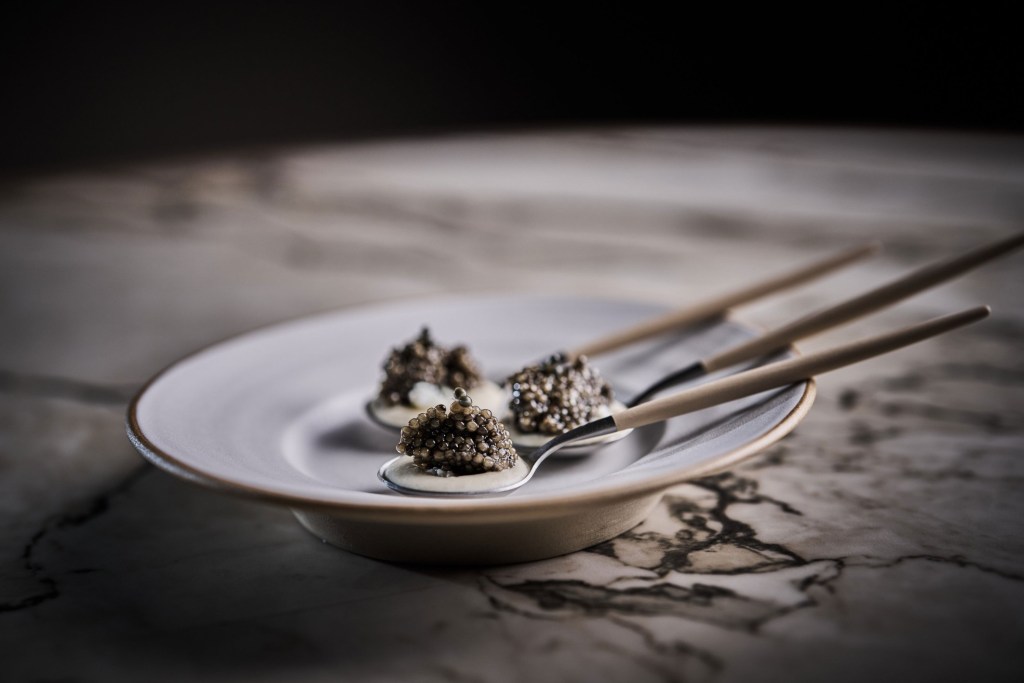
Image Courtesy of Mirabelle
Dinner at Mirabelle
At the centre of the experience is Restaurant Mirabelle. From the opening course, the approach is precise. The menu draws heavily on local produce, particularly seafood from the surrounding waters, but it is the execution that defines it. We started with canapes at Beckerwyc Academy, a luxury culinary experience space, which is such a distinctive part of the whole Beckerwyc concept.
In the dining room, dishes were paired expertly with international wines. We also experienced Bocuse d’Or-winning chef Ørjan Johannessen’s signature dishes, including a dish inspired by Mauritius but using local fish. Norwegian seafood is always at the centre of each dish and this dish had layers of Mauritian spices and curry leaves. Elegant and clever.
Another dish of just-caught squid arrives with a subtle saline edge, the texture delicate, the finish light but lingering. The room remains quietly focused. Conversations stay soft, service moves seamlessly, and the evening unfolds without interruption.
Mirabelle was a real culinary highlight of the trip and somewhere worthy of many accolades. The attention to detail from Ørjan, Head Chef Skyler Milner and the whole team was remarkable.
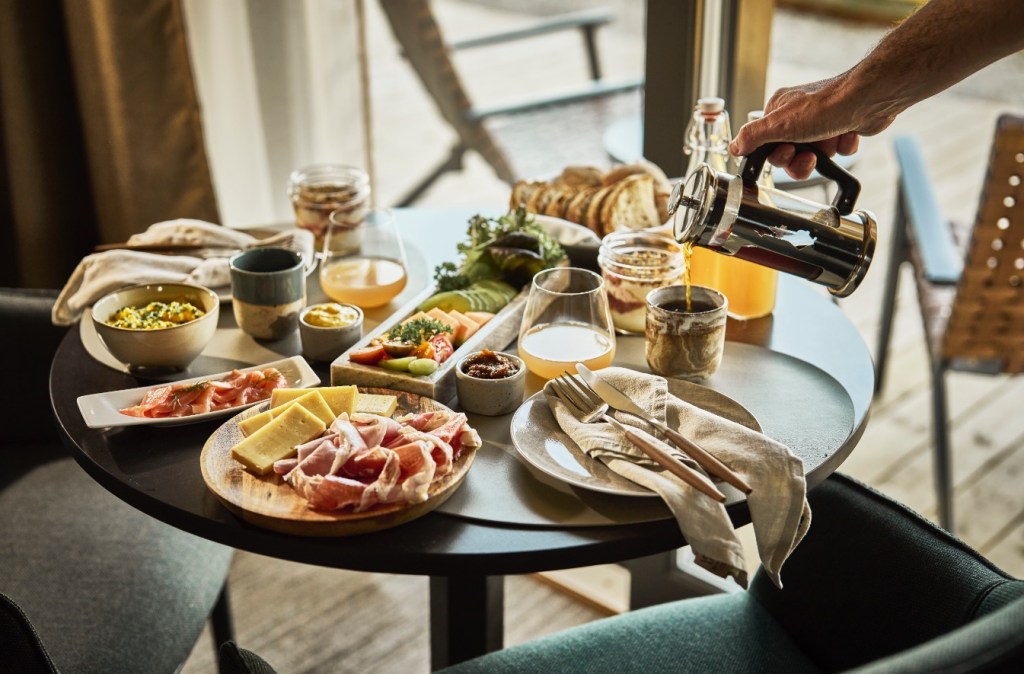
Image Courtesy of Beckerwyc House
Settling Into Bekkjarvik
Morning arrives without urgency. Breakfast unfolds slowly. Coffee, fresh bread, and the soft shift of light across the water hold your attention longer than expected.

Fjord Norway / Espen Bakketun – fjordnorway.com
Walking through the village, everything leads back to the sea. Boats move in and out with quiet regularity, and houses are positioned with purpose rather than display.
It feels authentic, not constructed.
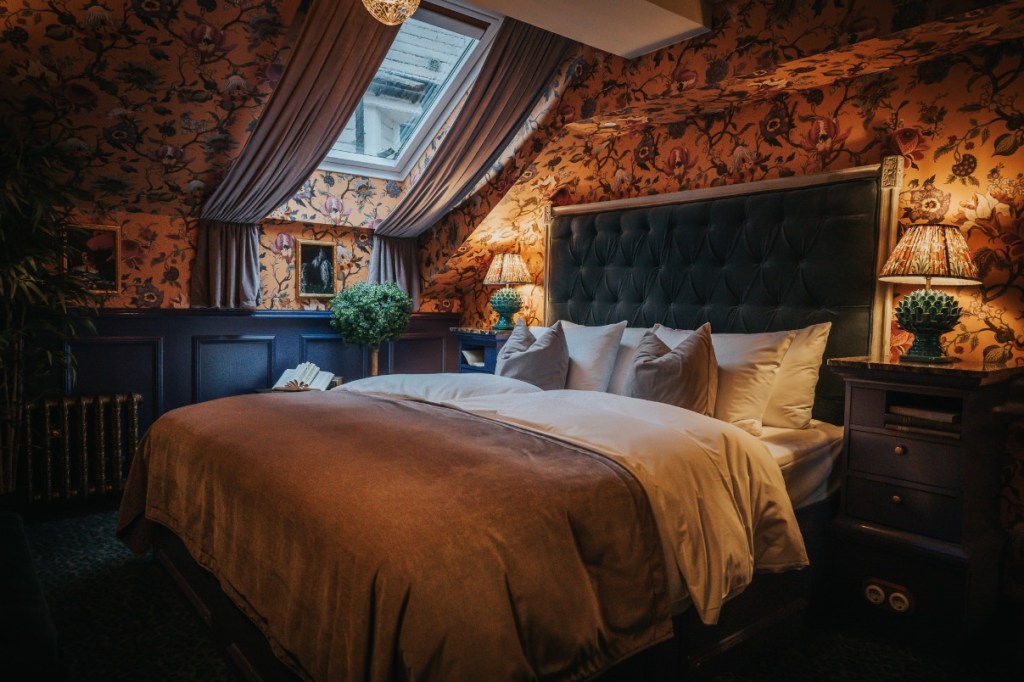
Image Courtesy of Charmante Skostredet Hotel
Returning to Bergen
The journey back to Bergen carries a different awareness. Arriving into the city, there is more movement, more energy, but it feels composed rather than overwhelming.
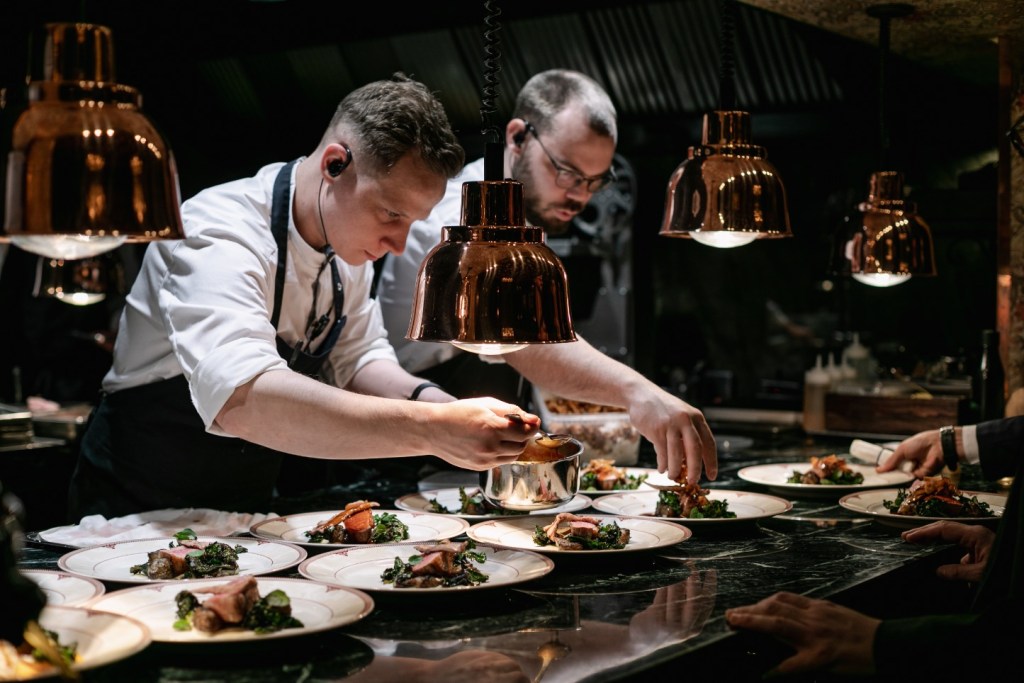
Image Courtesy of Charmante Skostredet Hotel
A short walk from the harbour leads to Charmante Skostredet Hotel, where the atmosphere shifts once again.
Richer textures, deeper tones, and a more European sensibility create a contrast to the restraint of the coast, while still feeling connected to the wider rhythm of the journey. This hotel is naughty and fun. With just 41 rooms, the hotel celebrates chic Parisian fun. Imagine rich wallpapers, mirrored ceilings, velvet everywhere and rich, lush colours. Our room “Élodie” feels intimate and romantic, like an artist’s loft apartment in the heart of Paris. It balanced that Charmante atmosphere along with modern style.
Lunch at the hotel restaurant Brasserie Cherie is elegant and fun. The tartiflettes are a must-try along with their fish soup. You need to also check out their champagne lounge, stocked with a huge supply of Taittinger Champagne.
Bergen moves differently from the islands, but the transition feels natural rather than abrupt.

Image Courtesy of Floyen
The Fløibanen Ascent
The ascent on the Fløibanen begins as a familiar experience, but quickly shifts as the city opens beneath you. As the carriage climbs, Bergen rearranges itself. Streets, harbour, and rooftops begin to connect into a wider structure, framed by mountains and water.
At the top, the perspective holds. It becomes easier to understand how closely everything exists together. The Fløibanen experience was really brilliant and it was so interesting to see the different groups of friends, couples, co-workers and more. Everyone ascending to enjoy a different Bergen 300 metres above the ground.
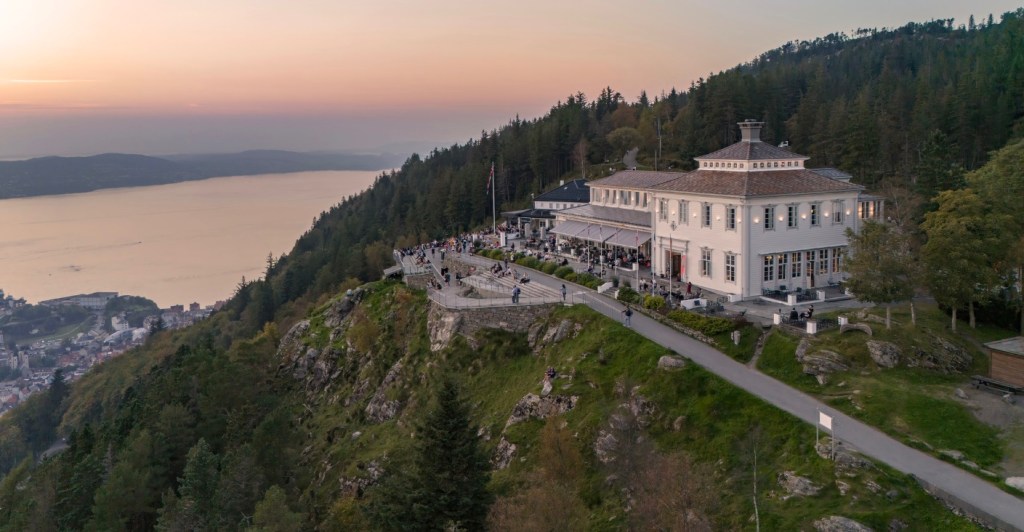
Image Courtesy of Fløirestauranten
Dinner Above the City
At Fløirestauranten, the setting is stunning and dinner reflects the same approach seen throughout the journey. Ingredients are handled with care, and the evening unfolds without interruption. The food was REALLY quite brilliant as was the mixology. We were really quite amazed by the level of mixology here which was on par with any of the best bars in the world. The cocktail programme leans heavily into the surrounding landscape, with drinks inspired by mountain botanicals, Nordic produce and local cider culture. Our favourite was EIR – a mix of whiskey, peanut, apricot, pickled peach, honey, ginger and smoke.
The food was also brilliant. A hearty fish soup was garnished with dill oil, and a must-have is the grilled cheese “Høvding Sverre XO” cheese, with the daintiest candied walnuts and pickled vegetables.
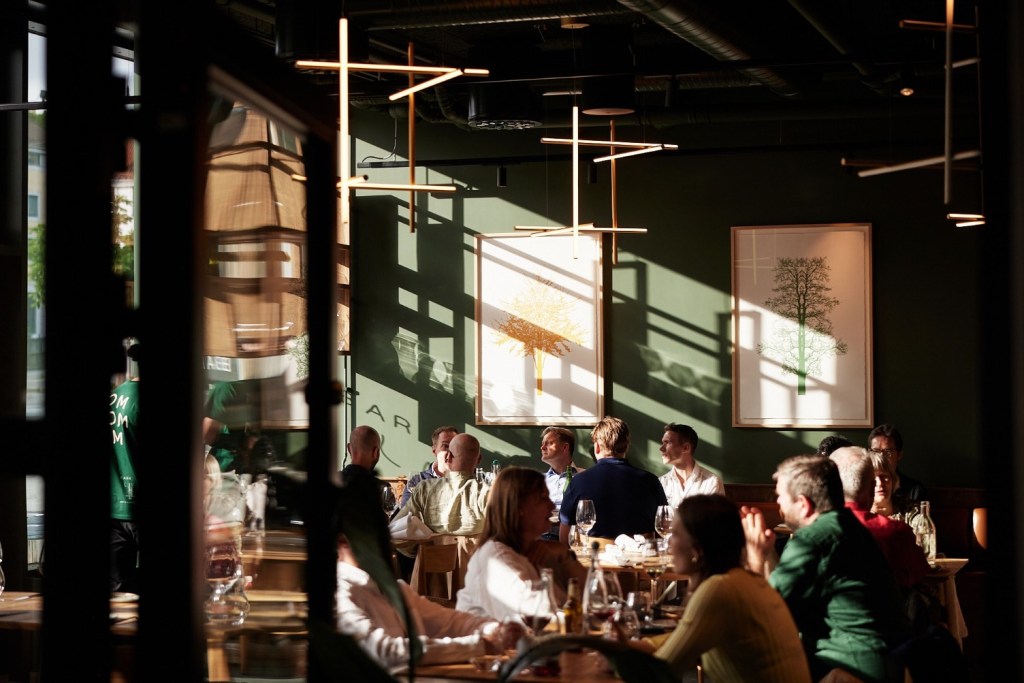
Image Courtesy of BARK
BARK and the Taste of the Fjords
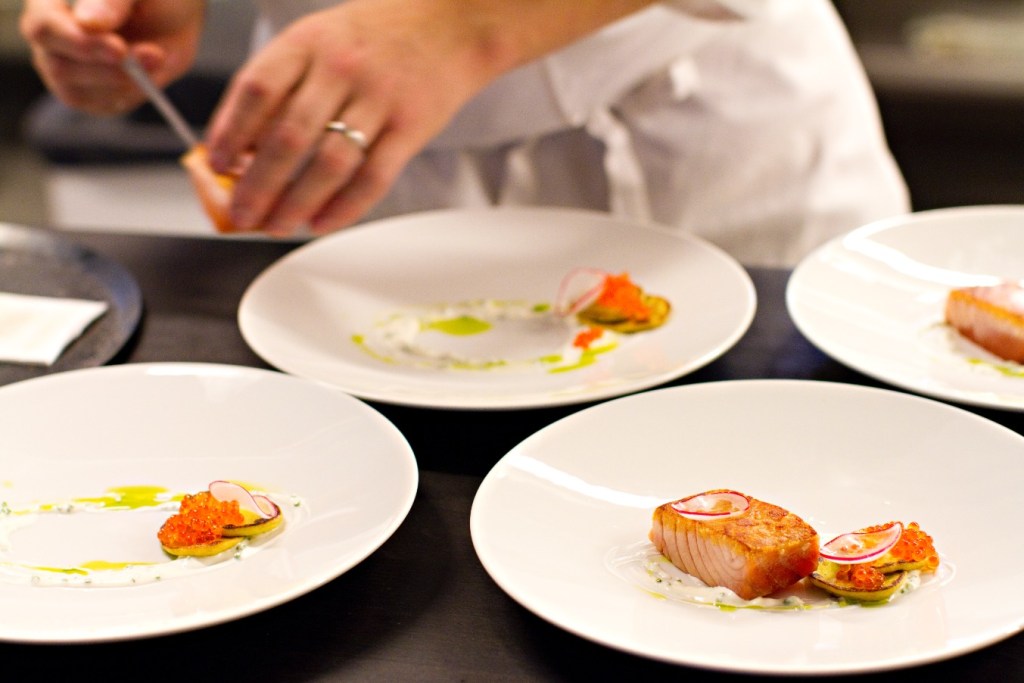
Back in the city, BARK offers a different interpretation of the same principles. The five-course tasting menu is structured but not rigid, paired with local ciders that reflect the region’s growing focus on apple production. The flavours are clean and precise, built around what the fjords naturally provide. The kitchen changes dishes constantly based on seasonal local produce and what arrives from fishermen, divers and farmers that day. Our favourite dish was a delicate langoustine with a contrast of two sauces.
BARK aims to strip away the stiff formality of high-end restaurants and the quality of the food and wine is of a very high standard. There is a huge selection of wine and the five course tasting menu is paired with different items including local cider and international wines.
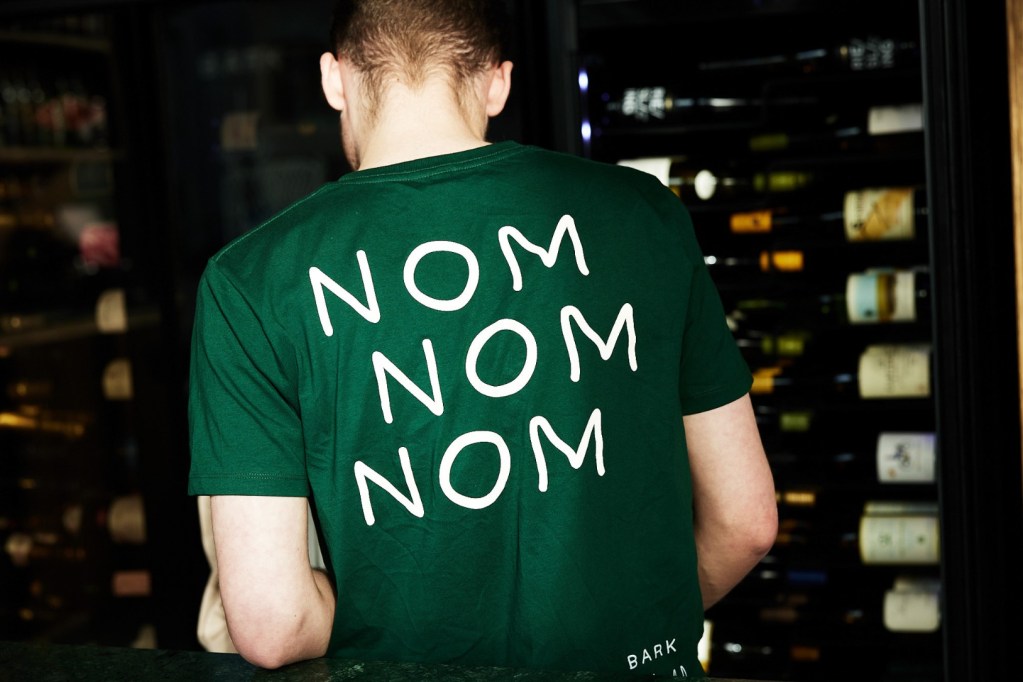
Image Courtesy of BARK
Apples from nearby orchards, wild berries, and cold-water fish all play a role. There is a clarity to the ingredients that does not require heavy intervention.
It feels connected to the landscape, even within the city.

Fjord Norway / Robin Strand – fjordnorway.com
Moving Through Bergen
The following day is spent without a fixed plan.
A fjord cruise in the morning offers a different perspective. From the water, Bergen does not appear as a city placed beside nature, but as something shaped by it. The harbour folds into the surrounding landscape, and the edges between urban and natural begin to blur.
Back on land, walking through Bryggen reveals the historical layer more clearly. Wooden facades, narrow passageways, and the imprint of a trading history that still feels present.
But it is moving beyond that where the city becomes more interesting.
Fjord Norway / Kaitlin Bailey – fjordnorway.com
Around Lille Lungegårdsvann and into the surrounding streets, the rhythm of daily life becomes more visible. Nearby, restaurants such as Lysverket reflect Bergen’s growing confidence as a culinary destination. Local seafood, produce from the surrounding fjords, and contemporary Nordic techniques come together without losing their connection to place. Cafés, small restaurants, and independent spaces that feel embedded rather than curated.
This is where Bergen moves beyond its postcard image.
Walaker Hotel / Marthe Saether – walaker.com
Into the Fjord Landscape
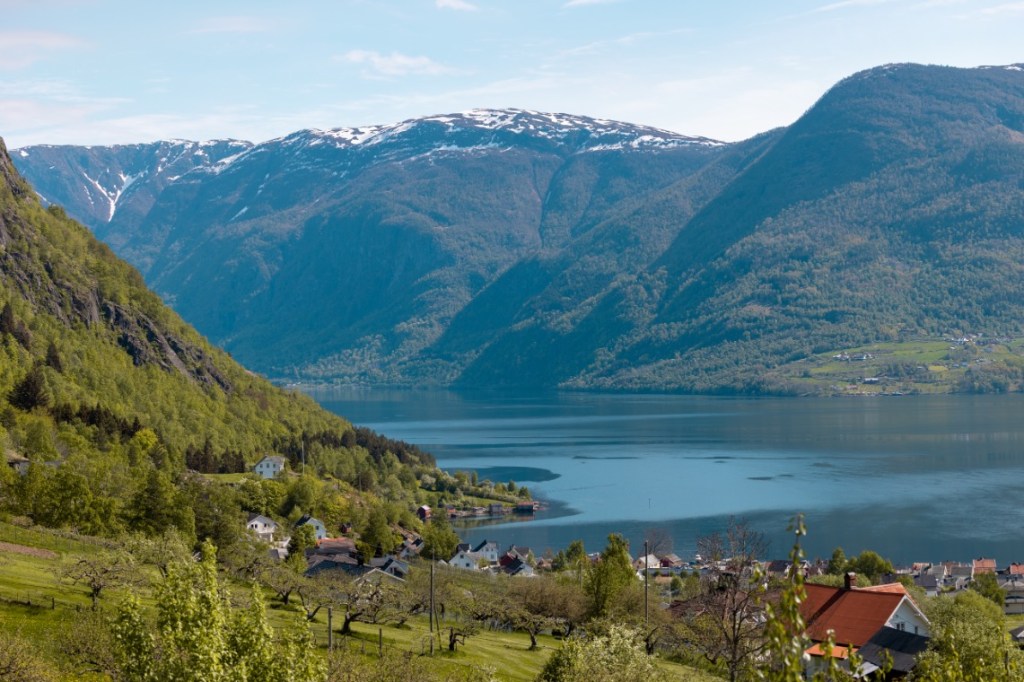
Leaving Bergen early the next morning, the landscape draws inward. The express boat moves deeper into the fjord system. The water narrows, the mountains rise higher, and the sense of enclosure becomes more pronounced. Light shifts differently here, held between the steep sides of the fjord, reflecting in long, muted tones across the surface.
Arriving in Leikanger and continuing to Solvorn, everything slows naturally.
The air feels stiller. The water calmer. Movement becomes less noticeable.
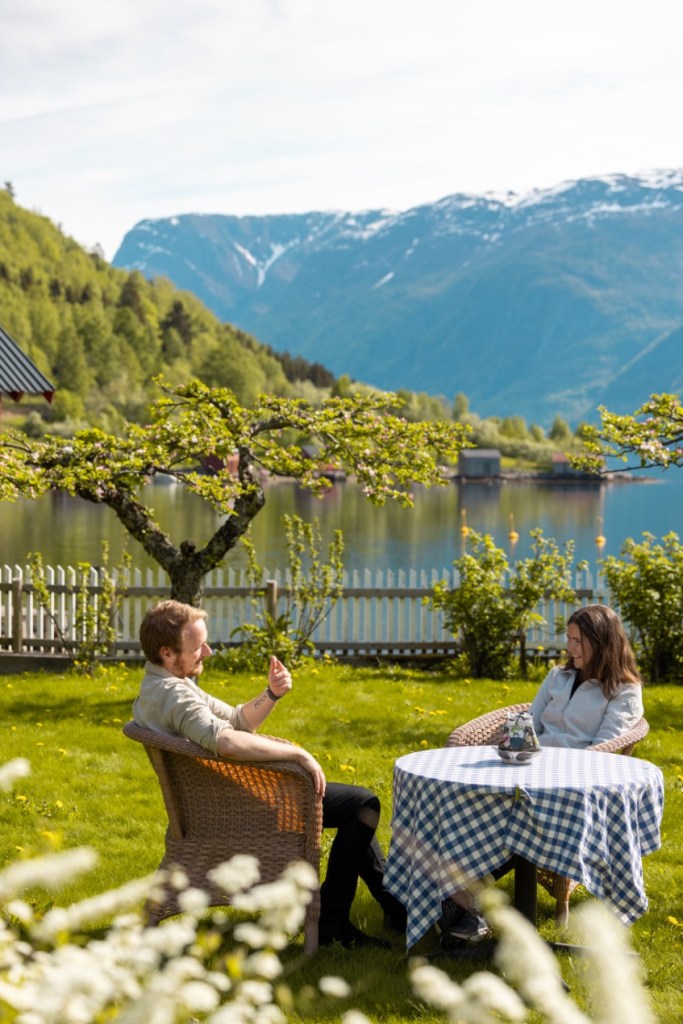
At Walaker Hotel, the experience changes again.
Walaker Hotel / Marthe Saether – walaker.com
Walaker Hotel and Enduring Craft
Walaker Hotel feels rooted in a way that the previous stays do not. At the oldest hotel in Norway, you are invited to embrace the surroundings. This two-Michelin-key hotel is family-run for generations and it carries its history with ease. Interiors feel lived in, but carefully maintained. Nothing appears newly introduced for effect. Instead, the space reflects a gradual evolution, shaped over time.
Our room in the main house is super comfortable and is a celebration of the heritage of the hotel and Norway. The bedrooms in the main house at Walaker Hotell are the hotel’s most historic and characterful rooms. The 17th-century main building contains seven rooms in total, with antique and period furniture. We were given a key for the room when we arrived which we never used. Doors were left open and we felt very at home.

Image: Walaker Hotell
Dinner is structured, but without formality. Local ingredients are prepared with care and served with quiet confidence. There is no need to reinterpret or embellish. Every night is a celebration. A four course menu that changed every day of our stay paired with exceptional wines. Restaurant Manager Christian presented dishes with grace and precision. Favourite dishes included a duck breast from Gardsnad and a creamy cauliflower soup with truffle. If you get a chance, ask to see the wine and Champagne cellar where you will find some real treasures.
The quality speaks without assistance. The hotel has been run by the same family for generations, and that continuity shapes how it feels. Interiors are traditional without being heavy, rooms carry a sense of history balanced with comfort.
Breakfast is a real celebration of Norway with an extensive buffet with a brown cheese made from goat’s milk and of course eggs in any style.
UNESCO / Vesna Vujicic-Lugassy – whc.unesco.org
A Sense of Continuity
The following day adds another layer to the experience. Time spent with a local guide shifts the focus slightly, from simply moving through the landscape to understanding how it has been lived in, shaped, and sustained over centuries. What initially reads as vast and untouched begins to reveal signs of continuity.
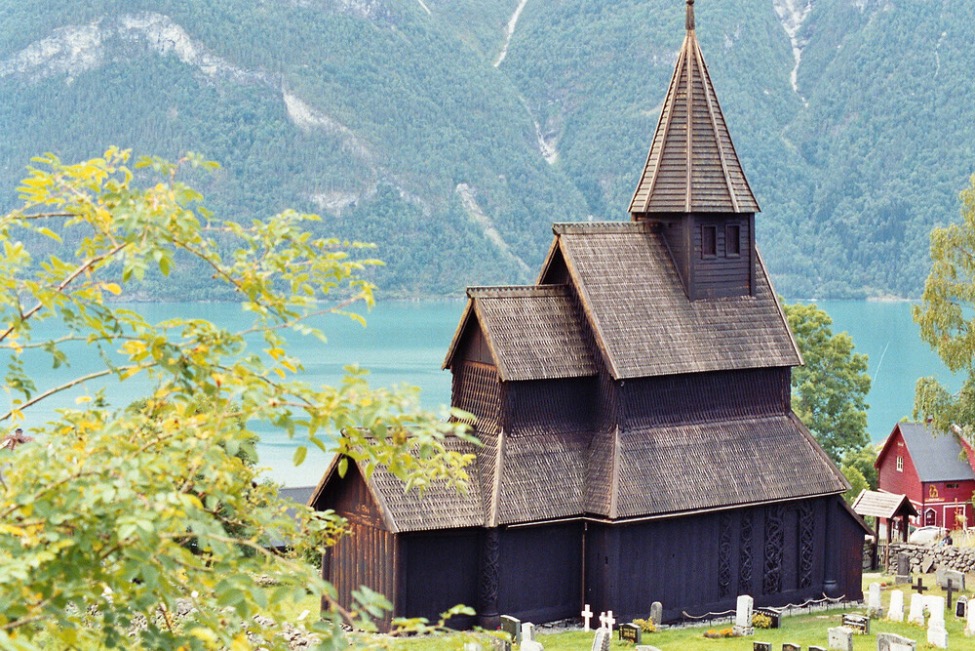
At Urnes Stave Church, that continuity becomes tangible. Dating back to the 12th century, its wooden structure sits lightly above the fjord, weathered but precise, its carvings still sharply defined. There is a quiet intelligence to how it has been placed here, both protected by and exposed to the elements.
Standing nearby, it does not feel like a site preserved for viewing.
It feels inhabited by history, still connected to the landscape around it, as though it has never needed to be separated from it.
Visit Bergen / Casper Steinsland – visitBergen
The Final Stretch
The last stage of the journey introduces a different perspective.
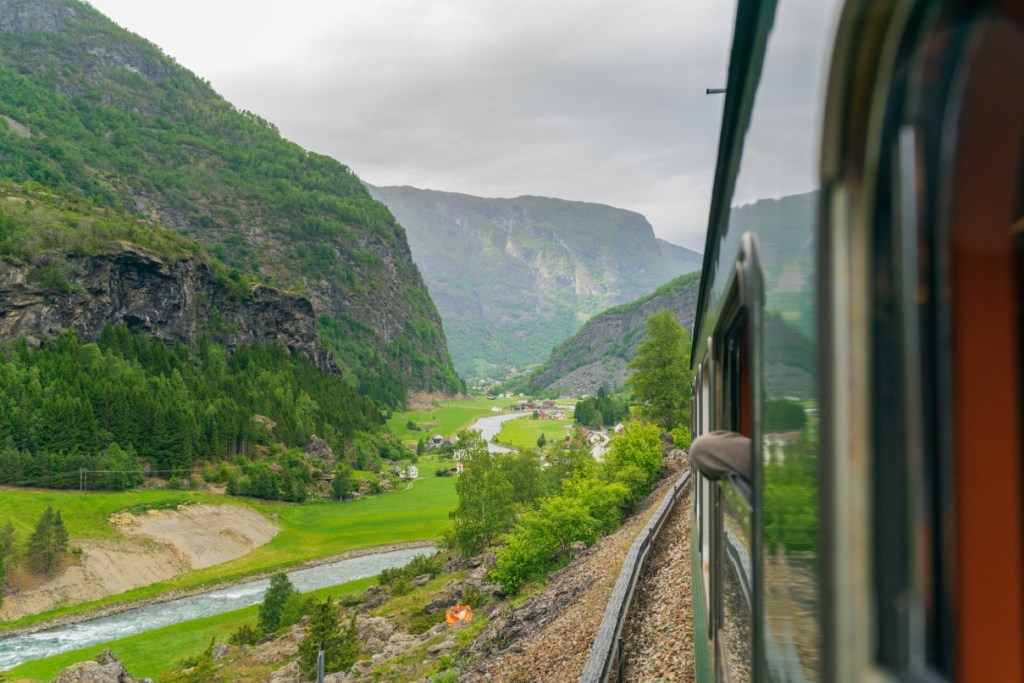
From Flåm, the route continues on the Flåm Railway, where movement becomes more defined, but still closely tied to the terrain. The landscape shifts quickly. Steep valleys, powerful waterfalls cutting through rock, stretches of land that feel expansive yet contained within the mountains.
It offers a final way of understanding the region.
Not as a single place, but as a series of connected environments.
Visit Bergen / Espen Bakketun – visitBergen
Where It Comes Together
Looking back, it is not one location that defines the experience. It is how each part relates to the next.
The exposed coastline of Austevoll. The layered structure of Bergen. The enclosed stillness of the fjords. Contemporary design alongside long-standing tradition. Each element adds something distinct, but none feel separate. That cohesion is what lingers.
There are destinations where luxury is immediate and easily defined. Here, it reveals itself through consistency. Through the way places are designed, meals are prepared, and experiences are delivered without excess.
It is found in the contrast between settings and in the ease with which they connect. You arrive expecting a landscape. What stays with you is something far more complete.
To discover more, visit Fjord Norway and De Historiske
View this post on Instagram