
A lot of people want to be more successful, focused, and productive. But what do high achievers have in common? It’s actually pretty straightforward: setting screen time limits.
Too much time on screens: phones, computers, TVs, can harm our ability to focus, think clearly, and manage time. Some studies even show it can hurt our sleep and mental health.
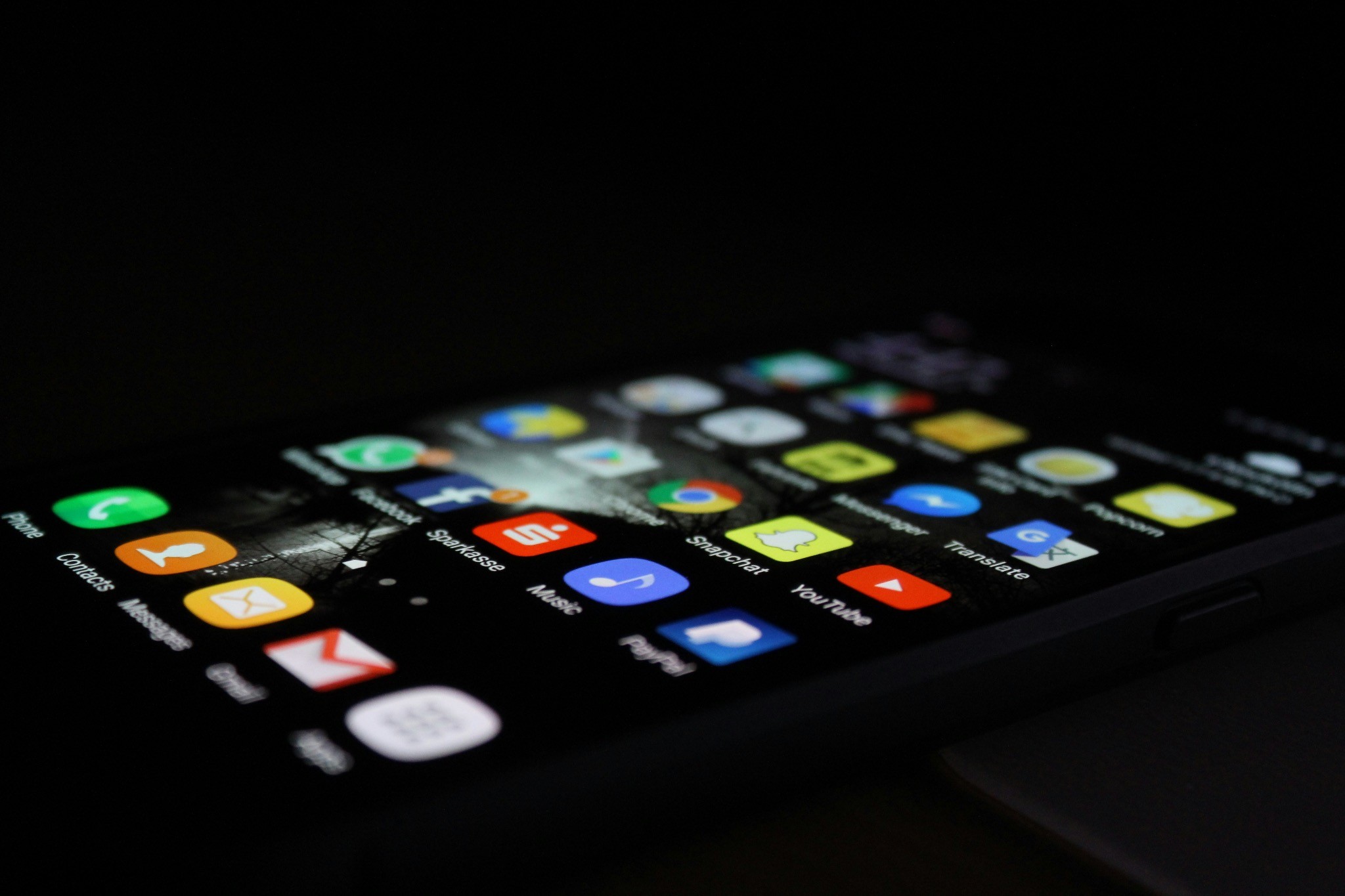
Understanding the Social Media Trap
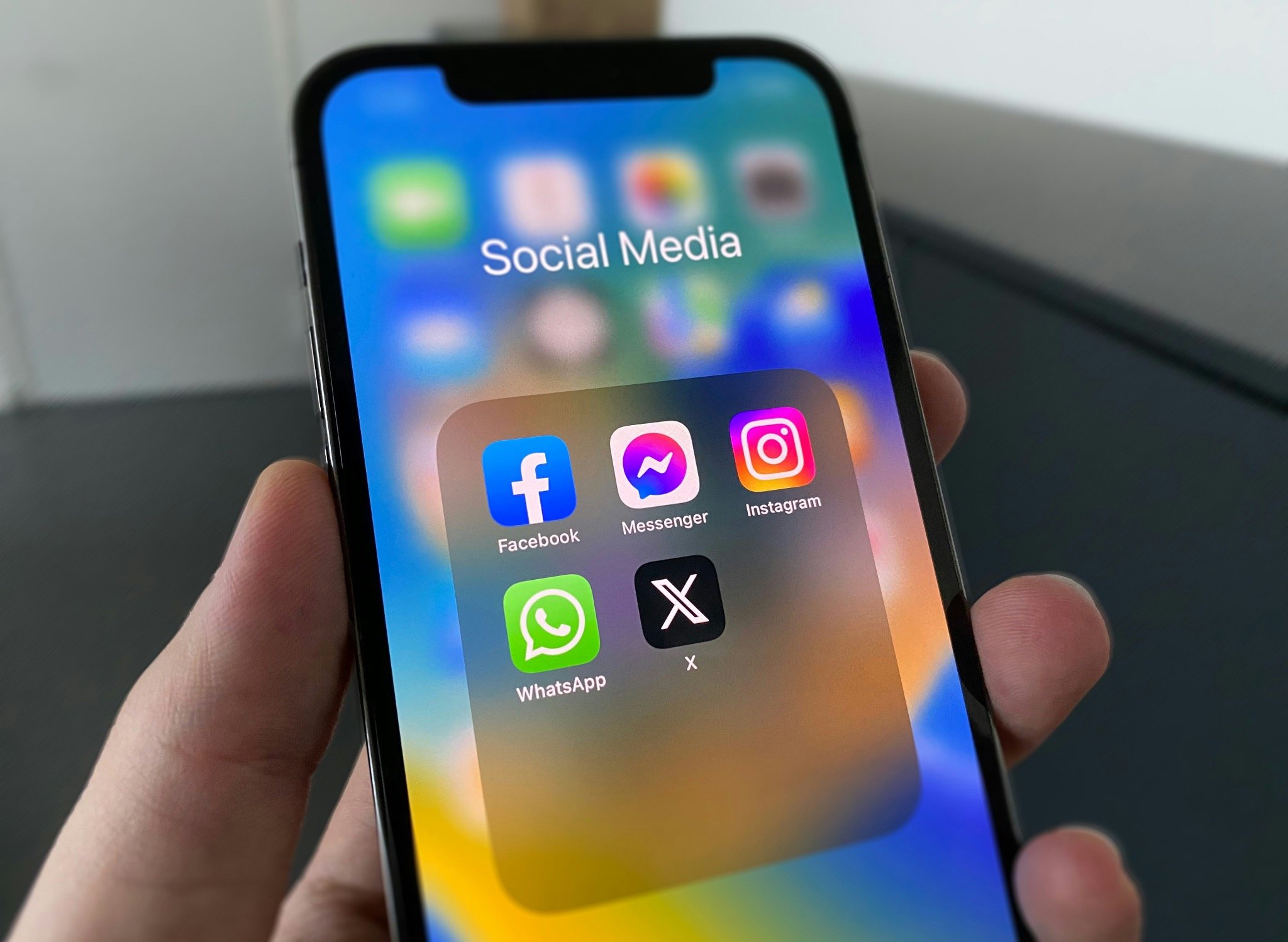
If you’ve ever caught yourself scrolling when you only planned to check one notification, then you understand how easy it is to fall into the social media trap. Likes, notes, and shares are ways that apps like Facebook, Instagram, and TikTok try to keep users engaged. They can be fun, but they can also keep you distracted and busy for hours on end.
The constant urge to check for updates can make it hard for you to concentrate. It also takes your mind off of more important things, like doing your homework, going to work, or spending time with family and friends. That’s why it’s important to recognise the signs and understand how these apps impact your daily life.
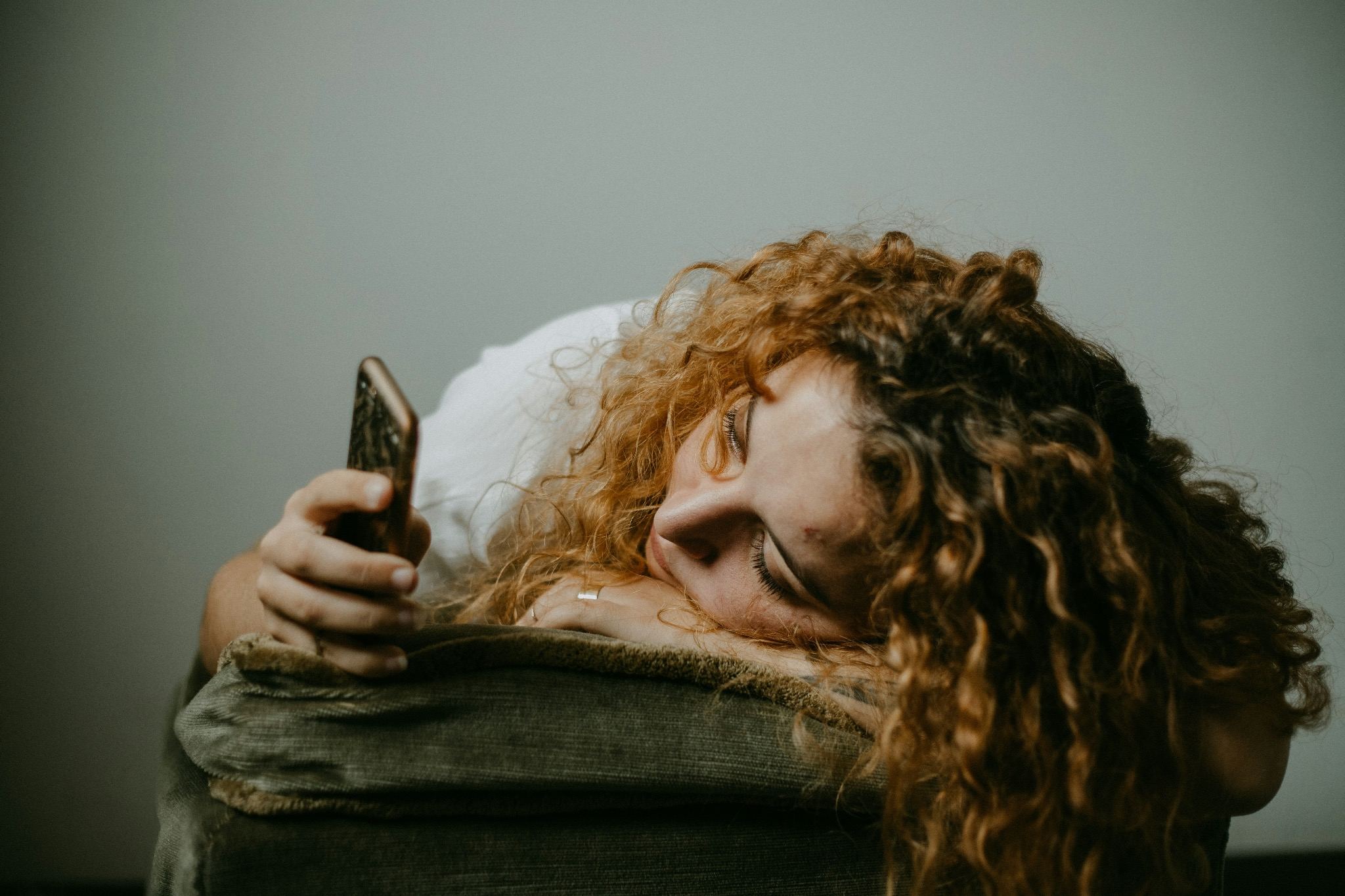
The Mental Health Effects of Too Much Screen Time
The more you stare at screens, the worse it can get for your mental health and your routine. Excessive screen time is associated with:
- Higher stress levels
- Trouble sleeping
- Anxiety and depression
- Eye strain and headaches

How Limiting Screen Time Helps Productivity
Many successful people have discovered that reducing their screen time allows them to do more tasks in less time. This is because it’s easier to focus with a clear mind. Some benefits include:
- Better focus and concentration
- More time for important tasks
- Higher quality work
- A stronger sense of purpose
The more time and effort they save on meaningless scrolling, the more they will have for the things that really matter.
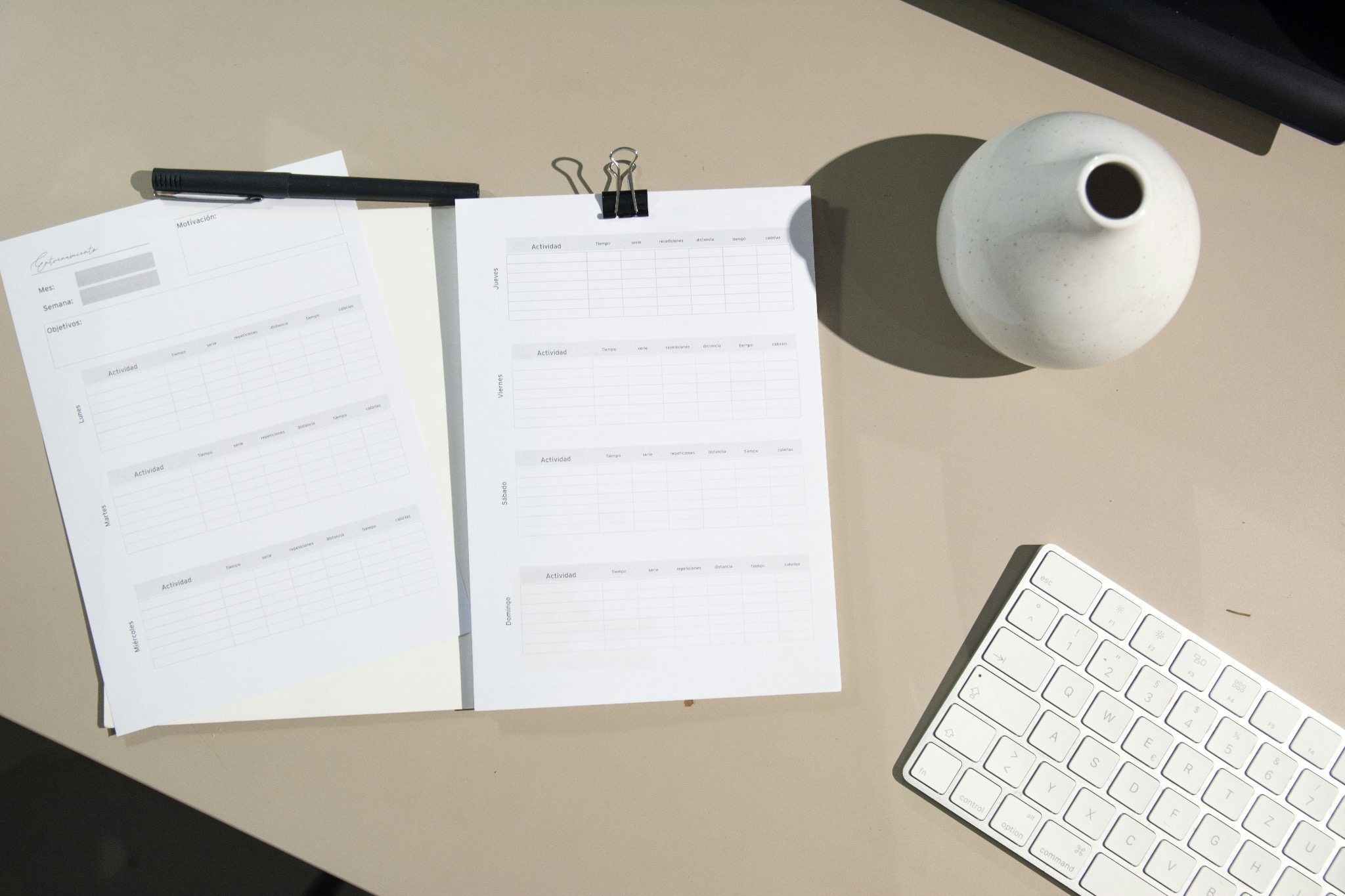
How Successful People Set Limits
So how do successful people manage their screen time? They use smart habits to manage their activities. Here are a few common strategies:
- Time Blocking: They set certain hours for checking emails or social media.
- Digital Detox Days: Many choose one day a week with no screens at all.
- App Timers: Some use apps like Freedom or FocusMe to block distracting websites.
- Turning Off Notifications: This prevents constant interruptions during deep work.
Daily Screen Time Guidelines
Here’s a simple table showing the average screen time used by successful people versus the general population.
| Group | Average Daily Screen Time | Notes |
| General adults (USA) | 7+ hours | Includes work and entertainment |
| Teens (ages 13–18) | 9+ hours | Mostly on social media and games |
| Successful entrepreneurs | 3–4 hours | Mostly for focused business use |
| CEOs and executives | 2–5 hours | Often split between emails & news |

Creating Luxury Tech-Free Spaces
Another smart way to cut down on screen time is by making certain areas screen-free. For example:
- Bedroom: No phones or tablets help improve sleep.
- Dining area: Meals become a time to connect with family.
- Work space: Fewer distractions mean better results.
Having clear rules about where and when to use screens helps develop healthy habits that stick.
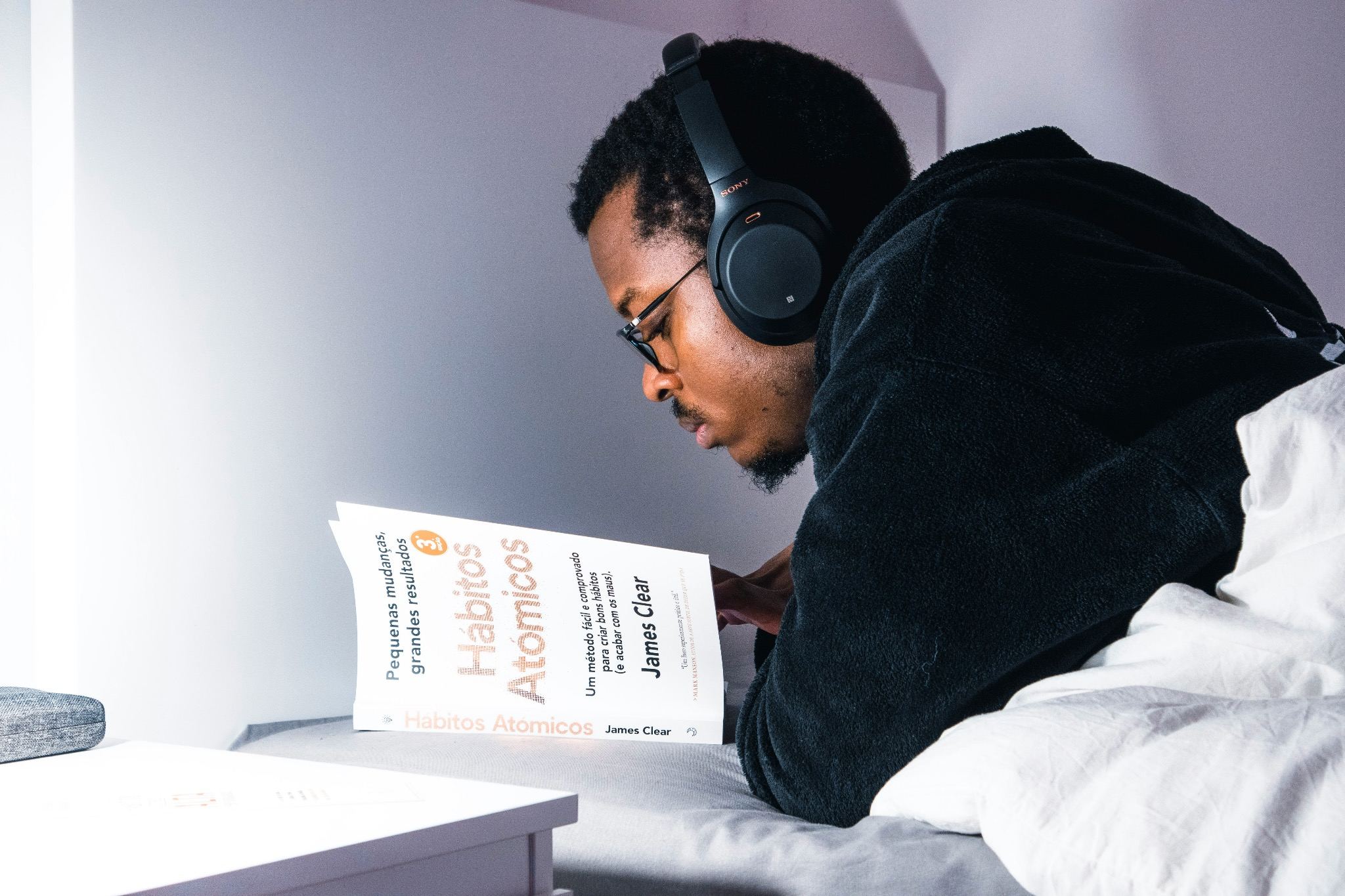
The Link Between Sleep and Screens
Getting enough quality sleep is also important for high achievers. A lot of people set a “screen curfew” for at least an hour before bedtime to read a book or do something quiet. Watching your screen in the hours leading up to bedtime could trick your brain into thinking it’s still day. This can:
- Make it harder to fall asleep
- Lower the quality of your sleep
- Make you feel tired the next day

The Importance of Offline Hobbies
People who are serious about their success make time for offline activities that help them grow and recharge. These hobbies include:
- Reading books
- Exercising or playing sports
- Drawing or painting
- Cooking new meals
- Writing in a journal
Offline hobbies are not only fun, they also help improve memory, creativity, and emotional health.

Comparing Screen Time Habits
Here’s a simple table showing how the average person compares to someone who limits their screen time:
| Activity | Average Person | Screen-Conscious Person |
| Daily social media use | 3-5 hours | 1 hour or less |
| Screen use before bed | 1-2 hours | 30 mins or none |
| Sleep quality | Poor to fair | Good to excellent |
| Focus level at work | Often distracted | Highly focused |
What Science Says About Screens
Experts recommend no more than 2 hours of recreational screen time per day for most people. The World Health Organization also links high screen time to obesity, low grades, and lower mental health.
Successful people often follow these recommendations and add their own personal limits based on what works best for them.

Why Less Screen Time Improves Creativity
Screens are full of other people’s ideas. If you’re always looking at what others create, it’s harder to come up with your own. Time away from screens gives your brain a chance to wander, imagine, and invent.
Successful writers, artists, and business people often say their best ideas came during quiet, screen-free moments, not while scrolling.
Real-Life Examples of Screen Time Balance
- Bill Gates: Takes regular “think weeks” with no screens to read and think deeply.
- Arianna Huffington: Promotes digital detoxing and better sleep habits.
- Jack Dorsey: The Twitter co-founder practices regular meditation and limits screen distractions.
These people didn’t just become successful because of talent. They learned how to focus and protect their time.
Quick Ways to Cut Screen Time Today
Less screen time means more real life. Start small with these practical steps you can try today:
- Delete one social media app you don’t use often.
- Set your phone to grayscale mode.
- Ditch your phone alarm for a regular one.
- Try a 24-hour “digital break” each week.
- Replace 30 minutes of screen time with a walk or a book.

Final Thoughts
Limiting screen time isn’t about giving up technology. It’s about using it in smarter ways. You can start these habits no matter what you do for a living or how you live. In a world where screens are always calling, the real power lies in knowing when to put them down.
Imagery courtesy of Unsplash and FreePik