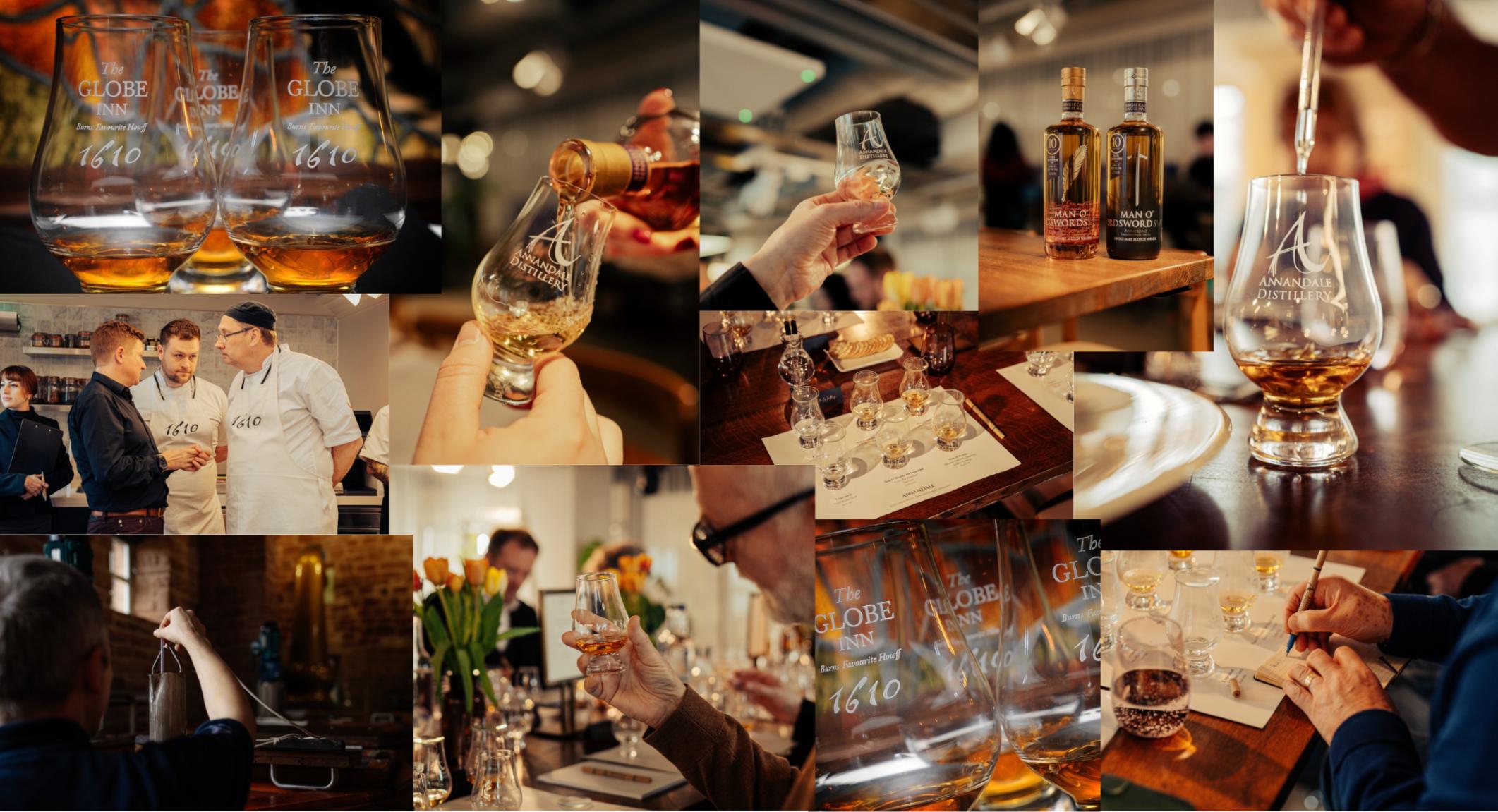
January does something to Dumfries. The light turns silver, frost sharpens the cobbles, and there’s a clarity to everything that makes you want to slow down and stay awhile. Mist hangs low over the River Nith, and there’s a sense that Robert Burns might still be sitting in some corner, scribbling verses into a napkin. This is where Scotland’s national poet spent his final years, and every winter the town comes alive to honour him. Suppers are laid, fiddles tuned, and whisky poured in his name. For those wanting to follow in his footsteps, there’s no better time than the lead-up to Burns Night on 25 January, when Dumfries transforms into a festival of words, warmth, and spirit.
At the heart of this pilgrimage are two places deeply entwined with Burns’ legacy: Annandale Distillery, home of Man O’Words, the whisky inspired by the poet himself and The Globe Inn, Burns’ self-proclaimed favourite howff. Here you can still tour the rooms he once inhabited, dine in a Michelin-listed restaurant, and be enveloped in the place he once knew. Together, they make for a weekend that honours the past without getting stuck in it.

Image courtesy of Avanti West Coast
Getting There with Avanti West Coast
We loved our journey to Scotland with Anati West Coast. In London, it all started in the lounge. First-class passengers enjoy attentive service and a complimentary buffet away from the crowds. Such a great facility. On the train, the food highlights regional ingredients and classic British dishes, with hearty lunches, cheeseboards up north, and tasty breakfasts and snacks. One thing that most of the carriage had was the sticky toffee pudding. Awesome. Menus change based on the time of day and the route. On many London to Scotland journeys, drinks like wine are included, and the menu features local suppliers from along the West Coast Main Line.
Once you leave the Midlands and the scenery opens up, it’s easy to forget you began your day in a busy city. The seats are wider, more comfort with extra leg room, a guaranteed table and the carriage is quiet, so there’s plenty of space to relax. As the landscape becomes more rural and the sky darkens, free WiFi helps you stay connected for the whole journey.
The light softens, and the countryside comes into its own as you get closer to Carlisle. It’s the kind of ride where you find yourself lingering by the window, sipping your drink, and not hurrying to get off the train. This is the first part of the experience, not merely transportation. Best of all, the staff were so friendly and attentive. They also know their stuff, telling us the best place to exit the train so that we could make our connection.
The Owners
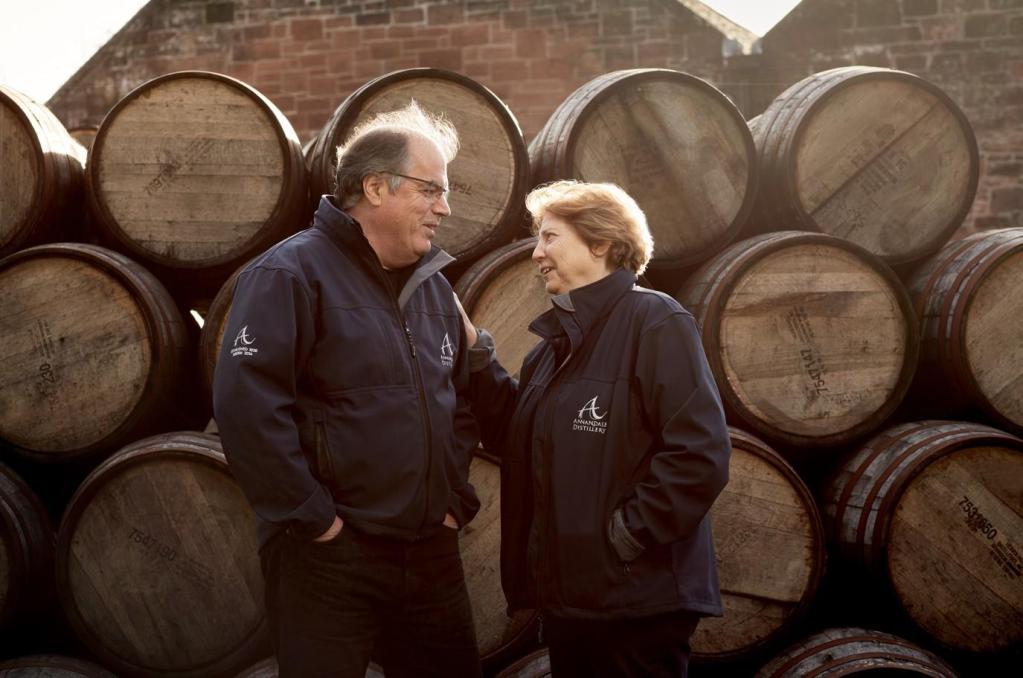
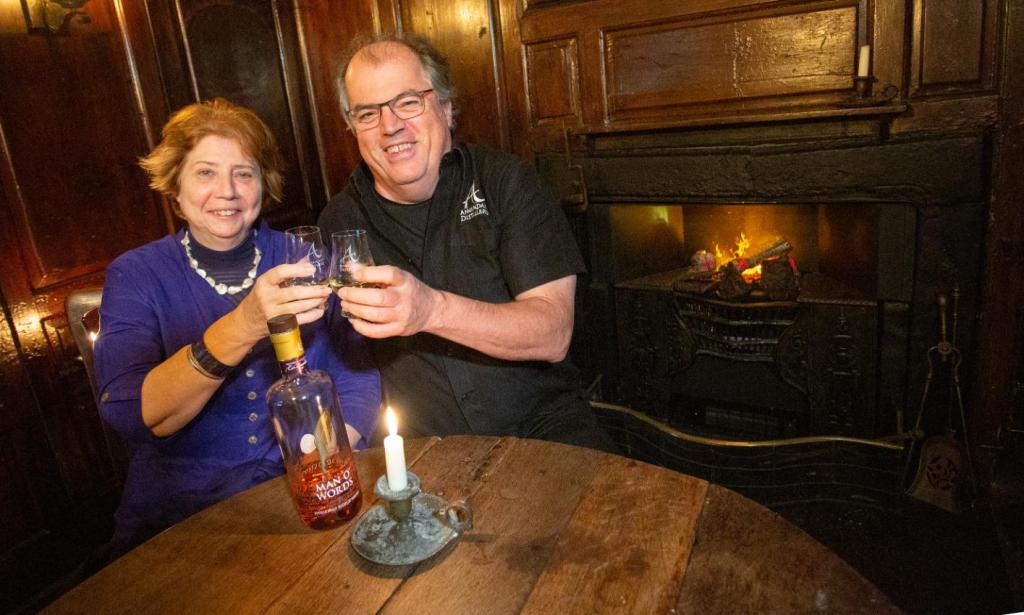
Annandale’s revival is closely tied to its owners, Professor David Thomson and Teresa Church, whose combined expertise has shaped the distillery since its restoration in 2014. David, a Dumfries native and specialist in sensory science, approached the project with a focus on flavour, process and precision. Teresa led the architectural restoration, drawing on her experience with historic buildings to bring the old sandstone structures back to life. Together, they worked with the late Dr Jim Swan to develop Annandale’s fruit-forward spirit and twin copper still setup, creating a distillery that respects its 1836 origins while producing whisky for a modern audience. Annandale today is an obvious reflection of their vision and long-term commitment.

Where Whisky Meets Words
Annandale Distillery sits just eight miles from the English border in the small town of Annan, a vision in restored pink sandstone that dates back to 1836. It was one of Scotland’s first legal distilleries, later owned by Johnnie Walker, before falling silent for nearly a century. Its resurrection in 2014 by Professor David Thomson and Teresa Church was nothing short of devotion. They kept the rare Doig pagoda roof, brought in twin copper stills designed by the late Dr Jim Swan, and committed to a philosophy that sets Annandale apart from almost every other distillery in Scotland.
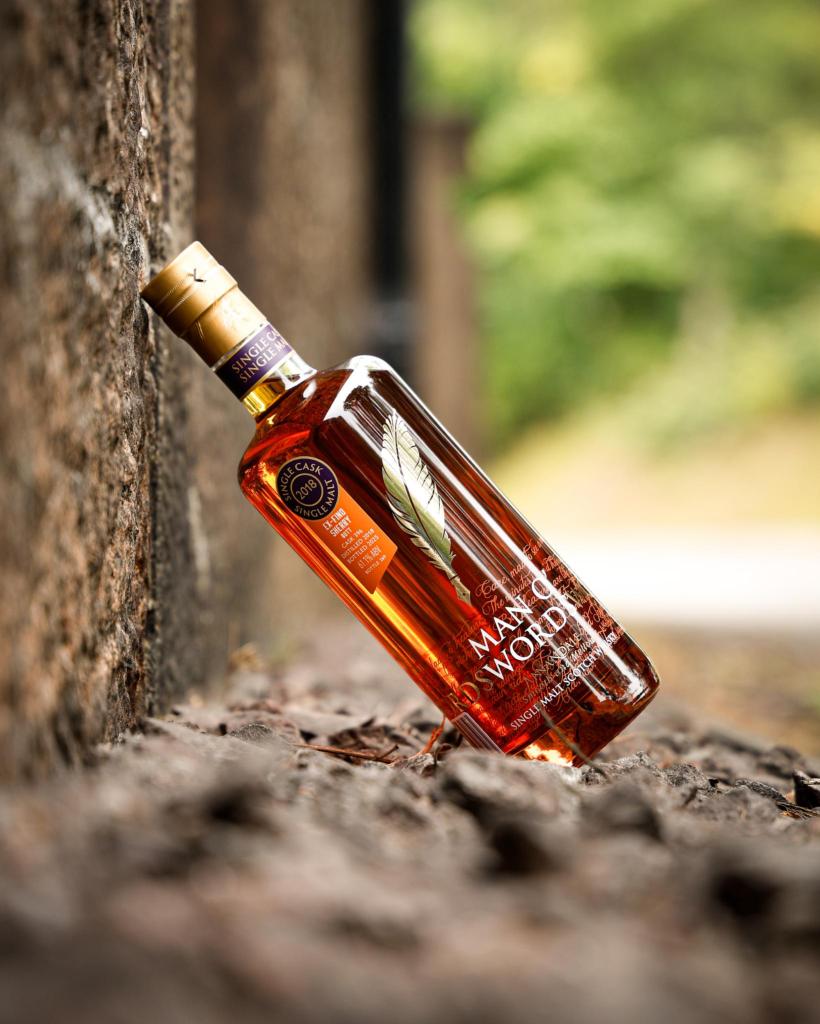
Here’s the difference: every bottle comes from a single cask, bottled at natural strength, with no chill filtration, no blending, no compromise. What you taste is what came out of that barrel, full stop.
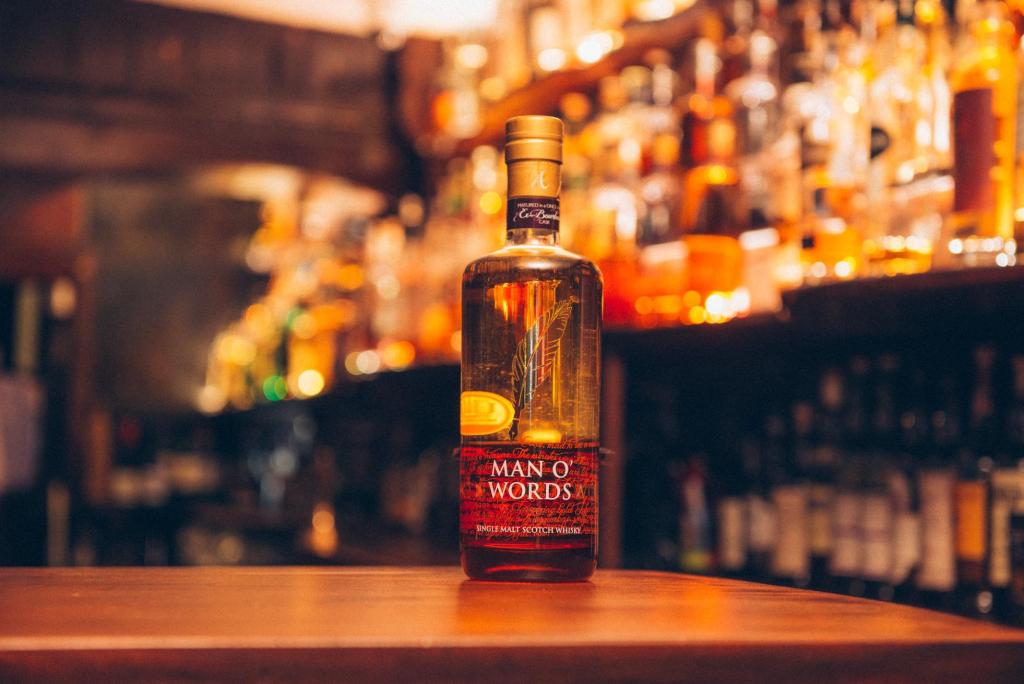
The house style comes in two expressions, both anagrams of each other and both rooted in the region’s history. Man O’Words is the whisky, inspired by Robert Burns and his way with language. Man O’Sword is a nod to Robert the Bruce, once Lord of Annandale. The newly released ten-year-old editions, matured in first-fill ex-Bourbon casks from Buffalo Trace, are a milestone for the distillery. They’re bold and layered, with orchard fruit and vanilla running through cream toffee, and a floral note lingering at the back.

The Whiskies
Annandale’s shelves hold more than just these two icons; they have a spectrum of single-cask personalities, each one bottled exactly as it came from the wood. The Man O’Words 10-Year-Old (Cask 125) shows the house character at its purest: stewed apples, pears, apricot, coconut and creamy vanilla with a waxy floral finish. Its peated twin, the Man O’Sword 10-Year-Old (Cask 69), opens with soft woodsmoke and moves into Granny Smith apple, cream soda, toffee, linseed and parma violets. A refill ex-Bourbon Man O’Words brightens into sharper orchard fruit and honeyed grain; a Double Oak Man O’Sword, matured in Woodford Reserve’s secondary-charred casks, deepens into toasted caramel and spice; and an STR wine cask Man O’Words, crafted in Dr Swan’s signature style, bursts with red berries, citrus oil and warming spice.

Inside the Still House
A tour of Annandale is intimate in the best sense. You’re not herded through with a crowd; you’re guided through old sandstone buildings where archaeologists uncovered traces of the original nineteenth-century operation. The guides tell stories through objects and architecture, showing you the twin copper stills and explaining the cask programme that spans Kentucky, Spain, Burgundy, and beyond. If you’re lucky, you’ll taste new make spirit straight from the vat.
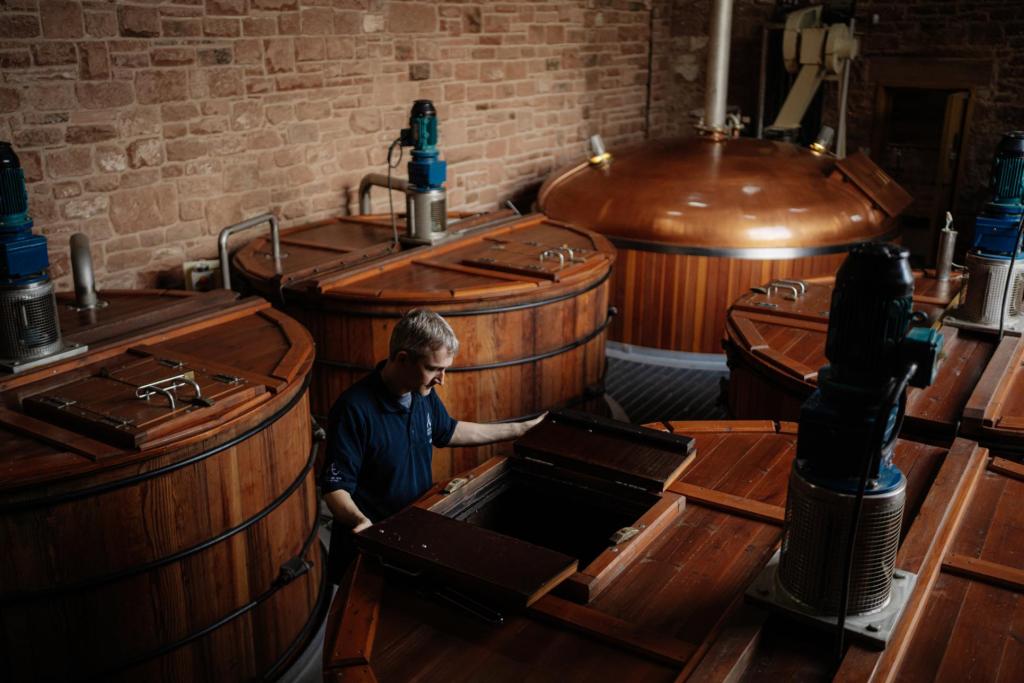
There’s no performance here, no unnecessary drama. Just people who care deeply about what they’re making, and want you to understand why it matters. By the end of the tour, you know why single cask whisky is a statement, why every release from Annandale tells a different story, and why this distillery feels less like a business and more like a manifesto.

Lunch at Annandale Distillery
The tour winds down at the Maltings Café, where lunch is served in the shadow of the distillery. The menu is unfussy and comforting, exactly what you want after a morning spent learning about mash tuns and maturation. There’s smoked haddock broth, local cheeses, a cheese scone as big as your hand and the most tender Scottish smoked salmon. The kind of food that warms you from the inside and pairs beautifully with a dram from the shelves behind the bar. It’s the sort of meal that makes you linger, letting the afternoon stretch before heading into Dumfries proper. The cafe is also dog-friendly, and there are even snacks on sale for them!
The Howff Burns Called His Own
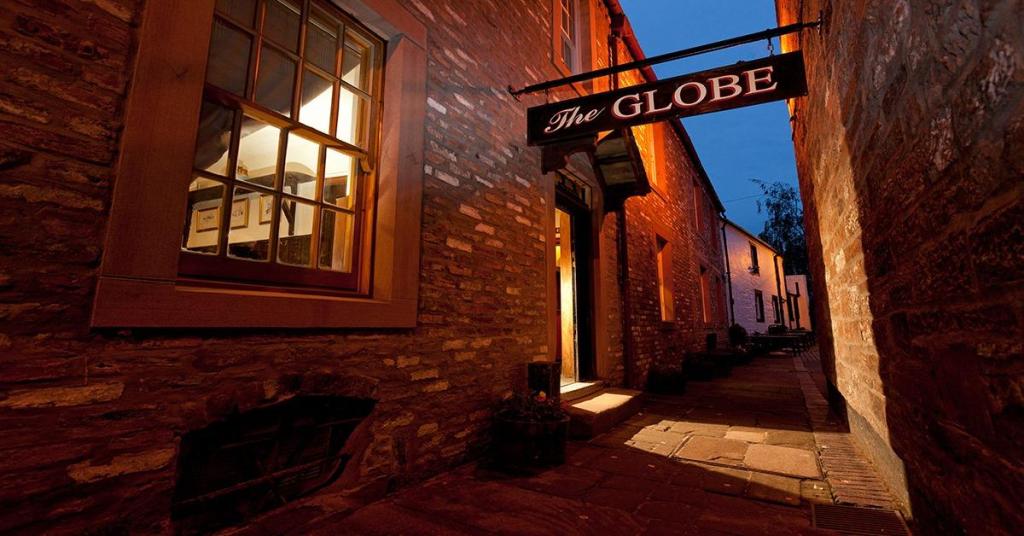
By late afternoon, it’s a short drive into town and to the old timber and stone of The Globe Inn. The building dates from 1610, and walking through its door puts you in direct conversation with Burns’ world. This was his favourite pub, his howff, the place where he drank, debated, and left his mark, quite literally, by scratching lines of poetry into the windowpane of his bedchamber.
The Globe has been lovingly restored, and visitors can still tour the Burns Rooms to see the artefacts and records that map out the poet’s life here. It’s one thing to read about Burns; it’s another to stand in the room where he slept, to see his handwriting etched into glass, to trace the contours of a life lived in these exact spaces.
A Table Where Past Meets Present – The Degustation Menu at 1610
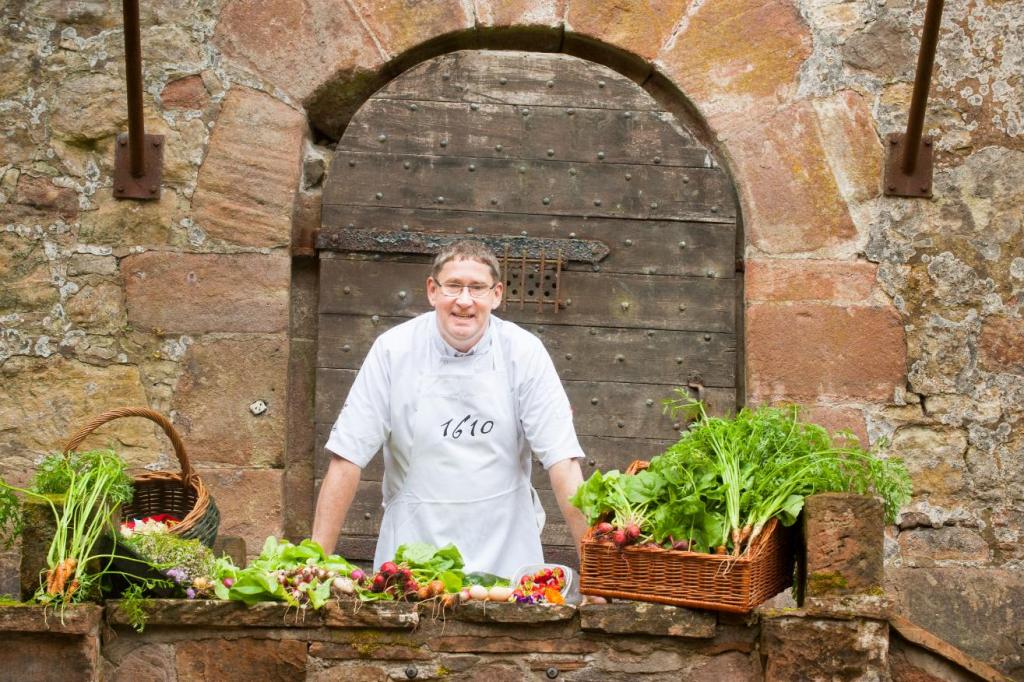
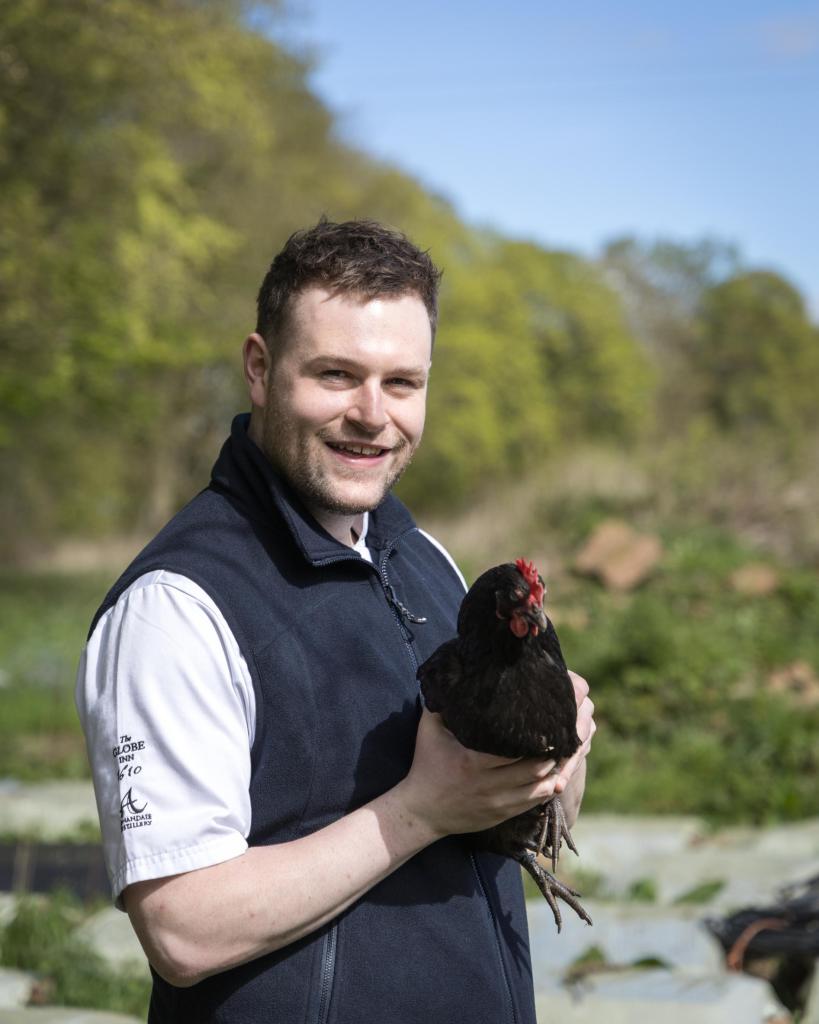
1610 at The Globe Inn is a Michelin-listed restaurant that has quietly become one of the best places to eat in Scotland. Head chef Fraser Cameron, a 2025 Roux Scholarship finalist and two-time Scottish Young Chef of the Year, leads a kitchen that works closely with local estates and the restaurant’s own kitchen garden. The menu changes with the seasons, not as a marketing line but as a necessity. If the beetroot is ready, that’s what you’ll find on the plate. If the walnuts have been foraged, they’ll appear pickled alongside pork en croute.
This was one of the very best dinners we have had this year. Exceptional from the very first snack, where Fraser states his intentions for a world-class experience, worthy of many Michelin stars. This is an experience on par with world-class restaurants, showcasing some of the very best cooking.
The dégustation menu at 1610 tells its story one course at a time. Each dish arrives with the quiet precision that defines Fraser’s cooking. The meal opens with a refined canapé paired with an Azahara Chardonnay/Pinot Noir Brut. Its citrus lift and gentle brioche notes set a bright tone for the night.
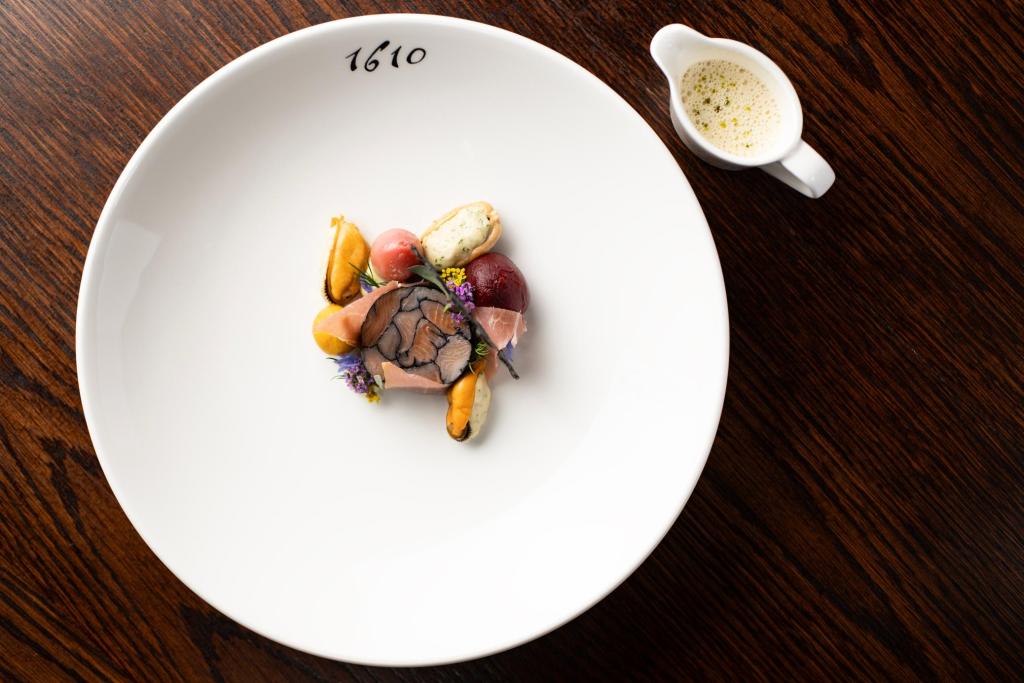
The sea bass follows. It is delicately cooked and paired with a Rías Baixas Albariño, whose pear and citrus profile sharpens the sweetness of the fish. Then comes the pork en croûte. Rich, flaky, and perfectly seasoned, it meets a White Rabbit Riesling that cuts through the fat with clean, mineral clarity. The cod shifts the mood. It is a pure, elegant plate, lifted by a structured Chablis that mirrors its finesse.

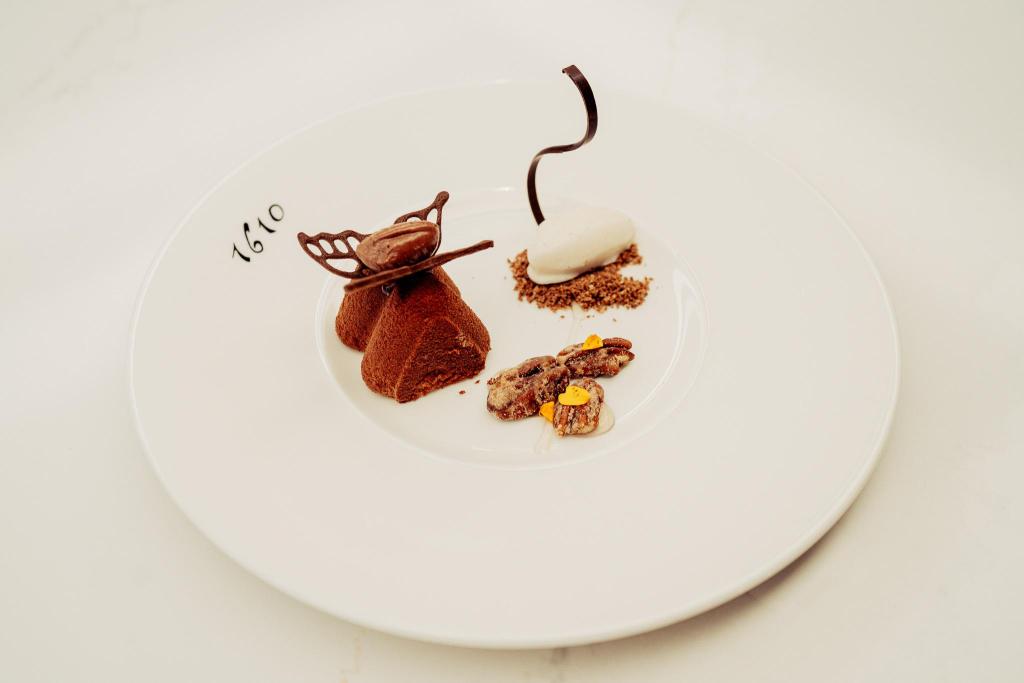
The Galloway beef brings depth. It is paired with a Primitivo–Tormaresca blend that adds warmth, red fruit, and soft, rounded tannins. Dessert leans into apricot and patisserie. A glass of La Fleur d’Or sits beside it and feels made for the dish. None of the wines dominates. Instead, they lift the flavours and frame the kitchen’s intent. Together, the dishes reflect technique, restraint, and the rhythm of the seasons in Dumfries.

The cheese plate was one of the best executed dishes we have seen in years. A thoughtful selection of nine cheeses was served with a menu describing each in order, alongside local honey, hand-carved grapes, and a celery relish.
And then there’s the whisky. The Globe is home to one of the largest single-cask collections in the UK, including a deep selection from Annandale. Chris knows his way around a dram, and pairing a plate with a pour of Man O’Words or Man O’Sword is one of those rare dining experiences where everything clicks. The whisky lifts the food, the food opens up the whisky, and suddenly you’re tasting the whole of Dumfries in a single sitting.
We will be talking about this dinner for years to come. Incredible.
Sleep Where the Poet Slept
After dinner, if you’re staying overnight, the rooms at The Globe offer the kind of comfort that doesn’t announce itself. Exposed beams, brass lamps, the faint hum of conversation drifting up from the bar below. It’s easy to imagine Burns at his desk somewhere beneath you, ink-stained fingers working through another verse. What makes The Globe work is its refusal to fossilise the past. It’s a monument that still functions as a home, a history that still knows how to pour a decent pint.
You wake to the sound of Dumfries stirring, light slanting through old windows, and it feels entirely natural to be here.
A Town in Celebration
If your visit falls near Burns Night on 25 January, Dumfries shifts into another gear entirely. The town hosts suppers, performances, and readings, among other things. Burns’ influence ripples through every event, every gathering. You can visit the Robert Burns Centre, explore his former home, or drive out to Ellisland Farm, where he worked the land and wrote some of his most enduring poems. All of these are open to the public free of charge, and all of them add layers to your understanding of the man behind the myth.

Back at Annandale, Man O’Words carries his name with grace, the unpeated whisky a liquid tribute to the wordsmith himself. At The Globe, raising a glass in the rooms he frequented feels less like nostalgia and more like acknowledgement. Burns wrote about friendship, about warmth, about the pleasures of good company and a well-made dram. A weekend in Dumfries, moving between distillery and inn, tasting whisky and history in equal measure, puts you inside that world.
This isn’t a trip for ticking boxes. It’s for slow tastings and long conversations, for learning the story of a cask and the provenance of a walnut, for occupying spaces Burns once occupied and understanding why they mattered to him. If you’re after a winter escape with substance, soul, and a direct line to Scotland’s literary heart, this is it.
For more information, visit Annandale Distillery and The Globe Inn.
Ver esta publicación en Instagram
All imagery by Annandale Distillery and The Globe Inn.