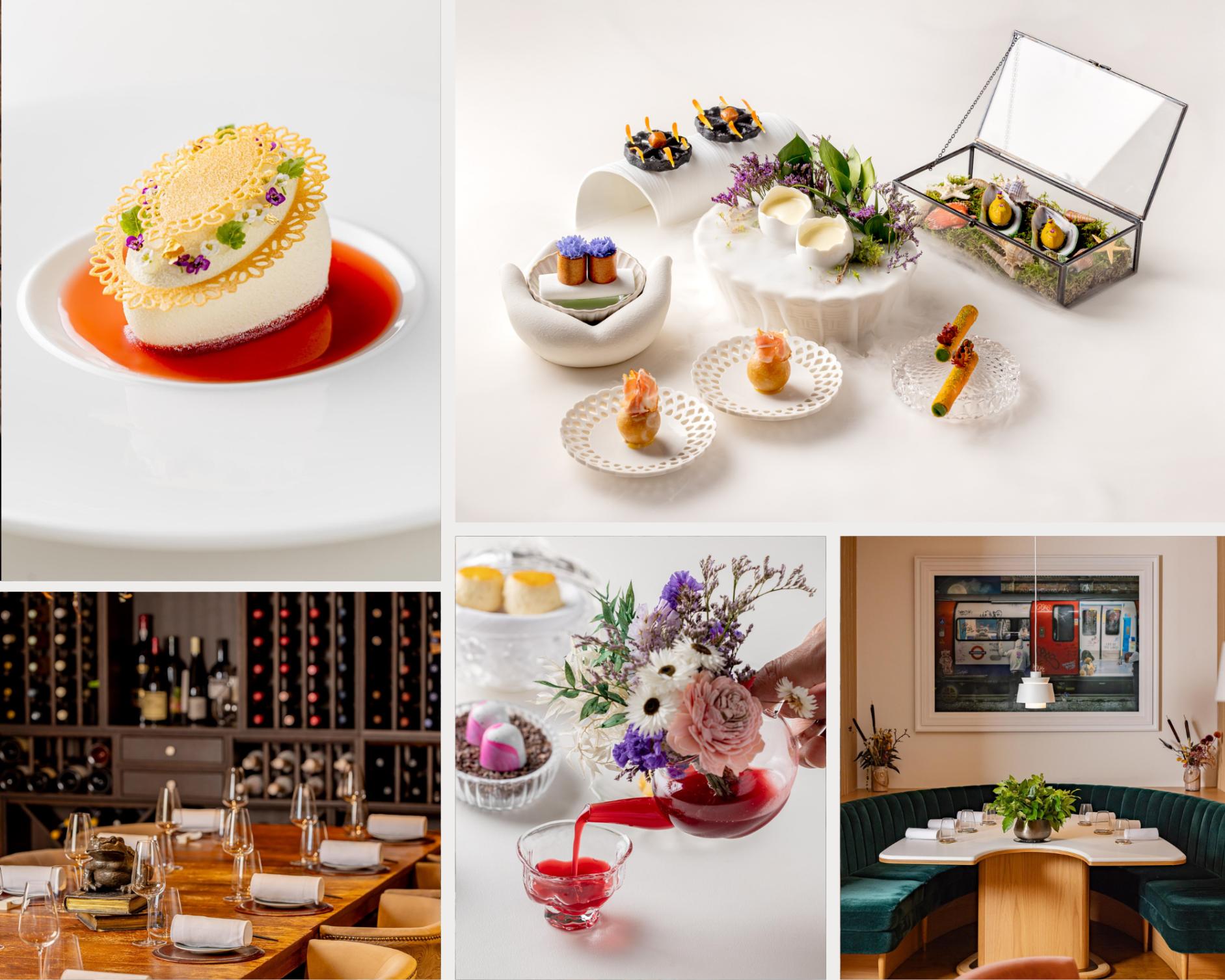
At Frog, dinner doesn’t start with a menu; it starts with an envelope. Slide out what’s inside, and you’re not looking at any sort of menu, but rather a hand-illustrated map of Britain, pins scattered from Orkney to Cornwall, marking exactly where tonight’s dishes were born, grown, and foraged.
It’s a clever bit of theatre, but it’s also the whole thesis of the restaurant laid bare: this is British food treated with the reverence usually reserved for French or Nordic cuisine. Every dish is anchored to a memory: Adam Handling’s Scottish childhood, a story from the road, a nod to his mother—so eating your way through the tasting menu feels less like working through courses and more like flipping through someone’s diary, one plate at a time.
The ingredients of a menu that keeps you guessing
Frog’s menu reads like a love letter to the British Isles, printed literally onto a map that pinpoints exactly where each element was sourced. Orkney scallops, Newlyn crab, Wye Valley lamb, Lake District berries, Wiltshire beef, Hartlepool eel.
The kitchen leans true on small farmers, day-boat fishermen, and its own foraging trips rather than faceless suppliers. These masters are chasing the seasonal, single-origin ingredients over anything flown in.
Handling puts it simply: the food is roughly 90% British, with the remaining 10% reserved for the handful of ingredients that add a twist to the British majority. Think caviar, truffle, certain citrus—these details that the UK climate simply can’t produce yet.
Sweetbreads, black pudding, Cotswolds dairy and Devon cheese all make appearances too, and true to the kitchen’s zero-waste ethos, even the trims and off-cuts get folded back into the menu rather than binned, so almost nothing that arrives through the back door goes to waste. A unique edge to modern-day dining.
Thirteen Courses, Zero Time Wasted
It’s best to settle in, because the current tasting menu runs to a full thirteen courses with a plant-based edition running alongside for those who’d rather skip the meat entirely. Two optional supplements let you push further into indulgence: a Scottish lobster finished in wagyu fat and topped with caviar, or a cheese course pairing Eastwood and Bakewell.
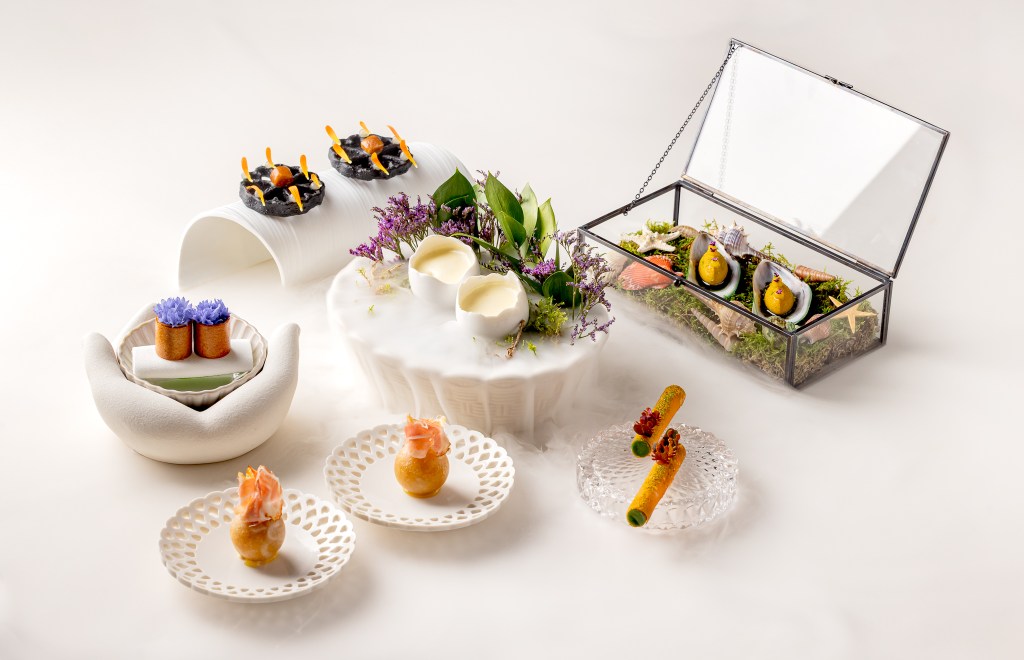
The evening tends to open with a run of snacks that really set the tone. One recent starting line-up included an eggshell filled with silken mashed potato, hay-infused beurre blanc and caviar; a savoury doughnut stuffed with mornay sauce and shaved black Périgord truffle; and wonton parcels hiding wagyu beef tartare beneath edible “flowers” concealing smoked cod. Then comes the sleight of hand: a dish called “Not an Oyster,” which looks exactly like its namesake, shell and all, but is entirely plant-based, built from oyster leaf. You eat the whole thing, shell included, and it lands every time. Our favourite was a crab snack which had so much crunch and flavour.
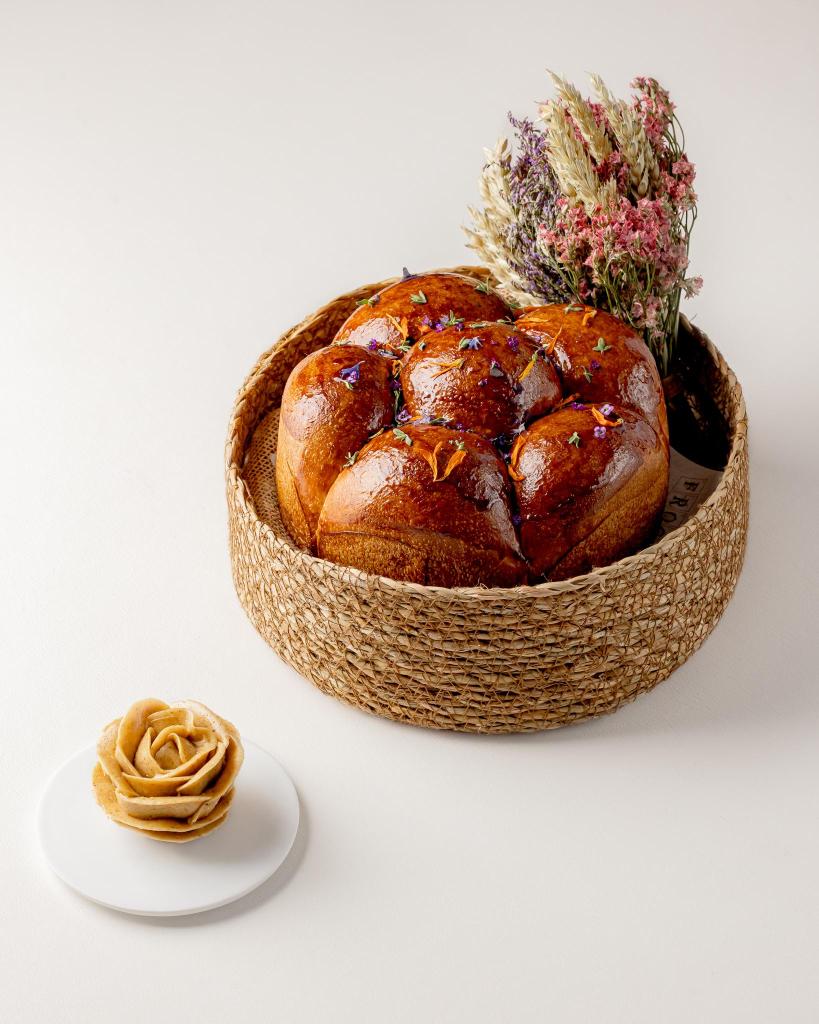
The signature chicken butter, whipped and airy, is also filled with a parfait. The chicken butter appears with Parker House bread that we keep throughout dinner. That butter. Wow. Over time, it has developed into a fuller expression of the whole animal, zero-waste cooking. Chicken stock enriches the whipped butter, the parfait brings texture, and all this in the shape of a perfect rose. What was once an extravagant bread accompaniment has evolved into a miniature study of the entire bird: comforting, theatrical, and memorable.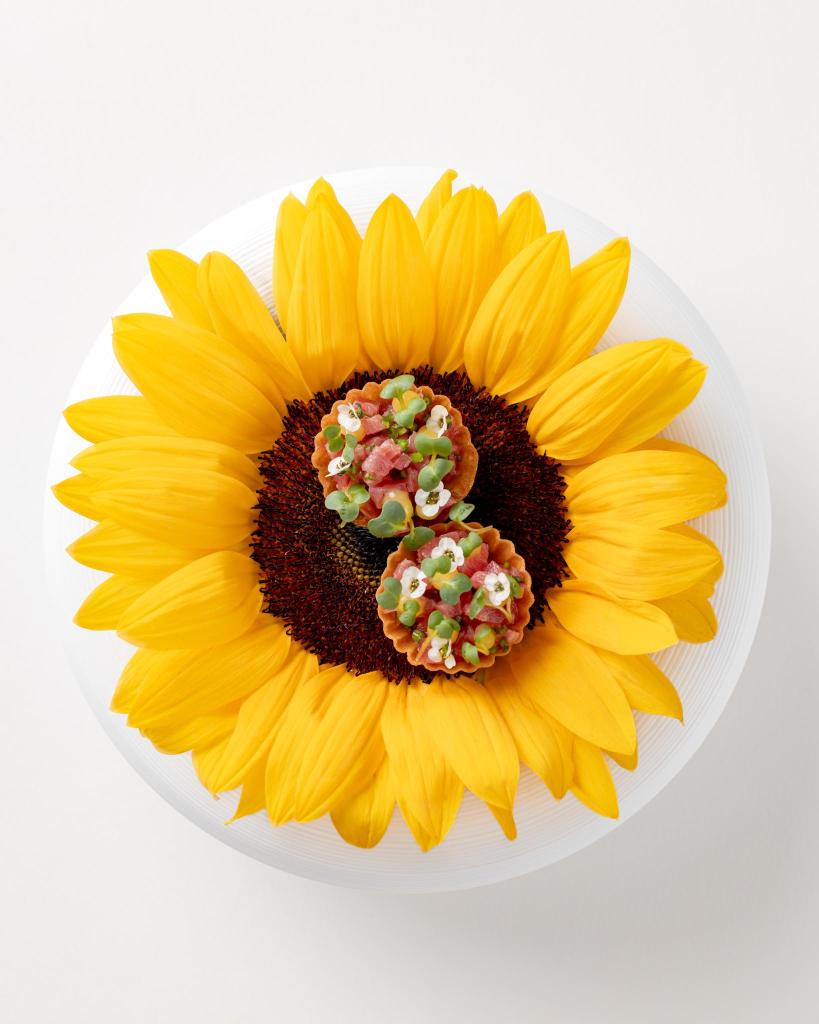
Further along sits “The Mother”, which is a baked celeriac dish named for Handling’s own mum, built around egg yolk confit, creamy cheese, fig and lime; proof that vegetarian courses at Frog are never an afterthought.
On the savoury side, a caramelised onion dish has become a quiet favourite among regulars, prized for a depth of flavour that seems to shift with every bite, alongside expertly cooked duck paired with a full-bodied, French oak-aged red that gives the dish a silky, almost decadent finish.
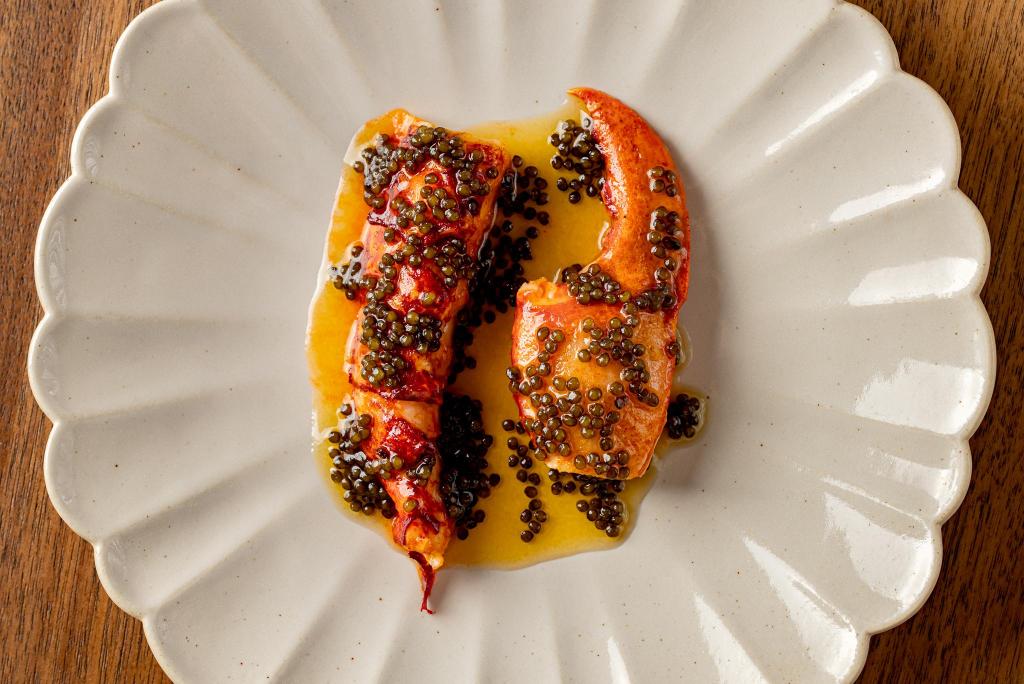
No conversation about Frog’s tasting menu gets far without landing on the lobster. Sold as an optional supplement, Scottish blue lobster is basted in wagyu fat, finished on the grill, and sent out with a generous, near-decadent spoon of caviar over the top. It’s rich in the way only fat and shellfish together can be, sweet where the lobster is concerned, deeply savoury where the wagyu and caviar take over, and diners routinely call it the best money they’ve spent on the whole menu.
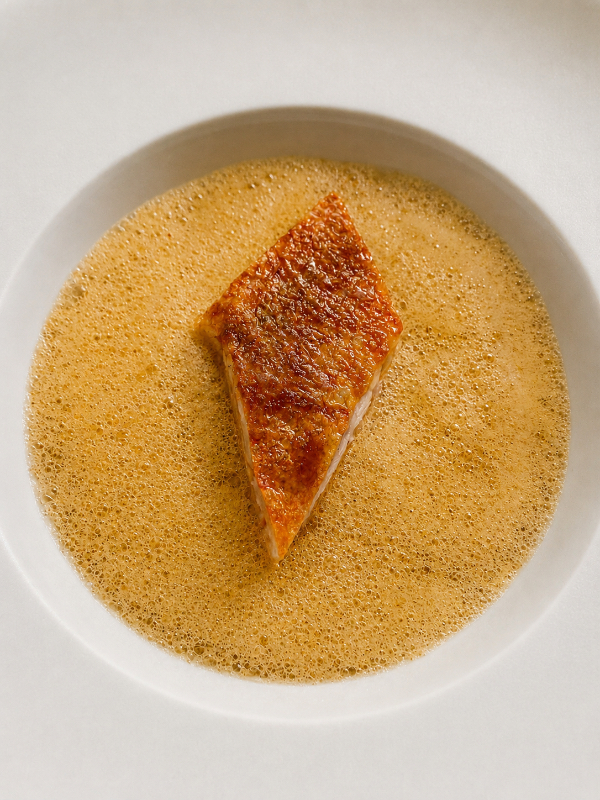
Photo: Luxuriate Life Magazine
The red mullet course is scheduled to arrive next, a study in restraint after the lobster’s excess. The fish is treated simply, often paired with saffron and a light shellfish sauce that lets the delicate, slightly sweet flesh of the mullet carry the dish rather than compete with it. It’s a plate that rewards attention: quieter than its neighbours, but no less considered, and it consistently divides diners into two camps: those who find it the most technically accomplished course of the night, and those who wish it had a touch more punch.

Now onto the lamb. When it appears as the main course, it tends to lean into everything British about the kitchen’s ethos. Herdwick or Cornish cuts show up seared and rested, often alongside sweetbreads, morels or a lamb fat crust, with reductions built on black garlic or tarragon rounding out the plate. It’s a dish that trusts the quality of the meat above all else, letting well-rendered fat and a properly reduced sauce do the talking rather than piling on unnecessary flourish.
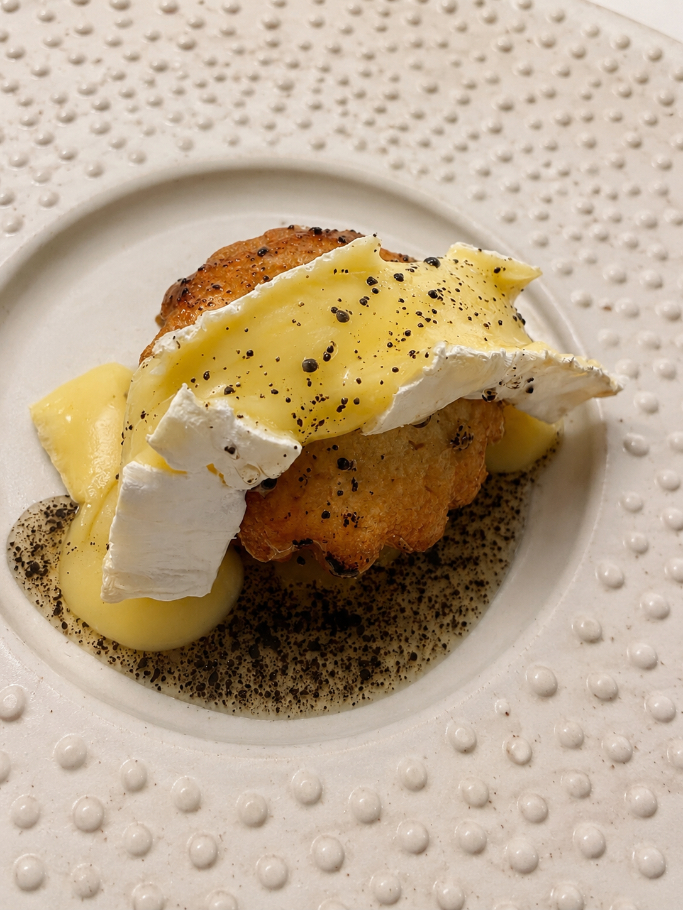
Photo: Luxuriate Life Magazine
Then comes the course that has diners reaching for their phones before their forks: the cheese course. A freshly baked cherry Bakewell tart, still warm, is topped with a generous, oozing slick of Eastwood, an English brie-style cheese prized for its creamy, faintly fruity character and a rind that carries a whisper of wild garlic. Over the top goes a heavy, unapologetic pour of black truffle honey, the sweetness of the tart meeting the funk of the cheese and the earthy, almost savoury pull of the truffle in a way that shouldn’t work on paper and absolutely does on the plate. It’s the kind of course that makes the optional supplement feel less optional by the time it lands.
Dinner tends to close on a sweet, sentimental note. Guests are blessed with a small pouch containing an olive oil madeleine, or the nostalgic favourite, rice pudding. Both of these have been reimagined with the same emotional storytelling that runs through the rest of the menu.
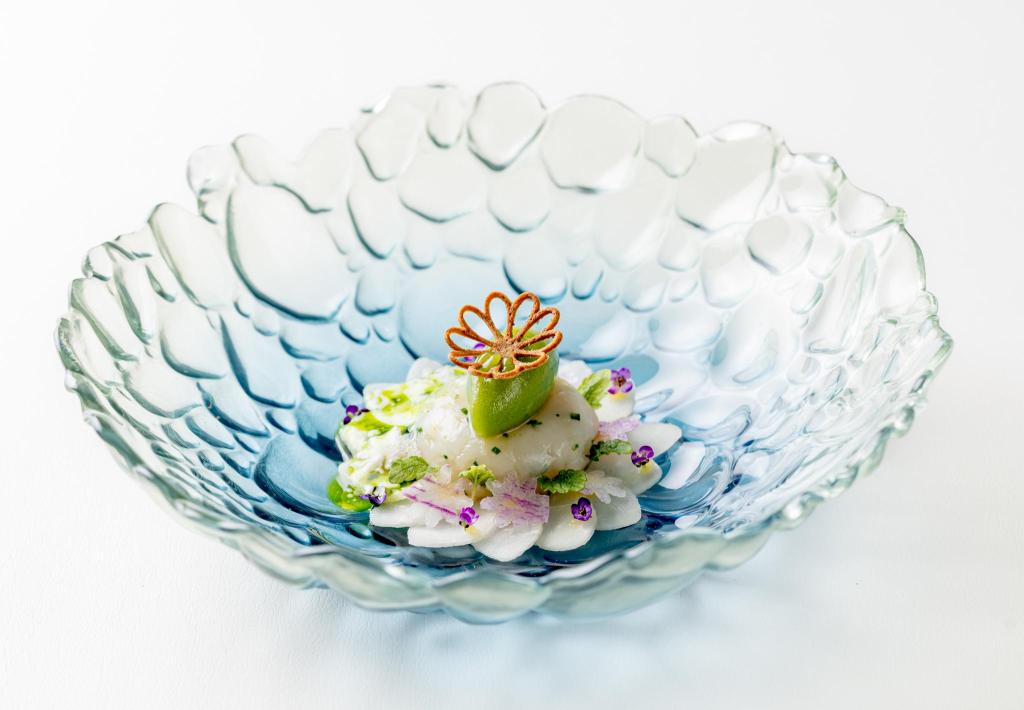
The rice pudding proves to be the most comforting, creamy, and traditionally British dessert there is, and the small pouch is saved for the end; it’s even sent home with you for breakfast the following morning, which might be the most quietly generous thing a Michelin-starred kitchen can do.
All of this goes to say that Frog’s most sophisticated trick isn’t the caviar or the truffle, but the memory itself, served warm.
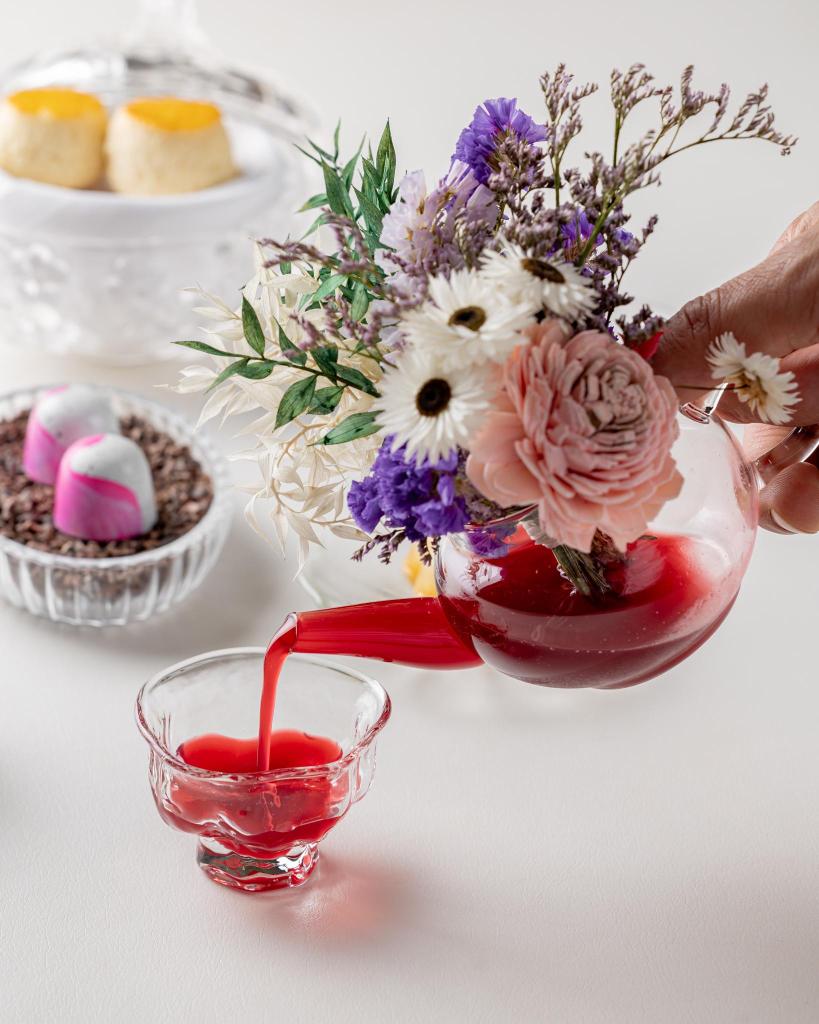
Drinks Detail
The drinks pairings are where Frog lets its ambitions really stretch. They’re built by an in-house sommelier team, not bolted on as an afterthought.
The evening typically opens on something sparkling and British, often a glass of Handling’s own English sparkling rosé, produced in Hampshire, poured before the first course is served.
From there, guests choose from a Classic Wine pairing, moving through crisp, food-driven whites and reds matched to perfection with each course. Next, the journey takes you right up to the Premium tier for those chasing rarer pours, and further still to the Californian burgundy pairing for those with genuinely nothing to prove.
Pairings can wander further than expected too, with sake and small-producer natural wines occasionally slipped in alongside the classics to match a particularly bold dish.
Finally, for guests who’d rather skip the alcohol altogether, the Alcohol-Free pairing treats non-drinkers as first-class guests rather than a secondary priority. This section is built with the same course-by-course thought as everything else on the list.
The drinks truly offer something for everyone, balancing out the experience for any type of guest. A rarer courtesy in fine dining than it should be.
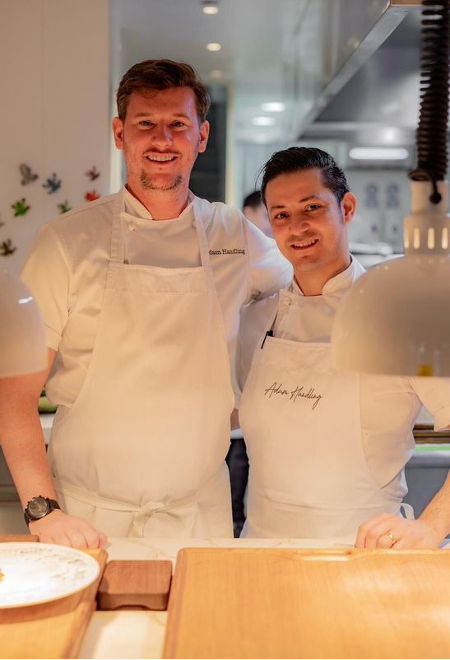
The Man Who Was Always There
Ask Adam Handling, who actually runs Frog, and he’ll tell you it was never really him. In 2025, after eight years in the kitchen, Cleverson arrived from Maze in Mayfair, where he trained under names including Gordon Ramsay and Jason Atherton. This Brazilian-born chef, Cleverson Cordeiro, was promoted from head chef to Proprietor of Frog.
It’s a title rarely handed out in London’s high-end restaurant scene, and Handling has been open about why: Cleverson is the driving force behind the restaurant’s success, present since before opening night and never once letting a service slip.
Under his stewardship, Frog has now held its Michelin star for a fifth consecutive year. No small feat in a city that eats at its restaurants alive. He still runs the pass and shapes the guest experience nightly but now carries a stake in the wider Adam Handling Collection too, a rare case of a kitchen’s quiet engine being handed the keys to the whole machine. That longevity matters in a restaurant built around detail. A tasting menu does not only depend on individual dishes but on consistency across the entire evening, from the tempo of the courses to the way each plate arrives at the table.
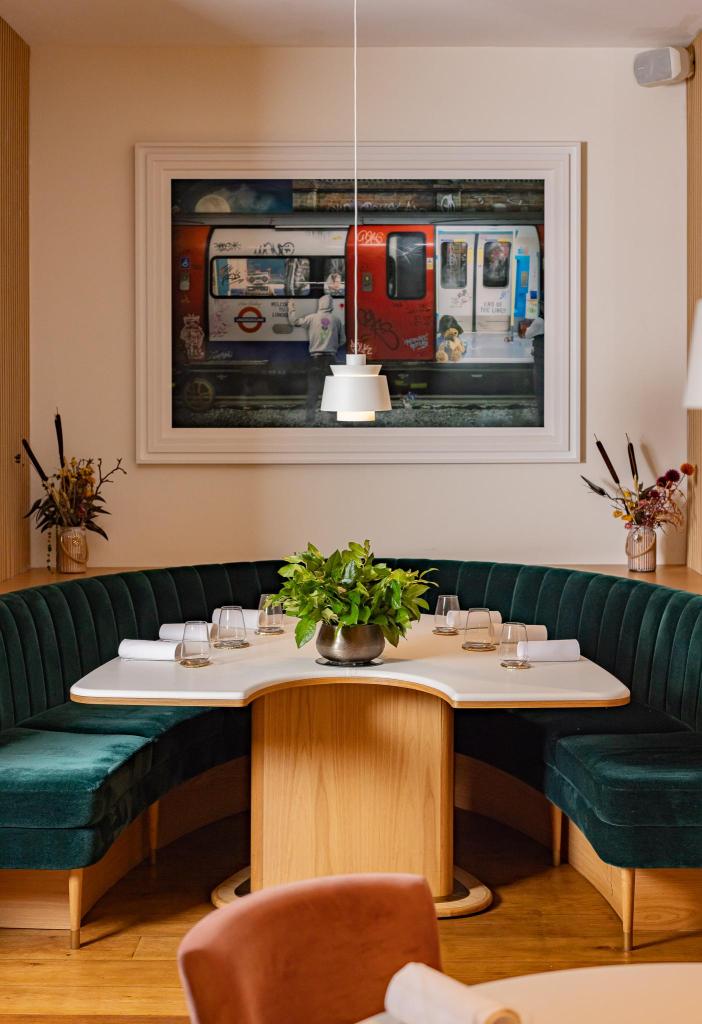
Downstairs, Everything Changes
Descend the staircase beneath Frog, and the mood flips entirely. This is Eve Bar: recently reborn under a concept Handling calls “The Three Cs”: Caviar, Champagne, Cocktails. No hedging, no pretending. It’s indulgence, stated plainly.
The relaunch arrived alongside Handling’s own caviar house, and Eve now pairs miniature martinis with spoonfuls of it as a signature ritual. The Martini menu leans playful and precise, with a Pickletini built on vodka, dry vermouth, and pickle brine; a Saketini blending gin, sake, and Cocchi Americano; and a savoury, bone-dry Dirty Tuxedo finished with sherry.
Champagne and sparkling wine are curated across three price tiers, each with its own suggested caviar match, so the pairing decision is made for you before you’ve even sat down. It’s the kind of bar that turns a “quick drink before dinner” into the whole evening.
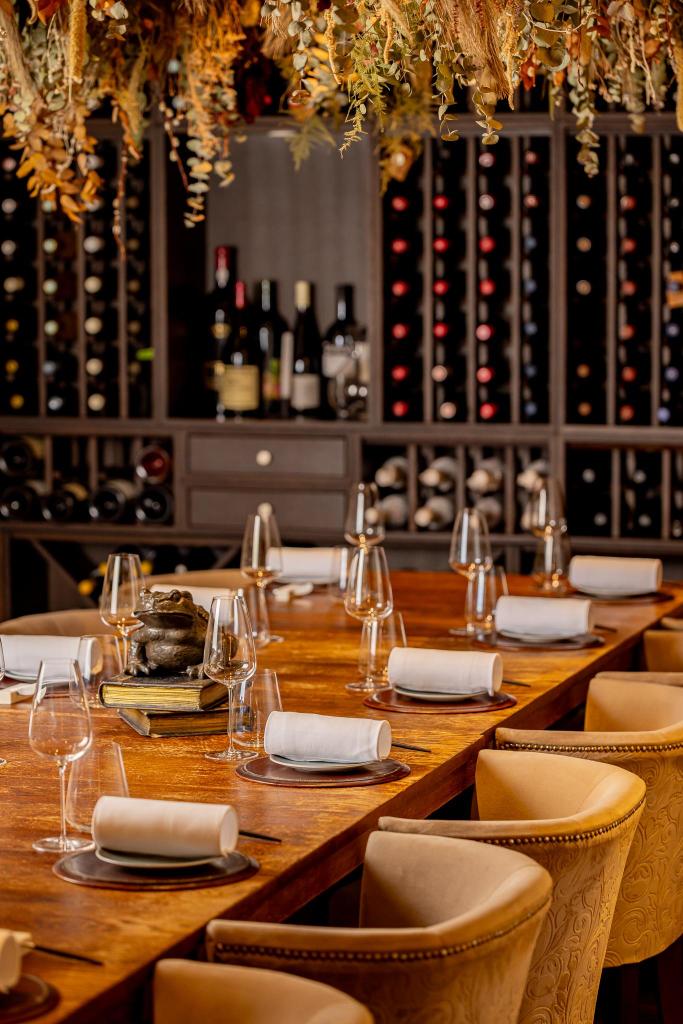
Why This Works
Frog succeeds because it refuses to pick a lane. It’s a Michelin-starred kitchen that hands you a treasure map instead of a wine list preamble. It’s fine dining that sends you home with breakfast. It’s a chef-owner who handed the crown to the person who actually earned it. Book the counter seats if you can — you’ll want a front-row view of the show.
From 28 September 2026, Frog will open on Mondays, too.
To discover more, click HERE
View this post on Instagram
All images courtesy of Frog by Adam Handling unless otherwise stated.