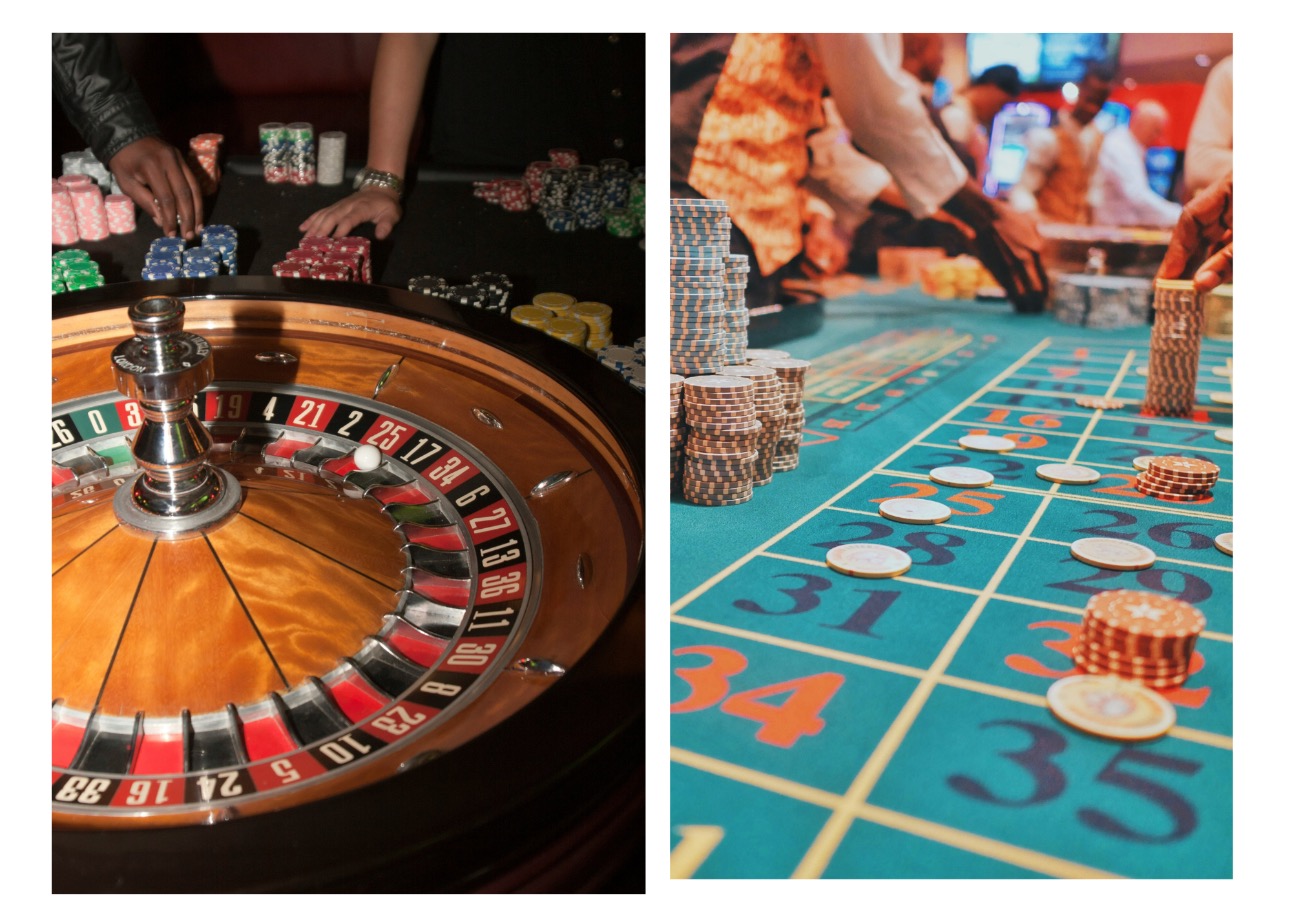
When defining luxury casino destinations, the last wheel at The Ritz Club stopped in May 2020. The room it stood in had been fitted out in the hotel’s Louis XVI manner under six thousand sheets of gold leaf, and for four decades it was the address a certain kind of visitor to London gave a taxi driver without needing to add an address. The club did not reopen when the hotel did, and every obituary reached for one game. The blackjack tables went unmourned. People mourned the wheel, because in the grand rooms roulette was the furniture the whole place had been built around.
Michael Heise/Unsplash
Before the palaces: a wheel in the Palais-Royal
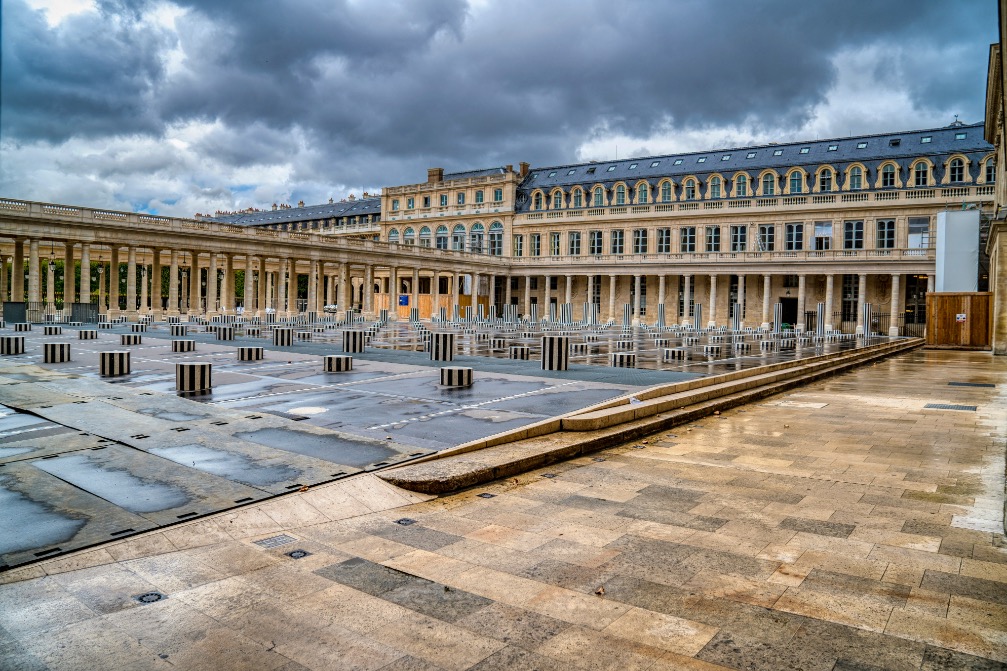
The Pascal story is the one everyone tells, and it’s best told as a story. Many historians believe the philosopher produced a primitive wheel in the seventeenth century while chasing perpetual motion, but the wheel itself has never turned up. The earliest description of the game as it is played now comes from a less exalted source: a novel, La Roulette, ou le Jour, by Jacques Lablée, written about the gaming rooms of the Palais-Royal in Paris in 1796 and published in 1801. Lablée’s narrator notes that the layout has “exactly two slots reserved for the bank, whence it derives its sole mathematical advantage.” The game was already a commercial object with a known edge, and it was already being played by people who dressed for it. An English Act of 1745 had banned “a certain pernicious game called Roulet or Roly-Poly” half a century earlier, which tells you it was fashionable enough to legislate against.
The wheel’s transformation from Palais-Royal novelty into the centrepiece of a whole town is usually credited to the Blanc brothers, but Louis Blanc died in the early 1850s, a decade before the Monaco concession, and the Monte Carlo story belongs to François and then to his widow. It was François alone who accepted Prince Charles III’s privilege to run gaming in the principality in 1863, and it was François’s widow Marie who ran the company after his death in 1877 until her own in 1881, by which point the Hôtel de Paris and the casino were the most talked-about addresses in Europe, eight years before Rome’s Hotel Eden, reviewed here in August, opened its doors in 1889. The son, Camille, presided into the 1920s, so Monte Carlo was a family business for sixty years.

Kaysha V/Unsplash
Rooms built around a wheel
Why roulette rather than cards? Partly because a wheel settles every bet on the table with one result, so the whole room leans in together, and a room that leans in together is a thing you can build architecture around. Partly because the croupier’s call, the ball’s long run on the rim and the silence after it drops make a performance with a fixed script, and the great rooms of Monte Carlo were designed as auditoria for it.
The Casino de Monte-Carlo’s own account of its rooms reads like a sequence of commissions. The Salle Europe sits under a glass roof and eight Bohemian crystal chandeliers. Charles Garnier added the Salle des Amériques in 1881. Jules Touzet designed two further rooms in 1890, which still carry his name and now host the house’s roulette tournaments. The Salle Blanche of 1903 began life as a reading room and is now set aside for VIP guests. The Salle Médecin followed in 1910, and the games from the Salon Privé have lately been moved into it. Rooms named for the men who drew them, each with a wheel as its principal object, became the pattern other cities copied, The Ritz Club, in its Piccadilly basement, among them. Macau never copied it; well over 80 per cent of Macau’s gaming revenue comes from baccarat.
Michal Parzuchowski/Unsplash
The ceremony, relocated
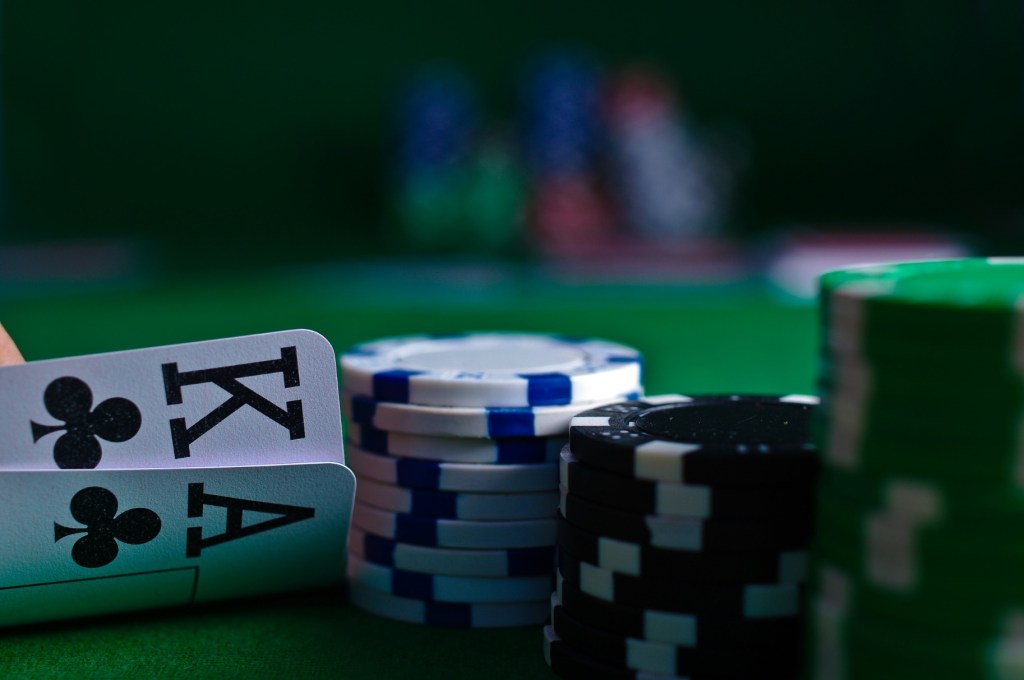
The screen kept the part of the game the rooms were built around and dropped the rest. Modern digital broadcasts stream roulette from studios where a croupier in evening dress calls the round on a set got up in gilt and dark wood, and everyone with money down watches the same ball drop on a full-size wheel. In the software version of online casino roulette one player spins alone, with the layout and the odds intact. The private salon has crossed over too. Some of those studios now run a table they call a Salon Privé: one guest, one croupier, the guest choosing the dealer and the pace. That is what a private room in Monaco sold in 1910, minus the view of the harbour.
Hush Naidoo Jade/Unsplash
The object that made the journey
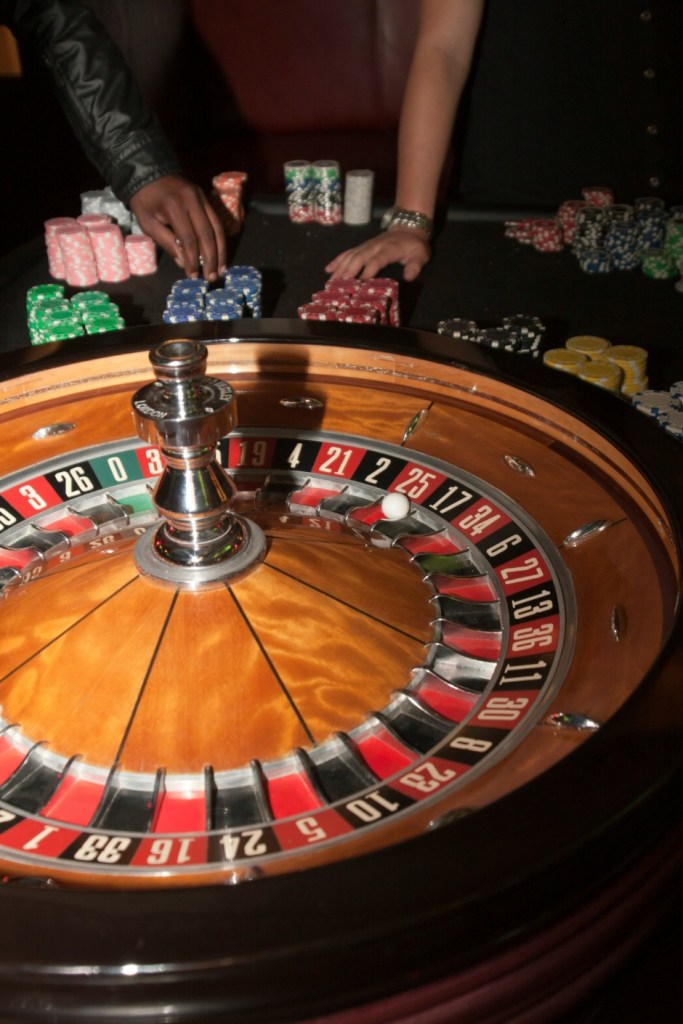
What crossed over intact is the wheel itself. The wheels in the grand rooms are precision instruments finished as furniture, and a wheel in front of a studio camera can’t be anything less. Polished timber and a turned metal turret sit around a ball track true to a fraction of a millimetre, which puts the object closer to horology than to gaming equipment, and the makers talk about it that way. TCS John Huxley, which has built casino wheels since 1973 and from Stoke-on-Trent since 2004, describes its current Saturn wheel as “handcrafted using a combination of traditional master craftsmanship and precision engineering,” offers it in a range of veneers to suit the room, and says each one passes over 130 quality control checks before it leaves the works.
Images courtesy of Unsplash. Featured image credits to Hush Naidoo Jade and Kaysha V.