
Zacal Mezcal is a small-batch, artisanal spirit born in the highlands of Michoacán, Mexico. Rooted in a region characterised by volcanic soils and high altitudes, the brand embraces the spirit of the land and its cultural heritage — embodying “The Spirit Less Ordinary.”
Crafted in collaboration with third-generation mezcalero Milton Ochoa, Zacal’s mezcals are made from locally grown, semi-wild maguey varieties, such as the Manso Sahuayo used in their flagship. The distillation process and use of volcanic terroir help give Zacal a distinctive profile — smooth, mineral, and lightly smoky — bottled in elegant, recycled-glass bottles that reflect the brand’s commitment to earth and craft. We had a chat with Phil Clayton about Zacal Mezcal.
How did it all start?
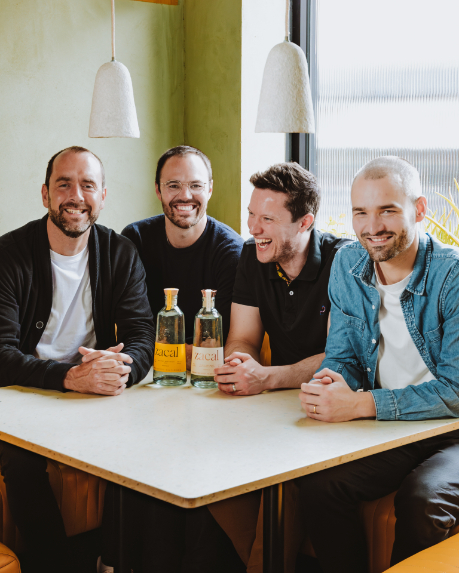
It began as a bit of a fever dream during lockdown, about five years ago. Four friends from university, who’d over the years run or hosted drinks events and had half-jokingly said we’d start something together, finally decided, over a late-night Zoom call, that it was time to make good on the idea.
It was co-founder Ian McCaig, who said it had to be mezcal. There was something about its mystery, history and quiet defiance that felt magnetic. The category was misunderstood, but with bags of character and craft it was everything we thought we’d love building together.
That curiosity led us to Hacha Bar in Dalston, where we got the advice that would shape our entire approach: if we were going to have any chance as four outsiders coming late to the party, we had to be fundamentally different. Choose a different region, work with different agaves, and bring something fresh and varied to mezcal drinkers.
Our search drew us to Michoacán (El Alma de México, the soul of Mexico), a region with volcanic soil, folklore and forgotten traditions. One of the sometimes overlooked cradles of mezcal. In Sahuayo in Michoacan was where we had the wondrous fortune of meeting Milton Ramón Ochoa Corona (Milton Ochoa). A third-generation Maestro De Mezcalero and now fellow co-founder, whose passion and curiosity matched our own.
We all fell in love, and over four years, we created Zacal Mezcal: The Spirit Less Ordinary. Born from friendship, passion and a shared belief that the best things in life come when you step off the beaten track.
Tell us about your mezcal and what makes this range special?
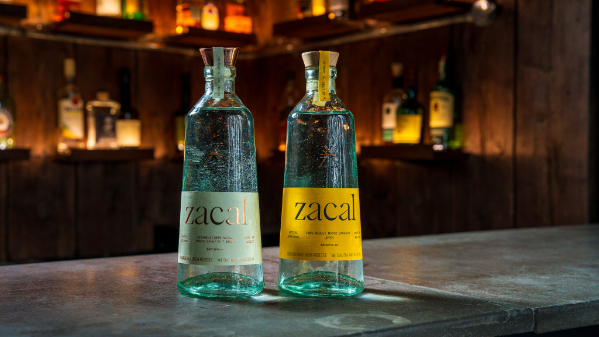
We’ve made Zacal in such a way that every facet of the mezcal and the product are special. An expression of the land and local culture.
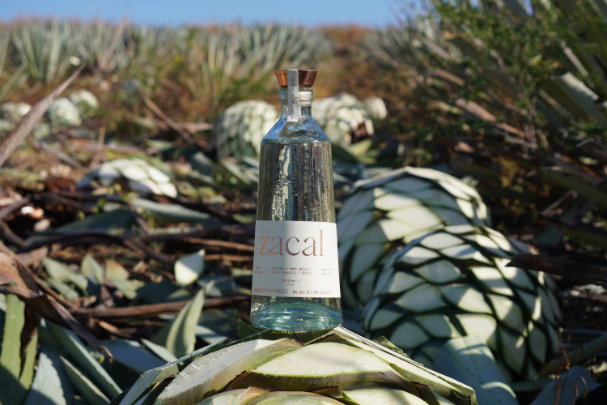
Zacal is made in Michoacán, a region with its own distinct terroir: volcanic soil, high altitude, climate that shapes the flavour and character of its agave. While nearly 90% of all mezcal comes from Oaxaca and is made from a single variety, Espadín. Ours comes from Michoacán’s native Manso Sahuayo agave and Bruto – one of several local varieties that make our spirits truly distinctive.
Add to that the craft of our Maestro de Mezcalero, Milton, and his family and team in Sahuayo. That means we keep production in very small batches so we can ensure it’s only they who work on it.
Every part of Zacal’s bottle comes from within a 90-minute radius of Milton’s vinata. For example, our handmade bottles are made from recycled glass. Its shape is inspired by the world’s youngest volcano, Paricutin in Michoacan. Copper lids made from Michoacan copper by local jewellers and wooden lids made from local sustainable wood.
In addition, each product bought direct or via retailers carries a handwritten note from a local historian, penned on amate paper – a bark-based material once used by the Olmecs and the Mexica (Aztecs) for royal or sacred codices and documents.
As you can see, we’ve gone to painstaking effort and cut no corners to create a product that truly represents where it’s from. It was and continues to be a real labour of love, and often painful, but it’s worth it because we can be so proud of what we put in front of people.
Tell us about the unique production process and how this reflects in the amazing taste of your expressions?
When we first met Milton, we tried his mezcal. It was excellent. A classic, double-distilled spirit with that familiar, earthy smokiness that mezcal is known for.
Then he smiled and asked, “Do you want to try what I make for myself and my friends?”
After a quick and unanimous yes, he poured us something remarkable, which we later learned was a triple-distilled mezcal.
At first, we were sceptical. Conventional wisdom says a third distillation can strip the mezcal, making it too clean, too smooth. But we couldn’t have been happier to be proven wrong.
Milton’s triple distillation didn’t dull the mezcal – it concentrated it. The agave character, complexity and minerality all became more focused. The smoke and alcohol softened, giving way to a spirit that remained unmistakably mezcal, yet far more approachable. It took the edge off without losing depth or flavour.
As far as we know, Zacal is the only joven mezcal in the world that’s triple distilled. How does that make a difference?
And that’s not the only way Milton goes against the grain. During the cooking of the agaves in the earth oven at his vinata, he and his team cover the piñas with volcanic clay soil from the ground around them. Creating a natural lid to create a form of agave pie. They pierce small holes through it, allowing smoke to escape slowly.
The result? The agaves bake and caramelise instead of charring, creating a subtle sweetness and a refined balance. Reducing the harsh smokiness that can overpower other mezcals.
It’s a process that captures exactly what Zacal and Milton stand for: tradition working hand in hand with experimentation.
What cocktails lend themselves well to Zacal Mezcal?
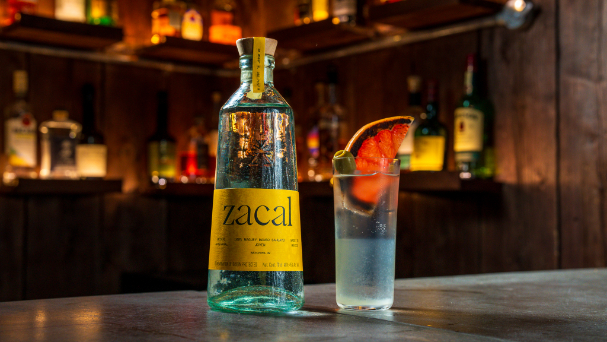
We’ve got two excellent, yet incredibly easy serves we’d recommend starting with: The Mariposa, a refined aperitivo, and The Cerveza Cooler, a perfect party drink. You’ll find both Our Manso Sahuayo expression swaps seamlessly into agave classics – think Paloma or Mezcalita – but one of my favourite things about mezcal is its versatility. It lends itself to so many different drinking moments, including aperitivo hour, which you might not typically associate with mezcal. We’ve had some fantastic serves that are refreshing, light, and easy to make at home.
Beyond that, the liquid even finds its way beautifully into a Dirty Martini or Negroni. We’ve seen brilliant bars like As Above, So Below craft elegant twists on these, while Panda & Sons have turned out cocktails that are outright drink alchemy. These are versatile spirits that hold their own in almost any glass. But where Zacal truly comes into its own is when you start subbing it into whisky classics.
Try an Old Fashioned or Whisky Sour, swapping the whisky for our Manso Sahuayo and sugar for agave syrup, with a dash of orange bitters. Or go for our Ensamble in a Boulevardier or Penicillin, with a straight whisky swap. Even a Manhattan, perhaps with a hint of chocolate bitters, takes on an extraordinary new depth.
And for those who like to really experiment, blend the two. Reduce the whisky, add a measure of Zacal, and you’ll unlock a whole new layer of complexity, without increasing the volume.
What food works well with your mezcal?
All the things you might expect. A perfectly cooked ribeye, rich and smoky. Or pork, whether ibérico or slow-braised belly. Tuna tostadas, lobster tacos… A board of strong, blue cheeses with some figs. A salty, crumbly Cotija from Michoacán works a treat. Or perhaps a square of dark chocolate with just a hint of chilli. Spicy food and Zacal were made for each other.
Then there are the more unexpected pleasures, like oysters. The salinity sings against our Manso Sahuayo, an indulgence that surprises every time.
And for the vegans, a warm, earthy truffle and wild mushroom risotto or tostadas. Classic vegan tacos al pastor. Even a tofu or vegetable Thai green curry.
What do you do to support the community when producing your mezcal?
Everything in Zacal comes from local artisans, writers and businesses. None of which are more than 90 minutes away from Milton’s Vinata.
From day one, that was what we wanted to do. Because bringing their craftsmanship to the world and ensuring they get a fair price for their work is probably the best support we can provide.
Beyond that, it’s how we manage waste and water that can impact the local environment. Vinazas (liquid waste from distillation) is used as cómpost and sold to local growers for avocado and lemon crops. Bagasse (solid waste from fermentation) is used as a fuel source and sold for making animal feed. Water is all drawn from a well on the Vinata, with no plant watering and minimal water wastage.
What is the best way to taste great mezcal?
It’s subjective, but if it’s neat, I would treat it in a similar way to a great whisky. In a glass or copita with great friends! Maybe with a splash of water in our Ensamble at 50% to see if it opens up. But for me, neat and no water.
Beyond that, I’d have it in a mezcalita, or our Mariposa serve. Maybe a mezcal Dirty Martini or Old Fashioned.

Can sustainability in spirits ever become the norm?
Absolutely. Newer businesses like ours will naturally think about a business being in balance with its surroundings. Bigger, more industrialised businesses will struggle, but I’m sure they’re making good progress.
But we need to stop treating sustainability like an expensive badge of honour. True sustainability shouldn’t hinge on costly accreditations that shut smaller producers out. It should be about balance. And changing the horizons of thinking and planning from generation to generation, from quarter to quarter.
That means giving producers the space and security to make the right long-term decisions, not forcing them to cut corners to meet demand. It means encouraging more diversity in agave growing, allowing for natural, sexual reproduction rather than endless cloning.
It also asks more of buyers and drinkers. If you care about sustainability, understand what it takes to make that bottle. Because it’s backbreaking and expensive to do things by hand, using non-industrialised, sustainable techniques. Then choose accordingly.
In the end, it comes down to smaller batches, fairly priced and fairly paid for. Spirits made using methods that are both generations old and forward-thinking.
That’s how sustainability becomes the norm. Through thoughtful adoption of what we know works generation to generation, not strip mining to meet unrealistic demand, with inspired reworking of waste products e.g liquid waste into compost and more efficient use of resources.
If you could award a Michelin star for mixology right now, who would it be to and why?
I can’t just pick one. I can only really speak to the ones we’ve worked with most closely. So don’t take this as a definitive list; there will be many places not mentioned that are also excellent. These places not only understand their craft, but they also understand the value of genuine hospitality. Spots where the drinks, the atmosphere, and the people create something I find irresistible.
Take As Above, So Below in Stoke Newington. Jay and Ben are crafting extraordinary concoctions in a superb speakeasy hidden beneath a barbershop. It’s wickedly good and run by two of the very best.
Then there’s Corrochios Cantina and their Agavaria, Cinco, run by the wonderful Amy and Daniel, with the ever-excellent Ed and Andrea leading the way on the cocktails front. It’s on Stoke Newington Road and is a place that welcomes you instantly, serving incredible food (thank you Daniel and team) and encouraging you to explore the world of agave and Mexican cuisine. All while feeling completely at home.
Silk Stockings, led by Phil with Harry newly behind the bar, is pure neighbourhood magic in Dalston. An insane cocktail list (classics done very well and some you won’t find elsewhere). Creatively themed and fun nights, a pool table, and great grub. What more could you ask for?
And Dram, with Chris, Jack and the team. It’s a proper temple to cocktails and the trade in Soho. Their basement setup lets them create and can up all sorts of cocktails. It’s an incredible bar, and an even better team. (They’ve got a pool table too. Winner.)
There’s Nicky, Iain, and the crew at Panda & Sons in Edinburgh. Just boundless energy, endless creativity, and a cheeky grin to match. They’re climbing the best bar rankings for a bloody good reason. If you get the chance to visit or collaborate, drop everything.
The mecca for mezcal and agave, one of the OG places in London, is also Cafe Pacifico, run by Carlos and team in Covent Garden. Warm, welcoming and incredibly supportive and knowledgeable about agave spirits. Another must-visit place if you want to explore this world.
Then in a different part of town, you’ve outstanding places like Isabel in Mayfair, Amano Hotel, Great Scotland Yard Hotel, 1 Hotel, The Mandrake Hotel, and The Roof Gardens. These are all standout establishments. With some of the best people around tending bar and mixing cocktails, who could write books on this stuff?
What connects them all is that they keep hospitality human: creative, connected to their customers, classy, and very less ordinary.

What is next for Zacal Mezcal?
Our long-term vision is to see Zacal redefine what mezcal and Mexican artisanal spirits mean to people around the world. Setting a new, less ordinary measure of craft, character, and authenticity in drinks.
In the near future, that vision starts to take shape through three key product developments:
- The ultimate expression of Zacal Mezcal; arriving early next year, is created for true agave connoisseurs and premium whisky lovers alike.
- A spirit that reconnects two old friends — mezcal and tequila, before they were pulled apart.
- A cocktail served that opens the door, as a first step into mezcal-based drinks for new audiences.
All of this will be supported by big moves into new markets and collaborations with venues and people who share our passion for agave, and for doing things the less ordinary way.
For more information, visit Zacal Mezcal
View this post on Instagram
All imagery courtesy of Zacal Mezcal.