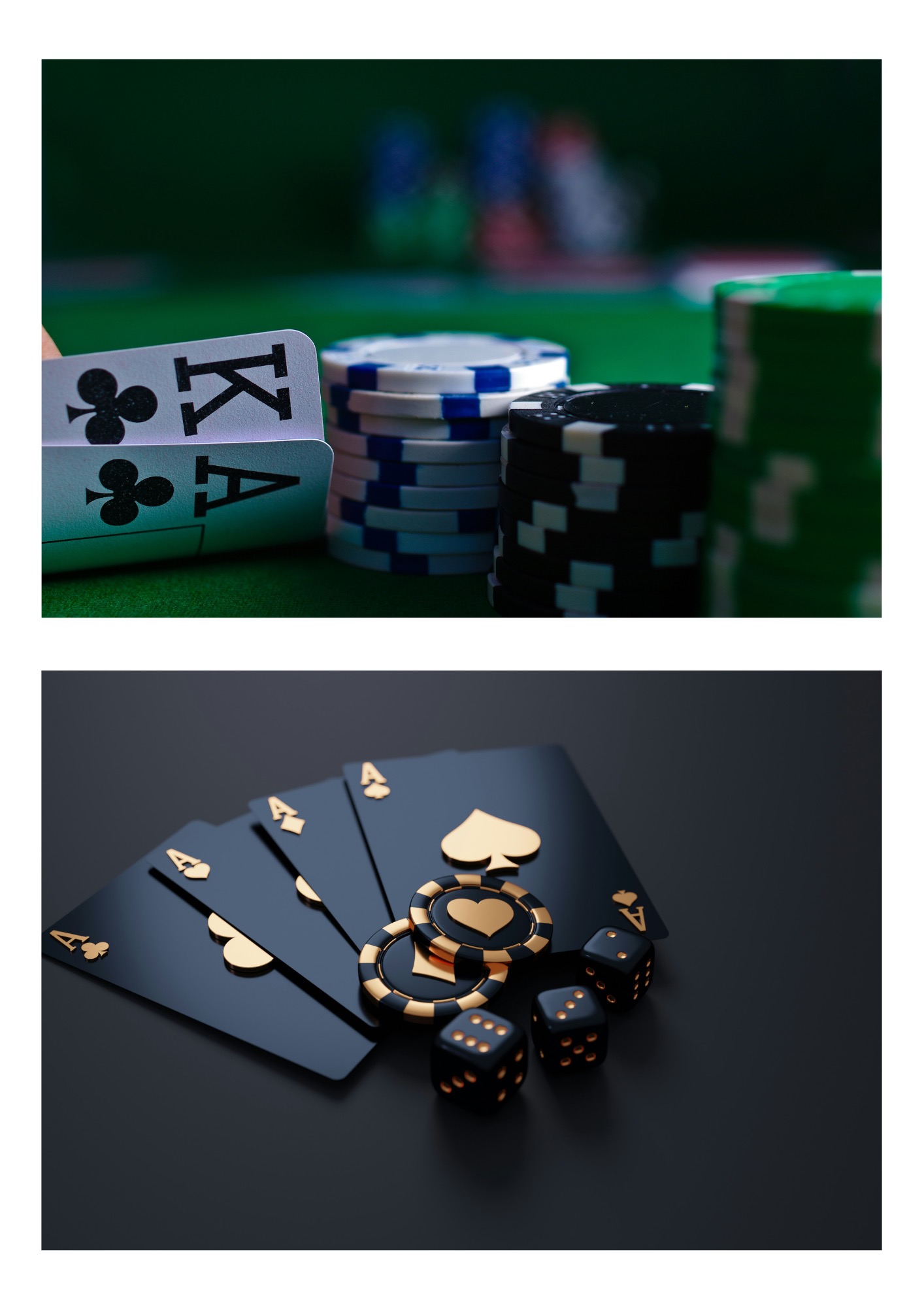
Long before the online era, the great luxury casinos were destinations in their own right. Not stops on a broader itinerary but the reason for the trip, with everything else (the hotel, the gardens, the restaurants, the tailoring) arranged around them. That tradition is older than most travellers realise, and in a handful of places around the world it is still very much alive.
The great casino destinations have always combined architecture, hospitality, and gastronomy in a way that made the gaming floor only one element of the experience. A weekend at Baden-Baden or Monte Carlo has never really been about the tables. It has been about the ballroom-adjacent atmosphere of a particular kind of nineteenth-century luxury still preserved into the present.
This piece offers a short tour of the world’s most storied rooms. The latest releases at Fruity King and the wider digital era give UK enthusiasts something of the mechanical format at home, but the destinations themselves remain a different order of experience, and worth understanding as such.
Rishi Jhajharia/Unsplash
Monte Carlo: The Original
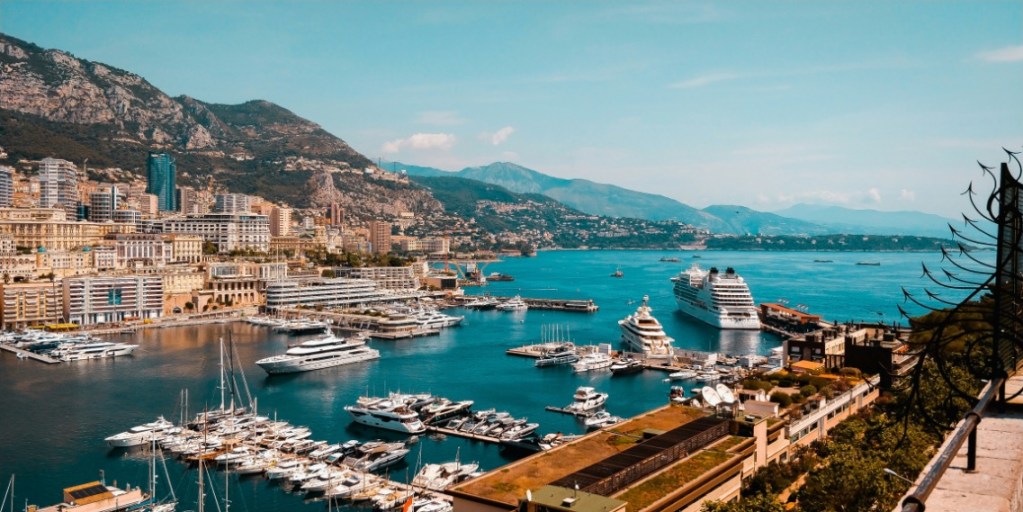
The Casino de Monte-Carlo opened in 1863 and was completed in its current form in 1878 by Charles Garnier, the architect of the Palais Garnier in Paris. The building is Belle Époque at its most confident: gilded ceilings in the Salle Blanche, Rococo detailing in the Salon Rose, and the atrium that leads through to the Salle Europe with its Bohemian crystal chandeliers.
The Société des Bains de Mer, the state-owned entity that runs the casino alongside the Hôtel de Paris and the Hôtel Hermitage, has been careful to preserve the atmosphere while updating the substance. Modern private salons in the Salle Européenne cater to a contemporary international clientele, but the public rooms remain closer in feel to a Second Empire drawing room than to anything in Las Vegas or Macau.
A weekend in Monte Carlo works because everything is walkable. The Hôtel de Paris (recently renovated, with a Louis XV restaurant carrying three Michelin stars under Alain Ducasse) sits directly across the square. The Café de Paris, the Sporting Monte-Carlo, the Salle Garnier opera house, and the Jardins du Casino form a small district in which the casino is simply the anchor.
Stefan Schauberger/Unsplash
Baden-Baden: The Grand European Tradition
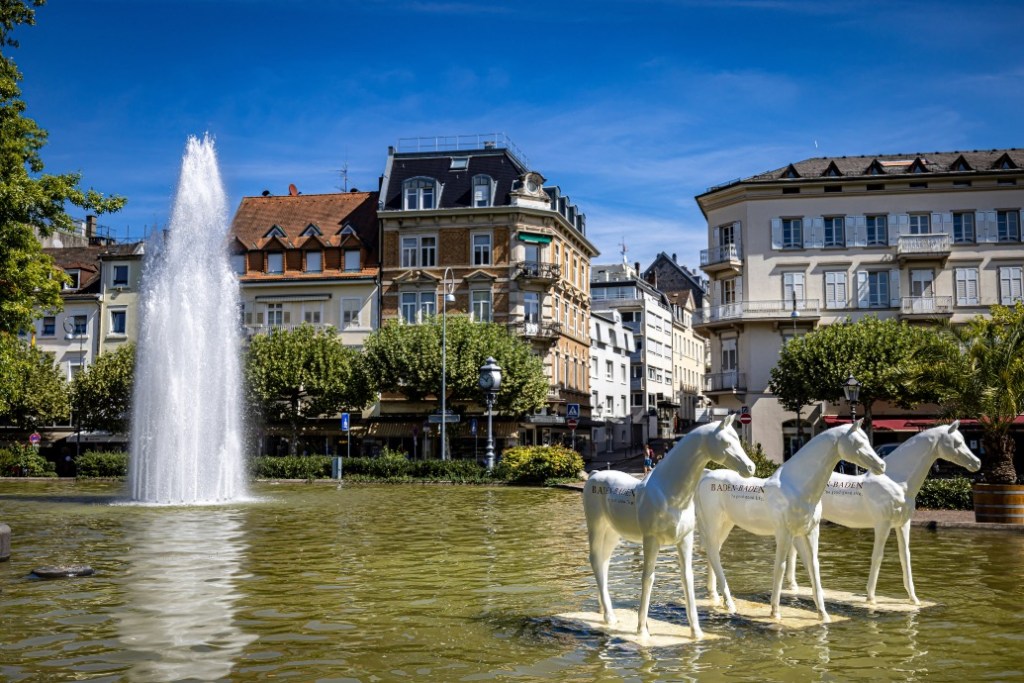
Baden-Baden’s casino sits inside the Kurhaus, a neo-classical building completed in 1824 in a spa town the Romans first developed for its thermal baths. Marlene Dietrich reportedly called it the most beautiful casino in the world, and the Florentine Hall, Winter Garden Room, and Red Room preserve nineteenth-century French court aesthetics with rare care.
Fyodor Dostoevsky wrote The Gambler based on his own losing streaks in Baden-Baden’s rooms, which gives some sense of the town’s role in the European literary imagination. The Kurhaus opened in an era when European aristocracy summered in the Black Forest to take the waters, and the casino was one element of a broader wellness itinerary that still recognisably persists.
The adjacent Friedrichsbad and Caracalla Therme (thermal baths dating in their current form to 1877 and 1985 respectively) mean that a weekend in Baden-Baden combines gaming with a spa culture that predates both by two millennia. Add the Michelin-starred restaurants at Brenners Park-Hotel and Hotel Belle Époque, and the town remains one of Europe’s most complete luxury weekend destinations.
Marina Bay Sands: The Contemporary Asian Icon
Marina Bay Sands, designed by Moshe Safdie and opened in 2010, represents the Asian answer to the European tradition. The three connected towers topped by a 340-metre SkyPark have become the defining image of contemporary Singapore, and the integrated resort model beneath (casino, hotel, luxury retail, museums, and Michelin-starred dining) has been widely imitated but not equalled.
The gaming floor itself is discreet by intention. Singaporean law requires locals to pay an entry levy, which has kept the casino oriented toward international visitors and preserved the atmosphere of a resort amenity rather than a stand-alone attraction. The Louis Vuitton flagship on the Marina Bay waterfront, the ArtScience Museum designed by Safdie in the shape of a lotus, and CUT by Wolfgang Puck give the district an ecosystem more comparable to a European destination than to Las Vegas.
The infinity pool on the SkyPark, restricted to hotel guests, is the most photographed swimming pool in the world for reasons that become obvious on arrival. Below it, the gaming floor operates in a way that would be recognisable to a Monte Carlo visitor while feeling unmistakably of its own time and place.
Julian Paefgen/Unsplash
Wynn Palace Macau and Bellagio Las Vegas: The New Grand Tradition
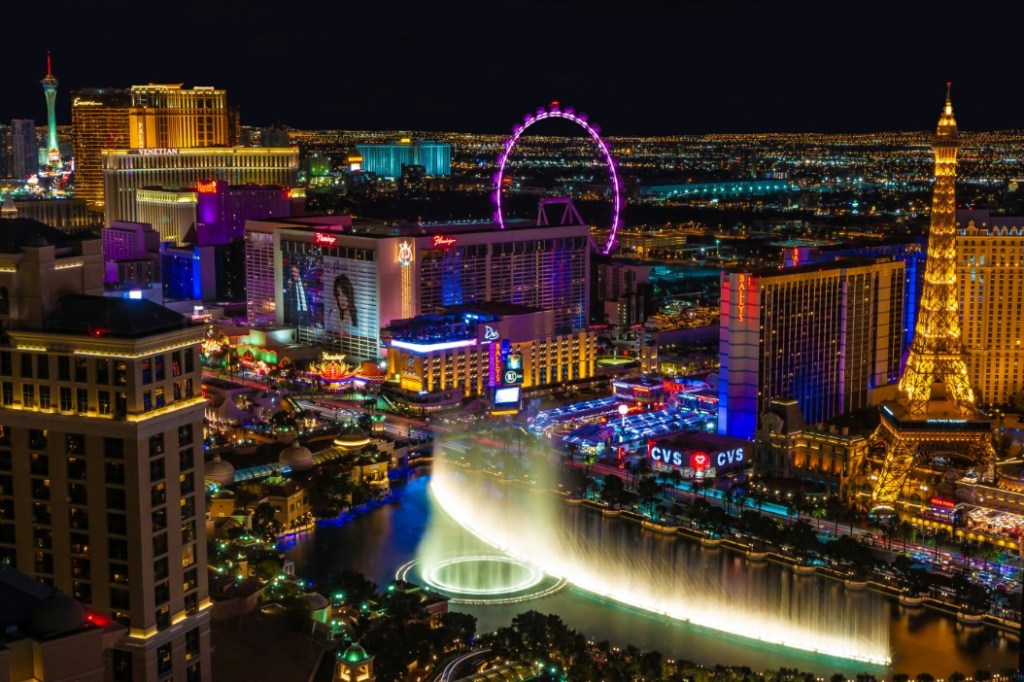
Steve Wynn built two of the defining contemporary casino destinations. The Bellagio in Las Vegas opened in 1998 with a Lake Como-inspired lakefront, Dale Chihuly’s Fiori di Como glass sculpture in the lobby, and a fine art gallery hosting rotating exhibitions of work from Picasso and Van Gogh onward. The Bellagio fountains and the O by Cirque du Soleil residency have been Las Vegas fixtures for over two decades.
The Wynn Palace in Macau, opened in 2016, moved the model further into the Asian market. The SkyCab gondola over the reflecting lake, the eleven signature restaurants (three of which hold Michelin stars), the flower garden installations by Preston Bailey, and the SkyBridge to Wynn Macau together create a destination on the scale Vegas established but Asia has since arguably surpassed.
Both properties treat the gaming floor as one element in a broader hospitality composition. The dining, the art, the entertainment, and the architecture together form the experience, with the tables functioning as the anchor rather than the totality.
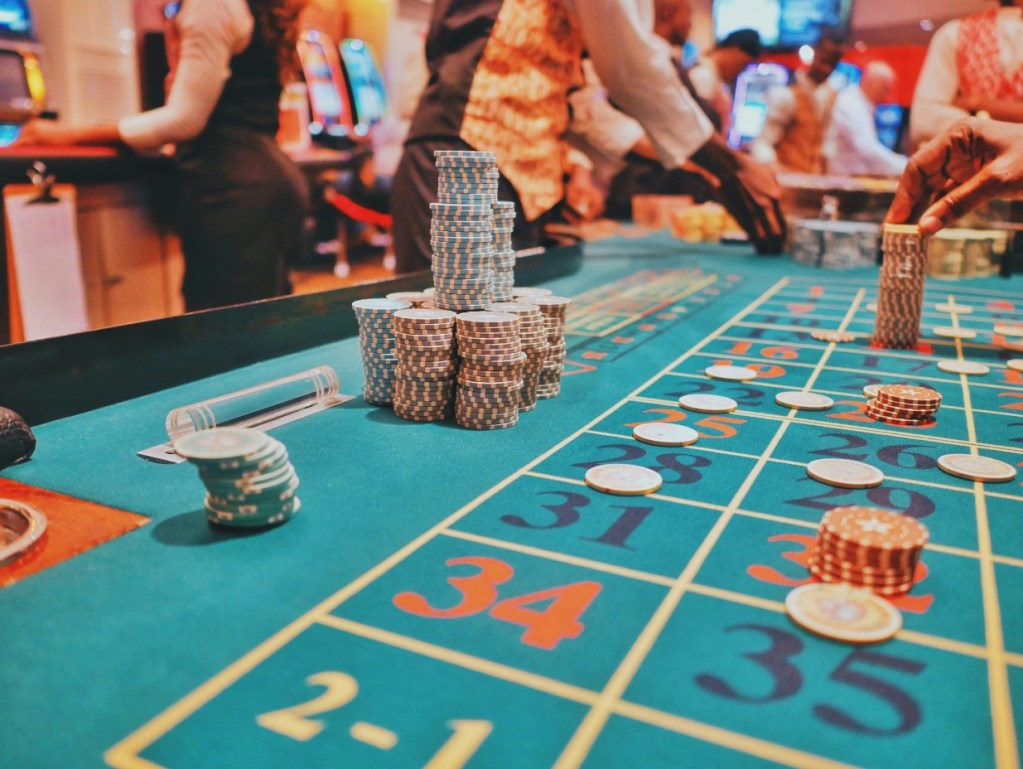
Kaysha/Unsplash
What Makes These Places Endure
The great casino destinations have persisted because they have never really been about gaming as a stand-alone activity. They have been about a particular composition of architecture, hospitality, gastronomy, and social occasion that the twentieth and twenty-first centuries have preserved rather than replaced.
Baden-Baden and Monte Carlo have been at it for approaching two centuries. Bellagio and Wynn Palace have shown the model translates into the modern era when the composition is right. Marina Bay Sands has demonstrated that a genuinely new addition to the tradition remains possible with sufficient architectural ambition and financial commitment.
For UK travellers considering a luxury weekend built around one of these rooms, the classical choices remain the strongest. A weekend at the Hôtel de Paris in Monte Carlo, or three nights at Brenners Park-Hotel in Baden-Baden with adjacent Kurhaus access, or a stay at Marina Bay Sands with the SkyPark and the Michelin restaurants of Singapore included, all offer something the digital format cannot approach. The destinations remain the actual event.
Images Courtesy of Unsplash. Featured Image Credits to Michal Parzuchowski and Eyestetix.