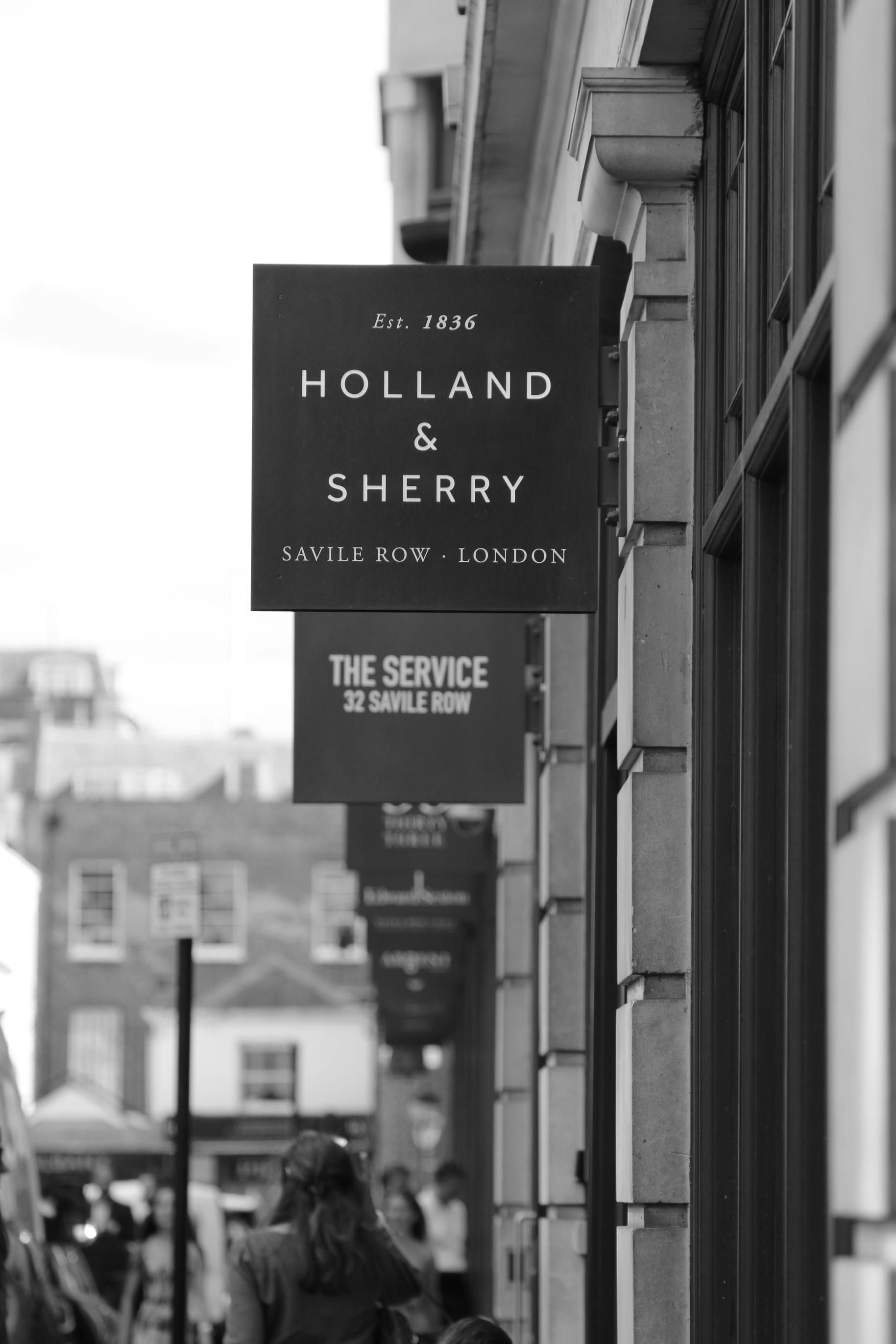
Savile Row in London has been the undisputed global center of custom tailoring for over 200 years. It is a quiet street, and tradition is woven into a part of the buildings. The odour of old wood and wool prevails in the air. There is a gentle, muffled sound of cutting shears and the quiet, faint hum of an expert tailor at his work. This is a location rich with historical significance, where commissioning rather than buying is how one acquires a suit. It is a procedure that may span several months and require numerous careful fittings.
However, there is a silent, nearly unnoticed revolution going on, with the sacred halls of The Row now incorporating advanced technology to make your suit fit even more perfectly, and, mind-blowingly, making a sort of digital twin of your suit to give to future generations. This does not involve flashy gadgets and internet-connected suits. That would be too garish for this quiet part of London. Rather, the tech is as discrete and custom-made as the suits themselves. It acts behind the scenes, complementing the centuries-old craft rather than replacing it.
The ambition is always the same: to produce the most perfectly fitting, beautiful, and personalized garment that a person will ever wear. What has changed, however, are the means of realizing that masterpiece of perfection. The same can be said about the elegant digital halls of Australian Bizzo Casino, a trailblazing leader in online gaming for those who like to play with class and style!

Image courtesy of Vitaly Gariev
The New Tools of the Trade
Enter one of the new generation tailor shops on the Row, and you may be surprised at the sight beside the spools of thread and the bolts of fabric. The 3D body scanners and high-tech software are now the instruments of the modern tailor, all of which is executed with the same understated nature that has characterized the street itself.

Image courtesy of Hermes Rivera on Unsplash
The Invisible Fit
The first major integration of tech comes in the initial fitting. Gone are the days of relying solely on a tape measure and a trained eye, though those are still paramount because now, a client might be asked to step into a small, private booth for a 3D body scan. This process takes mere seconds and is completely non-invasive. In that blink of an eye, the scanner captures millions of data points and maps the body’s topography with an accuracy no human hand could ever achieve.

Image courtesy of Christian on Unsplash
Your Suit’s Digital Doppelgänger
It is in this that the idea of the heirloom is actually brought into the 21st century. When your suit is made, that is not the end. Every measurement, every piece of the pattern, and every minute detail of the final garment is computerized and stored. This makes your suit have a virtual twin and a copy of the suit that is in the tailor’s room.
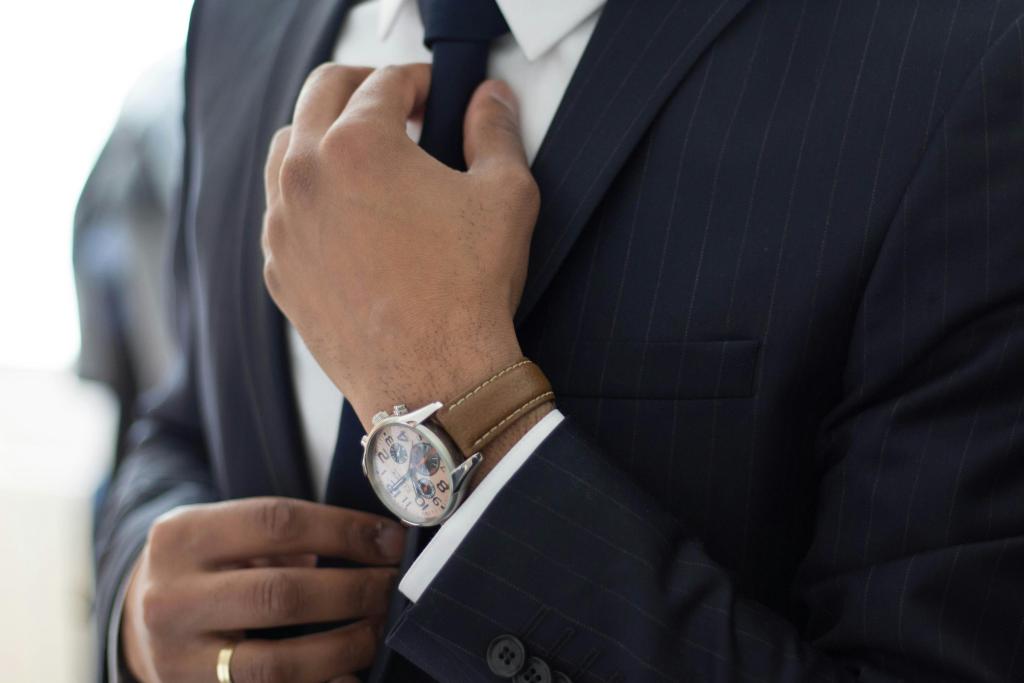
Image courtesy of Ruthson Zimmerman on Unsplash
A Legacy in Code
Why does this matter? The implications are profound, as let’s say, twenty years from now, you decide you need a new suit. Instead of starting from scratch, your tailor can pull up your digital twin. Your unique pattern is there, ready to be adjusted for any changes in your physique. The process is faster, more efficient, and maintains perfect continuity with your original commission… But the real magic is for future generations.
Imagine a grandson, fifty years from now, wishing to commission his first bespoke suit. He can visit the same tailor, who can then access his grandfather’s digital twin. He can see the cut you preferred, the style you embodied, and choose to have a suit made from that exact same pattern. This creates a physical and spiritual link across time.
Featured image courtesy of Amit Daruka on Unsplash.