Climbing the spiral staircase inside the Zytglogge, Bern’s medieval clock tower and ancient heart, I found myself experiencing Switzerland from behind the scenes. The air was cool and heavy with the scent of aged timber and machine oil. Here was precision, accuracy and a quiet luxury bestowed by the privilege of witnessing five centuries of brass, iron and mechanical patience inside a clock that has kept Bernese time since 1530. Around me, an intricate choreography of wheels, levers and wooden cogs quietly prepared for another performance, one that has unfolded every hour for almost five centuries. It struck me that this was Switzerland in miniature: historic, quietly spectacular and built to outlast every trend that has come and gone around it. Everything that followed, from Bern to Lausanne, felt like an extension of that philosophy, where luxury was shaped not by extravagance but by culture, craftsmanship and a deep connection to place.

Chocolate and clocks built Switzerland’s postcard image, but the success behind the Swiss franc lies in pharmaceuticals, precision engineering, chemicals and fine craftsmanship, all of which have quietly made this small Alpine nation one of the wealthiest in the world. Yet visitors encounter the country’s riches from a different perspective. Switzerland Tourism labels it as Swiss Silent Luxury, a move away from ostentation towards experiences that foster a genuine connection with a place rooted in nature, heritage, wellbeing and impeccable service rather than extravagance. Having spent five days travelling between Bern and Lausanne by train and boat, with the occasional glass, or two, of crisp Chasselas along the way, I came to understand exactly what that means.

The city of Bern, Switzerland’s political capital, was founded in 1191 by Berthold V, Duke of Zähringen and is cosseted within a sweeping curve of the River Aare. The Old Town became a UNESCO World Heritage Site in 1983, its narrow medieval façades stretching beneath six kilometres of covered arcades sprinkled with ornate 16th-century fountains revealing snippets of Swiss folklore. Vaulted cellars, once used for storing goods, now house cafés and independent boutiques. Crowds gather between the modest apartment where Albert Einstein lived from 1903 to 1905 while developing his theory of relativity and the Zytglogge, whose astronomical dial, mechanical jester and procession of bears continue to delight visitors, making it one of the world’s oldest working clocks. Bern Cathedral dominates the skyline with the tallest church spire in Switzerland. Above its main portal, 234 sandstone figures depict the Last Judgement in remarkable Gothic detail. Look up and you’ll notice the spire leans ever so slightly.
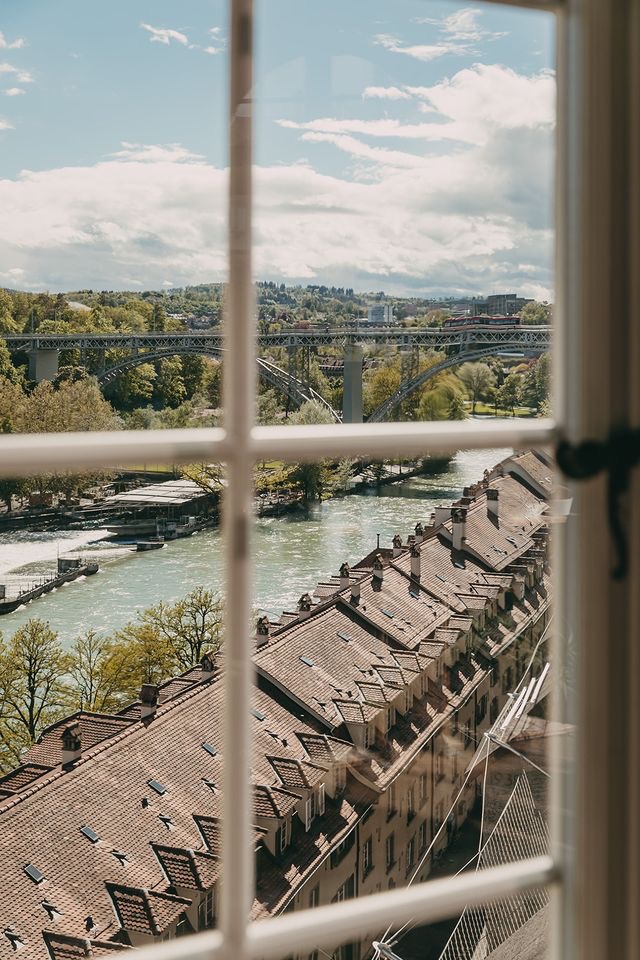
In summer, some Bernese locals don’t commute by tram, they float to work. Slipping into the turquoise waters of the Aare, Switzerland’s longest river, they allow the gentle current, coloured by minerals carried from the mountains, to carry them downstream before climbing out, changing, and continuing with their day. I watched a steady procession of swimmers do exactly this on a warm afternoon. Some stood on paddleboards, others floated with their belongings tucked inside waterproof bags, all unhurried as the Alps stood guard in the distance.
I stayed at Hotel Schweizerhof Bern & Spa, conveniently located opposite the main train station and seamlessly enfolded into the UNESCO-listed Old Town. It immediately felt like an extension of the city’s cobbled arcades. Open since 1859, it is one of Bern’s oldest five-star addresses, with 99 individually designed rooms and suites across five floors, all leading from a green onyx reception area that sets the tone for this intimate, classically styled hotel. Here, 19th-century heritage blends with warm natural materials and contemporary design to create a light, understated ambiance.
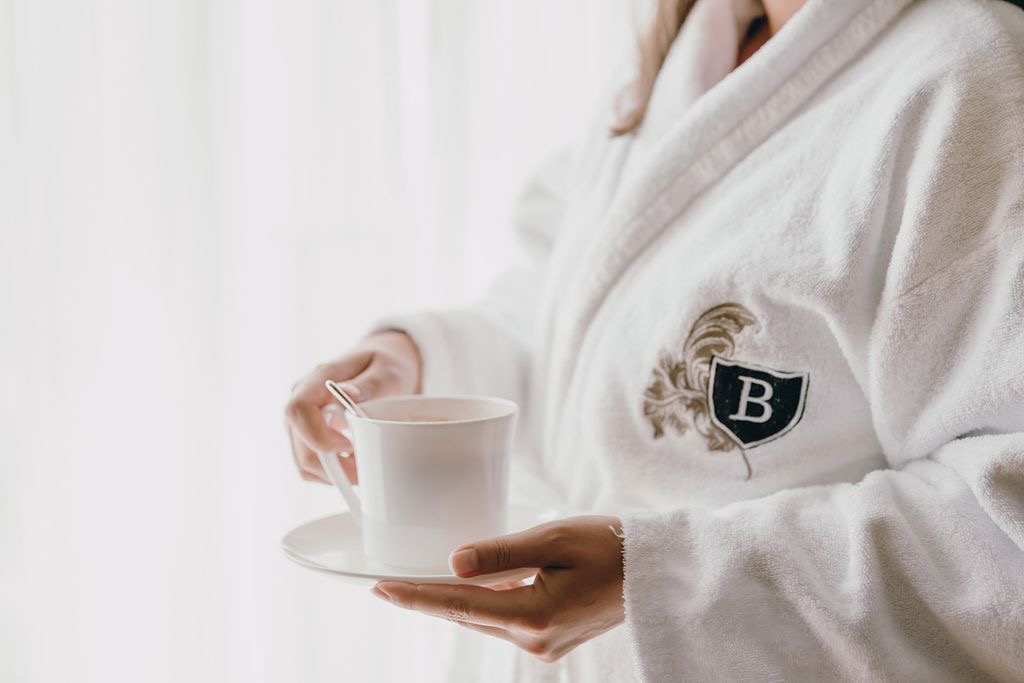
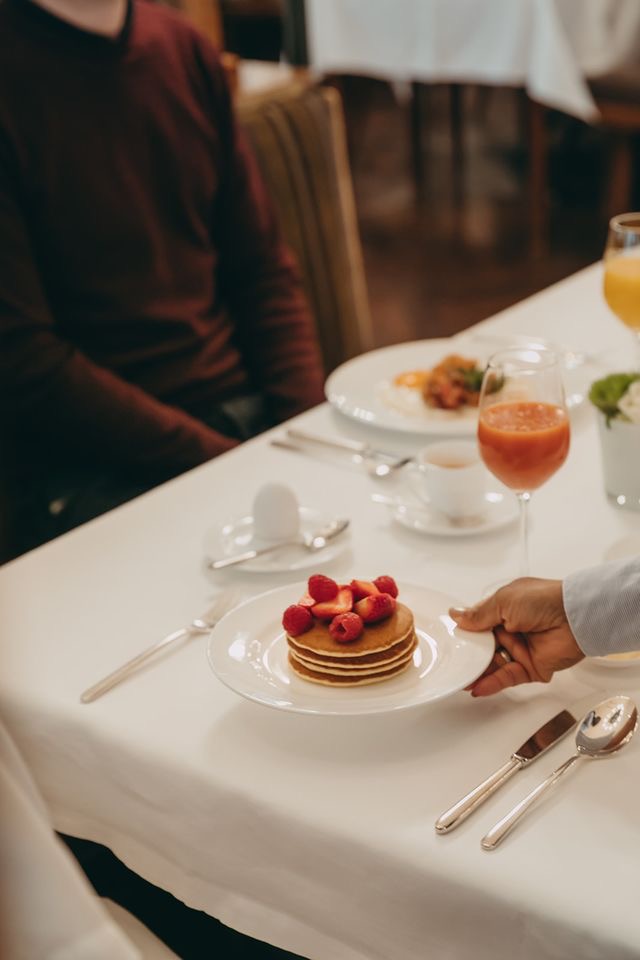
It is also home to the city’s only luxury hotel spa, a 500-square-metre retreat with a heated relaxation pool, sauna, steam bath, quiet room with waterbeds, fitness area and treatment rooms. I opted for the honey fascia massage using honey harvested from the hotel’s own rooftop bee colonies. Three hives, tended by beekeeper Jo Roth for more than a decade, produce around 85 kilograms of honey each year. Hotel-produced honey appears at breakfast, features in spa treatments and serves as another thoughtful reminder of the hotel’s connection to its surroundings.
It’s here at the hotel’s Jack’s Brasserie, a Bern institution since 1911, that you can tuck into an oversized Wiener Schnitzel, voted Switzerland’s best on three occasions by Gault Millau. The restaurant serves around 22,000 schnitzels each year, roughly 80 every day. I dined on White Swiss Salmon Ceviche served with asparagus and rhubarb before surrendering, inevitably, to the famous schnitzel accompanied by potato and cucumber salad and cranberries. This European brasserie, dressed in an elegant Art Nouveau interior of polished wood panelling and leather banquettes, pays tribute to its past. Brass plaques engraved with the names of distinguished guests commemorate those who have dined here over the years, among them Queen Elizabeth II.
The Lobby Lounge offers a more contemporary menu inspired by Japanese and Latin American flavours, including a Wagyu kimchi sandwich, while the rooftop Sky Terrace opens throughout the summer, pairing dinner with sweeping views across the rooftops of Bern. Those seeking indulgence in smoke and aromas retire to the Cigar Lounge. There is a touch of old Hollywood glamour too. Scenes from the 1969 James Bond film On Her Majesty’s Secret Service were filmed here and over the decades the guest book has welcomed the likes of Elizabeth Taylor, Grace Kelly and Sophia Loren, a distinguished roll call echoed later in my journey at Lausanne’s equally elegant Royal Savoy.
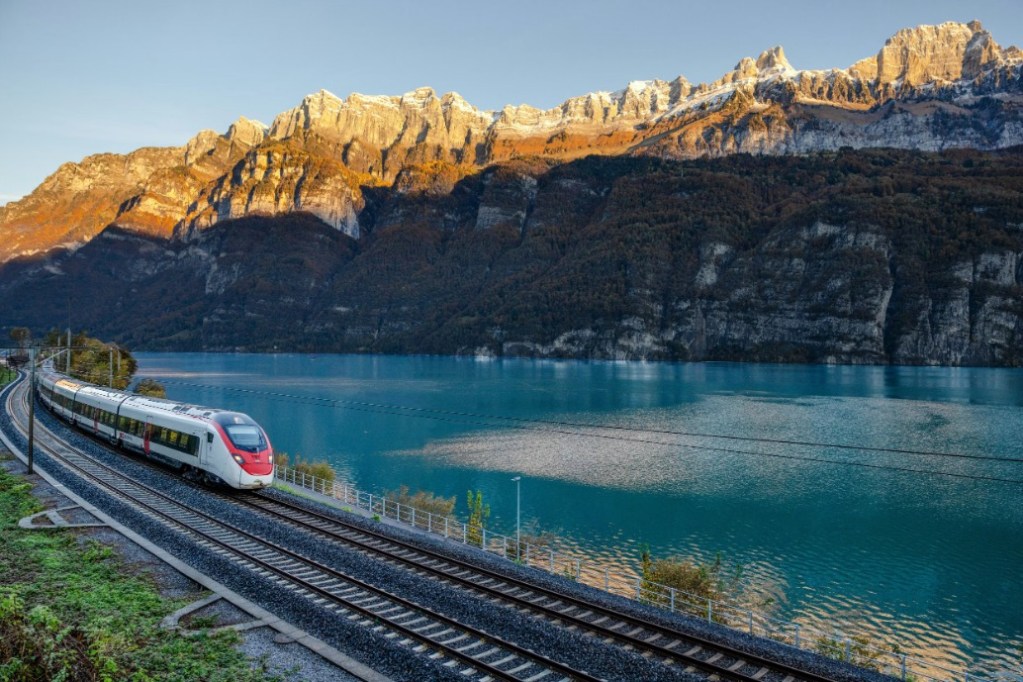
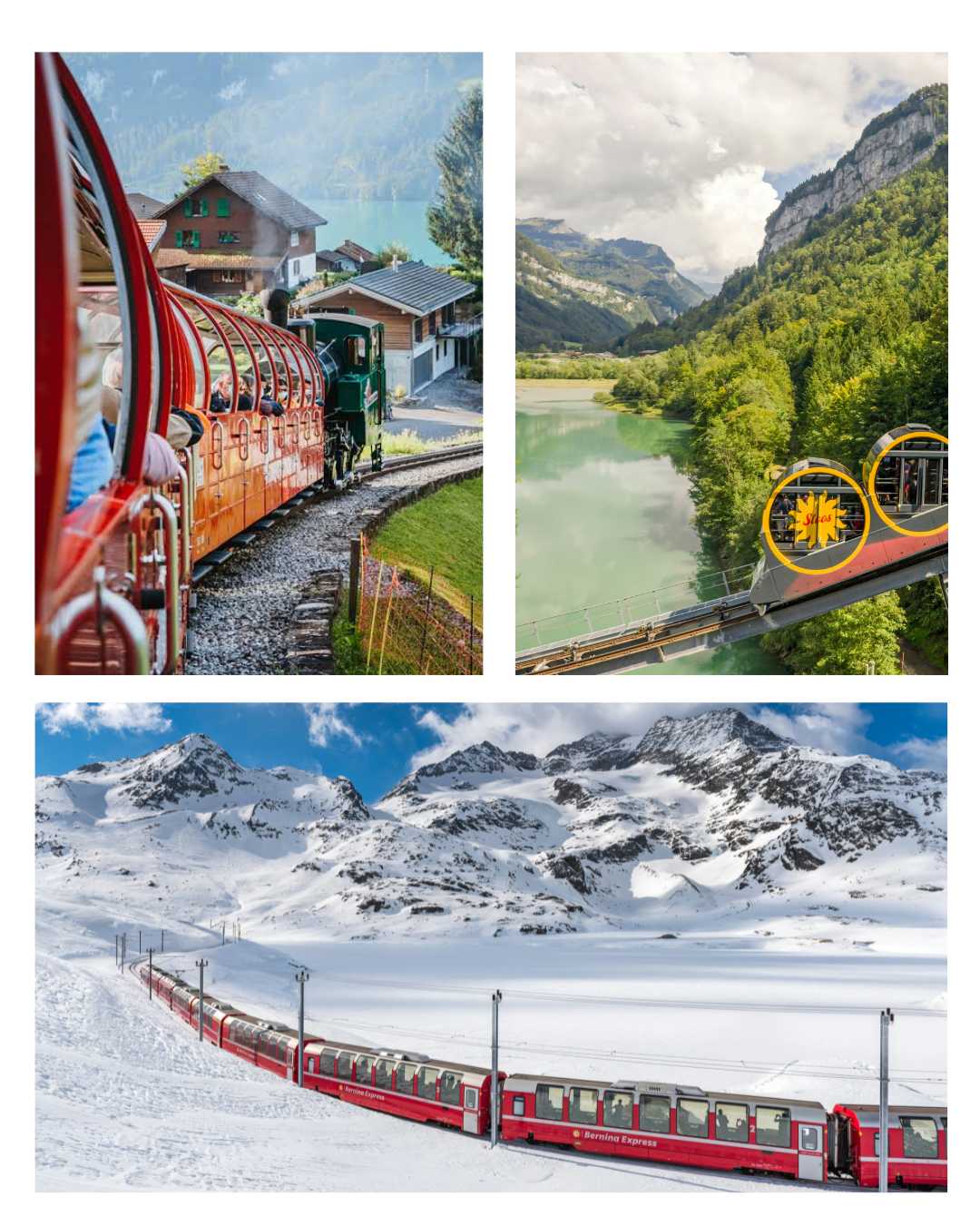
Getting between Bern and Lausanne is one of the highlights of the trip. Switzerland’s rail network is efficient, the double-decker trains are spacious and comfortable, covering the journey in just over an hour as they thread through the rolling countryside of the canton of Fribourg. Sit upstairs if you can. It’s quieter, offers more luggage space and the views become increasingly captivating as the train glides past terraced vineyards, patchwork fields stitched together by hedgerows and villages edged with timber chalets. Church steeples punctuate the skyline to attract your attention. On the final approach to Lausanne, a seat on the right-hand side rewards you with dreamy views across Lake Geneva towards the Alps.
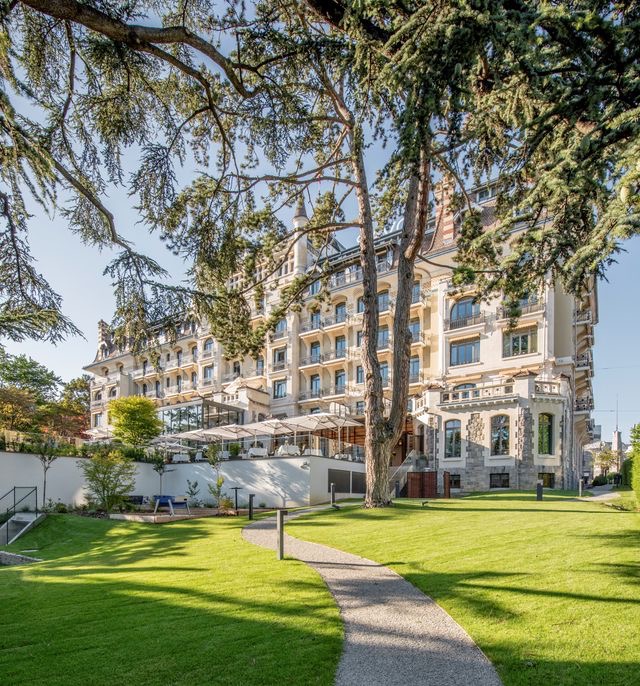
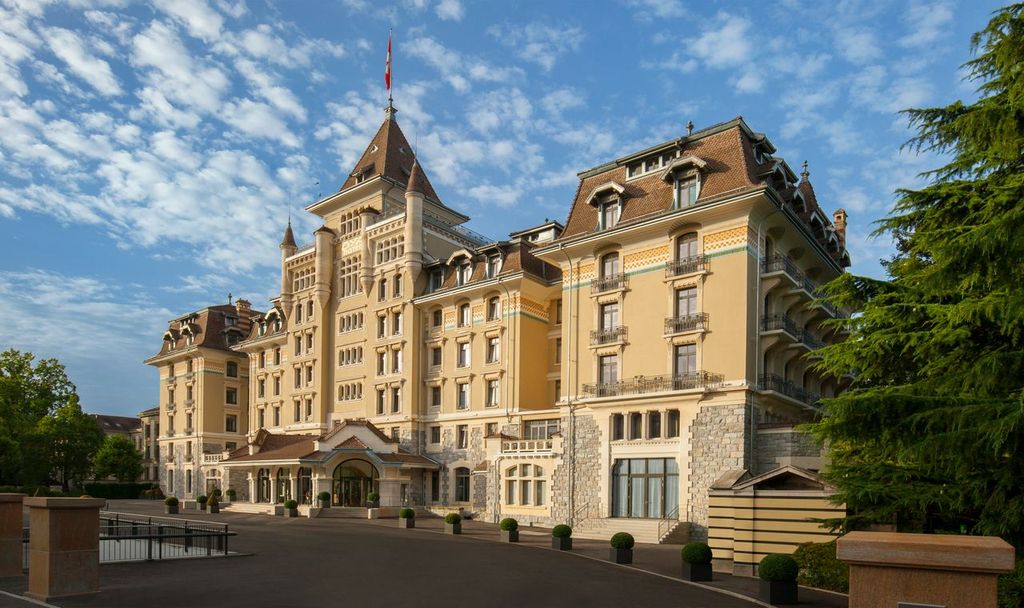
My residence in Lausanne was the Royal Savoy Hotel & Spa, a grand château-style property in the leafy Ouchy district, just a five-minute stroll from Lake Geneva. Built in 1909, the hotel underwent a five-year restoration before reopening in 2016. Original stained-glass windows, marble floors and hand-carved woodwork sit alongside a contemporary new wing, making it feel as though you’re moving between two centuries. Wide staircases, I was told, were designed to accommodate the voluminous gowns fashionable at the time, a charming detail that illustrates the hotel’s respect for its history. Across the rooms and suites, balconies overlook the gardens, Lake Geneva and the Alps beyond. Tina Turner, Sophia Loren, Spanish and Thai royalty have all stayed here. Tucked discreetly between the lakeside and Lausanne’s city centre, it feels quietly elegant rather than attention-seeking.
It seemed only fitting that, in the home of Swiss chocolate, I should indulge in a chocolate body wrap in the Spa du Royal which also offers a hammam, ice fountain, connecting indoor and outdoor pools and a 24-hour fitness suite.
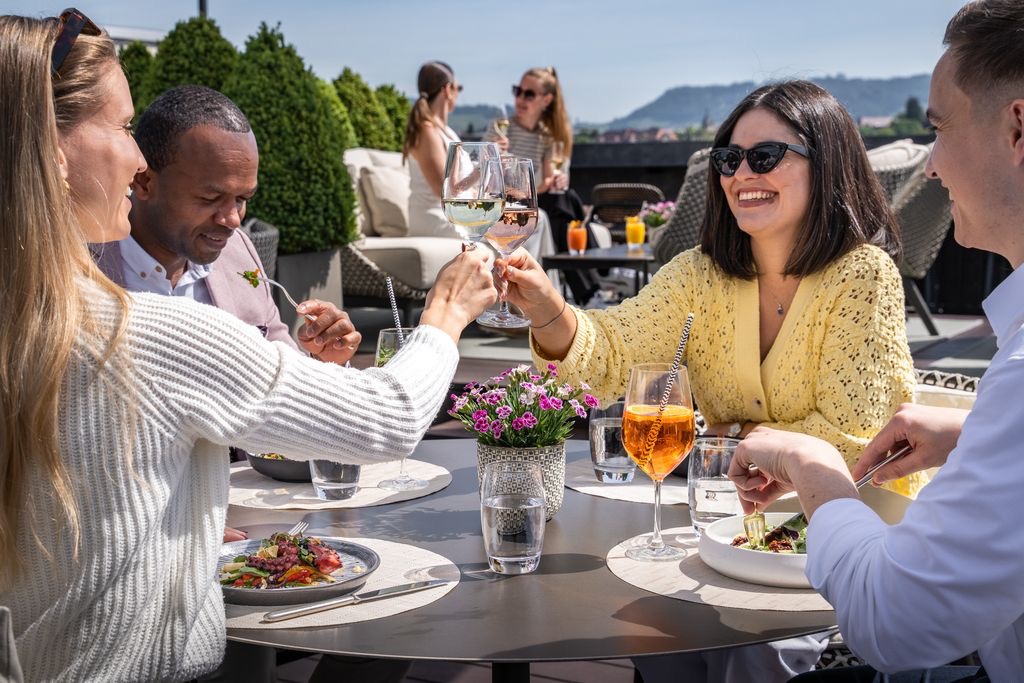
Upstairs on the seventh floor, the Sky Lounge delivers the panorama every Toblerone box has long promised: snow-capped peaks, the lights of Lausanne and Lake Geneva slowly turning silver as dusk settles. The Sky Rooftop serves seasonal Italian dishes alongside carefully chosen wines and signature cocktails, while the Brasserie du Royal overlooks a tranquil Japanese-inspired garden and pairs French cuisine with Lavaux wines. I’ll admit to lingering rather too long over a crab and herb cannelloni with courgette and basil oil, followed by perfectly cooked octopus served with saffron rice, artichokes and homemade aioli. Choosing dessert proved the hardest decision of the evening. For those who prefer their indulgence with a little history, the atmospheric cigar lounge, complete with private humidor storage, evokes the quiet charm of a traditional gentlemen’s club. A short sprint away is the Olympic Museum, home to the world’s largest archive of Olympic artefacts.
No visit to this corner of Lake Geneva would be complete without exploring the Lavaux vineyards, a UNESCO World Heritage landscape since 2007. The steep terraces climb the hillsides in tightly woven rows overlooking the lake. At Château de Glérolles, Christian Dubois poured his family’s award-winning wine, Dézaley-Marsens de la Tour, with the quiet pride of someone sharing an inheritance rather than simply a bottle of white. I sensed that same feeling of continuity across the vineyards, where generations have worked these slopes long before tourism arrived. Local legend testifies the château’s watchtower was lowered during the nineteenth century because its shadow fell across the vines, a story that perfectly illustrates how seriously wine is taken here. Across five hectares, Chasselas, Pinot Noir, Humagne Rouge, Merlot, Cabernet Franc, Syrah and Gewürztraminer thrive. At Domaine Dézaley vines more than 200 years old cling to limestone-rich terraces warmed by what locals describe as three suns: direct sunlight, light reflected from Lake Geneva and heat released overnight by the stone walls. Only a small percentage of Swiss wine is exported, making a tasting here a genuine privilege. Over-generous platters of local cheese and charcuterie at Auberge du Vigneron, every glass felt like discovering one of Switzerland’s best kept secrets.

From the vineyards, it’s a short stroll down to the water for a leisurely cruise across Lake Geneva. The crossing from the Lavaux shoreline to Lausanne takes around 35 unhurried minutes. From the comfort of the boat, the vine-striped terraces take on a different perspective while the fishing village of Lutry nestles quietly along the shore and small harbours drift past at little more than walking pace. Beyond it all, the Alps rise in layers, their peaks softened by the changing light. Belle Époque paddle steamers still cruise these waters. There’s something rather restorative about being on the lake rather than beside it. For long stretches, the gentle wake is the only sound, accompanied by gulls following the stern. It’s the kind of thirty-five minutes that quietly recalibrates the day.

As my journey came to an end, I found myself thinking back to the intricate workings of the Zytglogge. Switzerland’s greatest luxury isn’t found solely in its grand hotels, celebrated restaurants or vineyard-covered hillsides. It lies in the quiet confidence with which everything works together. The trains arrive on time, the boats glide effortlessly across the lake, traditions are preserved without fuss and craftsmanship is valued as highly today as it was centuries ago. Like the ancient mechanism hidden inside Bern’s clock tower, it all works with remarkable precision, asking for admiration rather than attention.

Practicalities: Planning Your Swiss Escape
Swiss International Air Lines (SWISS)
SWISS connects Switzerland with the world, offering more than 160 weekly flights from London Heathrow, London City, Manchester, Birmingham and Edinburgh to Zurich or Geneva. One-way fares start from £76 to Zurich and from £54 to Geneva, and include all taxes, fees and surcharges, one piece of checked luggage weighing up to 23kg and one piece of hand luggage. SWISS also transports your first set of ski or snowboard equipment and boots free of charge in addition to your standard hold baggage allowance (subject to availability, excludes hand-luggage-only).
Travel Switzerland
There are many reasons to explore Switzerland by public transport; not only is it the best way to enjoy unparalleled panoramic views in a relaxed atmosphere, but also seamless connections are guaranteed – whether by train, bus, boat or mountain railway. Point-to-point tickets start at £40 one-way; Swiss Travel Passes start at £254 for three days; find out more at swisstravelpass.com.
Like so much in Switzerland, it simply works, quietly, efficiently and without fuss.
Image Courtesy of Royal Savoy Hotel & Spa, Hotel Schweizerhof Bern & Spa and Travel Switzerland.