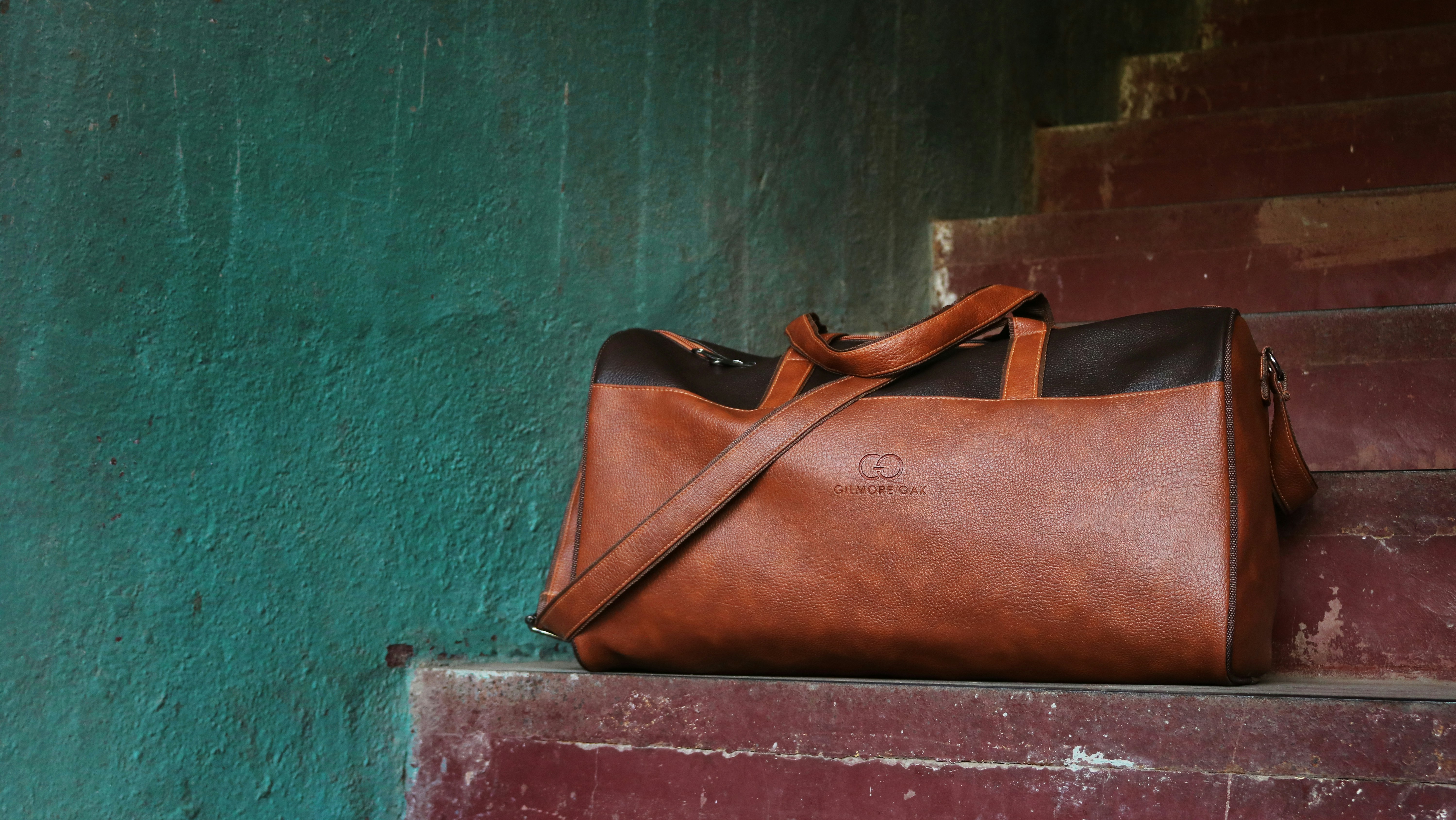
Two nights away is the trip a single bag was made for. No wheeled case to haul across a hotel lobby, no checked luggage to wait on at the other end, just one leather weekender over the shoulder and the weekend already half begun. For a luxury escape, the bag is part of the occasion, so it has to look right set down beside a good front desk and still be worth carrying in five years.
The difficulty is that a great many weekenders look the part and very few earn it. The price and the photograph tell you almost nothing. What separates a genuinely luxurious weekender from one that is merely expensive comes down to a handful of things you can learn to spot, and once you can, the shortlist for a two-night escape gets short quickly.

Image Courtesy of Kristian Bogh via Unsplash
What makes a leather weekender luxury, not just expensive
The leather comes first, because it is most of what you pay for and all of what you will look at. Full-grain leather keeps the hide’s natural top layer intact, which is why it softens and deepens into a patina with use instead of peeling at the stitched edges the way coated and bonded leathers do. A bag that ages better the more you carry it is the whole reason to buy in leather at all.
How the leather is tanned matters almost as much as the grade. Slow vegetable tanning, done over a couple of days with natural tannins, gives a firmer hide that holds a bag’s shape and wears warmly; the fast chrome process most bags rely on produces a softer, more uniform leather that never quite develops the same character. For a weekender you intend to keep, full-grain and vegetable-tanned is the pairing to hold out for.
Then the quiet details that decide whether it lasts. A natural cotton canvas lining wears cleanly where a thin synthetic one pills and frays against folded clothes within a year or two. A structured base and frame keep the bag’s shape when it is half empty, which protects a folded jacket and stops the whole thing slumping the moment you set it down. And the make shows in the stitching and the edges: small, even stitches, edges sealed smooth rather than left raw or thickly painted. None of these photographs well, which is exactly why the bags that skip it can still look expensive.

Image Courtesy of Erol Ahmed via Unsplash
The right size for two nights
A luxury escape rewards packing light, and two nights ask for less than most people assume. Two outfits and a change, something for dinner, a wash bag kept permanently packed, one pair of shoes worn and perhaps one packed. That folds into a compact weekender with room to spare, and a bag sized for exactly that keeps you honest about what you bring.
Resist sizing up for the longer trips you rarely take. A holdall much bigger than a long weekend needs is heavier before anything goes in, harder to carry on one shoulder, and an open invitation to overpack. If a fortnight comes up once a year, that is a job for a second, larger bag, not a reason to oversize the one you will reach for most weekends. The bonus is that a well-judged weekender usually slips under a cabin allowance, so the escape begins without a wait at a baggage carousel at either end.
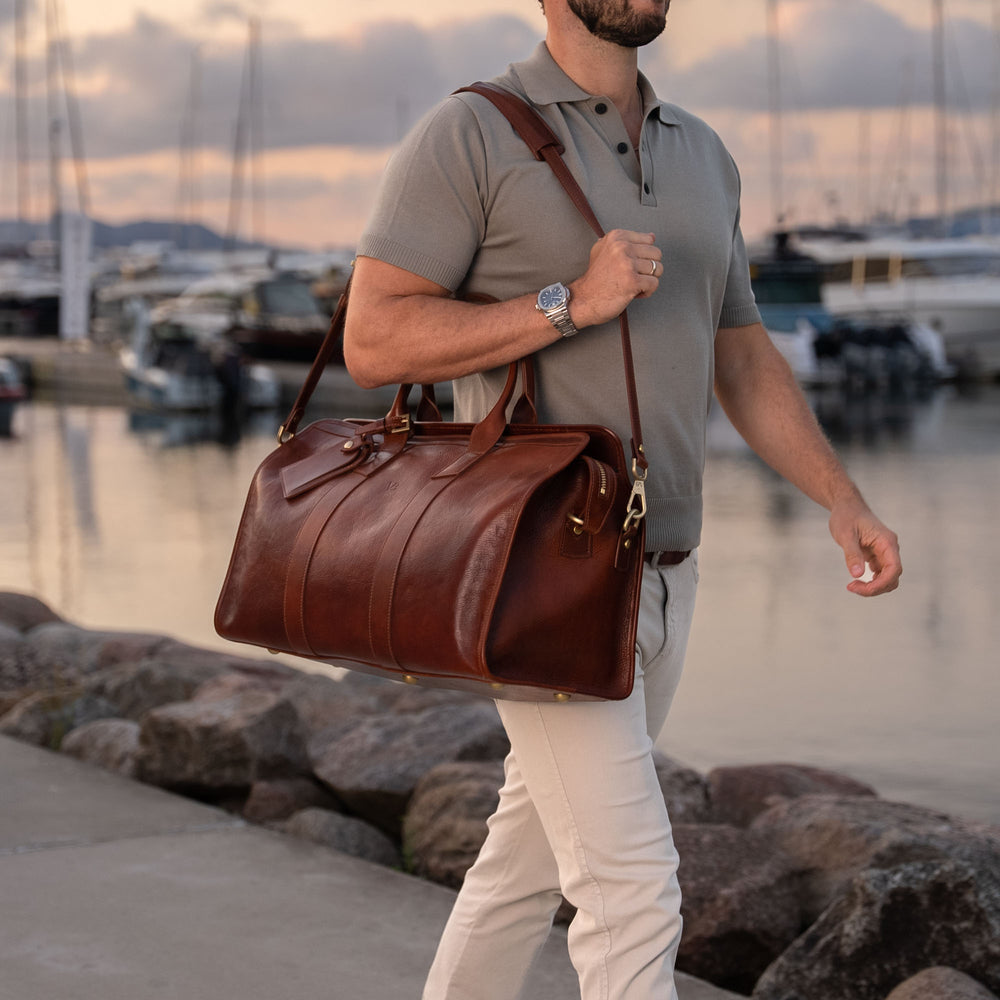
Image via Von Baer
The weekender we’d choose for a luxury two-nighter
Hold out for full-grain leather, a natural lining and a shape that survives being half empty, and the field narrows fast. The range we keep coming back to is Von Baer’s leather weekender bags, cut from Cuoio Superiore certified Italian full-grain and tanned the slow, vegetable way, so the leather softens into a patina rather than cracking at the seams. Von Baer, an international leather-goods brand known for its travel bags, also embosses up to four initials onto the included leather luggage tag at no extra cost, a quiet bit of personalisation for a bag you mean to keep.
It sits at the premium end, and the honest catch is the price: it is worth paying for if you want a weekender to keep and enjoy for years, less so if you simply need the least expensive way to carry two nights’ clothes. It is also the wrong bag for a wet, rough trip, where a treated fabric holdall shrugs off the abuse better. For the considered escape it is made for, though, it is the rare thing worth getting right once.
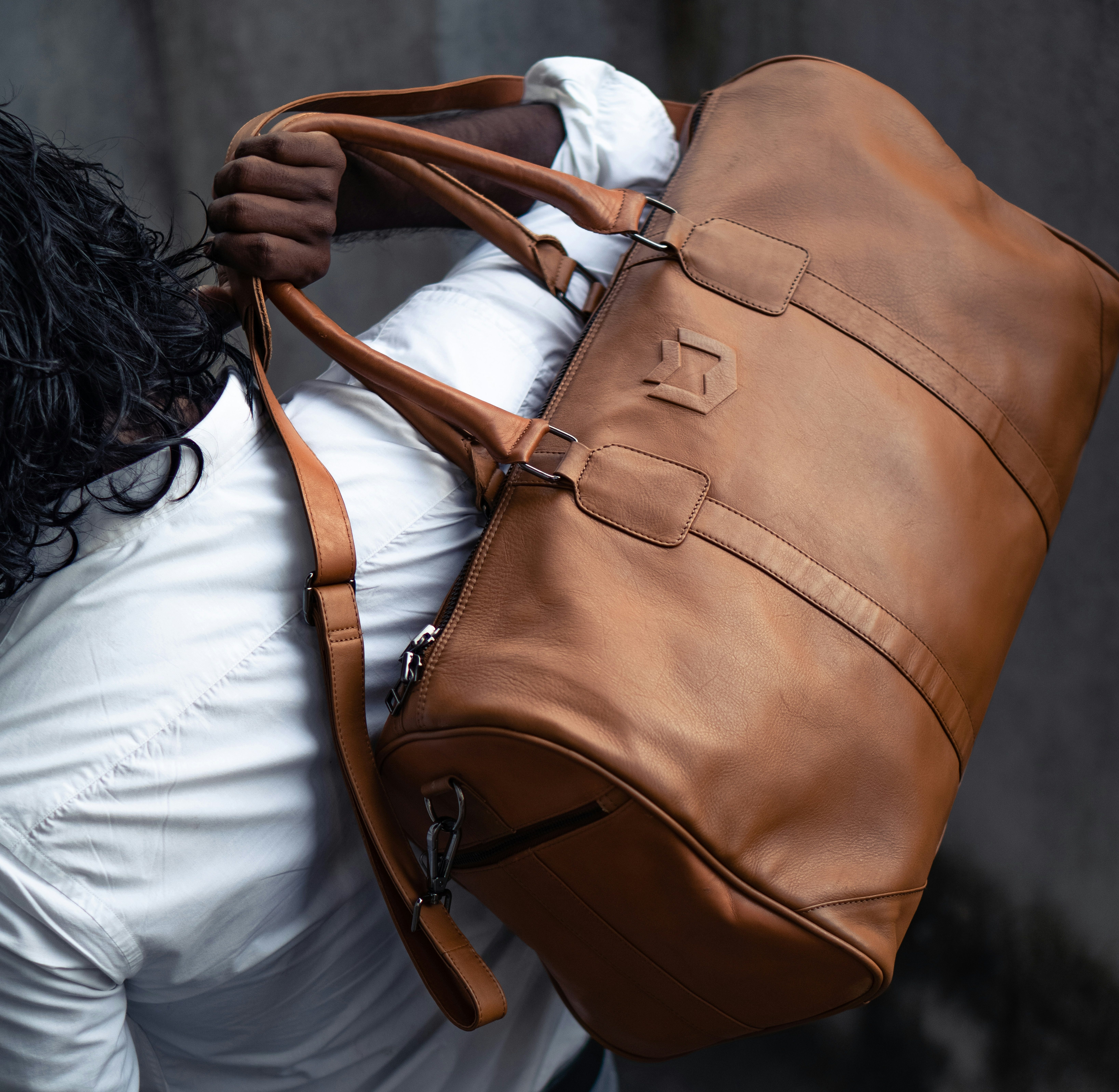
Image Courtesy of Wiser by the Mile via Unsplash
Questions worth answering before you buy
How much should a good leather weekender cost?
Enough that the leather is full-grain and the construction is honest, which usually means the upper end of the market rather than the middle. The test is not the price itself but whether the bag is well enough made to keep for years; spread across that long, a well-made one is the better value even though it costs more up front.
Leather or technical fabric?
Leather if you want a bag that looks right at a good hotel and ages into something with character; technical fabric if outright lightness and weatherproofing matter more than how it looks. For a luxury escape, the look usually tips it to leather, with a fabric bag kept back for the wet, rough trips.
Will a weekender work as a carry-on?
A well-sized one usually will, but check the dimensions against your airline before you fly rather than at the gate, since cabin limits vary and a soft bag bulges once packed.

Image Courtesy of Altumcode via Unsplash
The weekend a good bag was made for
A two-night escape is the easy case: one good leather weekender, packed light, carried over the shoulder. Choose it for the grade of the leather, the lining and the shape rather than the label, size it for the two nights you are actually taking, and you end up with the bag that makes the weekend feel considered from the front door. Get that right once, and it is the only weekender you will reach for.
Leading Image Courtesy of Mohsin Khalifa via Unsplash.