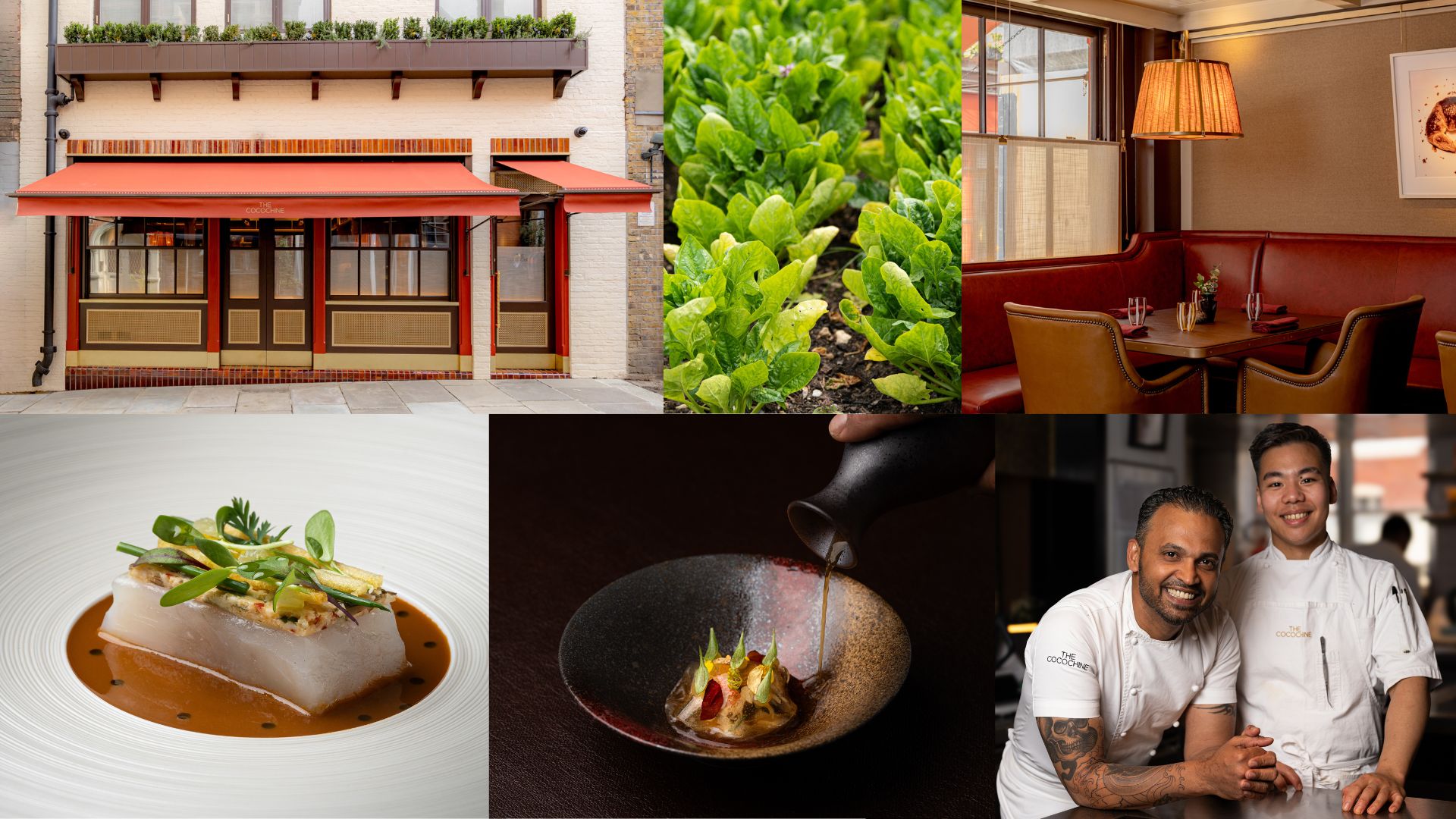
Since opening in March 2024, chef Larry Jayasekara‘s tribute to his Sri Lankan roots at The Cocochine has become one of London’s more intriguing addresses, a place where old-school hospitality mixes with a modern, well-travelled palate. When a 56-ingredient salad turns the restaurant’s own farm into a calling card, provenance stops being a buzzword.
London has a strange relationship with The Cocochine: everyone is watching, everyone knows, and yet not many are quite willing to say the obvious out loud. It is exceptional. Perhaps that silence is partly admiration and partly envy, because The Cocochine possesses something money, PR and fashionable postcodes cannot simply manufacture. It is glamorous without trying too hard, meticulous without becoming sterile, and confident enough not to chase the approval of the wider restaurant scene. That, perhaps, is what makes it so uncomfortable for others. Proof that originality, confidence and attention to detail still matter more than the hype of a perfect Guinness and wood-fired beef. In a city where so many restaurants are busy watching one another, perhaps they should all be watching The Cocochine instead?

A Concept Rooted in Heritage and Quality
At its core, The Cocochine is about taking great ingredients and letting subtle Sri Lankan flavours bring out their best. Born in Sri Lanka, Larry trained at culinary school in Devon before working under some of Britain and France’s most celebrated one, two and three-starred chefs, gathering two decades of experience in fine dining and travel before opening his own restaurant. That journey shows in every dish, with classical technique layered over the spice, warmth and colour of his homeland. His awards include the Craft Guild of Chefs’ National Chef of the Year title and a Fortnum & Mason Food & Drink Awards Special Award, recognising his charitable work during the pandemic. Larry is not just a chef; he is an artist and a leader. Watching the team in that kitchen is like watching a symphony orchestra playing.
From Farm to Coast: Sourcing with Purpose
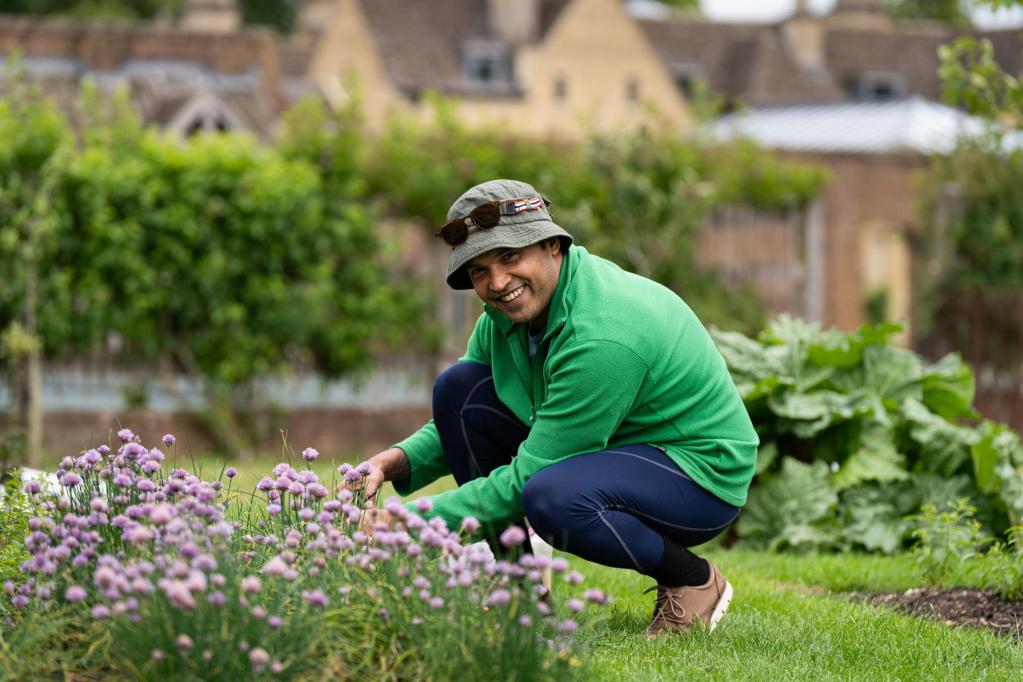
Much of what lands on the plate begins its life 60 miles away, at the regenerative Rowler Farm Estate in Northamptonshire, which supplies the majority of the kitchen’s fruit, vegetables and herbs. The seafood tells a different story, arriving instead from the cold, clear waters around Tanera Island off the Scottish coast, sourced specifically for the restaurant. This close relationship with land and sea means the menu shifts with the seasons, evolving regularly to showcase whichever ingredient happens to be at its best.

A Front-Row Seat to the Kitchen
The main dining room occupies the ground floor, discreet and softly lit, while the first floor is given over to the Chef’s Counter, just seven seats arranged beside the open kitchen. Here, guests watch each course take shape at close quarters, the chefs at work only feet away, turning dinner into something closer to theatre.

An Inventive Tasting Menu
Before diving into the tasting menu, it is worth remembering The Cocochine has a wicked lunch menu that is superb value and if you are not sure about this place, just try the lunch menu. The tasting menu opens gently, with caramelised onion and curry leaves folded into a toasted cardamom brioche, followed by sourdough glazed with kithul, the treacle-like syrup tapped from Sri Lankan palm trees, and sea salt.
Then comes the signature Rowler Farm Garden Salad, a dish built from an extraordinary 56 ingredients: seven different herb oils, from parsley to lemon verbena, sit alongside beetroot leaf, marinated onions and beetroots, three varieties of mint, nasturtium flowers, leaves and berries, and a scattering of edible flowers including borage, marigold and thyme. It reads less like a salad and more like a study of the farm itself, captured in a single bowl. The full list of ingredients include: Beetroot leaf, Crispy onions, Japanese dressing, Coriander oil, Parsley oil, Fennel oil, Tarragon oil, Lemon verbena oil, Rosemary oil, Chive oil, Fig oil, Artichoke oil, Potato crisps, Rhubarb purée, Marigold flower/leaves, Basil, Marinated onion, Marinated beetroots, Fennel, Dill, Radish leaf, Cornflower, Swede, Radish, Romaine lettuce, Baby gem lettuce, Nasturtium flower, Nasturtium leaf, Curly leaf lettuce, Bitter lettuce, Nasturtium berries, Carrot tops, Carrots, Cherry tomato, Lemon verbena, Sage, Mint (3 varieties), Tarragon, Celery, Courgette, Courgette flower, Parsley, Thyme, Garlic, Chard, Swiss chard, Pickled shallots, Fried sage, Green lentil, Micro broccoli, Elderflower syrup, Green peas, Parsnip chips, Borage flowers and Thyme flowers.

From there, the menu moves confidently between land and sea. Ceylon king crab salad arrives with a light consommé and apple, before Rowler Farm’s 40-day dry-aged beef reappears as a tartare, sharpened with pickled chilli and finished with a confit egg yolk.

The scallop course follows: an XXL specimen, hand-dived off the Scottish coast, seared to a deep golden crust while the centre stays translucent and yielding. It’s paired with wild mushrooms and a whisper of pandan, whose grassy, faintly vanilla note plays surprisingly well against the sweetness of the shellfish, finished with a light, buttery emulsion that pools around the plate rather than smothering it.
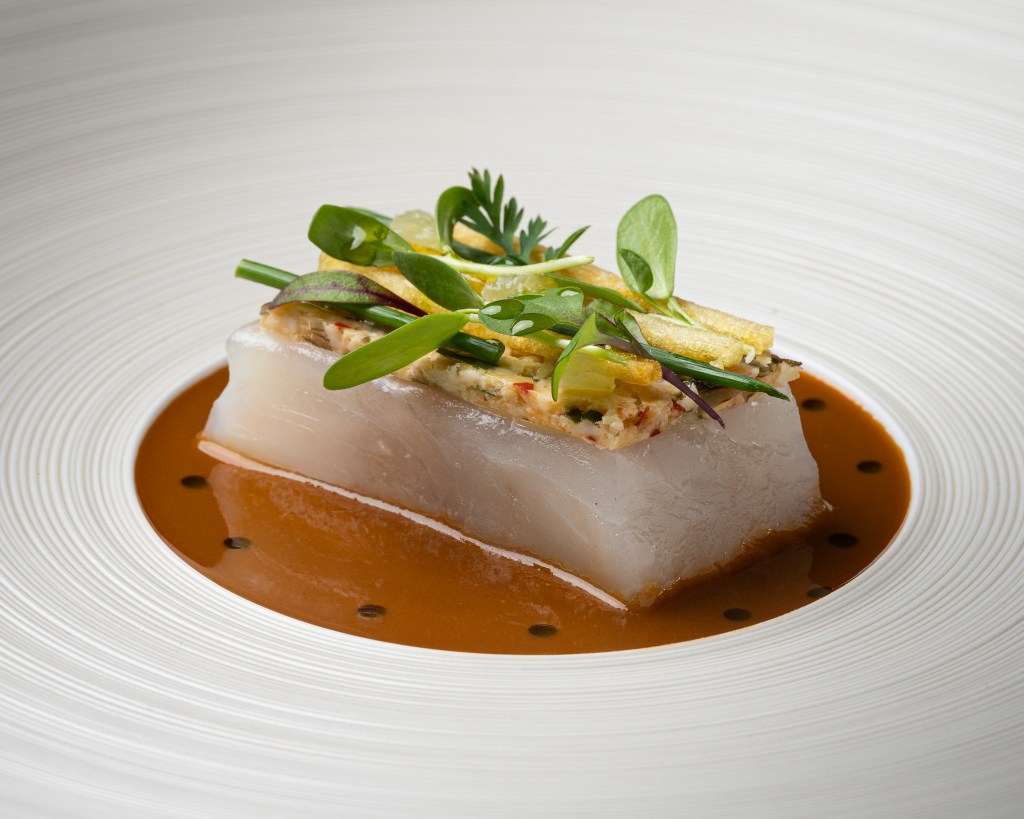
Next, a fillet of Scottish wild turbot arrives dressed in coconut and a spiced wild prawn sauce, the sweetness of the fish balanced against the sauce’s gentle heat. It’s followed by native lobster, barbecued over banana leaf for a faint smokiness, served with a rice pot, spices and emulsion that lean further into the meal’s Sri Lankan register.

The 40-day dry-aged beef makes its second appearance of the evening, this time stripped back to essentials: a thick-cut piece, rested and sliced to show off the deep, almost umami crust that only comes from proper ageing, served alongside garden greens for freshness, smoked bacon for depth, and a generous crack of black pepper. After a menu built on layers and flourishes, it’s a course that trusts the quality of the ingredient to do the talking.
To close, a palate cleanser of Sri Lankan mango, chilli and lime leads into dessert: a Watalappam, the island’s beloved spiced coconut custard, reimagined here as a crème caramel and served with crème fraîche ice cream, finished with a scattering of golden Oscietra caviar for one last, subtle touch of elegance.
The Wine Cellar
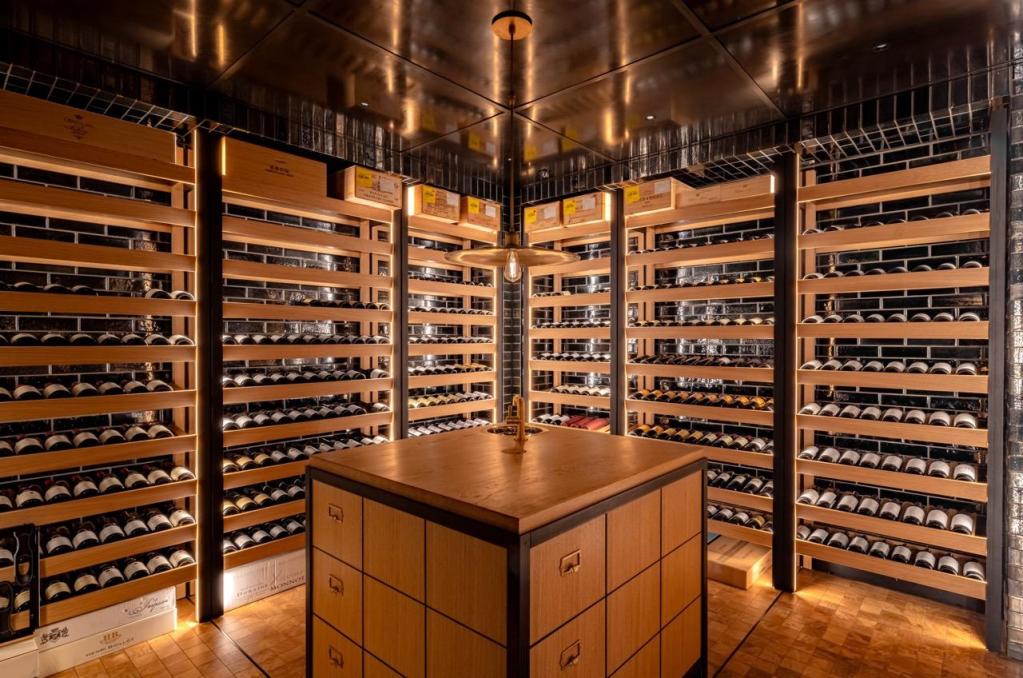
Below street level, The Cocochine keeps one of its most theatrical spaces: a hushed basement wine cellar, its racks lined floor to ceiling, with a small seating area tucked right beside them. Guests are welcome to begin or extend their evening down here, with a glass chosen from the collection before heading up to dinner, or lingering afterwards. The list itself has drawn praise from the wine trade for the seriousness behind it, treated less as an afterthought than as a genuine extension of the dining experience, with pairings built to hold their own against a menu that swings between delicate seafood, spice and richly aged beef.
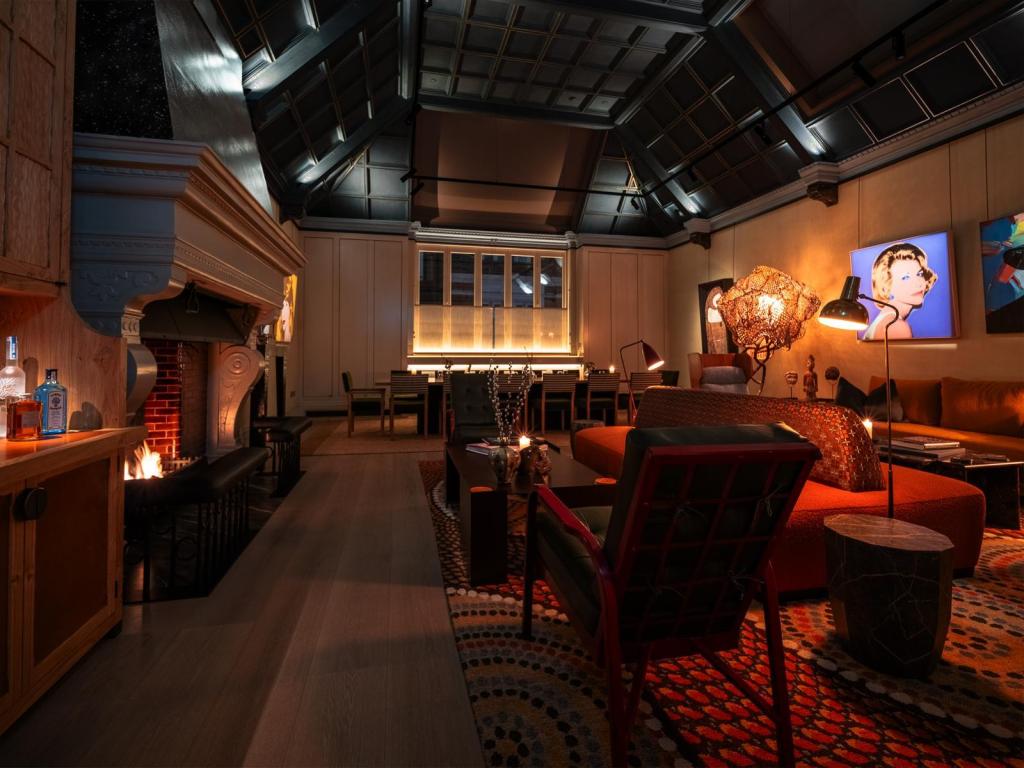
The Private Dining Room
The entirety of the top floor is given over to the Private Dining Room, a wholly self-contained space with its own kitchen, toilet and cloakroom. A 6.2-metre ceiling and an abundance of natural daylight set it apart from the rest of the restaurant, while a lounge area, a fireplace, bespoke furniture and curated art give it the feel of a private residence rather than a function room. It seats up to 16 guests for lunch or dinner, making it a natural choice for those wanting an occasion entirely to themselves.
Overall
The Cocochine has achieved something much rarer: it has become impossible to ignore without ever asking to be noticed. London can keep chasing its next big opening, its next impossible reservation and its next fashionable dining room. The Cocochine already feels beyond all of that. It is not trying to be the restaurant of the moment. It is quietly becoming the restaurant by which the moment should be judged.
To discover more, visit: The Cocochine
Ver esta publicación en Instagram
All imagery courtesy of The Cocochine.