
Luxury has always been fundamentally centered on comfort, exclusivity, and a meticulous attention to detail, which together form the enduring pillars that define a truly premium way of life. Yet the definition of what constitutes a premium lifestyle has shifted dramatically over the past decade. Smart technology now defines luxury homes more than marble floors or designer furniture. Technology now links every aspect of luxury living, from climate systems to AI concierge platforms. This article explores how particular digital tools and infrastructure decisions shape daily life for those who demand perfection.

Image Courtesy of Stephan Bechert via Unsplash
How Technology Is Redefining What Luxury Means in Everyday Life
Beyond Aesthetics: Function as the New Status Symbol
A handcrafted Italian sofa still carries prestige, but a home that anticipates its occupant’s preferences carries something more: practical intelligence. Modern affluent homeowners prioritise systems that learn their habits, from preferred lighting temperatures at different hours to automated grocery orders triggered by smart refrigerators. The true marker of status in 2026 is not what guests can see but what they cannot. Invisible sensors, ambient computing, and predictive algorithms work behind the scenes, creating environments that respond before a request is even made. Hosting the platforms and applications that power such environments demands dependable server resources, and many property developers now invest in a vps server to maintain dedicated control over their bespoke resident portals and booking systems without sharing capacity with other tenants.
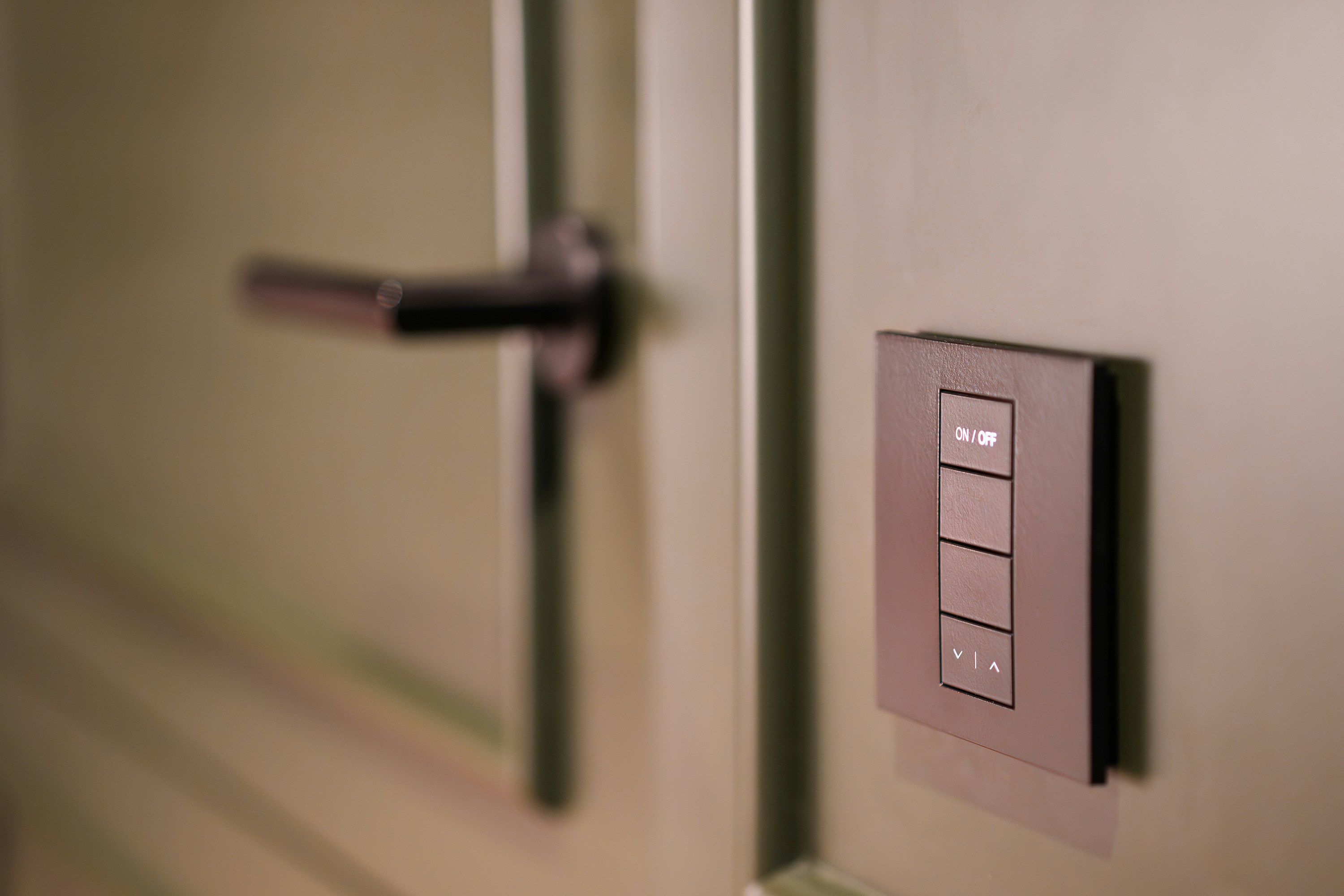
Image Courtesy of Jakub Zerdzicki via Unsplash
Personalised Wellness and Entertainment Ecosystems
Health monitoring has moved from clinical settings into the bedroom and bathroom. High-end residences integrate sleep-tracking mattresses, circadian lighting, and air purification units governed by real-time pollution data. Entertainment, meanwhile, is no longer about owning the biggest screen. Immersive audio rooms calibrated to individual hearing profiles, private streaming servers, and curated content feeds delivered through proprietary apps now represent the gold standard. These features all depend on reliable digital backbones that can process data locally and in the cloud without noticeable latency. Developments in luxury real estate across the Middle East illustrate how developers weave these wellness technologies directly into architectural blueprints, treating them as foundational rather than optional.
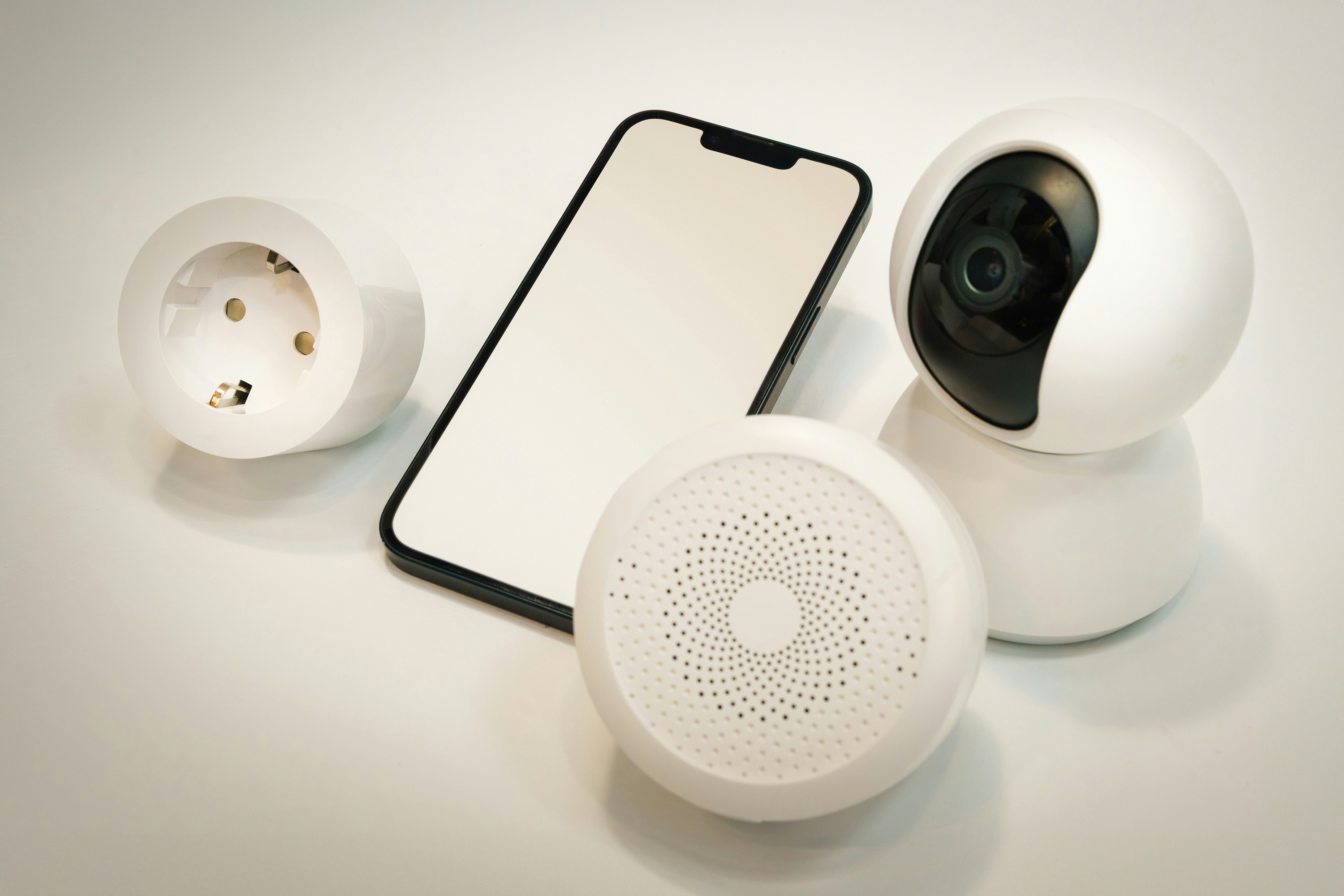
Image Courtesy of Jakub Zerdzicki via Unsplash
Smart Homes and Personalised Experiences: The New Standard of High-End Living
Integrated Control Platforms
A genuinely smart home should never require its occupant to manage a dozen separate apps. Instead, one unified control layer brings together cameras, HVAC, lighting, irrigation, and even art displays. Custom dashboards on private clouds offer homeowners detailed control and strong data privacy. Unlike mass-market smart-home products that route information through third-party servers, bespoke solutions keep sensitive behavioural data within the property’s own network. This approach requires careful planning for uptime, encryption standards, and scalable storage solutions. When homeowners or their technology consultants undertake the process of evaluating providers for such bespoke infrastructure, the criteria that matter most include guaranteed availability that ensures uninterrupted service, transparent resource allocation that allows clear insight into how computing power and storage are distributed, and responsive technical support that can address issues promptly. These standards also apply when assessing providers like Fasthosts. Ultimately, any hosting decision should be guided by whether the chosen service matches the performance expectations of a residence whose occupants tolerate zero downtime.
Predictive Maintenance and Property Intelligence
Leaking pipes, ageing HVAC filters, and electrical faults can disrupt even the most lavish home. Predictive maintenance systems use sensor arrays and machine-learning models to flag potential failures days or weeks before they occur. In premium developments, these alerts are routed through centralised property management platforms accessible to both homeowners and facility teams. The result is a living environment that quietly maintains itself, protecting both comfort and asset value. Research published by the University of California, Berkeley, explores how artificial intelligence reshapes operational sophistication in the luxury sector, confirming that predictive analytics is no longer experimental but a practical expectation among discerning consumers.
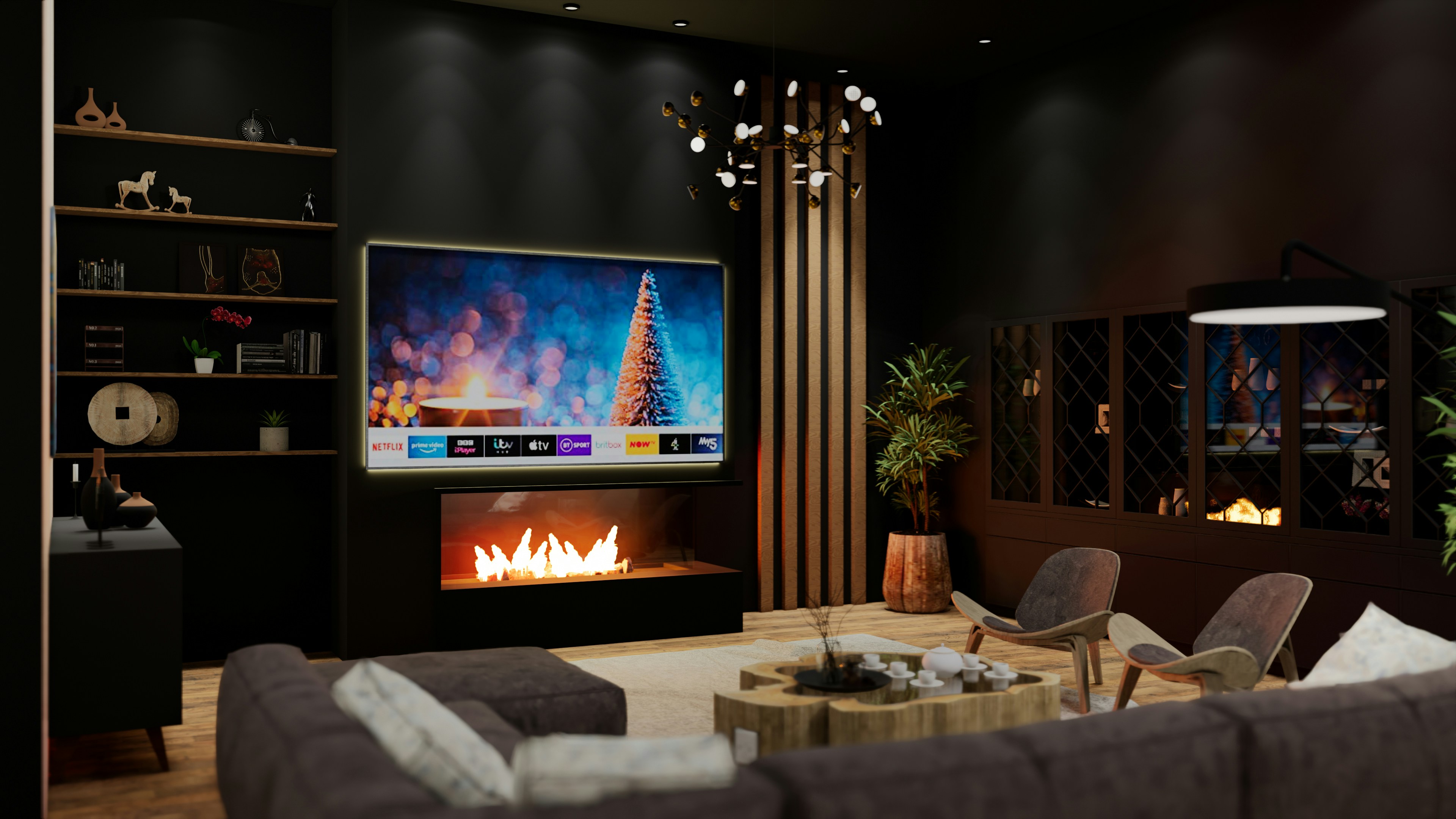
Image Courtesy of Mahza dbrata via Unsplash
Why Reliable Server Infrastructure Powers the Luxury Tech Ecosystem
Every connected device in a high-end property generates data. Security footage, climate logs, guest preferences, energy consumption patterns, and entertainment histories all flow through networks that require robust backend support. A single luxury estate can produce terabytes of data annually, and multi-property portfolios multiply that figure considerably. Private hosting environments offer the isolation, speed, and configurability that shared platforms simply cannot guarantee. Dedicated resources ensure that a surge in one system does not degrade another, a non-negotiable requirement when a homeowner’s safety system and entertainment hub share the same digital backbone. Projects such as award-winning luxury developments in Ontario show that forward-thinking builders treat server infrastructure as seriously as they treat foundation engineering.
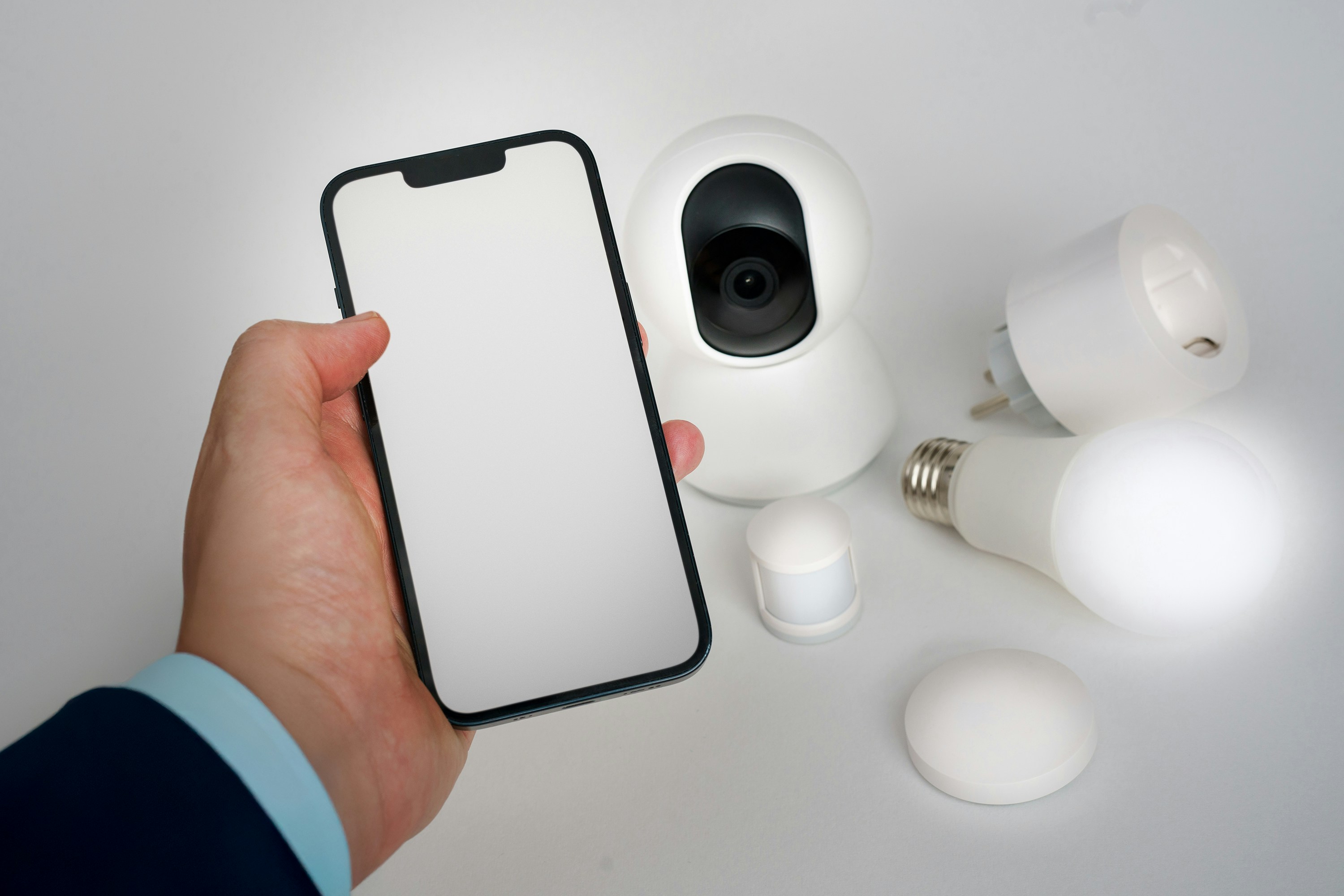
Image Courtesy of Jakub Zerdzicki via Unsplash
Five Technologies That Are Shaping the Future of Premium Lifestyle Services
Several distinct tools are coming together to reshape what wealthy households now view as essential. These five tools lead in 2026 for measurable impact.
- Edge computing gateways — Local data processing delivers near-instantaneous response times for security, climate, and voice systems.
- Digital twin modelling — Virtual property replicas let managers simulate renovations, energy changes, and emergencies before implementation.
- Biometric access layers — Fingerprint, iris, and gait recognition replace traditional keys for enhanced security.
- Adaptive energy grids — Solar panels, batteries, and smart software cut costs while powering critical home systems.
- AI-curated concierge platforms — Machine-learning algorithms analyse past behaviour to deliver personalised lifestyle recommendations.
Every one of these solutions depends on a reliable and stable digital foundation. Without stable hosting and adequate bandwidth to support these systems, even the most advanced hardware becomes unreliable over time, which ultimately undermines the very comfort and convenience that it was specifically designed to provide.
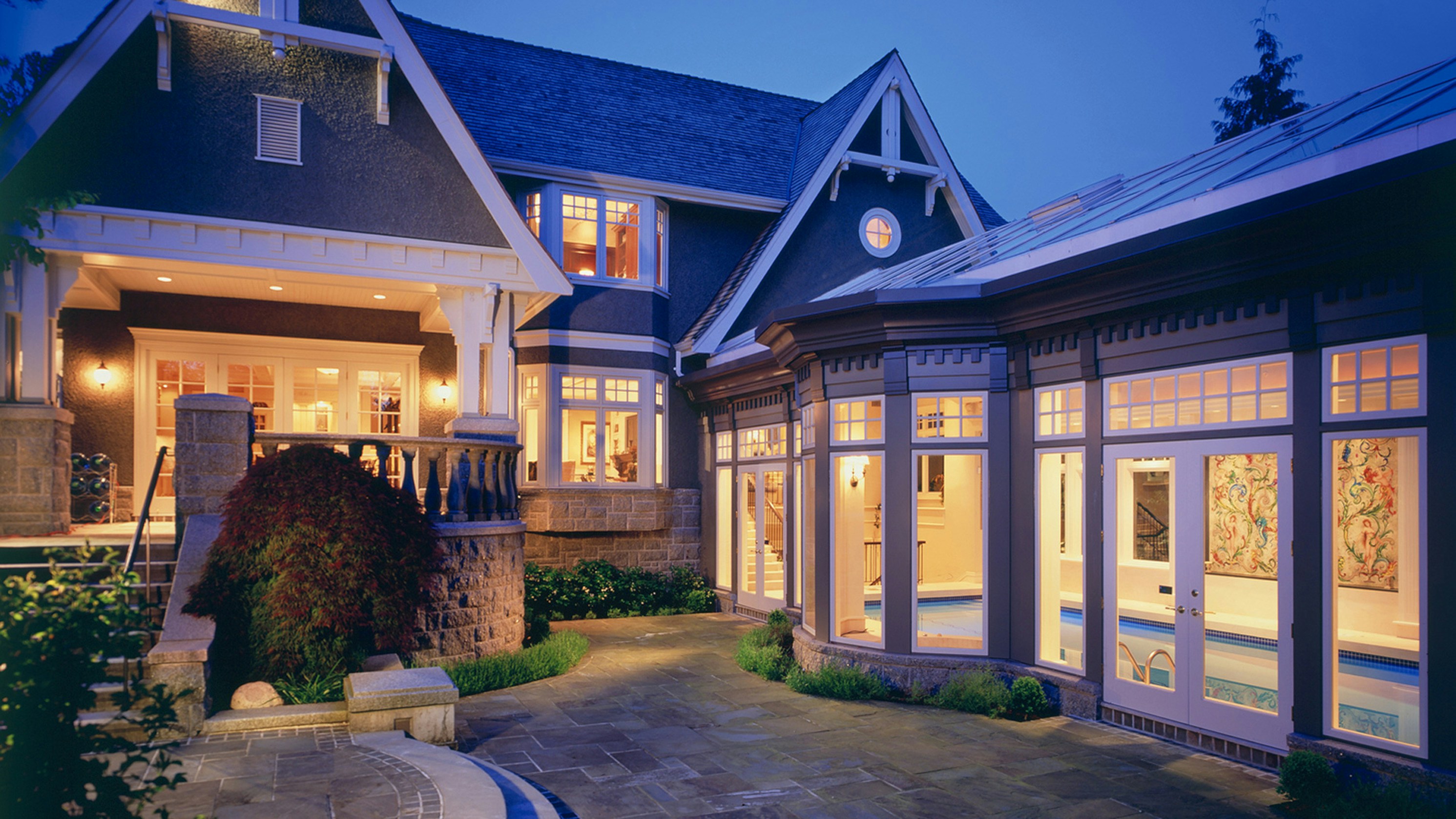
Image Courtesy of Ashley Harris via Unsplash
Choosing the Right Digital Backbone for a Fluid Luxury Experience
Selecting the technical infrastructure behind a connected residence involves more than comparing price lists. Decision-makers should assess latency, data sovereignty, and the provider’s reliability record. Scalable systems must grow easily with new properties or devices. Security audits and constant monitoring distinguish truly premium providers. Homeowners should apply equal rigour to digital infrastructure decisions. Future luxury homes demand quiet, consistent system excellence.
Frequently Asked Questions
What server infrastructure do luxury property developers need for smart home automation systems?
Developers managing intelligent residential ecosystems require isolated server environments that guarantee consistent performance without resource contention. A vps server from Fasthosts provides the dedicated capacity needed to run resident portals, IoT device management platforms, and real-time analytics without sharing bandwidth or processing power with other tenants. This ensures automation responses remain instantaneous even during peak usage periods.
What are the most common failures in high-end home automation installations?
Network congestion tops the list, as many installers underestimate bandwidth requirements when dozens of devices compete for connectivity. Poor sensor placement creates blind spots in motion detection and climate zones. Integration conflicts between incompatible manufacturer ecosystems force residents to juggle multiple control apps. Many premium systems also lack proper failover protocols, leaving occupants locked out during internet outages or power fluctuations.
Which smart home certifications should luxury buyers look for when hiring installers?
CEDIA certification remains the industry benchmark for residential technology integration, demonstrating competency in network design and multi-system coordination. Crestron and Control4 specialist accreditations indicate experience with enterprise-grade platforms common in high-end properties. CISSP or similar cybersecurity credentials matter increasingly as connected homes become targets. Request documented case studies from properties comparable in size and complexity to your own before committing.
How much does it typically cost to retrofit an existing home with luxury smart technology?
Full smart home retrofits in premium properties range from 35,000 to 150,000 pounds depending on the scope. Basic packages covering lighting, climate, and security start around 20,000, while comprehensive installations including wellness monitoring, automated window treatments, and integrated entertainment systems push costs significantly higher. Installation complexity and architectural limitations often add 15-30% to initial equipment quotes.
How do privacy regulations affect data collection in luxury smart homes?
GDPR and similar frameworks require explicit consent before collecting biometric or behavioral data, even within private residences employing staff. Voice recordings, health metrics, and occupancy patterns must be stored securely with clear retention policies. Properties marketed or rented short-term face stricter disclosure requirements. Many affluent homeowners now employ third-party audits to verify their automation systems comply with data protection standards and minimize vulnerability to breaches.
Leading Image Courtesy of Jakub Zerdzicki via Unsplash.