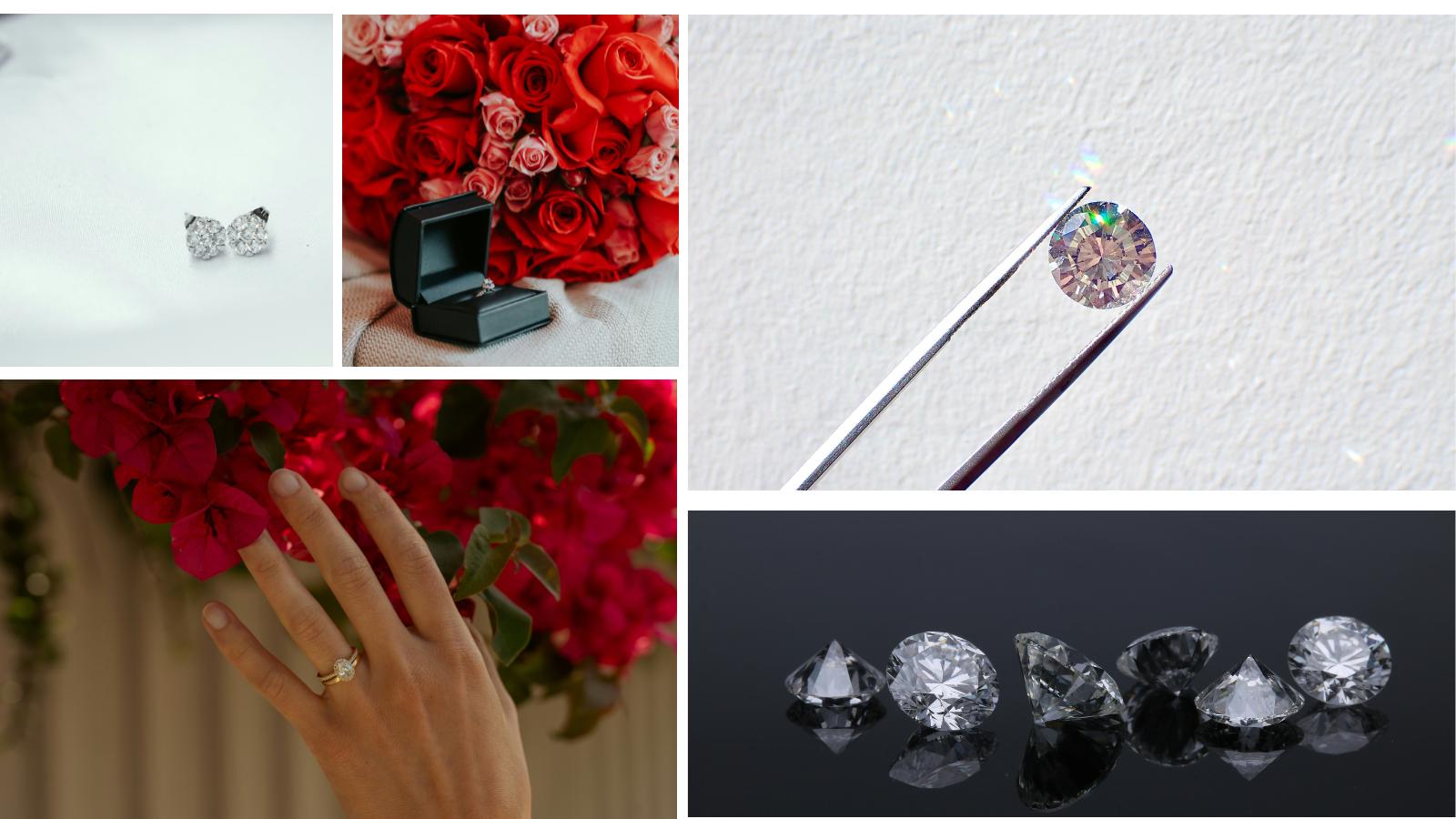
Round brilliant cuts cost more than any other diamond shape. A one-carat round brilliant sells for $5,500 to $8,000. The same quality cushion or princess cut costs $4,000 to $6,000. This price gap persists across all quality grades.
The round brilliant’s 57 facets require precise cutting. Diamond cutters lose up to 60% of the rough stone when creating this shape. More waste means higher prices. The cutting process takes longer than for other shapes. Each facet needs specific angles to maximise light return.
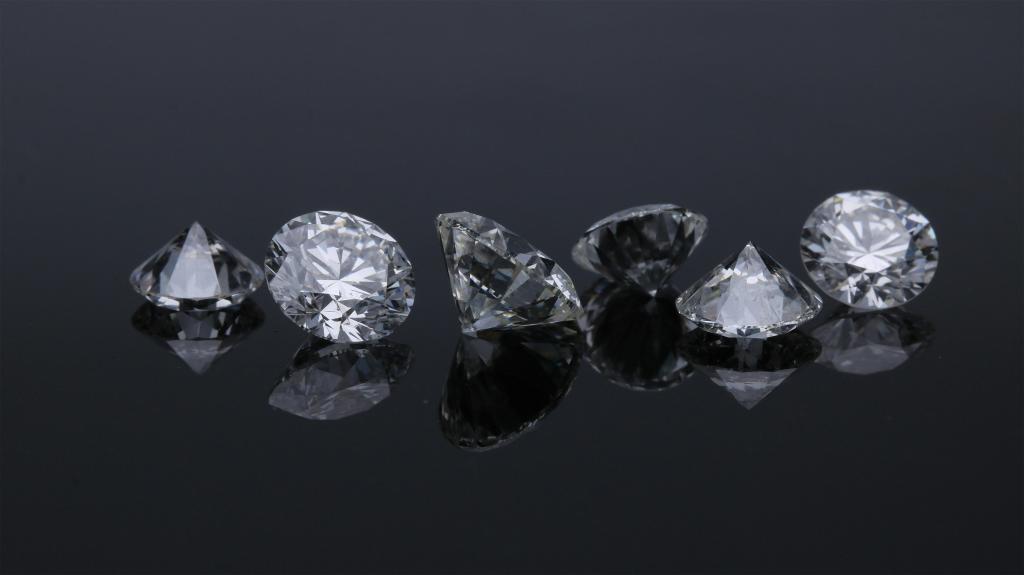
Image Courtesy of Edgar Soto on Unsplash
Price Rankings by Shape
Princess cuts preserve more rough diamond during cutting. This makes them cheaper. Emerald cuts use step-cut facets that require less labor. These rectangular diamonds cost 15% to 30% less than rounds of equal quality.
Cushion cuts fall in the middle price range. Their rounded corners and larger facets reduce cutting time. Most cushion cuts sell for 10% to 25% less than comparable round brilliants.
Oval cuts have gained traction among buyers. Their prices sit between rounds and cushions. Some high-quality ovals approach round brilliant prices. Celebrity engagement rings have pushed oval prices upward. Simu Liu’s engagement ring for Allison Hsu features an 8 to 10 carat oval diamond valued at $300,000.
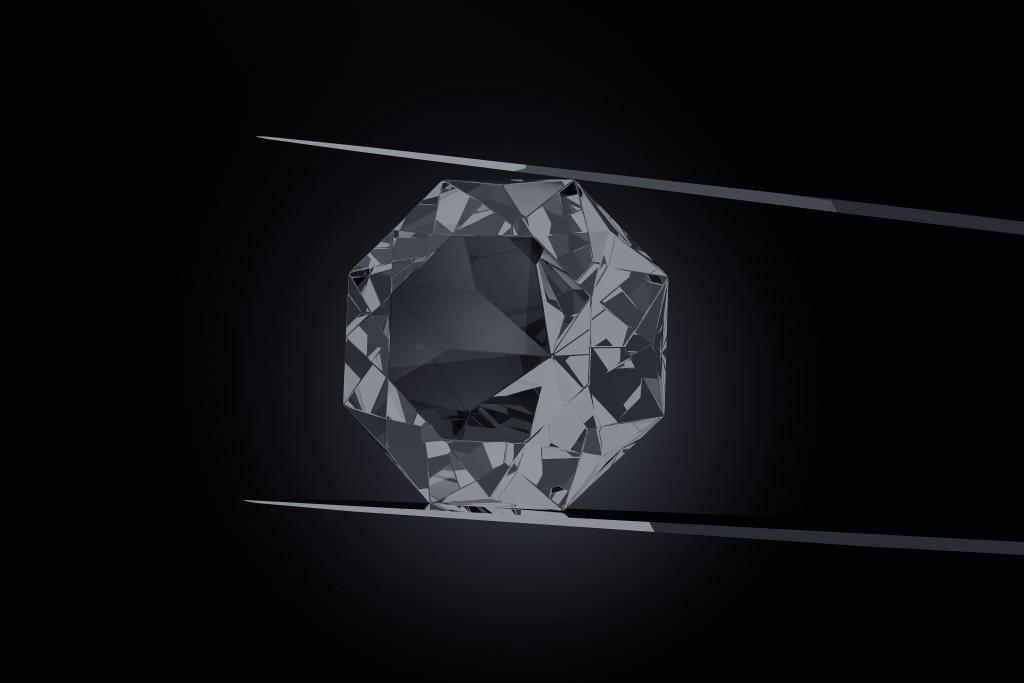
Image Courtesy of Akhilesh Sharma on Unsplash
How Cut Quality Affects Price Beyond Shape Selection
Poor cutting diminishes a diamond’s value regardless of shape. An emerald cut diamond ring with excellent proportions commands 15-20% higher prices than one with poor symmetry. The same applies to rounds, ovals, and cushions. Buyers often overlook this factor when comparing shapes.
Cut grades from GIA or AGS directly correlate with pricing. A round brilliant with “Excellent” cut grade costs 10-15% more than “Good” grade. Princess cuts with ideal depth percentages fetch premium prices. Asscher cuts with proper windmill patterns sell faster. These technical specifications matter more than most buyers realise when determining final cost.
Image Courtesy of Ibrahim Guetar on Unsplash
Record-Breaking Sales Tell Their Own Story
The Pink Star Diamond Ring sold for $71.2 million in 2017. This 59.60-carat oval-cut pink diamond remains the highest auction price for any diamond. Its internally flawless grade and rare color drove the price. The oval shape maximised the stone’s apparent size.
In May 2023, Sotheby’s sold a 21.94-carat Fancy Intense Pink diamond for $11.2 million. The rectangular modified brilliant cut preserved the stone’s rare color zones. Another 2023 sale featured a 5.01-carat fancy vivid purplish pink diamond that fetched $6.1 million. Both diamonds used modified brilliant cuts to enhance color saturation.
The Wittelsbach-Graff Diamond carries an $80 million valuation. This 31-carat fancy deep blue diamond underwent recutting to improve clarity. The modification removed several carats but increased per-carat value.
Image Courtesy of David Wong on Unsplash
Market Forces Behind Pricing
Labor costs vary by cut. Round brilliants require master cutters with years of training. Each facet angle affects the final sparkle. Princess cuts need fewer cutting hours. Their straight edges follow the diamond’s natural crystal structure.
Rough diamond shapes influence final pricing. Octahedral crystals suit round brilliants but waste material. Macle crystals work better for princess cuts. Elongated rough favours emerald and oval shapes. Cutters choose shapes that maximise yield from each stone.
Resale values favor round brilliants. Jewellers report stronger demand for rounds in secondary markets. This liquidity premium adds 5% to 10% to initial prices. Princess and cushion cuts depreciate faster after purchase.
Image Courtesy of Mike Cox on Unsplash
Celebrity Choices Shape Consumer Demand
Meghan Markle’s cushion-cut trilogy ring sparked increased cushion sales. Paris Hilton’s emerald cut pushed that shape into fashion circles. Jennifer Lopez’s green diamond centre stone created demand for coloured fancy shapes.
Steven Stone reports that ovals made up 38% of celebrity ring choices last year. This percentage has doubled since 2020. Round brilliants dropped from 55% to 42% of celebrity selections during the same period.
Fashion trends affect pricing temporarily. Emerald cuts saw price increases after Art Deco revivals. Cushion cuts gained value during vintage jewellery trends. Round brilliants maintain steady pricing regardless of fashion cycles.

Image Courtesy of The New York Public Library on Unsplash
Technical Specifications That Drive Cost
The round brilliant’s facet arrangement creates maximum fire and brilliance. Its 58 facets (including culet) require exact proportions. Table percentages between 54% and 57% command premiums. Crown angles of 34 to 35 degrees fetch higher prices.
Princess cuts with 76 facets cost more than those with 57. The extra facets increase brilliance but require additional labor. Depth percentages between 68% and 75% yield the best prices.
Emerald cuts need different metrics. Their step-cut facets emphasise clarity over brilliance. Length-to-width ratios between 1.30 and 1.50 sell fastest. Hall-of-mirrors effects in well-cut emeralds add 10% to the value.
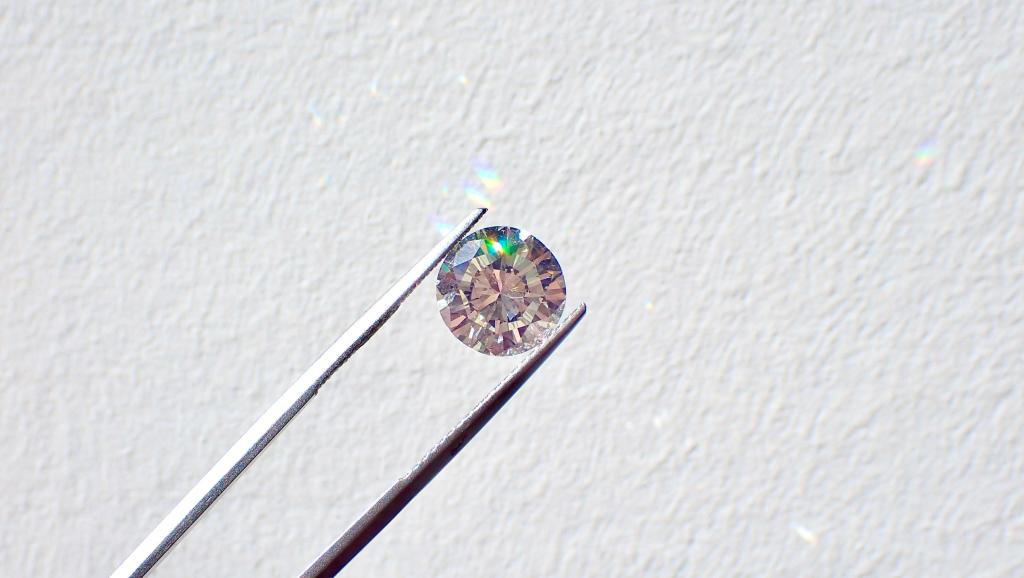
Image Courtesy of Tahlia Doyle on Unsplash
Price Comparison Data
Round brilliants cost 20% to 35% more than other shapes at equal quality. A two-carat round with VS1 clarity and F color averages $28,000. The same specs in princess cut average $21,000. An emerald cut drops to $19,000.
Fancy shapes show wider price variations. Pear shapes cost 15% to 25% less than rounds. Marquise cuts offer the largest face-up appearance per carat but sell for 20% to 30% less. Heart shapes carry the steepest discount at 25% to 35% below round prices.
Radiant cuts bridge the gap between brilliant and step cuts. Their prices fall 10% to 20% below rounds. The hybrid cutting style appeals to buyers wanting brilliance without round pricing.

Image Courtesy of Gladys Aguayo on Unsplash
Practical Buying Considerations
Budget-conscious buyers gain value from princess and cushion cuts. These shapes offer a larger apparent size for the same price. A $10,000 budget buys a 1.25-carat princess versus a 1-carat round of equal quality.
Investment buyers should choose round brilliants. Historical data shows rounds retain value better over decades. Auction houses report stronger bidding for round diamonds above two carats.
Personal preference ultimately determines value. An emerald cut that suits the wearer brings more satisfaction than an unwanted round. Shape selection should balance cost considerations with aesthetic preferences.
All Images Courtesy of Unsplash.