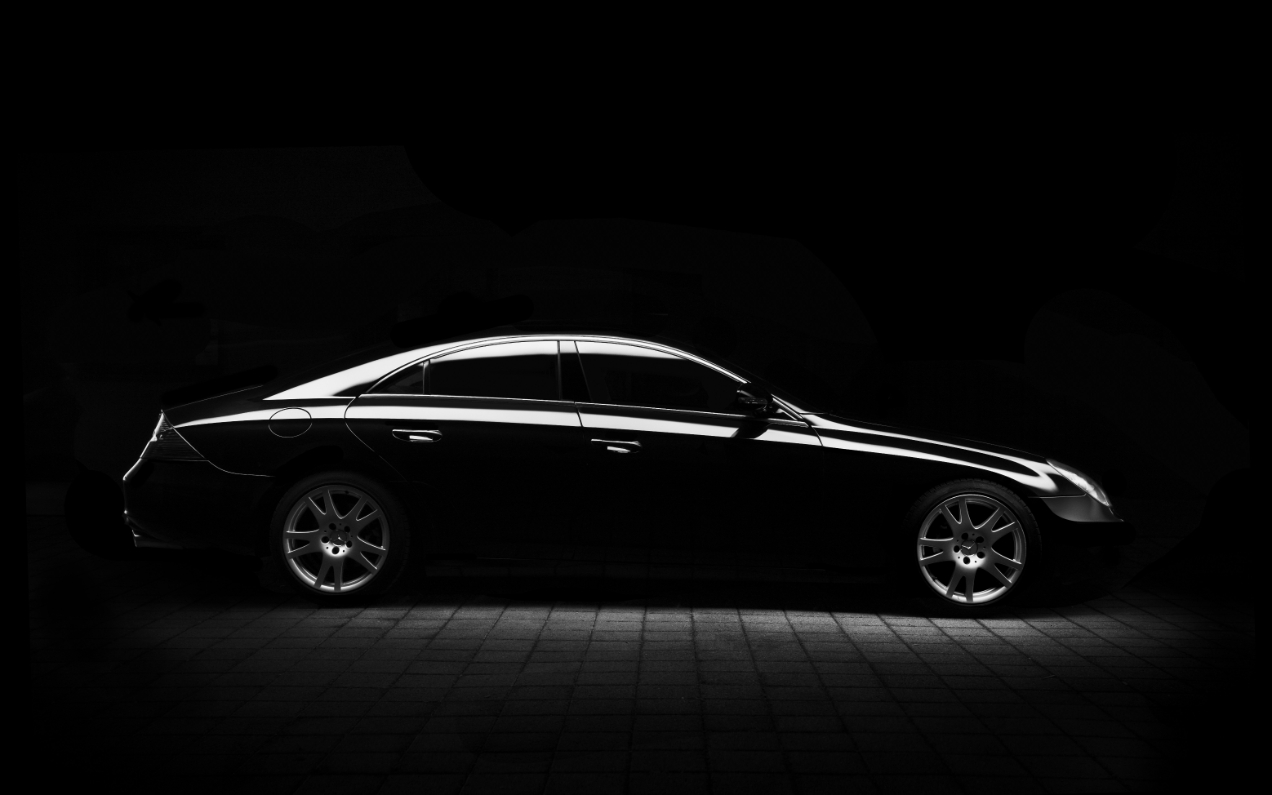
Luxury cars have evolved significantly and so has automotive technology, moving beyond mere status symbols to become sophisticated machines merging comfort, style, and the latest technology. Passengers now enjoy on-the-go connectivity, with in-car Wi-Fi and seamless smartphone integration enabling entertainment options like streaming media or even accessing a phone casino app during travel downtime. From the early craftsmanship of Rolls-Royce and Bentley to today’s AI-enhanced vehicles, this transformation highlights how innovation has redefined luxury automobiles.

The Early Days of Luxury Automobiles
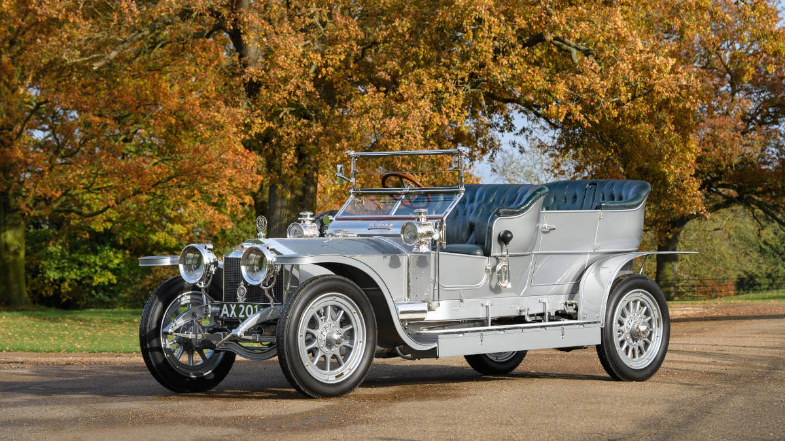
In the early 20th century, owning a car was a true sign of wealth and privilege. Brands like Rolls-Royce and Bentley led the way in crafting vehicles that emphasised both comfort and style. The Rolls-Royce Silver Ghost, introduced in 1906, for instance, became famous for its smooth ride and quiet engine, setting a high bar for luxury cars.
Bentley, with models like the 1929 Speed Six, blended elegance with performance, earning a strong reputation in both luxury and racing. These early cars often featured custom-made interiors, with leather seats and wood details tailored to match the owner’s tastes.
The technology at that time was still quite basic, however. Features we consider standard today, like air conditioning, power steering, and radios, where absent, making these cars more about status and comfort than modern convenience.
The Rise of Technological Integration
In the mid-20th century, luxury cars introduced mechanical innovations that transformed driving. Cadillac led the way with power steering in the early 1950s, making it easier to handle large, heavy vehicles like the Cadillac Eldorado. The Eldorado also showcased one of the earliest applications of automatic transmission, which simplified driving by removing the need for manual gear shifts. Another major comfort addition was Chrysler’s air conditioning in the 1953 Imperial, allowing passengers to enjoy a cool interior regardless of weather. These advancements set new standards in luxury, emphasising ease and comfort.

The Digital Revolution
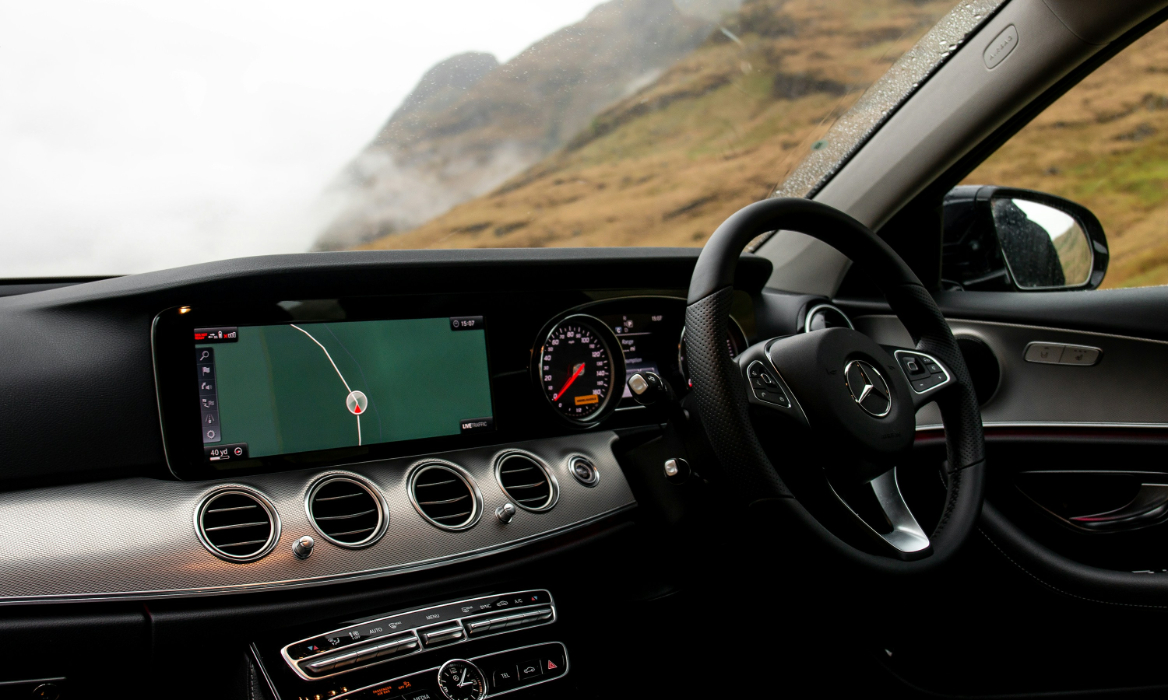
In the late 20th century, digital advancements further elevated luxury vehicles. BMW integrated GPS navigation in its 7 Series in the 1990s, marking a shift toward high-tech convenience, while Lexus introduced premium Mark Levinson audio systems that brought theatre-quality sound to cars like the Lexus LS. Models such as the Audi A8 and Jaguar XJ adopted touchscreen interfaces and digital dashboards, making traditional controls obsolete. These innovations helped redefine luxury cars as technologically advanced, with seamless and intuitive features now expected in the high-end automotive market.
Autonomous Driving in Luxury Cars
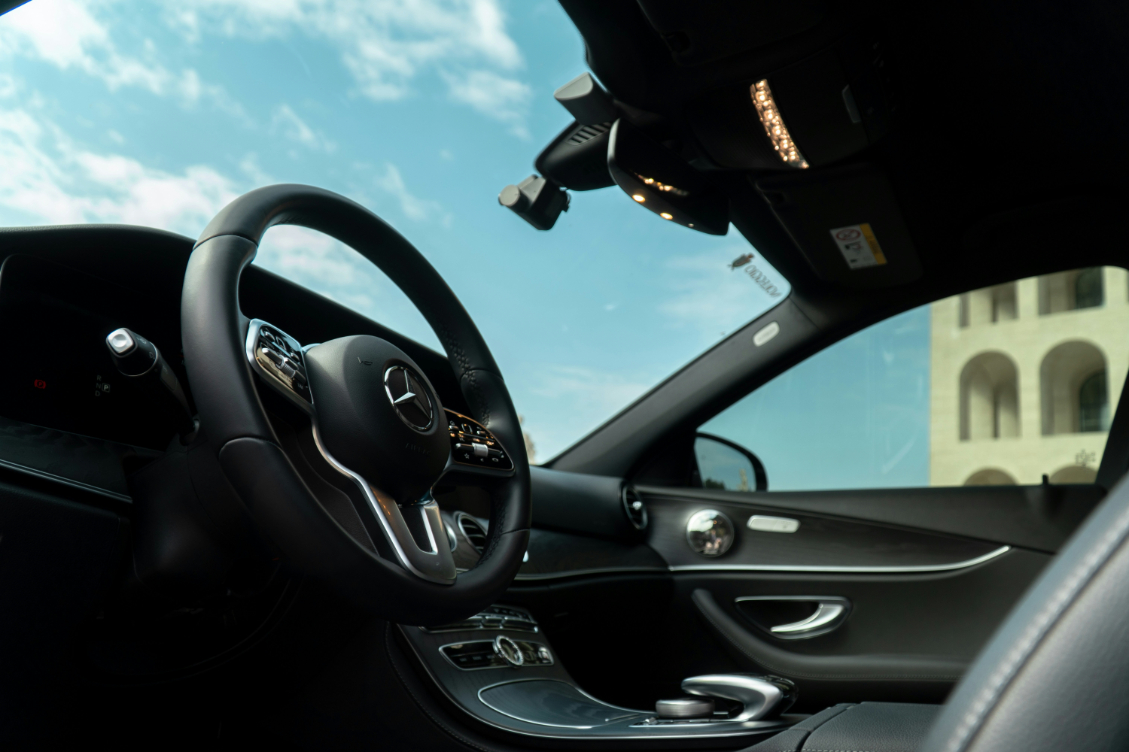
Autonomous driving technology is transforming the luxury car experience by adding convenience and safety to the driving process. Premium brands like Mercedes-Benz and Audi are pioneering semi-autonomous features, such as adaptive cruise control and lane-keeping assist, allowing drivers to relax on long journeys. These advancements mean that luxury car owners can experience a unique blend of comfort and state-of-the-art technology, emphasising the shift towards cars as personal sanctuaries where convenience is maximised, and driver stress is minimised.

Bespoke Customisations
Customisation options in luxury cars are evolving, allowing buyers to create truly one-of-a-kind vehicles. Leading brands offer bespoke interiors with exotic materials like Italian leather, rare wood trims, and even custom-embroidered seats that match the owner’s tastes. High-end sound systems from brands like Bang & Olufsen and custom lighting systems further personalise the ambience, transforming the vehicle into a luxurious extension of the owner’s style. These bespoke touches make the experience uniquely personal, showcasing the fusion of craftsmanship and cutting-edge technology in modern luxury cars.
The Role of Artificial Intelligence
Artificial intelligence is changing how luxury cars are designed, driven, and experienced. In models like the Tesla Model S and Mercedes-Benz S-Class, AI systems enhance connectivity and convenience, allowing passengers to use voice commands to play music, send messages, and make calls through apps like WhatsApp without lifting a finger.
Modern AI also plays a vital role in safety across various high-end vehicles. In the Mercedes-Benz S-Class and BMW 7 Series, AI-powered advanced driver-assistance systems (ADAS) include lane-keeping assistance, adaptive cruise control, and emergency braking, autonomously responding to obstacles and surrounding vehicles. Models like the Audi A8 and Tesla Model S feature AI-driven sensors and cameras that monitor blind spots, pedestrian proximity, and driver attention levels, with alerts for fatigue or distraction. These systems create a safer, more intelligent driving experience in today’s luxury cars.
These systems can also personalise the cabin environment, learning from user preferences to adjust seat positions, climate, lighting, and even in-car fragrance systems automatically. This integration of AI transforms luxury vehicles into smart, self-aware environments, offering a seamless blend of comfort, safety, and high-tech personalisation.

Sustainable Luxury & Electric Vehicles
As luxury brands embrace eco-consciousness, the market for high-end electric vehicles (EVs) is booming. Models like the Tesla Model S, Porsche Taycan, and Mercedes EQS blend high performance with a commitment to sustainability, offering environmentally friendly options for luxury car buyers. These EVs emphasise that green technology can coexist with power and prestige, giving consumers an option to reduce their carbon footprint without compromising style or quality. Features such as fast charging, extensive range, and quiet engines redefine luxury, catering to a new generation of eco-minded drivers.

All imagery courtesy of Unsplash.