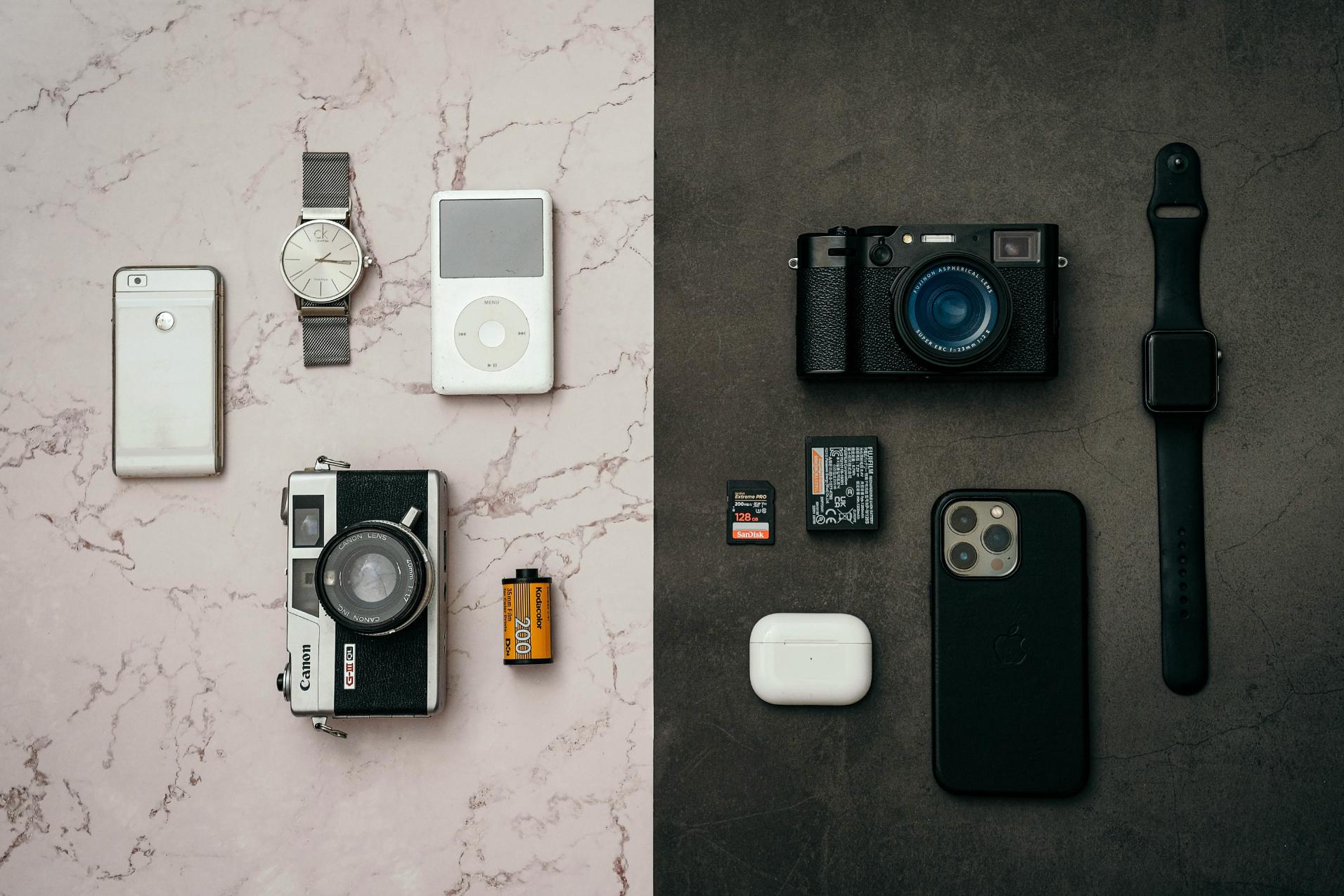

Image courtesy of Christopher Gower on Unsplash
Consumer Interest Grows Around Advanced Luxury Lifestyle Technology
When was the last time a piece of technology did more than complete a task and actually enhanced how you feel? In an environment where digital fatigue is a staple of dinner conversations, we are witnessing a fascinating shift in what consumers truly want from their technology.
Consumers are abandoning the more-is-better mentality in favour of sophisticated lifestyle technology solutions that focus on sensory experience, personal health, and premium durability. Continue reading to know more.

Image courtesy of Jakub Żerdzicki on Unsplash
The Shift Toward Texture and Tangibility
While the past decade was all about everything going digital, 2026 is shaping up to be the year of the tactile tech resurgence. We’re not just seeking the next app to monitor our behaviour; we’re seeking devices that provide a superior experience in the physical world. As shown in recent lifestyle trends from Accenture, close to 42% of consumers now claim that their most enjoyable experiences in life are physical, not digital.
The tactile trend is redefining the way luxury brands approach their hardware products. It’s no longer sufficient for a device to be smart. It needs to be substantial. This is evident in the automotive industry, where physical knobs are making a comeback in high-end electric cars, and in the home office, where the popularity of high-end mechanical keyboards is skyrocketing.
Consumers want to feel the click, the weight, and the quality of the materials they interact with every day.
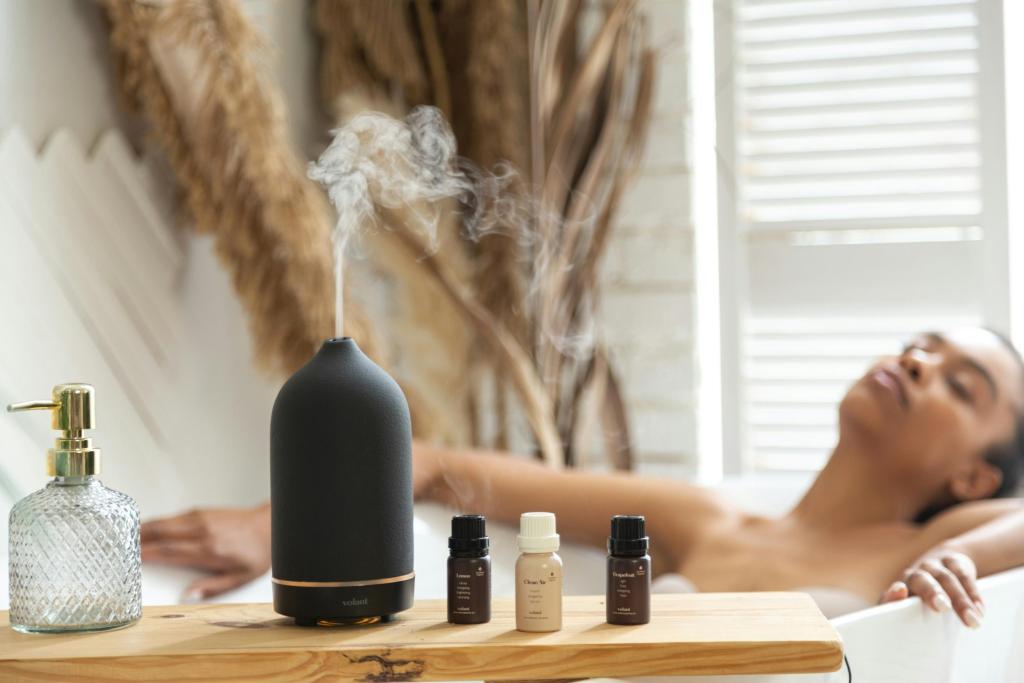
Image courtesy of Volant on Unsplash
Sophistication in Personal Rituals
The enhancement of personal rituals is one of the most exciting areas of lifestyle tech. Whether it’s the morning coffee or the evening unwind, technology is being utilised to enhance these experiences to something more artisanal. Consumers are increasingly eager to spend money on devices that promise cleaner, more efficient ways to enjoy their hobbies.
A great example of this is the development of dry herb vaporisation. For those who appreciate the importance of flavour and purity, the emphasis has been on medical-grade components and hybrid heating elements. This is evident if you look at a premium vaporiser like the Arizer Solo 3. Such devices are becoming increasingly popular for their all-glass vapour paths and temperature control. It’s not just about the experience; it’s about a lifestyle choice that celebrates refinement and healthy engineering over the cumbersome, plastic-laden designs of yesteryear. Why settle for a generic experience when you can have one customised to the precise level of your desire?

Image courtesy of Agnieszka Stankiewicz on Unsplash
Health Technology Becomes Invisible
The quantified self movement is transforming. We are moving beyond the era of clunky wristbands that beep at us incessantly with notifications. The latest and greatest solutions for our lifestyle are becoming invisible. Imagine smart rings that monitor recovery without needing a screen or ambient sensors in our homes that change lighting and air quality according to our circadian rhythms.
The trends report for 2026 from Euromonitor points to a Rewired Wellness movement, in which consumers are calling for medical-grade, high-tech solutions that seamlessly integrate into their lifestyles. We are seeing the rise of:
- Preventative Home Tech: Mirrors that analyse skin health or scales that measure body composition with clinical accuracy.
- Emotional AI: Lighting and soundscapes that adapt to our stress levels in real-time.
- Sustainable Longevity: A preference for buy-it-for-life electronics that use modular parts and premium metals instead of disposable plastics.

Image courtesy of Caroline Badran on Unsplash
The End of Smart for the Sake of Being Smart
Have you ever noticed how some smart features actually make things more complicated? The modern consumer certainly has. There is growing scepticism towards the Internet of Things (IoT) if it does not add value. If a smart fridge only sends an annoying notification when the door is open, is it really making life better?
The new wave of lifestyle technology is centred on Agentic AI, which is a term that describes tools that not only notify you but also take a burden off your mind. These are solutions that understand context. For example, instead of a smart oven you control through an app, we are seeing ovens that use cameras to identify the food and cook it perfectly without a single manual input. The aim is to remove decision friction, allowing us to spend more and less time managing our devices.

Image courtesy of Logan Weaver on Unsplash
Conclusion
The lifestyle technology landscape is no longer about what’s new; it’s about what’s better. As we continue to incorporate these innovative solutions into our lifestyle, the emphasis is on improving our human experience, not replacing it. By choosing quality over quantity and physical satisfaction over digital clutter, we are taking back the pleasure of the tangible in a world of high technology.
So, which lifestyle technology solutions are you using in your everyday life? What has been your experience with these tools, and what is your wind-down routine? Share your thoughts in the comments below.
Feature image courtesy of Insung Yoon on Unsplash