
Maintaining a yacht in Australia and keeping everyone safe calls for careful attention to both performance and appearance. Strong UV rays and salty seas steadily wear down surfaces, making regular cleaning, polishing, and prompt fixes essential.
This hands-on upkeep reduces corrosion and structural issues. It also helps keep the yacht safe and ready to tackle tough conditions. Consistent servicing preserves your vessel’s lifespan and appearance. It also protects your investment against Australia’s punishing climate.
Just as Yacht Management Monaco companies ensure that luxury vessels in the Mediterranean are kept to the highest standards, Australian yacht owners benefit from adopting a similarly meticulous approach tailored to local conditions. High-end care, expert scheduling, and preventative maintenance are key—whether you’re navigating the waters of the Riviera or cruising along the Australian coast.

The Influence of Australia’s Climate on Yacht Care
Australia’s climate creates unique challenges for yacht upkeep. The intense sun speeds up damage to protective layers, dulling gel coats and specialised finishes that safeguard your vessel. Because these UV rays eat away at coatings, yachts need strong, UV-resistant treatments and
frequent polishing to stay in top shape.
Meanwhile, saltwater increases corrosion risks, especially on metal hardware and delicate parts. Keeping up with a thorough cleaning schedule and applying anti-rust treatments promptly helps remove salt residues and reduce oxidation. Marine-grade corrosion inhibitors and routine maintenance checks protect key structures, ensuring the yacht remains dependable in Australia’s demanding maritime conditions.

Dos for Effective Yacht Maintenance
Establish a Preventive Upkeep Schedule
Regular inspections are vital for spotting early signs of wear and tear. Checking hull integrity, engine health, and onboard systems helps you catch small faults before they escalate into costly, major repairs.
In Australia’s harsh maritime conditions, where salty seas and fierce UV rays hasten corrosion, staying ahead of the game reduces both structural strain and engine downtime.
A clearly organised calendar spares you unpleasant financial surprises. Use quieter off-season periods—such as winter—to complete thorough services, and address heat and UV damage swiftly once summer begins.
Careful record-keeping of inspection dates ensures no component slips through the net, allowing timely part replacements that preserve performance and extend your yacht’s lifespan.
Prioritise Exterior Cleaning and Protective Coatings
Routine cleaning of your yacht’s exterior helps prevent the build-up of salt, algae, and marine growth, all of which can cause structural issues and spoil its shine.
Clearing away these corrosive substances preserves the sleek look of your yacht and extends the life of its underlying materials.
Using gentle, marine-safe cleaners safeguards sensitive paintwork, gel coats, and finishes against strong UV rays and salt exposure, both of which can damage the vessel’s appearance and weaken its structure over time.
Once cleaning is complete, adding protective coatings bolsters durability by forming a layer that fends off salt and reduces UV damage. This two-step process of thorough cleaning and applying specialised products helps ensure that even after years on the water, your yacht remains pristine and trustworthy in demanding sea conditions.
Monitor Engines, Fuel Systems, and Electronics
Regularly flush saltwater from your yacht’s engine to prevent corrosion and keep it running at its best. Follow the manufacturer’s instructions to clear deposits from every component, as leftover salt can cause serious damage over time.
Replace fuel filters on schedule. Fresh filters prevent debris from entering the engine, ensuring smooth fuel flow that boosts reliability and extends lifespan.
Likewise, inspect batteries, wiring, and electrical connections regularly. Clean battery terminals are vital for stable power distribution across onboard systems.
Check wiring for any signs of wear or damage, and tighten all connections to avoid power issues or short circuits. Staying on top of your engine, fuel systems, and electronics helps maintain your yacht’s performance even under tough conditions.
Maintain Interiors and Prevent Moisture Issues
Keeping the inside of your yacht clean and dry dramatically extends its lifespan and ensures a more comfortable experience for everyone onboard.
Start by wiping away any moisture in cupboards or lockers after each outing, taking care to clear debris. Leaving lids or doors open helps air circulate and dries surfaces, preventing mould and stubborn odours.
Give window and hatch seals a close look as well. Over time, the elements can weaken them, allowing water in and increasing dampness inside. Replacing seals at the first hint of wear wards off leaks, preserves your yacht’s look, and maintains a healthier interior overall.
Don’ts to Avoid Common Blunders
Neglecting Seasonal Overhauls
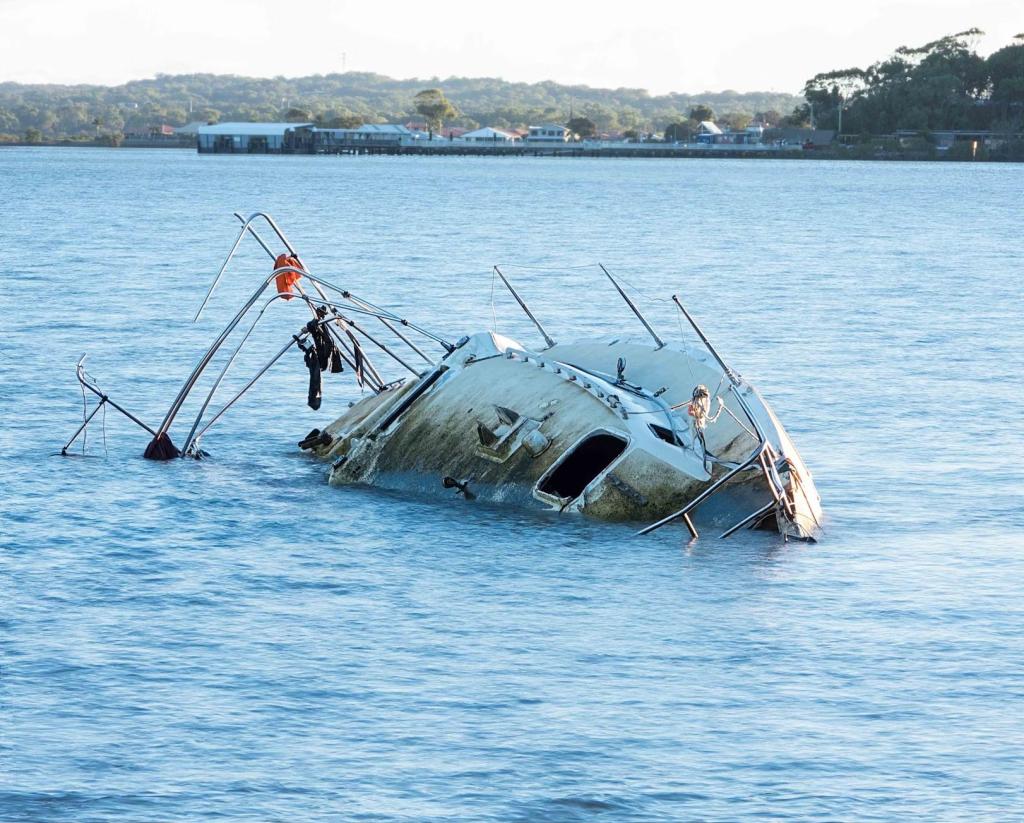
Overlooking scheduled maintenance in quieter months can let small glitches mushroom into big headaches once boating activity ramps up.
Winter’s slower spell gives you the perfect opportunity to spot minor issues—such as corrosion or subtle wear—and deal with them before they spiral out of control. If these checks are missed, hidden faults can appear right when sailing season is in full swing, hurting performance and putting safety at risk.
Staying proactive in the off-season eliminates nasty surprises and keeps each system ready for the heavier demands of summer cruising.
Underestimating Corrosion Risks
Rust on metal parts compromises both the yacht’s reliability and its structural lifespan.
Ignoring early signs of corrosion allows damage to build up, eventually weakening components that may fail under normal use. Regular inspections and quick repairs are essential to catch oxidation before it jeopardises the vessel.
Leaving surfaces without protective coatings also exposes them to punishing marine conditions. Saltwater, strong sun, and shifting temperatures accelerate deterioration when metals lack a reliable barrier.
Protective layers form a crucial shield against rust, reduce surface wear, and help prevent deeper structural harm, all while keeping the yacht’s service life on track.
Leaving Cracks or Engine Hiccups Unchecked
Minor defects, such as small hull cracks or chipped coatings, may seem like harmless blemishes at first. However, they leave the hull’s materials exposed to constant pounding from saltwater and waves.
Over time, those gaps absorb salt, speeding up corrosion and spreading damage well beyond the original spot. As cracks widen and coatings wear thin, the hull’s structure can suffer, lowering both performance and safety.
Engine noises and leaks are equally important to monitor. Unexplained rattles or subtle drips often signal deeper problems that can escalate if ignored.
Addressing these issues as soon as they arise prevents them from turning into hefty repair bills and keeps the engine running at its best, reducing the chance of a sudden breakdown at the worst possible time.
Key Reminders for Long-Term Yacht Well-Being
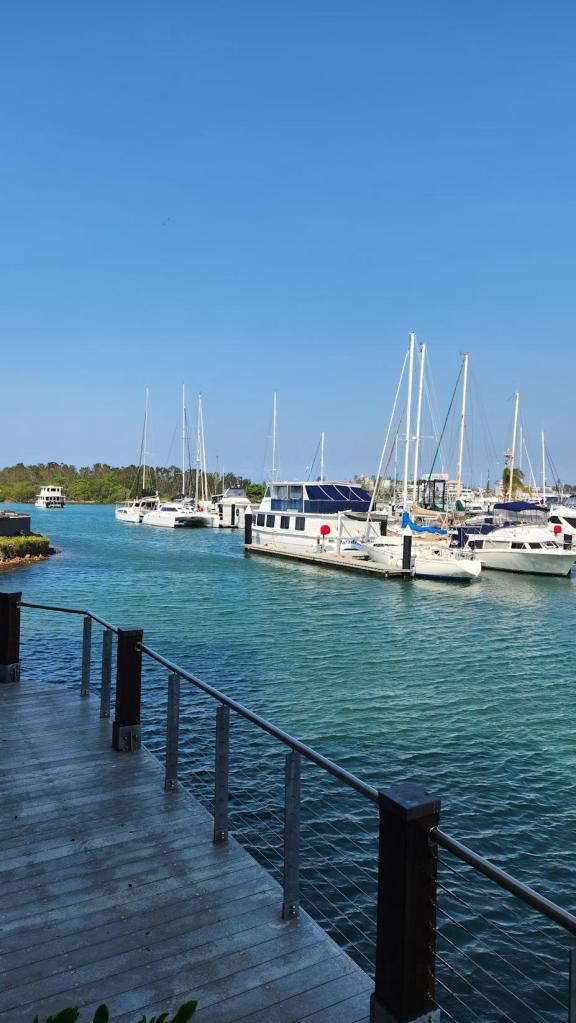
Sticking to a planned maintenance routine is central to keeping your yacht running smoothly and staying safe—an approach that also ranks among the crucial tips for buying a luxury yacht in Australia. Regular check-ups catch the earliest hints of wear—such as tiny shifts in protective finishes or modest mechanical issues—so you can resolve them before they grow into bigger problems. This forward-thinking approach keeps critical areas, from window and hatch seals to engine parts affected by saltwater, working at their best.
Keeping an eye on protective coatings and looking after interiors is equally important. Refreshing those finishes improves your yacht’s overall look and helps shield surfaces from intense sunlight and salt exposure. Staying on top of interior cleaning also prevents moisture and mould, preserving the quality of onboard materials while ensuring everyone’s comfort.
Logging every service, repair, and cleaning project is just as vital. Thorough records make it easy to monitor the yacht’s condition over time, boosting its value and showing potential buyers it has been well cared for. These detailed notes also support maritime regulations, simplifying safety checks and insurance matters.
Images courtesy of unsplash.com