
Atelier Wren is an award-winning London-based interior design team creating unique lighting installations and projects for global luxury hospitality, retail establishments and restaurants. Founded during the pandemic, Atelier Wren has exploded onto the hospitality scene with their creative concepts. They are currently designing and executing the House of Ming and the Royal Rooms in the Taj Hotel.
We got an inside look with co-founders Jake Raslan and Lorenzo Buscaroli.
How did it all start?
We worked together for years at other companies designing restaurants and bars around the world, from Mykonos to Mumbai. We found we have the same work ethic and soon became firm friends despite being quite different people. We realised our differences were complementary, definitely from a professional point of view.
When things started to open up again after the lockdowns in the UK, we, like a lot of people, took stock and decided to open a new company: Atelier Wren.
The company was just founded in 2021. What ignited your big break in just two years?
We are fortunate to have a good reputation in the industry. That meant when we started Atelier Wren, we were recommended for projects without advertising.
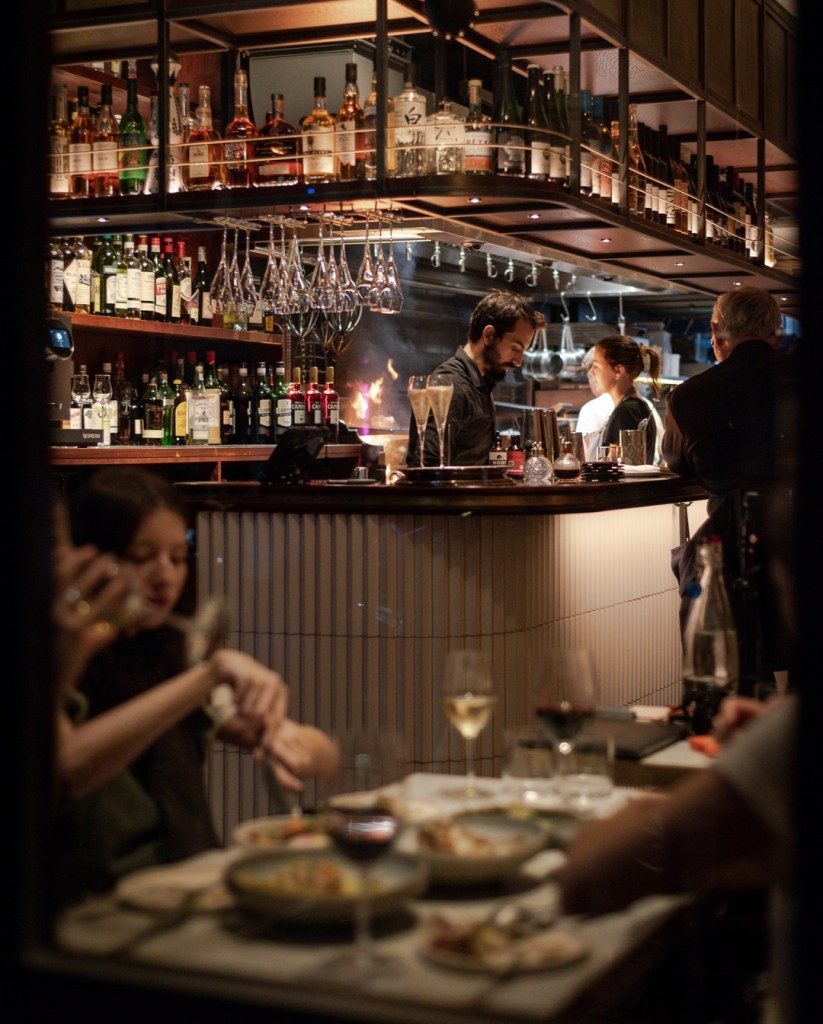
The first project we decided to take on happened after we were approached by two guys who had a strong idea for a restaurant with an open-fire grill and music at its centre. They had a quirky site in an area of Notting Hill that still has a lot of the old neighbourhood charm, and we liked them as people. That ended up being the very well-received Caia.
What inspires your designs?
Every design is bespoke to the venue’s brief, as well as the site and its context. Wherever possible we like to add a bit of fun and drama to our designs to make the design memorable. Inspiration for those memorable moments can come from past travels, music videos and obscure or blockbuster movies.
We are lucky to work with a diverse and talented team who have lived all around the world and lived very different life experiences. That is also a valuable resource that we at Atelier Wren are so grateful for.
How does lighting impact the tone or mood of a space?
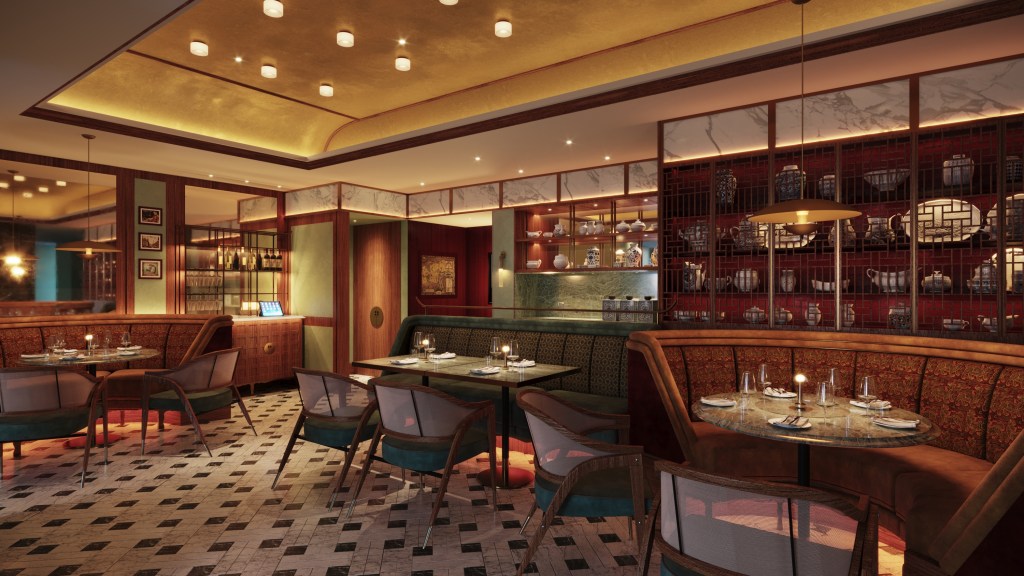
Lighting influences how people experience a space. The way we use this medium has such an impact on its character, so we have to consider lighting positioning, beam angles and the lighting’s colour temperature.
For example, we are designing an exciting extension to a state-of-the-art performance and recovery facility on Kensington High Street. Inside one area, we are using extra-warm lighting concealed in the floor to wash up textured slate walls. The psychological effect will make people more comfortable getting undressed when using specialist equipment and make people think of dramatic natural caves.
What is your favourite concept you have developed thus far?
We designed a very cool restaurant for an international wine brand in Mews of Mayfair, behind Bond Street in London.
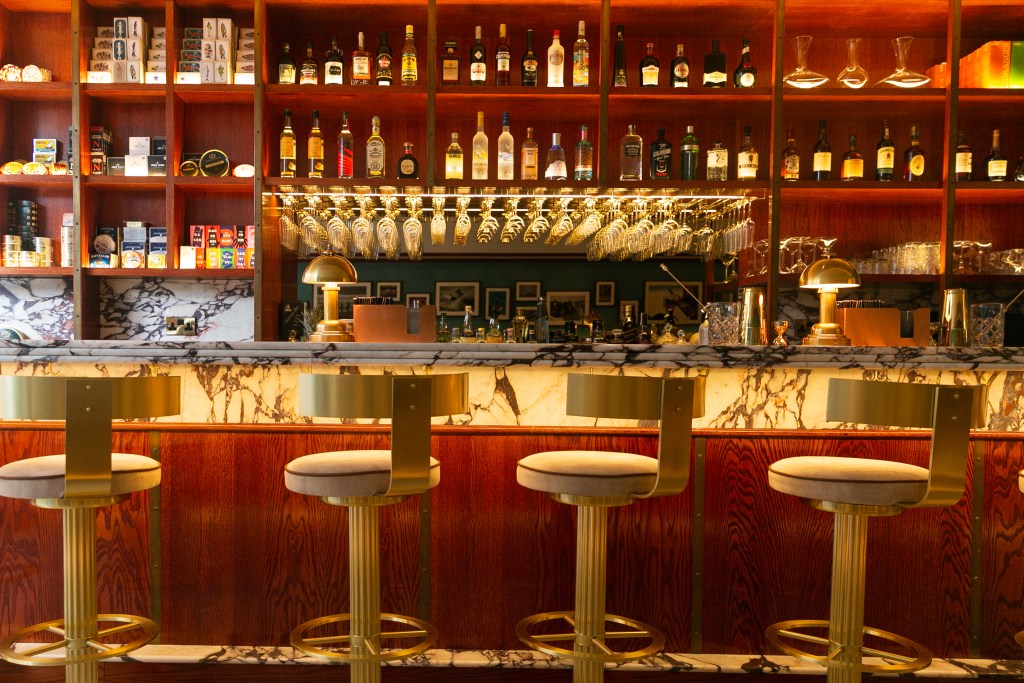
Sadly the client eventually decided not to open a site in the UK, but we were all very excited about it. It featured a double-height wine wall over a bar and enormous chandeliers that we designed to hang from the glass roof at a height that would allow diners to see the stars as they ate. During the day, natural light would bounce off bespoke verre-eglomise-clad walls (embellished with vine leaf patterns out of respect for the clients), giving the whole space a ’shimmering intensity’ as the client put it.
How have you innovated the interior design industry?
Post-Brexit, Covid and the war in Ukraine, the cost of all the logistics necessary to build our projects has massively increased. Therefore to protect our clients but still make the beautiful spaces they want, we have had to innovate.
Instead of using fabricators in the Far East, we have made all our bespoke lighting in the UK, such as the “Hollywood-style” brass palm-tree light fittings we designed for Saltie Girl in Mayfair. The bespoke wallpaper we are having made for a project in St James is currently being produced by artisans in a studio in Bethnal Green, East London. The last bespoke fabric lampshades we used were bespoke, made for us by a lady working from her home near Whitby in the North East of England.
That UK-made approach is something that we enjoy now and is something will try to continue for future UK situated projects.
What is the most important aspect to consider in your design process?
Communication! Between ourselves, our team and our clients, this is imperative for our design process.
Designers of all ilks need to be master communicators anyway to express their ideas. When designing new venues, Atelier Wren goes on a journey with its clients and develops a relationship with them in the process…and we all know a relationship will not work without good communication!
How have you overcome the challenges you meet when designing?
Overcoming any challenge is a learning process, and we love to learn! It’s incredible how much we can learn from testing and continuing to check our sites. These are the projects we have found ourselves revisiting throughout our careers for the lessons they taught us.
Who is your dream client, and why?
Jep Gambardella. He is the main character in Paolo Sorrentino’s masterpiece “La Grande Bellezza”. The guy oozes melancholic-cool who understands the balance between a city’s beauty and its superficiality.
He would definitely be someone we could learn from, and we hope we would impress Jep.
Do you have any exciting current or future projects?
We have a few restaurants coming; the next one is opening in May. It will be a Chinese restaurant in St James close to Buckingham Palace. We also have a 1,200 sqm private members club coming to Canary Wharf, as well as projects in the Middle East and Germany. For Atelier Wren, they are all very, very exciting!
To discover more, visit: atelierwren.com
View this post on Instagram
All imagery courtesy of Atelier Wren.