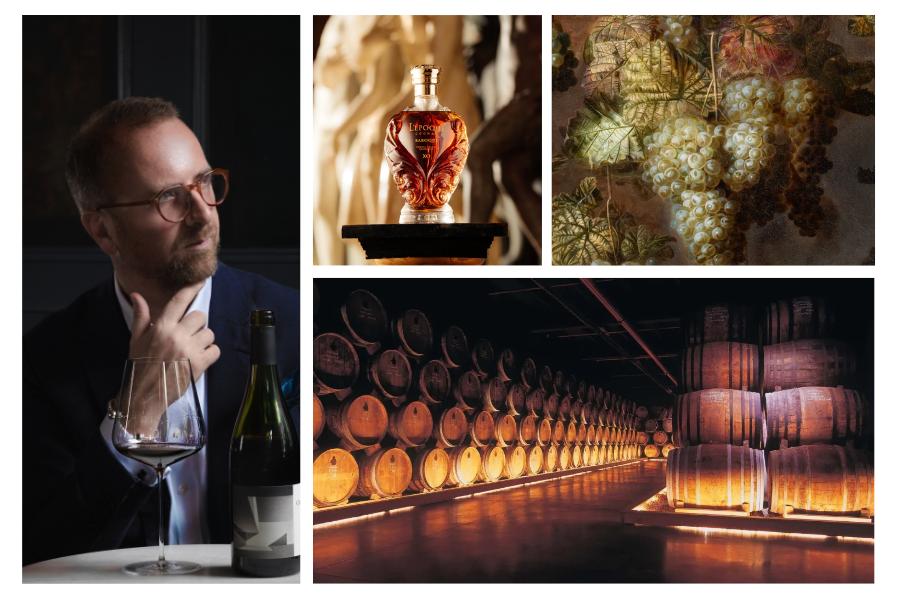
Yohann Pinol doesn’t talk about Cognac in terms of trends or market gaps. He focuses on time, origin, and restraint. As the brand guardian of Maison L’Époque, he prefers to work with long-aged Grande Champagne eaux-de-vie that have matured for decades in the cellar. For Yohann, his job is to recognise the spirit’s style, not impose one.
L’Époque Baroque XO grew into a thoughtful project: a Cognac shaped by patience, guided by a winemaker’s taste, and built on the idea that maturity should take the lead.
We caught up with Yohann to talk all things L’ÉPOQUE Cognac.
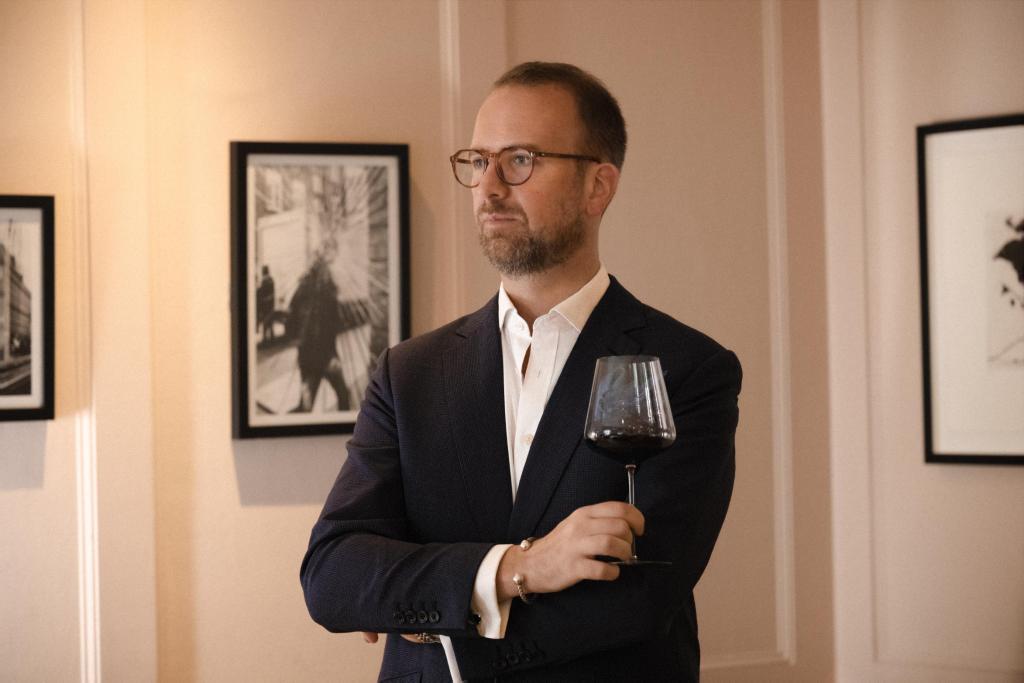
Image courtesy of Maison L’Époque
How did it all start?
It began with a discussion with Tatiana Kharchylava, Creative Director of Birley Clubs – Annabel’s, Harry’s Bar, George, Mark’s Club, and Bath & Racquets. The intention was not to launch simply another Cognac, but to create something authored.
L’Époque was conceived around access to long-aged Grande Champagne eaux-de-vie and the belief that the most important work had already taken place in the cellar. Rather than building to the minimum XO threshold, we allowed maturity to lead the blend. Our role was selection, not production – to listen carefully and assemble with precision.

Image Courtesy of Maison L’Époque
With your background in wine, how does that experience shape your understanding of Cognac?
Cognac begins as wine, so the connection is natural.
Wine training develops sensitivity to structure, balance, and aromatic layering. In Cognac you find the same progression – white flowers and stone fruit, then spice, rancio, and mineral persistence. Texture and length matter as much as aroma.
Producing my own wine – Elama Côtes du Rhône – reinforces that perspective. When assessing the Grande Champagne eaux-de-vie for L’Époque, I tasted blind and returned repeatedly to the same components over a year. I approached them as a vigneron first – thinking about origin and integrity rather than imposing direction.

Image Courtesy of Destination Cognac
The important work happens in the cellar. How does the Cognac taste and feel?
Distillation is critical, but ageing defines character.
In L’Époque Baroque XO, the youngest components rest for twenty years, with a significant proportion around forty-five years old, and more than ten percent reaching half a century
The nose opens with brioche and candied citrus, followed by peach, red berry notes, and white flowers, with nutmeg and sandalwood beneath. The palate moves through pear and white peach, gathers a gentle pepper note, and settles into dark cherry and leather. A mineral thread carries the finish. It unfolds gradually rather than declaring itself immediately.
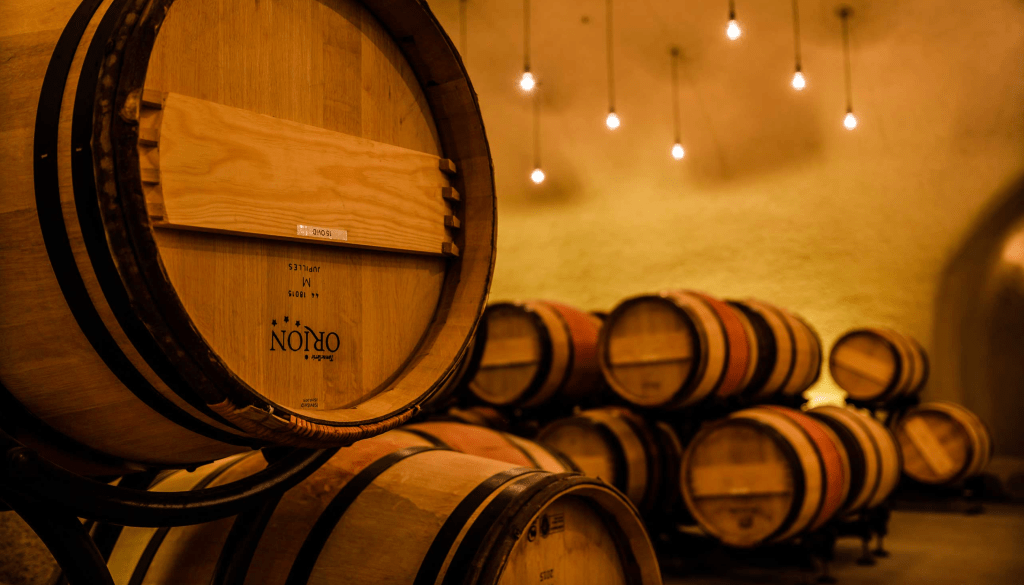
Image Courtesy of Ovid
Why Limousin oak?
Cognac sits at the centre of one of the world’s great cooperage traditions. In the seventeenth century, Jean-Baptiste Colbert, minister to Louis XIV, ordered the planting of vast oak forests in central France to secure timber for the royal navy. Those forests, particularly in Limousin, would in time shape another destiny entirely. When naval demand declined, the same tight-grained, resilient oak found a new purpose in barrel making. By proximity, and then by experience, it became inseparable from Cognac.
Limousin oak is prized for its relatively open grain, which allows for a measured exchange between the wood, air, and spirit. It encourages oxygenation and gradual evolution without overwhelming the eau-de-vie with tannin. For L’Époque, barrels sourced primarily from the Limousin forests – a region close to my heart, as I am from Limoges – play a decisive role. Within these casks, the dialogue between wood, air and spirit is patient and controlled.
The objective is not to mark the Cognac with oak, but to allow time to refine texture, deepen aromatics and lengthen the finish while preserving the identity of the Grande Champagne eaux-de-vie.
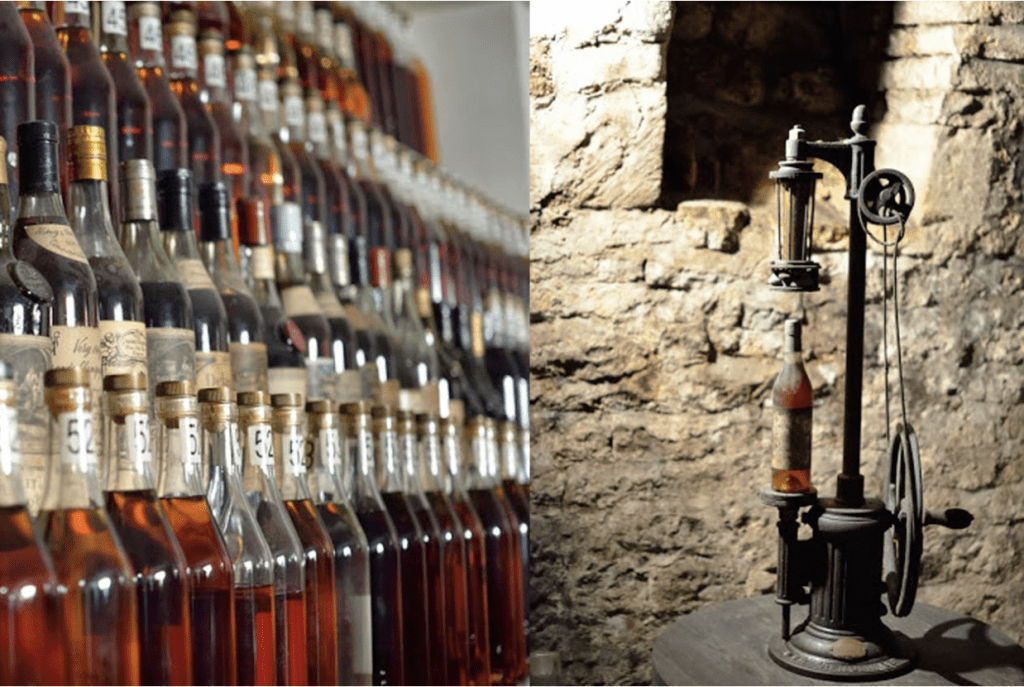
Image Courtesy of Le Cordon Bleu
How does age change blending? Does ageing ever stop adding value?
Age expands the aromatic palette but demands restraint. Younger eaux-de-vie bring vitality and structural tension. Older components contribute depth, dried fruits, spice and silkiness.
The art lies in preserving freshness while building complexity. I have tasted eaux-de-vie over a century old in remarkable condition. Time does not create greatness on its own – it refines what was already exceptional.
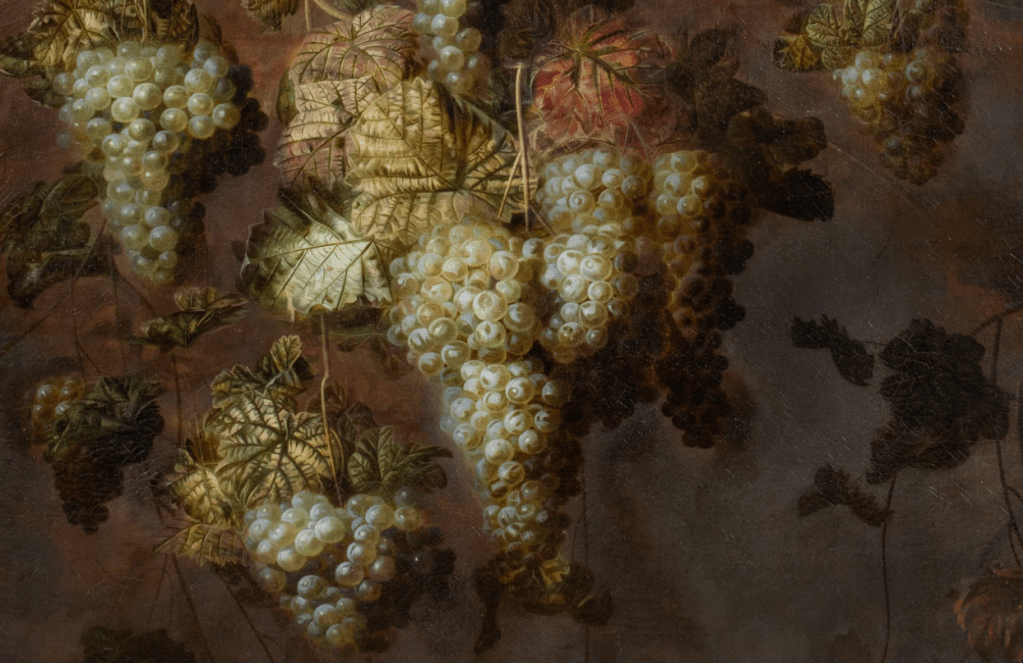
Image Courtesy of Maison L’Époque
Were there exceptional eaux-de-vie left out?
Yes. Some were moving on their own.
Creating L’Époque felt like composing an orchestra – harmony over solo performance. Certain discoveries were strong enough to stand independently, and they may yet appear in another form.
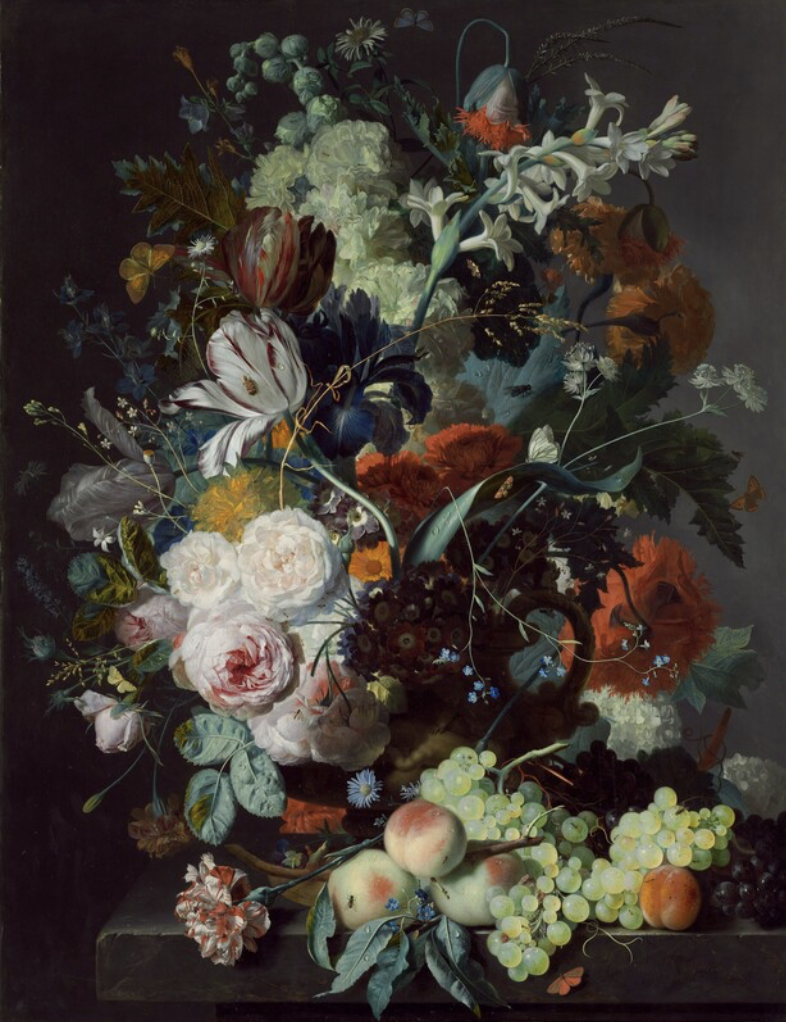
Still Life with Flowers and Fruit (c.1715, Jan van Huysum) – Image Courtesy of National Gallery of Art
What emotions are you seeking to evoke?
Baroque is about contrast and movement. In the blend, floral and stone-fruit lift meets the depth and warmth of mature eaux-de-vie. The aim is richness without heaviness.
The bottle, designed by Tatiana, extends that philosophy. Conceived as a three-dimensional tribute to the Baroque era, its sculptural silhouette draws on classical forms, giving it architectural presence.
The glass is deliberately thick and weighted, so tactility becomes part of the experience. A gold stopper, inspired by Baroque rosettes, adds detail without excess.
The presentation continues the dialogue – a black exterior opening to radiant gold rays inspired by Bernini’s Ecstasy of Saint Teresa, framing the amber glow within L’Époque Baroque XO. Object and liquid are intended to move together – structure, light and depth in harmony.
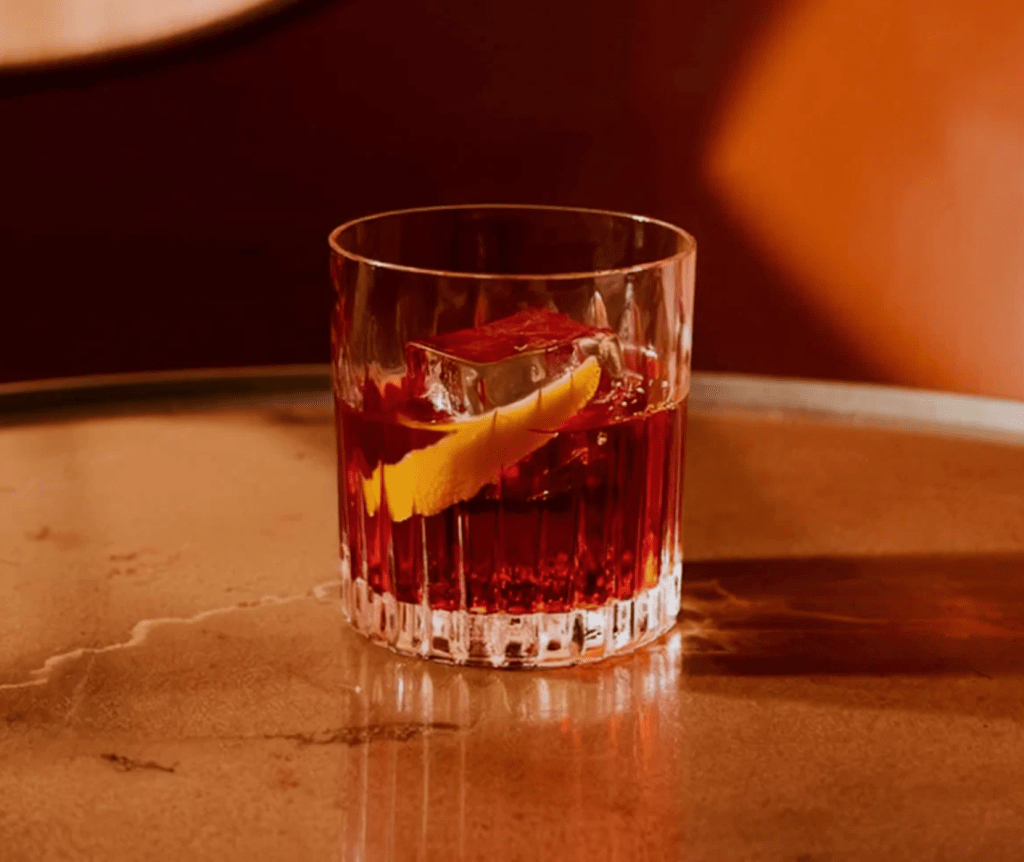
Image Courtesy of Rémy Martin
What cocktails and pairings work well?
A Vieux Carré with L’Époque Baroque XO, Brother’s Bond rye and a 1965 Bénédictine created by Douglas Blyde respects the spirit’s structure. It also works beautifully in an Old Fashioned or Sazerac.
At the table, it is equally compelling. With N25 caviar, the salinity heightens floral and citrus tones while the older eaux-de-vie mirror the roe’s persistence.
With mature, crumbled Parmesan, its crystalline salt and umami draw out nutty and dried-fruit notes. Finely sliced Bresaola echoes the Cognac’s savoury depth and length. Mature Cognac deserves a place in gastronomy, not only after dinner.

Image Courtesy of Maison L’Époque
What is next for Maison L’Époque?
We are building deliberately. In the UK, L’Époque Baroque XO is available through Hackston’s and Selfridges, and poured in restaurants including The Waterside Inn, The Fat Duck, The Cocochine, Pied à Terre, and more.
In Monaco, it is listed at Rampoldi and at Le Bar Américain at Hôtel de Paris Monte-Carlo.
We are expanding carefully, prioritising markets where there is genuine appreciation for long-aged Grande Champagne eaux-de-vie. Patience remains central to our philosophy.
For more information, please visit: maison-lepoque.com
View this post on Instagram