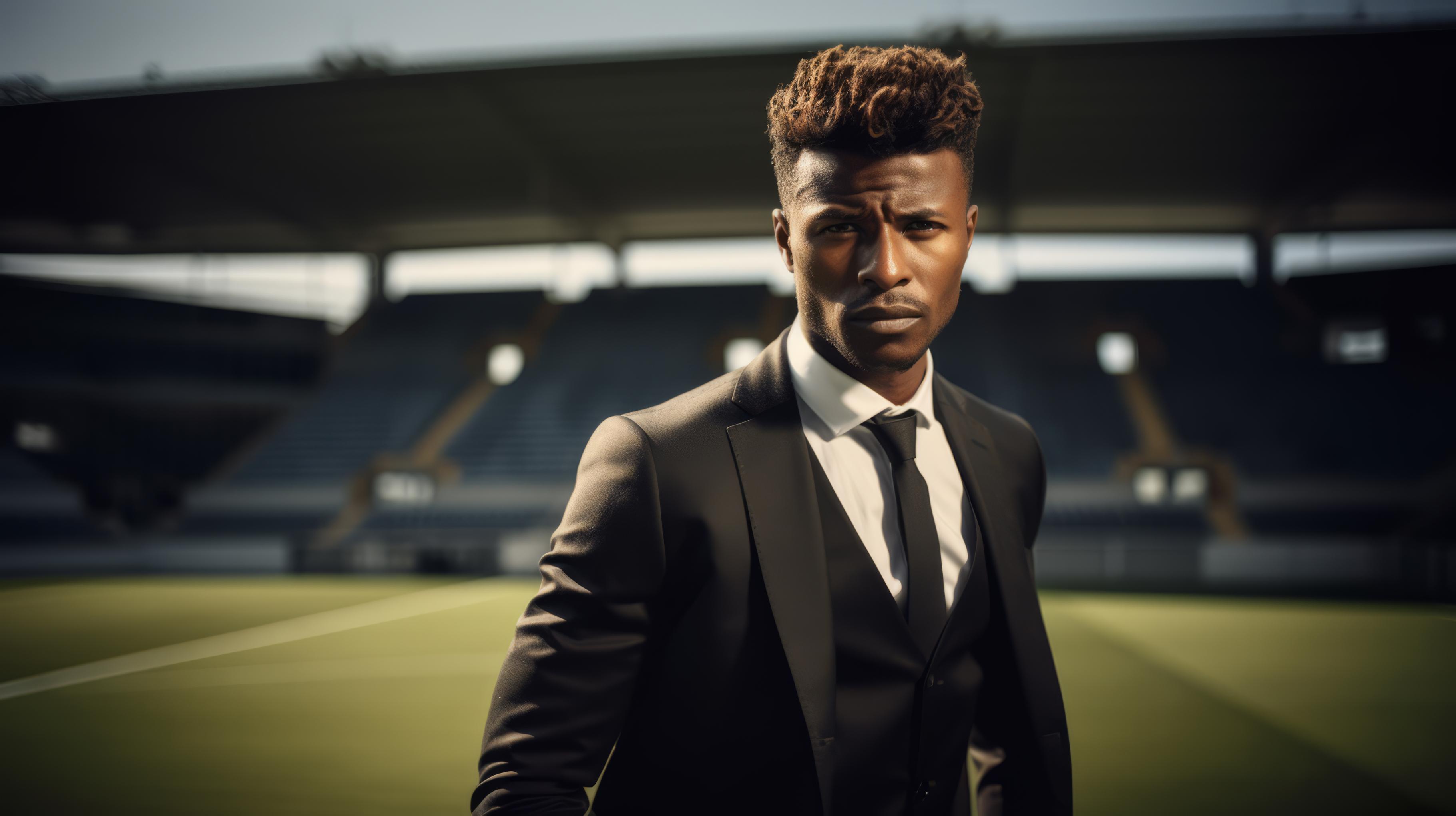
For much of the last century, luxury and sport met in expected places. A Swiss watch gleamed on the wrist of a tennis champion, while a bespoke suit appeared in the directors’ box at a football match. Today, the relationship looks very different. Luxury houses are no longer content with sidelines or sponsorship logos. They are stepping onto the pitch, the track, and even the boat deck with a clear message: sport is no longer separate from style; it is part of it. From fashion collections designed for performance to hospitality packages shaped by couture sensibilities, the presence of luxury brands in sport has become a status marker in its own right.

Courtesy of Nathan Anderson on Unsplash
Payment, Prestige, and the Fan Experience
Part of this new culture is how fans, particularly those with money to spend, choose to access sport. Convenience and exclusivity now matter as much as the view from the seat. Payment methods are a subtle yet significant part of this.
For instance, betting sites with PayPal options appeal to affluent supporters who prefer instant, secure transactions when engaging with sport, whether that means a quick wager or purchasing premium match tickets. The attraction lies not only in speed but also in the flexibility: PayPal connects seamlessly to multiple accounts, often offering buyer protection and promotions that reflect the preferences of a higher-end audience.
In the same way that luxury brands aim to remove friction from the shopping experience, these platforms mirror that ethos in sport by giving fans control, discretion, and ease when they interact with clubs and events. It’s a reminder that even the smallest detail, how you pay, can define the quality of the overall experience.
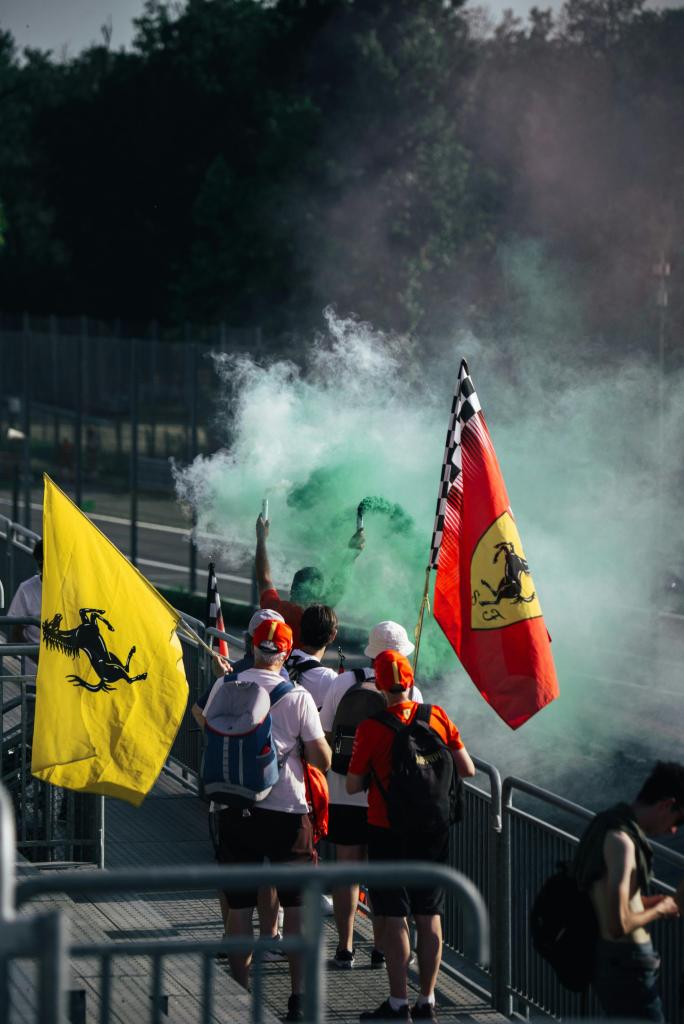
Courtesy of Enrico Miglioranza on Unsplash
Fashion on the Pitch
Luxury fashion houses have made bold moves into active sport, with collections that blur the line between performance gear and style statements. Prada’s cycling shorts, Louis Vuitton’s surfboards, and Dior’s collaboration with Paris Saint-Germain reflect how fashion is positioning itself within competitive arenas.
This is intentional positioning; they are deliberate signals to consumers who see sport as part of their lifestyle, not just entertainment. When professional athletes wear these pieces, they are walking advertisements for the idea that status can be played out just as much on the field as on a catwalk.
Courtesy of Marc Kleen on Unsplash
Hospitality Meets Haute Couture
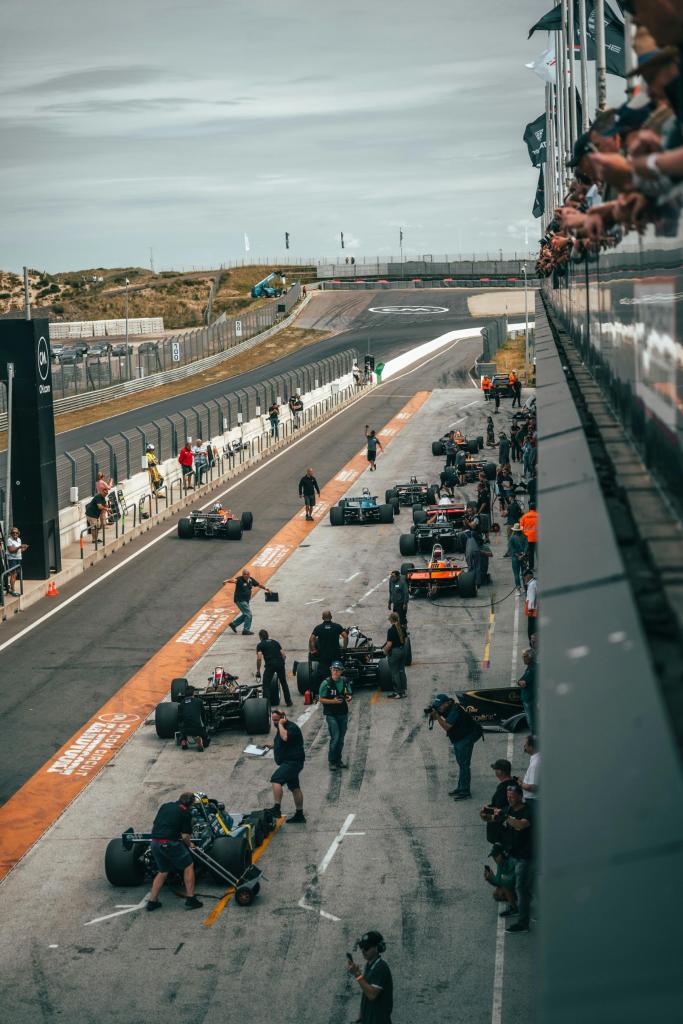
The hospitality around sport is also changing. Traditional corporate boxes are being replaced, or at least refined, by experiences designed in collaboration with luxury brands. At the Formula 1 Grand Prix in Monaco, luxury watchmakers and champagne houses co-host trackside terraces where attendance is as much about social prestige as racing.
Football clubs in Europe have also begun partnering with fashion and jewellery brands to curate hospitality spaces that feel more like private members’ clubs than stadium suites. The common thread is a focus on exclusivity and atmosphere, giving those willing to pay the sense that they are part of an inner circle.
Courtesy of Humberto Portillo on Unsplash
Sponsorship Beyond Logos
Gone are the days when a logo on a shirt was enough. Luxury brands want their presence to be seen as an extension of lifestyle rather than just advertising. Chanel’s sponsorship of the Oxford and Cambridge boat race is a perfect example: a historic event steeped in tradition, reframed with the sophistication of haute couture. By aligning with such institutions, luxury houses create associations that go beyond visibility. They are investing in the story of sport as a cultural stage, one where style, heritage, and exclusivity matter as much as competition.
Courtesy of Nic Chi on Unsplash
Fitness as a Luxury Lifestyle
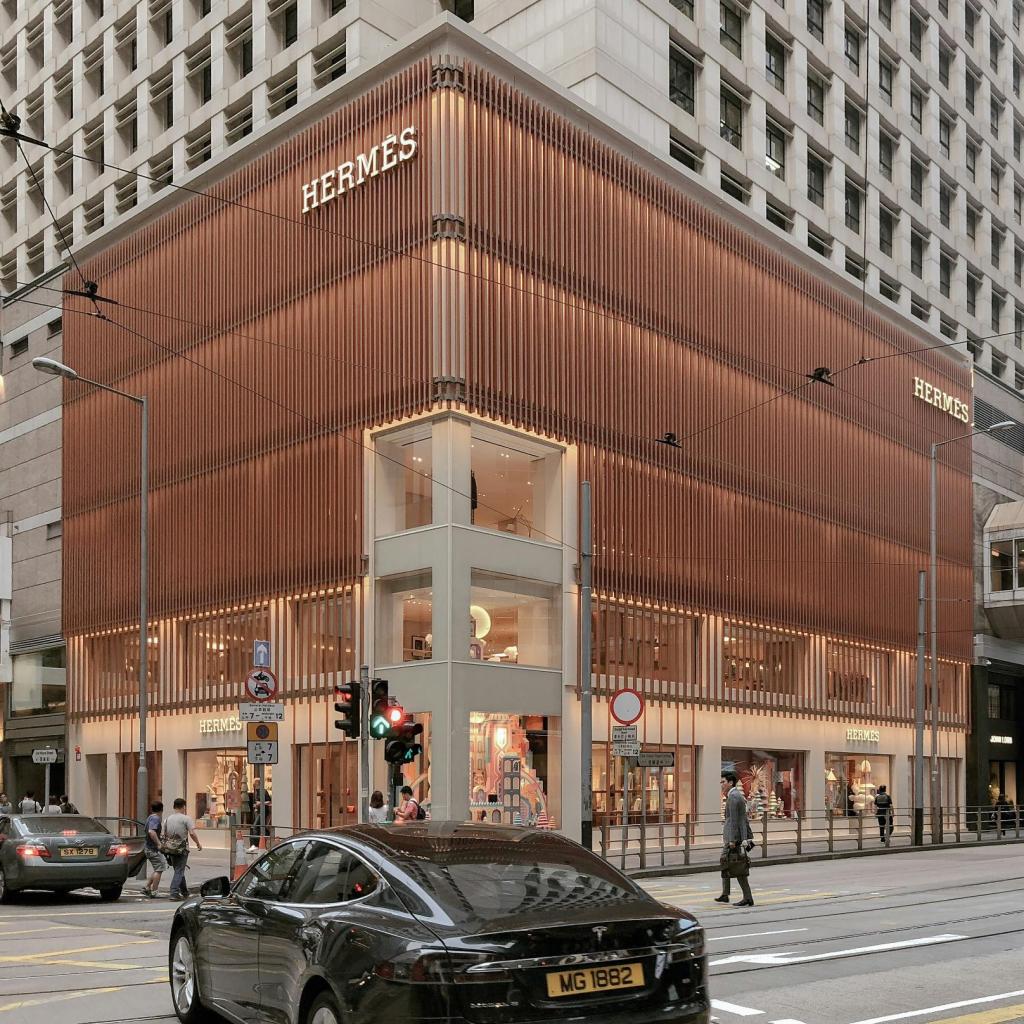
Not all luxury involvement in sport is tied to major tournaments. Some brands are redefining fitness itself as an elite pursuit. HermèsFit, for example, offers pop-up gyms featuring equipment wrapped in leather and classes that incorporate silk scarves. These events are less about sweating through a workout and more about turning exercise into an art form, with design, comfort, and exclusivity at the centre. For luxury consumers, the appeal is obvious: fitness becomes part of a curated life, not an interruption to it.

Courtesy of Duane Mendes on Unsplash
Experiences Beyond the Arena
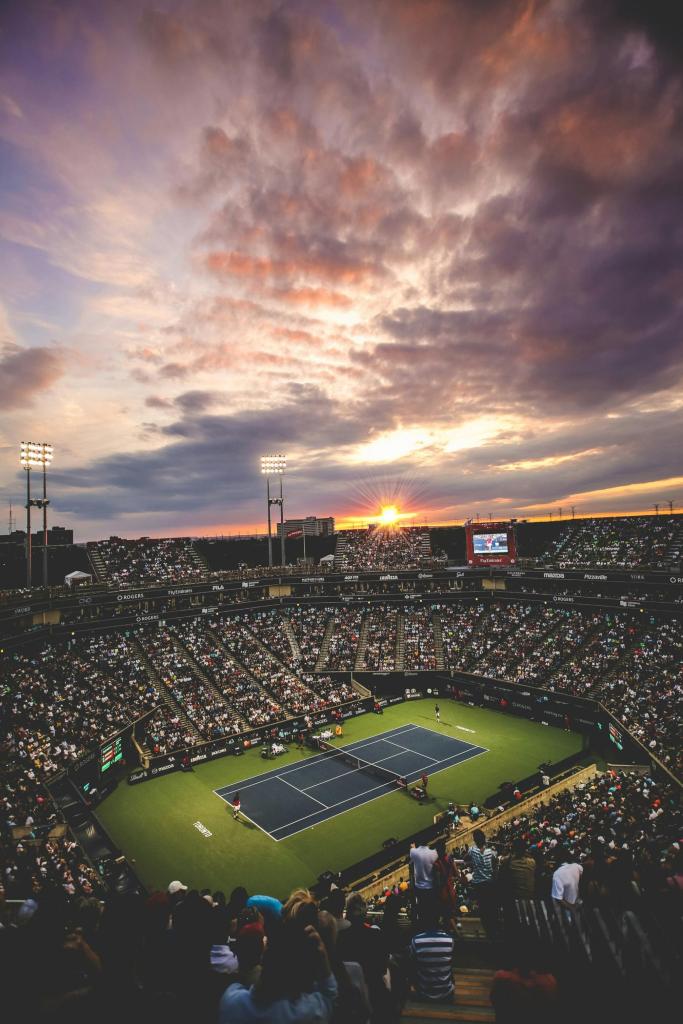
Luxury brands understand that sport does not end when the final whistle blows. After-parties, exclusive dinners, and curated social gatherings often extend the event for those who matter most. From yacht receptions during regattas to private fashion shows tied to major tournaments, the blending of sport and lifestyle reinforces the idea that status is not just about attendance but about access. Being seen in the right spaces, often behind velvet ropes, is as much part of the spectacle as the game itself.
Courtesy of Filip Mroz on Unsplash
The New Status Symbol
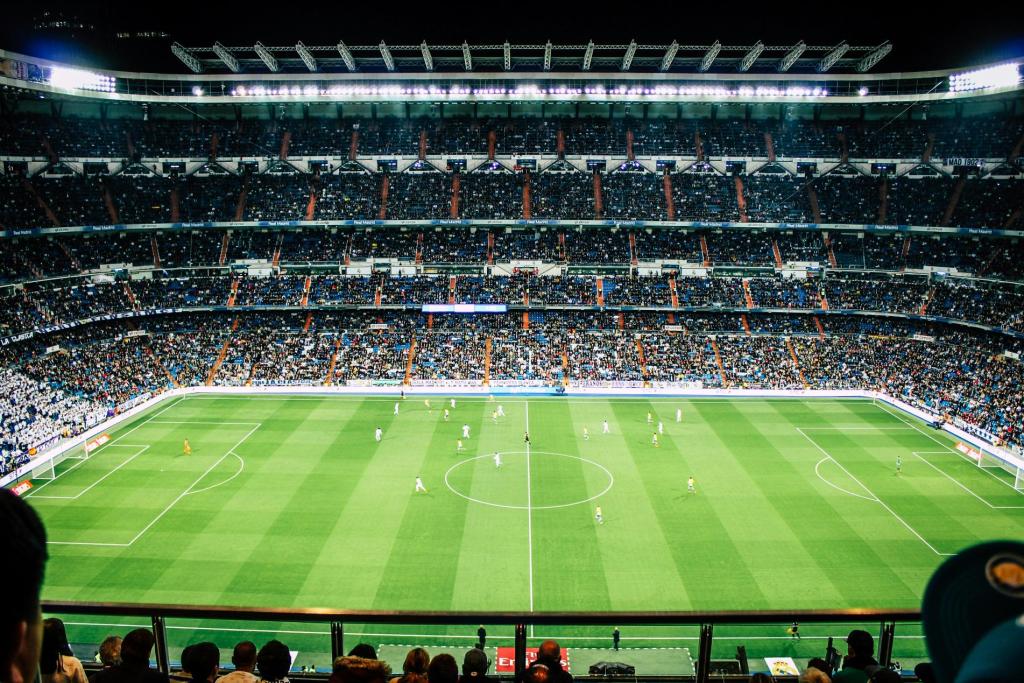
What we are seeing is a redefinition of how sport and luxury interact. It is no longer enough to sit courtside in designer clothes. The true status symbol is in the experience, wearing exclusive collaborations, stepping into curated hospitality, or gaining access to spaces designed for the few. Luxury brands have realised that sport provides a stage like no other, one with global audiences and emotional investment built in. By placing themselves boldly within this arena, they are not just attaching their names to sport but claiming a role in shaping how it is lived.
Courtesy of Vienna Reyes on Unsplash
Conclusion
Sport has always had an aura of glamour, but today it has become a showcase for luxury in unexpected ways. From couture in the locker room to fine dining at the track, the experience of watching and participating in sport has taken on new dimensions. For those who value status, it is not only about who wins or loses but about how the event is lived. Luxury brands understand this, which is why they are no longer content to stay on the sidelines. They are stepping boldly onto the field, ensuring that prestige and performance remain inseparable.