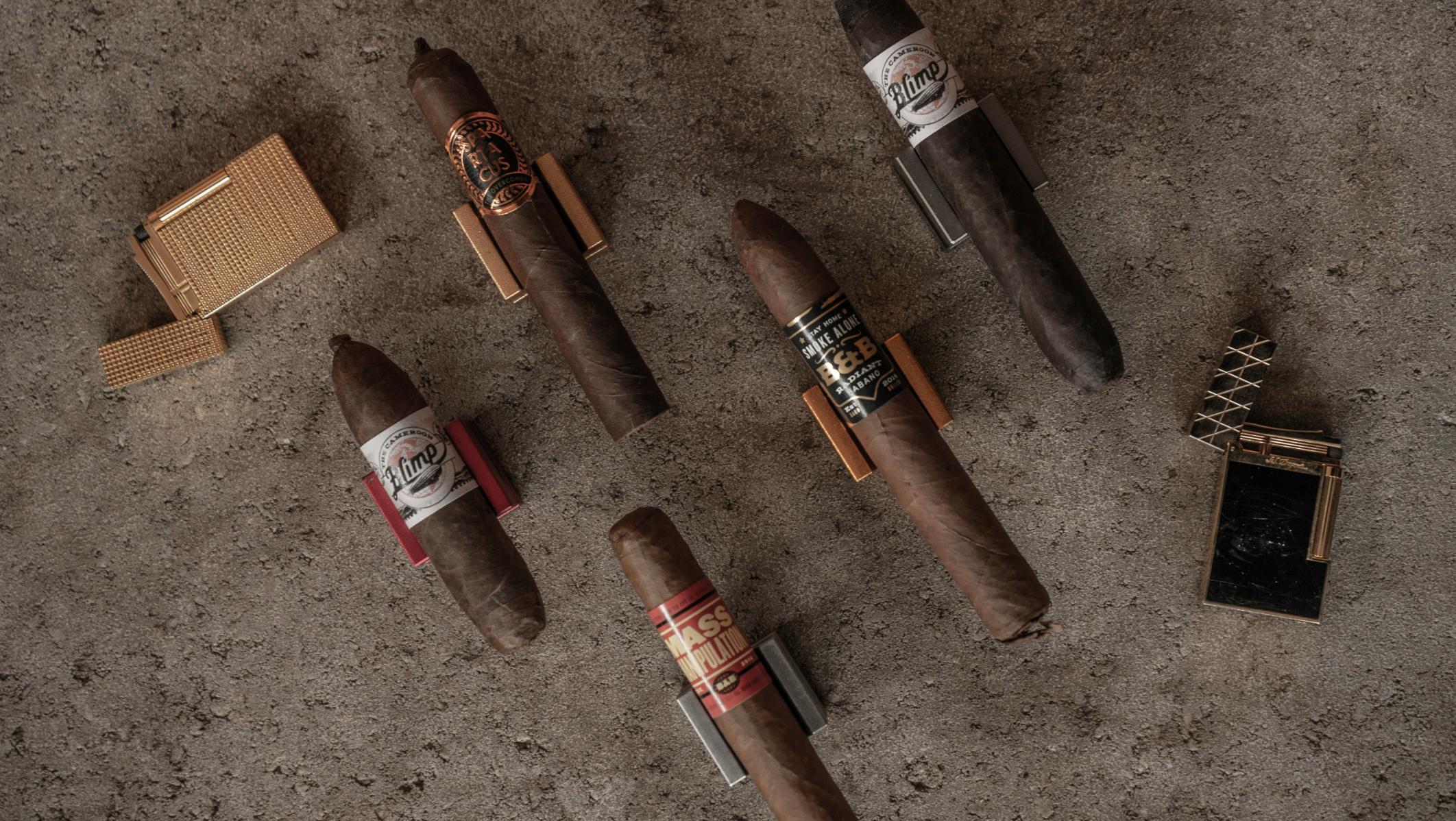
The art of crafting cigars is a complex journey of tradition, skill, and passion, where every detail—from the soil in which tobacco is grown to the final twist of the wrapper—plays a vital role. For connoisseurs, cigars represent more than just an indulgence; they embody the legacy of artisans who’ve honed their craft over generations. Celebrating the legacy of cigars are Online Cigars, who offer a one-stop shop for authentic Cuban Habanos and New World cigars, specialising in quality selections and shipping them internationally. For collectors, investing in humidor lockers for your cigars ensures that each piece of craftsmanship is stored in ideal conditions, preserving its flavor and aging potential.
Here, we explore 20 fascinating facts that highlight the expertise, patience, and rare materials behind some of the world’s finest cigars.

Twenty Facts About the Art of Crafting Cigars
1. Crafting a Premium Cigar Takes Over 100 Steps
Creating a single premium cigar involves more than 100 intricate steps, according to The Ultimate Cigar Book. This process encompasses everything from cultivating, drying, and fermenting the tobacco leaves to carefully rolling and inspecting the final product. Each of these steps demands precision and skill, ensuring that only the best cigars make it to market, reflecting the dedication of artisans involved in every stage.
2. Vuelta Abajo: Cuba’s Most Celebrated Tobacco Region
The Vuelta Abajo region in Cuba is celebrated globally for producing some of the finest tobacco leaves. As described in The Cuban Cigar Handbook, its unique soil and climate conditions are ideal for tobacco cultivation, resulting in leaves with complex flavours and aromas. This region is the birthplace of many iconic Cuban cigars, making it a treasured area for tobacco connoisseurs.
3. Connecticut Valley Wrappers: Mild and Smooth
Connecticut Valley wrappers, sourced from the U.S., are known for their light colour and mild, smooth flavour, prized by many cigar makers when crafting cigars. The Connoisseur’s Book of the Cigar highlights these wrappers as an essential component in creating balanced, approachable cigars. Their delicate flavour profile enhances the overall experience without overpowering the cigar’s blend.
4. Precision in Fermentation: Controlled Temperature Matters
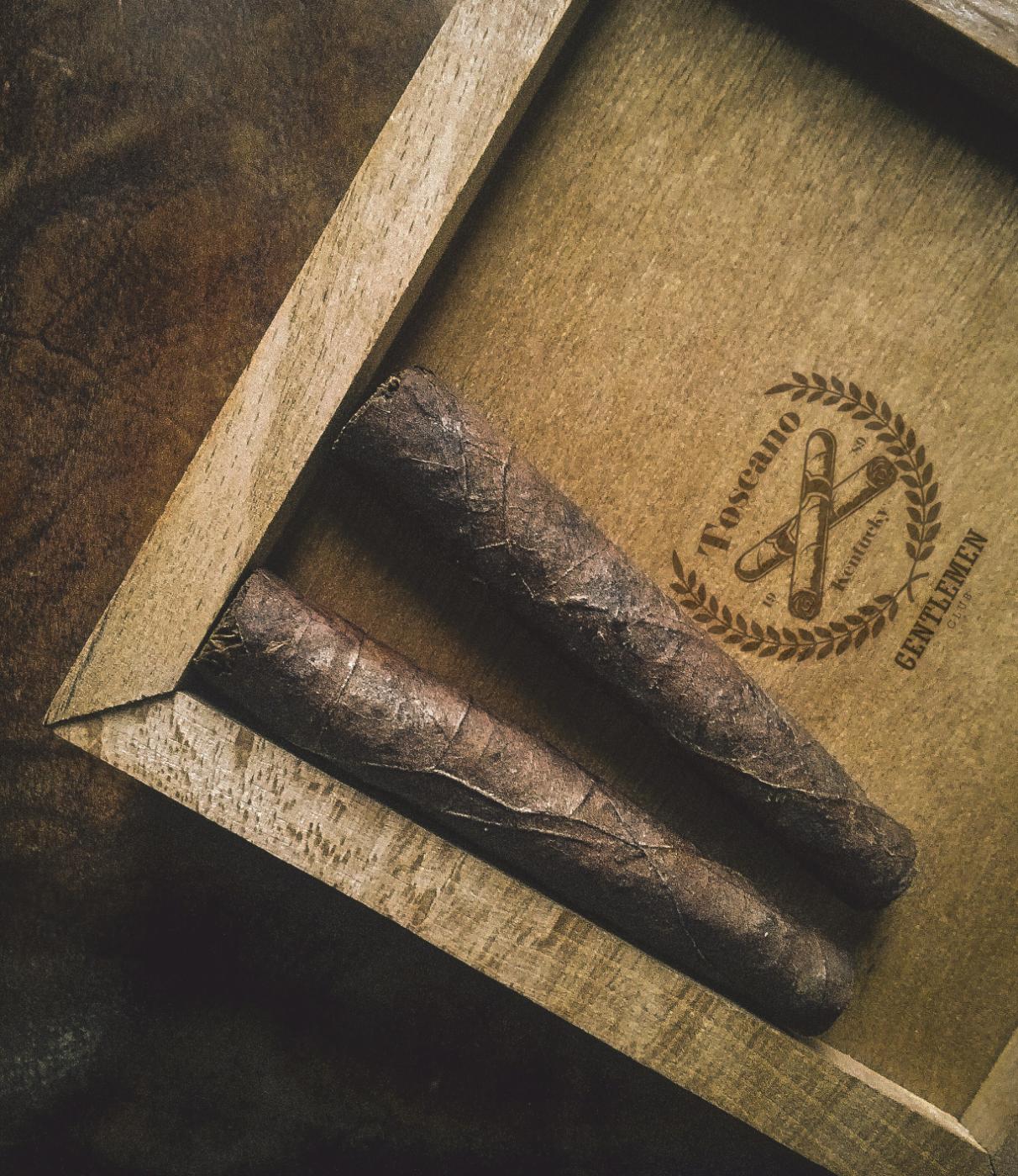
During fermentation, cigar leaves are kept at temperatures between 21-27°C (70–80°F) to prevent overheating, which could ruin the leaf quality. The Ultimate Cigar Book notes that precise control is essential for developing rich flavours. The careful monitoring of temperature allows the natural sugars in the tobacco to mature, enhancing the cigar’s smoothness and depth.
5. Cohiba: The Pinnacle of Cuban Cigars
Among Cuban cigars, Cohiba holds a particularly prestigious status and is frequently chosen by aficionados. According to The Cuban Cigar Handbook, Cohiba cigars undergo special fermentation processes (see more below), which contribute to their smoothness and exceptional taste. Their rarity and reputation make Cohibas highly collectable and highly prized.
6. A Quality Wrapper’s Smooth Finish
A cigar wrapper is often the first aspect aficionados notice and a high-quality wrapper is vital for both aesthetic appeal and flavour. The Connoisseur’s Book of the Cigar suggests that the best wrappers are even in colour and have few veins, contributing to a smoother smoking experience. This attention to detail sets premium cigars apart from mass-produced alternatives.
7. Ageing Tobacco for Smoother Flavours
Ageing tobacco for two to three years is a common practice for premium cigars, as described in The Ultimate Cigar Book. This ageing process allows natural compounds to break down, reducing harshness and resulting in a smoother, more nuanced flavour. To ensure these organic compounds break down uniformly, the tobacco must mature inside a calibrated cigar humidor lined with Spanish cedar, which naturally regulates moisture and prevents the evaporation of essential oils. Ageing adds complexity to the cigar, rewarding the patience of both the craftsman and the smoker. Ageing adds complexity to the cigar, rewarding the patience of both the craftsman and the smoker.

8. Hand-Rolled for Authenticity
Authentic Cuban cigars, known as “Habanos,” must be hand-rolled to be classified as such, ensuring traditional craftsmanship in every piece. As The Cuban Cigar Handbook explains, machine-rolled cigars lack the authenticity and tactile quality of hand-rolled cigars, which are individually crafted by expert rollers. This is one reason why Habanos are globally revered.
9. Ring Gauge Influences Flavour
A cigar’s ring gauge, or diameter, has a notable impact on its flavour profile. The Connoisseur’s Book of the Cigar notes that thicker cigars contain more filler tobacco, which often results in a richer and more complex flavour. This variety allows aficionados to select a ring gauge that matches their preferred balance of intensity and complexity.
10. The “Entubar” Rolling Technique for a Better Draw
The Entubar technique involves rolling each filler leaf individually, ensuring a more consistent draw and burn. According to The Ultimate Cigar Book, this traditional rolling method is used in many premium cigars to enhance the smoker’s experience. Cigars rolled using this technique provide an even burn and steady draw, elevating the entire smoking experience.
11. Extended Fermentation Time for Filler Leaves
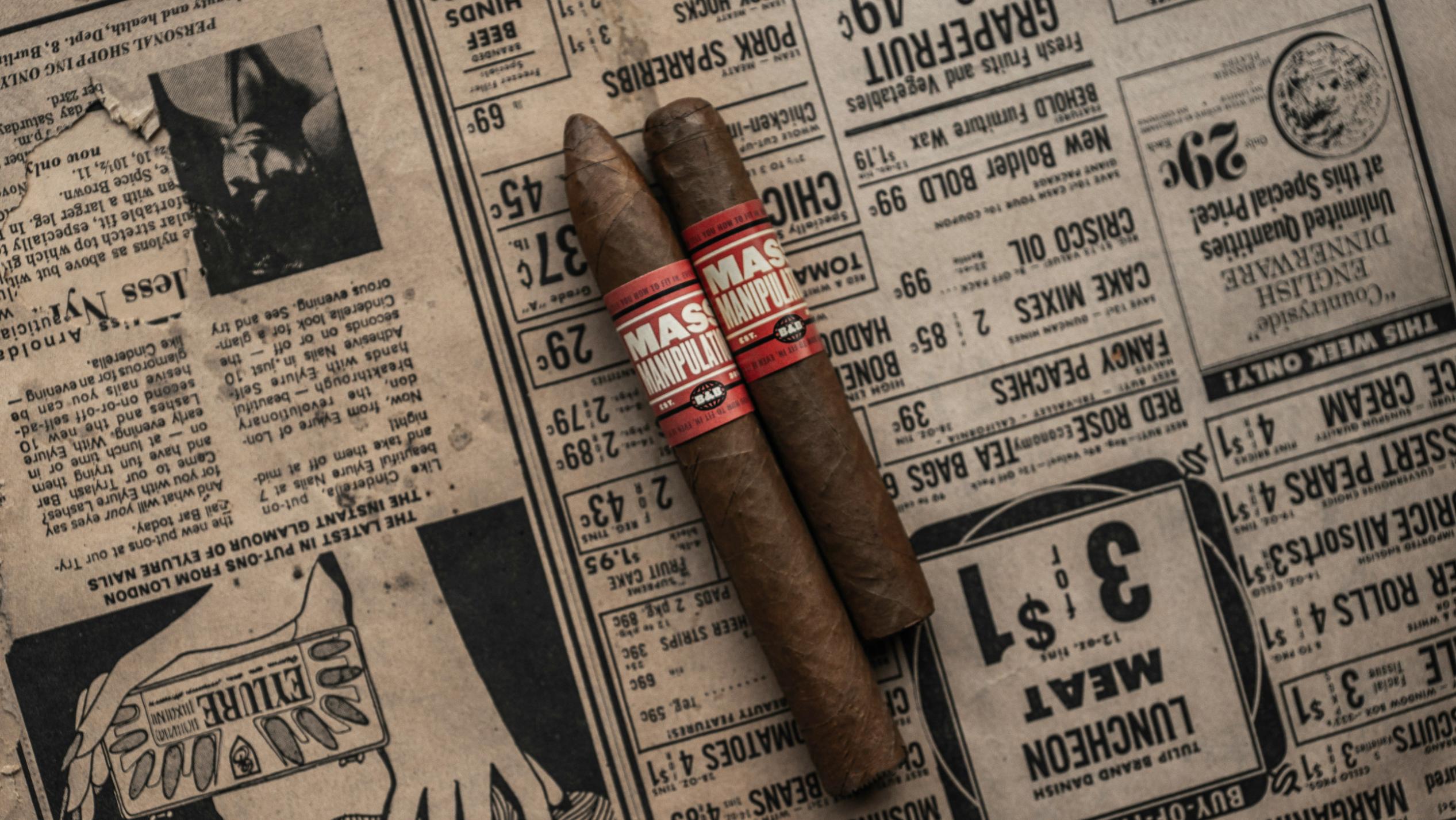
Filler leaves, the core of a cigar, often undergo a lengthy fermentation process lasting up to a year, as detailed in The Cuban Cigar Handbook. This extended process allows complex flavours to develop, producing a richer and smoother taste. This attention to detail in fermentation is crucial to achieving the premium quality associated with fine cigars.
12. Cedar Humidors: The Ideal Storage
Humidity and temperature control are essential for cigar preservation, and cedar-lined humidors offer the best environment. The Connoisseur’s Book of the Cigar explains that cedar helps maintain optimal moisture levels, preserving the cigar’s flavour and preventing the tobacco from drying out. Proper storage ensures cigars retain their full character over time.
13. The Final Inspection for Quality Control
Before cigars are released for sale, they go through rigorous final inspections to ensure consistent quality. According to The Ultimate Cigar Book, inspectors check for colour uniformity, weight, and draw resistance, only passing cigars that meet strict standards. This final stage underscores the commitment to excellence that defines the premium process of crafting cigars.
14. Authenticity Markings on Cuban Cigars
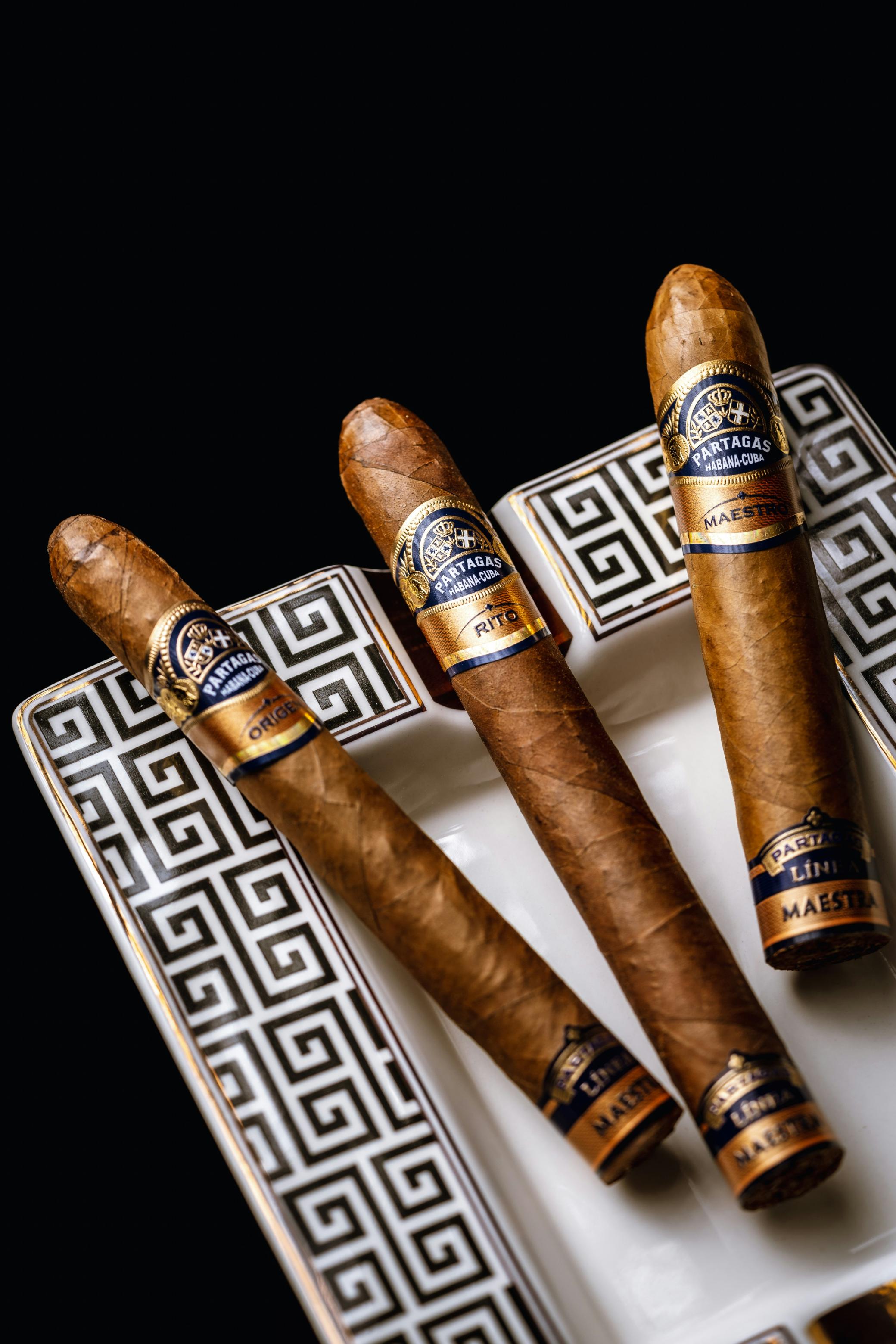
To ensure authenticity, Cuban cigars are marked with the “Habanos” seal and a unique barcode. The Cuban Cigar Handbook notes that these markers help protect buyers from counterfeits, guaranteeing that they are purchasing a genuine product. This practice maintains Cuba’s high standards in cigar production.
15. Maduro Wrappers: Dark and Full-Bodied
Maduro wrappers are distinctive for their dark hue and full-bodied flavour, which result from a prolonged fermentation process. The Connoisseur’s Book of the Cigar describes these wrappers as offering a bolder, richer taste, making them a favourite among seasoned smokers. Maduro cigars often have a natural sweetness that complements their robust character.
16. Complex Blends with Up to Five Tobacco Types
When it comes to crafting cigars, many premium cigars incorporate up to five different types of tobacco leaves, which are blended to create a complex flavour profile. The Ultimate Cigar Book highlights that each leaf contributes a unique aspect to the flavour, resulting in a balanced and layered taste. This intricate blending requires a deep understanding of tobacco.
17. Additional Fermentation for Cohiba Cigars
Cohiba cigars go through an additional fermentation stage, which is one of the reasons for their distinctively smooth and refined taste. The Cuban Cigar Handbook explains that this extra process adds to the complexity and premium status of the Cohiba brand, setting it apart from other Cuban cigars.
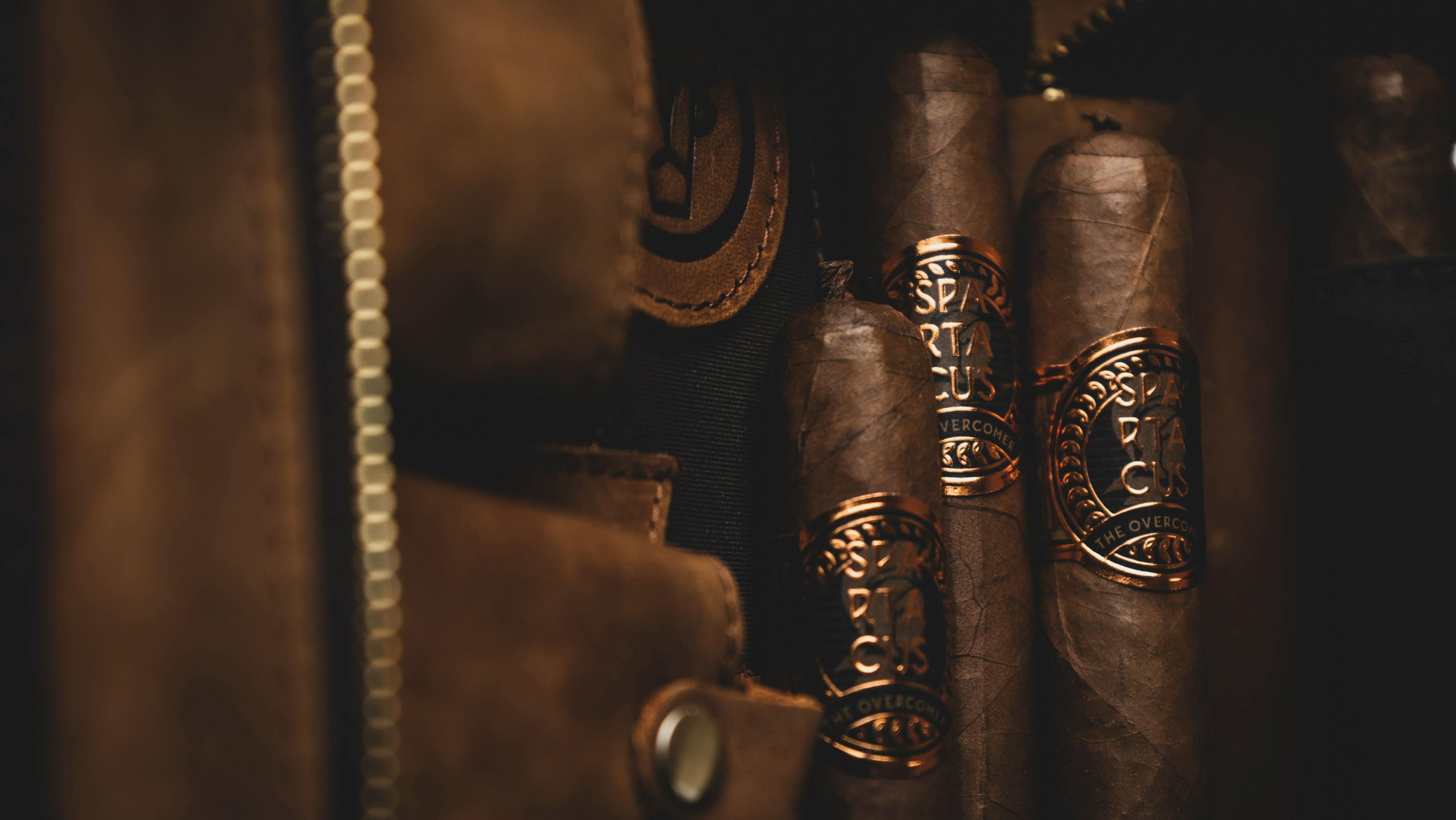
18. Exclusive Production Control in Cuba
The production of Cuban cigars is exclusively controlled by the Cuban government, particularly for export, as noted in The Connoisseur’s Book of the Cigar. This regulation ensures that each cigar meets the highest standards, preserving the authenticity and quality associated with Cuban cigars.
19. Post-Rolling Ageing for Enhanced Flavour
After being rolled, many premium cigars are aged for up to six months, allowing the various flavours to meld and develop. The Ultimate Cigar Book describes this final ageing phase as essential for creating a harmonious taste. This step is a testament to the dedication to quality found in fine cigar crafting.
20. The Influence of Region on New World Cigars
While Cuba remains a cornerstone of the cigar world, New World regions such as Nicaragua and the Dominican Republic have emerged as leading producers. Their diverse climates and rich soils yield unique tobacco qualities, offering a wide array of flavour profiles.

Overall
The art of crafting cigars is a meticulous process, blending time-honoured traditions with expert craftsmanship to create a product of exceptional quality. Whether it’s the smooth, light Connecticut Valley wrapper, the bold Maduro leaves, or the distinctive smoothness of a Cohiba, each factor contributes to the experience of a premium cigar. For those seeking the finest cigars, whether Cuban Habanos or top-quality New World varieties from regions like Nicaragua and the Dominican Republic, it’s essential to choose a reputable supplier that offers authentic products. Platforms like Online Cigars provide an excellent selection of cigars at great prices, allowing aficionados worldwide to experience the artistry behind every hand-rolled masterpiece.
Discover more at Online Cigars
View this post on Instagram
All imagery courtesy of Unsplash / Online Cigars.