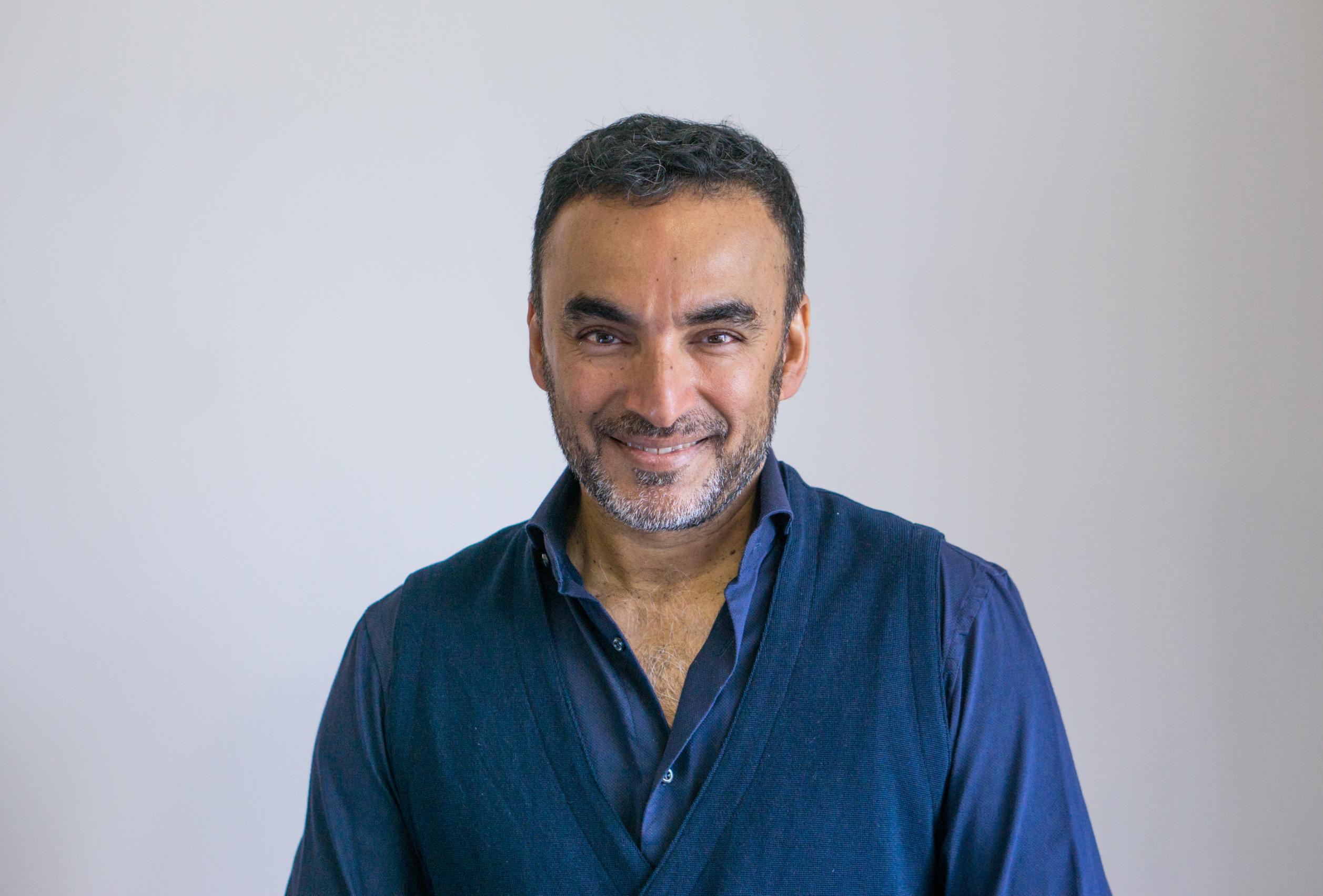
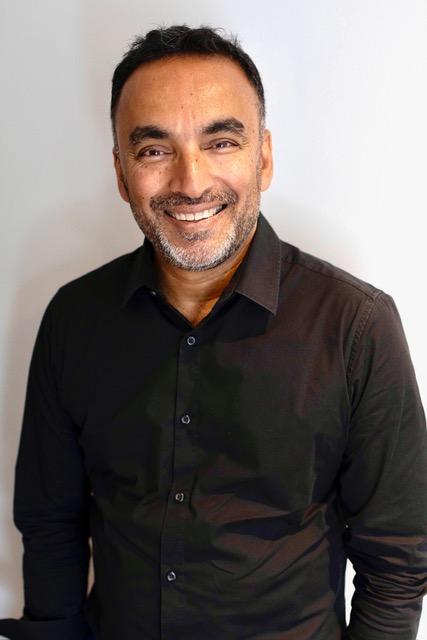
Dr. Anoob Pakkar-Hull, the founder of Laila Aesthetics, has shifted his focus to regenerative aesthetics, integrating this passion into his practice. He also serves as the Director of the Dermoaroma Training Academy, which offers global courses on regenerative medicine. Dr. Anoob has spearheaded the introduction of exosomes derived from bovine colostrum and serves as Dermoaroma’s global ambassador. In addition to his leadership roles, he runs regular clinics in both London and Leeds, continuing to provide personalized care while advancing the field of aesthetics.
We spoke to Dr Anoob Pakkar-Hull about all things aesthetics and beauty.
How would you describe your overall approach to patient care in medical aesthetics? What makes your practice unique?
My approach has always been patient-centric. I believe every patient is unique, which is why I take the time to get to know them—understanding their needs, goals, and concerns while also identifying any limitations. I don’t believe in rushing through consultations or offering one-size-fits-all solutions. It’s important to acknowledge that there isn’t always a perfect answer for everything. Instead, I focus on honest communication and setting realistic expectations. This ensures that each patient feels well-informed, confident, and truly understood throughout the entire process.
What are some of the most common misconceptions patients have about medical aesthetics, and how do you help them navigate those concerns?
A common misconception is that medical aesthetics is purely about vanity. Many people associate treatments like Botox and fillers with superficial fixes, but in reality, aesthetic medicine is much more comprehensive. It’s about improving skin health, slowing the ageing process, and enhancing overall well-being. Many of the treatments I offer work deeper, at the cellular level, providing long-term rejuvenation that goes beyond the surface.
Another misconception is that these treatments are only for women. In fact, more and more men—across all walks of life—are seeking treatments, whether they’re looking to enhance their masculine features, achieve a more youthful look, or simply refresh their appearance. Subtle treatments, like addressing under-eye circles or improving skin texture, are particularly popular among men because they offer natural results with little to no downtime. You can often have a treatment and return to your daily routine the next day.
With so much information (and misinformation) available online, how do you help patients make informed decisions about the treatments that are right for them?
With so much information available online, it’s important for anyone considering aesthetic treatments to do thorough research. Start by looking into the background and experience of practitioners—credibility is key. Review their qualifications, areas of expertise, and any patient testimonials. The next step is having a conversation or consultation. It’s essential to feel comfortable and confident before moving forward, so don’t rush the decision. Take your time after the consultation to think things over.
I understand that some people may be hesitant about paying for a consultation, especially if they’re unsure about proceeding. Here’s a tip: many excellent practitioners offer free consultations or are at least willing to have an initial call or respond to messages to address your concerns. Personally, I offer free online video consultations because I believe it’s important that everyone has access to sound, professional advice without the pressure of upfront costs.
When patients come to see me, I always encourage them to bring any questions or concerns, whether they’re based on something they’ve read online or heard elsewhere. This creates the opportunity to clarify misconceptions and provide personalized, evidence-based information that’s relevant to their specific needs.
What’s the most important piece of advice you give to patients who are considering aesthetic treatments for the first time as renowned Medical Aesthetic Practitioner Dr Anoob Pakkar-Hull?
My main advice for anyone considering aesthetic treatments for the first time is to make informed decisions. Take the time to fully understand your treatment options, potential alternatives, and the realistic outcomes you can expect. That’s where the consultation becomes essential—it’s not just about learning about the procedure, but also ensuring you have all the information needed to make the right choice for your individual needs.
Looking ahead, what do you see as the future of medical aesthetics? Are there any emerging trends or treatments that particularly excite you?
I’m very excited about the future of aesthetic medicine—we’re at a pivotal moment where innovative treatments are transforming the way we approach patient care. Traditionally, aesthetics has often focused on quick, superficial results, which can be unsustainable in the long term. However, a new wave of treatments is emerging that emphasizes long-lasting improvement by working deeper, addressing the root causes of ageing rather than just the surface. These ‘regenerative treatments’ represent a new era in aesthetics, aiming to slow or even reverse the ageing process rather than simply providing the appearance of youth.
Another exciting trend is the move toward a more holistic approach, where we go beyond just treating the skin. Factors like nutrition, overall health, and wellness are becoming key components of aesthetic care.
You are pioneering exosome treatments in the UK for skin regeneration and hair loss. Can you tell us more about that?
I’m excited to be at the forefront of exosome therapy in the UK, an innovative treatment that’s revolutionizing skin regeneration and hair loss solutions. Exosomes are powerful, naturally occurring particles that help cells communicate and repair damaged tissue. They work beneath the surface, boosting collagen production, reducing inflammation, and promoting overall skin health—offering results that go far beyond superficial treatments.
Beyond skin rejuvenation, exosome therapy has been showing incredible promise in the treatment of hair loss, especially for those suffering from conditions like alopecia. Exosomes work by stimulating hair follicles, encouraging healthy growth, and improving hair density over time. This regenerative treatment offers a more natural approach compared to traditional hair loss treatments, with fewer side effects and more sustainable results. Many patients start to see improvements in hair thickness and regrowth within just a few weeks, with continued progress over the following months.
What makes exosome therapy stand out is the quality and consistency of results. Many people are familiar with PRP (Platelet-Rich Plasma) as a treatment for skin and hair, but PRP involves drawing the patient’s blood, and the results can vary based on the individual. Exosome therapy, by contrast, is more reliable and non-invasive, providing consistent outcomes without the need for a blood draw.
You have a passion for education and training within the medical aesthetics community. Why is this important to you, and how do you contribute to raising standards in the field?
Education has always been a passion of mine. I had great mentors when I was starting out, and I see it as my responsibility to give back to the next generation. It’s about constantly raising standards by staying informed, keeping an open mind, and continually learning.
Through conferences, peer discussions, and ongoing education, I aim to push the field forward. We critically evaluate new treatments, but we also stay open to innovation. By sharing knowledge, I believe we can create safer, more effective treatments for patients.
In your opinion, what sets a great medical aesthetics practitioner apart from the rest?
A great medical aesthetics practitioner listens. It’s not about prescribing or telling the patient what’s best—it’s about truly understanding their concerns and working together to find the right solution. The best practitioners are patient-centred, compassionate, and able to tailor treatments to each individual’s unique needs.
What also sets a great practitioner apart is a commitment to continuous learning. The field of medical aesthetics is constantly evolving with new techniques, technologies, and treatments. Staying at the forefront of these advancements is key to providing the best care. A Great practitioner is always seeking to expand their knowledge and refine their skills, ensuring they offer the safest, most effective, and innovative treatments to their patients.
Discover more at www.dranoob.uk
View this post on Instagram
All imagery courtesy of Dr Anoob Pakkar-Hull.