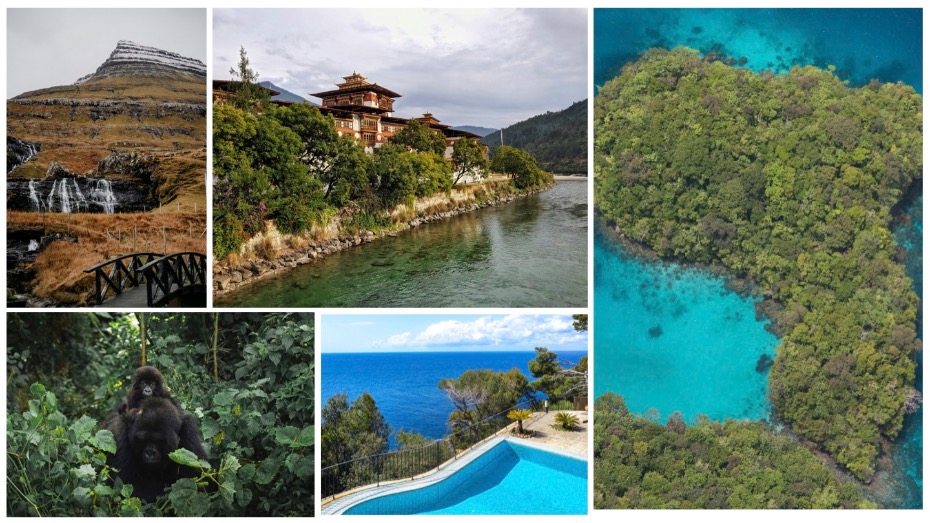
For travellers who have already experienced some of the world’s finest hotels and resorts, beautiful surroundings and exceptional service are no longer the only things they look for. Privacy, personal space and meaningful connections with a destination are becoming just as important. Smaller, more secluded properties are especially attractive when they also help protect the landscapes and support the communities around them.
Across the world, some destinations have introduced conservation fees, community-owned tourism initiatives and environmental commitments that give travel a greater sense of purpose. These arrangements can help fund wildlife protection, strengthen local livelihoods and preserve fragile ecosystems. Choosing a remote nature reserve or a secluded retreat with established conservation programmes means enjoying privacy while helping protect local landscapes and support surrounding communities.
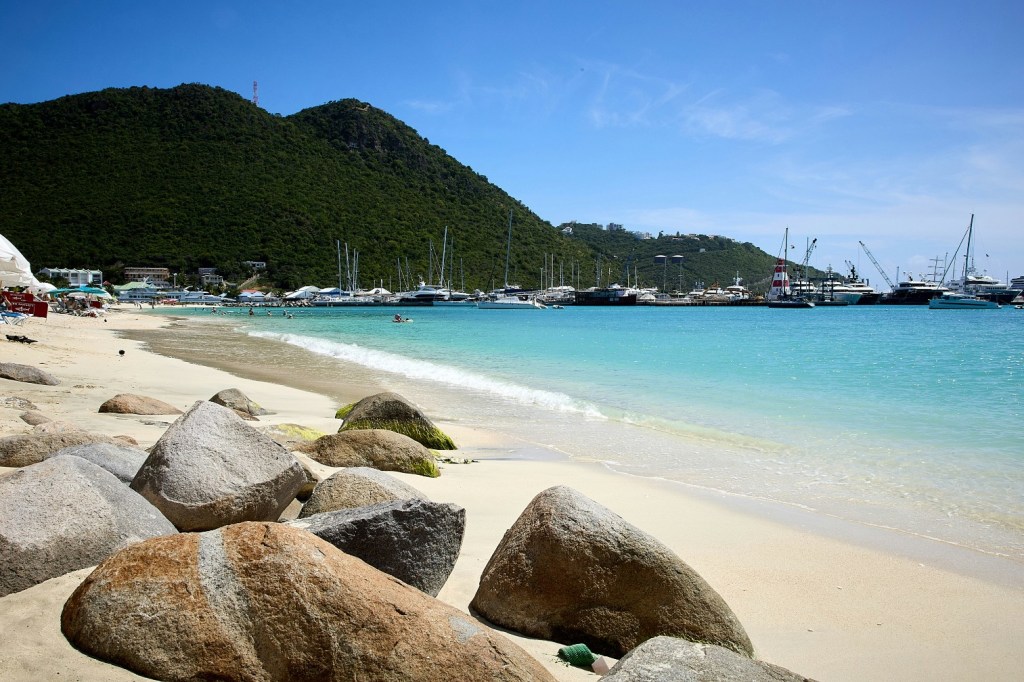
Image courtesy of Colin Hobson via Unsplash
Unwinding on Secluded, Pink-Hued Beaches in Terres Basses, St Martin
On the western peninsula of French St Martin, Terres Basses is a quiet residential area known for its spacious private villas, tropical gardens and beautiful beaches. Unlike the island’s busier resort districts, this part of St Martin has relatively little commercial development, with low-rise properties scattered across the hillsides and coastline. Baie Rouge is particularly striking, with its pale sand taking on a subtle pinkish hue in certain light. Nearby Baie aux Prunes and Baie Longue have long stretches of shoreline where visitors can enjoy the Caribbean scenery without the bustle of large beachfront resorts.
Accommodation here centres on secluded villas set among landscaped gardens, often with private pools and spacious terraces overlooking the sea. Travellers browsing a shortlist of St Martin villas will also find properties with direct beach access, private chefs and views towards neighbouring Anguilla. The beaches themselves remain publicly accessible, even where private residences occupy the surrounding land. Spend the morning by the water, arrange a private boat excursion or enjoy dinner prepared at your villa using fresh Caribbean ingredients.
Terres Basses also has an important role in protecting the island’s coastal wildlife. Baie Rouge, Baie aux Prunes and Baie Longue are significant nesting sites for sea turtles, and a conservation order introduced in 2022 protects approximately 27 hectares of coastal habitat. The rules restrict activities that could disturb nesting turtles or damage their surroundings, particularly during the breeding season. Visitors can help by respecting protected areas, avoiding artificial lighting on nesting beaches and supporting local conservation initiatives.
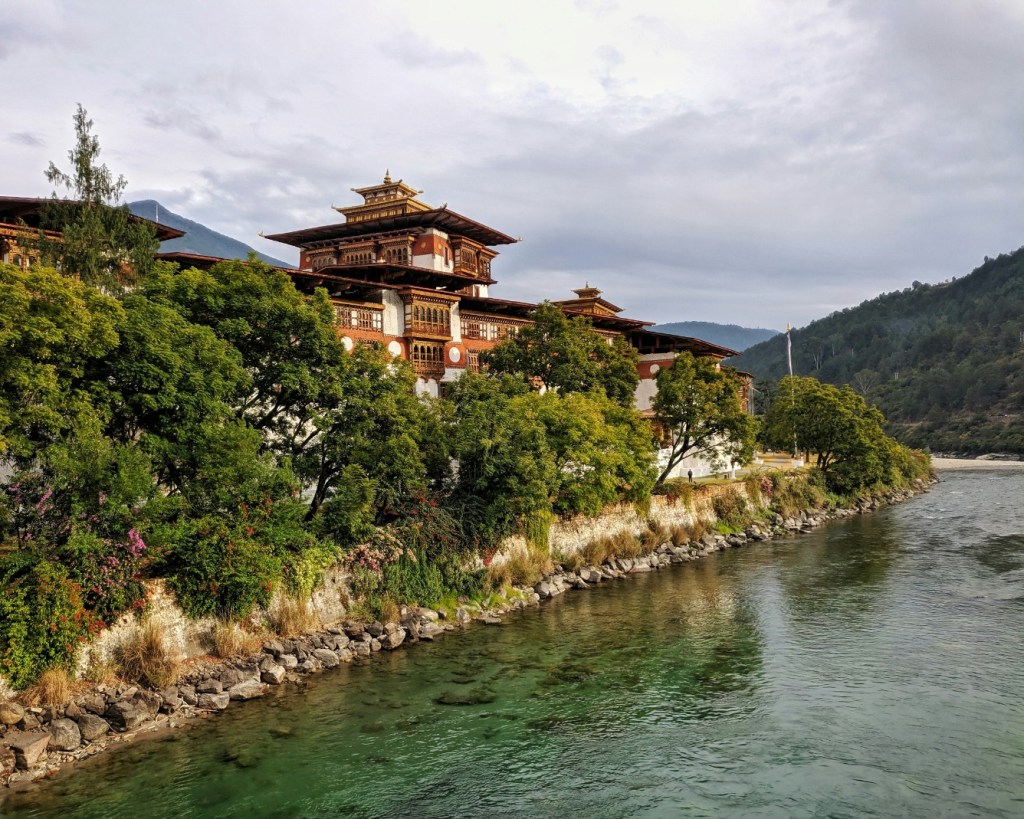
Image courtesy of Rahul Viswanath via Unsplash
Exploring Ancient Dzongs and Forested Valleys in Carbon-Negative Bhutan
Nestled in the eastern Himalayas between India and China, Bhutan is known for its forested mountains, ancient monasteries and distinctive approach to tourism. The country is widely recognised for its carbon-negative status, with its constitution requiring at least 60% of the land to remain under forest cover. In valleys like Paro, Punakha and Bumthang, traditional villages sit among terraced fields, while impressive fortress monasteries known as dzongs overlook rivers and surrounding hills. These historic buildings remain important centres of Bhutanese religious and cultural life.
Bhutan’s approach to tourism is particularly interesting for travellers who want their visits to benefit the places they explore. Most international visitors pay a Sustainable Development Fee, which goes to the government to help fund public services and national development. This includes healthcare, education, environmental conservation and cultural preservation. The country’s high-value, low-volume tourism policy aims to manage tourism’s impact while ensuring that local communities benefit. Visitors can arrange private guided itineraries, with time to visit traditional villages, explore historic monasteries and learn about local customs.
Accommodation ranges from intimate mountain lodges to secluded luxury retreats overlooking pine forests and valleys. One of Bhutan’s most famous experiences is the hike to Tiger’s Nest Monastery, or Taktsang, which clings to a cliff high above the Paro Valley. Elsewhere, travellers can explore traditional markets, visit rural communities or enjoy Bhutanese dishes prepared with local ingredients. Spring and autumn are generally good seasons for exploring the country, with pleasant temperatures and clearer mountain views.
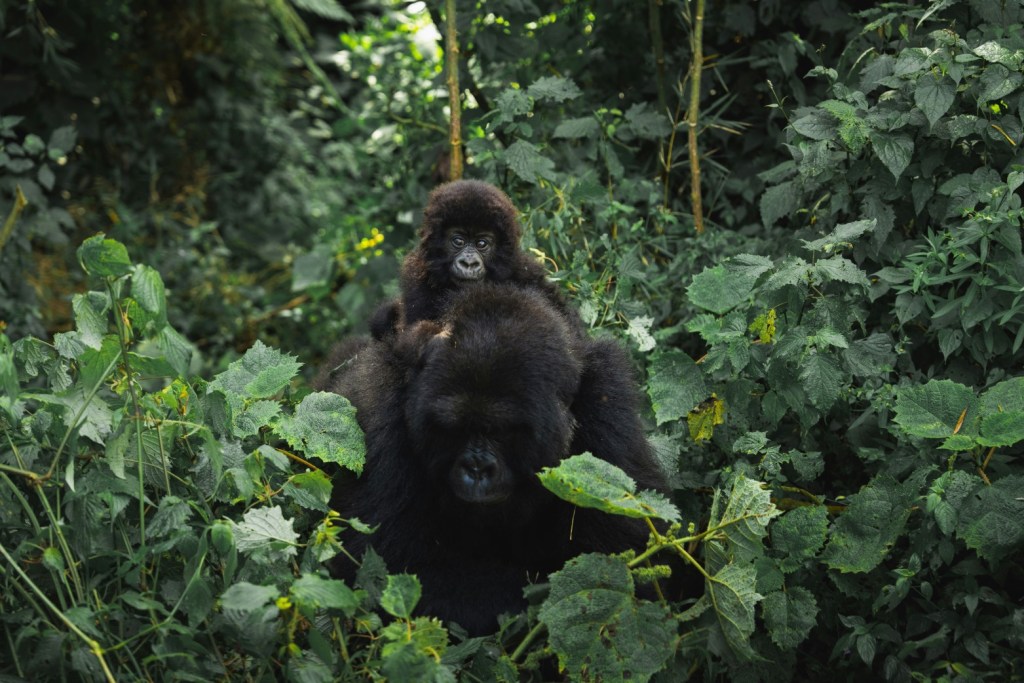
Image courtesy of Tanner Knauf via Unsplash
Encountering Mountain Gorillas in Rwanda’s Volcanic Highlands
In northwestern Rwanda, Volcanoes National Park protects part of the Virunga Mountains, where endangered mountain gorillas live among bamboo forests and mist-covered volcanic slopes. Trekking through this landscape with experienced local guides is one of the country’s most sought-after wildlife experiences. Visits are limited to eight people per habituated gorilla family each day, with a maximum of one hour spent observing the animals. These restrictions help minimise disturbance while allowing visitors to watch gorillas feeding, resting and interacting in their natural habitat.
Rwanda’s gorilla tourism plays an important role in protecting endangered mountain gorillas and supporting surrounding communities. Revenue from trekking permits helps fund park management and conservation efforts, while the country’s Tourism Revenue Sharing Programme directs a portion of national park income towards community development projects. These have included schools, healthcare facilities and improvements to local infrastructure, giving nearby communities a direct financial stake in preserving the park and its natural heritage.
A small luxury lodge near Volcanoes National Park makes an excellent base for travellers choosing bespoke Rwanda safari tours, particularly with early morning gorilla treks to consider. Some properties have spacious suites overlooking the surrounding mountains, while others support local employment and conservation initiatives. Private transfers and specialist guides can be arranged as part of a longer itinerary, although the gorilla trek itself follows the park’s group-size rules. After a day in the forest, guests can return to their accommodation to relax and enjoy the peaceful mountain surroundings.
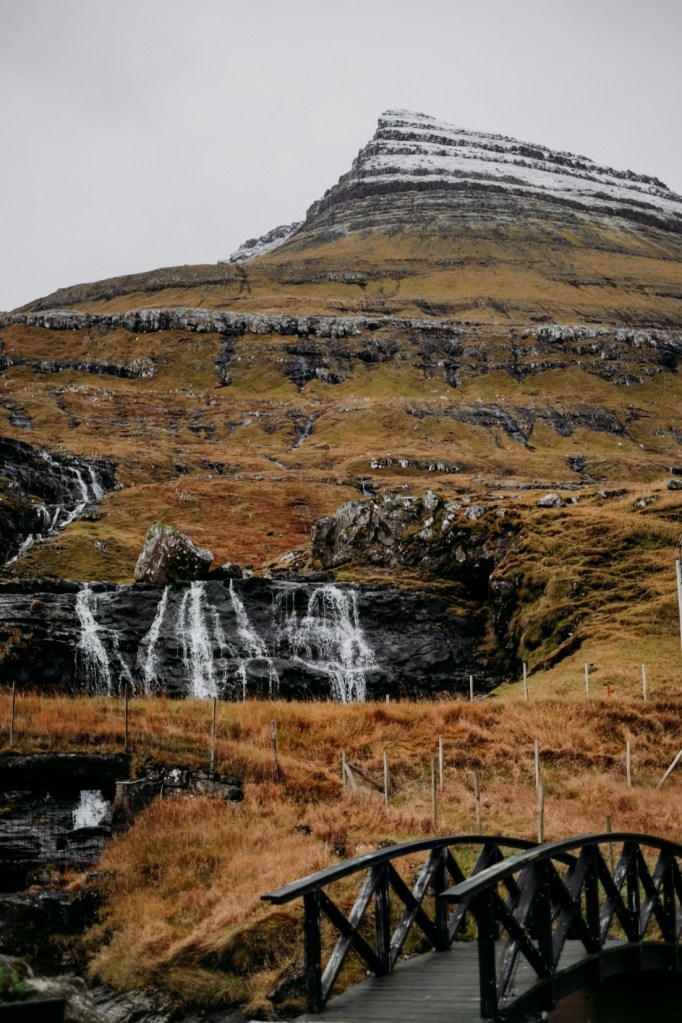
Image courtesy of Maria Teneva via Unsplash
Restoring Mountain Trails Alongside Locals in the Faroe Islands
Between Iceland and Norway, the Faroe Islands are known for their towering sea cliffs, turf-roofed villages and green mountains overlooking the North Atlantic. Walking is one of the best ways to appreciate the landscape, with trails leading across grassy hillsides, through remote valleys and towards dramatic coastal viewpoints. However, the islands’ fragile vegetation and growing popularity have made maintaining these paths increasingly important. To help protect the landscape, the Faroe Islands introduced an initiative called Closed for Maintenance, Open for Voluntourism, which brings visitors and local residents together to care for popular outdoor sites.
During the annual programme, selected locations are temporarily closed to ordinary visitors while a limited number of volunteers help with conservation and maintenance work. Working alongside local teams, participants repair walking paths, improve drainage and restore features that have been affected by erosion or heavy foot traffic. Previous projects have included improvements to mountain trails and historic stone walls across the islands. Places are limited, with participants selected through an application process.
Outside the maintenance programme, the Faroe Islands are equally rewarding for travellers looking for privacy and small-scale accommodation. Tórshavn has intimate boutique hotels and restaurants serving regional ingredients, while traditional cottages in coastal villages are ideal for a quieter stay. Days can be spent exploring the islands with local walking guides, visiting remote settlements or enjoying views of the dramatic coastline. Faroese cuisine is another highlight, with fresh North Atlantic seafood, lamb and traditional preserved foods featuring on local menus.
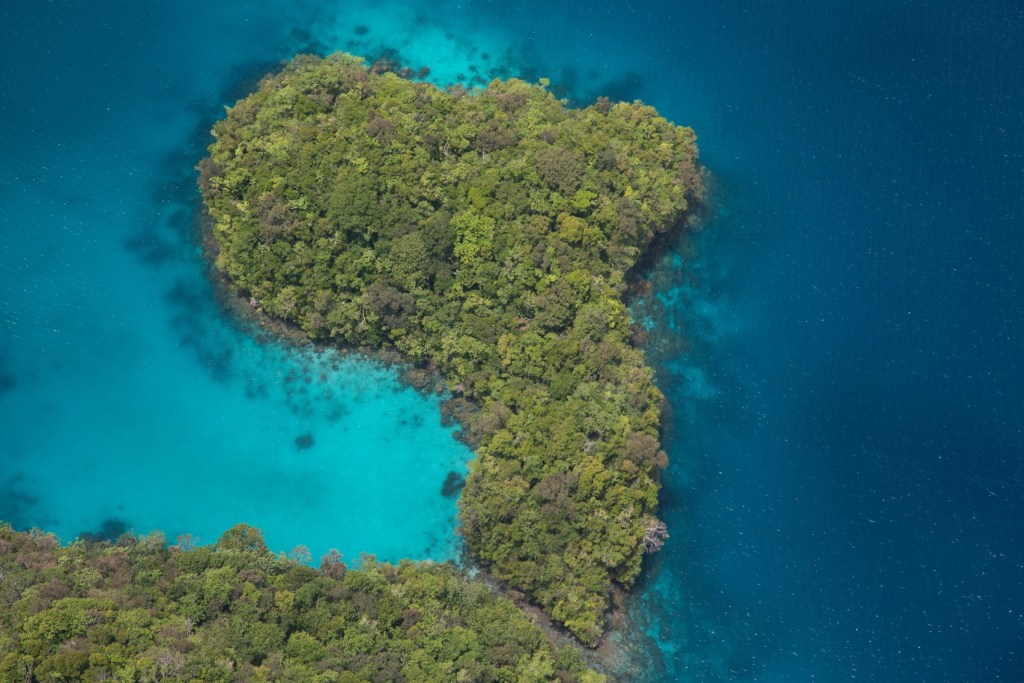
Image courtesy of Kurt Cotoaga via Unsplash
Signing a Passport Eco-Pledge to Explore Remote Sandbars in Palau
In the western Pacific, Palau is a small island nation known for its limestone islands, sheltered lagoons and remarkably diverse marine life. Many of its most striking landscapes lie within the Rock Islands Southern Lagoon, a UNESCO World Heritage Site where forest-covered limestone formations rise above clear turquoise water. The surrounding reefs are home to reef sharks, sea turtles, giant clams and colourful tropical fish. Despite its reputation for extraordinary diving and snorkelling, Palau has also become known for the measures it has introduced to protect its natural environment.
One of the country’s most distinctive initiatives is the Palau Pledge, a commitment that international visitors sign when entering the country. Developed with input from Palauan children, the pledge asks travellers to respect local culture and help protect the islands for future generations. Visitors also contribute through the Pristine Paradise Environmental Fee, which is generally included in international airfares. Part of this revenue supports Palau’s Protected Areas Network, helping finance the management and conservation of important marine and terrestrial habitats. These measures give tourism a practical role in protecting the ecosystems that attract visitors in the first place.
Exploring the Rock Islands by private boat or kayak is a wonderful way to appreciate Palau’s quieter corners. Guided excursions can include snorkelling above coral reefs, visiting sheltered lagoons and stopping at small beaches surrounded by limestone cliffs. Access to certain protected areas requires permits, and responsible operators follow local rules designed to minimise environmental damage. Accommodation ranges from established waterfront resorts to smaller properties, with locally owned businesses offering another way to contribute to the island economy.
Where will privacy and purpose take you?
Luxury travel is no longer just about comfort and privacy. The destinations we choose and the impact of our visits matter just as much. Smaller, more secluded destinations can make a holiday feel more personal, especially when tourism also helps protect natural landscapes and support surrounding communities. Knowing that a visit contributes to conservation or local livelihoods adds another dimension to the experience.
When planning your next trip, consider how your chosen destination manages tourism and where visitor contributions go. Conservation fees, community-led initiatives and responsible accommodation providers can all make a difference, although their impact varies. With a little research, you can find somewhere that respects your need for privacy while supporting the people and environments that make it special.
All images courtesy of Unsplash.