Image courtesy of Guillermo Álvarez via Unsplash.
Away from Spain’s busy tourist spots, quieter corners of the country reveal a landscape of rugged mountains, protected nature reserves and secluded islands. Many of these places have retained their traditional character, with small villages, unspoilt coastlines and scenic trails that attract travellers looking for a more active holiday. Walking, cycling and exploring the countryside are all part of the experience, with fewer crowds and more time to appreciate the surroundings.
After a day outdoors, small boutique hotels, traditional restaurants and peaceful countryside retreats make it easy to unwind while enjoying Spain’s regional culture and cuisine. The Balearic Islands, volcanic landscapes of the Canaries and mountains of northern Spain each have something different to offer travellers who want to stay active while enjoying a slower, more personal style of holiday.
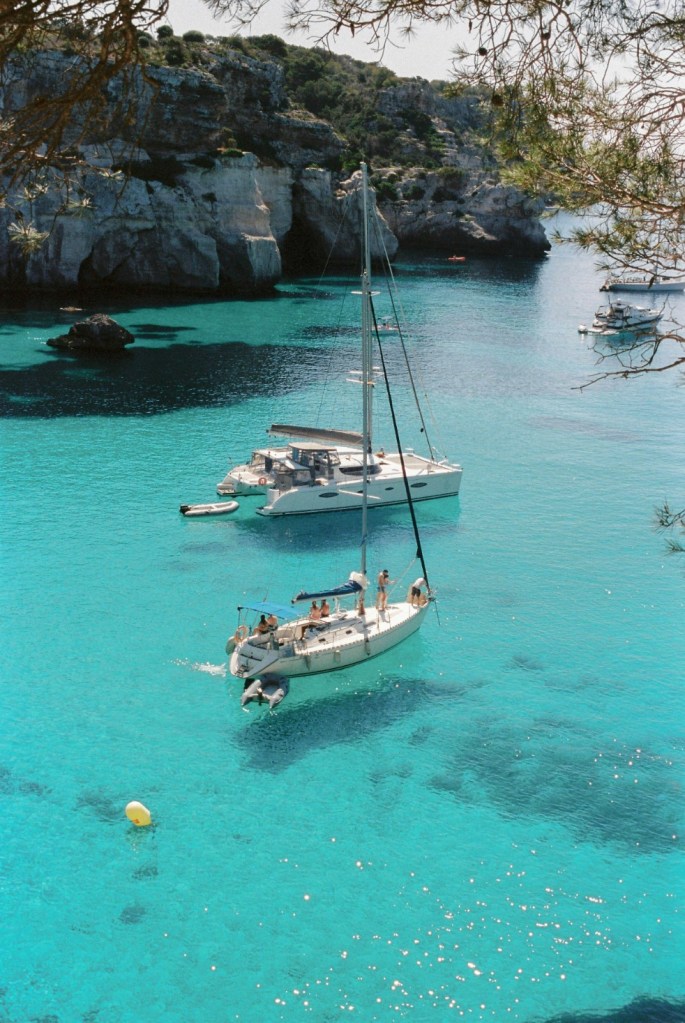
Image courtesy of Pelayo Arbués via Unsplash.
Walking to Protected Pine-Fringed Coves on Menorca
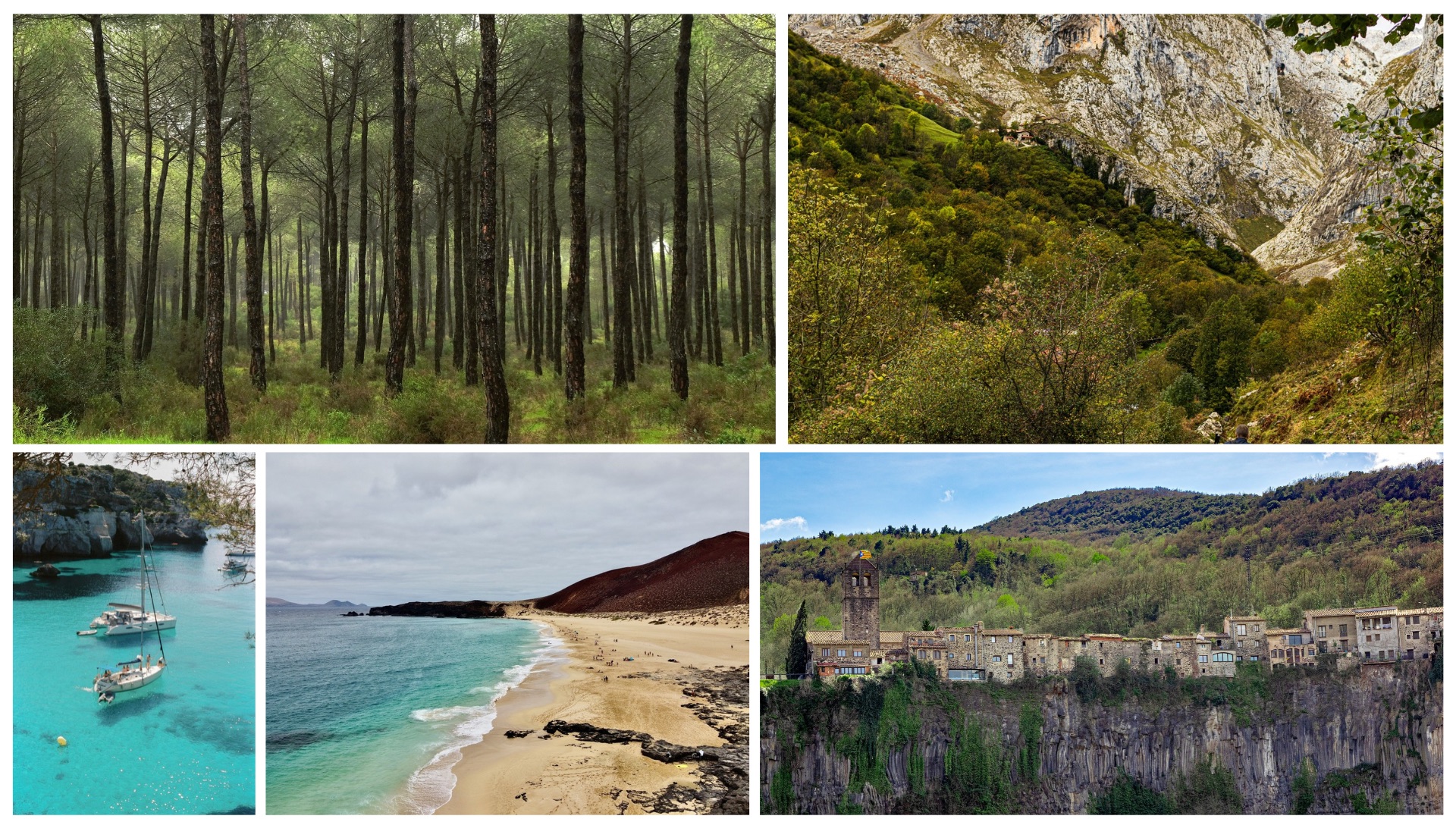
Declared a UNESCO Biosphere Reserve in 1993, Menorca is known for its protected landscapes, traditional villages and stretches of unspoilt coastline. The historic Camí de Cavalls, a 185-kilometre trail once used to patrol the island’s shores, follows much of the coastline and connects beaches, rocky headlands and secluded coves. Today, walkers can follow individual sections of the route, passing through pine forests and Mediterranean scrubland with views of the turquoise sea.
Along the southern coast, Cala Mitjana and Cala Trebalúger are among the island’s most beautiful coves, with pale sand, clear water and pine-covered cliffs. Both can be reached on foot, although Cala Trebalúger requires a longer walk through wooded terrain. Starting early is a good idea, particularly during summer when popular beaches can become busy. The paths are also exposed to the Mediterranean heat in places, so comfortable walking shoes and plenty of water are essential. After a morning on the coast, there’s time to swim or simply rest in the shade of the pines.
Just outside the busier coastal towns, traditional stone farmhouses and secluded villas offer privacy and a peaceful place to unwind after a day outdoors. For those retreating to villas in Menorca, the countryside around Ciutadella and Es Migjorn Gran has properties with private pools, shaded terraces and easy access to walking trails. Evenings are ideal for exploring the island’s harbour towns, where restaurants serve fresh seafood and local specialities.
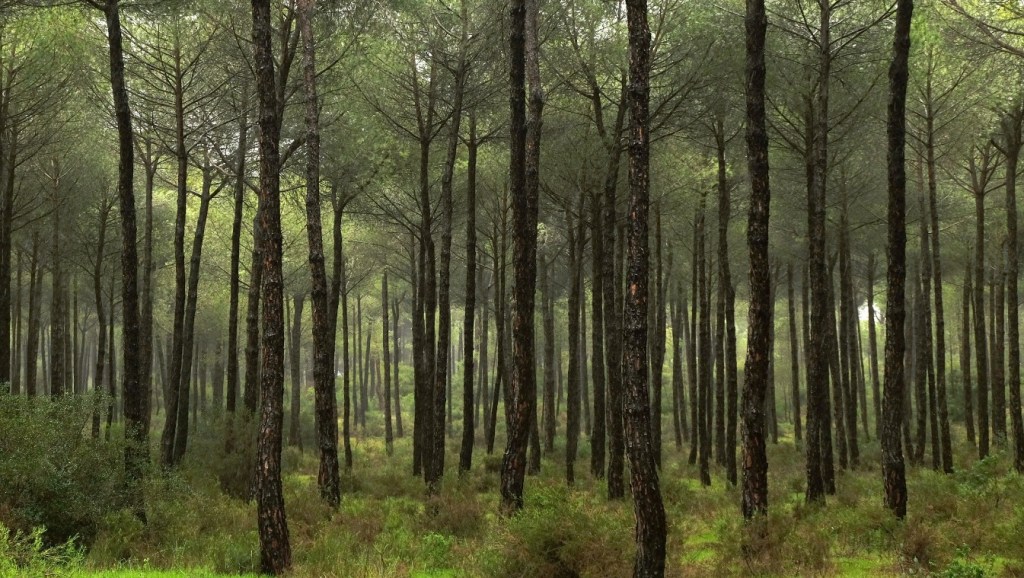
Image courtesy of Steve West via Unsplash.
Exploring Restricted Marshes and Dunes in Doñana National Park
Where the Guadalquivir River meets the Atlantic Ocean in Andalusia, Doñana National Park protects an extensive landscape of shifting sand dunes, stone pine forests and seasonal freshwater marshes. Its wetlands attract thousands of migratory birds, including flamingos, herons and ducks, while the surrounding woodlands are home to the endangered Iberian lynx and Spanish imperial eagle. Much of the park’s interior has restricted access, helping protect these fragile habitats. Visitors can still explore designated walking trails and observation areas, although reaching the more remote sections requires an authorised guided excursion.
One of the most interesting ways to discover Doñana is on a guided four-wheel-drive tour, following sandy tracks through dunes, forests and marshland. Experienced naturalists explain the area’s wildlife and changing ecosystems, with stops at suitable viewpoints for birdwatching and photography. Horse riding is another popular activity in the wider Doñana area, particularly along the Atlantic beaches near El Rocío. Spring is generally a good time for birdwatching, when the wetlands attract migratory species, although water levels and wildlife activity vary with rainfall.
For accommodation, the traditional whitewashed village of El Rocío has small hotels and rural guesthouses surrounded by sandy streets, while Sanlúcar de Barrameda is a good choice for those who prefer to stay near the coast. After exploring the park, enjoy a glass of chilled manzanilla sherry with freshly caught seafood or local prawns at a waterfront restaurant. Sanlúcar also has a fascinating maritime history, having served as the departure point for Christopher Columbus’s third voyage in 1498.
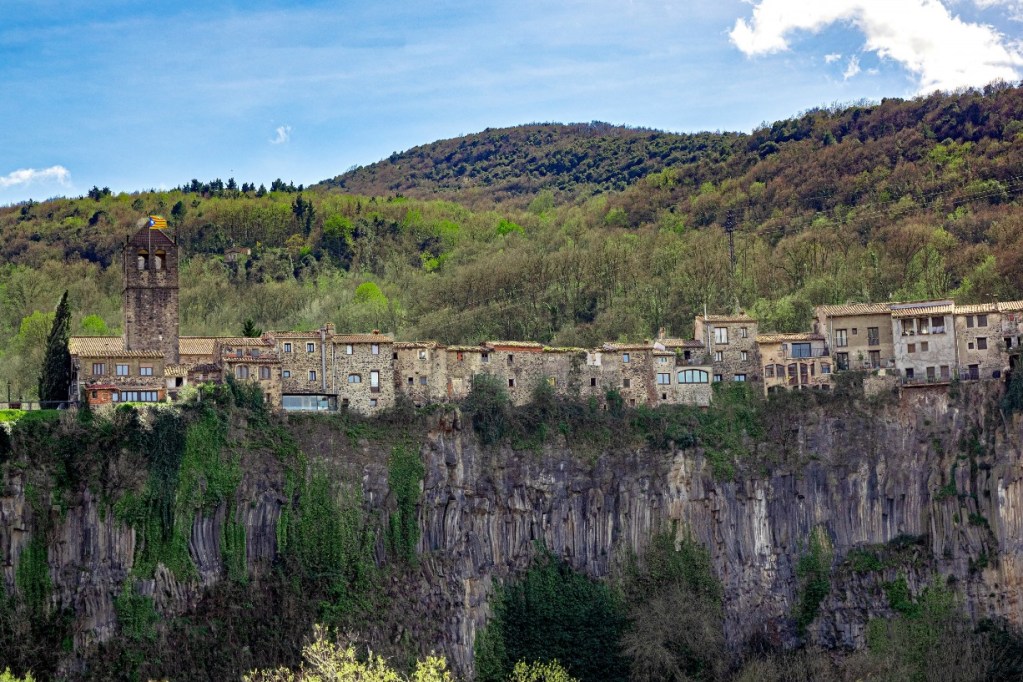
Image courtesy of Manuel Torres Garcia via Unsplash.
Discovering Volcanic Craters and Cliff-Top Villages in La Garrotxa
Inland from Catalonia’s Costa Brava, La Garrotxa is a region of forested hills, medieval villages and ancient volcanic landscapes. The Garrotxa Volcanic Zone Natural Park contains around 40 dormant volcanoes and more than 20 lava flows, many now covered by woodland. Walking trails lead through beech forests and across volcanic terrain, with routes suitable for different fitness levels. One of the most unusual sights is Santa Margarida, where a small Romanesque chapel stands in the middle of a grassy volcanic crater surrounded by wooded slopes.
The surrounding countryside is also excellent for cycling, with quiet rural roads, gentle valleys and more demanding climbs through the foothills. The Carrilet Greenway follows a former railway line between Olot and Girona, passing through forests and traditional villages along the way. It’s a good route for those who prefer cycling away from busy roads, while experienced riders can explore the hillier terrain around Santa Pau. This variety makes La Garrotxa a good choice for those mapping out cycling trips in Spain, particularly if they want to combine outdoor activities with time exploring smaller towns.
Castellfollit de la Roca is one of the region’s most striking villages, perched along the edge of a basalt cliff around 50 metres above the surrounding rivers. Its narrow streets and old stone buildings are particularly interesting to explore on foot, with viewpoints overlooking the valley below. For accommodation, restored Catalan farmhouses, known as masías, can be found throughout the countryside, often surrounded by fields and wooded hills. After a day of walking or cycling, local restaurants serve traditional dishes featuring Santa Pau beans, wild mushrooms and seasonal produce, giving you a taste of the region’s rural food traditions.
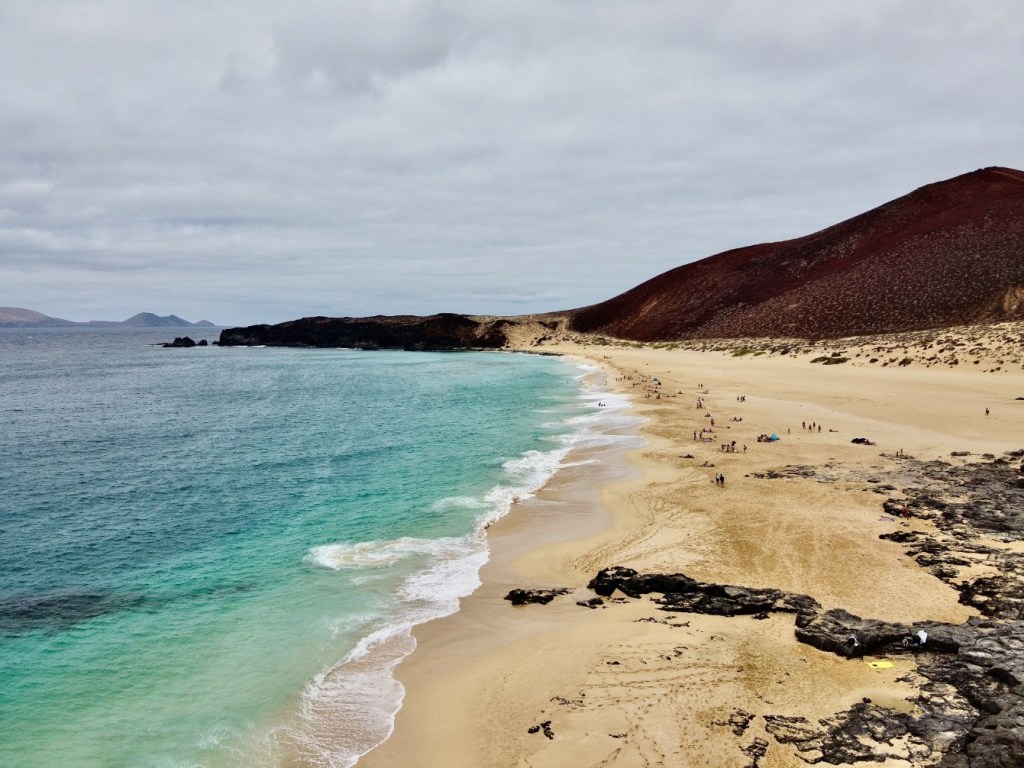
Image courtesy of Jorge Fernández Salas via Unsplash.
Wandering Car-Free Sand Streets and Quiet Beaches on La Graciosa
Just across the El Río strait from northern Lanzarote, La Graciosa feels quite different from the larger Canary Islands. There are no paved roads, and most people get around on foot, by bicycle or using authorised four-wheel-drive taxis. The main settlement, Caleta de Sebo, has whitewashed houses, sandy streets and a small harbour where fishing boats sit alongside the ferries arriving from Lanzarote. As part of the protected Chinijo Archipelago, the island has avoided the large-scale resort development found elsewhere in the Canaries.
The ferry from Órzola takes around 25 minutes, after which you can hire a bicycle or arrange transport to explore the island’s beaches. Playa de las Conchas is especially striking, with pale sand, turquoise water and the reddish slopes of Montaña Bermeja rising behind it. The beach faces the uninhabited island of Montaña Clara, although strong currents and waves make swimming dangerous. For a gentler afternoon by the sea, Playa de la Francesa is another option, with sheltered waters that are generally better suited to swimming when conditions allow. Cyclists should also be prepared to walk their bikes through particularly sandy sections of the island’s tracks.
Accommodation on La Graciosa is limited, with small guesthouses and holiday apartments taking the place of large hotels. Spending a night or two here allows you to enjoy the island after many day visitors have returned to Lanzarote. In Caleta de Sebo, waterfront restaurants serve freshly caught fish and traditional Canarian dishes, while the sandy streets become quieter towards evening. With little traffic and no large resort complexes, the island is a lovely place to slow down after exploring its volcanic landscapes and beaches.
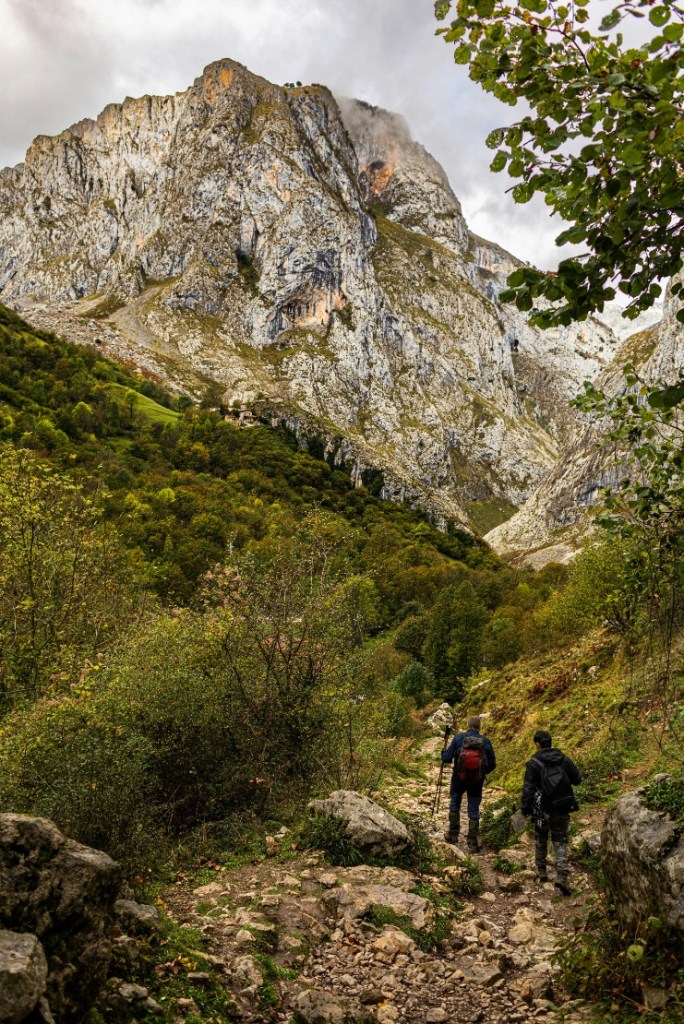
Image courtesy of Vitalii Kyktov via Unsplash.
Hiking a Cliff-Cut Gorge Trail in the Picos de Europa
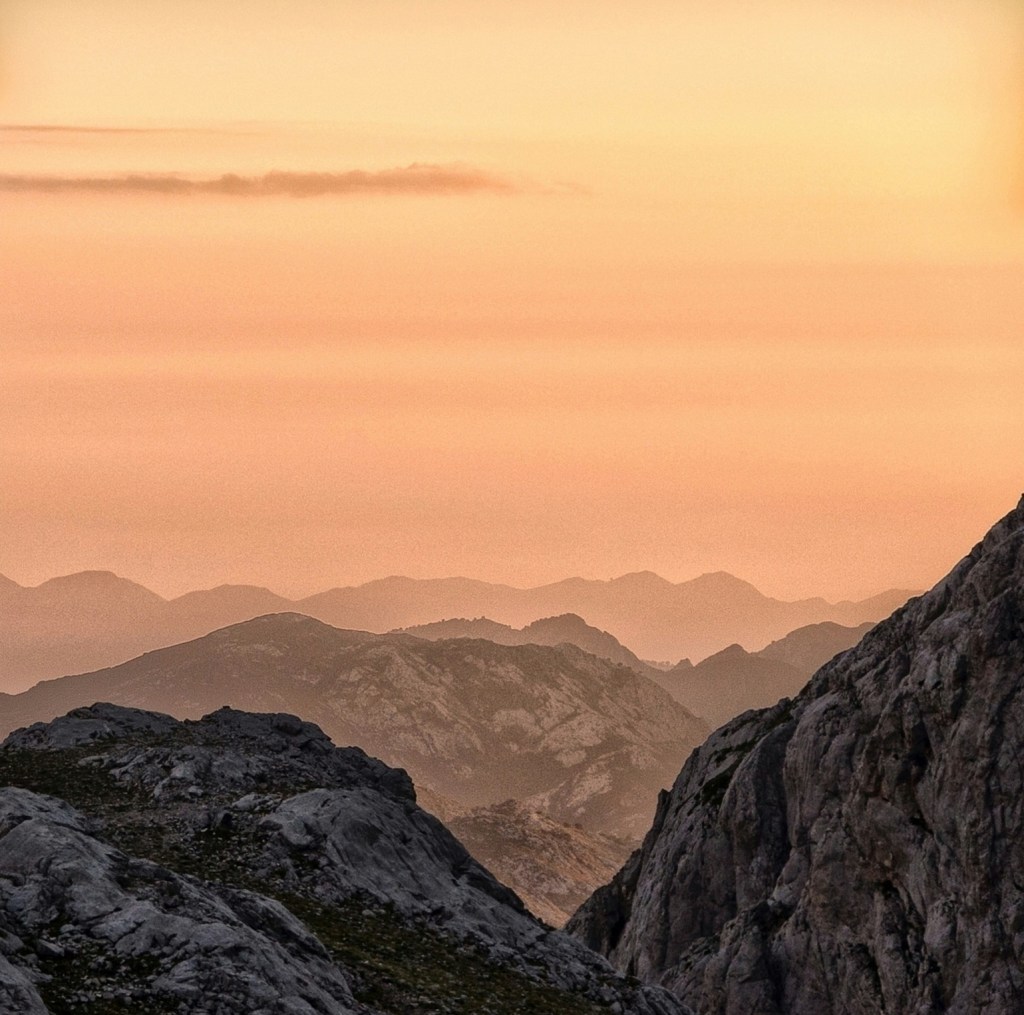
In northern Spain, the Picos de Europa National Park is known for its towering limestone peaks, deep valleys and traditional mountain villages. One of its most famous walking routes is the Ruta del Cares, a narrow trail carved into the rock above the Cares River. The path connects Poncebos in Asturias with Caín in León, covering approximately 12 kilometres each way. Originally developed to support a hydroelectric canal, it now attracts hikers who come to see the dramatic gorge and surrounding mountains.
The route follows the canyon walls, passing through rock-cut tunnels and across bridges high above the river. In some sections, the path is exposed, with steep drops and no protective barriers, so it’s important to watch your footing. Griffon vultures are sometimes seen soaring above the cliffs, while the rugged terrain makes for spectacular views throughout the walk. Allow several hours to complete the route in one direction, and arrange your return transport in advance if you don’t intend to walk back. Spring and early autumn are generally good times to visit, with milder temperatures, although mountain weather can change quickly.
After a day on the trail, the villages around Arenas de Cabrales are good places to experience traditional Asturian hospitality. Small countryside hotels and restored stone houses offer accommodation within reach of the national park, while local restaurants serve hearty regional dishes. Try fabada asturiana, a rich bean stew, or Cabrales blue cheese, which is matured in natural mountain caves. For a quieter stay, consider visiting outside the busiest summer months, when the surrounding villages and walking routes tend to be less crowded.
Which Spanish escape would you choose first?
Some of Spain’s most rewarding holidays are spent exploring places where nature and local traditions remain an important part of everyday life. Coastal walking trails, volcanic landscapes and rugged mountain paths offer plenty of ways to stay active, while smaller villages and secluded retreats make it easy to unwind afterwards. The pleasure lies in having the freedom to explore at your own pace, with time to appreciate the surroundings.
A little advance planning can make these trips easier, particularly when visiting protected areas or arranging guided excursions. Consider the season, the difficulty of the activities and the accommodation available before deciding where to go. With the practical details sorted, you can enjoy a holiday that balances outdoor adventure with the quieter pleasures of Spain’s less-developed destinations.
All images courtesy of Unsplash